


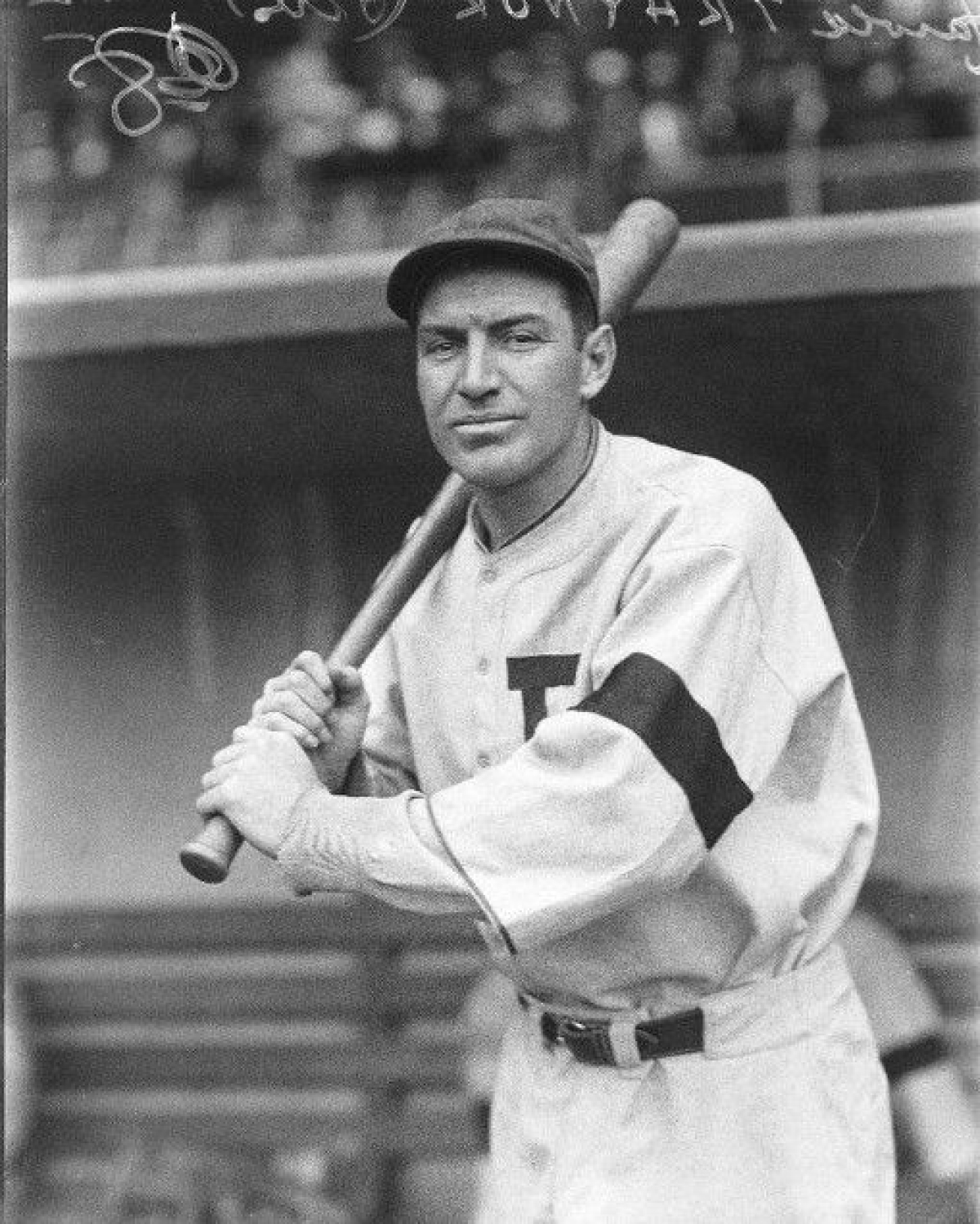



Early 20th-century baseball history often highlights Harold "Pie" Traynor as the benchmark for third-base excellence. Coming from Massachusetts’ sandlots to earn his nickname, the friendly and popular third baseman spent nearly twenty years as the franchise's main figure. For many fans and writers of his era, Traynor was the definitive standard, skilled defensively, a clutch hitter, and known for his gentlemanly behavior, making him a cherished part of Western Pennsylvania's sports culture.
After a brief appearance in the 1920 and 1921 schedules, Traynor fully claimed the everyday third baseman role in 1922 and held onto it for the next 14 seasons. He made contact hitting a consistent part of his game, skillfully adapting to the lively ball era with a remarkably smooth, low-variance right-handed swing.
Traynor frequently challenged National League pitchers, achieving over a .300 batting average in ten seasons. He ended his career with an impressive .320 average and 2,416 hits. Despite lacking modern power—hitting only 58 home runs in 1,941 games—he was exceptionally effective at producing runs in critical moments. Using a smart situational hitting strategy and excellent bat control, Traynor surpassed 100 RBIs six times and often drove the ball into the large gaps of Forbes Field.
His consistent individual performance gained him regular national recognition, with seven top-ten placements in the National League MVP voting. The peak of his team success came in the notable 1925 season, when he posted a .320 batting average, leading the Bucs to a pennant. He also hit a crucial home run against Walter Johnson in the exciting seven-game World Series, helping them win the championship.
Although traditional baseball legends celebrate his legacy, modern analytics provide a more critical view of his efficiency. When analyzed with current run-creation metrics, his overall value is limited by a low walk rate, resulting in a .362 career on-base percentage, and limited power. Defensive metrics like Total Zone indicate that, despite his impressive reflexes and strong arm, his positional range was more average than his legendary reputation suggests.
Since the Pirates have a notably top-heavy, historical hierarchy filled with immortal, high-volume Hall of Famers in the inner circle, these analytical adjustments ensure Traynor remains firmly in the secondary tier of franchise legends.
After retiring from playing, he smoothly moved into a successful managerial career and became a renowned sports broadcaster in the city, keeping his voice as a daily presence for local fans until he passed away in 1972.
Traynor was inducted into the Baseball Hall of Fame in 1948, and his number 20 was retired by the team in 1972.

Comments powered by CComment