

20. Jack Powell
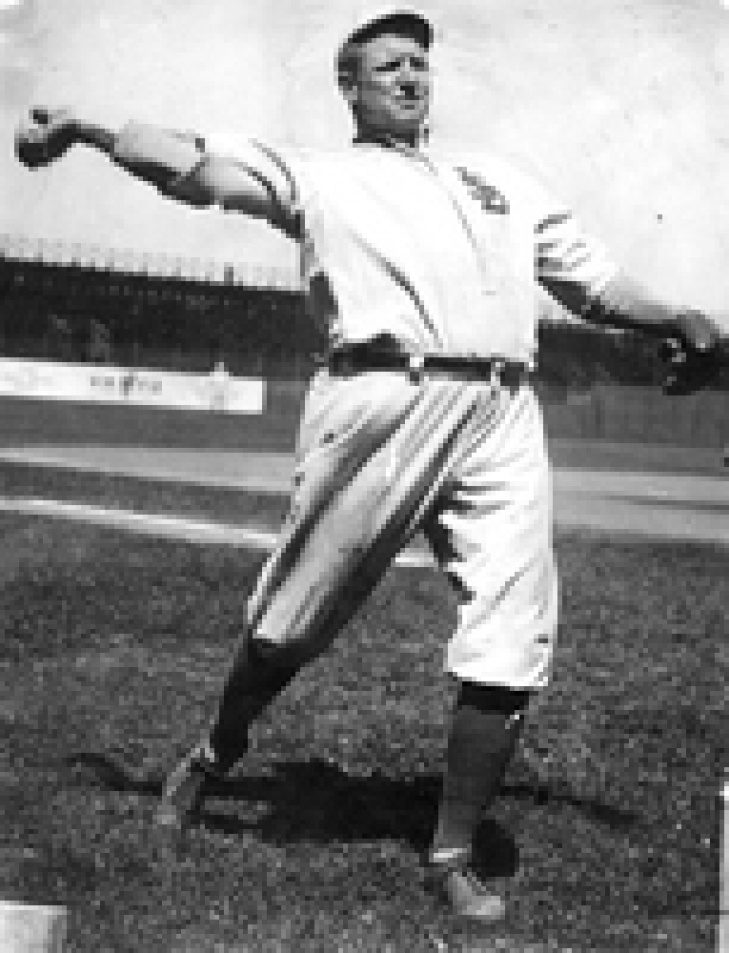
Jack Powell was a pillar of the St. Louis Browns' rotation for ten seasons across two separate stints, serving as the reliable engine of a team that often struggled to provide him with run support. While his 117–143 record with the Browns might suggest a mid-level starter, the underlying metrics reveal a pitcher who was consistently more effective than the teams behind him.
Powell lacked the dazzling velocity of the era’s "fireballers," instead relying on a unique, deceptive sideline delivery. What he lacked in arm speed, he made up for with craftiness and elite command. He joined the Browns during their inaugural American League season in 1902, immediately proving his mettle with a 22-win campaign. Though a brief trade sent him to the New York Highlanders, his 1904 return to St. Louis marked the beginning of a sustained period of efficiency.
Between 1905 and 1908, Powell was a fixture on the American League leaderboards. He finished in the top ten in WHIP four times, showcasing an ability to keep runners off the paths that rivaled the best in the game. His statistical peak arrived in 1906, when he finished fourth in the American League with a blistering 1.77 ERA. In an era defined by pitching, Powell’s ability to suppress scoring while throwing over 250 innings a year made him a workhorse of the highest order.
Powell remained a fixture in the St. Louis rotation until his release in 1912. He left the Browns as one of the franchise's most durable pioneers, proving that "craft" and control could be just as dominant as power. In the history of the St. Louis era, Powell stands as a testament to the "lonely excellence" of a premier pitcher on a sub-.500 team.
17. Ken Singleton
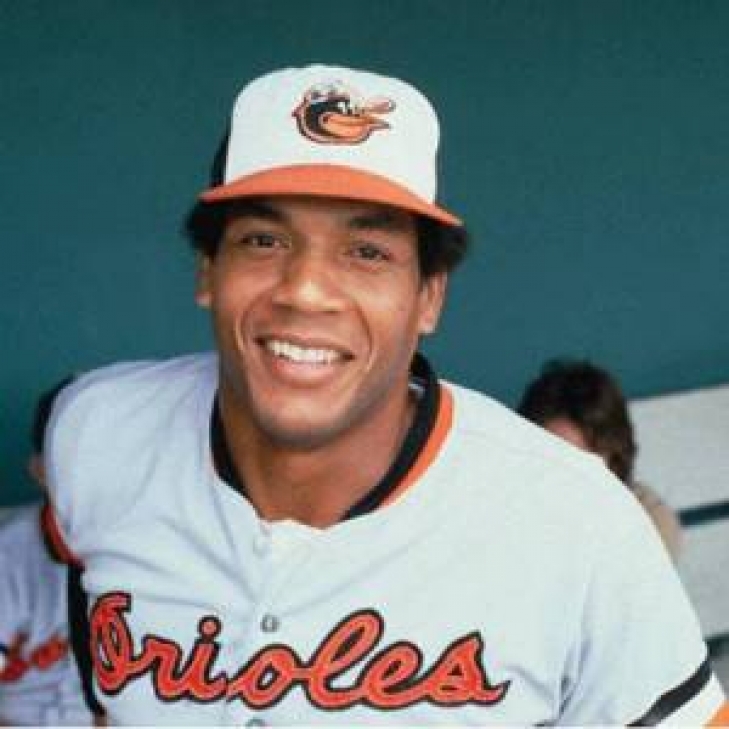
While Ken Singleton first established himself as a frontline starter in Montreal, it was his 1974 trade to Baltimore that transformed him into one of the most feared and disciplined hitters in the American League. The Expos’ decision to part with the switch-hitting outfielder remains one of the most regrettable moves in their history, as Singleton would spend the next decade becoming a cornerstone of the Orioles' offensive philosophy.
A three-time All-Star (1977, 1979, and 1981), Singleton combined steady power with a surgical approach at the plate. He reeled off four consecutive 20-home run seasons between 1977 and 1980, peaking with a career-high 35 homers in 1979—a season in which he finished as the American League MVP runner-up. His value, however, was anchored by a legendary batting eye. Singleton recorded three .300 seasons and posted an elite on-base percentage of .400 or higher four times. He was a perennial fixture on the league leaderboards, finishing in the AL top ten for OBP eight times and in the top ten for OPS six times.
Singleton was the veteran presence that helped steer Baltimore to the 1983 World Series title, providing a professional approach that defined the "Oriole Way" during his penultimate season. He retired in 1984, leaving the game with 1,455 hits, 182 home runs, and a sterling .284/.388/.445 slash line in a Baltimore uniform. Inducted into the Orioles Hall of Fame in 1986, Singleton remains the gold standard for switch-hitting excellence and plate discipline in franchise history.
41. Carl Weilman
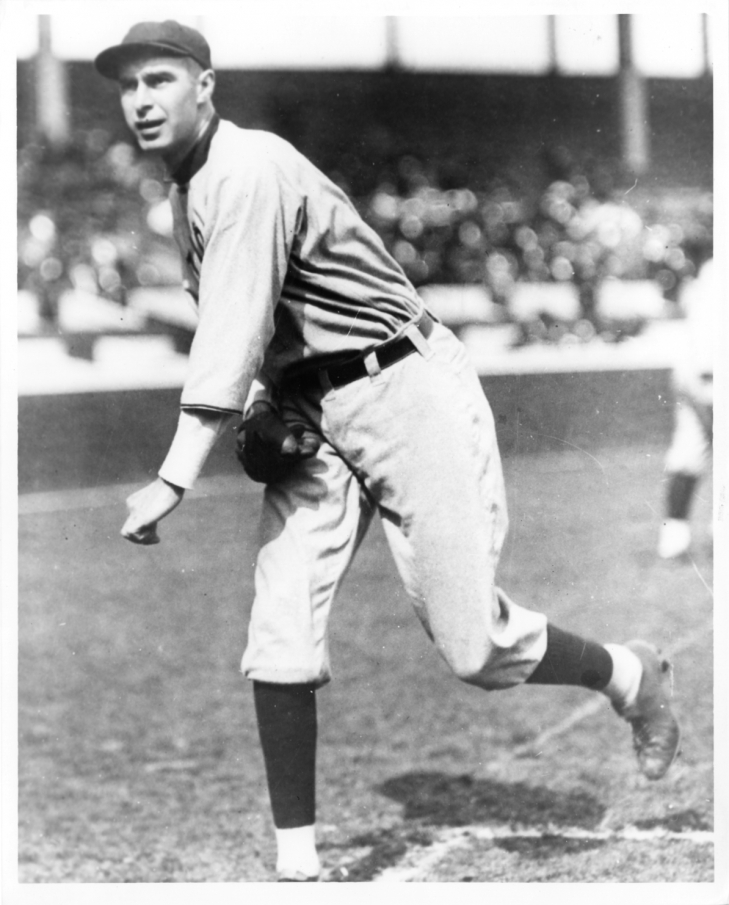
Standing a towering 6’5” in an era when the average pitcher barely cleared 5’9”, Carl Weilman was a literal and figurative giant for the St. Louis Browns. A "Lifer" who spent his entire eight-season career with the franchise, Weilman used his unique leverage and left-handed delivery to become one of the most effective, albeit overlooked, starters of the Deadball Era.
Weilman’s peak from 1914 to 1916 was a masterclass in efficiency. During this three-year stretch, he won at least 17 games annually while maintaining a microscopic sub-2.40 ERA. More impressively, he was a fixture on the American League leaderboards, consistently ranking in the top eight for Pitching bWAR and Wins. He was the rare arm that could neutralize the legendary hitters of the day, using his height to create a release point that Deadball hitters found nearly impossible to track.
His ascending career was tragically interrupted by a battle with Tuberculosis, which cost him the majority of the 1917 season and all of 1918. At a time when such a diagnosis was often a career-ender, Weilman staged a miraculous return in 1919, posting a 10-win season and a 2.76 ERA. Though his health finally faded in 1920, his return to the mound was a testament to his grit and his dedication to the St. Louis Browns.
Weilman retired with 84 wins and a 2.67 career ERA, a mark that remains one of the lowest in franchise history for a left-hander.
24. Brian Roberts
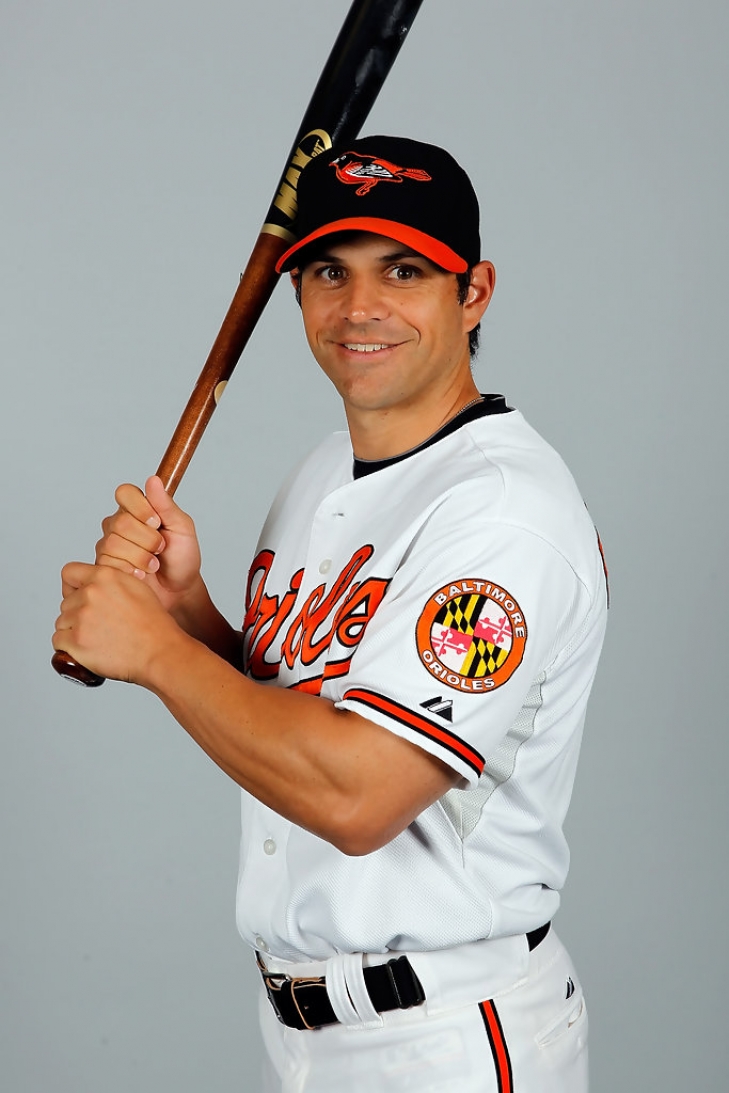
For the first 13 seasons of his career, Brian Roberts served as the high-octane engine of the Baltimore Orioles' offense. Making his debut in 2001, Roberts solidified his place as the starting second baseman by 2003, quickly evolving into one of the most dynamic lead-off hitters in the American League.
Roberts’ game was built on a rare combination of elite speed and gap-to-gap power. He was a perennial "doubles machine," leading the American League in two-baggers in both 2004 and 2009—the latter of which saw him set a franchise record with 56 doubles. His base-running was equally lethal; from 2003 to 2009, he consistently swiped at least 23 bases, reaching a career summit in 2007. That year, he stole 50 bases to capture the American League Stolen Base Title, cementing his status as a two-time All-Star (2005, 2007).
Tragically, the "iron-man" durability that characterized his early years was derailed by back trouble and a series of significant concussions beginning in 2010. While these injuries limited his production in his final Baltimore seasons before a brief 2014 stint with the Yankees, his legacy in Charm City remained untouched.
Roberts left the Orioles as a cornerstone of the 21st-century franchise, totaling 1,452 hits, 278 stolen bases, and a .278 batting average. In 2018, he was rightfully inducted into the Baltimore Orioles Hall of Fame, honored as one of the most prolific and beloved table-setters in the history of the orange and black.
22. Manny Machado
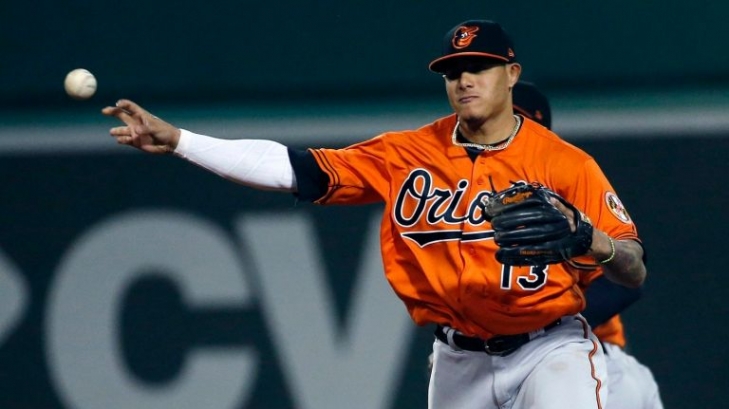
Drafted third overall in 2010, Manny Machado arrived in Baltimore as a 20-year-old phenom in 2012, sparking a mid-season surge that helped the Orioles return to the postseason for the first time in 15 years. While he played just 51 games in his debut, he took over third base full-time in 2013 and immediately authored one of the greatest defensive seasons in franchise history.
That year, Machado became a national sensation, capturing the Gold Glove, the Platinum Glove (as the best overall fielder in the AL), and leading the league in Defensive bWAR. Offensively, he proved just as dangerous, leading the American League with 51 doubles and earning his first of four All-Star selections as an Oriole. Despite missing a significant portion of 2014 to injury, Machado returned in 2015 as a transformed power threat. He reeled off three consecutive seasons of at least 33 home runs (2015–2017), pairing his elite "Minister of Defense" glove with the most productive bat in the lineup.
As the Orioles faced a rebuilding phase in 2018, it became clear that the generational talent would be out of reach in free agency. He was traded to the Los Angeles Dodgers mid-season, concluding a brilliant Baltimore chapter that included 162 home runs and two top-five AL MVP finishes.
Machado left Maryland with 977 hits, a .283 batting average, and a legacy as the most dynamic third baseman to wear the orange and black since Brooks Robinson. Inducted into the conversation of all-time Orioles greats, he remains the definitive "what-if" of the modern era—a superstar who reached the mountaintop of individual excellence in a Baltimore uniform.
14. Harlond Clift
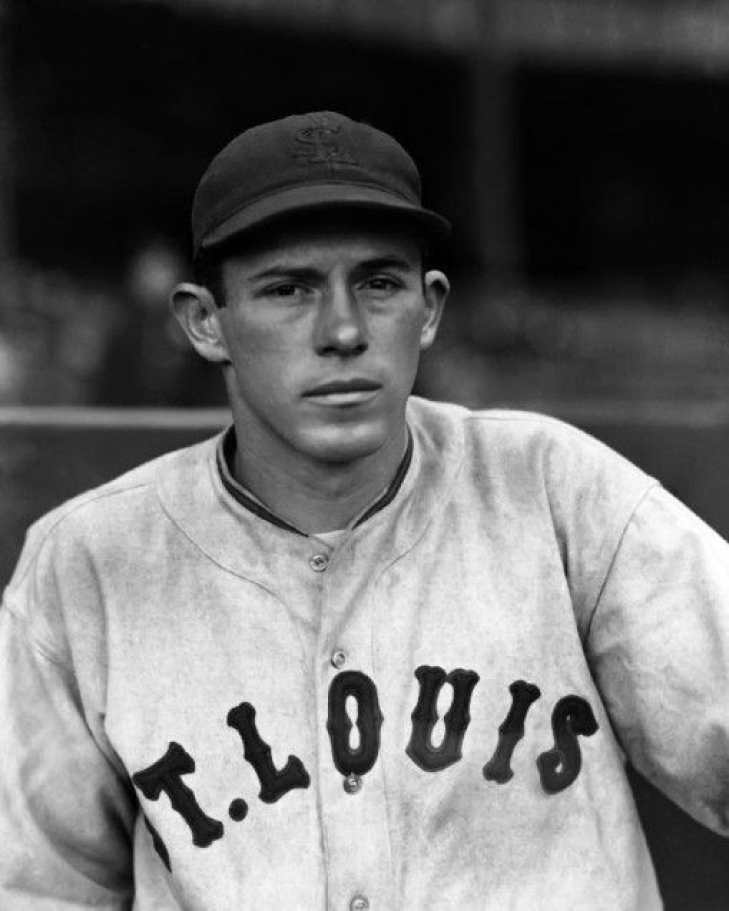
Harlond Clift arrived in St. Louis in 1934, immediately manning third base with a rookie campaign that featured 14 home runs and a .260 average. While he led the American League in strikeouts that year, Clift authored a rare and impressive mid-career adjustment. Unlike many power hitters who remain plagued by the "swing-and-miss," Clift refined his approach, drastically reducing his strikeouts while becoming one of the most disciplined hitters in the game.
This transformation turned Clift into a premier offensive weapon. He paired his power—recording four 20-home run seasons in St. Louis—with elite patience, registering five years with over 100 walks. In 1939, he led the American League in free passes, and from 1935 to 1939, he maintained a staggering on-base percentage of over .400. This relentless ability to reach base allowed him to become a run-scoring machine; Clift crossed the plate 100 or more times in seven different seasons for the Browns.
Beyond the batter's box, Clift was a defensive innovator, setting American League records for double plays and assists at the hot corner that would stand for decades. Though he was dealt to the Washington Senators during the 1943 season, he left an indelible mark on Browns history. He departed St. Louis with 1,013 runs, 1,463 hits, 170 home runs, and a career .394 OBP—numbers that established him as the gold standard for third basemen in the pre-war era.
26. George Stone
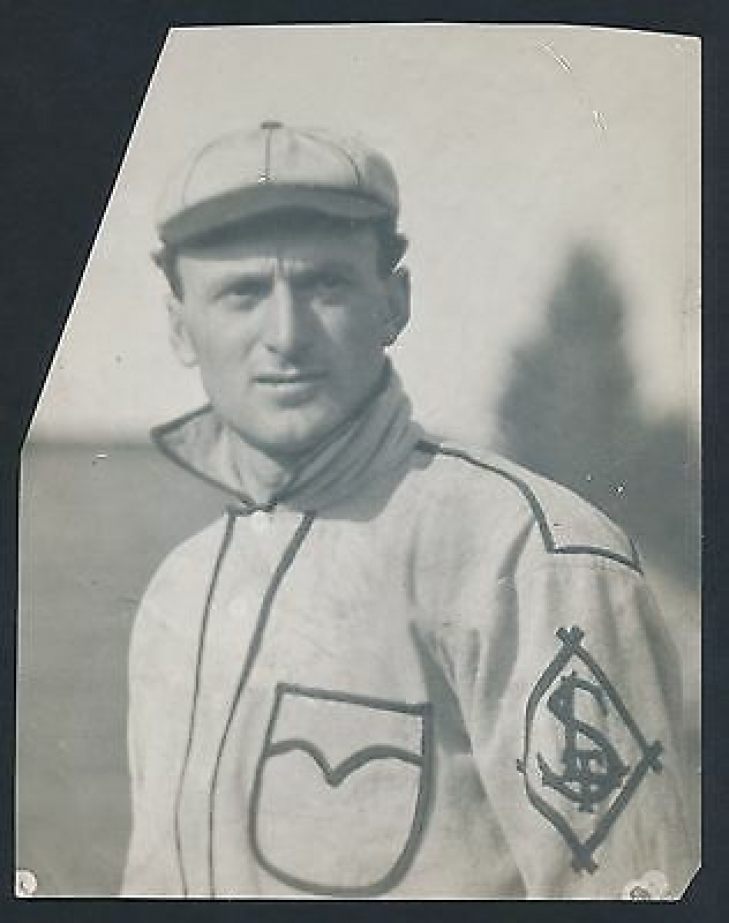
While many stars of the Deadball Era have been immortalized in bronze, George Stone remains one of baseball’s most overlooked offensive giants. A late bloomer who didn't find a permanent home in the Majors until age 28, Stone made up for lost time the moment he arrived in St. Louis. In 1905, his rookie campaign with the Browns, he immediately signaled his arrival by leading the American League with 187 hits.
However, it was his 1906 season that etched his name into the record books—even if history has been slow to remember it. In an era dominated by legends like Ty Cobb and Nap Lajoie, it was George Stone who "swept the slash line," leading the American League in Batting Average (.358), On-Base Percentage (.417), and Slugging Percentage (.501). His 208 hits that year made him the premier offensive force in the league, a "Triple Crown-lite" performance that proved he was the most dangerous hitter in the game at his peak.
Stone remained a highly competent and disciplined hitter for the Browns through 1910, consistently providing the team with elite contact and on-base skills. Though his career ended earlier than many of his Hall of Fame peers, his impact in St. Louis was undeniable. He finished his tenure with the Browns with 984 hits and a sterling .301 career batting average. In the Project Diamond lab, Stone serves as the ultimate "Peak Outlier"—a man who, for one glorious stretch, was the undisputed king of the American League batter's box.
21. Vern Stephens
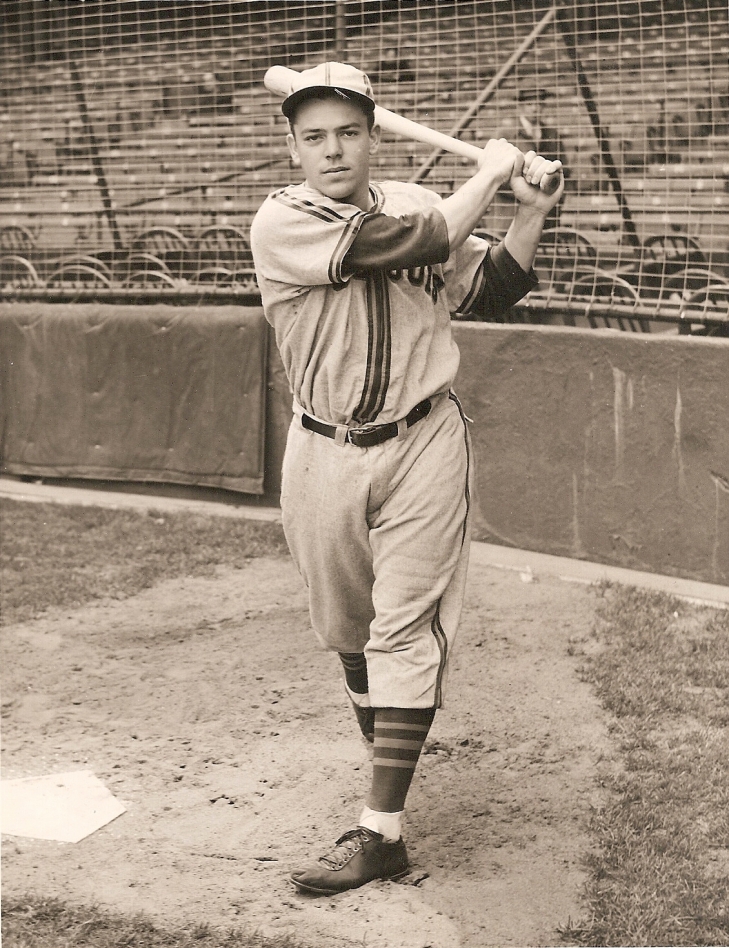
Vern Stephens arrived in St. Louis in 1941, quickly establishing himself as one of the most dynamic young talents in the American League. While many of his contemporaries departed for military service during World War II, Stephens remained a fixture in the Browns' lineup, producing a standard of offense rarely seen from the shortstop position in that era.
His impact was immediate. In his first full season in 1942, Stephens batted .294 and slugged 14 home runs, finishing an incredible fourth in the American League MVP voting. From 1943 to 1945, he reeled off three consecutive All-Star selections and three straight 20-home run campaigns. His peak in St. Louis arrived during the historic 1944 season; Stephens led the American League with 109 RBIs, serving as the offensive heartbeat of the team that captured the only American League Pennant in Browns history. He followed that performance in 1945 by leading the league with 24 home runs, cementing his reputation as a premier slugger.
Though Stephens would eventually be traded to the Boston Red Sox after the 1947 season—where he continued his All-Star trajectory—his legacy in St. Louis remains unmatched for a middle infielder. He departed the Browns with exactly 1,100 hits, 121 home runs, and a robust .292 batting average. In the Project Diamond lab, Stephens stands as the gold standard for offensive production at shortstop during the franchise's St. Louis years.
16. Adam Jones
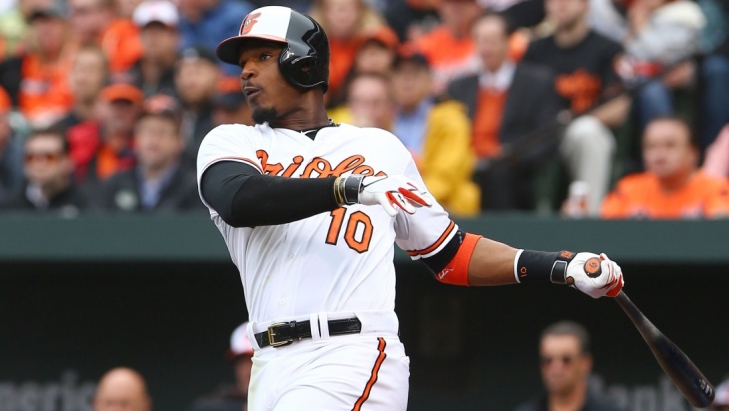
In the winter of 2008, the Baltimore Orioles executed a franchise-altering trade, acquiring Adam Jones as the center jewel of a five-player package from Seattle in exchange for Erik Bedard. It was a transaction that would define an era; had the deal been a simple one-for-one swap, the Orioles still would have emerged as the runaway winners.
Jones stepped into center field as a 22-year-old and anchored the position for the next 11 seasons. A five-time All-Star and four-time Gold Glove winner, "Pappo" became the heartbeat of the clubhouse. He was a model of durable power, swatting at least 25 home runs annually from 2011 to 2017—a stretch that included two 30-homer campaigns. While his aggressive "free-swinging" style led to a lower .319 on-base percentage, his .279 career average and 263 home runs in a Baltimore uniform made him one of the most productive outfielders in the team's history.
Defensively, Jones was a high-energy asset who patrolled center with elite athleticism early in his career. In his debut 2008 season, he showcased a "sparkling" defensive ceiling, leading the American League with 16 Total Zone Runs (and ranking among the league leaders in overall defensive efficiency). While he would never quite reach those specific statistical heights again, his four Gold Gloves (2009, 2012–2014) serve as a testament to his reputation as one of the premier outfield generals of his time.
Beyond the numbers, Jones was the leader of the teams that finally returned Baltimore to October, appearing in three postseasons during his tenure. He left the club as a free agent in 2019, departing with 1,781 hits, 263 home runs, and 866 RBIs. His induction into the Baltimore Orioles Hall of Fame in 2024 (formally announced in 2025) was a mere formality for a man who didn't just play for the Orioles—he carried the torch for them for over a decade.
19. Bobby Grich
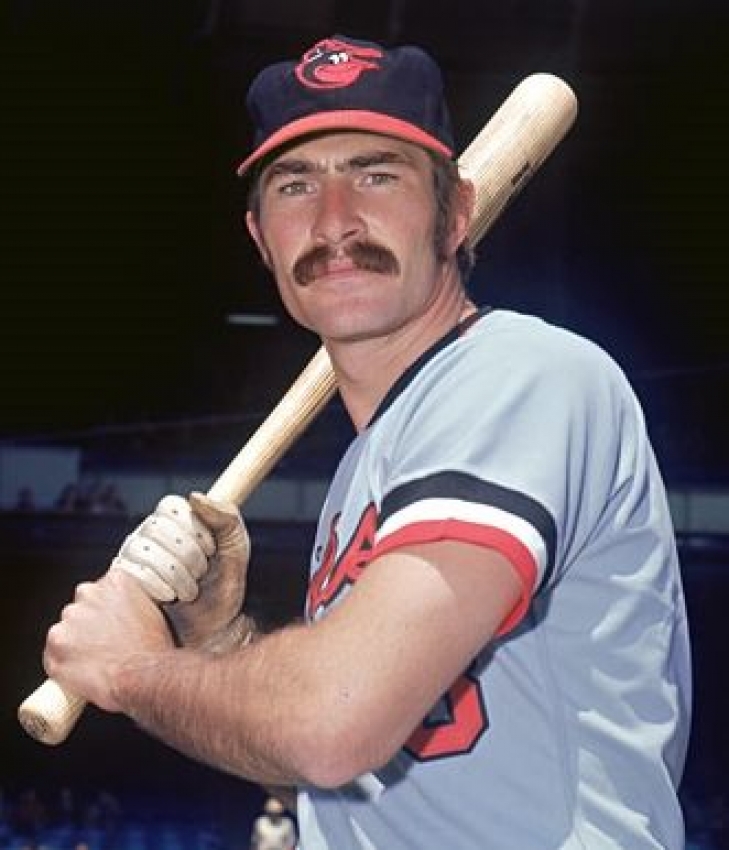
While Bobby Grich is often associated with the California Angels, he "cut his teeth" and reached his statistical zenith as a member of the Baltimore Orioles. A first-round pick in 1967, Grich was so talented that he forced the Orioles to trade away an incumbent All-Star (Davey Johnson) just to get his bat and glove into the lineup full-time by 1972. It was a move that paid immediate dividends, as Grich became the premier all-around second baseman in the American League.
Grich was a cornerstone of the Orioles' defensive "Iron Wall." Between 1973 and 1976, he captured four consecutive Gold Gloves, anchoring a middle infield alongside Mark Belanger that remains the gold standard for run prevention. His 1973 campaign was a masterpiece of "Era Dominance"; he set an all-time Major League record with a .995 fielding percentage and recorded a staggering 4.0 Defensive bWAR. That same year, Grich led the entire American League in total bWAR with an 8.3, proving that his "invisible" value was more impactful than the league's most famous sluggers.
Offensively, Grich was a pioneer of the "on-base revolution." While his .262 Baltimore average was modest for the era, his elite eye produced a .372 on-base percentage and five seasons of 13 or more home runs. He was a three-time All-Star in Charm City before departing for California as a free agent in 1976. Remarkably, though he played nearly 450 more games for the Angels, Grich’s peak value remained in Baltimore, where he accumulated more bWAR (36.0) in just seven seasons.
Inducted into the Baltimore Orioles Hall of Fame in 1998, Grich remains a favorite of historians and analysts alike—a player whose true greatness was revealed not by the back of a baseball card, but by the modern metrics that prove he was a giant of the diamond.
7. Frank Robinson
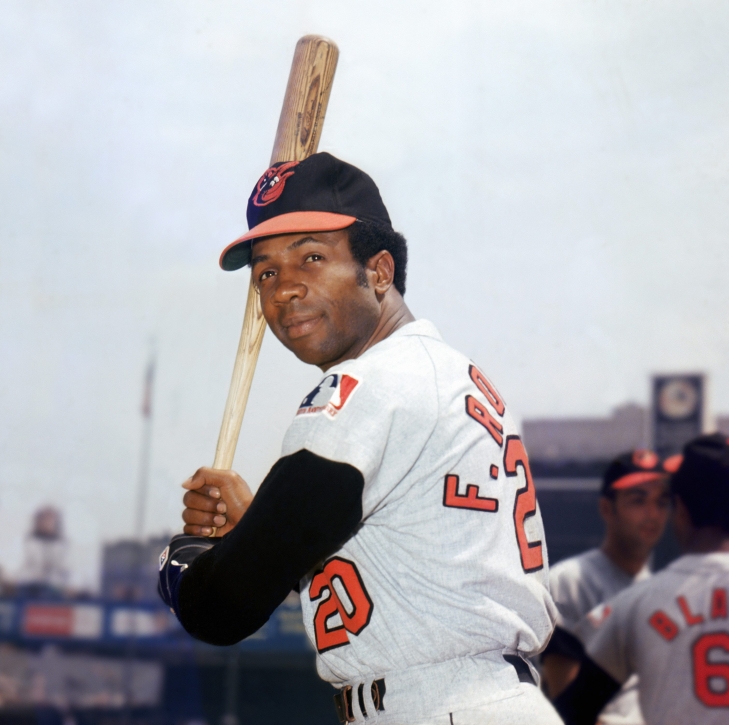
Prior to the 1966 season, the Baltimore Orioles pulled off what remains arguably the most lopsided trade in baseball history. Frank Robinson, a former Rookie of the Year and MVP with Cincinnati, was sent to Baltimore in exchange for Jack Baldschun, Milt Pappas, and Dick Simpson. Defending the move, Reds owner Bill DeWitt infamously labeled Robinson an "old 30." The legendary outfielder responded by authoring the greatest season of his career, instantly transforming the Orioles into a global baseball powerhouse.
In that 1966 debut, Robinson delivered a season for the ages, capturing the American League Triple Crown and becoming the first player to win the MVP award in both leagues. He led the AL in runs (122), home runs (49), and RBIs (122), while posting a devastating slash line of .316/.410/.637. Most importantly, he led Baltimore to its first World Series title, punctuated by his own World Series MVP performance.
Robinson’s arrival signaled the dawn of a dynasty. A five-time All-Star in Baltimore, he proceeded to record three more .300+ seasons and twice more eclipsed the 30-home run mark. He was the veteran heartbeat of the squad that secured the 1970 World Series championship before departing for the Dodgers in 1971. In just six seasons in Baltimore, Robinson maintained a remarkable .300/.401/.543 slash line, accumulating 882 hits and 179 home runs.
His legacy was cemented in 1982 with a first-ballot induction into the National Baseball Hall of Fame. The Orioles retired his iconic #20 and made him—alongside Brooks Robinson—a charter member of the Baltimore Orioles Hall of Fame. To this day, Robinson remains the standard-bearer for peak performance in the history of the franchise.
1. Cal Ripken Jr.
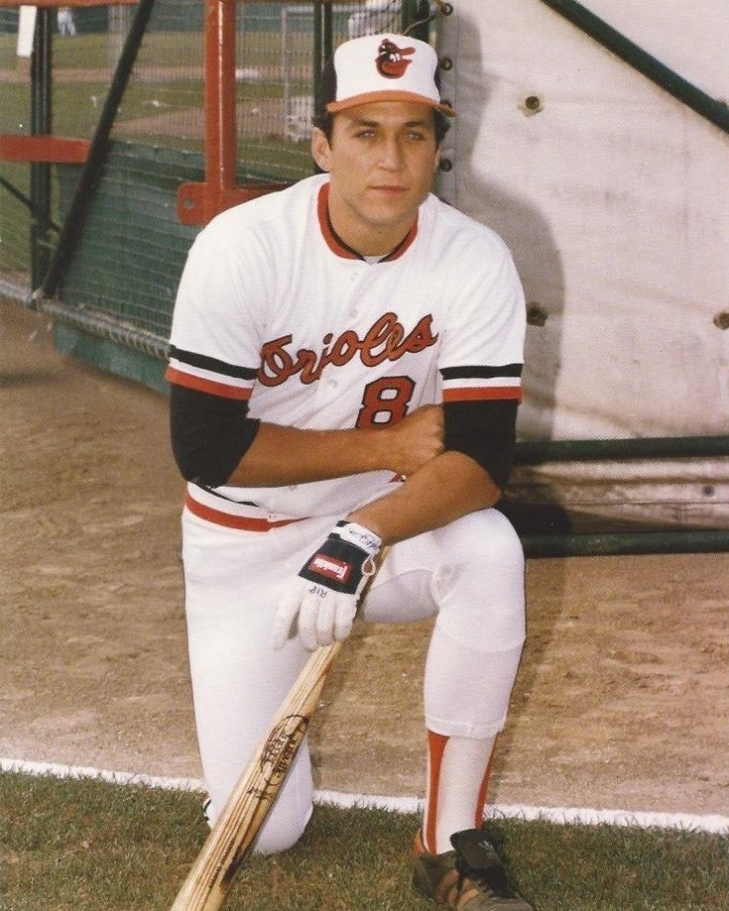
The selection of Cal Ropken Jr. at the top was straightforward.
Cal Ripken Jr. is, without question, the greatest Baltimore Oriole ever, and also one of the best baseball players who ever existed.
Playing his entire pro career with Baltimore, Ripken appeared in only 23 Games in 1981 and was still eligible to be a rookie in 1982. Why do we mention this? Because he would become the American League Rookie of the Year in '82! This was not just a ROY year, as it was the beginning of the greatest iron man streaks of sports. Ripken Jr. would play 2,632 consecutive games, which would shatter the 2,130 mark that was set by Lou Gehrig.
Like Gehrig, Ripken did not just play in those games, and he excelled in them. From 1983 to 2001, he was named to the All-Star team, and the Shortstop established himself as an elite player regardless of position. Ripken was named the MVP in 1983 and 1991, and throughout his career, he showed off his power and batting skills. The Shortstop would have 12 20 Home Run Seasons (10 in a row) and 4 100-RBI campaigns. Ripken also had four .300 seasons, and his leadership led the Orioles to the 1983 World Series Title and two other postseason appearances.
We also want to mention that, as celebrated as Ripken was, this was one of the greatest defensive infielders ever. He may have only won two Gold Gloves, but he was first in the American League among all fielders in Defensive bWAR five times and was second three other times. Seriously, how did Ripken only win two Gold Gloves? This is the biggest baseball travesty that is not discussed.
Ripken retired with 3,184 Hits, 431 Home Runs, and 1,695 RBIs, all of which led the franchise. He is also first all-time in bWAR (95.9), Games Played (3,001), Runs (1,647), and Doubles (603). He was inducted into the Baseball Hall of Fame in 2007, his first year of eligibility.
His number 8 was retired by the team after he retired, and two years later, he was inducted into the Orioles Hall of Fame.
13. Paul Blair
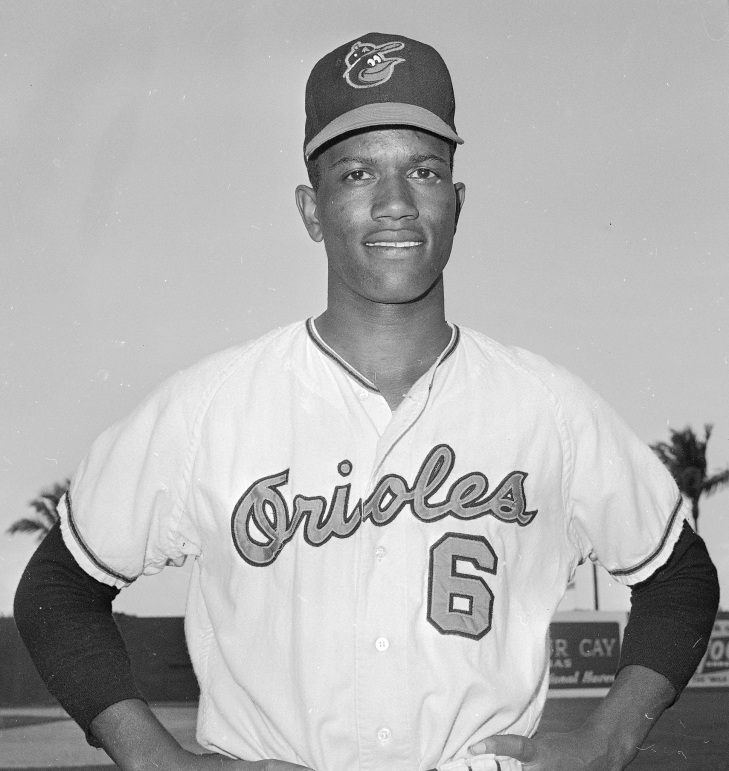
While the legendary Orioles infield of the 1960s and 70s took the headlines, Paul Blair patrolled center field at a level few have matched in the history of the sport. A defensive gem of the highest order, Blair roamed the outfield for Baltimore from 1964 to 1976, serving as the air-traffic controller for the greatest era in franchise history.
Blair’s defensive resume is staggering. A twelve-time American League leader in Total Zone Runs (seven of those in center field), he captured eight Gold Gloves as an Oriole. His range was so vast that he consistently ranked among the top ten in Defensive bWAR, providing the reliable glove work that anchored Baltimore’s path to the 1966 and 1970 World Series championships.
Though he was not a patient hitter—evidenced by a career .306 on-base percentage—Blair was a vital offensive "catalyst" who prioritized movement and pressure. He led the AL in triples in 1967, was a two-time All-Star, and possessed a unique blend of "sneaky" power and speed. During his Baltimore tenure, he recorded three 15-home run seasons and three 20-stolen base campaigns, proving he was as dangerous on the paths as he was with his elite bunting ability.
Following a trade to New York in 1977, Blair added two more World Series rings to his collection, further cementing his status as one of the game's ultimate winners. He left the Orioles with 1,426 hits, 126 home runs, and 167 stolen bases. Inducted into the Baltimore Orioles Hall of Fame in 1984, Blair remains the gold standard for defensive excellence in the outfield.
6. Mike Mussina
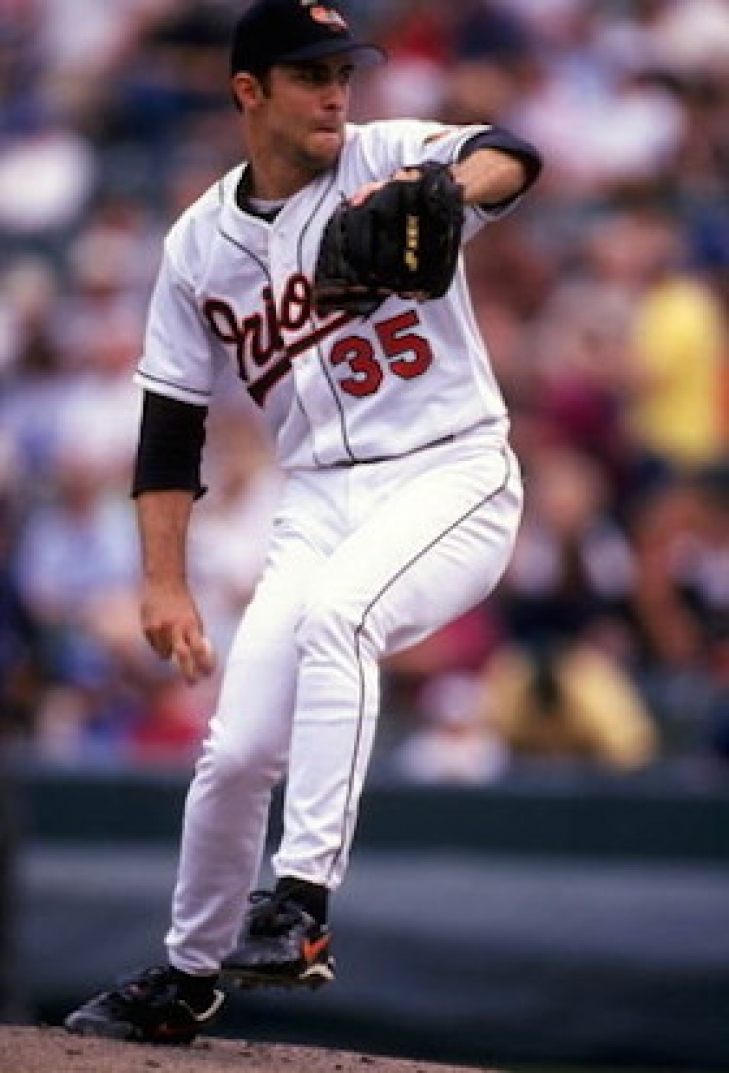
Mike Mussina anchored the Baltimore rotation for a decade (1991–2000), evolving almost instantly from a standout USC Trojan into one of the most sophisticated arms in the American League. By just his second season, "Moose" had established himself as an elite top-of-the-rotation force, combining a lethal knuckle-curve with a cerebral approach that made him a master of the in-game adjustment.
Selected to five All-Star Games during his Baltimore tenure, Mussina was the definitive model of consistent efficiency. From 1992 through 2000—every season he served as a full-time starter for the Orioles—he ranked among the top eight in the league for walks per nine innings (BB/9), even leading the AL in that category in 1995. His command was matched only by his ability to suppress base runners; he finished as the AL runner-up in WHIP three times and placed in the top five for ERA on five separate occasions in Baltimore. While the Cy Young Award proved elusive, Mussina was a perennial finalist, securing six top-six finishes as an Oriole, highlighted by a runner-up performance in 1999.
Mussina was equally dominant with his glove, securing four consecutive Gold Gloves (1996–1999) and reinforcing his reputation as one of the finest-fielding pitchers to ever play the game. Though he eventually departed for New York, he left Charm City with a towering legacy: a 147–81 record and 1,535 strikeouts in an Orioles uniform.
His journey culminated in a 2019 induction into the National Baseball Hall of Fame. In a characteristic display of poise, Mussina elected to have no logo on his plaque’s cap, honoring both franchises that defined his 18-year career. The Orioles, however, had long since claimed him as their own, inducting the right-hander into the Baltimore Orioles Hall of Fame in 2012.
4. Eddie Murray
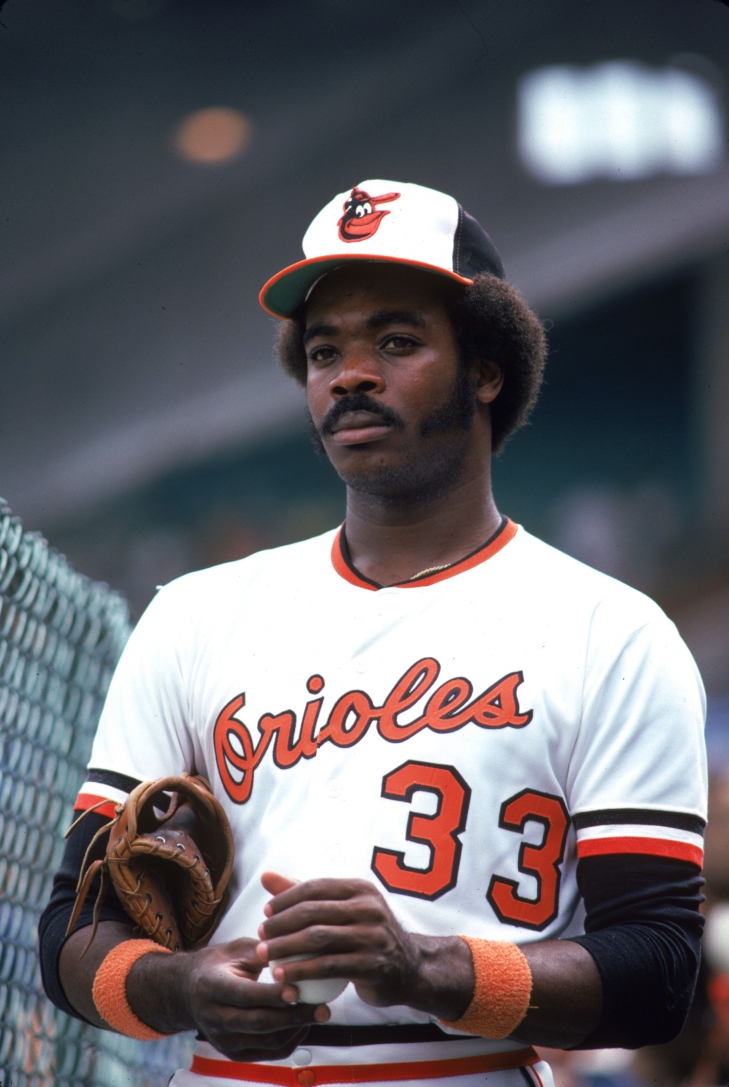
It takes a special kind of player to hit 3,000 Hits and 500 Home Runs over a career. Eddie Murray was just that.
Murray debuted in the Majors in 1977 with the Orioles, where he had 27 Home Runs in a Rookie of the Year-winning season. Power and hits would become the First Baseman’s calling card, and from 1977 to 1985, he would have at least 20 or more Home Runs, with three of those years seeing him exceed 30. He would win the Home Run title with 22 in the strike-shortened year in 1981, and he also won the RBI title.
The first half of the 1980s was the best half-decade of his career. In that period, he finished in the top five in MVP voting each year (second in both 1983 and 1984) and was an All-Star annually from '81 to '86. Murray was also recognized for his defensive prowess, capturing Gold Gloves in 1982, 1983 & 1984. Also earning two Silver Sluggers, Murray was the power man in Baltimore's third World Series win in 1983.
He would play with Baltimore until he was traded after the 1987 season to the Dodgers.
Overall with the Orioles, Murray accrued 2,080 Hits, 343 Home Runs, and 1,224 RBIs, with a .498 Slugging Percentage. He played 11 more years with stops in L.A., the Mets, Cleveland, and Anaheim, with one return year in 1996. The first half of his career as an Oriole is what got him into Cooperstown.
Murray’s number 33 was retired in 1998, and he was inducted into the Baseball Hall of Fame in 2003 in his first year of eligibility. As for the Orioles, they retired Murray's number 33 in 1998, and he was inducted into the Orioles Hall of Fame the year after.
5. George Sisler
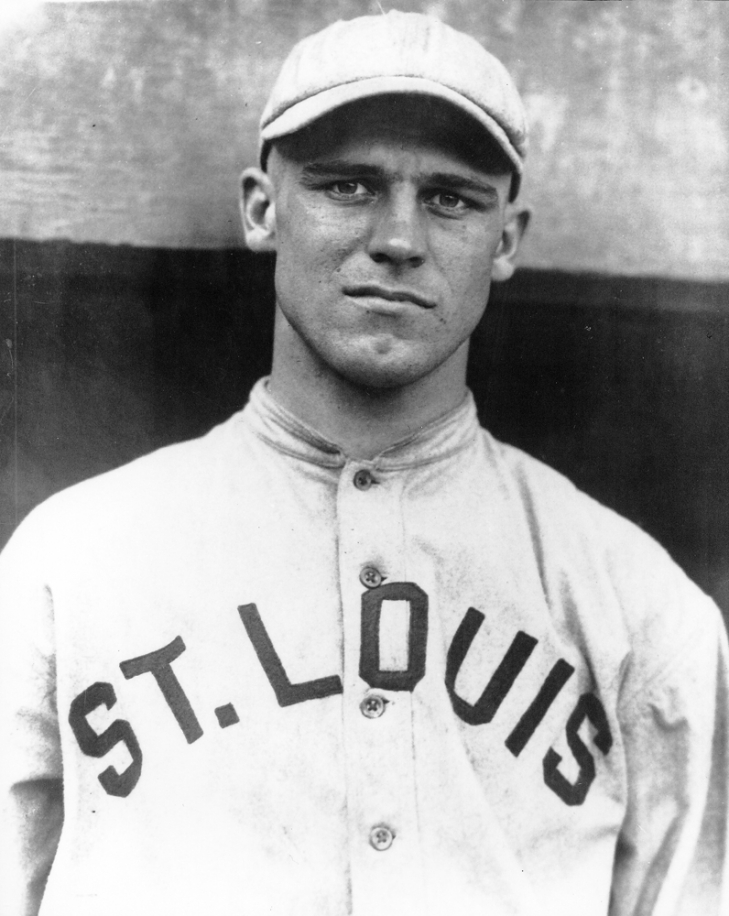
When we eventually pivot to the greatest players from defunct or relocated franchises, the conversation for the St. Louis Browns begins and ends with George Sisler. As the Browns relocated to Baltimore to become the Orioles, Sisler remains the spiritual anchor of the franchise—a legend who defined a city’s baseball identity without ever donning the orange and black of Baltimore.
Signing as a free agent in 1915, Sisler arrived in the majors as a southpaw pitching phenom. While he was immediately effective on the mound—famously outdueling Walter Johnson twice—Browns manager Branch Rickey recognized that Sisler’s bat was far too lethal to languish on the bench every four days. His conversion to first base birthed one of the purest hitting machines in baseball history.
In 1916, Sisler batted .305; incredibly, that would be the second-lowest average of his entire Browns career. Over the next six seasons, he never dipped below .341, capturing two Batting Titles in the process. His 1920 campaign was a statistical marvel, featuring a modern-record 257 hits and a .407 average, but his 1922 encore was his masterpiece. That season, Sisler batted a staggering .420, authored a then-American League record 41-game hitting streak, and led the league in runs, hits, triples, and stolen bases. For his efforts, he was named the inaugural American League MVP.
The trajectory of his career was permanently altered in 1923. A severe bout of sinusitis resulted in chronic double vision, forcing Sisler to miss the entire season at the peak of his powers. Though he returned in 1924 and remained an elite talent—batting over .300 in three of his final four years in St. Louis and leading the league in steals for a fourth time in 1927—he often admitted he was never quite the same.
By the time his contract was sold to the Washington Senators in 1928, Sisler had accumulated 2,295 hits, 351 stolen bases, and a career Browns slash line of .344/.384/.481. Inducted into the Baseball Hall of Fame in 1939, George Sisler remains, without question, the greatest player to ever wear the St. Louis Browns uniform.
3. Brooks Robinson
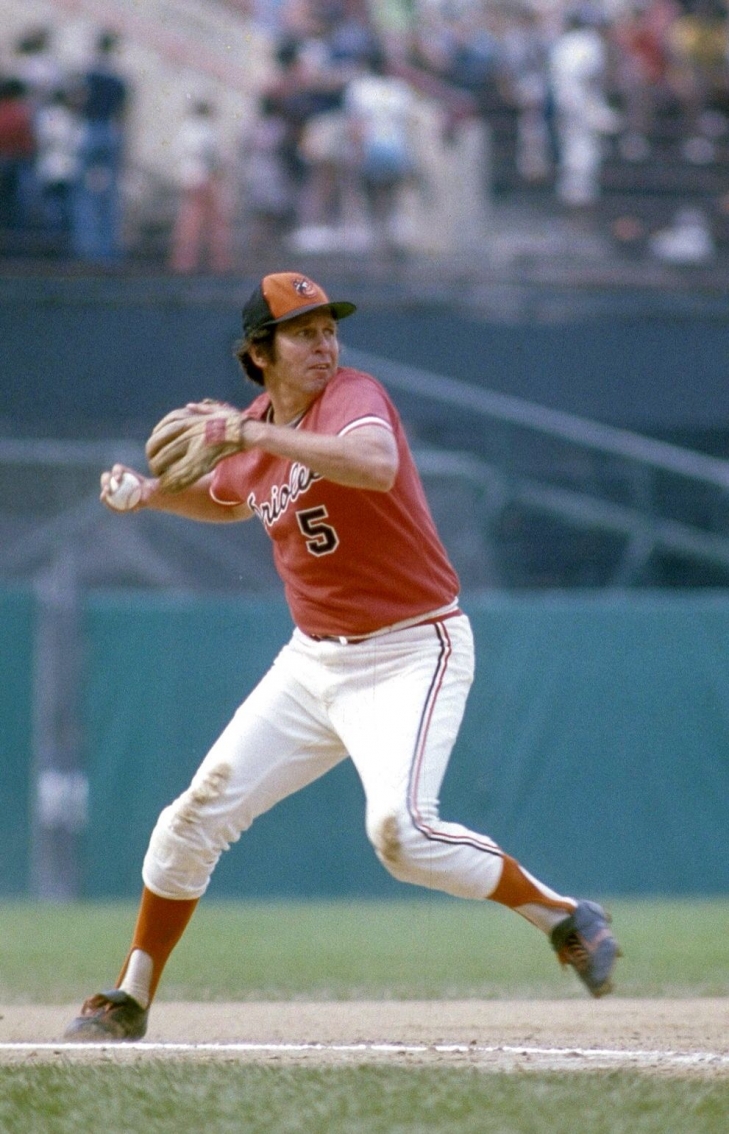
Signed as an amateur free agent in 1955, Brooks Robinson debuted that year in Baltimore as an 18-year old. It was clear from the beginning that he was a wizard with the glove, but it took him some time to develop his hitting game. In 1960, he did that, and throughout the decade and beyond, he was considered the best Third Baseman in the game.
1960 began a 15-year run of All-Star Games and a 16-year streak of Gold Glove wins. All discussions about Robinson begin with his glove. He would lead the American League in Defensive bWAR twice and was in the top five seven other times. He led all AL Third Baseman in Fielding Percentage eleven times, Total Zone Runs eight times, and Range Factor per Game four times.
Robinson batted .300 twice, with five other years reaching .280. He improved his power game, contributing 6 20 Home Run Seasons, and in 1964, he led the American League in RBIs (118) and had his best year with Home Runs (28) and Batting Average (.317). That year, Robinson won the MVP and was the second runner-up for the two years that followed. He also had two other top five finished in his career.
The master of the hot corner aided the Orioles in winning the 1966 and 1970 World Series, earning World Series MVP honors in the latter. Overall, he batted .303 in the postseason with 22 RBIs.
Robinson's play diminished, and he retired in 1977. He retired with 2,848 Hits, 268 Home Runs, and 1,357 RBIs. After his retirement, Robinson’s number 5 was retired by the team. He was inducted into the Baseball Hall of Fame in 1983, in his first year of eligibility.
The Orioles inducted Robinson as one of the first two former players when the organization established its Hall of Fame in 1977.
18. Dave McNally
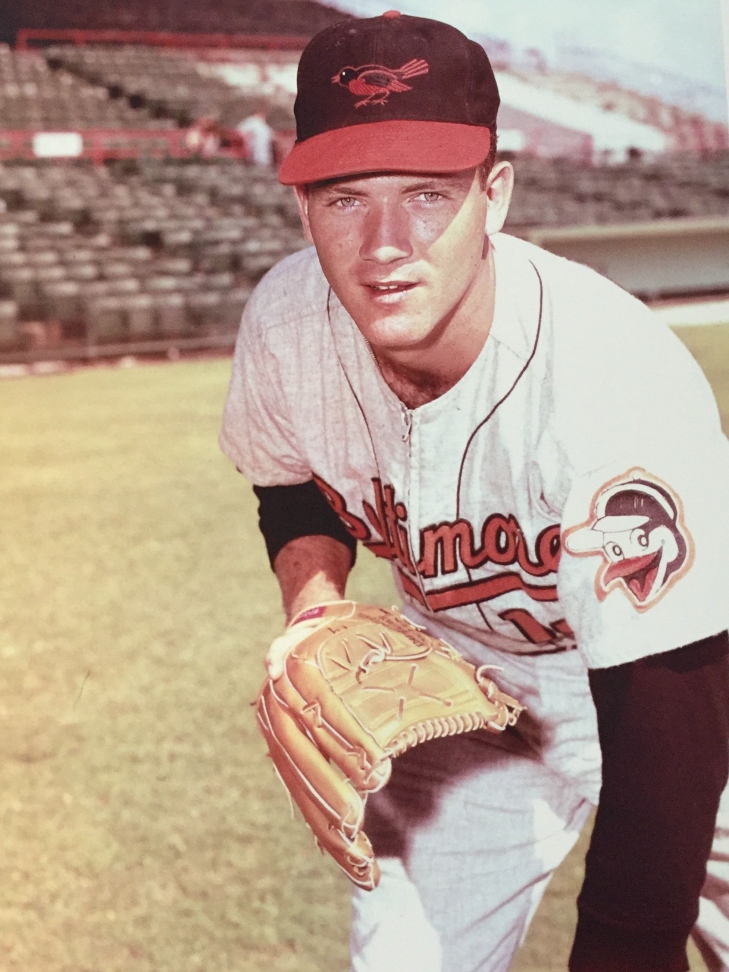
Dave McNally arrived in Baltimore as a 19-year-old in 1962, flashing immediate brilliance with a two-hit shutout in his debut. By the mid-60s, the crafty left-hander had evolved into a cornerstone of the rotation, famously firing a four-hit shutout in the clinching Game 4 of the 1966 World Series to secure the franchise’s first title. It was the start of one of the most dominant pitching runs in the history of the American League.
From 1968 to 1971, McNally authored a standard of excellence that remains the benchmark for Orioles' southpaws. He reeled off four consecutive 20-win seasons, headlined by a league-leading 24 victories in 1970. During this peak, he was a perennial Cy Young finalist, finishing as the AL runner-up in 1970 and placing fourth in both 1969 and 1971. McNally wasn't just a regular-season workhorse; he was a postseason legend. In the 1970 World Series, he not only earned a victory on the mound but also hit the only grand slam by a pitcher in World Series history, a feat that earned his bat a place in Cooperstown.
McNally’s impact on the game extended far beyond his 181–113 record and 1,476 strikeouts in Baltimore. Traded to Montreal after the 1974 season, he courageously challenged the "reserve clause" alongside Andy Messersmith. Their legal victory effectively ended the era of "baseball bondage" and ushered in the modern era of free agency, forever changing the landscape of professional sports.
In 1978, the Orioles honored his towering legacy by making him the lone inductee in the franchise's second Hall of Fame class. A two-time champion and a fearless pioneer, McNally remains the definitive "Big Game" pitcher in the history of the Birds.
10. Bobby Wallace
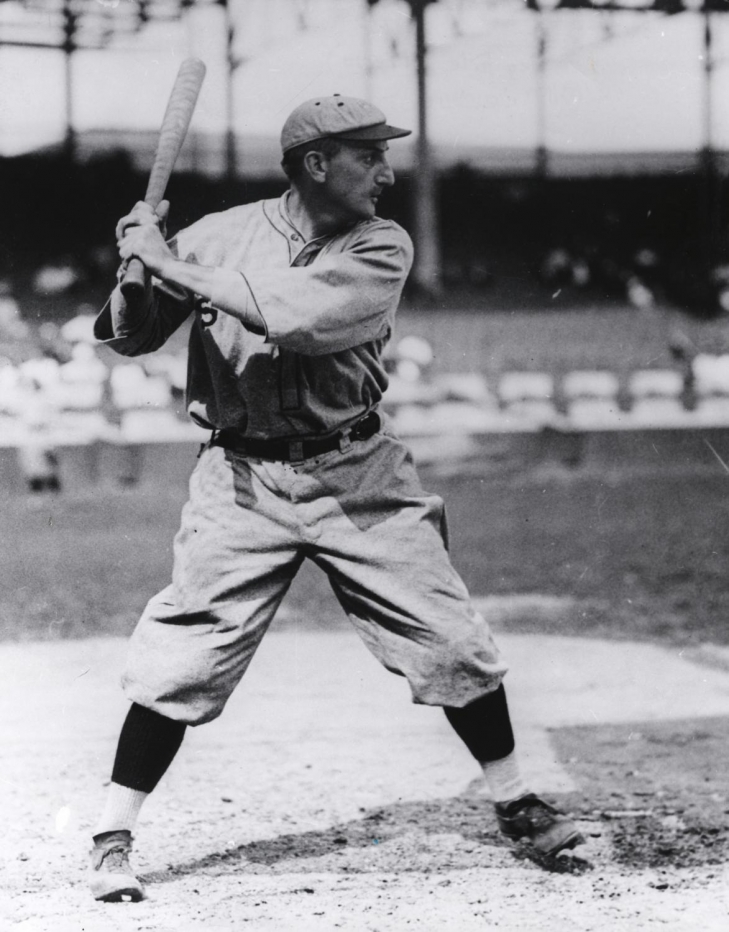
In 1902, Bobby Wallace made a cross-town leap that shifted the balance of power in Missouri, jumping from the National League’s St. Louis Cardinals to the fledgling American League’s St. Louis Browns. It was a move that secured the Browns a cornerstone for the next 15 years and provided the AL with its definitive defensive shortstop for its first decade.
Wallace’s value was rooted in a revolutionary approach to the position. He was among the first shortstops to master the "continuous motion" play—fielding and throwing in one fluid movement—a skill that made him a statistical outlier in an era of static defense. He led the American League in Defensive bWAR in 1902 and 1908, and remarkably, he never finished lower than sixth in that category over the six seasons between those peaks. While his glove was his primary calling card, he was a steady presence in the lineup, recording five seasons with over 130 hits during the height of the Deadball Era.
Though his production began to wane after 1911, Wallace remained a fixture in a Browns uniform until 1916, when he was eventually traded back to the Cardinals. His twenty-five-year career is one of the longest in baseball history, though it carries a unique and "dubious" distinction: Wallace played in more seasons than anyone else in the history of the sport without ever appearing in a World Series game.
Despite the lack of postseason hardware, Wallace’s peers and historians recognized his genius. He finished his Browns career with 1,424 hits and a staggering 20.9 Defensive bWAR in St. Louis. In 1953, the Veterans Committee cemented his legacy by inducting him into the Baseball Hall of Fame, honoring the man who turned shortstop into an art form.
11. Ken Williams
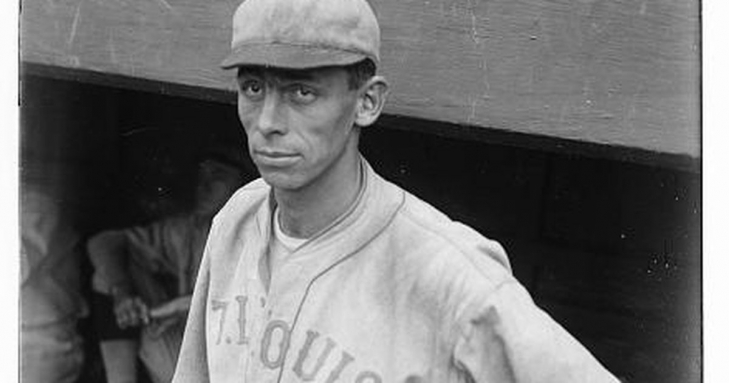
Ken Williams arrived in St. Louis in June 1917 via the Portland Pacific Coast League, but his ascent was briefly paused by military service in 1918. He returned to the Browns in 1919, flashing his potential with a .300 average in limited action. It was a mere prelude to a breakout that would see him become one of the most feared offensive forces of the early Live-Ball Era.
From 1920 to 1925, Williams was a model of elite consistency, batting at least .300 in six consecutive seasons. He was a master of the strike zone, maintaining an on-base percentage of .410 or higher from 1921 to 1924—consistently ranking among the American League’s top eight. However, it was his power that truly redefined the Browns' offense. Williams finished in the top four in AL home runs every year from 1921 to 1925, reaching his zenith in 1922. That season, he eclipsed even Babe Ruth to capture the Home Run Title (39) and the RBI Title (155). In doing so, he became the first player in Major League history to register a 30-home run, 30-stolen base season, a feat of versatility that wouldn't be matched for over three decades.
Williams continued his assault on AL pitching through the mid-20s, securing the Slugging Championship in 1925 with a blistering .613 percentage. Though age finally began to catch the 36-year-old outfielder in 1926, he remained a fixture in St. Louis through 1927 before being sold to the Boston Red Sox.
He left the Browns with a storied legacy: 1,308 hits, 185 home runs, and an elite career slash line of .326/.403/.558. In the annals of the St. Louis era, Williams stands as the ultimate "Pillar of Power," a man who proved that the Browns could produce superstars capable of rivaling the biggest names in New York.
