

37. Rick Dempsey
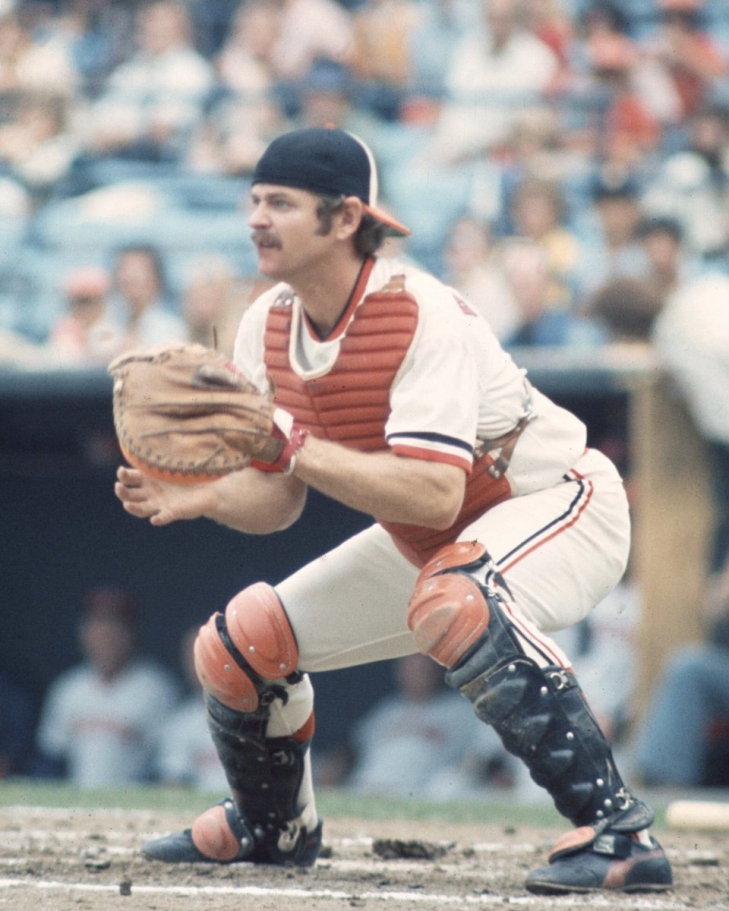
Acquired from the New York Yankees in a blockbuster 10-player swap in 1976, Rick Dempsey didn't just find more playing time in Baltimore—he found his identity. Known affectionately as "The General," Dempsey became the defensive heartbeat of the Orioles for over a decade, setting a franchise record by catching 1,230 games.
Dempsey’s value was rooted in his absolute mastery of the tools of ignorance. A premier handler of pitchers, he caught ten different 20-game winners during his career and was a terror for opposing baserunners. He led the American League in Caught Stealing Percentage twice and twice topped the league in fielding percentage, providing the vacuum-like reliability that defined the Orioles' pitching-first philosophy. While his regular-season bat was modest, he possessed a rare "clutch" gear that famously ignited on the game's biggest stage.
In the 1983 World Series, Dempsey authored one of the greatest individual postseason performances by a catcher in history. Batting a blistering .385 with five extra-base hits—including a home run in the Game 5 clincher—he was named the World Series MVP. It was the crowning achievement of a Baltimore tenure that saw him bridge the gap between the Weaver and Altobelli eras.
After leaving for Cleveland in 1987 and winning another title with the 1988 Dodgers, Dempsey returned to Baltimore for a final curtain call in 1992. He retired as the most beloved backstop in team history and was inducted into the Orioles Hall of Fame in 1997
48. Matt Wieters
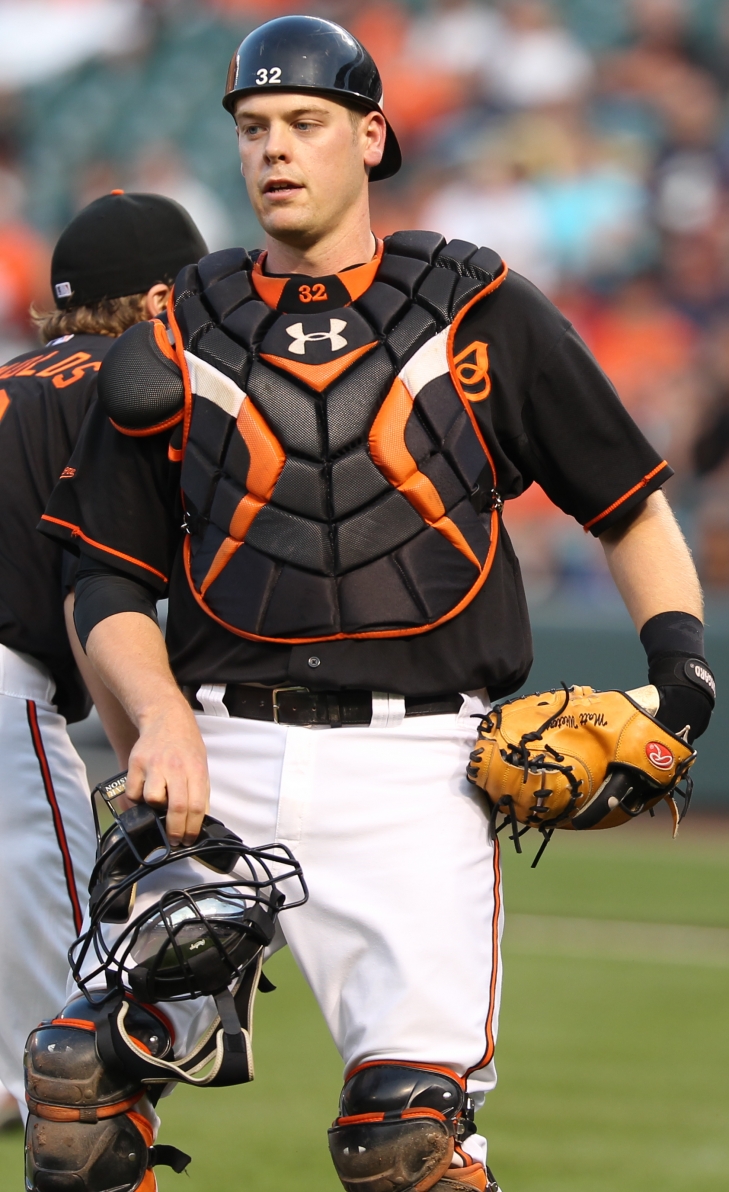
Drafted fifth overall in 2007 out of Georgia Tech, Matt Wieters arrived in Baltimore carrying some of the highest expectations in franchise history. Billed as a "transformational talent," Wieters didn't just meet the defensive standard—he set it. From his debut in 2009 through the club's return to postseason relevance, he served as the cerebral anchor of the Orioles' pitching staff and the primary voice in the clubhouse.
Wieters was a defensive juggernaut during his peak, winning back-to-back Gold Gloves in 2011 and 2012. His ability to shut down the running game and navigate high-leverage situations was central to the team's success under Buck Showalter. His peers across the league recognized this excellence, voting him to four All-Star Teams (2011, 2012, 2014, and 2016), solidifying his status as a premier AL backstop.
Offensively, Wieters provided a rare switch-hitting power threat behind the plate. While his batting average remained steady, his traditional power was undeniable; he reeled off three seasons with at least 22 home runs, becoming a key run-producer during the 2012 and 2016 playoff runs. Even after undergoing Tommy John surgery in 2014, he showed remarkable resilience, returning to provide veteran leadership and All-Star production before departing for Washington in 2017.
Wieters left Baltimore with 802 hits and 117 home runs, ranking him among the elite offensive catchers in franchise history.
49. Hoyt Wilhelm
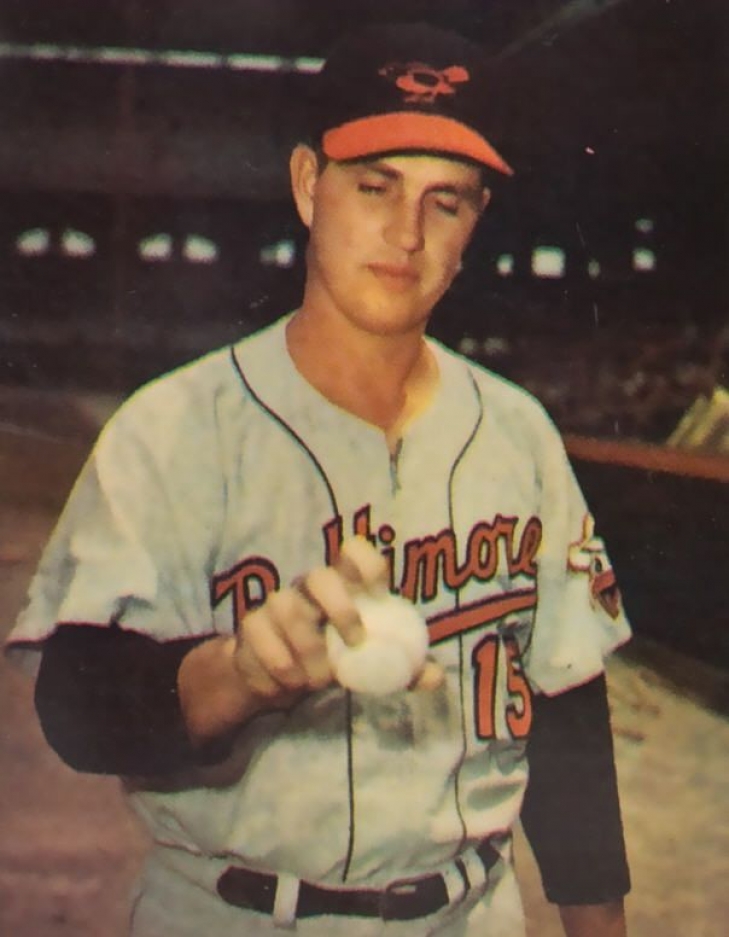
Hoyt Wilhelm was only with the Baltimore Orioles for four and half seasons, but he was an All-Star in three of them, and it was his stint there that would later propel him into Cooperstown.
34. Del Pratt
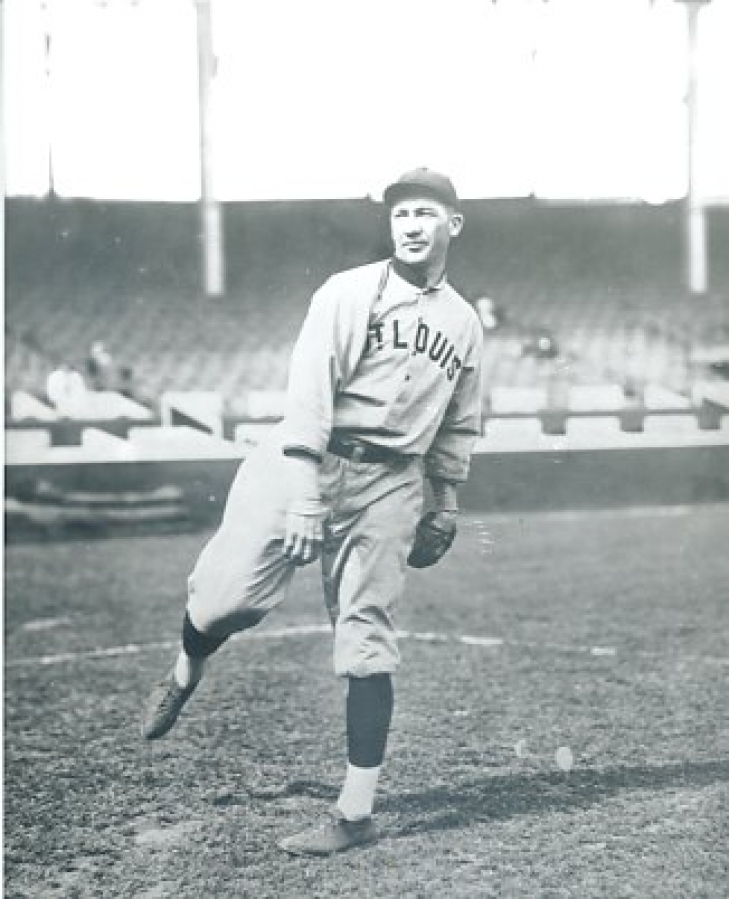
Had the Rookie of the Year award existed during the Deadball Era, Pratt likely would have walked away with the hardware. He burst onto the scene with a .302 average and 172 hits, following it up in 1913 with nearly identical production. It was a rare display of immediate, high-level consistency for a young player in the early 20th century.
While his batting average eventually settled into the high. In the 200s, in 1916, he achieved a historic milestone by leading the American League with 103 RBIs—a staggering feat for a middle infielder in an era of limited run scoring. Pratt was an "Iron Man" before the term was popularized, rarely missing a game and serving as the dependable heart of the St. Louis lineup for six seasons.
His time in St. Louis ended in 1918 when he was the centerpiece of a blockbuster trade to the New York Yankees, a deal that brought five players and significant cash to the Browns—a testament to his high market value at the time. Pratt left the franchise with 957 hits, 174 stolen bases, and a reputation as one of the most productive second basemen of his generation.
35. Harry Howell
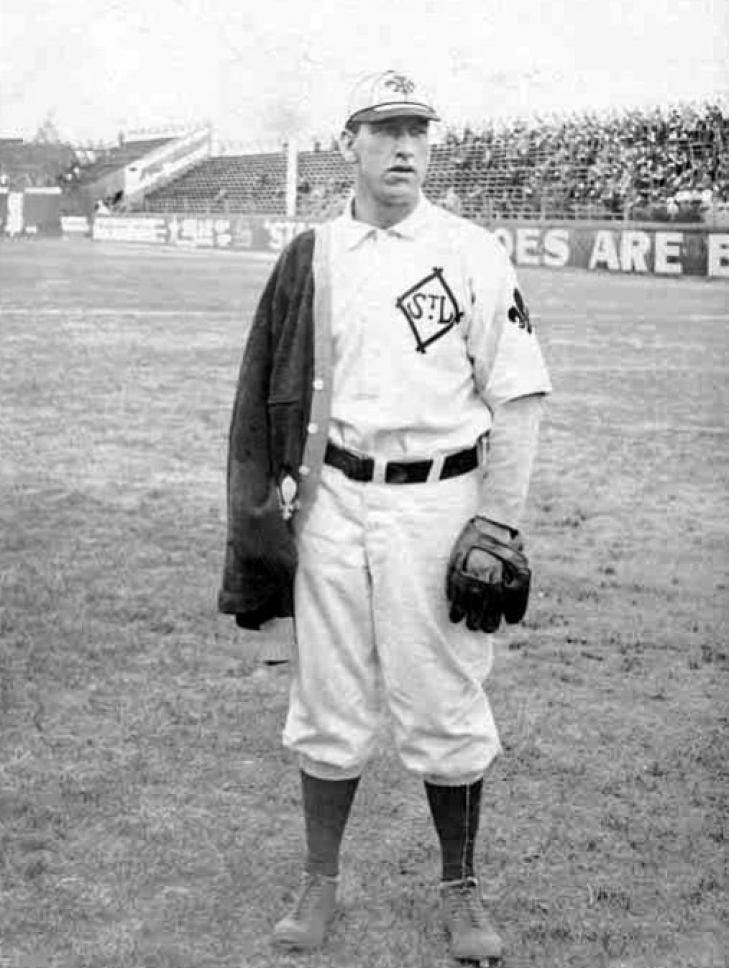
Acquired from the New York Highlanders in 1904, Harry "Handsome Harry" Howell quickly established himself as the premier arm of a struggling St. Louis Browns rotation. Armed with one of the most effective—and dampest—spitballs in the history of the game, Howell embarked on a five-year run of dominance that statistical leaderboards often obscure due to his team's lack of offensive support.
Howell’s consistency was nothing short of elite. From 1904 to 1908, he was a fixture in the American League's top ten for ERA, recording three seasons with a microscopic mark under 2.00. In 1905, he led the league with 35 complete games, an incredible display of durability in which he posted a 1.98 ERA despite losing 22 games—a testament to the "floundering Browns" lineups behind him. During this peak, his WHIP remained consistently under 1.10, proving he was one of the few pitchers who could match the era's legends strike-for-strike.
Beyond the mound, Howell was a versatile athlete who began his career as a legitimate two-way threat, possessing the agility to fill in at third base or the outfield when called upon. However, his legacy took a permanent hit in 1910. Involved in the infamous "Chalmers Award" scandal, Howell was accused of attempting to bribe an official scorer with a new suit to credit a hit to Nap Lajoie, an effort to help Lajoie beat out Ty Cobb for the batting title.
The scandal effectively ended his career in the Majors. Howell left St. Louis with a record of 78–91, 712 strikeouts, and a 2.06 career ERA with the Browns—a mark that, strictly by the numbers, remains one of the lowest in the history of the franchise
43. Miguel Tejada
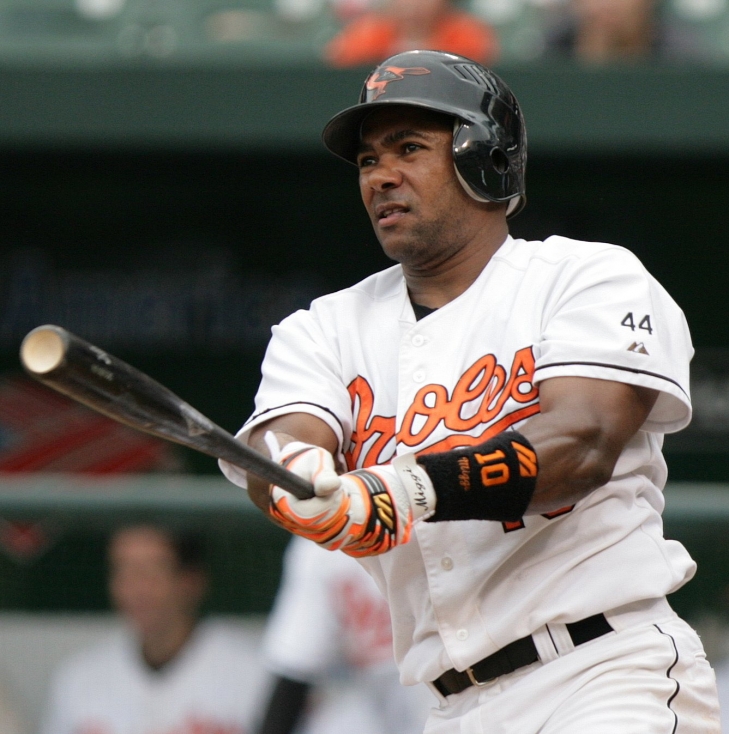
Miguel Tejada arrived in Baltimore in 2004 with the pedigree of a superstar, having already secured an AL MVP award in Oakland. As the centerpiece of a high-profile free-agent class, "Miggi" immediately transformed the Orioles' lineup, providing a level of offensive production from the shortstop position that the franchise had rarely seen since the prime of Cal Ripken Jr.
Tejada’s first season in Maryland was nothing short of historic. In 2004, he shattered expectations by leading the American League with a career-high 150 RBIs—a staggering total for a middle infielder. He tied his personal best with 34 home runs that year, earning an All-Star nod and a Silver Slugger Award. This dominance wasn't a fluke; Tejada was named an All-Star in each of his first three seasons in Baltimore and secured back-to-back Silver Sluggers (2004–2005), maintaining a batting average north of .300 while serving as the durable heartbeat of the infield.
Beyond the gaudy home run and RBI totals, Tejada was a quintessential "Iron Man" in his own right, famously playing in 1,152 consecutive games—a streak that spanned his transition from Oakland to Baltimore. Though he was traded to Houston following the 2007 season and returned for a brief veteran cameo in 2010, his legacy in Baltimore is defined by that initial four-year peak of offensive brilliance.
Tejada left Baltimore with 876 hits, 109 home runs, and a stellar .305 batting average.
36. Milt Pappas
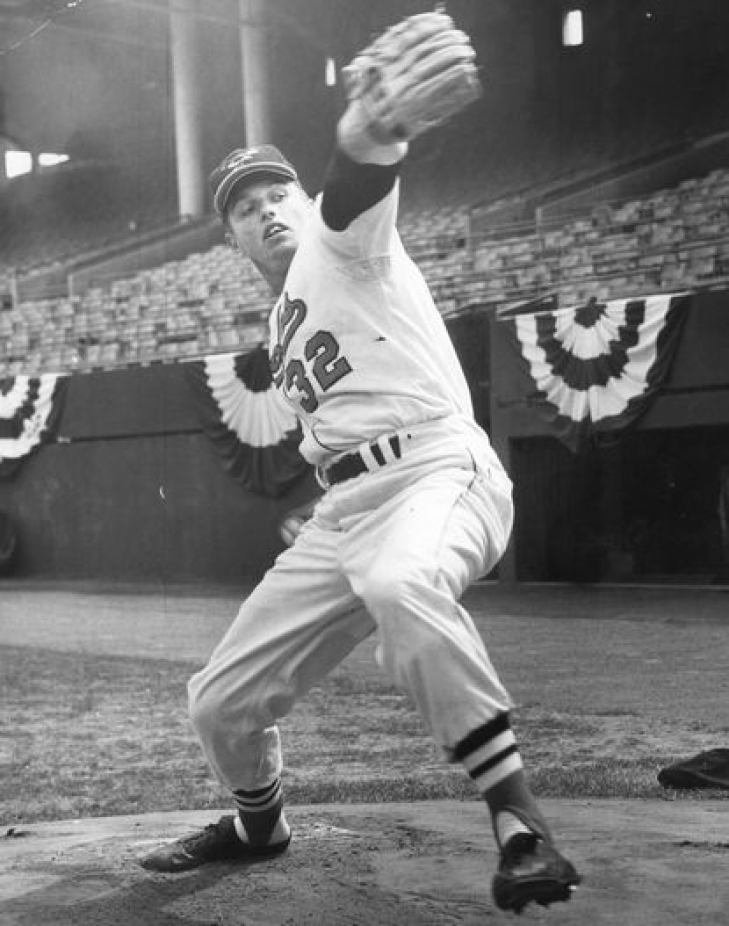
Milt Pappas arrived in Baltimore as a high school sensation in 1957, making his Major League debut as a teenager against the powerhouse Yankees. While most players his age were still navigating the minors, Pappas was quickly ascending the ranks of the Orioles' rotation, becoming the staff ace before he was old enough to rent a car.
Pappas’s tenure in Baltimore was a masterclass in durable, high-level consistency. A three-time All-Star (including both games in 1962 and starting the 1965 classic), he served as the bridge between the "Baby Birds" era and the championship years. He famously never posted a losing record in a Baltimore uniform, finishing in the top ten in ERA six times and top ten in WHIP four times. His 1964 campaign was particularly dominant, as he led a 97-win team with 16 victories and a career-best 1.08 WHIP.
His time in Baltimore ended in December 1965 in what remains one of the most famous trades in baseball history. Sent to Cincinnati for Frank Robinson, Pappas became the footnote to an "all-time heist" that saw Robinson win the Triple Crown. While the trade was undoubtedly lopsided in hindsight, it took a pitcher of Pappas's elite caliber—a 26-year-old with 110 wins—to pry a superstar like Robinson away from the Reds.
Pappas left the Orioles as one of the most successful pitchers in franchise history, totaling 110 wins, 944 strikeouts, and a sterling 3.24 ERA. Inducted into the Orioles Hall of Fame in 1985, he remains a symbol of the elite scouting and development that defined the early days of "Oriole Magic."
30. Scott McGregor
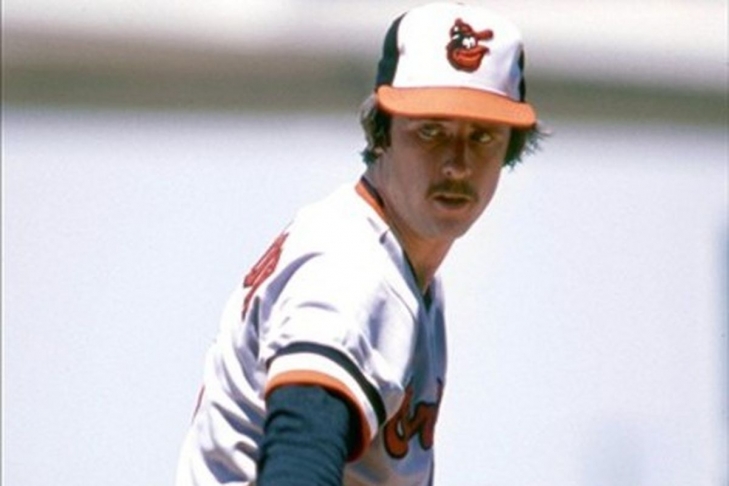
A "Lifer" who spent his entire thirteen-year Major League career in Baltimore, Scott McGregor was the tactical backbone of the Orioles' rotation. While he may not have had a blistering fastball, he embodied the "Oriole Way" through impeccable control, varied speeds, and a competitive grit that made him a premier second- or third-starter for over a decade.
After a 15-win breakout in 1978, McGregor entered a period of sustained excellence. From that season through 1985, he never posted a losing record, a feat that culminated in an All-Star selection in 1981 and a 20-win season in 1980. However, his 1979 campaign remains his most intriguing masterpiece; despite recording only 81 strikeouts, he led the American League in WHIP (1.07) and Strikeout-to-Walk ratio, proving that precision could be just as dominant as power.
McGregor’s greatest contribution to franchise lore came during the 1983 World Series. He was nearly untouchable on the game's biggest stage, posting a microscopic 1.06 ERA over 17 innings and throwing a complete-game shutout in the decisive Game 5 to clinch the World Championship. It was the ultimate "big game" performance from a pitcher who always seemed to stay calm under pressure.
Though injuries slowed his production in his final three seasons, McGregor retired in 1988 with 138 wins and a legacy of elite efficiency, having walked only 518 batters in over 2,100 innings. Inducted into the Orioles Hall of Fame in 1990, McGregor remains the gold standard for left-handed control pitchers in Baltimore history.
28. Al Bumbry
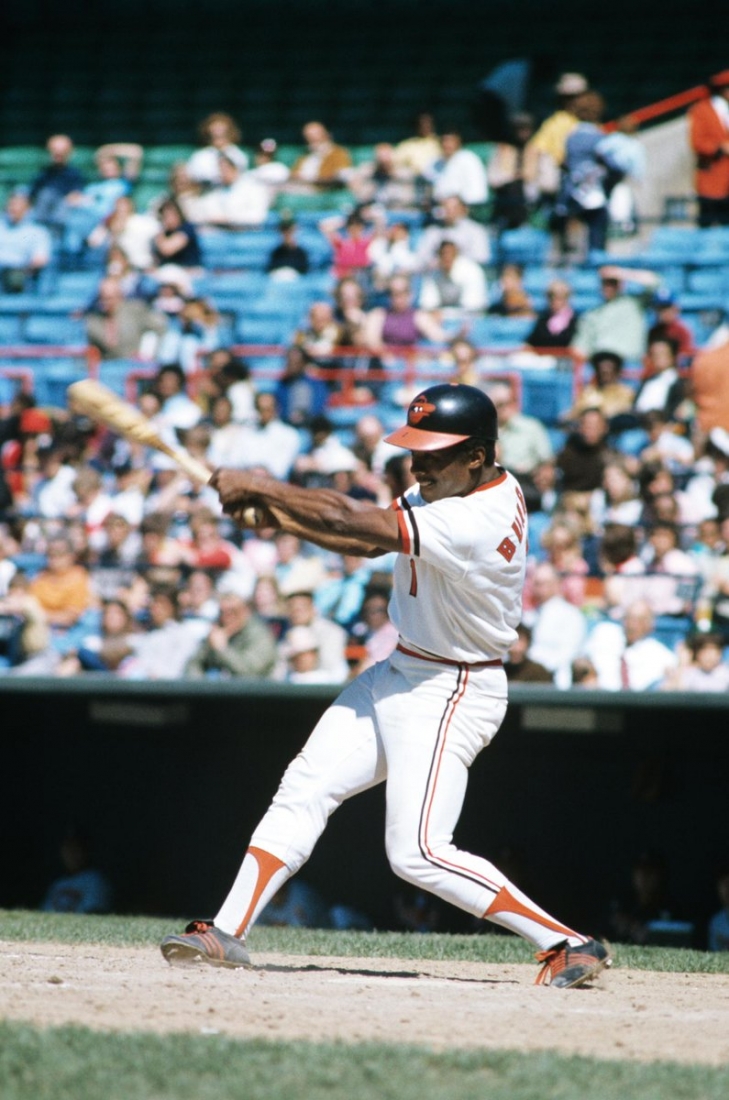
Al Bumbry spent nearly his entire 14-year career in a Baltimore uniform, serving as the swift, left-handed catalyst at the top of the Orioles' lineup. A decorated Vietnam War veteran before his MLB arrival, Bumbry made an immediate impact in 1973, capturing the American League Rookie of the Year award. That season, he showcased his elite speed by leading the league with 11 triples while posting a blistering .337 batting average.
Though his production fluctuated in the mid-70s, Bumbry’s resilience became his trademark. He engineered a massive "bounce-back" campaign in 1977, hitting .317, and reached his statistical zenith in 1980. That year, he earned his first All-Star selection, recording a career-high 205 hits and batting .318. When "The Bee" was on his game, he was arguably the most dangerous contact-hitting center fielder in the American League, using his wheels to turn routine grounders into base hits and doubles into triples.
Bumbry’s tenure was defined by winning; he patrolled center field for two pennant-winning teams (1979 and 1983) and was a veteran leader during the 1983 World Series Championship run. He concluded his Baltimore career with 1,403 hits, 252 stolen bases, and a robust .283 batting average. In 1987, the Orioles honored his consistency and character by inducting him into the franchise Hall of Fame, cementing his legacy as one of the most beloved "Lifers" in team history.
46. Doug DeCinces
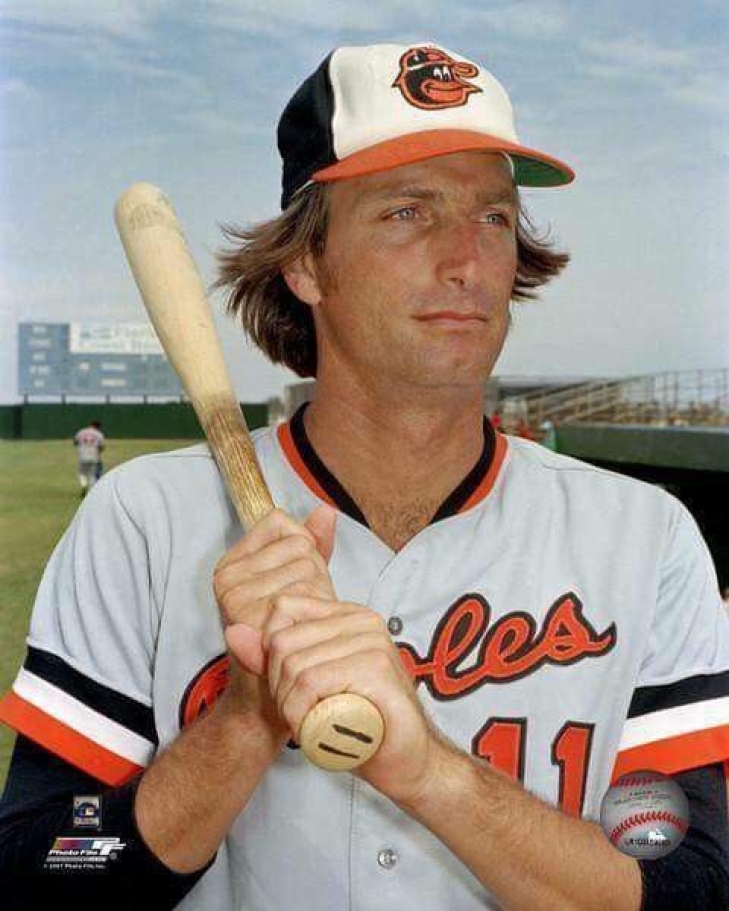
Stepping into the vacuum left by the retirement of Brooks Robinson was a task many deemed impossible, yet Doug DeCinces handled the transition with a blend of power and defensive poise that defined the Orioles' infield for nine seasons. While he spent years playing in the shadow of a legend, DeCinces emerged as one of the most productive third basemen in the American League during the late 1970s.
While traditional Gold Glove voters often overlooked him, modern advanced metrics reveal DeCinces was an elite defensive anchor. His Total Zone and dWAR figures during his Baltimore tenure confirm he was a legitimate defensive presence, often rivaling his peers in range and sure-handedness. Offensively, he provided a significant power upgrade at the position, reeled off four seasons of 16 or more home runs in Baltimore, and served as a key run-producer for the 1979 American League Champions.
His most iconic moment came in June 1979, the famous "Night of the Magic”, when his walk-off home run against Detroit ignited the phrase "Oriole Magic." Although his only All-Star appearance came later with the Angels, his foundational years in Baltimore were essential to the club's success. He left the Orioles with 738 hits, 107 home runs, and a robust .428 slugging percentage.
He was Inducted into the Orioles Hall of Fame in 2005.
38. Chris Hoiles
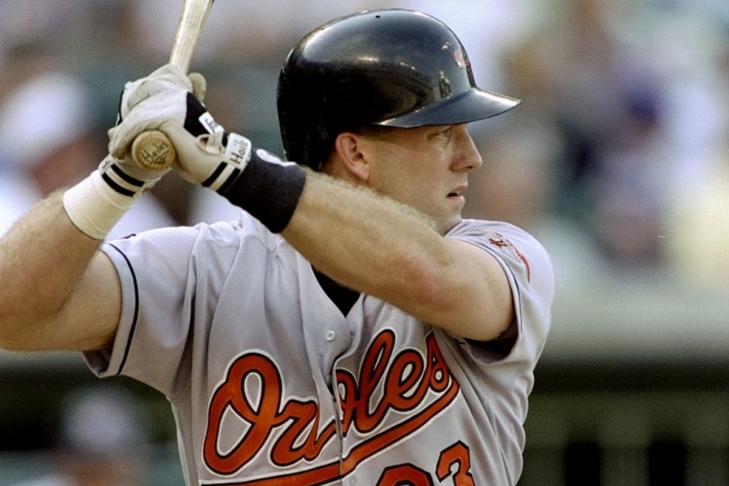
A "Lifer" who spent his entire ten-year Major League career in Baltimore, Chris Hoiles was the steady, powerful bridge between the "Oriole Magic" of the late 80s and the postseason runs of the mid-90s. While he was lauded by his pitching staff for his game-calling and veteran leadership, his statistical profile reveals him to be one of the most productive offensive catchers of his generation.
Defensively, Hoiles was the gold standard of reliability, remarkably posting a perfect 1.000 fielding percentage on four separate occasions. Offensively, he was a master of the "long ball" and plate discipline. Though he never sought to be a high-volume hit collector, he reeled off eight seasons with double-digit home runs, including two years surpassing the 20-HR mark. His 1993 campaign remains a franchise legend for catchers, as he batted .310 with 29 home runs and a massive 1.001 OPS.
Hoiles finished his career with 151 home runs and a stellar .366 on-base percentage, a testament to a disciplined eye that frustrated American League pitchers for a decade. He famously became the only catcher in MLB history to hit two ultimate grand slams (walk-off grand slams while trailing by three runs), a feat that perfectly captured his "clutch" DNA.
Inducted into the Orioles Hall of Fame in 2005, Hoiles remains a beloved figure in Baltimore lore.
40. Davey Johnson
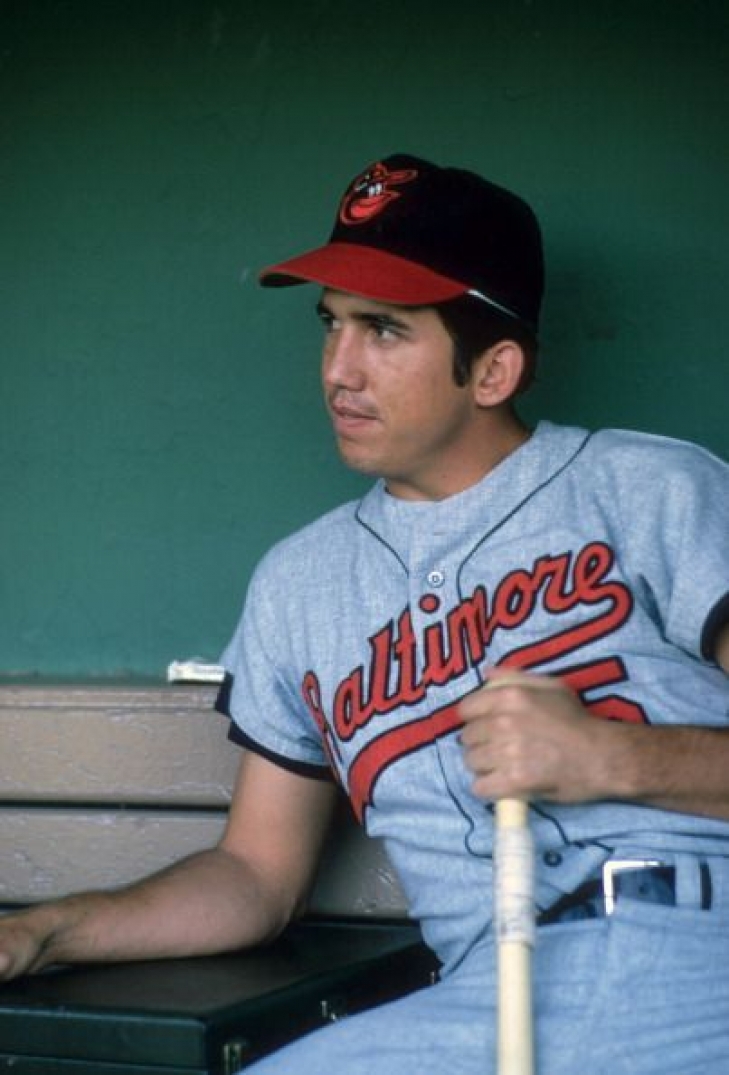
Davey Johnson arrived in Baltimore in 1965 as part of a wave of young talent that would eventually define the "Oriole Way." Though he would later be remembered as a tactical genius in the dugout, his playing career in Baltimore was marked by the same cerebral approach and defensive mastery. Alongside Brooks Robinson and Mark Belanger, Johnson formed one-third of perhaps the greatest defensive infield in baseball history.
Johnson’s impact was immediate; he finished third in the 1966 Rookie of the Year voting, proving to be the missing piece at second base for the franchise's first World Series title. While he wasn't the most feared power threat during his tenure in Baltimore, he was a master of the fundamentals. From 1969 to 1971, he secured three consecutive Gold Gloves, proving to be the vacuum that turned the Orioles' pitching staff into a juggernaut. His reliability was rewarded with three straight All-Star selections (1968–1970) during the peak of the dynasty.
Though his regular-season totals as an Oriole included 904 hits and 66 home runs, Johnson’s true value in the Project Diamond lab is measured in rings. He was a pivotal starter for the 1966 and 1970 World Series champions, famously hitting .313 with a .476 on-base percentage during the 1970 Fall Classic victory over the Cincinnati Reds.
Inducted into the Orioles Hall of Fame in 1997, Johnson’s legacy in Baltimore is two-fold: a gritty, All-Star second baseman who helped build a dynasty, and a brilliant strategist who returned to the dugout to lead the club back to the postseason in the 1990s.
44. Lefty Stewart
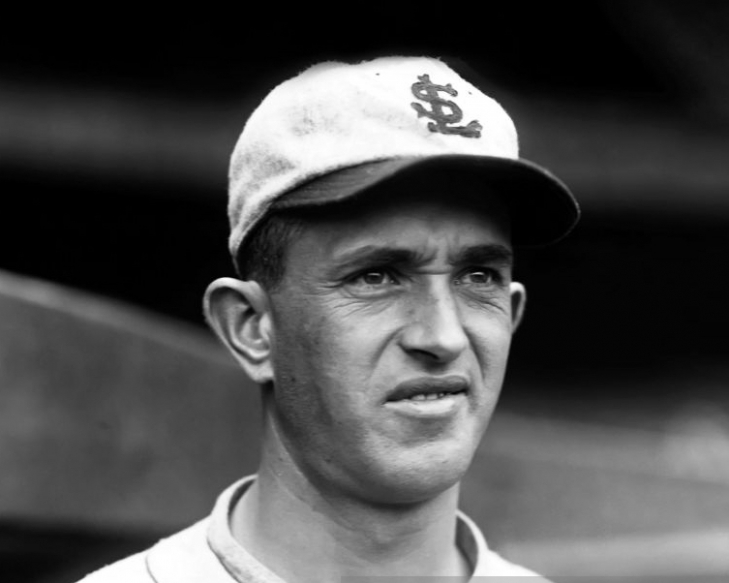
Walter Cleveland Stewart, known simply as "Lefty," was a durable left-handed mainstay who provided the St. Louis Browns with high-level stability during a period of league-wide offensive volatility. While he spent six seasons in the Browns' rotation (1927–1932), it was his final three years in St. Louis that cemented his legacy as one of the franchise's premier arms of the Depression Era.
Stewart’s 1930 campaign remains one of the most underrated individual seasons in Browns history. In a year where the league-wide ERA was sky-high, Stewart defied the trend by winning 20 games and posting a 3.45 ERA, which ranked third-best in the American League. His value was confirmed by advanced metrics, as he finished third in the AL in Pitching bWAR (7.2), trailing only Hall of Famers Lefty Grove and Wes Ferrell. Stewart was a workhorse who specialized in the complete game, providing the Browns with a competitive edge every fifth day.
His tenure in St. Louis came to an end in 1932, when he was traded to the Washington Senators, where he would immediately help his new club reach the World Series. He left the Browns with 73 wins and a reputation as a pitcher who thrived in an era dominated by hitters.
42. Nels Potter
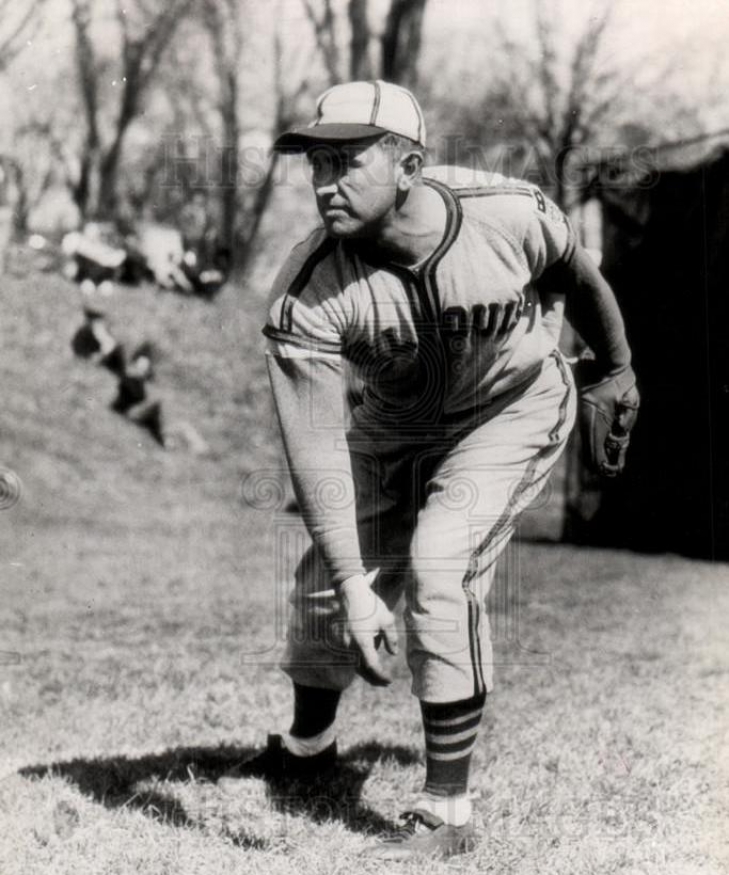
Nels Potter arrived in St. Louis as a 31-year-old journeyman, a screwball specialist who had struggled to find consistency until the Browns plucked him from the Red Sox organization in the 1942 Rule 5 Draft. In the high-pressure environment of wartime baseball, Potter didn't just find a home; he became the statistical engine that drove the Browns to their greatest heights.
Potter’s 1944 campaign remains a landmark in franchise history. As the Browns battled for their first American League Pennant, Potter delivered a 19–7 record and a career-best 5.7 bWAR, finishing ninth in the MVP voting. Though he was famously the first pitcher ever suspended for using a "foreign substance" (the spitball) earlier that year, he returned to lead the club into the World Series. On the game's biggest stage, he was nearly flawless, posting a 0.93 ERA in the Fall Classic—a performance that cemented his status as a big-game anchor.
While skeptics point to the diluted talent pool of the WWII era, Potter’s 1945 season silenced the critics. He was arguably even more dominant, posting a 2.47 ERA and a league-leading 1.097 WHIP, which earned him a staggering 7.2 bWAR—the second-highest mark in the American League. It was a masterclass in finesse and control that proved his success was rooted in skill, not just circumstance.
Age and the return of pre-war stars eventually slowed his momentum, leading to his sale back to the Athletics in 1948. However, Potter’s legacy is etched in the history books as the man who pitched the Browns into their only World Series.
27. Mike Flanagan
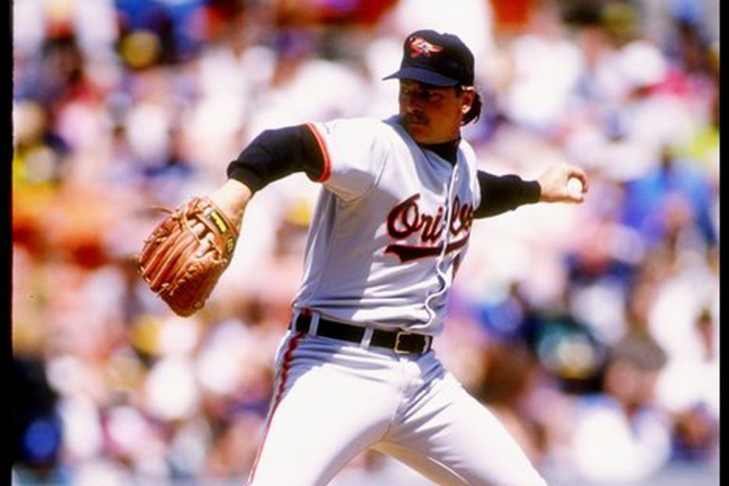
Mike Flanagan was the quintessential left-handed workhorse of the Baltimore rotation, a pitcher defined by his intelligence, durability, and a knack for finding the win column. Debuting in 1975, Flanagan became a staple of the Orioles' staff for over a decade, accumulating 141 wins—a total that ranks him among the most successful pitchers in the history of the franchise.
While his career was built on steady volume, his 1979 campaign was a masterpiece of "Peak Performance." That year, Flanagan anchored a pitching staff that led Baltimore to the American League Pennant, winning a league-leading 23 games and capturing the American League Cy Young Award. It was a season where he dominated the traditional leaderboards, finishing in the top ten for ERA (3.08) and WHIP (1.21). Though advanced metrics like bWAR often favored his peers, Flanagan possessed the "big-game" gene, proving to be a vital component of the 1983 World Series Championship team.
Flanagan’s tenure in Baltimore lasted until a trade to Toronto in 1987, but he remained an Oriole at heart, eventually returning to the club to finish his playing career and later serving in the front office. His 141 victories and 1,297 strikeouts remain a testament to his longevity and competitive fire.
In 1994, the Orioles honored his immense contribution to the "Oriole Way" by making him the sole inductee into that year's Hall of Fame class. A champion, a Cy Young winner, and a tireless innings-eater, Flanagan remains one of the most beloved figures to ever step onto the Memorial Stadium mound.
32. Mike Cueller
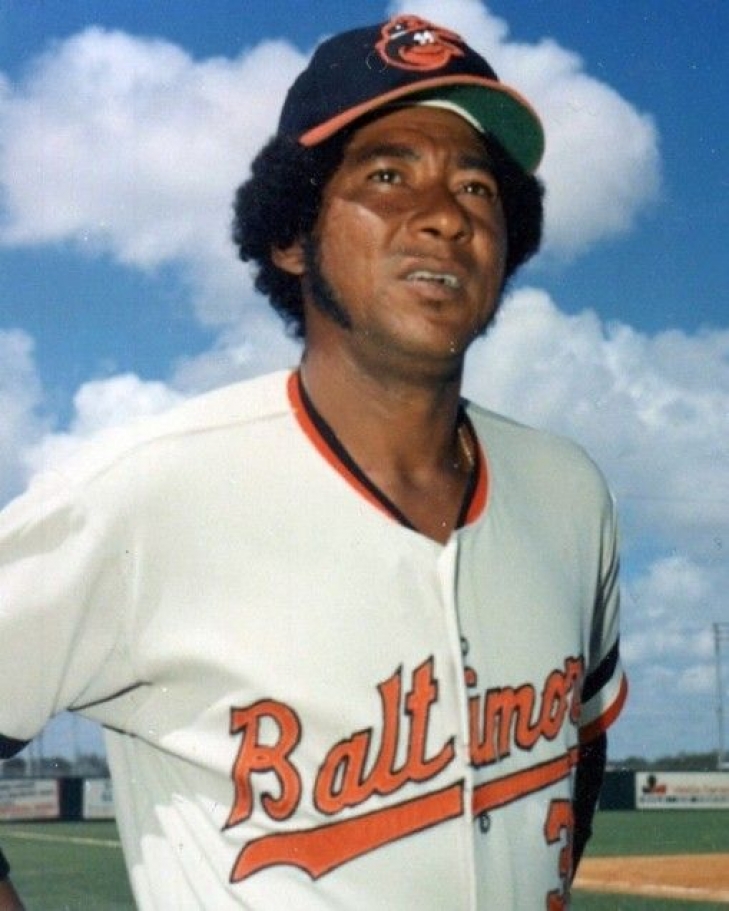
Mike Cuellar arrived in Baltimore at age 32, a veteran traveler who many thought had already seen his best days. Instead, the native of Las Villas, Cuba, embarked on the most dominant stretch of his career, becoming the finesse anchor of the greatest pitching staff in Orioles history. Armed with a devastating screwball and a deliberate, tactical approach, Cuellar transformed from a journeyman into a perennial 20-game winner.
His debut season in 1969 was a revelation. Cuellar posted a 23–11 record with a microscopic 1.005 WHIP, becoming the first Oriole to win the American League Cy Young Award (shared with Denny McLain). He followed that by leading the American League with 24 wins and 21 complete games in 1970, a season that culminated in a World Series Championship. While advanced metrics point to an inflated ERA and a high volume of home runs allowed that year, Cuellar possessed an uncanny "will to win," consistently doing exactly what was necessary to secure a victory for a high-powered Baltimore squad.
The southpaw’s consistency was legendary. From 1969 to 1974, Cuellar won at least 18 games in every season, eclipsing the 20-win mark four times. Though his tenure ended abruptly with his release in 1976, his impact was undeniable. He remains one of the winningest pitchers in franchise history, finishing his Baltimore chapter with a 143–88 record and 1,011 strikeouts.
While some may argue his bWAR (17.1) suggests he was a beneficiary of elite run support, Cuellar’s value is found in his durability and his championship pedigree. Inducted into the Orioles Hall of Fame in 1982, he remains the gold standard for left-handed craftiness—a pitcher who didn't need a 95-mph fastball to dismantle the best lineups in the game.
31. Ned Garver
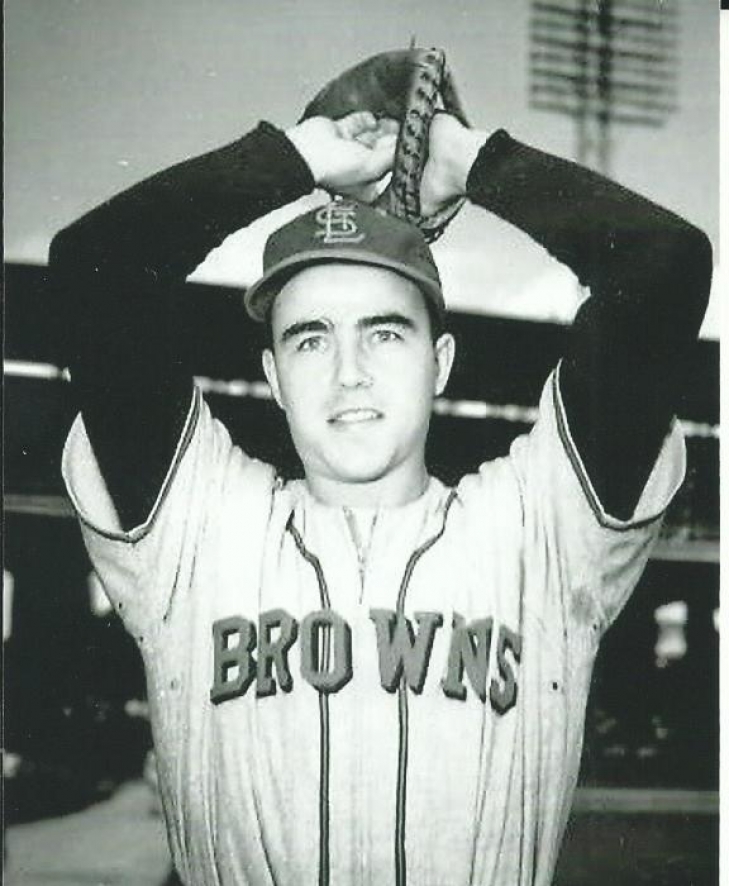
Ned Garver was the definition of a "hard-luck" ace, a premier talent tasked with anchoring the St. Louis Browns during their most difficult years. Joining the club in 1948, Garver quickly established himself as a durable workhorse, though the lack of offensive support often left him with a lopsided win-loss record that belied his true dominance on the mound.
The early 1950s saw Garver reach a level of individual brilliance that defied his surroundings. In 1950, despite leading the league with 18 losses, he paced the American League with 22 complete games and a respectable 3.39 ERA. However, it was his 1951 season that remains one of the most remarkable feats in baseball history. Garver became the first pitcher in the modern era to win 20 games for a team that lost 100. That year, he led the American League in Pitching bWAR (6.7) and complete games (24), earning a starting nod in the All-Star Game and finishing as the runner-up for the AL MVP; a nearly unheard-of feat for a pitcher on a last-place team.
Garver was more than just a pitcher; he was an athlete who often helped his own cause, famously batting .305 during his 20-win campaign. Because the Browns were in a constant state of financial flux and rebuilding, Garver was eventually sent to Detroit in a massive eight-player trade in 1952.
He left St. Louis with a 59–68 record, but to the fans and historians of the Browns, that number is a footnote.
45 Mike Boddicker
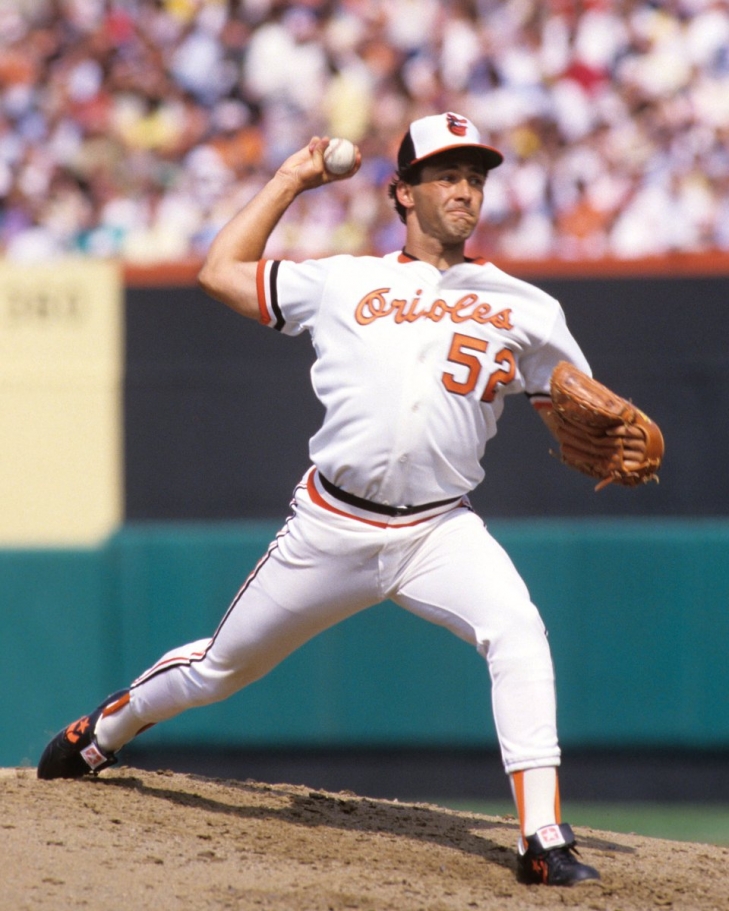
Mike Boddicker didn't overpower hitters with velocity; he dismantled them with a "fosh" ball and what legend Rod Carew dismissively called "Little League slop." However, by varying his arm angles and mastering a strange, tumbling change-up, Boddicker proved that deception could be just as lethal as a 95-mph fastball. After debuting in 1980, he emerged in 1983 as the unlikely hero who would help anchor a world championship rotation.
Boddicker’s 1983 season is etched in Baltimore lore. After becoming a permanent fixture in the rotation, he led the American League with five shutouts and went 16–8. He truly ascended during the postseason, throwing a legendary 14-strikeout one-hitter in the ALCS to earn ALCS MVP honors, followed by a dominant complete-game victory in the World Series. That October performance remains one of the greatest high-leverage stretches in franchise history.
He proved 1983 was no fluke by authoring a career-best campaign in 1984. Boddicker led the American League in both Wins (20) and ERA (2.79), earning his first All-Star nod and a fourth-place finish in the Cy Young voting. He remained the reliable workhorse of the staff for three more seasons before a 1988 trade to Boston—a deal that famously brought a young Brady Anderson to Baltimore.
Boddicker left the Orioles with 79 wins, 836 strikeouts, and a reputation as one of the craftiest right-handers to ever wear the uniform. He was inducted into the Orioles Hall of Fame in 2001.
39. George McQuinn
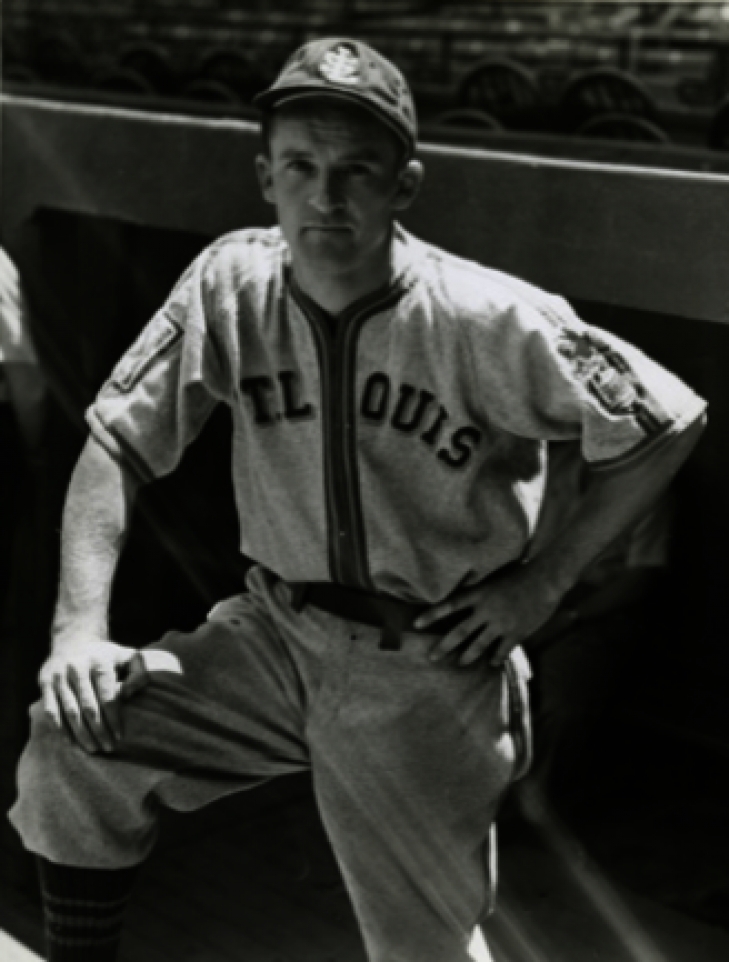
George McQuinn arrived in St. Louis as a diamond in the rough, plucked from the powerhouse Yankees organization in the 1937 Rule 5 Draft. It proved to be a franchise-altering acquisition. Over the next eight seasons, McQuinn established himself as the premier first baseman in the American League, providing a rare blend of defensive grace and consistent left-handed power.
McQuinn’s peak years in St. Louis were defined by elite consistency. He was a four-time All-Star with the Browns, batting over .300 in each of his first two seasons (1938–1939) and recording three consecutive years with at least 15 home runs. While many stars of the era were called away to military service during World War II, McQuinn remained the steady heartbeat of the Browns' lineup. His leadership and production were instrumental in the historic 1944 season, where he anchored the infield and powered the Browns to their first and only American League Pennant.
Though he was traded to Philadelphia after the 1945 season, McQuinn’s legacy in St. Louis was already secure. He departed with 1,220 hits, 108 home runs, and a reputation as a "big game" player who hit .438 during the 1944 World Series against the cross-town Cardinals.
23. Melvin Mora
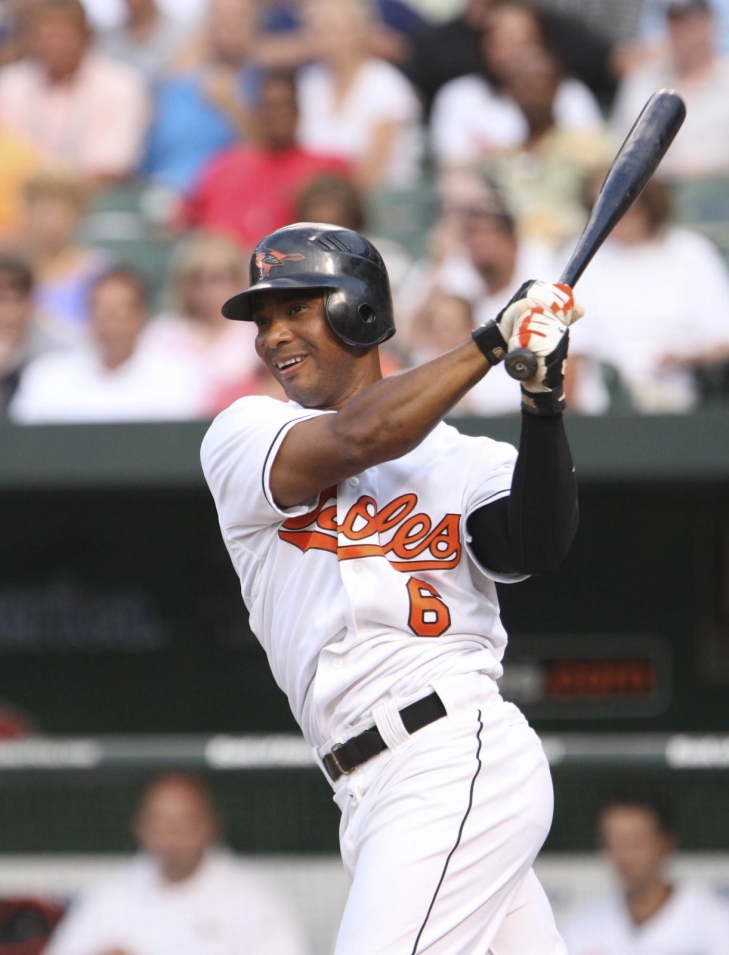
Melvin Mora arrived in Baltimore during the 2000 season via trade with the New York Mets, initially serving as a super-utility player before settling into center field. However, it was his 2004 transition to third base that unlocked his true potential, transforming him into one of the American League’s premier offensive forces.
The 2004 campaign remains a statistical masterpiece in Orioles history. That season, Mora didn't just play third base; he dominated the league, capturing the American League On-Base Percentage Title with a staggering .419 mark. He finished second only to Ichiro Suzuki in the AL batting race with a career-high .340 average, while setting personal benchmarks in power with 27 home runs and 104 RBIs. His performance earned him a Silver Slugger Award and established him as the "Most Valuable Oriole" during a season where he was arguably the best third baseman in the sport.
While Mora would never again scale the .300/.400 peaks of 2004, he remained a durable and dangerous fixture in the Baltimore lineup for a decade. He secured his second All-Star selection in 2005 and continued to flash significant power, recording another 27-homer campaign that year and driving in 104 runs again in 2008. A true fan favorite for his energy and versatility, Mora spent ten years in Charm City before departing as a free agent in 2010.
He left the Orioles with 1,323 hits, 158 home runs, and a robust .280 batting average. Inducted into the Baltimore Orioles Hall of Fame in 2015, Mora stands as the most productive third baseman of the post-Ripken era, a man who combined elite plate discipline with a "do-it-all" attitude.
