

 Not in Hall of Fame News
Yes, we know that this is taking a while! As many of…
 Not in Hall of Fame News
Yes, we know that this is taking a while! As many of…
 Not in Hall of Fame News
2002 SEMI-FINAL RESULTS: Thank you for your participation in the Pro Football…
 Not in Hall of Fame News
Yes, we know that this is taking a while! As many of…
 Not in Hall of Fame News
We are diligently working away at Notinhalloffame on revising our Football lists…
 Not in Hall of Fame News
We are diligently working away at Notinhalloffame on revising our Football lists…
 From the Desk of the Chairman
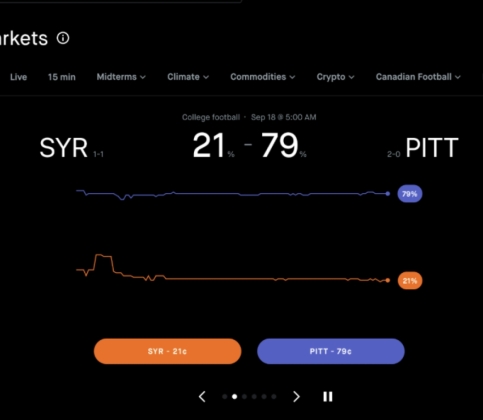
Sports fans thrive on calculating strategy, reading momentum, and maximizing every tactical…
 From the Desk of the Chairman
The 2026 NFL season is two weeks old and the division races…
 From the Desk of the Chairman
Sports communities are often built around things that have nothing to do…
 From the Desk of the Chairman
Every hall of fame eventually faces the same problem. The selection process…
 From the Desk of the Chairman
Pete Rose died in 2024. On May 13, 2025, Commissioner Rob Manfred…
 From the Desk of the Chairman
For NFL fans, game day offers much more than three hours of…






100 Active Potential Football Hall of Famers
-
 #8 Overall, Von Miller, Dallas Cowboys, #3 Defensive Lineman/Linebackers: Pass Rushers2025 Pre-Season Rank #6, 2024 Pre-Season Rank #7, 2023 Pre-Season Rank #4, 2022 Pre-Season Rank #7, 2021 Pre-Season Rank #8, 2020 Pre-Season Rank…
 -
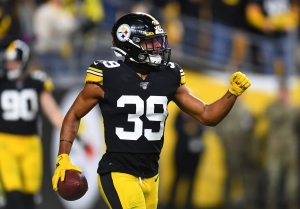 #44 Overall, Minkah Fitzpatrick, New York Jets, Free Safety, #3 Safety2025 Pre-Season Rank #43, 2024 Pre-Season Rank #56, 2023 Pre-Season Rank #63, 2022 Pre-Season Rank #99, 2021 Pre-Season Rank #108, 2020 Pre-Season Rank…in Safeties
 -
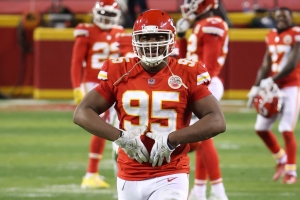 #19 Overall, Chris Jones, Kansas City Chiefs, Defensive Tackle, #8 Defensive Lineman/Linebacker: Pass Rusher2025 Pre-Season Rank #15, 2024 Pre-Season Rank #15, 2023 Pre-Season Rank #58, 2022 Pre-Season Rank #100. Peak Period 2020-24. When you think of…
 -
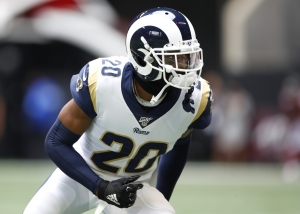 #23 Overall, Jalen Ramsey, Pittsburgh Steelers, #1 Cornerback2025 Pre-Season Rank #20, 2024 Pre-Season Rank #20, 2023 Pre-Season Rank #23, 2022 Pre-Season Rank #35, 2021 Pre-Season Rank #54, 2020 Pre-Season Rank…in Cornerbacks
Visit the Fictitious Halls of Fame!


You May Also Like...
EDITOR’S CHOICE

 DDT's Pop Flies
When the veterans committee (VC), officially convening as the Contemporary Baseball Era…

 Live Music Head
Project/Objectan interview with André Cholmondeleyby Live Music HeadOriginally published at timessquare.com on…

LATEST RANKINGS





MOST POPULAR RANKINGS
















Committee Chairman
5. Horace Grant
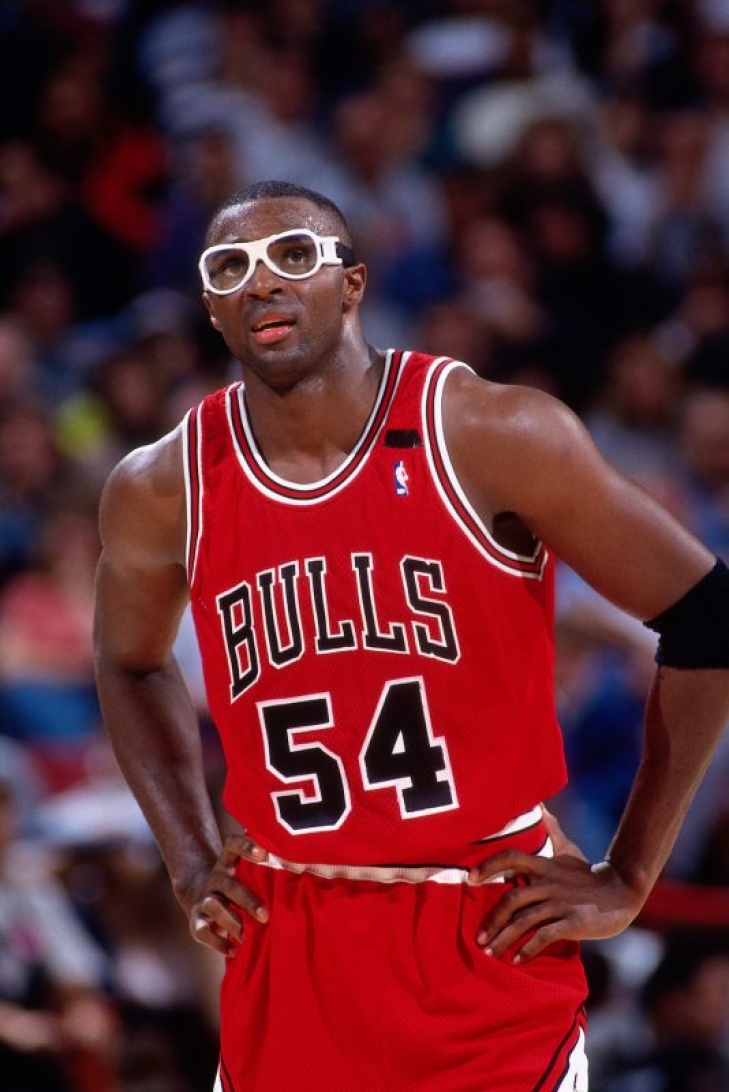
Horace Grant was the 1987 ACC Player of the Year when he played at Clemson, which helped him become a First Round Pick (10th Overall) by the Bulls.
4. Chet Walker
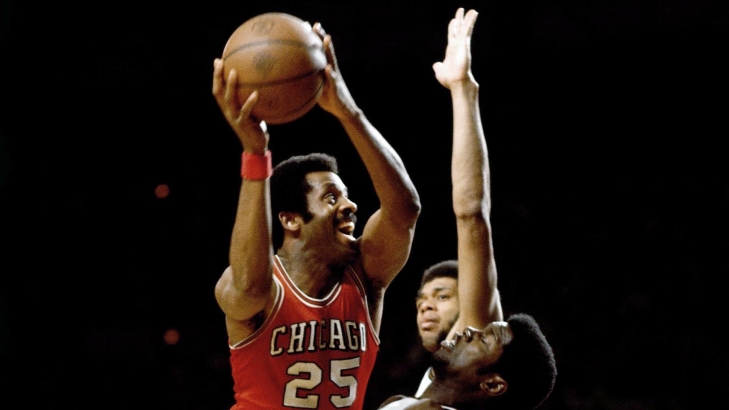
Walker’s NBA career began in 1962 as a Syracuse National, and when the team moved to Philadelphia and turned into the 76ers, his career grew alongside his team's audience. Walker was a three-time All-Star in Philly and a champion when the team won the title in 1967. But this isn't a list about the greatest Sixers.
Walker was traded to the Chicago Bulls in 1969, and he would do more with the rock as a Bull on a team that was far less talented overall than the Philadelphia 76ers. The Small Forward scoring efficiency was higher in Chicago, with his Field Goal Percentage going over .475 five times with Chicago, in comparison to his one time in Philadelphia. Walker never had a Free Throw Percentage lower than .832 as a Bull, and he led the NBA in that stat in 1970-71 (.859).
The former Bradley Brave played in four All-Star Games with Chicago and averaged 20.5 Points per game in the Windy City.
Walker entered the Naismith Basketball Hall of Fame in 2012.
3. Artis Gilmore
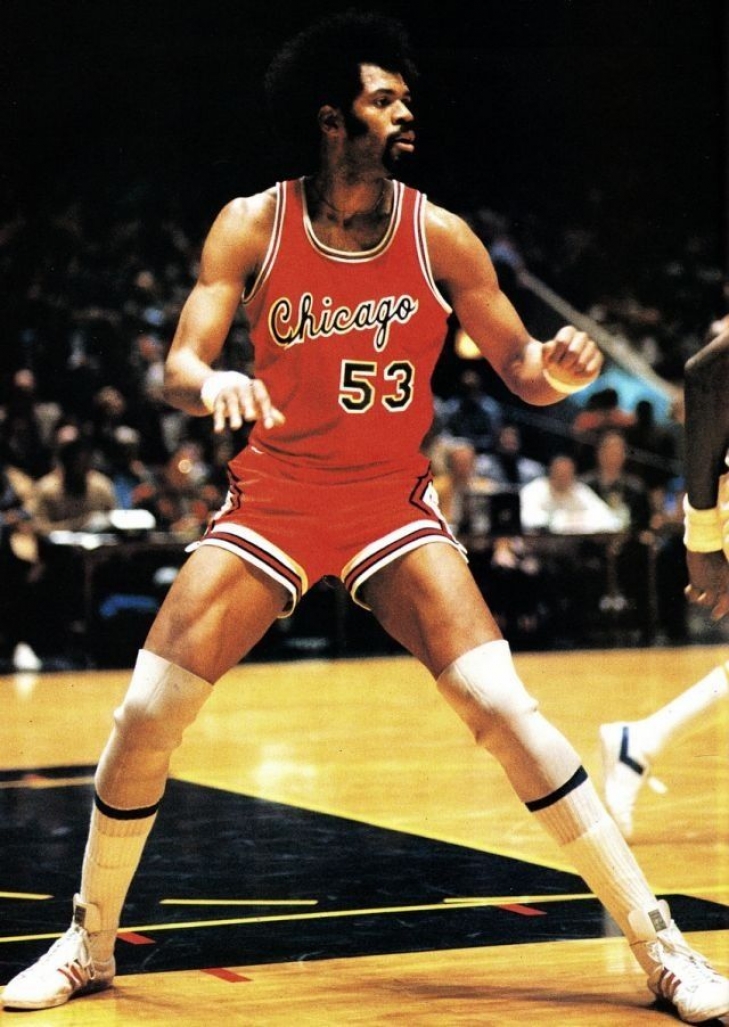
After the selections of Jordan and Pippen, it does not become as easy to rank the greatest Bulls of all-time. But that makes it all the more fun, doesn't it?
The Chicago Bulls took Gilmore with their Seventh Round Pick in 1971, but this was not a slight on Gilmore's skill, but rather that they knew he would sign with the ABA instead. The Center joined the Kentucky Colonels, where he played for five seasons before the ABA was absorbed into the NBA, sans the Colonels, who folded and had their players dispersed. Who got Gilmore? The Bulls took him first overall in that specific draft.
Gilmore would not be an MVP like he was in the ABA, but this was still an elite Center. Playing for the Bulls for six years, Gilmore was an All-Star four times. With the Bulls, Gilmore consistently kept his rebounding in double digits, and he was still a good scorer, with his worst season in Chicago at 17.8 PPG and a peak of 23.7. Gilmore led the NBA in Field Goal Percentage in 1980-81 & 1981-82, but that would be his last two years as a Bull…well, not really.
Chicago traded Gilmore to San Antonio, but he was traded back in 1987. Gilmore only played 24 Games before being waived. Gilmore joined Boston for the rest of the year and was in Europe after.
With the Bulls, Gilmore posted averages of 19.3 Points, 11.1 Rebounds, and 2.1 Blocks per Game. The Basketball Hall of Fame called his name in 2011.
2. Scottie Pippen
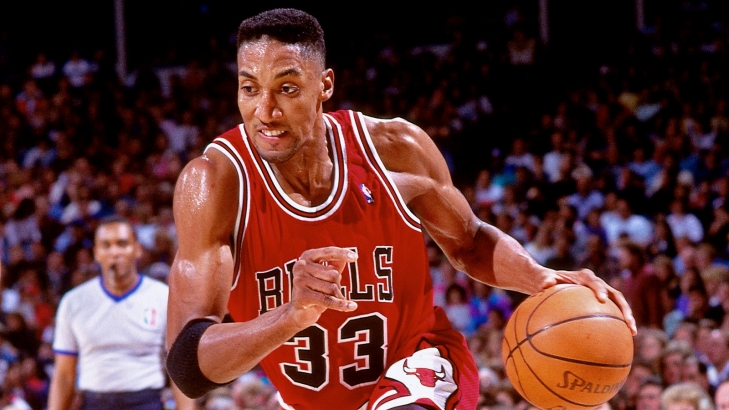
Choosing Michael Jordan as the greatest Chicago Bull of all time was the easiest decision we have ever made. It was almost as easy to anoint Scottie Pippen as number two.
