

 Not in Hall of Fame News
Yes, we know that this is taking a while! As many of…
 Not in Hall of Fame News
Yes, we know that this is taking a while! As many of…
 Not in Hall of Fame News
2002 SEMI-FINAL RESULTS: Thank you for your participation in the Pro Football…
 Not in Hall of Fame News
Yes, we know that this is taking a while! As many of…
 Not in Hall of Fame News
We are diligently working away at Notinhalloffame on revising our Football lists…
 Not in Hall of Fame News
We are diligently working away at Notinhalloffame on revising our Football lists…
 From the Desk of the Chairman
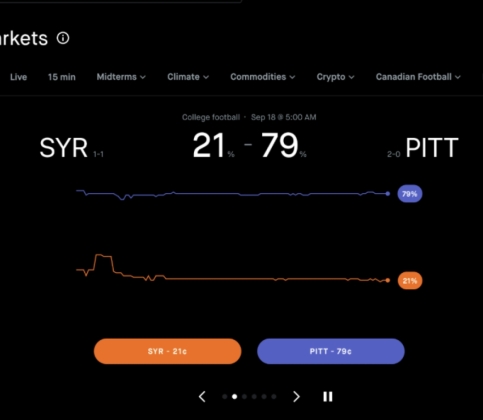
Sports fans thrive on calculating strategy, reading momentum, and maximizing every tactical…
 From the Desk of the Chairman
The 2026 NFL season is two weeks old and the division races…
 From the Desk of the Chairman
Sports communities are often built around things that have nothing to do…
 From the Desk of the Chairman
Every hall of fame eventually faces the same problem. The selection process…
 From the Desk of the Chairman
Pete Rose died in 2024. On May 13, 2025, Commissioner Rob Manfred…
 From the Desk of the Chairman
For NFL fans, game day offers much more than three hours of…





100 Active Potential Football Hall of Famers
-
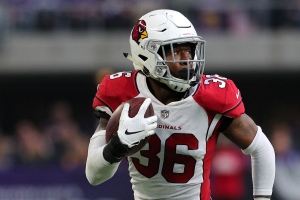 #24 Overall, Budda Baker, Arizona Cardinals, Free Safety, #1 Safety2025 Pre-Season Rank #28, 2024 Pre-Season Rank #43, 2023 Pre-Season Rank #78, 2022 Pre-Season Rank #86, 2021 Pre-Season Rank #113, 2020 Pre-Season Rank…in Safeties
 -
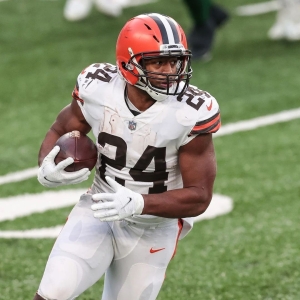 #40 Overall, Justin Jefferson, Minnesota Vikings, #5 Wide Receiver2025 Pre-Season Rank #38, 2024 Pre-Season Rank #50, 2023 Pre-Season Rank #101, 2022 Pre-Season Rank #130. Peak Period: 2020-24 Since he debuted in…
 -
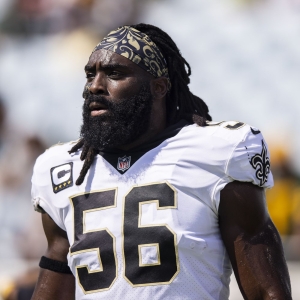 #48 Overall, DeMario Davis, New York Jets, Linebacker, #4 Defensive Lineman/Linebacker: Interior Lineman2025 Pre-Season Rank #47, 2024 Pre-Season Rank #47, 2023 Pre-Season Rank #61, 2022, Pre-Season Rank #137. Peak Period: 2019-23 Davis, a veteran player,…
 -
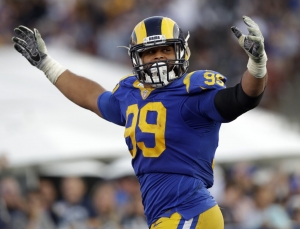 #1 Overall, Aaron Donald: Los Angeles Rams, Defensive End, #1 Defensive Lineman/Linebackers/Pass Rushers2020 Pre-Season Rank #15, 2021 Pre-Season Rank #5, 2022 Pre-Season Rank #3, 2023 Pre-Season Rank #2. PEAK 2017-21 Well, look who’s back! When…
Visit the Fictitious Halls of Fame!


You May Also Like...
EDITOR’S CHOICE

 DDT's Pop Flies
When the veterans committee (VC), officially convening as the Contemporary Baseball Era…


 Live Music Head
Project/Objectan interview with André Cholmondeleyby Live Music HeadOriginally published at timessquare.com on…

LATEST RANKINGS



MOST POPULAR RANKINGS














Committee Chairman
The Best Meditation App

A meditation practice employs methods to help you concentrate your attention and consciousness on you, an idea, an item, or an activity. For thousands of years, people from many cultures have used meditation to develop their spiritual consciousness.
Some people's attention has turned from meditation's spiritual benefits to its advantages for physical and mental health. When you routinely apply the skills, they might enhance your health in the short and long term. Learning a new skill can be challenging and stressful at first. Although there is no right or wrong method to meditate, using an app or online instruction might lessen the stress associated with learning how to do it. Moreover, learning through the app is as convenient and as easy as login into the vegas casino mobile.
Here are some of the awesome meditation apps we have picked for you.
1. Insight Timer
It isn't overstated to say that Insight Timer is adored by its users, many of whom believe it to be much underappreciated in comparison to the Headspaces and Calms of the meditation industry. But with 260,000+ reviews and a 4.9 rating on average in the Apple app store, it has become relatively widespread and is a favourite choice for novice and experienced meditators. And it's easy to understand why. Insight Timer stands out for its extensive free library, whereas other top meditation apps can get pricey. Not "free" means "try the first three meditations free; then you must pay up for premium." There are 70,000 free meditations and music files, and fresh material is added daily.
2. Headspace
Its extensive library and user-friendly UI make it the standard suggestion for meditation apps. With a focus on friendliness, this meditation software offers a bright style and entertaining animations, so just opening it could improve your mood. Headspace offers guided meditations for any mood or objective and a wealth of fundamentals. Headspace undoubtedly has what you need whether you want to meditate for anything from stress reduction and mindfulness to more specialized issues, including grief, body image, fear, parenting difficulties, political anxiety, and more. There is a meditation for it on Headspace. Additionally, it has a mode called Move Mode that combines exercise with meditation to exercise your body and mind simultaneously.
3. Shine
This app offers more than simply mindfulness and meditation practices. You may access Daily Shine meditations with a motivational message, three "fast hitter" meditations for the morning, midday, and evening, and more in the app's free version. If you upgrade to premium, you'll have access to the app's themed meditations and other premium self-care features.
Shine is a fantastic choice if you're looking for an app that offers more than simple meditation. Gratitude check-ins, bedtime stories, self-care activities, and access to the Shine Squad, the app's online community where you may meet other users, are complimentary and paid features. You'll adore the everyday inspirational writings if you need a little more motivation and optimism in your life.
4. Calm
Another well-known brand in meditation applications, Calm is usually cited alongside Headspace as a top-notch guided meditation software suitable for both beginners and seasoned practitioners. Reviewers adore Calm for its signature natural sounds, music, and meditation retreat ambiance, but you may have to try both to discover which is best for you. Calm's name sums it up; the aesthetics provide a relaxing user experience. Calm is well-known for its celebrity-studded Sleep Stories, traditional guided meditations, and mindfulness tools like timers and ambient music. These bedtime stories for adults incorporate music, sound effects, and narration to aid sleep, some of which feature famous narrators like Laura Dern and Harry Styles.
5. Aura
This straightforward app will teach you how to meditate in just three minutes per day, making it an excellent option for busy folks who want an app they can use whenever they have a moment. Your preferences are considered when making recommendations, and it creates themed playlists that are nearly reminiscent of Spotify. Aura has your back whether you need a concentrate mix, a sleep mix, or whatever in between. Aura offers more than just meditation, including a mood tracker, mentorship, a gratitude diary, and an active user and meditation teacher community. Despite having premium options, many reviews claim that the free version is more than sufficient for casual use.
6. Smiling Mind
If you want to start a practice with the whole family, Smiling Mind is a fantastic free choice created by psychologists and educators. It offers specialized programs for families, children, and adults. You can find guided meditation activities for stress, sleep, focus, relationships, fitness training, mindful eating, and other issues within each demographic. And don't worry if you're a total novice. It also goes through the basics to get you going.
Benefits of Meditation
Meditation Benefits include:
- Gaining fresh insight into difficult circumstances
- Acquiring techniques for stress management
- An improved concern for oneself
- Keeping the present in mind
- Lowering negative feelings
- Developing creativity and imagination
- Improving compassion and patience
- Lowering the heart rate at rest
- Lowering the blood pressure at rest
- Enhancing the caliber of sleep
The OnlyFans Phenomenon: Athletes' Perspectives and Participation

In recent years, the digital landscape has witnessed a remarkable shift in how athletes connect with their fans and monetize their brand.
Among the platforms that have gained immense popularity in this regard, OnlyFans stands out as a unique and controversial player.
Originally created to allow content creators to share exclusive content with their subscribers, OnlyFans has become a hot topic due to its association with adult content. This article explores the perspectives of athletes on the OnlyFans phenomenon, shedding light on their motivations, experiences, and the impact of their participation on their careers.
The Rise of OnlyFans in Sports
OnlyFans launched in 2016 as a subscription-based platform, primarily utilized by creators in the adult entertainment industry. However, over time, its scope expanded to include various content categories, attracting celebrities, influencers, and athletes seeking to monetize their loyal fan bases.
The rise of OnlyFans in sports has been driven by several factors, including the desire for greater financial freedom, enhanced fan engagement, and the opportunity to control their personal brand.
Financial Freedom and Income Generation
For many athletes, the financial aspect of participating in OnlyFans is a significant motivation. Professional sports careers can be relatively short, and even high-earning athletes face financial uncertainty after retirement.
By joining the best OnlyFans, they can secure an additional stream of income that helps them maintain their lifestyle beyond their playing years.
Fan Engagement and Connection
Athletes often have a dedicated and passionate fan base that follows their every move on and off the field.
Through OnlyFans, they can provide exclusive content, behind-the-scenes glimpses, and personalized interactions, deepening their connection with fans beyond what traditional social media platforms offer. This personalized approach fosters a sense of belonging among fans, resulting in increased loyalty and support for the athlete.
Personal Branding and Autonomy
OnlyFans provides athletes with the autonomy to manage their personal brand, allowing them to showcase aspects of their lives that may not be as visible in mainstream media. This can include their hobbies, interests, philanthropic efforts, and personal challenges, allowing fans to see a more authentic and relatable side of the athlete.
Navigating the Controversy
Despite the potential benefits, athletes' involvement in OnlyFans has not been without controversy. The platform's association with adult content has led to criticism and challenges for athletes participating in it. Some argue that it could tarnish their public image and jeopardize sponsorship deals, while others see it as an infringement on traditional ideas of professional conduct.
Protecting Their Image
Maintaining a positive public image is crucial for athletes, as it affects their marketability and potential endorsement deals.
Athletes who join OnlyFans often face concerns about how their involvement may be perceived by sponsors, fans, and the broader public. Some athletes carefully curate their content to strike a balance between authenticity and professionalism, avoiding explicit or controversial material to protect their image.
The Influence of Cultural Norms
Public perception of athletes on OnlyFans can also be influenced by cultural norms and societal attitudes towards sex and sexuality. In some cultures, there may be a more conservative view on matters related to adult content, leading to harsher criticism for athletes who engage with the platform. On the other hand, there are communities that embrace and support athletes' decision to take control of their brand and financial well-being.
Positive Impact on Mental Health
While controversies surrounding OnlyFans exist, some athletes argue that the platform has had a positive impact on their mental health.
The ability to express themselves authentically and connect with fans on a deeper level has provided emotional support and a sense of purpose beyond their athletic achievements. In this sense, OnlyFans can act as a valuable tool for athletes to combat the challenges of mental health issues often associated with the competitive world of sports.
Conclusion
The OnlyFans phenomenon has undoubtedly reshaped the way athletes interact with their fan base and monetize their personal brand. While the platform's association with adult content has sparked controversies, athletes' perspectives on OnlyFans vary greatly.
Some embrace it as a means of financial empowerment and enhanced fan engagement, while others tread cautiously to protect their public image and marketability. Ultimately, the decision to join OnlyFans remains a personal one for athletes, shaped by their individual goals, values, and the cultural context they operate in.
As the digital landscape continues to evolve, the dynamics between athletes and platforms like OnlyFans will undoubtedly be subject to ongoing discussion and debate.
Our All-Time Top 50 Detroit Lions have been revised to reflect the 2022 Season

Yes, we know that this is taking a while!
As many of you know, we here at Notinhalloffame.com are slowly generating the 50 of each major North American sports team. That being said, we have existing Top 50 lists out and we always consistently look to update them when we can and based on necessity. As such, we are very happy to present our post 2022 revision of our top 50 Detroit Lions.
As for all of our top 50 players in football we look at the following:
1. Advanced Statistics.
2. Traditional statistics and how they finished in the National Football League.
3. Playoff accomplishments.
4. Their overall impact on the team and other intangibles not reflected in a stat sheet.
Last year, the Lions again failed to make the post-season, but the second half saw a team on the rise, and it could bode well this upcoming season. Despite the promise, this is a young squad, and 2022 did not yield any changes in our Top 50. Despite this, we always aim for transparency, and want to show that 2022 was factored into this rank.
As always, we present our top five, which had no changes (obviously).
2. Joe Schmidt
3. Bobby Layne
4. Dutch Clark
5. Lem Barney
You can find the entire list here.
We welcome your input and comments and as always, we thank you for your support.
Our All-Time Top 50 Denver Broncos have been updated to reflect the 2022 Season
Yes, we know that this is taking a while!
As many of you know, we here at Notinhalloffame.com are slowly generating the 50 of each major North American sports team. That being said, we have existing Top 50 lists out and we always consistently look to update them when we can and based on necessity. As such, we are very happy to present our post 2022 revision of our top 50 Denver Broncos.
As for all of our top 50 players in football we look at the following:
1. Advanced Statistics.
2. Traditional statistics and how they finished in the National Football League.
3. Playoff accomplishments.
4. Their overall impact on the team and other intangibles not reflected in a stat sheet.
Last year, the Broncos had a very disappointing season where they not only failed to make the playoffs but may have made a mistake in signing Russel Wilson, but year two could be completely different. This yielded no changes in our top 50 list, but we always acknowledge that the past season was taken into account.
As always, we present our top five, which had no changes (obviously).
1. John Elway
2. Von Miller
4. Champ Bailey
You can find the entire list here.
We welcome your input and comments and as always, we thank you for your support.
