

 Not in Hall of Fame News
Yes, we know that this is taking a while! As many of…
 Not in Hall of Fame News
Yes, we know that this is taking a while! As many of…
 Not in Hall of Fame News
2002 SEMI-FINAL RESULTS: Thank you for your participation in the Pro Football…
 Not in Hall of Fame News
Yes, we know that this is taking a while! As many of…
 Not in Hall of Fame News
We are diligently working away at Notinhalloffame on revising our Football lists…
 Not in Hall of Fame News
We are diligently working away at Notinhalloffame on revising our Football lists…
 From the Desk of the Chairman
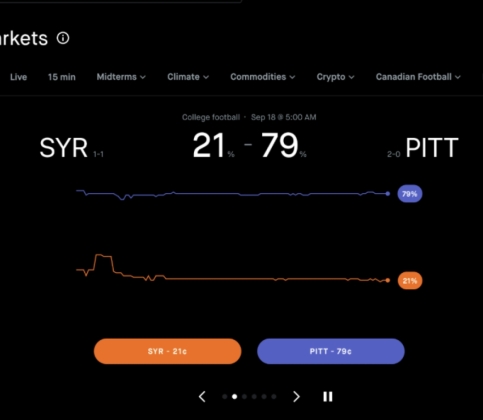
Sports fans thrive on calculating strategy, reading momentum, and maximizing every tactical…
 From the Desk of the Chairman
The 2026 NFL season is two weeks old and the division races…
 From the Desk of the Chairman
Sports communities are often built around things that have nothing to do…
 From the Desk of the Chairman
Every hall of fame eventually faces the same problem. The selection process…
 From the Desk of the Chairman
Pete Rose died in 2024. On May 13, 2025, Commissioner Rob Manfred…
 From the Desk of the Chairman
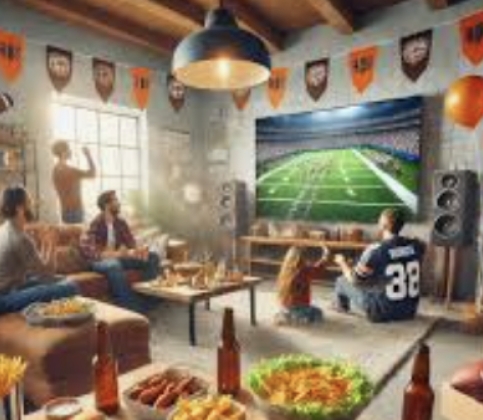
For NFL fans, game day offers much more than three hours of…




100 Active Potential Football Hall of Famers
-
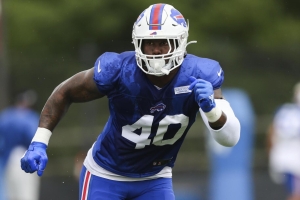 #8 Overall, Von Miller, Dallas Cowboys, #3 Defensive Lineman/Linebackers: Pass Rushers2025 Pre-Season Rank #6, 2024 Pre-Season Rank #7, 2023 Pre-Season Rank #4, 2022 Pre-Season Rank #7, 2021 Pre-Season Rank #8, 2020 Pre-Season Rank…
 -
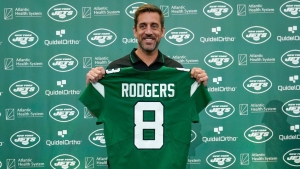 #2 Overall, Aaron Rodgers: Pittsburgh Steelers, #1 Quarterback2025 Pre Season Ranke #1, 2024 Pre-Season Rank #1, 2023 Pre-Season Rank #1, 2022 Pre-Season Rank #2, 2021 Pre-Season Rank #2, 2020 Pre-Season…in Quarterbacks
 -
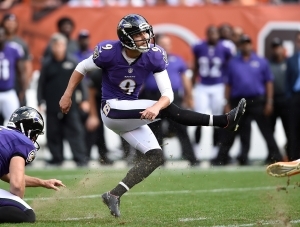 #36 Overall, Justin Tucker: Free Agent, Place Kicker, #1 Kickers & Special Teams2025 Pre-Season Rank #29, 2024 Pre-Season Rank #26, 2023 Pre-Season Rank #22, 2022 Pre-Season Rank #28, 2021 Pre-Season Rank #42, 2020 Pre-Season Rank…
 -
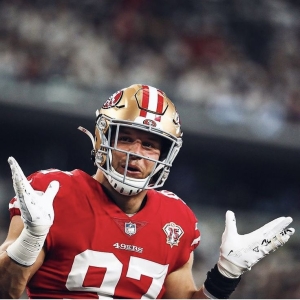 #39 Overall, Nick Bosa, San Francisco 49ers, #12 Defensive End: Defensive Linemen/Linebackers: Pass Rushers2025 Pre-Season Rank #42, 2024 Pre-Season Rank #52, 2023: Pre-Season Rank #83. Peak Period: 2019-23 The explosive Nick Bosa is one of a…
Visit the Fictitious Halls of Fame!

You May Also Like...
EDITOR’S CHOICE
 DDT's Pop Flies
When the veterans committee (VC), officially convening as the Contemporary Baseball Era…


 Live Music Head
Project/Objectan interview with André Cholmondeleyby Live Music HeadOriginally published at timessquare.com on…

LATEST RANKINGS



MOST POPULAR RANKINGS














Committee Chairman
Sport as a tool for building leadership skills in students
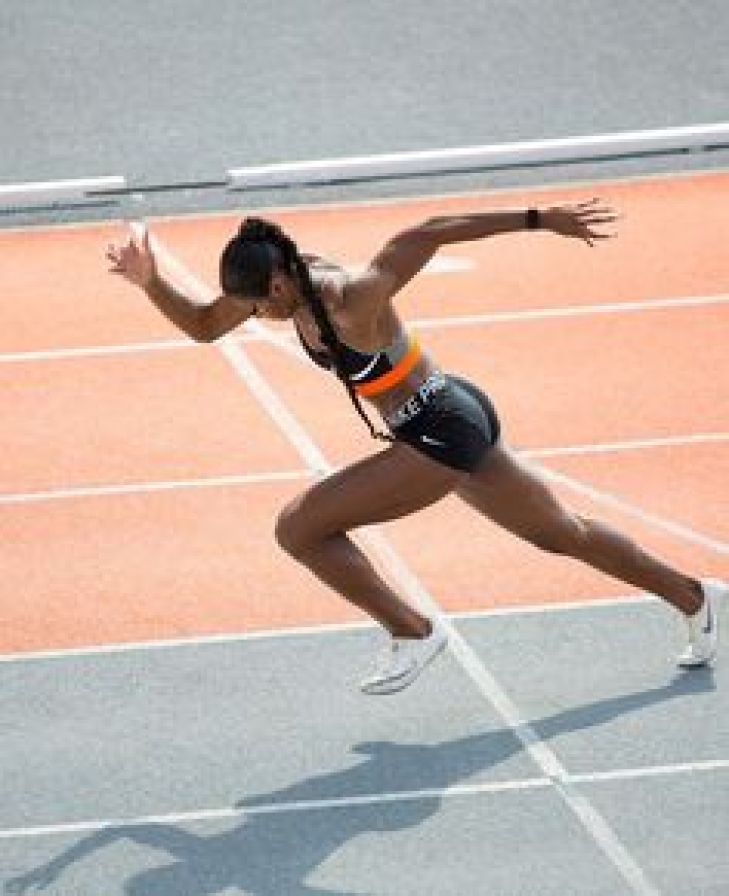
Education today places an increasing focus on developing well-rounded individuals beyond academic success. Parents and educators strive to foster future leaders; one important way sports foster this process is through developing leadership skills among children through sports participation. In this blog post, we'll look at all of the ways sports are helping shape them into future leaders while paying particular attention to how technological innovations impact student leadership development.
Sports as a Tool for Leadership Development:
Sports provide more than physical benefits - they serve as an opportunity for character formation and leadership training. When students engage in sports activities, they face unique challenges that help foster their development into effective leaders.
Teamwork and Collaboration:
One of the core tenets of leadership is being able to work collaboratively within a team. Team sports such as soccer, basketball, and volleyball offer ideal platforms for students to understand what teamwork entails; their players quickly learn the significance of teamwork through their interactions on the field. Its synergy translates directly to an effective leadership experience off it as they seek common goals that require collaboration on both ends.
Successful leaders possess effective communication skills that enable them to articulate their ideas clearly and inspire their followers. Effective communication in sports is the cornerstone of team coordination strategies and creating a positive team environment; active students involved with sports learn this vital skill that transcends just sports participation.
Resilience and Perseverance
Successful leadership requires managing challenges and setbacks with resilience. Sports present many such obstacles; whether it be an intimidating opponent, a losing streak, or physical fatigue - overcoming these hurdles instills perseverance into students, an essential quality for any form of effective leadership in any field.
Decision-Making Under Pressure
Leaders must make difficult choices under intense pressure. Sports offer an ideal platform to practice decision-making under such stress conditions, challenging students to make split-second decisions on the field that test their strategic thinking skills, weigh options carefully, and make informed choices - abilities that transcend just the sports arena.
Innovations in Sports and Student Leadership
As we move further into the 21st century, technical innovations on student have had an unprecedented effect on sports, revolutionizing how students engage with physical activities and providing new ways for them to participate. Not only have these innovations enhanced sports experiences for participants, but they've also contributed greatly towards building leadership skills.
Data Analytics and Performance Tracking
The advent of data analytics in sports has fundamentally transformed team strategies and player development. Students exposed to performance-tracking technologies gain an appreciation of data-driven decision-making - something that becomes invaluable in leadership positions where making informed decisions is of utmost importance.
Virtual Reality (VR) Training
VR has quickly become an invaluable part of sports training programs, offering students a realistic yet immersive experience. Students can use this innovative method to visualize situations, make decisions, and sharpen their skills in virtual environments while adapting and making decisions more easily when facing real-life leadership challenges.
Wearable Technology
Fitness trackers and smart sports gear not only help students lead healthier lifestyles, but they also teach students the fundamental concepts of self-monitoring and goal setting - two skills essential in leadership development that promote accountability while setting and meeting objectives.
Emotional Role of Sport
Expanding on the theme of sports and leadership skills, it is crucial to emphasize its role in cultivating emotional intelligence among students. Emotional intelligence consists of self-awareness, self-regulation, empathy and interpersonal skills that form the core of effective leadership. Sports offer students an ideal venue in which they can explore emotions from victory celebration to loss defeat; these experiences contribute to building emotional resilience essential for mature leadership development.
Sports also foster accountability and discipline among students, whether that means adhering to training schedules, team strategies or obeying game rules, students involved with sports learn the value of accountability and discipline ingrained through sporting experiences; these lessons transfer seamlessly to academic and professional environments creating responsible leaders able to overcome challenges with an enduring sense of duty.
As we recognize the influence of sports on leadership development, it is crucial to highlight academic support platforms like https://www.writingpapersucks.com/myassignmenthelp-com-review/ as partners in this journey. Recognizing the special challenges student-athletes face academically as well as physically, MyAssignmentHelp's dedicated academic assistance ensures they excel both on and off the court. By catering specifically for student-athlete's academic pursuits as part of overall holistic development - preparing them to lead in diverse and demanding environments - my assignment help expertise ensures them excel both academically as well.
Conclusion
Sports offer an invaluable platform for holistic student development, serving as an essential means for nurturing leadership skills and building resilience and decision-making capacity. Playing team sports together with the physical challenges presented by athletic challenges has proven extremely useful in shaping future leaders. Integration of technological innovations in sports also serves to heighten its overall impact and prepares students for leadership roles in an ever-more tech-driven world. As educators, parents, and academic support platforms such as MyAssignmentHelp.com champion the value of sports for leadership development, we pave the way for an influx of well-rounded individuals who can face future challenges head-on with confidence and competence.
Our All-Time Top 50 Winnipeg Jets Have Been Updated to reflect the 2022/23 Season

Yes, we know that this is taking a while!
As many of you know, we here at Notinhalloffame.com are slowly generating the 50 of each major North American sports team. That being said, we have existing Top 50 lists out and we always consistently look to update them when we can and based on necessity. As such, we are very happy to present our post 2022/23 revision of our top 50 Winnipeg Jets.
As for all of our top 50 players in hockey we look at the following:
1. Advanced Statistics.
2. Traditional statistics and how they finished in the National Hockey League.
3. Playoff accomplishments.
4. Their overall impact on the team and other intangibles not reflected in a stat sheet.
Last year, Winnipeg snuck into the playoffs, but this is such a strange list to do. The Jets technically do not own the history of the original team (although they honor that period), so we have to do his list based on this rendition which began as the Atlanta Thrashers. There was one new entry and several fluctuations.
As always, we present our top five, which saw one change:
You can find the entire list here.
Hellebucyk, a former Vezina Trophy winner, took over #2, and should overtake Wheeler with a good year for the top spot on the next list. Scheifele, who is still active, did not do enough to move up over Byfuglien.
Left Wing, Kyle Connor, climbed to #6 from #9.
Defenseman, Josh Morrissey, had a breakout year, and reached #9 from #16.
Danish Left Wing, Nikolaj Ehlers, moved up two spots to #10.
Defenseman, Neil Pionk, had a nice jump, advancing to #18 from #29.
We welcome your input and comments and as always, we thank you for your support.
Left Wing, Adam Lowry, went to #25 from #37.
Forward, Pierre-Luc Dubois, who is now with the Los Angeles Kings, rocketed from #49 to #31.
The lone new entry was Defenseman, Dylan DeMelo, who enters the list at #36.
We thank you for your continued support for our lists on Notinhalloffame.com.
Why Do Sports Have a Positive Impact on Students?
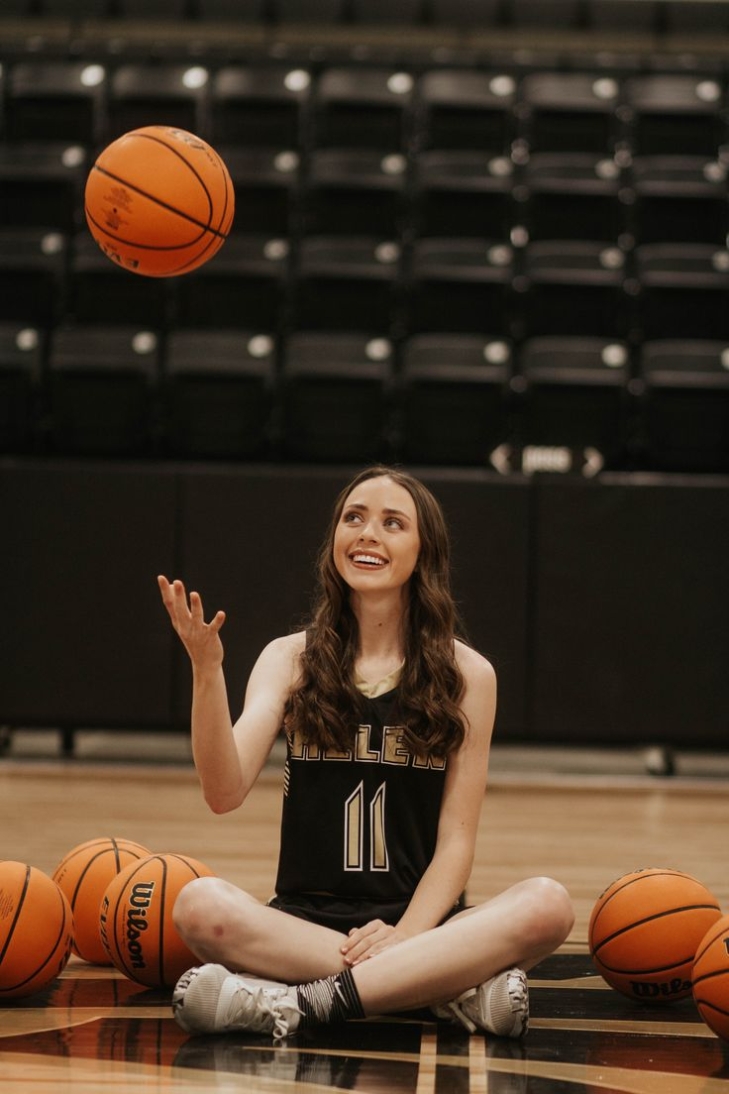
It is common knowledge that sports are good for you. However, why is it so exactly, and what can they bring into your life as a student? Let’s see the main benefits of doing sports as a student. From physical and mental health to confidence and strong friendship, sports can improve young people's lives in so many ways. Let’s explore why and how sports have a positive impact on students.
Physical Health
Starting with the obvious, sports have an undeniable advantage in keeping students healthy and fit. Indeed, most young people choose to do sports for the physical benefits. Regular participation in physical activity leads to lower heart issues, muscle strength, higher flexibility, fewer pains and muscle tension, greater endurance, and much more.
In general, students who are no strangers to a gym enjoy overall better physical health. Of course, everything is good in moderation. Professional young athletes may face some setbacks in physical health due to the scale of training and physical demands on their bodies. In this case, moderate but consistent and frequent exercise sessions are the best choice for maintaining good physical health.
Mental Health
Sports can do more than care for your body and muscles. Exercising is also a great tool for maintaining and improving mental health. In fact, most students should look into sports to enhance their overall mood, improve their sleep, reduce stress and anxiety, and more. The magic behind these advantages is simple.
While exercising, our bodies release so-called happy hormones, endorphins, and natural mood lifters. They reduce the amount of cortisol, a stress hormone, which makes us feel better and balances our emotional state.
In addition, exercising provides a change to a school routine, distracting our mind from regular stress factors and forcing us to focus on ourselves and the present moment. It is similar to meditation, where we block all external factors and unnecessary thoughts by grounding in the moment and focusing on breathing and sensations.
Confidence Boost
Students who play sports have higher confidence among their peers usually. Sports can build confidence by testing young people and allowing them to overcome multiple challenges. From progressing in training sessions to winning competitions and games, sports grant students a feeling of accomplishment and success. Each achieved goal is the reason to celebrate and believe in yourself.
In return, students grow more comfortable and confident in their abilities, which boosts their self-esteem. Such confidence goes far beyond the field and transcends into all areas of their lives, including school.
Social Skills and Teamwork
Most sports come as a team activity. It means that students should learn to navigate the complexities of teamwork from a very young age. In other words, succeeding in sports equals strong social and communication skills. Young athletes should know when to listen, lead, express their vision, or follow others.
These lessons in cooperation, trust, and conflict resolution help students become better communicators who can also be more confident in any social environment. On top of it, being a part of the team grants students a sense of belonging, creates lifelong bonds, and offers a supportive environment during important development years of their lives.
Discipline and Time Management
Sport and discipline go hand in hand. You have to endure a lot of challenges to achieve great results. Discipline is what puts you forward during these hard times. Students learn to take accountability for their own actions and progress, take charge of their lives, and plan all goals and activities.
Good physics is just one side of being a successful athlete. Having the right mind for it is a completely different thing, and most young people must learn the hard way. Discipline helps you keep the goal in sight and allows you to believe in yourself even when you are about to give up. Needless to say, such discipline is everything in any setting, from personal life to academia and work environment.
Healthy Lifestyle Choices
Being an athlete doesn’t start and end in a gym. It is a lifestyle and a healthy one. Students who do sports know that their lifestyle choices will impact how they feel and perform. As a result, they are very conscious about what they eat, how much they sleep, and how they take care of their bodies in general.
Building healthy lifestyle habits at such a young age can solidify them for the rest of their lives. These habits will contribute to a long, healthy, and happy life with minimum health risks or undesirable behavioral patterns.
Academic Performance
Finally, being a student-athlete means you can be better in school. Contrary to common belief, sports don’t distract students from studies so much as they help them execute better in school. Indeed, athletes can have better focus and concentration, higher motivation, greater confidence, discipline, and lower stress levels to deal with academic challenges.
Sure, these students may struggle with scheduling and time management. Yet, they possess all the skills to pursue high academic achievements. Plus, when times become an issue, these students can delegate certain tasks to sites like https://essaymasters.ae without sacrificing their school performance.
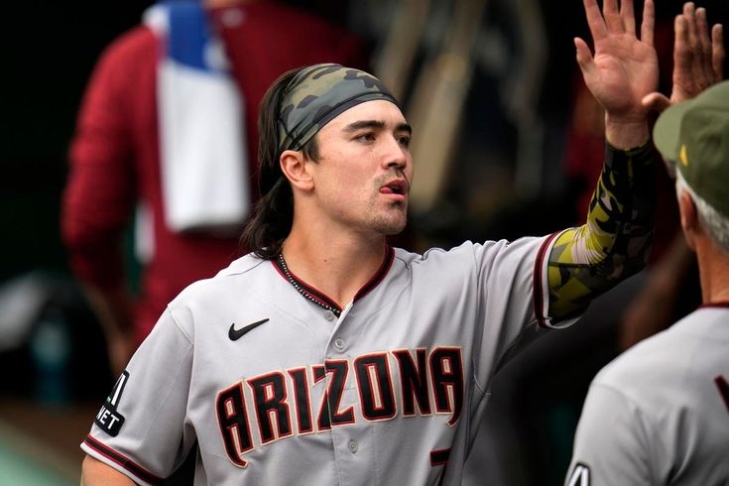
12. Corbin Carroll
Too soon?
Not at all.
The Arizona Diamondbacks selected Corbin Carroll in the First Round of the 2019 Amateur Draft, and it only took the Outfielder until August of 2022 to reach the Majors. Carroll finished the year strong and staked a claim as an everyday player going into 2023.
Carroll immediately established himself as the man to beat for the National League Rookie of the Year, and nobody came close despite some solid competition (Kotai Senga and James Outman). An All-Star in his first full year, Carroll finished the year batting .285, with 25 Home Runs and 54 Stolen Bases. He powered Arizona to an improbable run to the National League Pennant, and was named an All-MLB Team 1 player. Last season, Carroll regressed (22 HR, .231 BA, 35 SB), but he is still under 25, and is primed for a bounce back year in 2025.
