

 Not in Hall of Fame News
Would you like to know what we love the most about the…
 Not in Hall of Fame News
1993 SEMI-FINAL RESULTS: Thank you for your participation in the Pro Football…
 Not in Hall of Fame News
Regular visitors of Notinhalloffame.com know that we are slowly working on the…
 Not in Hall of Fame News
Last January, the Baseball Hall of Fame announced the Class of 2026,…
 Not in Hall of Fame News
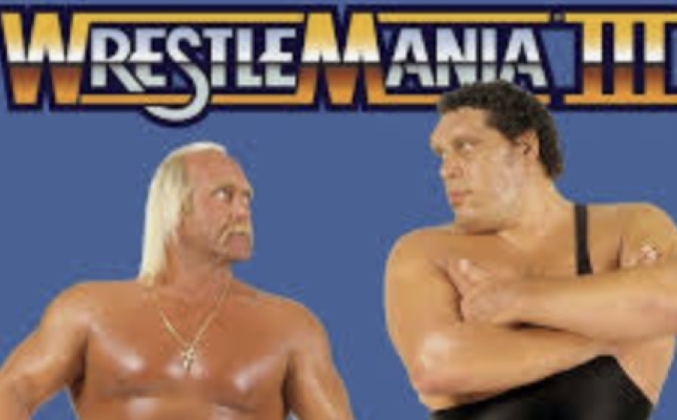
The WWE Hall of Fame announced that the Hulk Hogan vs Andre…
 Not in Hall of Fame News
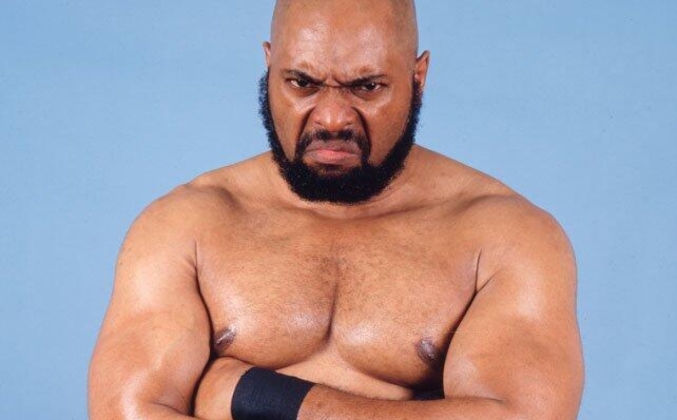
It was announced that Bad News Brown will be inducted into the…
 From the Desk of the Chairman
Recreational cannabis laws have changed how adults can buy cannabis in many…
 From the Desk of the Chairman
Synthetic turf has become an increasingly familiar surface in the sports world.…
 From the Desk of the Chairman
Athletic performance is shaped by discipline, training, and resilience, but motivation often…
 From the Desk of the Chairman
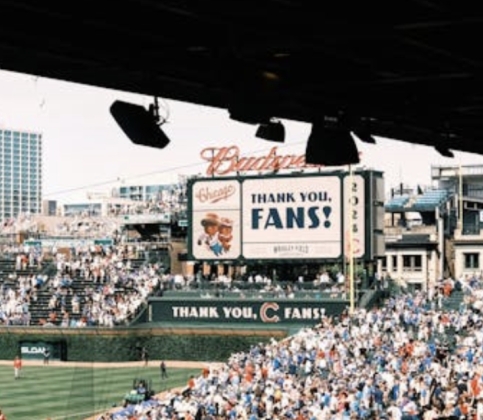
The first month of the MLB season always feels a bit unsettled.…
 From the Desk of the Chairman
Sports and regular physical activity are widely celebrated for building strength, improving…
 The Buck Stops Here
The wait is over! Join the NotInHallOfFame.com crew—Kirk Buchner, Evan Nolan, and…



100 Active Potential Football Hall of Famers
-
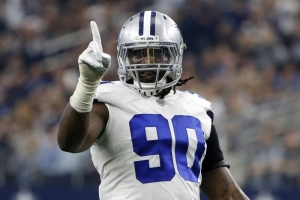 #84 Overall, DeMarcus Lawrence, Seattle Seahawks, Defensive End, #18 Defensive Lineman2024 Pre-Season Rank #87, 2023 Pre-Season Rank #111, 2022 Pre-Season Rank #132, 2021 Pre-Season Rank #131, 2020 Pre-Season Rank #133. Peak Period: 2017-19/2022-23…
 -
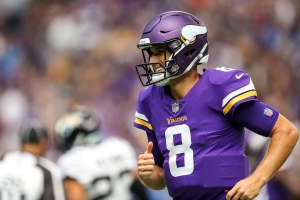 #79 Overall, Kirk Cousins, Atlanta Falcons, #12 Quarterback2024 Pre-Season Rank #78, 2023 Pre-Season Rank #61, 2022 Pre-Season Rank #87, 2021 Pre-Season Rank #121. Peak Period: 2016-20 The run of Kirk…in Quarterbacks
 -
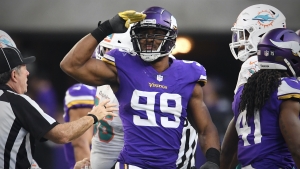 #44 Overall, Danielle Hunter, Houston Texans, #10 Defensive End: Defensive Linemen/Linebackers: Pass Rushers2024 Pre-Season Rank #57, 2023 Pre-Season Rank #87, 2022 Pre-Season Rank #102 2021 Pre-Season Rank #102, 2020 Pre-Season Rank #90. Peak Period: 2018-19/2022-24…
 -
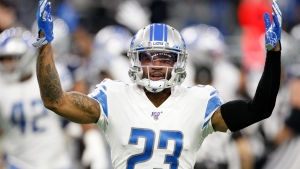 #48 Overall, Darius Slay, Pittsburgh Steelers, #3 Cornerback2024 Pre-Season Rank #58, 2023 Pre-Season Rank #70, 2022 Pre-Season Rank #101, 2021 Pre-Season Rank #125, 2020 Pre-Season Rank #125. Peak Period: 2017-21…in Cornerbacks
Visit the Fictitious Halls of Fame!

You May Also Like...
EDITOR’S CHOICE
 DDT's Pop Flies
When the veterans committee (VC), officially convening as the Contemporary Baseball Era…



 Live Music Head
Project/Objectan interview with André Cholmondeleyby Live Music HeadOriginally published at timessquare.com on…
LATEST RANKINGS


MOST POPULAR RANKINGS


Site Admin
7. Eddie Collins
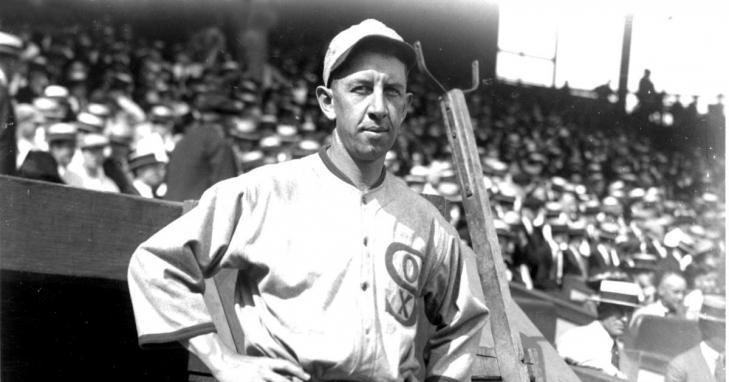
When Eddie Collins stepped off the train in Chicago in 1915, he was the most expensive piece of baseball real estate in the country. The White Sox had shelled out a staggering $50,000 to pry him away from the Philadelphia Athletics, essentially buying the reigning American League MVP to anchor their infield. Collins didn't just meet the lofty expectations; he redefined them. He arrived as a finished product—a cerebral, high-contact second baseman who played the game like a grandmaster moving chess pieces.
His early years in Chicago were defined by championship efficiency. Collins was the tactical engine of the 1917 World Series team, hitting over .300 and providing the veteran poise that helped the Sox claim the title. He was the rare player who could dominate a game without hitting a home run, using his elite speed and a preternatural ability to read a pitcher's delivery. By the time 1919 rolled around, he had helped guide the team back to the Fall Classic, but he was about to enter a nightmare he hadn't bargained for.
As the Black Sox scandal unfolded and the integrity of the franchise collapsed around him, Collins stood as a solitary island of reputational safety. He was one of the few stars completely untouched by the "fix," a fact that allowed him to serve as the bridge between a disgraced past and an uncertain future. While the team was decimated by lifetime bans, Collins responded by entering the most prolific offensive stretch of his career. Beginning in 1920, he embarked on a seven-year run where he refused to bat lower than .324, peaking with a sensational .372 campaign. He became a human metronome, turning the second base bag into his personal office and accumulating 2,007 hits in a Sox uniform.
The final chapter of his Chicago tenure saw him take on the mantle of player-manager, attempting to steer a gutted organization back toward respectability. While the teams of the mid-20s lacked the depth of his early championship squads, Collins remained an elite performer well into his late 30s. He eventually departed after the 1926 season to return to Philadelphia, leaving behind a .331 career average and a legacy of unwavering professionalism. When he was inducted into Cooperstown in 1939 as part of its fourth-ever class, it was a tribute to a man who arrived as a $50,000 gamble and left as the ultimate symbol of South Side stability.
6. Billy Pierce
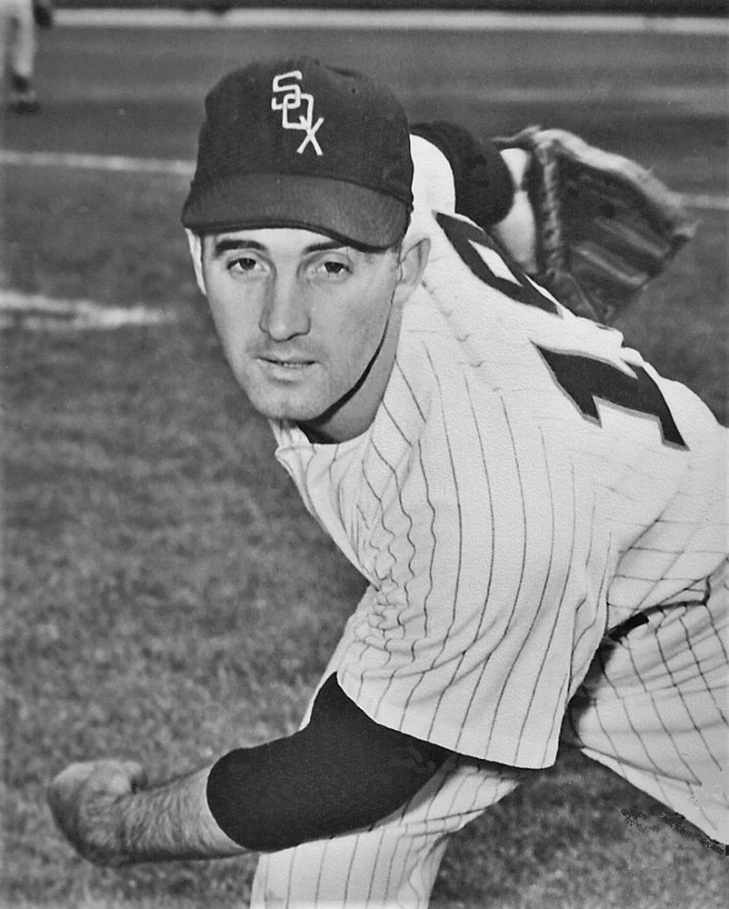
When Billy Pierce arrived in Chicago in 1949 via a trade with the Detroit Tigers, he was a slight, 160-pound left-hander with a live arm and a questionable sense of control. The Tigers thought he was too small to handle a starter’s workload; the White Sox saw a diamond in the rough. Over the next thirteen seasons, Pierce would prove Detroit’s front office wrong in historic fashion, evolving from a wild young prospect into the most dominant southpaw in the history of the franchise.
His tenure was defined by an elite blend of velocity and a devastating slider that made him a perennial All-Star. Throughout the 1950s, Pierce was the anchor of the "Go-Go Sox" pitching staff, rattling off seven All-Star nods and leading the American League in strikeouts in 1953. His 1955 campaign was a masterclass in efficiency, as he claimed the league’s ERA title with a career-best 1.97. He was the rare pitcher who could overpower the heavy hitters of the Yankees while maintaining a surgical precision that kept the ball in the yard.
The emotional peak of his time in Chicago arrived in 1957, when he won 20 games and helped signal the team’s rise toward their eventual 1959 pennant. Though he was famously skipped in the 1959 World Series rotation in favor of more rested arms—a decision that remains a point of debate for South Side historians—Pierce remained the emotional heartbeat of the organization. He was a three-time league leader in complete games, a testament to his "Iron Man" durability that defied his small stature.
By the time he was traded to the San Francisco Giants after the 1961 season, Pierce had amassed 186 wins and 1,796 strikeouts in a White Sox uniform. He departed as a franchise icon, the man who bridged the gap between the lean years of the 40s and the championship aspirations of the late 50s. The White Sox rightfully retired his number 19 in 1987 and later immortalized him with a statue at the ballpark, ensuring that the "Little Fireballer" would always have a permanent home on the South Side.
5. Red Faber
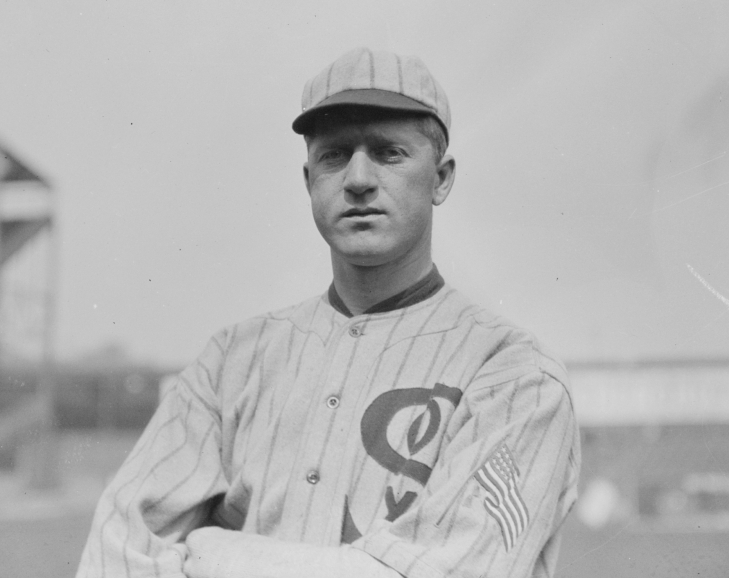
Urban "Red" Faber arrived in Chicago in 1914 and wasted little time proving he belonged in the upper echelon of American League arms. By his second season, he was a 24-win force, utilizing a deceptive spitball that would eventually make him one of the last "legal" practitioners of the pitch after it was banned in 1920. His early career reached a fever pitch in 1917, when he spearheaded the White Sox’s march to a World Series title, capturing three victories in the Fall Classic and establishing himself as the staff’s big-game engine.
The trajectory of Faber’s career was nearly derailed by the chaos of the late 1910s. After serving in the Navy during World War I, he returned to a team that was beginning to fracture. A bout of the flu and an ankle injury sidelined him for the infamous 1919 World Series, a "what if" that has haunted South Side historians for a century. As one of the few players whose integrity was never questioned, many believe that had Faber been healthy enough to take his regular turn on the mound, the Black Sox scandal might never have had the room to breathe.
As the franchise collapsed under the weight of the banned "Eight Men Out," Faber became the solitary pillar of the organization’s recovery. From 1920 to 1922, he entered a period of localized dominance that rivaled any pitcher in the game. He rattled off three consecutive 20-win seasons, capturing back-to-back ERA and WHIP titles in 1921 and 1922. While the team around him was tarnished and in the process of rebuilding, Faber was a model of precision and class, providing the South Side with a reason to keep coming to the ballpark.
The final decade of his Chicago journey was a testament to his versatility and clubhouse influence. Though the velocity of his youth faded, he remained a viable starter and a respected dugout mentor until his release in 1933. He walked away with 254 wins and over 4,000 innings pitched—all in a White Sox uniform. Faber’s legacy as the uncompromised star of a dark era was officially immortalized in 1964, when he was inducted into Cooperstown. He arrived as a young spitballer and left as the conscience of the franchise, the man who kept the light on during the team's darkest hour.
4. Ted Lyons
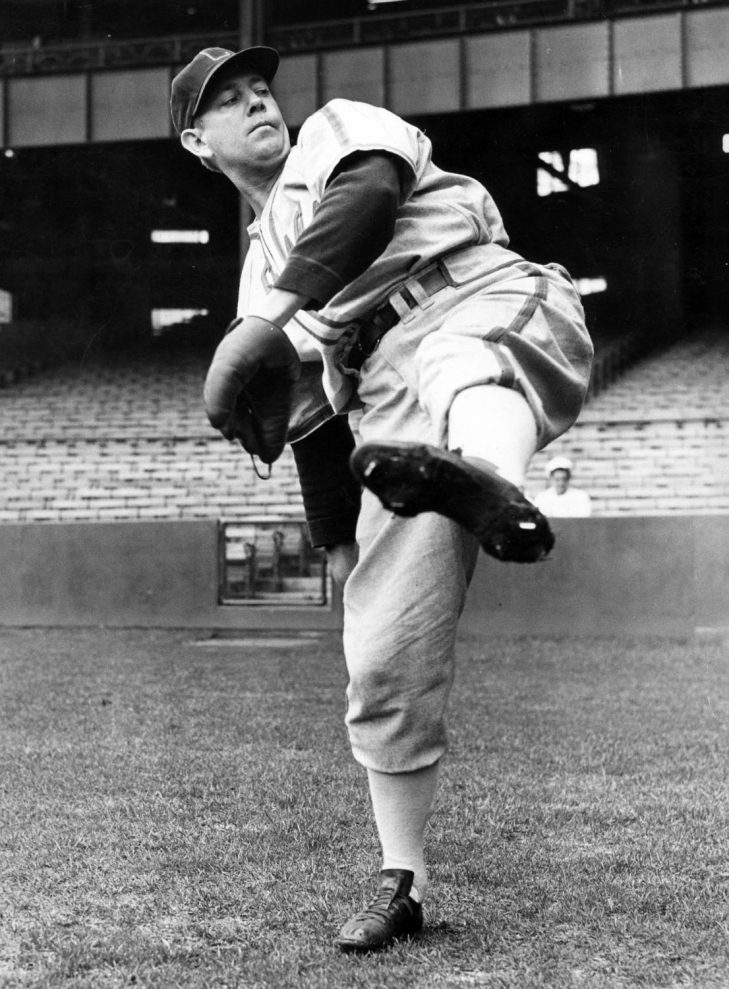
Ted Lyons arrived in Chicago in 1923 straight from the campus of Baylor University, trading a future law degree for a baseball glove. In a feat that remains almost unheard of in the modern era, Lyons bypassed the minor leagues entirely, making his professional debut at the Major League level. He spent his first two seasons acclimatizing in the bullpen before finding his stride as a starter in 1925. In those early years, he was a traditional power pitcher, racking up two 20-win seasons by the time he was 26. He was the young, hard-throwing future of the South Side, leading the American League in wins twice before the 1920s were out.
However, his run took a dramatic turn when the heavy workload began to take its toll. As arm injuries robbed him of his velocity, Lyons was forced into a total career reinvention. He didn't fade away; instead, he mastered the knuckleball and a diverse array of off-speed pitches, transforming into one of the most intelligent hurlers in the game. His control became his greatest weapon; he led the American League in the fewest walks per nine innings four times. He became so efficient that manager Jimmy Dykes famously pitched him only on Sundays, giving his aging arm a full week of rest, earning him the moniker "Sunday Teddy."
Lyons’ late-career peak is a masterclass in veteran savvy. At the age of 41, when most of his contemporaries had long since retired, Lyons authored his masterpiece: a 1942 season where he claimed his first and only ERA title with a career-best 2.10. He was a master of the "complete game," often finishing what he started in under two hours. Just as he reached this unexpected plateau, he traded his pinstripes for a military uniform and served three years in the Marines during World War II. He returned for one final, symbolic season at age 45, putting the finishing touches on a franchise-record 260 wins.
Ted Lyons left the game having never played for another organization, a lifer who bridged the gap between the post-Black Sox era and the post-war boom. He was inducted into Cooperstown in 1955, and the White Sox eventually retired his number 16 in 1987. He arrived as a college kid with a fastball and left as the winningest pitcher in South Side history, proving that in baseball, as in law, the smartest man in the room usually wins.