

 Not in Hall of Fame News
Would you like to know what we love the most about the…
 Not in Hall of Fame News
1993 SEMI-FINAL RESULTS: Thank you for your participation in the Pro Football…
 Not in Hall of Fame News
Regular visitors of Notinhalloffame.com know that we are slowly working on the…
 Not in Hall of Fame News
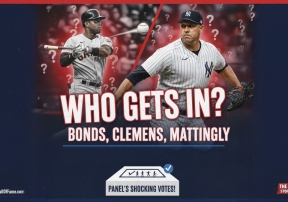
Last January, the Baseball Hall of Fame announced the Class of 2026,…
 Not in Hall of Fame News
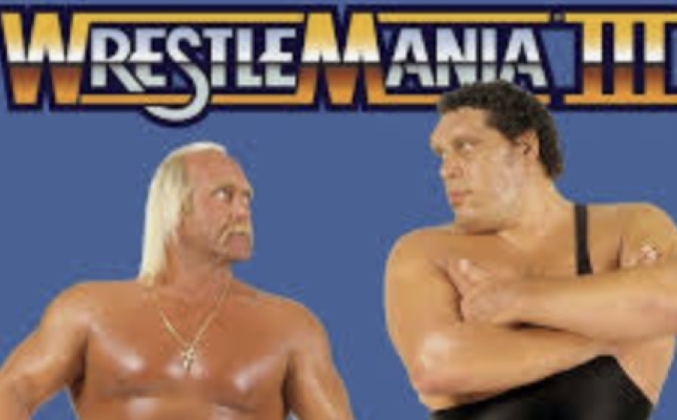
The WWE Hall of Fame announced that the Hulk Hogan vs Andre…
 Not in Hall of Fame News
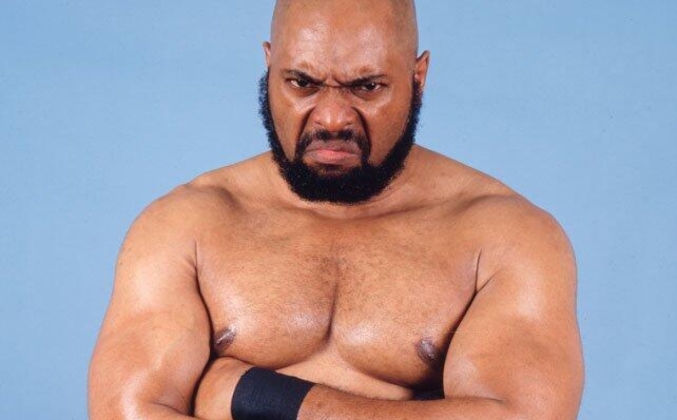
It was announced that Bad News Brown will be inducted into the…
 From the Desk of the Chairman
Recreational cannabis laws have changed how adults can buy cannabis in many…
 From the Desk of the Chairman
Synthetic turf has become an increasingly familiar surface in the sports world.…
 From the Desk of the Chairman
Athletic performance is shaped by discipline, training, and resilience, but motivation often…
 From the Desk of the Chairman
The first month of the MLB season always feels a bit unsettled.…
 From the Desk of the Chairman
Sports and regular physical activity are widely celebrated for building strength, improving…
 The Buck Stops Here
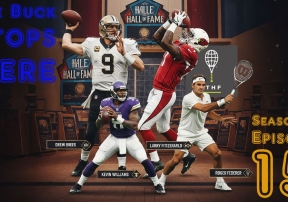
The wait is over! Join the NotInHallOfFame.com crew—Kirk Buchner, Evan Nolan, and…



100 Active Potential Football Hall of Famers
-
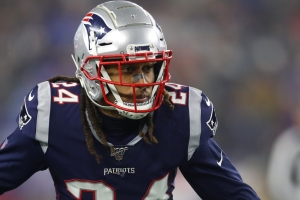 #32 Overall, Stephon Gilmore, Free Agent, #2 Cornerback2024 Pre-Season Rank #34, 2023 Pre-Season Rank #41, 2022 Pre-Season Rank #55, 2021 Pre-Season Rank #55, 2020 Pre-Season Rank #54. Peak Period 2016-20…in Cornerbacks
 -
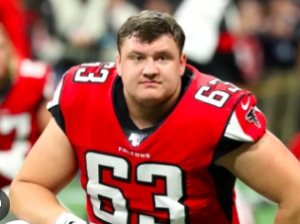 #100 Overall, Chris Lindstrom, Atlanta Falcons, Right Guard, #15 Offensive Lineman2024 2023 Pre-Season Rank #149. Peak Period: 2020-24 Chris Lindstrom has slowly turned into one of the best Guards in football and is…
 -
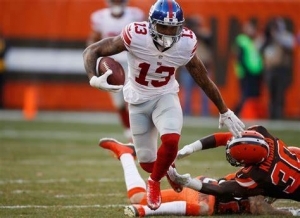 #78 Overall, Odell Beckham Jr., Free Agent, #14 Wide Receiver2024 Pre-Season Rank #69, 2023 Pre-Season #77, 2022 Pre-Season Rank #77, 2021 Pre-Season Rank #71, Last Year’s Rank #62. Peak Period: 2014-16/18-19. OBJ’s…
 -
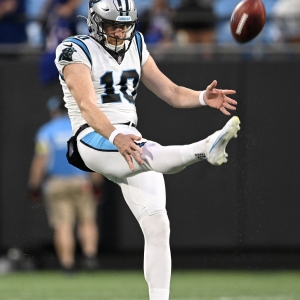 #74 Overall, Johnny Hekker: Carolina Panthers, Punter, #2 Kickers & Special Teams2024 Pre-Season Rank #74, 2023 Pre-Season Rank #70, 2022 Pre-Season Rank #64, 2021 Pre-Season Rank #62, 2020 Pre-Season Rank #65 Punters face a…
Visit the Fictitious Halls of Fame!


You May Also Like...
EDITOR’S CHOICE
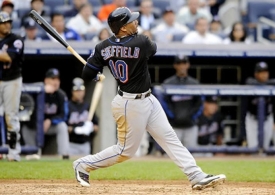 DDT's Pop Flies
When the veterans committee (VC), officially convening as the Contemporary Baseball Era…



 Live Music Head
Project/Objectan interview with André Cholmondeleyby Live Music HeadOriginally published at timessquare.com on…

LATEST RANKINGS



MOST POPULAR RANKINGS




Site Admin
43. Al Benton
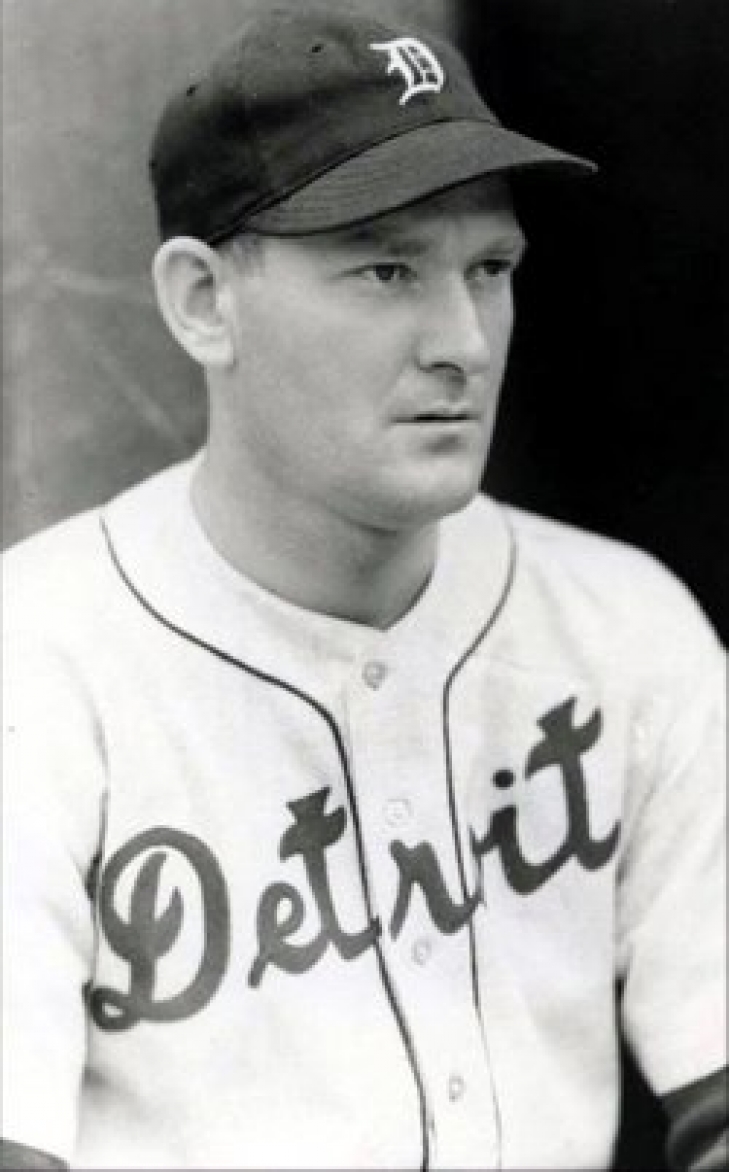
Al Benton arrived in Detroit as a reclamation project, a high-velocity right-hander who had struggled to find his footing with the Philadelphia Athletics in the mid-1930s. After a two-year hiatus in the minor leagues, the Tigers purchased his contract in 1938, a move that proved to be one of the most astute acquisitions in the history of the franchise.
During the 1940 and 1941 campaigns, he demonstrated a focused intensity that redefined the value of a flexible arm, leading the American League with 17 saves in 1940 while simultaneously transitioning into a reliable starter. By 1941, he reached the peak of his individual dominance, posting a 15-6 record with a 2.90 ERA. He showed the organization that he was a premier American League arm, finishing third among all pitchers with 5.5 bWAR and providing the production required to keep Detroit at the top of the standings. He possessed a rare ability to miss bats and limit damage, earning an All-Star selection in 1942 while finishing second in the league with a 5.6 bWAR despite a losing record that failed to reflect his sub-3.00 ERA.
After missing two full seasons to serve in World War II, Benton rejoined the Tigers in 1945 and immediately helped lead the club to a world championship. He reached a career-best for offensive prevention that summer, posting a 13-8 record and a 2.02 ERA, a mark that ranked second in the American League. He showed the baseball world that he had maintained his sharp command and big-game temperament, proving to be the essential stabilizer for a staff that navigated the return of its biggest stars. Even as he moved into his mid-thirties, he remained a model of reliability, winning 11 games in 1946 and serving as a veteran-like presence for the next generation of Detroit hurlers.
Benton was released after the 1948 season. With the Tigers, Benton compiled 71 wins, 510 strikeouts, and 45 saves.
47. Billy Goodman
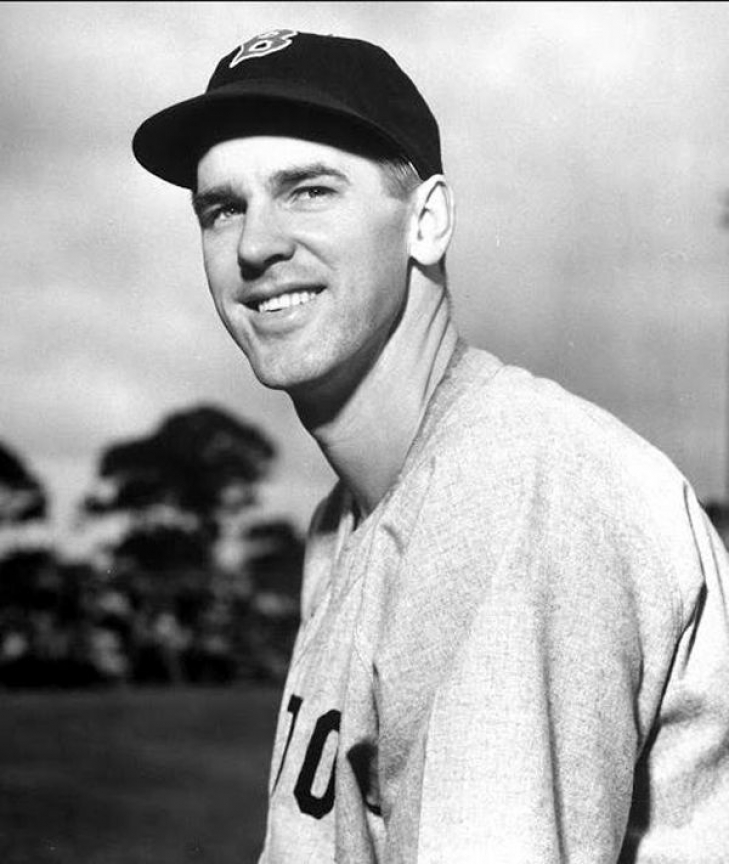
When we talk about the Red Sox of the 1950s, we usually talk about the towering power of Ted Williams. But standing right beside him was Billy Goodman, a player who redefined what it meant to be "valuable." Goodman arrived in Boston and immediately became the ultimate insurance policy. He didn't just play a position; he played every position, sliding between the infield and the outfield with a defensive grace that made him the most versatile weapon of his decade.
While his glove was a masterpiece of utility, his true artistry was at the plate. In an era where power was becoming king, Goodman was a throwback, a contact specialist who treated the strike zone like a laboratory. The peak of this approach arrived in 1950, a season where he hit a blistering .354 to capture the American League Batting Title. He finished second in the MVP race that year, proving that you didn't need to clear the Green Monster to be the most dangerous man in the lineup.
Goodman's run with the Red Sox was defined by a quiet, metronomic consistency. He wasn't a flash in the pan; he spent nearly 1,200 games in a Boston uniform, consistently appearing in the top ten for batting average and On-Base Percentage. He was the "on-base machine" before the term was even coined.
The story reached its final chapter in 1957 when he was traded to the Baltimore Orioles, leaving behind a legacy of 1,344 hits and a career .306 average in Boston. He walked away as one of the few players in franchise history who could say they won a batting title without a true defensive home, a man who belonged everywhere on the field, but most importantly, on the basepaths.
41. Bob Stanley
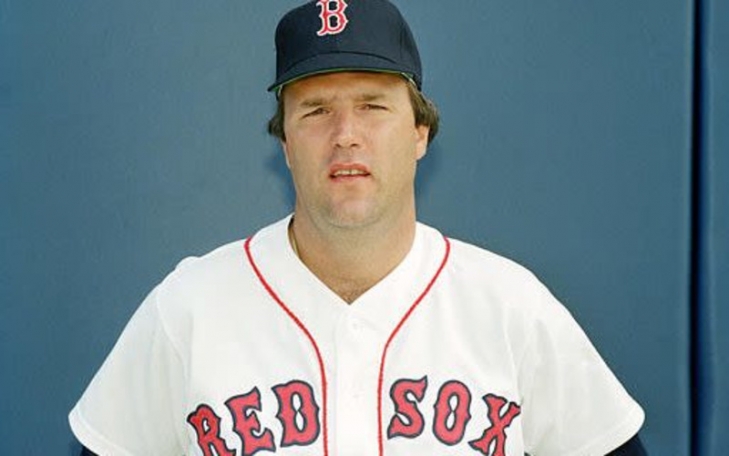
Bob Stanley’s story in Boston is one of relentless availability. Drafted as a first-round talent in 1974, he debuted in 1977 and immediately established a pattern of being whatever the Red Sox needed on a given afternoon. He didn't just play for 13 seasons; he lived in the game, eventually setting a franchise record with 637 appearances.
The late 70s and early 80s saw Stanley authoring efficiency peaks from every imaginable angle. In 1978, he produced a statistical anomaly, going 15–2 primarily out of the bullpen and finishing seventh in the Cy Young voting. He followed that in 1979 by moving into the rotation full-time, starting 30 games and earning his first All-Star nod. However, his most historic season came in 1982, when he set an American League record by throwing 168.1 innings in relief. To put that in perspective, that is the workload of a modern starter delivered entirely from the bullpen.
By 1983, the "Steamer" had pivoted again, this time becoming the premier closer in the American League. He saved a then-franchise record 33 games and earned his second All-Star selection, finishing near the top of the Cy Young and MVP ballots. This ability to lead the team in wins one year and saves the next is a rarity that few pitchers in history have replicated. Even during the high-leverage pressure of the 1986 postseason, Stanley remained the man the manager trusted most to bridge the gap to a title.
Though he retired in 1989 as a "Lifer" with 115 wins and 132 saves, Stanley’s impact was best summarized by his nickname. He was the engine that kept the Red Sox running through three different decades. He was a pioneer for the "Most Versatile Pitcher" role, a man who would throw ten innings of relief one night and start on three days' rest the next. Inducted into the Red Sox Hall of Fame in 2000, Bob Stanley remains the definitive proof that the most valuable ability in a long career is availability.
48. Jacoby Ellsbury
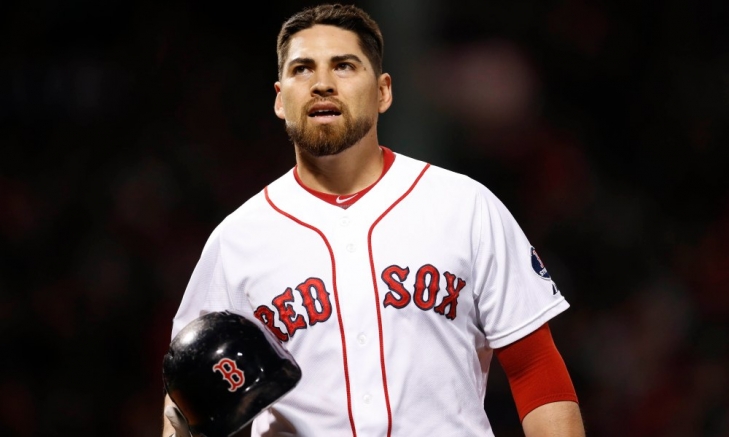
When Jacoby Ellsbury arrived as an August call-up in 2007, he didn't just join the Red Sox—he accelerated them. A late first-round pick with track-star speed, he played the role of the postseason's "X-factor" to perfection, batting a scorching .438 in the World Series to help hoist a trophy before his rookie eligibility had even expired. He arrived as a blur of potential, and for the next few years, he was the most disruptive force on the American League basepaths, with back-to-back stolen base titles in 2008 and 2009.
However, the defining chapter of Ellsbury’s Boston story isn't just about speed; it’s about one of the most unexpected offensive explosions in franchise history. After an injury-plagued 2010, he returned in 2011 to produce a season that defied logic. A player who had never hit more than nine home runs suddenly found a power stroke that stunned the league, launching 32 home runs with 105 RBIs. That year, he became the first member of the Red Sox 30-30 club, winning a Gold Glove and a Silver Slugger while finishing as the narrow runner-up for the AL MVP. It was an apex that felt like lightning in a bottle, a perfect fusion of his elite speed and a newfound, thumping authority at the plate.
The final act of his run saw him play the hero once more, leading the league in steals for a third time in 2013 and serving as the leadoff engine for another World Series championship team. When he departed for New York as a free agent in 2014, he left behind a legacy built on 241 stolen bases and a reputation as a player who could beat you in every facet of the game when the lights were brightest. He arrived as a rookie spark and left as a two-time champion, having authored a 2011 campaign that remains one of the greatest individual seasons ever seen at Fenway Park.