

 Not in Hall of Fame News
Would you like to know what we love the most about the…
 Not in Hall of Fame News
1993 SEMI-FINAL RESULTS: Thank you for your participation in the Pro Football…
 Not in Hall of Fame News
Regular visitors of Notinhalloffame.com know that we are slowly working on the…
 Not in Hall of Fame News
Last January, the Baseball Hall of Fame announced the Class of 2026,…
 Not in Hall of Fame News
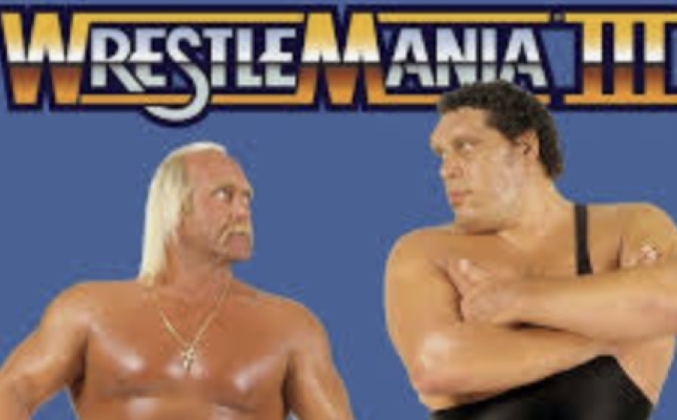
The WWE Hall of Fame announced that the Hulk Hogan vs Andre…
 Not in Hall of Fame News
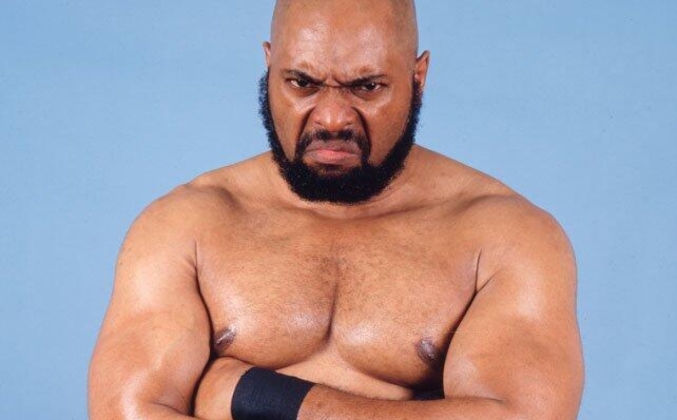
It was announced that Bad News Brown will be inducted into the…
 From the Desk of the Chairman
Recreational cannabis laws have changed how adults can buy cannabis in many…
 From the Desk of the Chairman
Synthetic turf has become an increasingly familiar surface in the sports world.…
 From the Desk of the Chairman
Athletic performance is shaped by discipline, training, and resilience, but motivation often…
 From the Desk of the Chairman
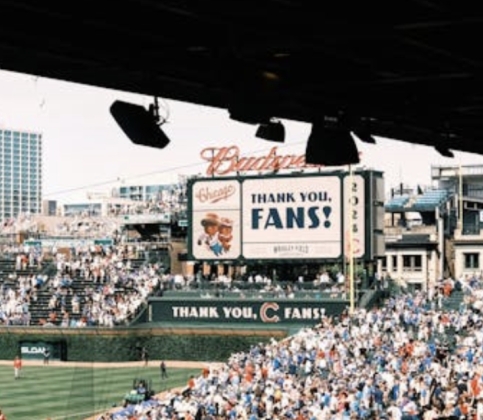
The first month of the MLB season always feels a bit unsettled.…
 From the Desk of the Chairman
Sports and regular physical activity are widely celebrated for building strength, improving…
 The Buck Stops Here
The wait is over! Join the NotInHallOfFame.com crew—Kirk Buchner, Evan Nolan, and…






100 Active Potential Football Hall of Famers
-
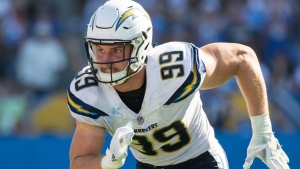 #63 Overall, Joey Bosa, Buffalo Bills, Defensive End, #14 Defensive Lineman/Linebackers: Pass Rushers2024 Pre-Season Rank #71, 2023 Pre-Season Rank #51, 2022 Pre-Season Rank #60, 2021 Pre-Season Rank #82, 2021 Pre-Season Rank #97. Peak Period: 2017-21…
 -
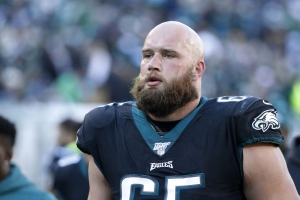 #27 Overall, Lane Johnson, Philadelphia Eagles, Right Tackle, #3 Offensive Lineman2024 Pre-Season Rank #40, 2023 Pre-Season Rank #57, 2022 Pre-Season Rank #107, 2021 Pre-Season Rank #143. Peak Period 2017-18/2022-24 When you are on…
 -
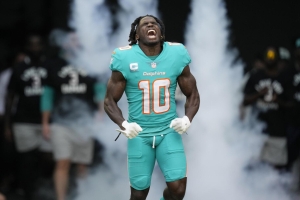 #18 Overall, Tyreek Hill, Miami Dolphins, #2 Wide Receiver2024 Pre-Season Rank #8, 2023 Pre-Season Rank #28, 2022 Pre-Season Rank #35, 2021 Pre-Season Rank #53. Peak Period: 2019-23Tyreek Hill was a three-time…
 -
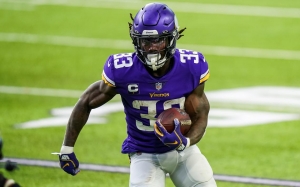 #87 Overall, Dalvin Cook: Free Agent, #8 Running Back2024 Pre-Season Rank #85, 2023 Pre-Season Rank #68, 2022 Pre-Season Rank #77, 2021 Pre-Season Rank #117. Peak Period: 2018-22 As good as Dalvin…
Visit the Fictitious Halls of Fame!


You May Also Like...
EDITOR’S CHOICE
 DDT's Pop Flies
When the veterans committee (VC), officially convening as the Contemporary Baseball Era…



 Live Music Head
Project/Objectan interview with André Cholmondeleyby Live Music HeadOriginally published at timessquare.com on…

LATEST RANKINGS



MOST POPULAR RANKINGS


Site Admin
29. Fielder Jones
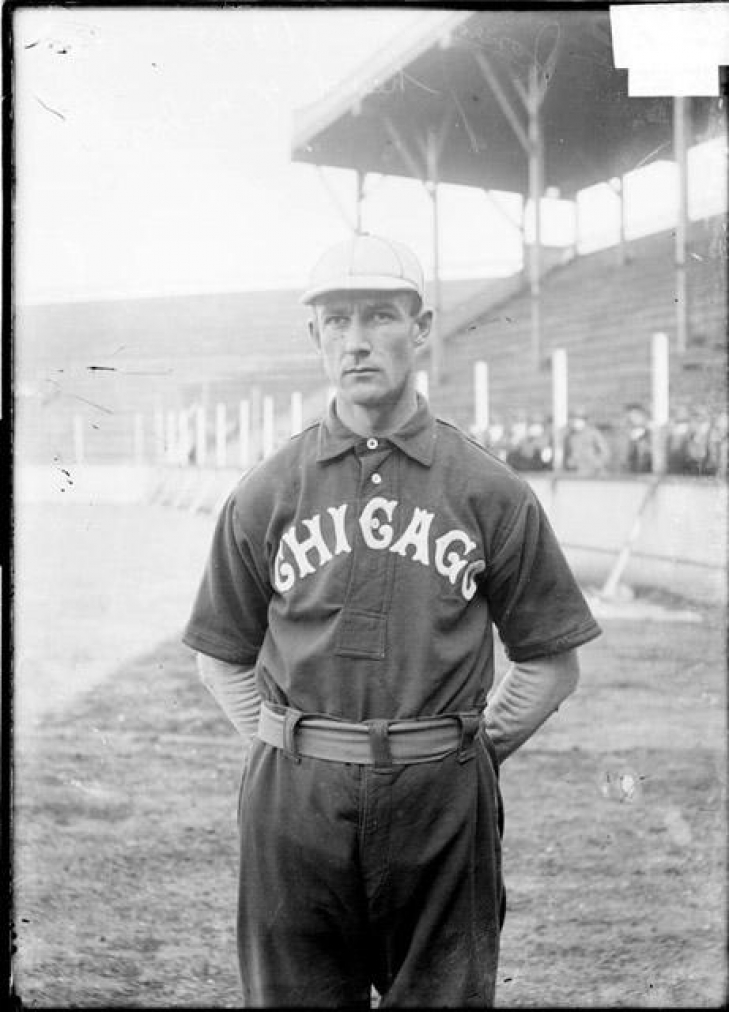
The landscape of Chicago baseball shifted in 1901 when Fielder Jones defected from Brooklyn to join the White Sox as a cornerstone of their inaugural American League roster. He arrived as a premier leadoff threat, maturing instantly into a force by batting over .300 in each of his first two seasons in the junior circuit. His combination of speed and on-base ability provided the spark for a team still searching for its identity, but his promotion to player-manager in 1904 truly transformed the franchise's trajectory.
Leadership and run prevention became his primary calling cards during the most successful stretch of his residency. While his individual batting average began to dip under the weight of his managerial duties, Jones remained a consistent producer, generating at least 110 hits in every season from 1904 to 1908. He understood that in the Deadball Era, the White Sox didn't need a juggernaut offense to win; they needed a team built on grit and defensive precision. Under his guidance, the 1906 squad earned the "Hitless Wonders" moniker, famously shocking the cross-town Cubs to capture the World Series title.
Reliability in the field was paired with an aggressive approach on the basepaths, as evidenced by his 206 stolen bases in a Chicago uniform. Jones was the rare manager who could lead by example, patrolling center field with a range that shortened the game for his pitching staff. His skills weren't found in a high slugging percentage, but in his ability to manufacture wins through tactical ingenuity and high-leverage decision-making. He concluded his Chicago stay with 1,151 hits, a total that reflects a decade of being the most influential figure on the South Side.
The conclusion of his time in Chicago was marked by a growing friction with owner Charles Comiskey. Exhausted by the internal politics of the front office, Jones abruptly walked away from the game following the 1908 season. Though he eventually resurfaced in the Federal League years later, his legacy was firmly rooted in the dirt of South Side Park.
26. Joe Horlen
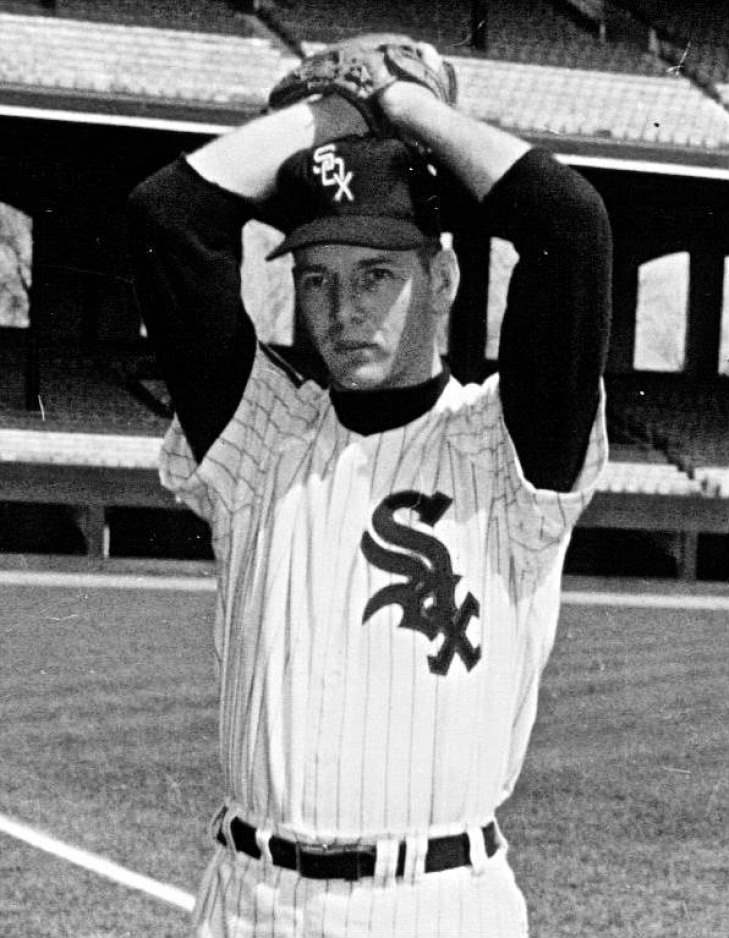
A debut in 1961 offered only a glimpse of the tactical master Horlen would become, but by 1963, he had secured his place as a primary pillar of the Chicago rotation. He matured into a frontline starter during the 1964 campaign, a remarkable season where he posted a microscopic 1.88 ERA. The year was best illustrated by his league-leading 0.935 WHIP and a staggering 6.1 H/9 innings, the best mark in the junior circuit. He arrived as a young prospect and instantly became the pitcher that opposing managers feared most when a low-scoring game was on the line.
The pinnacle of his career arrived in 1967, a season in which he ascended to the very top of the pitching world. Horlen captured the American League ERA title with a 2.06 mark and claimed his second WHIP crown, earning his first All-Star nod in the process. He was the outlier of the summer, finishing second in the Cy Young voting and fourth in the MVP race. His ability to suppress runs was nearly unmatched; he maintained an ERA under 2.90 for three consecutive seasons, serving as the high-leverage anchor for a staff that specialized in run prevention.
Consistency and durability defined him throughout the decade. While his eventual 113-113 record in a White Sox uniform was often a byproduct of the team's struggling offense, his 1,007 strikeouts and relentless efficiency told a much different story. He was a volume-dense workhorse who took the ball in the most critical matchups, providing a decade of stability on the South Side. Even as his ERA began to climb toward the end of his tenure in 1970, his reputation as a big-game specialist remained intact.
The organization moved in a different direction just before the 1972 season, leading Horlen to a final chapter with the Oakland A’s, where he added a World Series ring to his resume.
27. George Davis
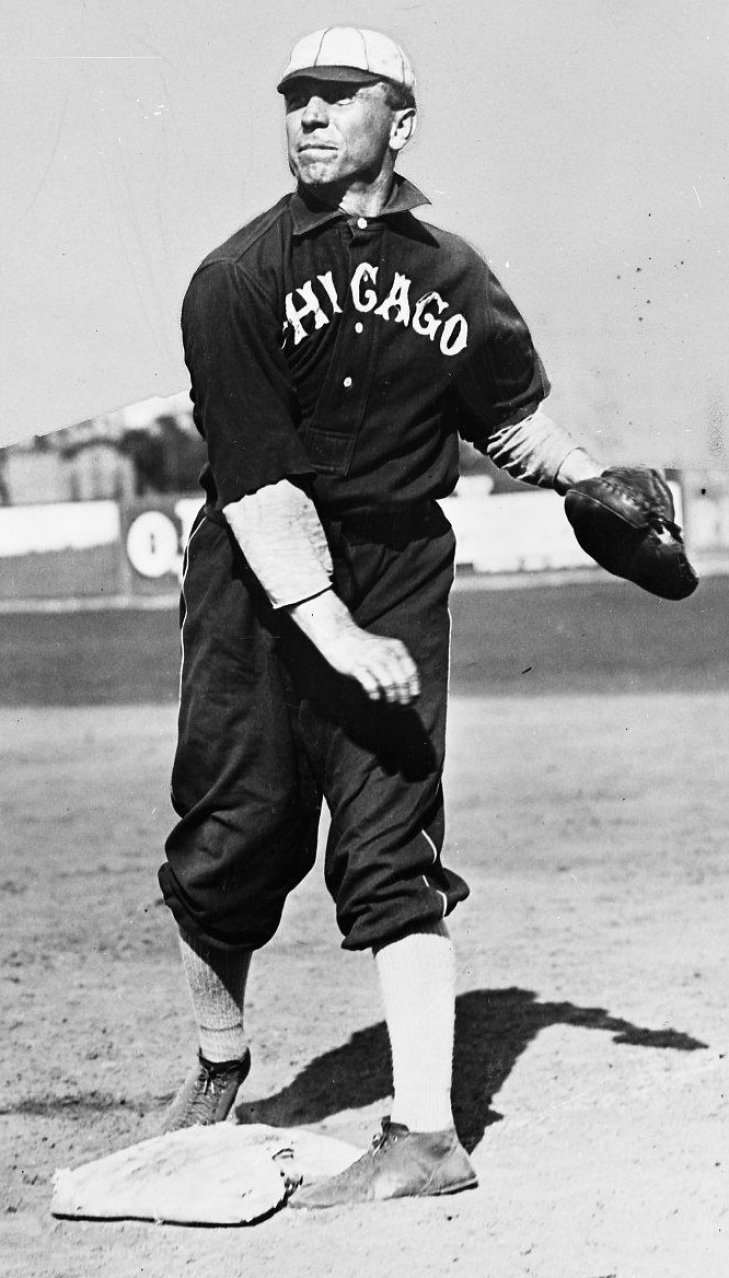
The landscape of professional baseball shifted in 1902 when Davis jumped from the Giants to the White Sox, seeking the superior paydays of the new American League. He matured instantly into the centerpiece of the Chicago lineup, batting .299 and driving in 93 runs during his debut season. However, his tenure was interrupted by a bizarre 1903 campaign, marked by legal battles and league-jumping disputes, which forced him to sit out most of the year. He returned to the South Side once the peace agreement between the leagues was brokered, providing the "Franchise Identity" of a battle-tested leader who was ready to anchor a burgeoning dynasty.
Defensive excellence became the hallmark of his second act in Chicago. While his offensive output naturally declined from his younger days in New York, Davis reinvented himself as a vacuum at shortstop, providing a level of glovework in the field that few could replicate. He led the American League in defensive bWAR in both 1904 and 1905, following those campaigns with top-three finishes in the two years that followed. This run prevention was the primary engine for the 1906 squad, as Davis’s glove and veteran poise guided the "Hitless Wonders" to a massive upset over the Cubs in the World Series.
Reliability in the field was paired with a steady, if diminished, presence at the plate. From 1904 to 1906, he remained a modest hitting threat by generating at least 134 hits per year, serving as a high-leverage stabilizer for a team that prioritized pitching and defense above all else. He concluded his Chicago residency with 785 hits and a staggering 15.2 defensive bWAR, a volume of defensive production that underscored his status as the best all-around shortstop of the decade. He wasn't just a part of the rotation; he was the glue that held the infield together during the most successful era in the franchise's early history.
The final seasons of his career saw him provide a veteran bridge for the next generation of White Sox talent before he retired following the 1909 campaign. He left the city as a world champion and a pioneer of the shortstop position, a man who proved that a great ballplayer can adapt his game to meet his team's needs.
Recognition for his historic career arrived in 1998, when the Veterans Committee elected Davis to the Baseball Hall of Fame. It was a long-overdue tribute to a man who arrived as a superstar and left as the defensive architect of a champion.
23. Harold Baines
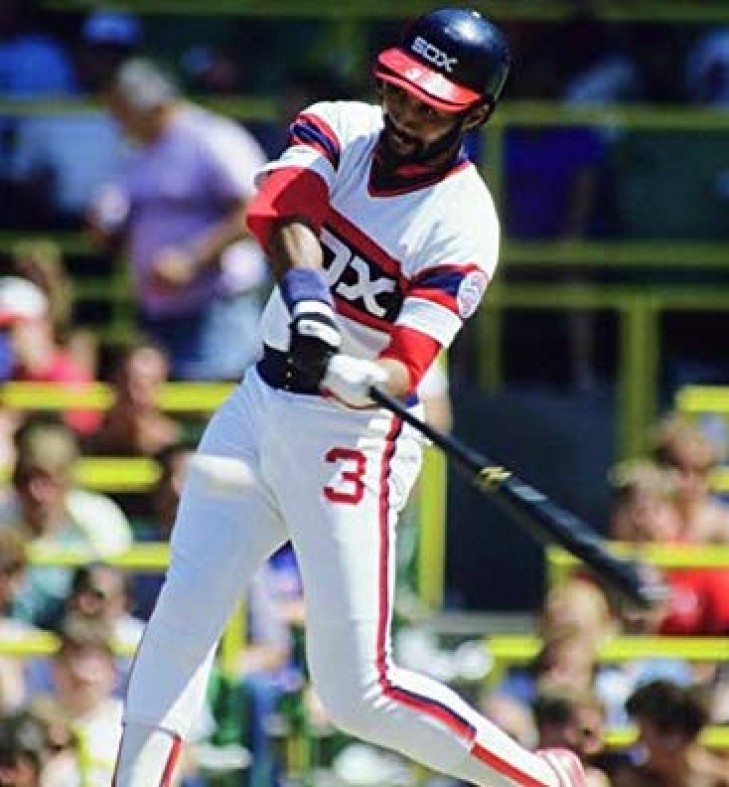
When Harold Baines arrived in Chicago in 1980, the expectations were sky-high for the former number-one overall pick. He didn't disappoint. By 1982, he had settled into a rhythm that would define his residency: a calm, left-handed stroke that produced line drives with relentless frequency. He arrived as a "can't-miss" prospect and quickly matured into the most reliable offensive engine in the White Sox lineup. He wasn't the type to provide vocal fireworks in the clubhouse, but his bat provided all the thunder necessary, beginning a streak of six consecutive seasons with at least 20 home runs.
The peak of his initial tenure in Chicago was a showcase of sweet hitting in the middle of the 1980s. From 1984 to 1987, Baines was a fixture in the All-Star Game and a terror for American League pitchers, twice eclipsing the 100-RBI plateau and posting back-to-back .300 batting average seasons. Baineswas rooted in his ability to deliver in the clutch; he was the tactical heart of the 1983 "Winning Ugly" division champions. While he eventually transitioned fully to the designated hitter role to preserve his knees, his value remained elite, underscoring his mettle as a pure hitter.
The middle chapter of his journey was nomadic, marked by a series of high-profile trades that saw him depart and return to Chicago like a favorite son. After being dealt to Texas in 1989, a move so unpopular it famously led to his jersey being retired while he was still an active player, Baines made a triumphant return in 1996. He picked up exactly where he left off, batting .311 with 22 home runs and reminding the South Side faithful why he was the gold standard for the franchise. Even a brief final stint with Baltimore and Cleveland couldn't keep him away, and he ultimately returned to finish his career where it all began.
His final walk toward the exit came in 2001, concluding a three-stint Chicago career that saw him tally 1,773 hits, 221 home runs, and 981 RBIs for the club. He was a player defined by his work ethic and consistency rather than flashy highlights. While his defensive metrics were a non-factor, his 2,866 career hits league-wide eventually earned him a place in Cooperstown, a nod to the decades of professional hitting he provided.
Harold Baines entered the Baseball Hall of Fame in 2019, and his #3 was retired by the team.