

 Not in Hall of Fame News
Would you like to know what we love the most about the…
 Not in Hall of Fame News
1993 SEMI-FINAL RESULTS: Thank you for your participation in the Pro Football…
 Not in Hall of Fame News
Regular visitors of Notinhalloffame.com know that we are slowly working on the…
 Not in Hall of Fame News
Last January, the Baseball Hall of Fame announced the Class of 2026,…
 Not in Hall of Fame News
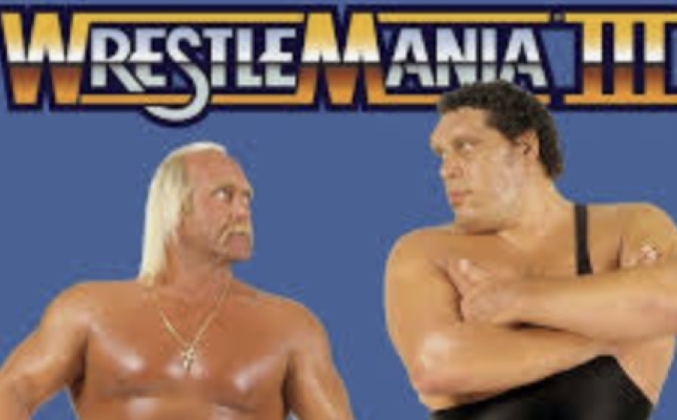
The WWE Hall of Fame announced that the Hulk Hogan vs Andre…
 Not in Hall of Fame News
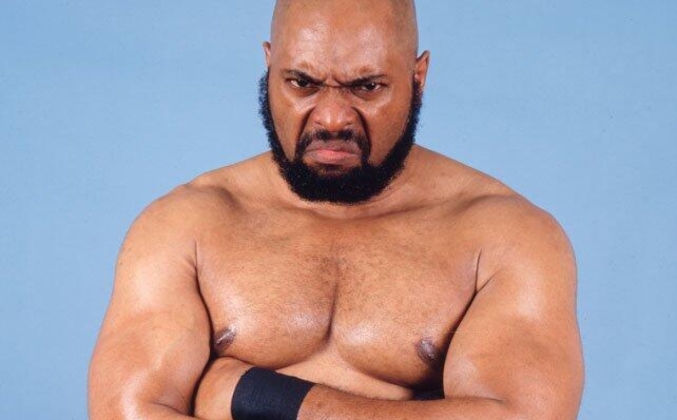
It was announced that Bad News Brown will be inducted into the…
 From the Desk of the Chairman
Synthetic turf has become an increasingly familiar surface in the sports world.…
 From the Desk of the Chairman
Athletic performance is shaped by discipline, training, and resilience, but motivation often…
 From the Desk of the Chairman
The first month of the MLB season always feels a bit unsettled.…
 From the Desk of the Chairman
Sports and regular physical activity are widely celebrated for building strength, improving…
 The Buck Stops Here
The wait is over! Join the NotInHallOfFame.com crew—Kirk Buchner, Evan Nolan, and…
 The Buck Stops Here
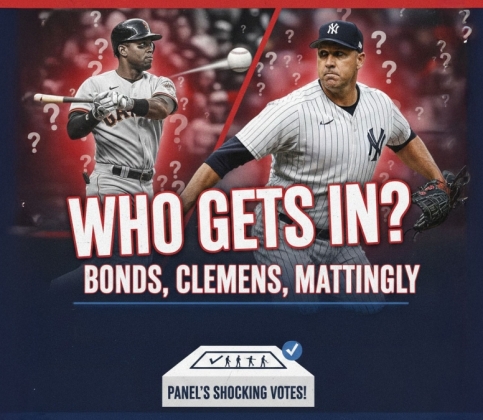
Join Kirk Buchner and Evan Nolan from NotInHallOfFame.com for a special roundtable…
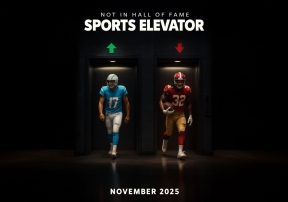

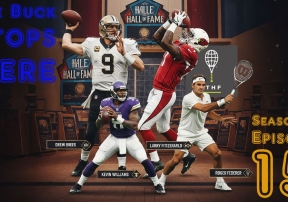
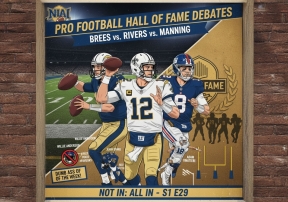
100 Active Potential Football Hall of Famers
-
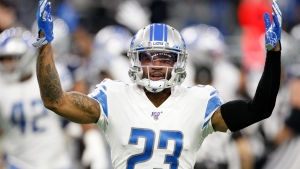 #48 Overall, Darius Slay, Pittsburgh Steelers, #3 Cornerback2024 Pre-Season Rank #58, 2023 Pre-Season Rank #70, 2022 Pre-Season Rank #101, 2021 Pre-Season Rank #125, 2020 Pre-Season Rank #125. Peak Period: 2017-21…in Cornerbacks
 -
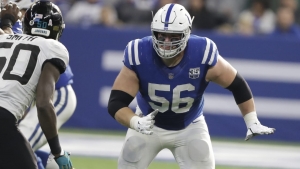 #25 Overall, Quenton Nelson, Indianapolis Colts, Left Guard, #2 Offensive Lineman2024 Pre-Season Rank #29, 2023 Pre-Season Rank #42, 2022 Pre-Season Rank #51, 2021 Pre-Season Rank #78, 2020 Pre-Season Rank #89. Peak Period: 2018-22…
 -
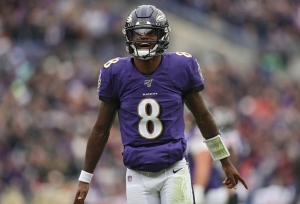 #10 Overall, Lamar Jackson, Baltimore Ravens, #3 Quarterback2024 Pre-Season Rank #14, 2023 Pre-Season Rank #30, 2022 Pre-Season Rank #38, 2021 Pre-Season Rank #46, 2020 Pre-Season Rank #76. Peak Period: 2019-20/22-24…in Quarterbacks
 -
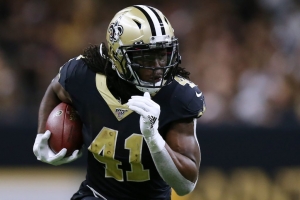 #31 Overall, Alvin Kamara, New Orleans Saints, #3 Running Back2024 Pre-Season Rank #33, 2023 Pre-Season #28, 2022 Pre-Season Rank #33, 2021 Pre-Season Rank #48, 2020 Pre-Season Rank #66. Peak Period: 2017-21 Alvin…
Visit the Fictitious Halls of Fame!

You May Also Like...
EDITOR’S CHOICE
 DDT's Pop Flies
When the veterans committee (VC), officially convening as the Contemporary Baseball Era…


 Live Music Head
Project/Objectan interview with André Cholmondeleyby Live Music HeadOriginally published at timessquare.com on…

LATEST RANKINGS


MOST POPULAR RANKINGS

Site Admin
46. Alex Fernandez
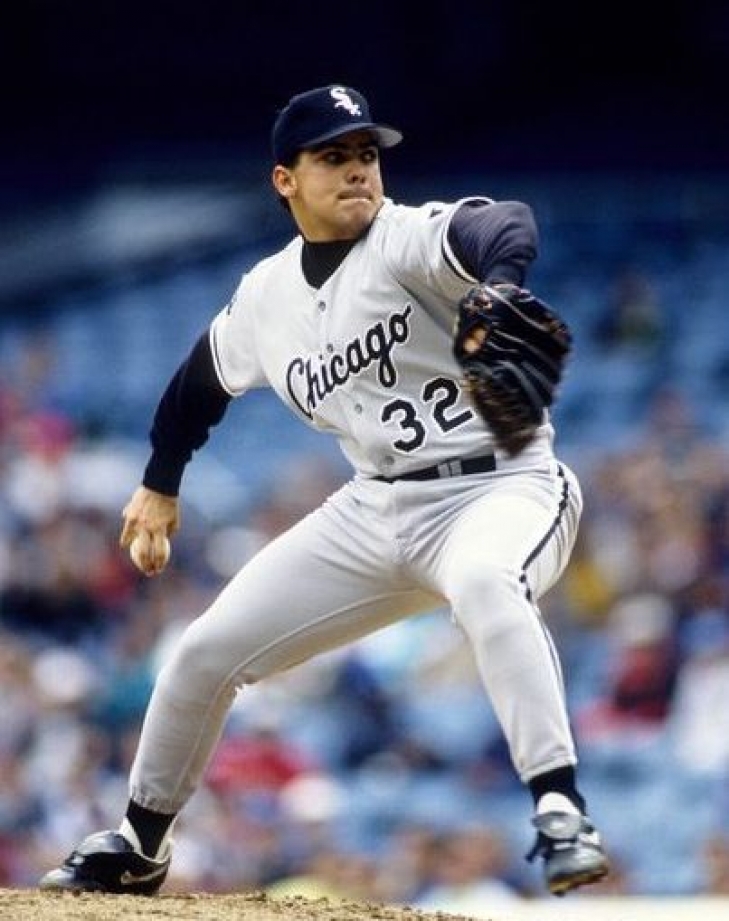
Alex Fernandez surfaced in Chicago during a whirlwind 1990 campaign, making his Major League debut just months after being selected fourth overall and sweeping the Golden Spikes and Dick Howser awards at the University of Miami. While his initial transition to the professional ranks required a brief period of adjustment, he matured into a cornerstone of the staff by 1993. That summer, he emerged as a premier force in the Junior Circuit, authored by an 18–9 record and a .313 ERA. He was a model of specialized control from the start, proving that his game was built on a sophisticated ability to outthink and out-execute the best hitters in the game.
The most impressive aspect of his tenure was the sustained excellence he maintained at the front of the Chicago rotation. Between 1993 and 1996, Fernandez established himself in the elite tier of American League hurlers, consistently finishing in the top ten in both WHIP and strikeout-to-walk ratio. He was a master of efficiency, possessing a workhorse mentality that allowed him to navigate the high-stakes environment of the mid-90s with professional poise. He reached a new ceiling in 1996, his final season with the club, when he eclipsed the 200-strikeout plateau for the first time and finished sixth in the Cy Young voting, showcasing a rare balance of power and precision.
His presence was defined by a quiet, steely resolve and a tactical brilliance that stabilized the Chicago staff during the 1993 division title run. Fernandez was a fixture of the South Side rotation for seven seasons, using a specialized repertoire to remain a high-leverage producer through some of the most offense-heavy years in the sport's history.
After the 1996 season, Fernandez returned to his home state to sign with the Florida Marlins, where he would eventually capture a World Series ring. With the White Sox, Fernandez compiled a 79-63 record with 951 strikeouts and a 3.70 ERA across 1,281.1 innings.
44. Ray Durham
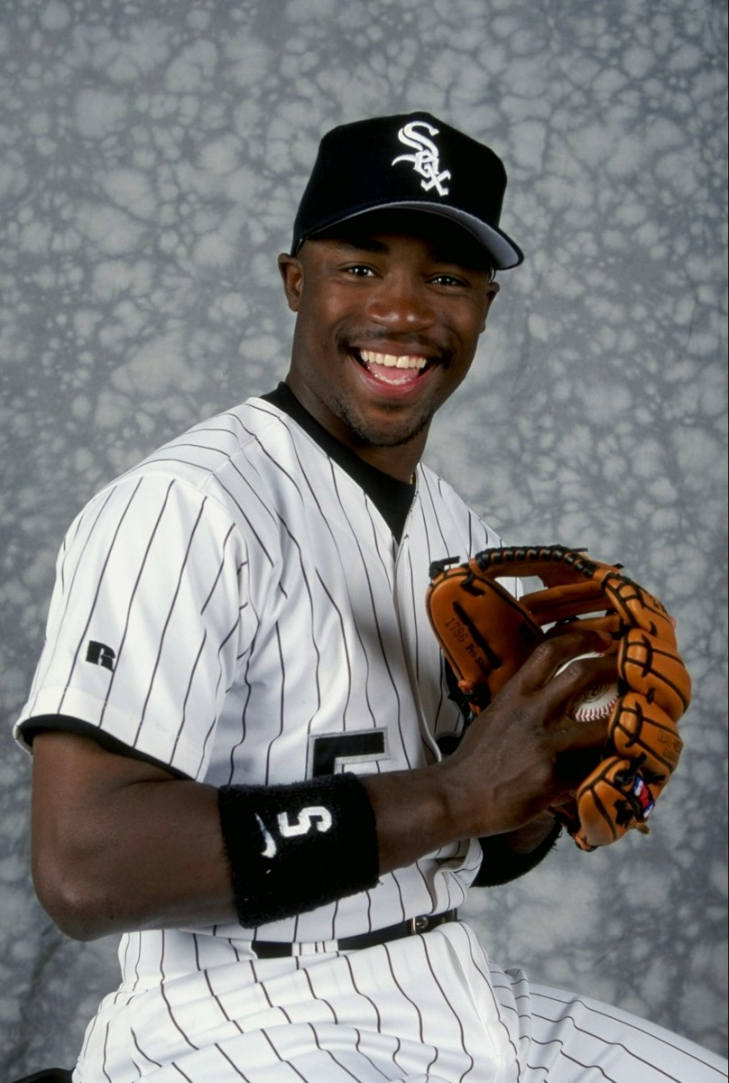
Ray Durham made it to the Chicago lineup in the mid-90s and matured instantly into a premier leadoff threat. He arrived with a "slash-and-dash" style that put immediate pressure on opposing batteries, utilizing a compact swing and aggressive baserunning to create scoring opportunities. Between 1996 and 2000, he authored a remarkably consistent stretch of production, batting at least .270 and launching double-digit home runs in five consecutive campaigns. He was a model of versatility from the leadoff spot, proving that a primary run-scorer could also provide the specialized power needed to turn a game around with one swing.
The most impressive aspect of his tenure was the rare balance of speed and durability he displayed as the club's everyday second baseman. Durham was a master of the basepaths, swiping 25 or more bags in each of those five standout seasons and serving as the tactical heartbeat of the 2000 division-winning squad. His craftsmanship at the top of the order was officially recognized with two All-Star selections during his stay in the Windy City. He wasn't just a traditional leadoff hitter, though; he remained a high-frequency producer who maintained a .278 career average with the club, consistently finding ways to get on base and navigate the challenges of a long American League season.
Durham was traded to the Oakland Athletics in 2002 during the final year of his contract. He left the organization as a statistical titan of his era, having established himself as one of the better leadoff hitters in White Sox history.
With the White Sox, Durham compiled 1,246 hits, 106 home runs, and 219 stolen bases with a .278 batting average.
42. Chet Lemon
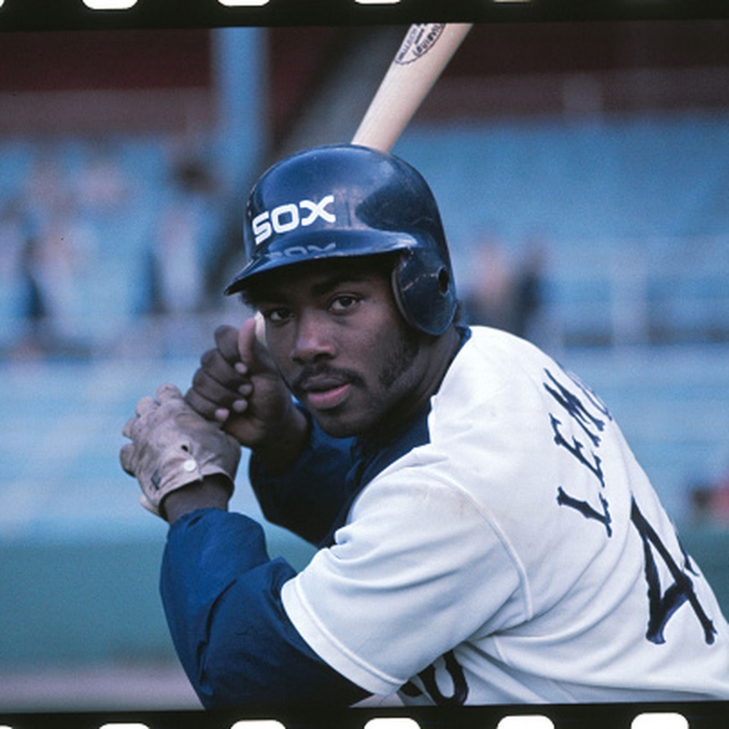
Chet Lemon debuted in the Chicago lineup in 1976 and matured instantly into a premier threat at the plate and in the field. He emerged as a versatile standout, taking over the starting center field job and providing an immediate defensive upgrade for the club. That summer, he showcased a rare blend of contact and power, batting over .300 for the first of three times in his Chicago stay. He was a model of consistency from the jump, proving that his game was built on a sophisticated balance of offensive production and elite run prevention.
The most impressive aspect of his tenure was the technical brilliance he displayed in the outfield. Lemon was a master of range and positioning, consistently shrinking the gaps for opposing hitters and finishing with a defensive bWAR over 1.0 in three separate campaigns. His craftsmanship on the grass was officially recognized with two consecutive All-Star selections in 1978 and 1979. He wasn't just a defensive specialist, though; he remained a high-frequency producer at the plate, leading the American League in doubles in 1979 with 44 and recording four seasons with double-digit home run totals.
His time with the club was defined by a quiet, professional durability and a high-leverage bat that seemed to surface in the biggest moments. Lemon was a fixture of the South Side outfield for six seasons, using a specialized approach to remain productive even as the league's pitching grew increasingly difficult to navigate. Whether he was making a diving catch to save a game or lacing a line drive into the gap to spark a rally, he competed with a focused intensity that made him a local favorite. He proved that a player could become the cornerstone of a franchise through a rare combination of defensive wizardry and offensive reliability.
After the 1981 season, Lemon was traded to the Detroit Tigers, where he would eventually capture a World Series title. With Chicago, Lemon compiled 804 hits, 74 home runs, and 338 RBIs with a .288 batting average.
39. Dick Allen
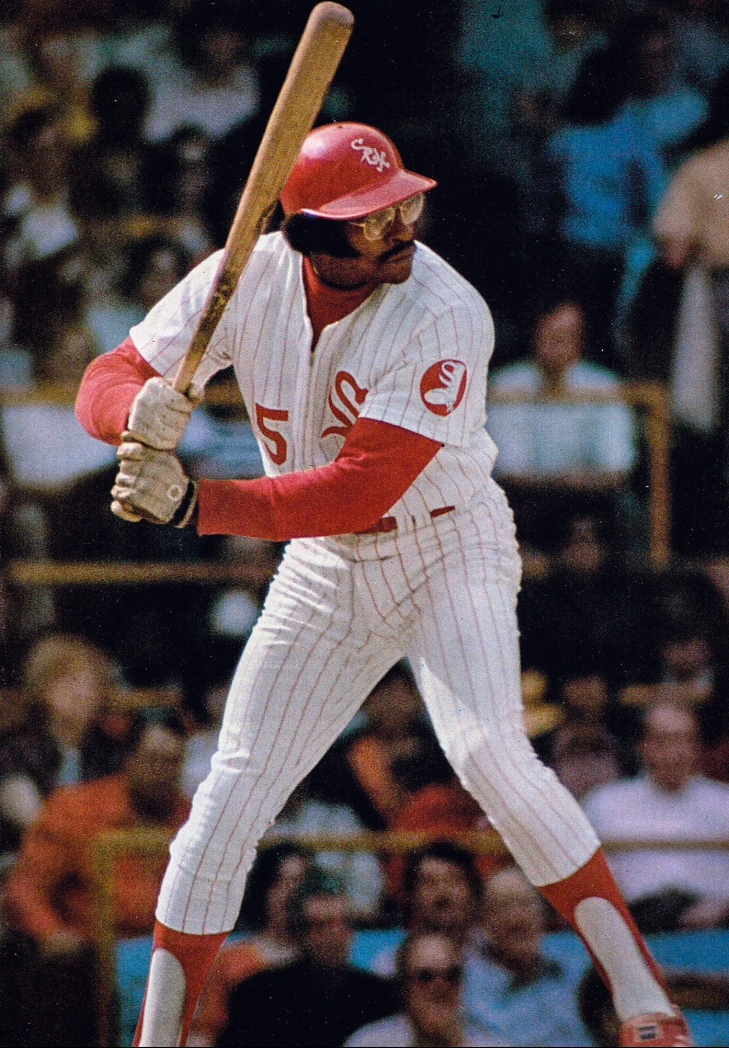
Allen’s journey in Chicago began with a franchise-altering trade from the Dodgers after the 1971 season. He matured instantly under the relaxed, player-first management of Chuck Tanner, shedding the "troublemaker" labels of his youth and emerging as the definitive statistical titan of the American League. He arrived with a "tree trunk" of a bat and a clinical approach to hitting, and he was rewarded immediately with the 1972 AL MVP award. That season was a masterclass in run production: Allen led the league in home runs (37), RBIs (113), walks (99), on-base percentage (.420), and slugging (.603). He was an efficiency outlier who missed the Triple Crown by just a few points in batting average, finishing with a staggering 1.023 OPS.
The absolute peak of his career was defined by a rare, high-leverage brilliance that galvanized the city. Allen followed his MVP campaign with two more All-Star selections in 1973 and 1974, continuing to rule the Junior Circuit with a blend of raw power and sophisticated plate discipline. In 1974, he captured his second home run title with 32 blasts, while again leading the league in slugging (.563) and OPS (.938). He wasn't just a volume-dense slugger; he was a tactical weapon who hit majestic, "laser shot" home runs to center field and famously once clubbed two inside-the-park homers in a single game. He played with a visible passion that turned Comiskey Park into a nightly destination.
His identity was synonymous with a quiet, steely resolve and a legendary status as the "Chili Dog MVP." Allen was the emotional heartbeat of the 1972 squad that finished second in the West, accumulating 85 home runs and a massive .307/.398/.589 slash line during his three-year stay. Whether he was launching a walk-off pinch-hit homer against Sparky Lyle or gliding from first to third on a single, he was the primary engine of a franchise resurgence.
The chapter of his playing days eventually gave way to a decades-long wait for the recognition his numbers demanded. While a 1974 trade eventually led him back to Philadelphia, his peak years remained anchored to the South Side. He left the organization as a statistical pillar, and though he passed away in 2020, his legacy culminated in 2025, when he was finally and rightfully inducted into the National Baseball Hall of Fame in Cooperstown.