

 Not in Hall of Fame News
Would you like to know what we love the most about the…
 Not in Hall of Fame News
1993 SEMI-FINAL RESULTS: Thank you for your participation in the Pro Football…
 Not in Hall of Fame News
Regular visitors of Notinhalloffame.com know that we are slowly working on the…
 Not in Hall of Fame News
Last January, the Baseball Hall of Fame announced the Class of 2026,…
 Not in Hall of Fame News
The WWE Hall of Fame announced that the Hulk Hogan vs Andre…
 Not in Hall of Fame News
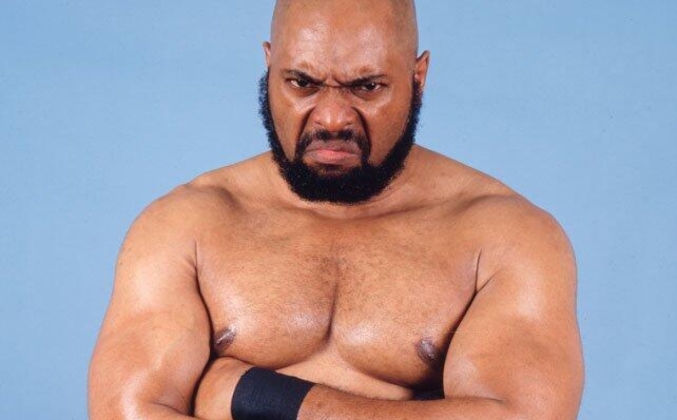
It was announced that Bad News Brown will be inducted into the…
 From the Desk of the Chairman
Synthetic turf has become an increasingly familiar surface in the sports world.…
 From the Desk of the Chairman
Athletic performance is shaped by discipline, training, and resilience, but motivation often…
 From the Desk of the Chairman
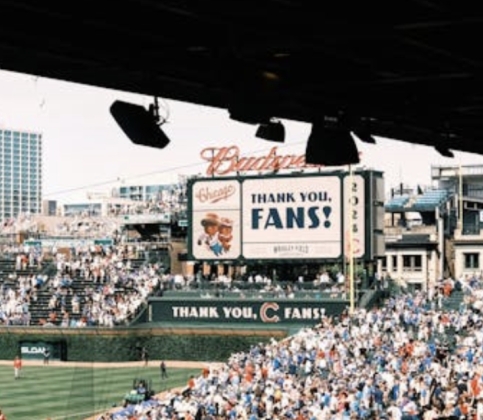
The first month of the MLB season always feels a bit unsettled.…
 From the Desk of the Chairman
Sports and regular physical activity are widely celebrated for building strength, improving…
 The Buck Stops Here
The wait is over! Join the NotInHallOfFame.com crew—Kirk Buchner, Evan Nolan, and…
 The Buck Stops Here
Join Kirk Buchner and Evan Nolan from NotInHallOfFame.com for a special roundtable…






100 Active Potential Football Hall of Famers
-
 #86 Overall, Jedeveon Clowney, Free Agent, Defensive End, #19 Defensive Linemann/Linebackers: Pass Rushers2024 Pre-Season Rank #92,2023 Pre-Season Rank #89, 2022 Pre-Season Rank #87, 2021 Pre-Season Rank #89, 2020 Pre-Season Rank #85. Peak Period: 2015-19.More of a…
 -
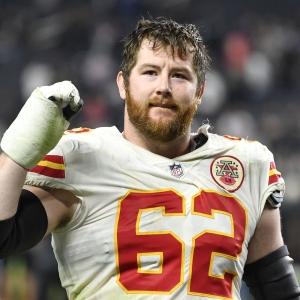 #64 Overall, Joe Thuney, Chicago Bears, Left Guard, #8 Offensive Lineman2024 Pre-Season Rank #75, 2023 Pre-Season Rank #120, 2022 Pre-Season Rank: #140. Peak Period: 2020-24 Joe Thuney is finally getting his due as…
 -
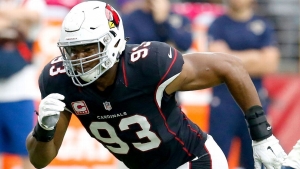 #12 Overall, Calais Campbell, Arizona Cardinals, Defensive End, #5 Defensive Lineman/Linebacker: Pass Rusher2024 Pre-Season Rank #19, 2023 Pre-Season Rank #19, 2022 Pre-Season Rank #26 2021 Pre-Season Rank #28, 2020 Pre-Season Rank #36. Peak Period: 2014-18…
 -
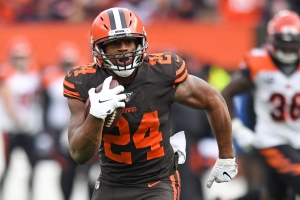 #82 Overall, Nick Chubb: Cleveland Browns, #7 Running Back2024 Pre-Season Rank #84, 2023 Pre-Season Rank #91, 2022 Pre-Season Rank #114, 2021 Pre-Season Rank #140. Peak Period: 2018-22 Chubb emerged as the…
Visit the Fictitious Halls of Fame!


You May Also Like...
EDITOR’S CHOICE
 DDT's Pop Flies
When the veterans committee (VC), officially convening as the Contemporary Baseball Era…


 Live Music Head
Project/Objectan interview with André Cholmondeleyby Live Music HeadOriginally published at timessquare.com on…

LATEST RANKINGS



MOST POPULAR RANKINGS








Site Admin
45. Lance Johnson
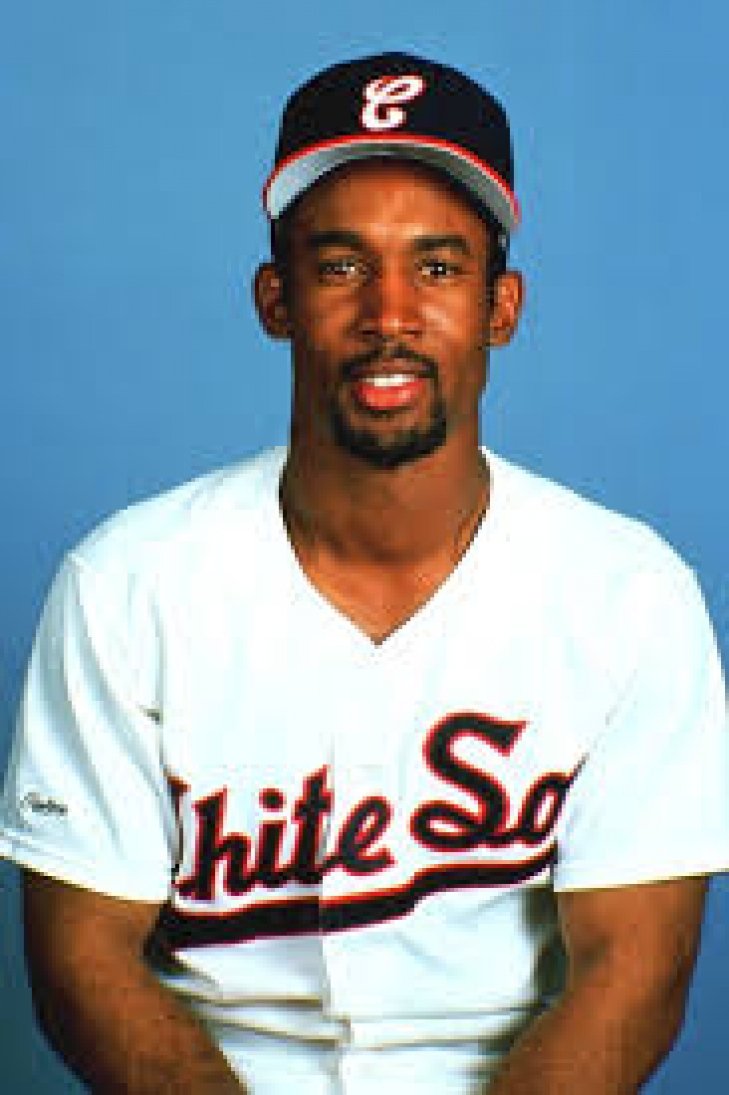
Johnson’s path to Chicago was the result of a lopsided 1987 swap with the St. Louis Cardinals, a deal that sent Jose DeLeon to the Senior Circuit. While the trade was headlined by other names at the time, it was Johnson who matured into the ultimate prize of the transaction. He emerged as a regular in 1990 and quickly became the premier leadoff threat for a surging squad. He possessed a "slap-and-run" style that relied on elite acceleration and a clinical ability to find holes in the defense, turning the trade from a simple roster move into a franchise-altering steal.
The most impressive aspect of his career was his total command of the basepaths and the gaps. Between 1991 and 1994, he authored a feat of speed-based dominance rarely seen in the modern era, leading the American League in triples for four consecutive summers. He was a model of specialized efficiency, proving that a hitter didn’t need over-the-fence power to dismantle an opposing pitching staff. This culminated in a 1995 campaign where he stood as the undisputed hit king of the American League, racking up 186 hits and showcasing a relentless approach that kept pressure on every battery he faced.
His stay in Chicago ended after that spectacular 1995 season, when he signed with the New York Mets as a free agent. He left the organization as a statistical pillar of the 1990s, having established himself as one of the most prolific speedsters to ever wear the uniform.
With the White Sox, Johnson compiled 1,018 hits, 77 triples, and 226 stolen bases with a .286 batting average.
43. Chico Carrasquel
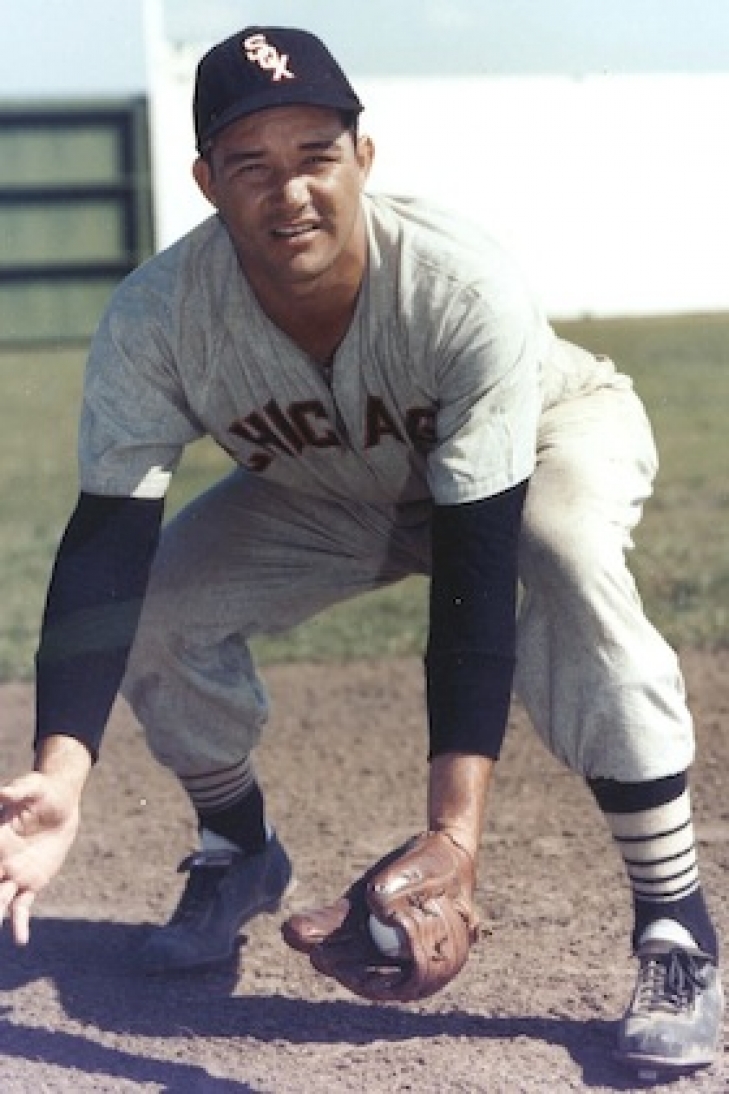
In 1950, Chico Carrasquel arrived in Chicag with a flair for the spectacular, possessing a "vacuum" of a glove and a lightning-fast release that turned certain hits into routine outs. His impact was felt immediately across the league; in 1951, he made history as the first Venezuelan player ever selected for the All-Star Game. He was a model of consistency from his first day on the dirt, providing a specialized level of run prevention that allowed the White Sox pitching staff to attack the strike zone with complete confidence.
The most impressive aspect of his tenure was the sustained defensive brilliance he displayed over six seasons. Carrasquel was a master of positioning and range, leading the American League in defensive bWAR in both 1951 and 1954. He remained a perennial fixture at the top of the leaderboards, finishing in the top four for defensive value in five of his six years with the club. While he wasn't known as a power threat, he remained a professional and reliable presence at the plate, maintaining a respectable .265 batting average and recording nearly a hit per game throughout his stay in the Windy City.
His time with the club was defined by a charismatic, smooth style of play that resonated with a growing international audience. Carrasquel was the defensive heartbeat of the "Go-Go" White Sox, earning four All-Star selections in a five-year span. Whether he was diving into the hole to take away a base hit or orchestrating a seamless double play, he competed with a grace that made him a local favorite and a national standout. He proved that a player could become a cornerstone of a franchise through defensive wizardry and a trailblazing spirit.
After the 1955 season, Carrasquel was traded to the Cleveland Indians, a move that famously cleared the path for his successor and protégé, Luis Aparicio. In 837 games with the White Sox, Carrasquel compiled 825 hits, 153 doubles, and maintained a .968 fielding percentage at shortstop.
40. Johnny Rigney
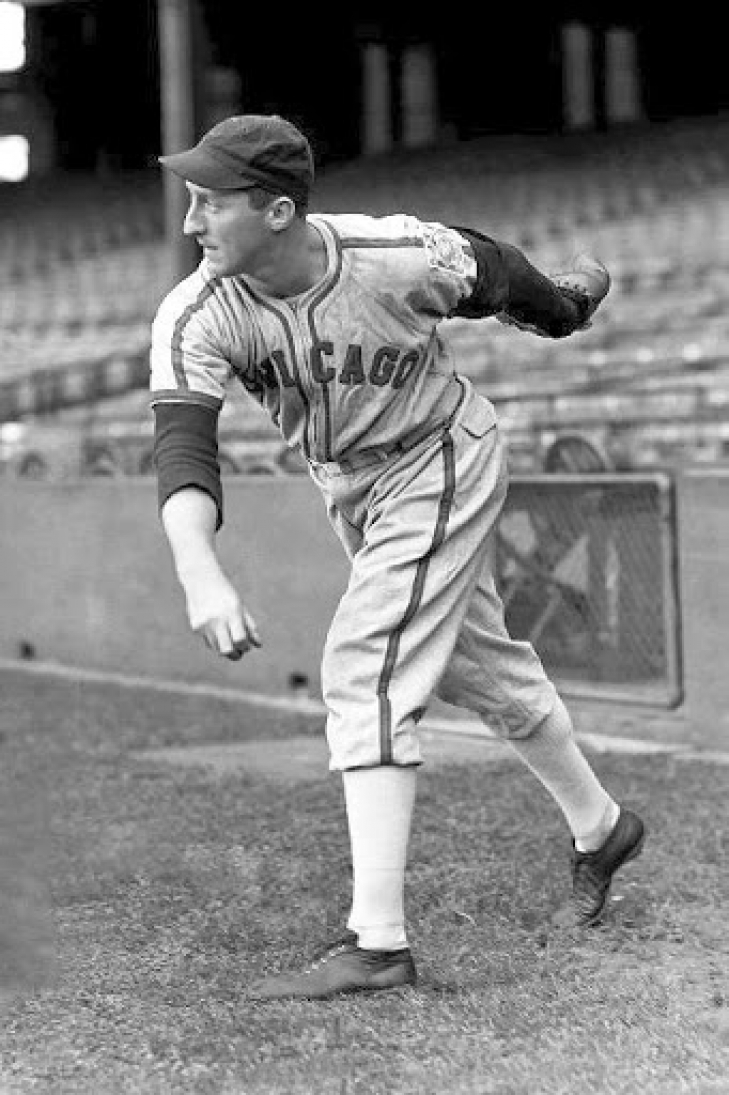
Johnny Rigney’s journey in Chicago began in 1937, but it was the 1939 campaign when he instantly matured into a cornerstone of the franchise. He arrived with a "live" arm and a clinical approach to hitters, evolving from a prospect into a statistical titan by the time he was 24. Between 1939 and 1941, Rigney was a model of consistency, winning at least 13 games in each of those three seasons while serving as the tactical heartbeat of a White Sox staff that relied on his ability to miss bats.
The absolute pinnacle of his career was marked by a rare, high-ceiling efficiency that made him a perennial threat in the American League. During that dominant three-year stretch, Rigney was a master of run suppression, consistently finishing in the top ten in WHIP and the top four in strikeouts. Most impressively, he maintained a sophisticated control of the strike zone, finishing sixth in strikeout-to-walk ratio in each of those campaigns. He wasn't just a thrower; he was a high-leverage technician who used his power to navigate the dangerous lineups of the late 1930s, accumulating 605 strikeouts during his stay and proving that his value was rooted in a rare balance of raw strength and professional poise.
His identity was synonymous with a quiet, career-long loyalty to the organization, but the momentum of his career reached a sudden crossroads in 1942. Like so many of his contemporaries, Rigney traded his White Sox pinstripes for a U.S. Military uniform, sacrificing four of his prime athletic years to the war effort. When he finally returned to the mound in 1946, the time away had taken its toll; the "lightning" that once defined his fastball had faded, and he managed only two more seasons before retiring in 1947. He concluded his journey with 63 wins, a total that remains a testament to what he achieved, and a poignant reminder of what might have been had history not intervened.
41. Alexei Ramirez
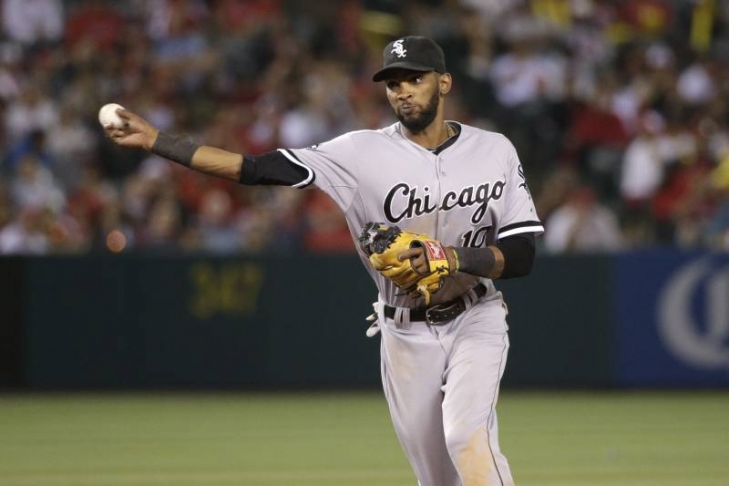
Alexei Ramirez surfaced in the Chicago lineup in 2008 and matured instantly into a premier threat at the plate. He emerged as a versatile standout, initially taking over at second base and providing an immediate spark for a division-winning squad. That summer, he showcased a rare blend of contact and power, batting .290 with 21 home runs—including a franchise-record four grand slams- on his way to a runner-up finish in the American League Rookie of the Year voting. He was a model of consistency from the jump, proving that his game could translate to the highest level of professional competition without hesitation.
The most impressive aspect of his tenure was the technical evolution he displayed after shifting to his natural position at shortstop. Ramirez was a master of range and agility, consistently shrinking the infield for opposing hitters and finishing in the top ten in defensive bWAR multiple times. His craftsmanship on the dirt was officially recognized in 2012 when he secured the Wilson Defensive Player of the Year Award for his position. He wasn't just a defensive specialist, though; he remained a high-frequency producer at the plate, never recording fewer than 145 hits in a single season during his stay and earning two Silver Slugger Awards along with an All-Star nod in 2014.
Ramirez was a fixture of the South Side infield for eight seasons, using a sophisticated approach to remain productive even as the league's pitching grew increasingly specialized. Whether he was turning a spectacular double play to save a game or lacing a line drive into the gap to spark a rally, he competed with a focused intensity that made him a local favorite.
As a member of the White Sox, Ramirez compiled 1,272 hits, 109 home runs, and 542 RBIs with a .273 batting average.