

31. Dont'a Hightower
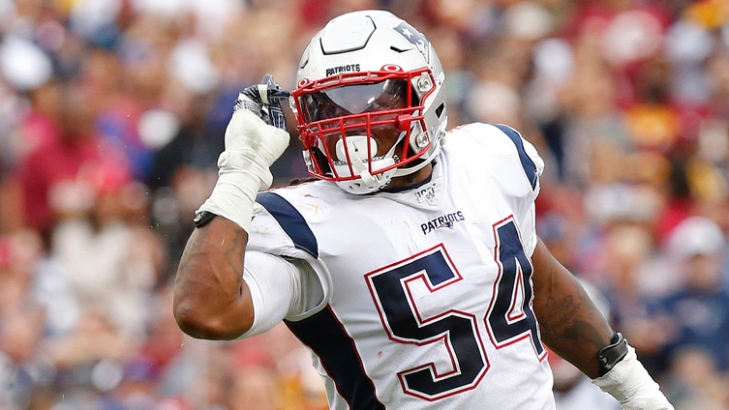
When you play for a two-time National Champion in college like Don’t’a Hightower did at Alabama, how sweet is it to get drafted to another power like the New England Patriots?
33. Jim Nance
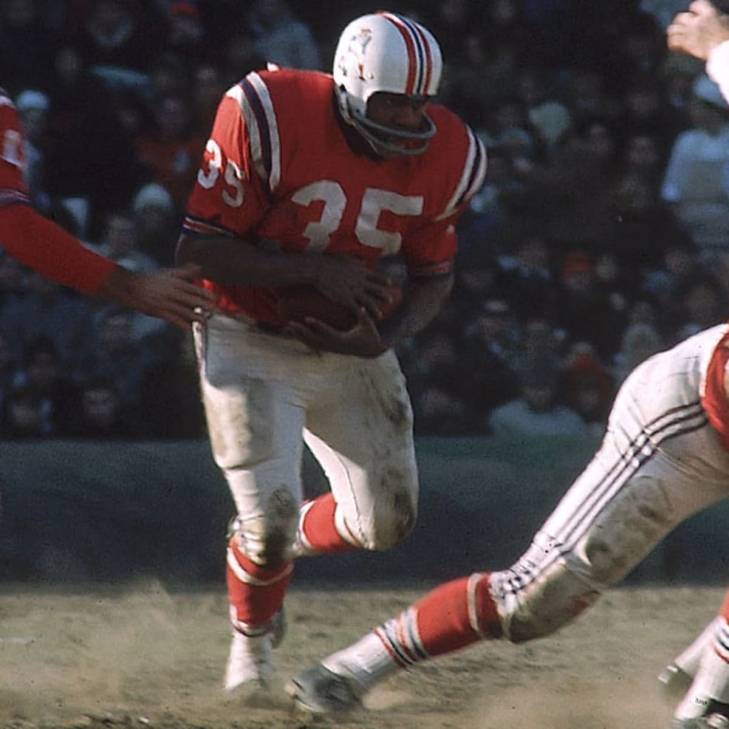
It took until the 19thRound in 1965 before the Boston Patriots before Jim Nance was drafted, and the former two-sport star at Syracuse had to have a chip on his shoulder considering his collegiate accomplishments.
26. Stephen Gostkowski
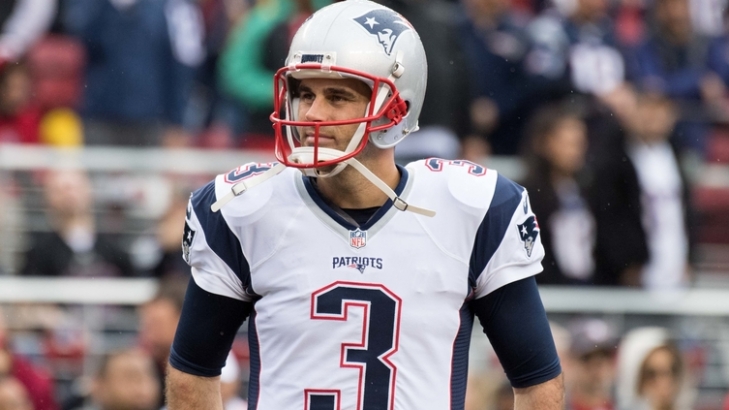
How do you replace a legend like Adam Vinatieri?
29. Steve Grogan

There are many who only think of Tom Brady when they think about New England Quarterbacks, but for fans of the team in the 70s and 80s, Steve Grogan is one of the names that come up.
36. Jim Lee Hunt
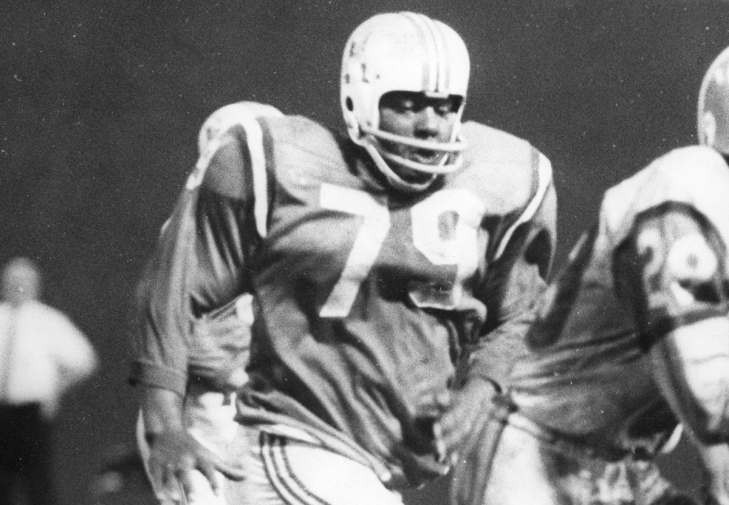
After the Chicago Bears drafted Jim Lee Hunt in the 16thRound, he elected to sign instead with the Boston Patriots for the inaugural season of the American Football League. As it would turn out, Hunt would become one of a handful of players to play in all ten years of the league’s existence, all of which were with the Patriots.
24. Julian Edelman
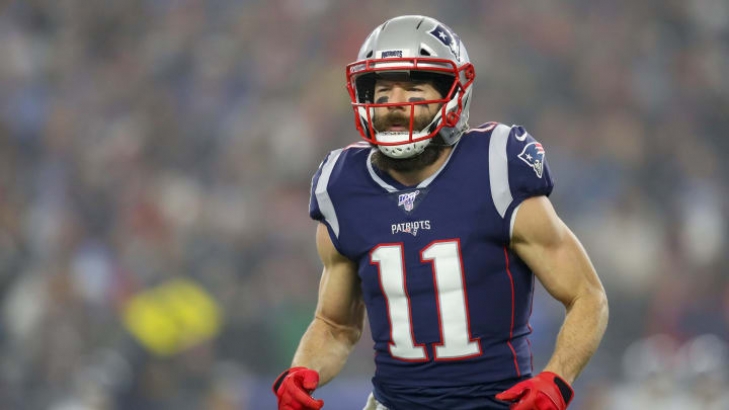
One of the most debated careers in recent memory is Julian Edelman. Edelman was never been a Pro Bowl Selection but has had multiple articles praising him as a potential Hall of Famer.
22. Willie McGinest
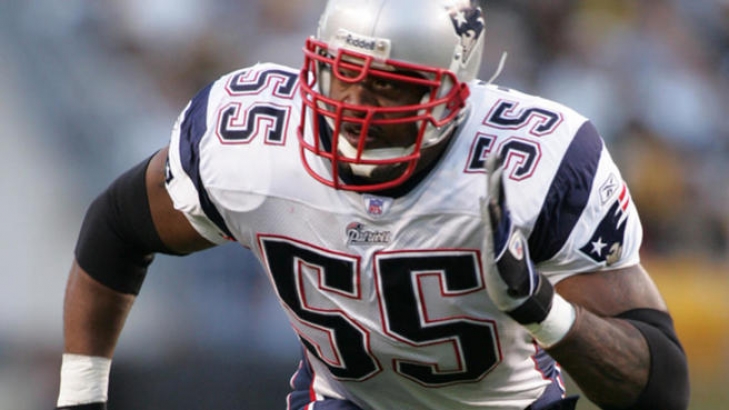
Willie McGinest was the Fourth Overall Pick in 1994, and when you are drafted that high, the pro club certainly hopes that you will have a long and fruitful career. It is safe to say that the New England Patriots got that in McGinest.
25. Tedy Bruschi

One of the most popular players in the history of the New England Patriots is Tedy Bruschi, and when you look at his career, how could he not be?
32. Dan Koppen
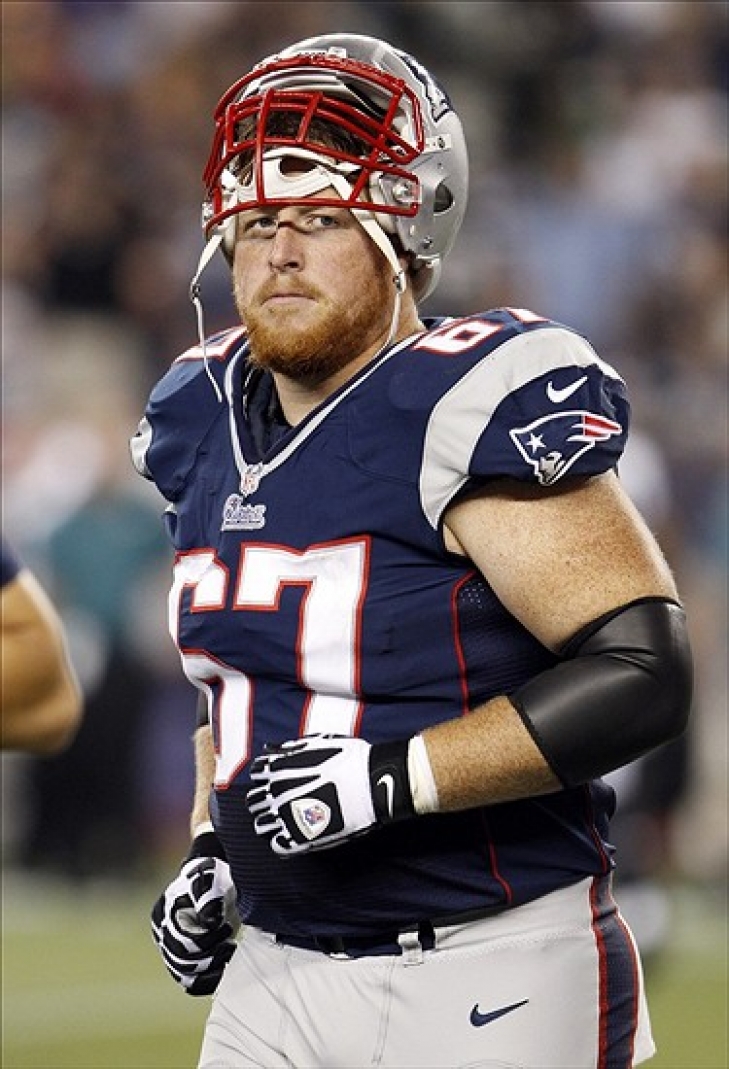
Dan Koppen didn't have to move too far when he was drafted from Boston College in 2003 to the New England Patriots, and it didn't take him long to be a fixture in the Pats lineup.
28. Steve Nelson
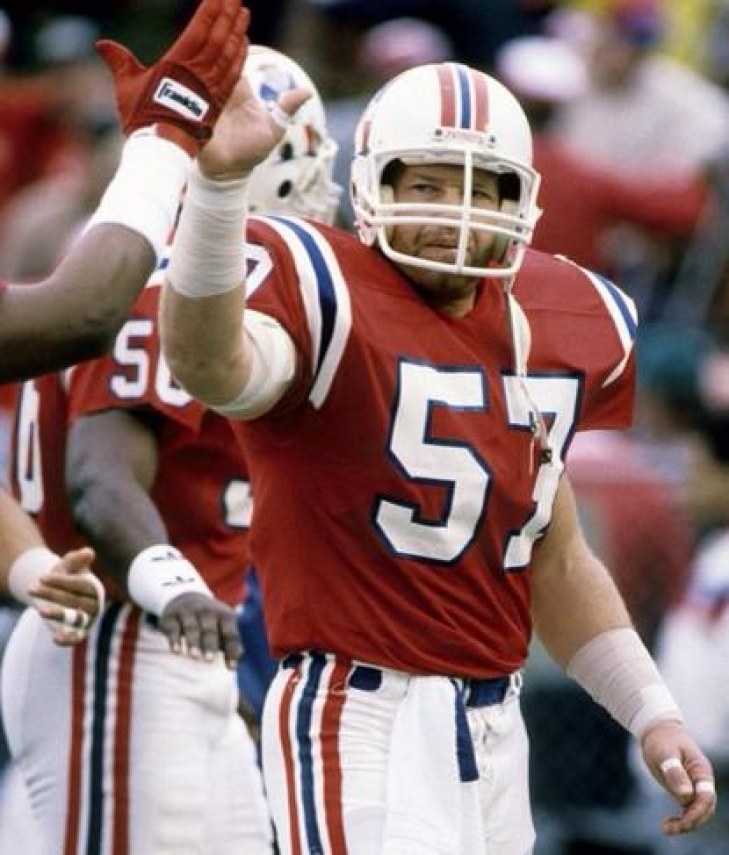
Steve Nelson was one of the players that came from North Dakota State, where the Linebacker played his entire pro career with the Patriots (1974-87).
18. Matt Light
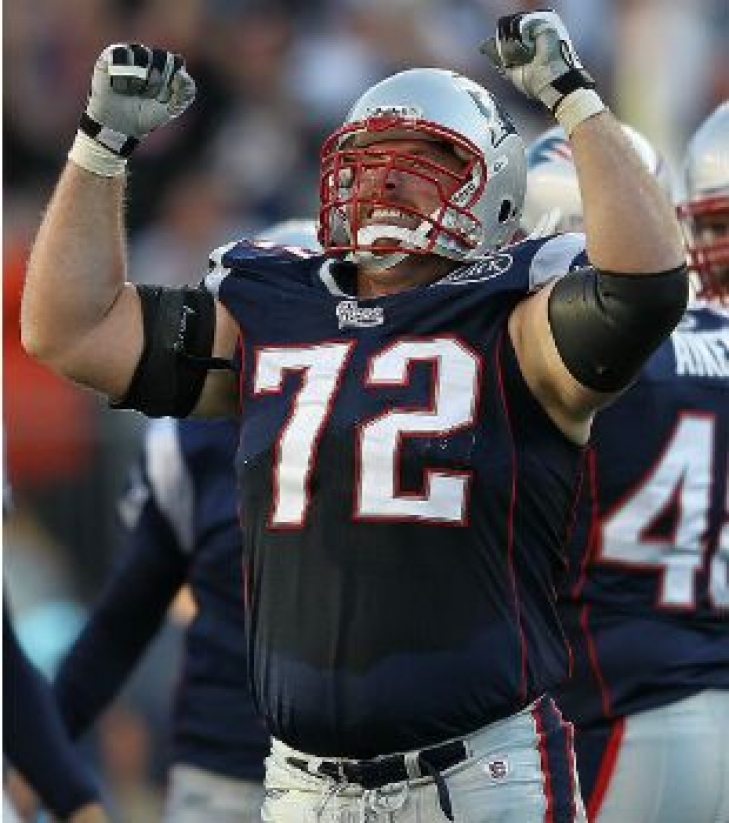
Matt Light arrived in New England as a second-round pick from Purdue in 2001 and went straight to left tackle. He started most of the games that season and helped the Patriots win Super Bowl XXXVI, keeping Tom Brady clean in a title game the franchise had never reached before. The assignment stayed the same after that. Light locked down the left side through the early dynasty years and was still there for two more Super Bowl wins in 2003 and 2004.
He handled the work without much drama. Light made his first Pro Bowl after the 2006 season, then turned in his strongest year in 2007. He started all 16 games, earned first-team All-Pro, and posted one of the league’s higher Approximate Value totals. The offense ran at a high level, and Light repeatedly won his one-on-one matchups against top edge rushers without needing constant help sliding over. He picked up another Pro Bowl selection after the 2010 season while continuing to start nearly every week.
The durability held up through the later years even when injuries shortened a couple of seasons. Light started 153 of the 155 regular-season games he played over eleven years. After the 2011 season, which included another Super Bowl start, he retired. His time in New England ended there. With the Patriots, he finished with 155 games and 153 starts, three Pro Bowl selections, and one first-team All-Pro. He did so while protecting Brady through three Super Bowl titles and five total appearances in the championship game.
Light entered the Patriots Hall of Fame in 2018. The left tackle who arrived as a second-rounder and stayed on the blind side the entire way left as one of the steadiest protectors the franchise has ever had.
27. Raymond Clayborn
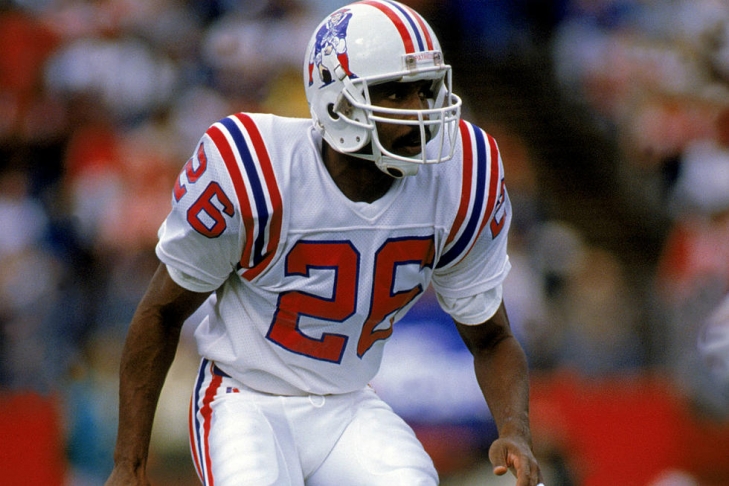
Raymond Clayborn was drafted to be a star Cornerback, which he became, but not before he had a stellar rookie season as a Kick Returner, where he had three Return Touchdowns.
21. Drew Bledsoe
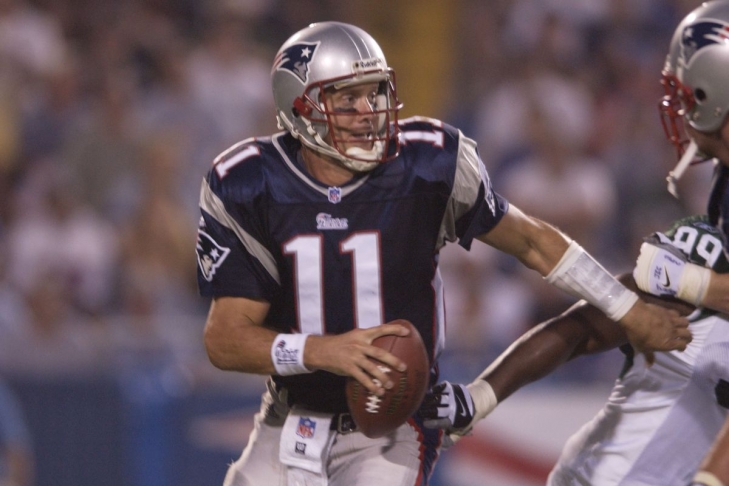
Drew Bledsoe arrived in New England as the first overall pick in the 1993 draft out of Washington State and took over as the starter almost immediately. The arm was big enough that the Patriots could throw the ball down the field on a regular basis, something the franchise had not had in years. He followed the solid rookie season with a breakout year in 1994, leading the NFL in both completions and passing yards while earning the first of his three Pro Bowl selections. The volume stayed high the next season even as the team struggled, and Bledsoe kept starting every game.
The clearest peak came in 1996. Bledsoe threw for over 4,000 yards and 27 touchdowns, earned another Pro Bowl nod, and guided the Patriots through the playoffs into Super Bowl XXXI against the Packers. He completed a high percentage of his throws in the championship game and kept the offense moving, but the team fell short. He stayed productive the following year, posting 28 touchdowns and another Pro Bowl appearance while the Patriots returned to the postseason. From 1998 through 2000, the yardage totals remained strong—three straight seasons over 3,200 yards—though the team’s results fluctuated and the offensive line did not always give him clean pockets.
Everything changed early in the 2001 season. In the second game against the Jets, Bledsoe took a hard hit from Mo Lewis that caused internal bleeding and kept him out for weeks. Tom Brady stepped in and played well enough that the staff kept him in the lineup even after Bledsoe was cleared to return. Bledsoe returned in relief during the AFC Championship game against Pittsburgh, but Brady started Super Bowl XXXVI, and the Patriots won. After the season, New England traded Bledsoe to the Buffalo Bills. His time with the Patriots ended there. With the team, he finished with 29,657 passing yards and 166 touchdowns across nine seasons. He did so while serving as the clear starter and led the franchise to its first Super Bowl appearance of the modern era.
Bledsoe entered the Patriots Hall of Fame in 2011. The first overall pick who started nearly every game from his rookie year through the late 1990s left as the quarterback who stabilized the position before the next era began.
16. Bruce Armstrong

Bruce Armstrong arrived as a first-round pick out of Louisville in 1987 and immediately stepped into the starting lineup at right tackle. The Patriots did not ease him in. He started every game he played as a rookie, earned All-Rookie recognition, and never left the lineup again. By 1990, he had moved to left tackle, where he stayed for the rest of his career.
The best years arrived in the mid-1990s. Armstrong earned Pro Bowl selections in 1990 and 1991, then returned after a severe knee injury in 1992 that cost him the second half of that season. He returned and strung together six more consecutive Pro Bowl nods from 1994 through 1997, earning second-team All-Pro recognition in multiple seasons. At 6-foot-4 and 295 pounds, he wasn’t the largest tackle in the league, yet he consistently handled elite pass rushers one-on-one and kept the pocket intact for Drew Bledsoe. The durability showed up in the streak: once he returned from the 1992 injury, he started the next 128 consecutive games.
Armstrong stayed effective through the late 1990s even as the supporting cast around him shifted. He played through another knee issue in 1999 and still finished the season as a starter. After the 2000 campaign, he retired. His fourteen seasons in New England ended there. With New England, he appeared in 212 games and started all 212, a franchise record that stood until Tom Brady later surpassed it. Those numbers arrived while he earned six Pro Bowl selections and multiple second-team All-Pro nods.
Armstrong entered the Patriots Hall of Fame in 2001, the same year the team retired his number 78. The left tackle, a first-rounder who never left the lineup, finished as one of the most durable and reliable offensive linemen the franchise has ever had.
15. Wes Welker
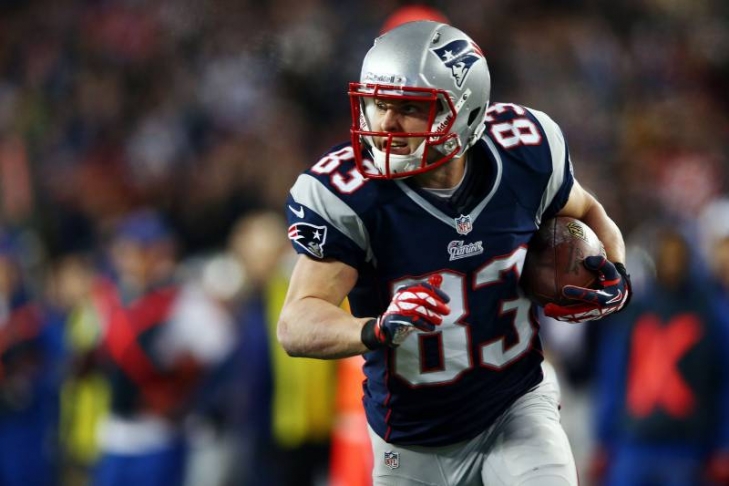
Wes Welker arrived in New England via trade in 2007 after spending his first three seasons as an undrafted return specialist and part-time receiver in Miami. The Patriots saw a slot weapon who could create mismatches in the middle of the field, and Welker immediately paid off. In his first season with the team, he led the NFL with 112 receptions for 1,175 yards and eight touchdowns, establishing himself as Tom Brady’s most reliable target on quick throws. Few expected an undrafted returner to become a volume leader so quickly.
The production stayed elite. Welker followed with 111 catches for 1,165 yards in 2008, then led the league again with 123 receptions for 1,348 yards in 2009. That 2009 campaign earned him first-team All-Pro recognition and a Pro Bowl nod. He added another Pro Bowl in 2010 after catching 86 passes for 848 yards and seven scores. Defenses that tried to take him away underneath usually watched Brady simply find him in the next window; the quickness and the chemistry made single coverage almost impossible to sustain. The toughness showed up in traffic, where he routinely absorbed contact and still finished catches.
The peak arrived in 2011. Welker led the NFL once more with 122 receptions for 1,569 yards and nine touchdowns, earning first-team All-Pro and another Pro Bowl. He followed that with 118 catches for 1,354 yards and six scores in 2012 while making a fifth straight Pro Bowl. Across those seasons, he operated as the clear volume option in the slot, turning short routes into consistent gains and forcing defenses to account for him on nearly every dropback. The numbers kept climbing even as opponents adjusted, and the reliability never dipped.
After the 2012 season, Welker left the Patriots and signed with the Denver Broncos as a free agent. His six years in New England ended there. With the Patriots, he finished with 672 receptions for 7,459 yards and 37 touchdowns across 93 games. He did so while leading the NFL in receptions three times, earning five Pro Bowls and twice making first-team All-Pro. The undrafted returner who arrived in a trade became one of the most productive receivers in franchise history during his time in Foxborough. A career that began with almost no expectations finished as one of the more productive stretches any Patriots skill player has ever produced.
23. Matthew Slater
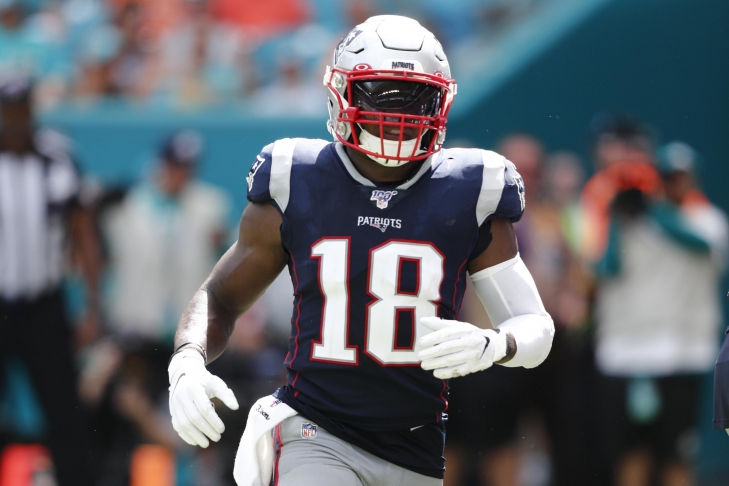
Special Teams never gets the respect it deserves. For that matter, it never will!
20. Bob Dee
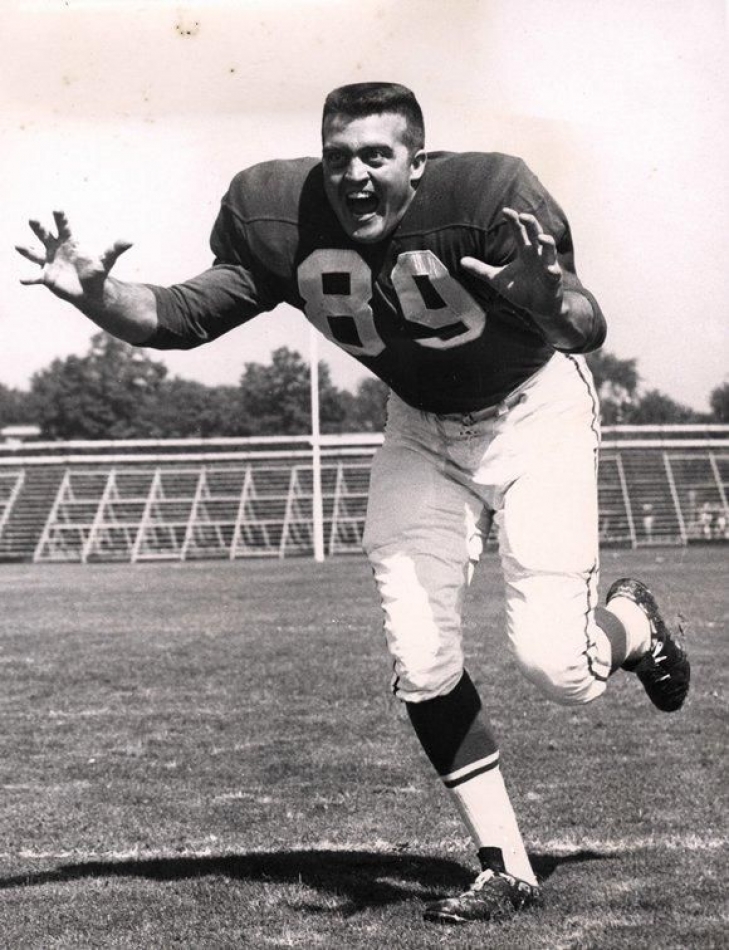
Bob Dee spent two seasons with the Washington Redskins before jumping to the Boston Patriots for the American Football League’s first year in 1960. He immediately took over at left defensive end and became the steady presence on that side of the line for the rest of his career. Dee started every game the Patriots played from that point forward, a streak that reached 112 consecutive starts by the time he was done.
The production arrived early and held up through the middle of the decade. Dee led the AFL in fumble recoveries with five in 1961 and earned the first of his four All-Star selections that season. He added three more All-Star nods from 1963 to 1965 while posting solid Approximate Value marks in each of those years. He was reliable against both the run and the pass, and he stayed healthy enough that the Patriots never had to replace him. One of the more memorable moments came in the league’s first preseason game, when he recovered a fumble in the end zone for the first points in AFL history.
Dee played through the 1967 season and then retired to pursue a business opportunity. His time with the Patriots ended there. Across eight seasons in Boston, he finished with 112 games played and 17.5 unofficial sacks, along with four All-Star selections. Those numbers came while he was one of the most durable and consistent defensive ends the early franchise ever had.
The Patriots retired his number 89, and Dee was elected to the Patriots Hall of Fame in 1993. The left end who arrived for the AFL’s opening season and never missed a start left as one of the foundation pieces of the original Patriots defense.
19. Larry Eisenhauer
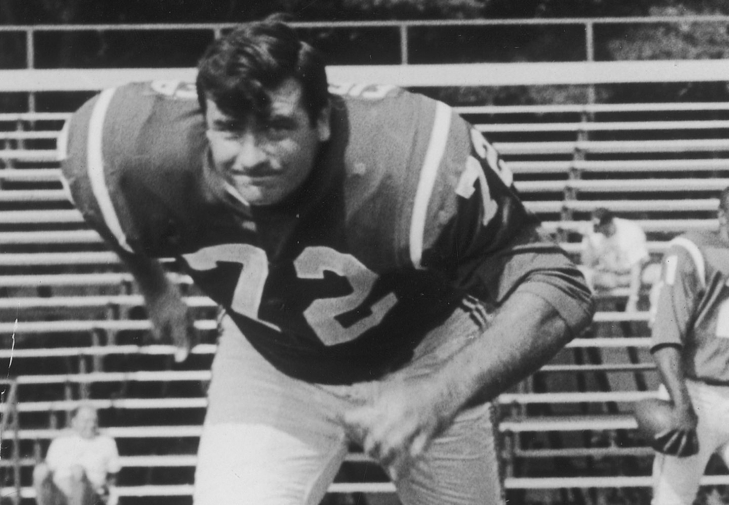
Larry Eisenhauer left Boston College and joined the Boston Patriots in 1961 as one of the local players who stayed with the early AFL franchise. He lined up at defensive end and immediately became one of the more disruptive players on the line. Teammates started calling him the Wildman for the way he prepared for games—banging his head on lockers, smashing walls, and generally working himself into a state that made opposing blockers uncomfortable.
The personality carried over to the field. Eisenhauer was a four-time AFL All-Star and earned first-team All-Pro recognition in three straight seasons from 1962 to 1964. He led the league in unofficial sacks twice during that stretch and repeatedly forced quarterbacks to move the ball quicker than they wanted. The stories traveled with him. In one game in Kansas City, he ran onto a snow-covered field wearing nothing but a helmet and a jockstrap. Those moments made him a favorite in the locker room, but his production kept him on the field.
A knee injury in 1967 slowed him and limited his later seasons. Eisenhauer played through the 1969 season and then retired. His entire career with the Patriots ended there. Across nine seasons, he finished with 115 games played and 43.5 unofficial sacks, along with four All-Star selections. He posted those numbers while serving as one of the steadiest and most energetic pass rushers the early Patriots ever had.
Eisenhauer remained a popular figure after his playing days and was later named to the Patriots’ All-1960s Team. The local defensive end, who arrived from Boston College and never left the franchise, remains one of the more colorful and effective players from the AFL years.
12. Gino Cappelletti
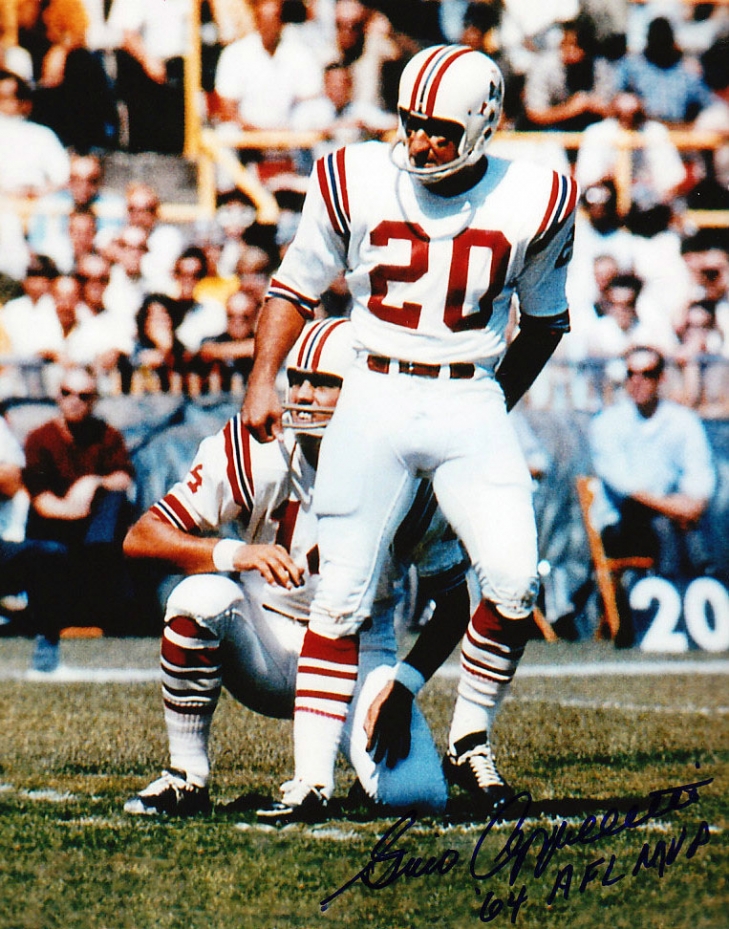
Gino Cappelletti’s path to the Patriots looked more like a series of dead ends than a professional career. After leaving Minnesota in 1955, he bounced through semi-pro ball, a stint in the military, a failed tryout in Canada, and more semi-pro work. By the time the AFL launched in 1960, he was already in his mid-twenties and essentially starting over. The Boston Patriots took a chance on him as an original member, and somehow the guy who had been out of real football for years became the most versatile weapon the franchise has ever had.
He lined up everywhere. One week he caught passes as a wide receiver; the next he kicked field goals, and on occasion he even dropped back into the defensive secondary. The production showed up immediately. In 1961, he caught 45 passes for 768 yards and eight touchdowns while also leading the AFL in scoring with 147 points. That combination of receiving and kicking set the tone for the rest of the decade. Defenses never quite knew what to prepare for, because Cappelletti could hurt them in multiple ways on the same drive.
The peak arrived in 1964. Cappelletti led the AFL in scoring again with 155 points, caught 49 passes for 865 yards and seven scores, and earned Player of the Year honors from both the AP and UPI. He led the league in field goals multiple times and posted several seasons with more than 600 receiving yards. Five AFL All-Star selections followed. The Swiss Army knife description was not marketing; it was simply accurate. When the Patriots needed points, Cappelletti usually put them on the board, whether through the air or off the tee.
He stayed with the team through the 1970 season, retiring in 1971 after eleven years. With the Patriots, he finished with 4,589 receiving yards, 42 touchdowns, 176 field goals, and 1,130 total points. He did so while also recording four interceptions and serving as a reliable two-way contributor in an era when roster spots were limited. The AFL’s all-time leading scorer at the time of his retirement had somehow resurrected a career that looked finished half a decade earlier.
The Patriots retired his number 20. In 1992, fans elected him to the franchise Hall of Fame. The player who arrived after years of semi-pro and military service left as the ultimate utility weapon in team history, a reminder that the right opportunity at the right time can turn a wandering career into something lasting.
1. Tom Brady
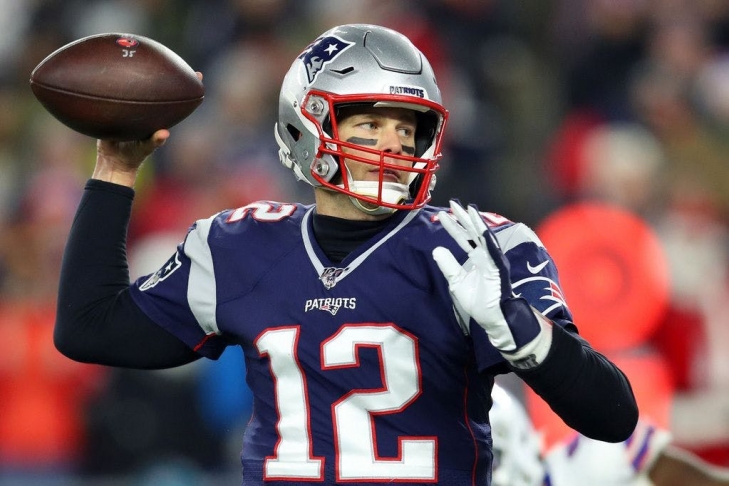
Who else could it possibly be?
Tom Brady arrived in New England as a sixth-round pick out of Michigan in 2000 with no fanfare and spent his rookie season as a backup. The following year, an injury to Drew Bledsoe forced him into the starting lineup early in the season. He led the Patriots to an 11-3 finish in his starts, earned a Pro Bowl selection, and guided the team to its first Super Bowl title. In Super Bowl XXXVI, he engineered a late drive that set up the game-winning field goal against the Rams and earned Super Bowl MVP honors. A legend was born.
The early success continued. In 2003, Brady helped the Patriots to a 14-2 record and another Super Bowl appearance. He threw for 354 yards and three touchdowns in the win over the Panthers in Super Bowl XXXVIII and earned his second Super Bowl MVP. The next season produced a third championship in four years. Brady completed 23 of 33 passes for 236 yards and two scores in the 24-21 victory over the Eagles in Super Bowl XXXIX. Those three titles in four seasons established the foundation of the dynasty.
In 2007, Brady threw for 4,806 yards and a then-record 50 touchdowns while completing 68.9 percent of his passes. The Patriots went 16-0 in the regular season, and Brady won his first NFL MVP award. The undefeated run ended in Super Bowl XLII against the Giants, but the regular-season numbers remain among the most efficient in league history. He followed with another strong year in 2009 after missing most of the previous season to injury, then won his second MVP in 2010 with 36 touchdowns against only four interceptions.
Brady’s consistency defined the next decade. He led the Patriots to the Super Bowl again in 2011, throwing for 276 yards and two touchdowns in a loss to the Giants. In 2014, he guided another championship run. He completed 37 of 50 passes for 328 yards and four touchdowns in the 28-24 win over the Seahawks in Super Bowl XLIX and earned his third Super Bowl MVP. The following year he threw for 4,770 yards and 36 scores as the Patriots returned to the postseason.
The production stayed high even into his late 30s. In 2011, he threw for 5,235 yards and 39 touchdowns. He followed with 4,827 yards and 34 scores in 2012. Those seasons lined up with continued deep playoff runs and another Super Bowl appearance. Brady also led the league in touchdown passes four times and in passer rating twice during his time in New England. His interception percentage ranked among the league leaders in multiple seasons.
The 2016 season produced one of the most memorable games in Super Bowl history. Brady threw for 466 yards as the Patriots erased a 28-3 deficit against the Falcons and won in overtime. He earned his fourth Super Bowl MVP. In 2017, he led the NFL in passing yards with 4,577 and won his third regular-season MVP at age 40. The Patriots reached Super Bowl LII but lost to the Eagles despite Brady’s 505-yard performance. He closed his Patriots tenure with a sixth championship in Super Bowl LIII, a 13-3 win over the Rams.
Brady’s style centered on quick decision-making, accuracy in the short and intermediate areas, and the ability to extend plays when needed. He rarely forced throws and consistently found open receivers within the offense's structure. That approach produced sustained efficiency across two decades. From 2001 through 2019, he started every season the Patriots played and never finished with a losing record as the starter. He earned 14 Pro Bowl selections and three first-team All-Pro honors while in New England.
After the 2019 season, Brady left the Patriots as a free agent and signed with the Tampa Bay Buccaneers. He led Tampa Bay to a Super Bowl title in his first year there before retiring after the 2022 season. With New England, he finished with 74,571 passing yards and 541 touchdowns across 19 seasons as the starter. Those totals, paired with six Super Bowl wins and three regular-season MVPs, placed him at the top of every relevant franchise record.
The Pro Football Hall of Fame inducted him in 2024. He had already been named to the 2000s and 2010s All-Decade Teams and the NFL 100th Anniversary Team. Both the individual awards and the championships reflected a career that redefined what sustained excellence at the quarterback position could look like. Brady never had a losing season as a starter in New England and led the team to 17 division titles. No other quarterback has matched the combination of regular-season production and postseason success he produced while wearing a Patriots uniform. His Approximate Value of 280 with the team remains the highest total in NFL history. When the league eventually selects a 200th Anniversary Team, Brady’s place on it will not be in doubt. The numbers and the rings leave little room for debate.
Hell, if someone takes this over for us 100 years from now, won’t Tom Brady still be on top?
