

107. George Foster
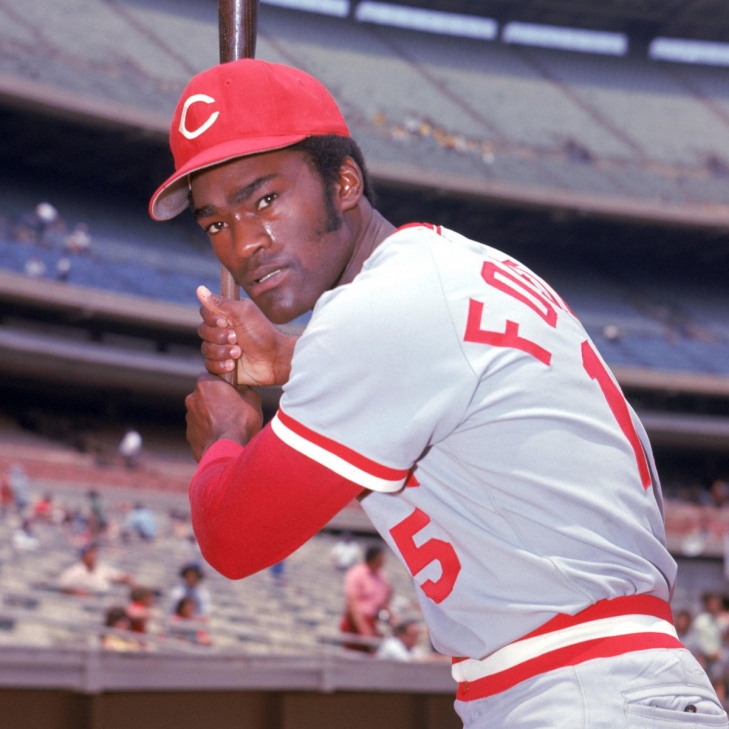
A vital part of the Big Red Machine that had the most success of any other team in the National League, George Foster debuted in 1969 (with San Francisco); George Foster broke through in 1975 with a 23-home-run year. Helping the Reds win the World Series that year, Foster won the RBI Title in 1976 with 29 Home Runs and a .306 Batting Average. This would usher in the first of five All-Star Games, and four in the next five years. Foster again helped them win the World Series, and he was second in MVP voting.
The Reds did not win the World Series again in the 1970s, but Foster would have better years ahead. In 1977, he would smack 52 Home Runs, an incredible tally for the 1970s. Foster also led the National League in Runs Batted In (149), Runs Scored (124), Slugging Percentage (.631), and OPS (1.013). To the surprise of nobody, he won the MVP. Foster won his second Home Run Title (40) and third RBI Title (120) in 1978, and in 1981, he was third in MVP voting with 22 Home Runs and a .519 Slugging Percentage in that strike-shortened year. That was his last season on the Ohio River, as he was traded to the New York Mets, where he played for four years and had a brief stop with the Chicago White Sox before retiring in 1986.
Foster would smack 348 Home Runs, 1,239 Runs Batted In with a .480 Slugging Percentage. He remained on the ballot for four years (1992-95). Had he been better defensively and had a better on-base percentage, he would have been much higher on this list.
Our All-Time Top 50 Cincinnati Reds have been revised

Yes, we know that this is taking a while!
As many of you know, we here at Notinhalloffame.com are slowly generating the 50 of each major North American sports team. That being said, we have existing Top 50 lists out and we always consistently look to update them when we can and based on necessity. As such, we are very happy to present the pre-2021 update of our top 50 Cincinnati Reds of all-time.
As for all of our top 50 players in hockey we look at the following:
1. Advanced Statistics.
2. Traditional statistics and how they finished in the National League.
3. Playoff accomplishments.
4. Their overall impact on the team and other intangibles not reflected in a stat sheet.
There are no new additions but as always, we announce our top five immediately, but out full list can be found here.
1. Pete Rose
2. Johnny Bench
4. Joe Morgan
5. Barry Larkin
The changes made to advanced stats from Baseball Reference resulted in slight changes through the list, but most dramatically at the bottom, as two former Reds replaced two others. Jake Beckley (#49) and Jay Bruce (#50) now enter in place of Tom Browning and Bronson Arroyo.
We welcome your input and commentsand as always, we thank you for your support.
48. Jake Beckley
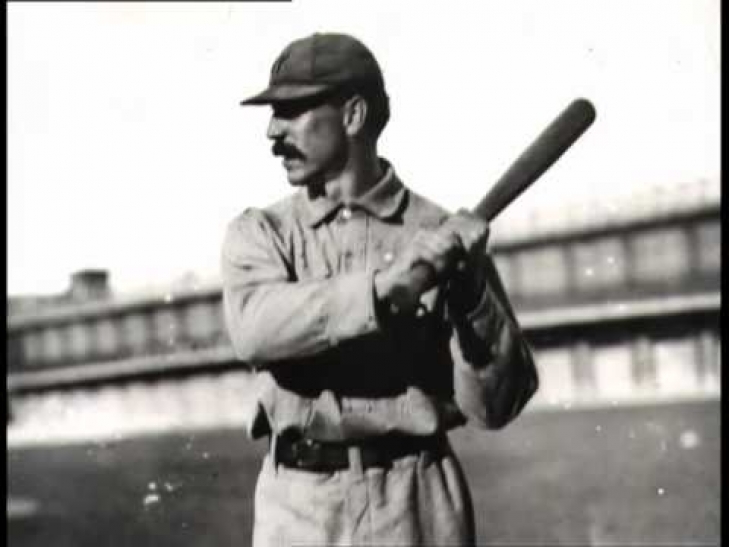
When Jake Beckley arrived in Cincinnati in the middle of the 1897 season, many observers believed the veteran first baseman was a spent force. After a decade of excellence in Pittsburgh, a significant slump and a subsequent release by the New York Giants had left his career in jeopardy. However, the man known as "Eagle Eye" found a second life in Cincy, transforming a potential decline into a masterclass of professional resilience.
Beckley’s tenure with the Reds was defined by a remarkable statistical surge that defied the traditional aging curve of the nineteenth century. He established a level of specialized efficiency that surpassed his younger years, authoring five seasons with a batting average well north of .300. His craftsmanship was punctuated by a spectacular .325 overall average during his stay in Cincinnati, a significant jump over his previous career marks. He was a model of steady-state production, providing the high-leverage hits required to anchor the middle of the order and serving as the tactical engine of the offense through the turn of the century.
The most impressive aspect of his game was his surprising versatility, which complemented his elite contact skills. While Beckley was not known as a pure speedster, he possessed a specialized athleticism that allowed him to record three seasons with at least 20 stolen bases in a Reds uniform. He was a high-frequency producer of extra-base hits, utilizing his "Eagle Eye" to lace 77 triples during his six full seasons with the club. This combination of power and savvy made him a high-leverage threat every time he stepped into the box, proving that his release by the Giants had been a premature judgment.
In 1904, when his contract was sold to St. Louis, he left behind a legacy that includes 1,126 hits in a Reds uniform, nearly matching the total from his entire decade in Pittsburgh in almost half the time. He departed as one of the most respected hitters of his generation, a man who arrived as a castoff and left as a statistical titan.
The Cincinnati Reds will induct Marty Brennaman to their franchise HOF
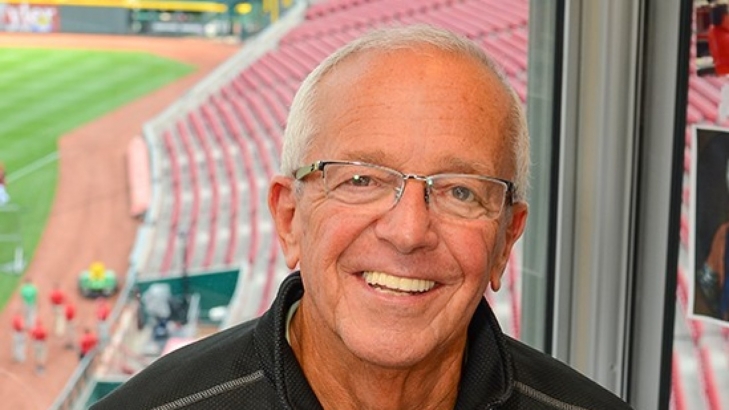
Regular visitors of Notinhalloffame.com know that we are slowly working on the top 50 of every major team in the NHL, NBA, NFL and MLB. Once that is done, we intend to look at how each team honor their past players and executive. As such it is news to us that the Cincinnati Reds have announced that next year, they will be inducting their long-time broadcaster, Marty Brennaman, to their franchise Hall of Fame in 2020.
Brennaman is wrapping up his final season as a broadcaster for the Reds, this being his 46thwith the organization. For his work in Baseball, he was honored by the Baseball Hall of Fame with the Ford C. Frick Award in 2000.
Out of respect to Brennaman, he will be the sole inductee next year.
We here at Notinhalloffame.com would like to congratulate Marty Brennaman for earning this impending honor.
Our Top 50 All-Time Cincinnati Reds are now up

Again, did we ever say this would be fast?
We here at Notinhalloffame.com have completed our next all-time top 50, this time that of the Cincinnati Reds.
As for all of our top 50 players in baseball we look at the following:
- 1. Sabremetric tallies while with that team, mostly WAR.
- 2. Traditional metrics and how they finished in their respective league overall.
- 3. Playoff accomplishment.
- 4. Their overall impact on the team and other intangibles not reflected in a stat sheet.
Remember, this is ONLY based on what a player does on that particular team and not what he accomplished elsewhere and also note that we have placed an increased importance on the first two categories.
Saying all of that, as.
The complete list can be found here, but as always we announce our top five in our news. They are:
- 1. Pete Rose
- 2. Johnny Bench
- 4. Joe Morgan
- 5. Barry Larkin
This is a solid top five with four Hall of Famers and one who should be.
So which team is up next?
We go back to the ice and look at the top 50 Dallas Stars of all time.
Look for that in a couple of months.
As always, we here at Notinhalloffame.com thank you for your support.
49. Reggie Sanders
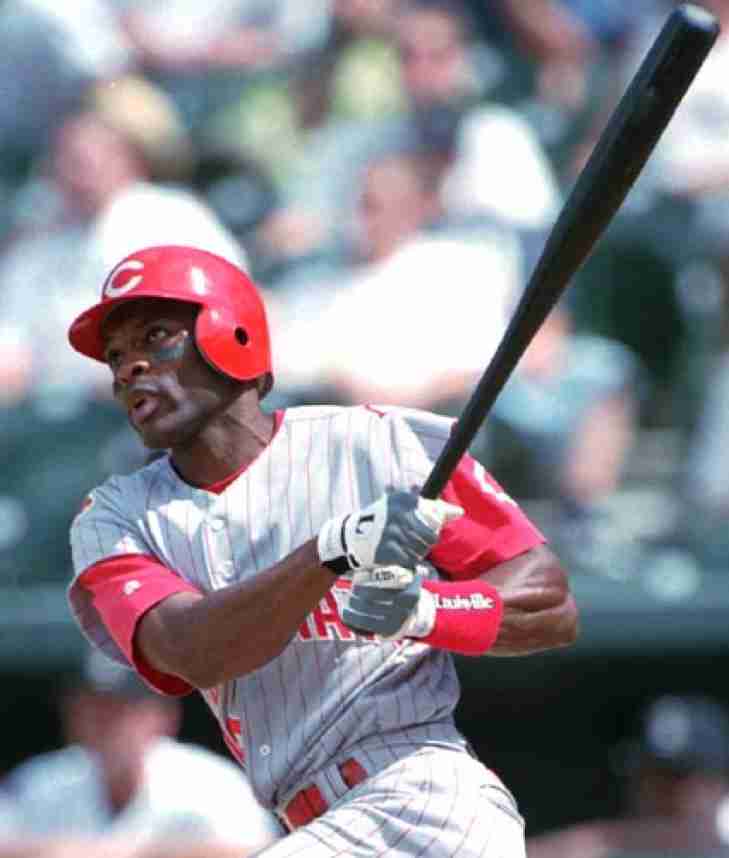
Before he became one of the game’s most traveled and successful outfielders, Reggie Sanders was the homegrown cornerstone of the Cincinnati Reds’ return to relevance in the 1990s. Arriving with a rare combination of pure athleticism and technical discipline, the South Carolina native provided Cincinnati with a specialized "five-tool" threat that kept opposing pitchers and catchers in a state of constant defensive anxiety. While he would eventually go on to play for nearly a third of the league, his initial eight-season stay in Cincinnati remains the definitive chapter of his career.
Sanders’ tenure in Cincinnati was defined by a high-velocity entrance that saw him finish as the Rookie of the Year runner-up in 1992. He established a model of specialized versatility from the jump, blending elite gap power with an aggressive, high-frequency approach on the basepaths. During the 1995 campaign, a summer when he orchestrated a masterclass in modern hitting. As the primary engine of a Reds squad that captured the NL Central title, Sanders earned his first All-Star selection and finished sixth in the MVP voting, posting career highs across the entire slash line (.306/.397/.579) while slugging 28 home runs and swiping 36 bases.
The hallmark of his craftsmanship was a professional resilience that allowed him to anchor the middle of the order during a decade of high-stakes transition for the club. Sanders was a model of the "20-20" archetype, twice reaching that elite plateau in a Reds uniform and serving as a high-leverage threat in every facet of the game. He possessed a specialized ability to manufacture runs through sheer athleticism, utilizing his speed to stretch singles into doubles and his strength to punish any mistake over the heart of the plate. He provided the tactical stability required to keep the Reds competitive, appearing in nearly 800 games and maintaining a slugging percentage well over .500 during his peak years.
After the 1998 season, he was traded to Arizona, but he compiled 125 home runs and 158 stolen bases.
44. Ken Raffensberger
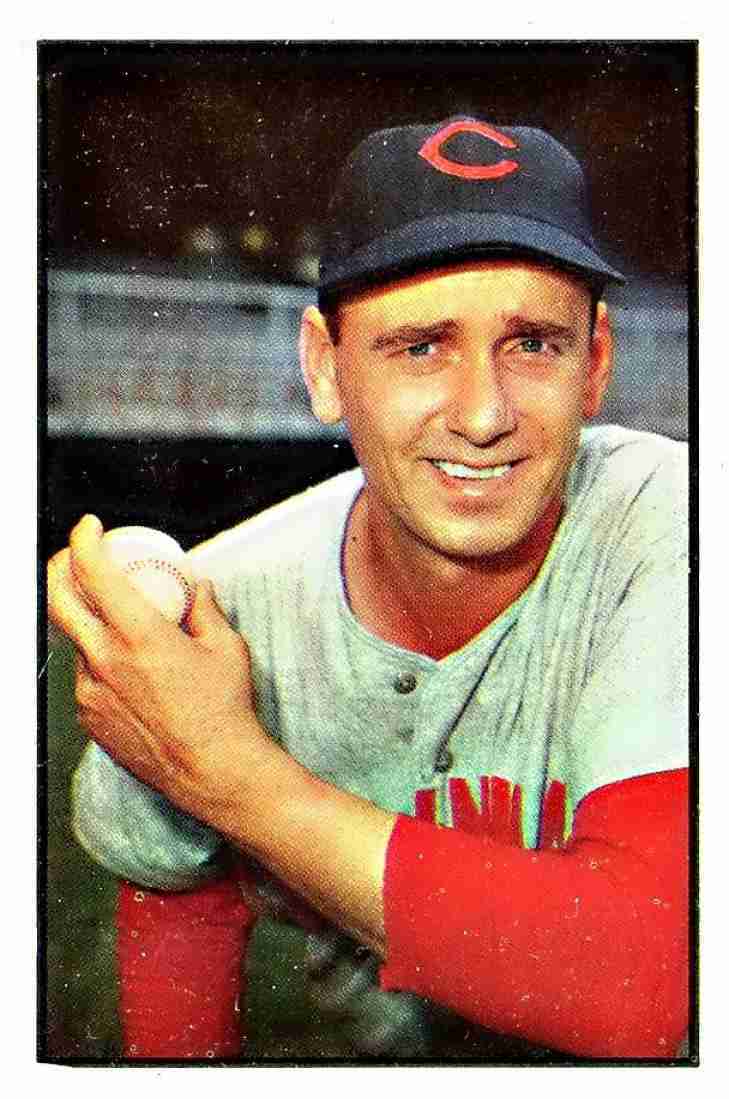
Raffensberger functioned as the reliable foundation of the Cincinnati rotation throughout the late 1940s and early 50s. He was a model of level-headed consistency, utilizing a rare forkball and multiple arm angles to dismantle hitters through deception rather than raw power. Despite the lack of run support that often skewed his win-loss record, his individual efficiency was undeniable; he led the National League in WHIP in 1951 and consistently finished among the league leaders in fewest hits allowed per nine innings. He was a high-frequency workhorse who provided the tactical stability required to anchor a staff during some of the franchise's leaner competitive years.
The most extraordinary aspect of his craftsmanship was a technical command that bordered on the obsessive. Raffensberger was a master of refusing to walk batters, leading the Senior Circuit in fewest walks per nine innings in back-to-back seasons in 1950 and 1951. He would finish in the top five of that category five different times as a Red, serving as a high-leverage anchor who forced opponents to earn every base they took. This specialized precision allowed him to navigate over 1,600 innings for the club, maintaining a respectable 3.64 ERA while facing some of the era’s most explosive lineups.
He left the Majors in 1954 with 89 wins as a Red and a reputation as the most refined southpaw to call Crosley Field home during the decade, having set a standard for accuracy that few left-handers have matched since.
42. Billy Rhines
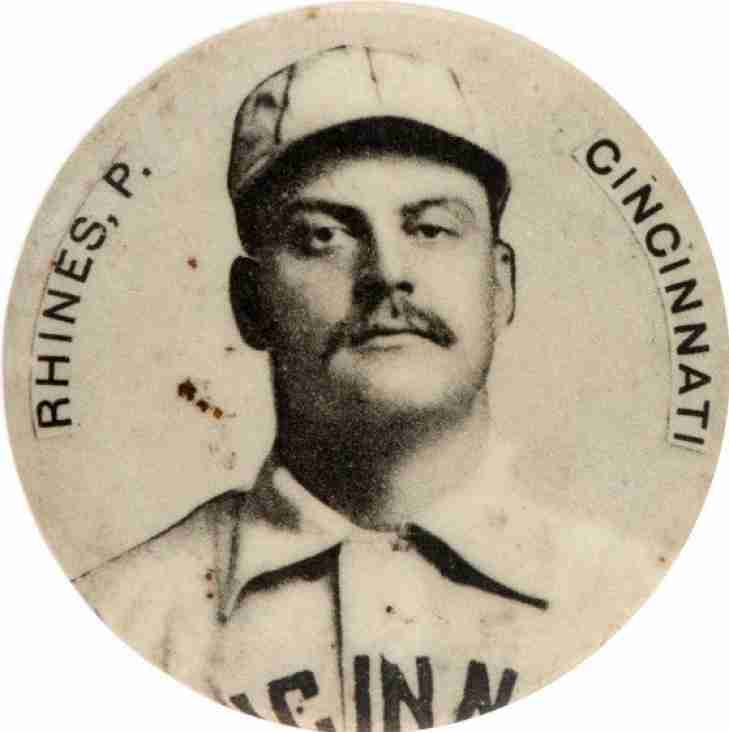
In the rugged landscape of 1890s baseball, few pitchers arrived with the same immediate, submarine-fueled impact as Billy Rhines. Known as "Bunker" to his teammates, he utilized a deceptive underhanded delivery that confounded hitters during two distinct stretches in Southern Ohio.
Rhines burst onto the major league scene in 1890 with a performance that remains a cornerstone of franchise history. As a twenty-one-year-old rookie, he navigated an immense workload, hurling over 400 innings and securing 28 victories for a Reds squad that was just finding its footing in the National League. This initial stay reached its summit immediately, as he captured both the ERA (1.95) and WHIP (1.121) titles for the Senior Circuit. He possessed a specialized "rise ball" that shot toward the plate before jumping above the bats of frustrated hitters, a craftsmanship that earned him a staggering 11.0 bWAR in his debut season alone.
After a brief departure from the club, Rhines returned in 1895 to reclaim his status as the rotation’s most refined tactician. While the league had moved the pitching rubber back to its modern distance of 60 feet, 6 inches, he adapted his underhanded style to remain a premier force. His second stint was highlighted by a masterful 1896 campaign, a summer where he once again led the National League in ERA (2.45) and WHIP (1.231). He was a model of specialized efficiency, serving as a high-leverage anchor for a staff that relied on his professional resilience to neutralize the explosive offenses of the late 19th century.
The story in Cincinnati concluded after the 1897 season, leaving behind a legacy of 96 wins and a reputation as the most dominant right-hander of the club's inaugural decade in the National League. He departed the organization with a career 3.28 ERA, a mark that reflects six seasons of elite run prevention during one of the highest-scoring periods in the history of the sport.
With the Reds, Rhines compiled 96 wins and 153 complete games while capturing two ERA titles and two WHIP crowns.
43. Cy Seymour
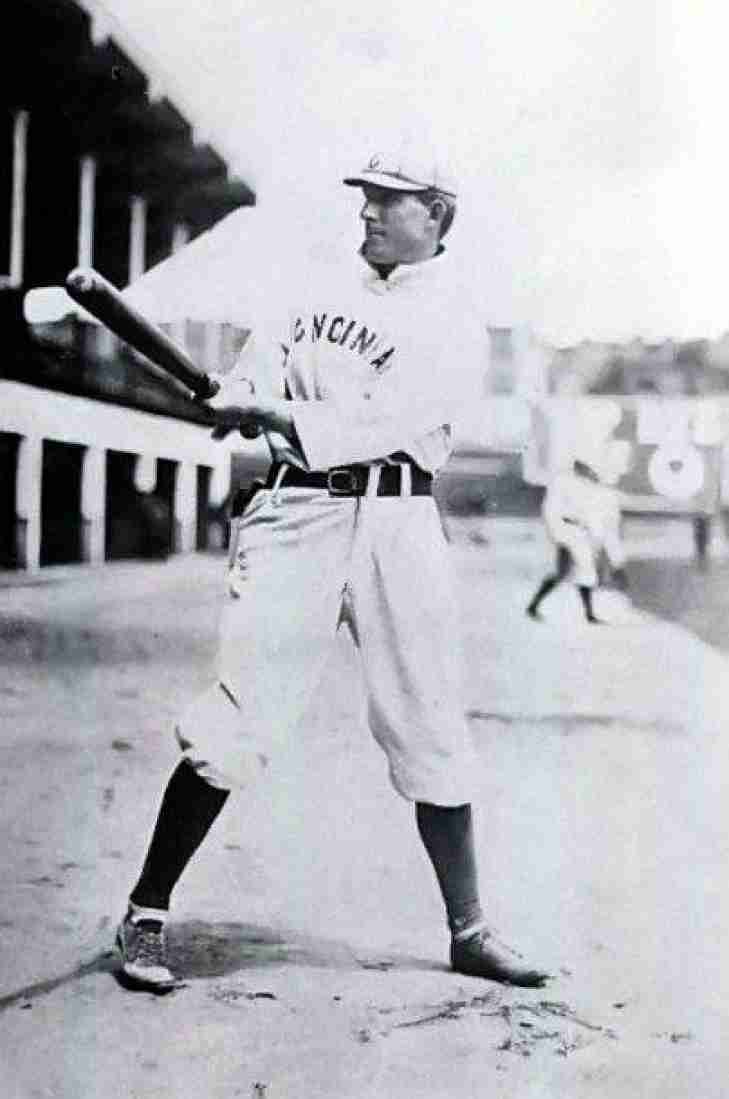
In the annals of early 20th-century baseball, few players bridged the gap between pitching phenom and offensive juggernaut quite like Cy Seymour. While he initially established himself as a flamethrowing strikeout king for the Giants, it was his transformation into a full-time center fielder in Cincinnati that produced some of the most lopsided statistical seasons the Queen City has ever witnessed.
Seymour’s arrival in Cincinnati signaled a radical shift in his career, as he moved away from the mound to focus exclusively on his left-handed swing. This transition bore fruit immediately, but the true pinnacle arrived in 1905, a summer where he effectively conquered every meaningful offensive category. That year, he hit a scorching .377 to claim the batting title while also leading the Senior Circuit in hits (219), doubles (40), triples (21), RBIs (121), and slugging percentage (.522). It was a performance of such specialized dominance that, in any other era, he would have walked away with a unanimous MVP trophy.
The consistency Seymour maintained during his tenure was as impressive as his explosive peak. He was a model of specialized efficiency, serving as a high-leverage engine for a lineup that relied on his ability to drive the ball into the gaps of the Palace of the Fans. Over his 556 games with the club, he maintained a spectacular .332 batting average, proving that his 1905 explosion was no statistical anomaly.
In 1906, when he was traded back to the Giants for a then-record sum, he left behind a statistical footprint that continues to loom large. He departed the organization with 738 hits and a reputation as the most dangerous left-handed hitter of his generation.
The organization provided the final punctuation on his legacy in 1998 by inducting him into the Cincinnati Reds Hall of Fame.
47. Bug Holliday
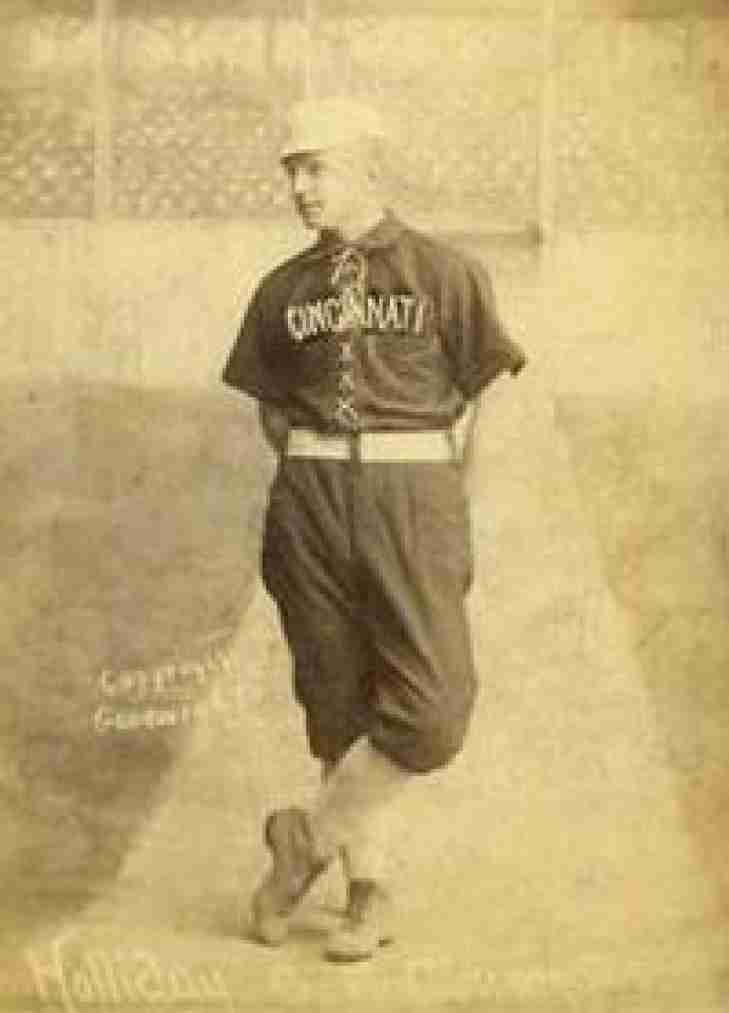
In the early, dust-caked era of Cincinnati baseball, few players combined speed and power as effectively as James "Bug" Holliday. A small-statured center fielder with a specialized ability to drive the ball deep, he emerged as a premier offensive force just as the franchise made its pivotal leap from the American Association to the National League. While a serious medical emergency would eventually diminish his physical tools, Holliday’s first six seasons in the Queen City established him as one of the most dangerous and efficient run-producers in the nineteenth-century canon.
Holliday’s arrival in 1889 was a high-velocity entrance that immediately validated the club’s investment. In his debut campaign, he tied for the American Association home run title with 19 blasts, a massive total for the era, while driving in 104 runs and swiping 46 bases. He was a model of specialized versatility, blending elite contact with a refined eye, allowing him to finish in the top ten in nearly every major offensive category. His craftsmanship remained intact during the team’s transition to the National League in 1890, where he famously recorded the first home run in the franchise's NL history on Opening Day.
The most consistent stretch of his career occurred during the early 1890s, when he established himself as a model of steady-state dominance. Holliday was a tactical engine in the outfield, twice capturing the home run crown, once in each league, and authoring four seasons with a batting average above .300. His production reached a statistical peak in 1894, a summer where he hit a career-high .372 and led the staff with 126 runs scored and 123 RBIs. He possessed a specialized athleticism that allowed him to thrive in multiple roles, serving as a high-frequency source of extra-base hits and a high-leverage presence in the heart of the order.
His tenure took a sharp turn in 1895 due to a devastating appendectomy that nearly claimed his life. The surgery sapped his professional resilience, leaving him without the strength that had made him a home run king. While he remained with the Reds for four more seasons, his role shifted to that of a steady hand off the bench, providing veteran poise in a reserve capacity.
With the Reds, Holliday compiled 1,141 hits, 65 home runs, and 252 stolen bases across 10 seasons.
45. Ival Goodman
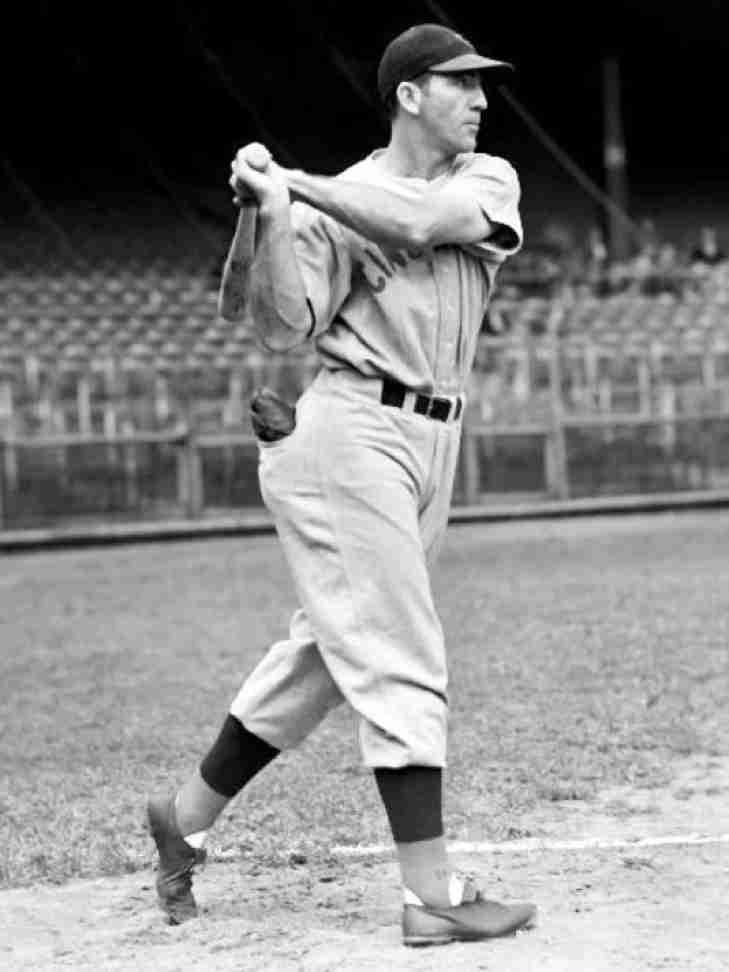
Goodman’s impact was felt the moment he stepped into the starting lineup in 1935, sparking the offense with a league-high 18 triples as a rookie. This high-velocity arrival was no fluke, as he repeated the feat the following summer, establishing himself as one of the premier gap-hitters in the National League. By 1938, he had broadened his game into a more specialized power profile, launching 30 home runs and earning his first of two consecutive All-Star selections. He was a model of offensive versatility, providing the tactical stability needed to anchor the middle of a lineup quietly building toward a pennant.
The most efficient stretch of his tenure occurred during the 1939 campaign, where he reached his personal watermark for contact and plate discipline. That year, Goodman hit a career-high .323 with a .401 on-base percentage, serving as a high-leverage producer for a squad that captured the National League pennant. While his statistical output declined slightly during the historic 1940 season, his professional resilience remained a foundational element of the club's success. He was a primary engine of the team that finally secured the World Series trophy.
Departing for Chicago in 1943, Goodman compiled 995 hits and 588 RBIs while helping lead the club to two pennants and a World Series title. The organization provided the ultimate punctuation to his career by inducting him into the Cincinnati Reds Hall of Fame in 1959 as part of their second and only induction class.
39. Bob Purkey
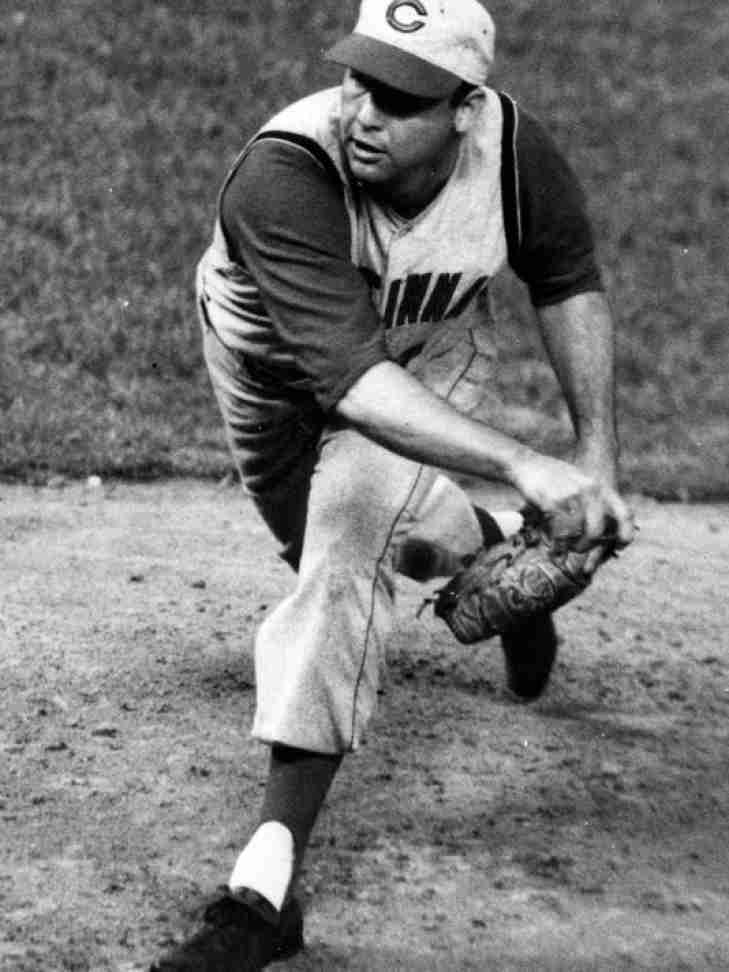
Traded from Pittsburgh in the winter of 1957, Bob Purkey matured instantly into the staff's most dependable engine, utilizing a specialized approach where he blended a traditional sinker and slider with a "hard" knuckleball. This craftsmanship reached a spectacular summit in 1962, a summer when he authored one of the most dominant individual seasons in franchise history. He finished with a staggering 23-5 record, leading the National League in win percentage and placing third in the Cy Young race.
The most extraordinary aspect of his tenure was the technical precision he maintained while throwing a pitch known for its volatility. Purkey was a master of the strike zone, twice leading the league in fewest walks per nine innings during his stay. He wasn't just a gimmick pitcher; he was a model of specialized efficiency who led all National League hurlers in bWAR and Win Probability Added (WPA) during that magical 1962 campaign. He served as the high-leverage anchor of the 1961 "Ragamuffin" Reds, providing the veteran poise and the innings required to secure the club's first pennant in over two decades.
His presence was defined by professional resilience and physical durability, which saw him record four 15-win seasons in a Reds uniform. Purkey remained the heartbeat of the rotation through the peak of the early 60s, earning three All-Star selections and proving that a knuckleballer could be a high-frequency winner in a park built for hitters. Whether he was baffling hitters with the dancing movement of his signature pitch or grinding through one of his nine shutouts for the club, he competed with a focused intensity that made him a local favorite. He showed that a player could become a franchise pillar by mastering the rare, high-stakes art of controlled unpredictability.
Purkey was traded to the Cardinals, but he left the organization as a statistical titan of the era. He departed Cincinnati with 103 and 706 strikeouts while maintaining a historic 3.49 ERA across 213 starts.
46. Tom Seaver
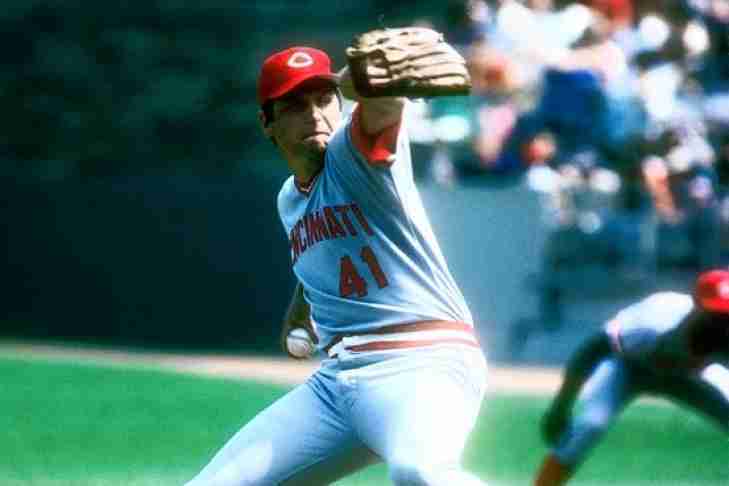
While the mention of Tom Seaver almost instinctively conjures images of Shea Stadium, the second act of his legendary career was spent providing a masterclass in pitching for the Cincinnati Reds. Arriving in the wake of the infamous "Midnight Massacre" trade of 1977, the man known as "Tom Terrific" brought a level of veteran poise and technical sophistication that instantly solidified the post-dynasty rotation.
Seaver’s transition to the National League West was seamless, as he immediately validated the high price Cincinnati paid for his services. In the split season of 1977, he pitched with such surgical precision that he secured a third-place finish in the Cy Young race despite the mid-summer relocation. He possessed a specialized ability to evolve as a pitcher, moving away from the raw power of his youth toward a more tactical, cerebral approach that neutralized hitters with movement and location. This craftsmanship earned him two All-Star selections in his first two years with the club, serving as a high-leverage anchor for a staff that was still transitioning away from the Big Red Machine era.
The most impressive aspect of his stay was his late-career dominance during the strike-shortened 1981 campaign. Seaver reached a statistical high-water mark that summer, leading the National League with 14 wins and a microscopic 2.04 ERA. He was a model of specialized efficiency, leading the league in WHIP and proving that even as he approached his late thirties, he remained a frontline force capable of out-dueling the game’s rising stars. He provided the Reds with a professional resilience that was infectious, appearing in his final All-Star game and demonstrating that elite preparation could defy the traditional aging curve of a power pitcher.
The story in Cincinnati drew to a close after the 1982 season when he was fittingly traded back to New York. With the Reds, Seaver compiled a 75-46 record and 731 strikeouts while leading the league in wins during the 1981 season. The organization recognized the sheer quality of his contribution by inducting him into the Cincinnati Reds Hall of Fame in 2006.
40. Pete Donohue
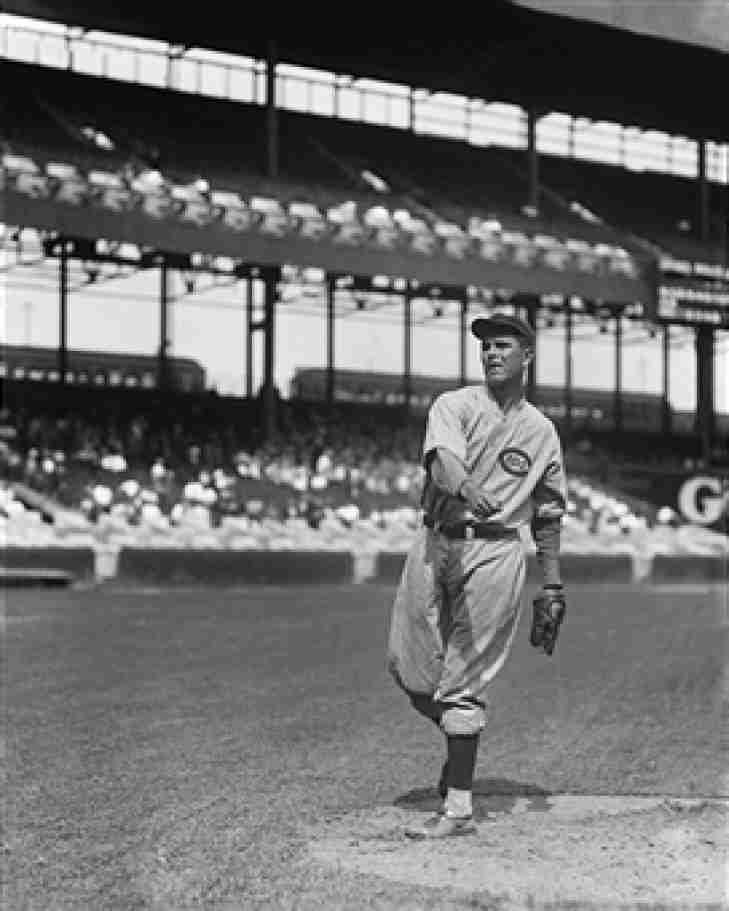
Pete Donohue’s path to the majors was swift, and by 1921, he had matured into the rotation's most dependable asset. He possessed a specialized ability to induce contact on his own terms, peaking between 1923 and 1926. During this four-year stretch, he was a high-frequency winner, eclipsing the 20-victory mark on three separate occasions. This was not merely the product of a potent lineup behind him; he was a model of specialized efficiency, twice finishing third in the league in ERA and consistently ranking among the elite in FIP, proving that he was the tactical master of his own destiny on the mound.
The most impressive aspect of his longevity was a technical command that bordered on the obsessive. Donohue was a master of the "free pass"—or rather, the refusal to grant them—leading the National League in fewest walks per nine innings during his title-winning 1926 campaign. He would finish in the top ten of that category seven different times as a Red, serving as the high-leverage anchor of a staff that prioritized economy and strikes. He wasn't just a volume producer; he was a high-stakes technician who managed the decade’s physical toll by ensuring that every pitch served a specific, strategic purpose.
His presence was defined by professional resilience and durability, which saw him log over 2,100 innings for the franchise. Donohoe was with the Reds until 1930, but he left the organization as a statistical titan of his generation. He departed with 127 wins and 147 complete games while twice leading the league in fewest walks per nine innings.
The organization provided the ultimate punctuation on his legacy in 1964, decades after his final pitch, by inducting him into the Cincinnati Reds Hall of Fame.
41. Bob Ewing
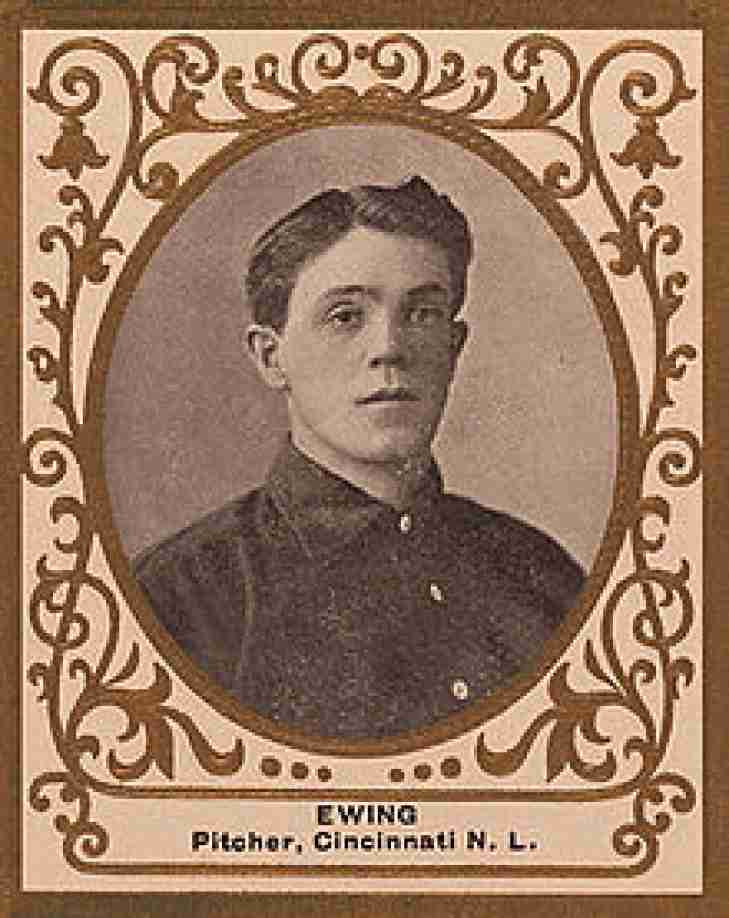
In an era when the "spitball" was a legal and lethal weapon, "Long" Bob Ewing emerged as its most sophisticated practitioner for the Cincinnati Reds. Standing tall on the mound during the first decade of the 1900s, he utilized his height and a deceptive delivery to keep the National League in a state of perpetual frustration.
Ewing’s tenure in Cincinnati was defined by a remarkable three-year stretch of dominance beginning in 1905, a summer where he secured 20 victories and established himself as a premier tactical force. During this window, he was a model of specialized excellence, consistently ranking among the top five National League pitchers in bWAR. He possessed a rare ability to neutralize hitters through movement rather than just velocity, utilizing the dampened baseball to create unpredictable breaks that led to a sustained run of top-ten finishes in FIP.
The true magnitude of his skill was found in his surgical command of the strike zone. Ewing was a master of the "free pass" refusal, appearing in the top ten for strikeout-to-walk ratio six times during his nine seasons in a Reds uniform. This craftsmanship was not merely about volume; it was a high-frequency display of precision that kept his career FIP among the elite in the sport's history. He served as the primary engine of the Cincinnati rotation, providing the high-leverage durability required to navigate over 1,900 innings for the franchise, despite the era’s physical demands.
The story in Cincinnati drew to a close in 1909 when he was traded to the Phillies, but he left behind a legacy as the most refined right-hander of the club’s first great decade. He departed with 108 wins and a reputation for being the ultimate "pitcher's pitcher" of the early 20th century.
With the Reds, Ewing compiled 108 wins and 159 complete games while maintaining a historic top-tier ranking in career FIP. The organization provided the ultimate punctuation on his career nearly a century after his final pitch by inducting him into the Cincinnati Reds Hall of Fame in 2001.
37. Ken Griffey Sr.
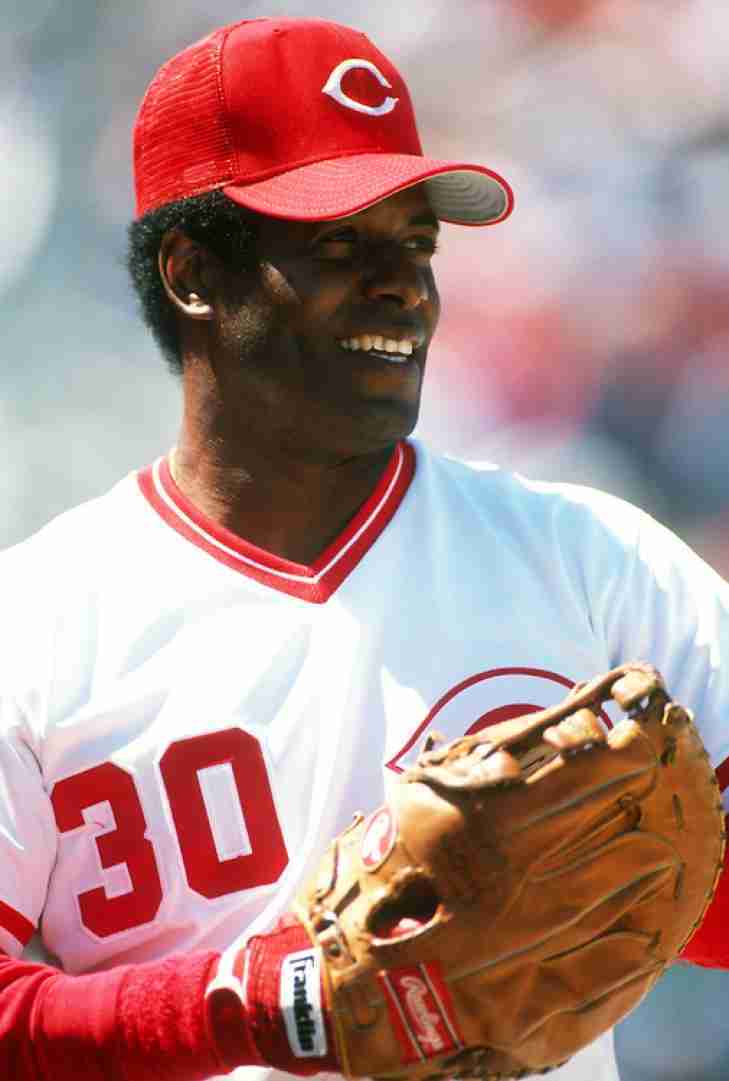
Ken Griffey’s path to the majors was a testament to the Reds' scouting department, which plucked him from Pennsylvania specifically to exploit the artificial surface of their new stadium. He surfaced as a regular in 1975 and matured instantly into the perfect complement to the legendary middle-of-the-order. He possessed a specialized ability to handle high-velocity pitching, reaching an incredible peak during the historic 1976 campaign. That summer, he engaged in a breathtaking race for the National League batting title, ultimately finishing with a career-best .336 average and 189 hits. His value was officially recognized with an eighth-place finish in the MVP voting, proving he was a superstar in his own right amidst a roster of Hall of Famers.
The most impressive aspect of his tenure was the relentless consistency with which he reached base and pressured opposing defenses. Griffey was a master of the "small ball" era, during which he recorded five different .300 seasons in a Reds uniform. He wasn't just a slap hitter; he was a high-frequency run producer who finished in the top ten in runs scored six times, using his 34-stolen-base speed to turn walks and singles into scoring opportunities. This craftsmanship earned him three All-Star selections during his stay, as he served as the tactical engine that enabled Bench, Morgan, and Pérez to post record-breaking totals.
Griffey remained the primary right fielder through the pinnacle of the franchise's success, providing the veteran poise and high-leverage baserunning that aided the 1975 and 1976 World Series champions.
In 1981, he was traded to the New York Yankees, though he would later return for a sentimental second stint in the late 80s. With the Reds, Griffey amassed 1,275 hits and 156 stolen bases while maintaining a historic .303 batting average. The organization provided the ultimate punctuation on his legacy decades after the "Machine" stopped rolling, as in 2004, Ken Griffey Sr. was officially inducted into the Cincinnati Reds Hall of Fame.
34. Gary Nolan
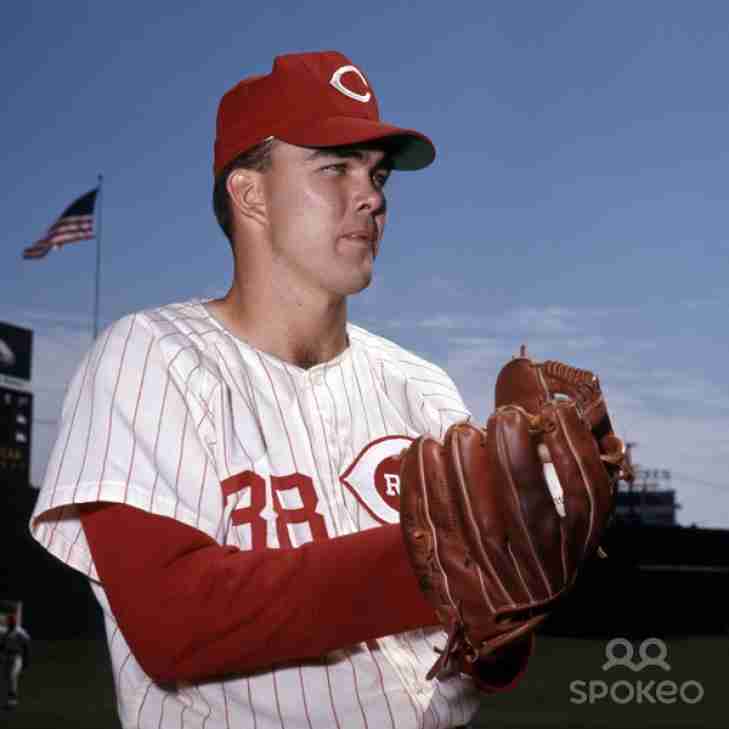
Nolan burst onto the scene in 1967 as an eighteen-year-old phenom with a power game that overwhelmed hitters, but it was his second act that secured his place in franchise lore. After battling physical setbacks that threatened to derail his career, he matured into a sophisticated technician who prioritized location over velocity. In the early 70s; he authored four different 15-win campaigns and became a perennial fixture in the Cy Young conversation, finishing as high as fifth in the 1972 voting. He was a model of specialized command, proving that a hurler could anchor a championship staff by refusing to beat himself with walks.
The most impressive aspect of his tenure was the technical mastery he displayed during the Reds' consecutive title runs in 1975 and 1976. Nolan was a master of the "long out," a pitcher whose economy of motion allowed him to lead the National League in fewest walks per nine innings in both of those championship summers. He served as the tactical bridge between the staff's frontline starters and the bullpen, providing the veteran poise and high-leverage strikes required to navigate the grueling postseason. He wasn't just a volume producer; he was a high-frequency winner who concluded his Cincinnati stay with a remarkable 110-67 record, a testament to his ability to consistently put his club in a position to succeed.
His presence was defined by a professional resilience that earned him the deep respect of Sparky Anderson and the legendary hitters playing behind him. Nolan remained the rotation's most steady hand through the pinnacle of the era, navigating the pressure of the "Big Red Machine" years with a calm, businesslike demeanor. Whether he was carving through a lineup with his trademark sinker or maintaining his composure in a crowded World Series dugout, he competed with a focused intensity that solidified his status as a local immortal. He proved that a player could become a franchise pillar by reinventing himself to meet the needs of a winning culture.
With the Reds, Nolan compiled 110 victories and a 3.02 ERA while leading the league in strikeout-to-walk ratio during their back-to-back title runs. In 1983, the organization provided the ultimate punctuation to his career by making him the lone inductee into the Cincinnati Reds Hall of Fame.
38. Johnny Cueto
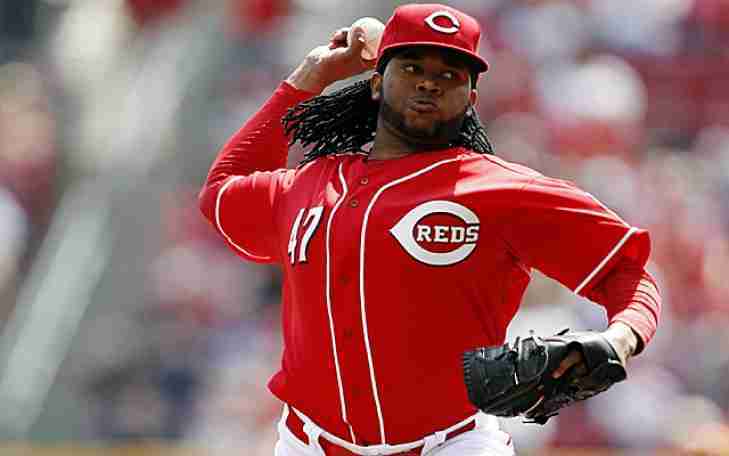
Johnny Cueto was the first major fruit of the Reds’ revitalized Latin American scouting program, signed out of the Dominican Republic in 2004. He debuted in 2008 and matured instantly, authoring a historic debut against Arizona in which he retired the first 15 batters he faced and fanned 10. He possessed a specialized, athletic repertoire that allowed him to navigate the hitters' haven of Great American Ball Park with professional poise. He reached a profound level of dominance in 2012, recording 19 wins and a 2.78 ERA to finish fourth in the Cy Young voting while leading the club to a division title.
The true magnitude of his peak was in 2014. Cueto was a master of the "total" pitching performance, leading the National League in innings pitched (243.2), strikeouts (242), and hits allowed per nine innings (6.2). He authored a spectacular 20-win season—the first by a Red in over a quarter-century, and finished as the runner-up for the Cy Young Award. He was a model of specialized durability, proving that his game was built on a rare combination of raw stuff and high-leverage mental toughness, even when standing in the shadow of Clayton Kershaw's historic MVP summer.
His presence was defined by a unique, charismatic flair and a physical pitching style that featured multiple leg kicks and varied delivery times to disrupt a batter’s rhythm. Cueto remained the tactical anchor of the Reds' rotation through three postseason appearances, utilizing a workmanlike approach to secure 92 wins for the franchise. Whether he was carving through a lineup with a 95-mph heater or dropping a deceptive changeup on a 3-2 count, he competed with a focused intensity that made him a local favorite. He proved that a player could become a franchise pillar by mastering the psychological game of pitching as much as the physical one.
In 2015, Cueto was traded to Kansas City to help secure a world title. With the Reds, Cueto compiled a 92-63 record with 1,115 strikeouts and a historic 3.23 ERA across 213 starts.
35. John Reilly
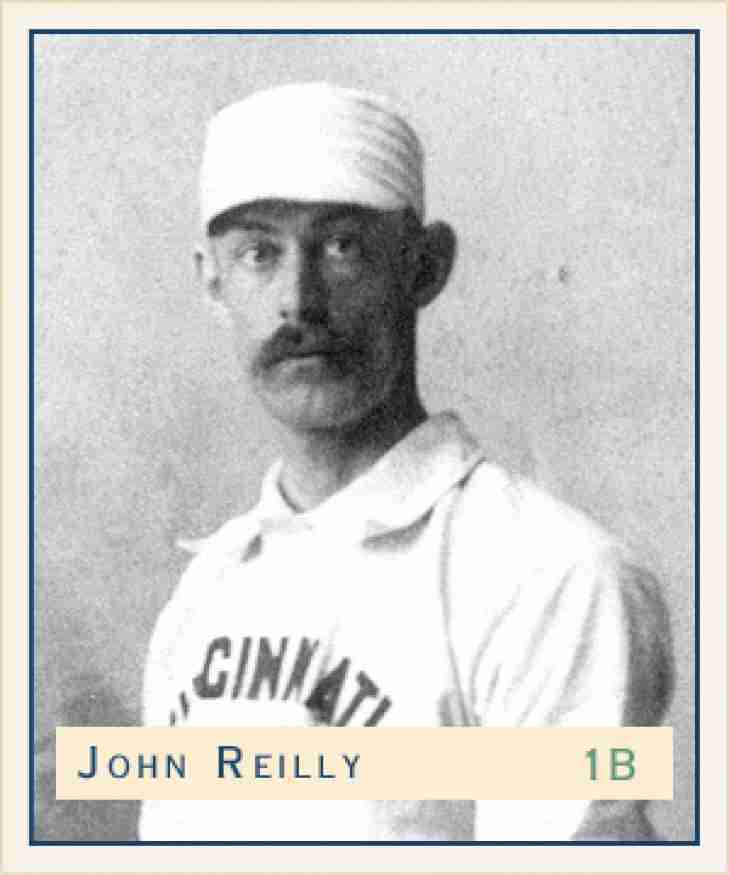
Reilly was inducted into the Reds Hall of Fame in 2012.
33. Brandon Phillips
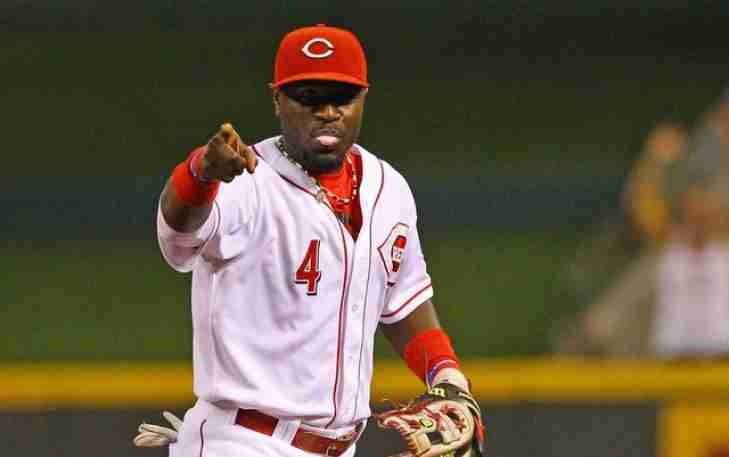
Brandon Phillips’ path to Cincinnati was forged by a lopsided 2006 trade that saw the Reds acquire him for a player to be named later. It was a low-risk gamble that paid immediate dividends, as he matured instantly into the premier multi-tool threat of the infield. He emerged with a specialized blend of speed and power, reaching an incredible peak in 2007 when he authored a historic 30-30 campaign. He was a model of explosive efficiency, proving that his game was built on a rare balance of athleticism, following up that breakout with two additional 20-20 seasons and establishing himself as the most dynamic leadoff and middle-of-the-order spark in the division.
The most impressive aspect of his tenure was the technical brilliance he displayed on the dirt. Phillips was a master of the highlight-reel out, a defensive technician who patrolled second base with a specialized range and a lightning-fast release. His craftsmanship was officially recognized with four Gold Glove Awards, as he consistently led the league in fielding percentage and range factor. He wasn't just a defensive specialist, though; he was a high-frequency producer at the plate, earning one Silver Slugger and three All-Star selections during a stay that saw him accumulate nearly 1,800 hits in a Reds uniform.
His presence was defined by a charismatic, unapologetic joy and a durability that made him the tactical heartbeat of the clubhouse for over a decade. Phillips was a fixture of the "Big Red Machine" resurgence of the early 2010s, providing the veteran poise and high-leverage defense that anchored three postseason teams. Whether he was making a behind-the-back toss to start a double play or lacing a walk-off single into the gap, he competed with a focused intensity and a connection to the fans that made him a local immortal. He proved that a player could become a franchise pillar by combining world-class skill with an infectious love for the game.
After the 2016 season, he was traded to the Atlanta Braves. With the Reds, Phillips compiled 1,774 hits, 191 home runs, and 194 stolen bases while securing four Gold Glove Awards.
