

30. Joe Nuxhall
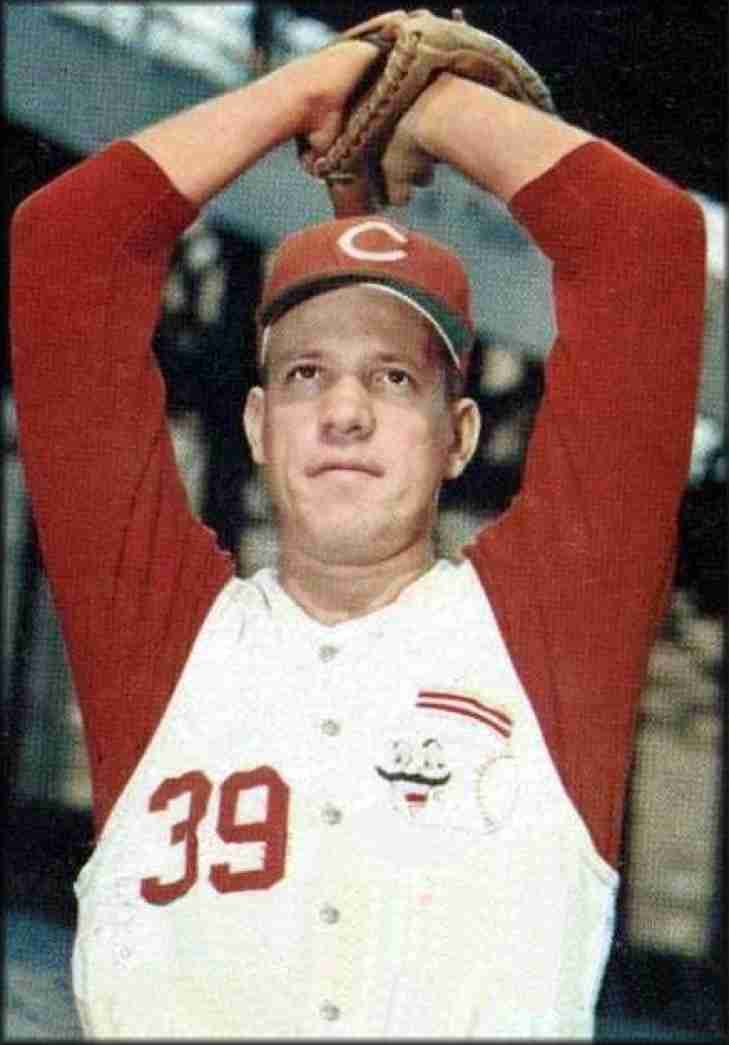
Nuxhall’s entry into the professional ranks remains one of the most remarkable footnotes in the history of the sport. In 1944, with the talent pool thinned by military service, the Reds turned to a local fifteen-year-old with a live arm. While his debut lasted less than an inning and came with the expected nerves of a teenager on a Major League mound, it established a record for the youngest player in modern history that will likely stand forever. He returned to the organization seven years later as a mature athlete, proving that he was far more than a wartime curiosity by carving out a permanent spot in the rotation.
The zenith of his effectiveness arrived during the mid-1950s, a period during which he emerged as a premier left-handed force in the National League. Nuxhall was a master of the middle-rotation role, a technician who used his experience to outmaneuver hitters across two different decades. Between 1955 and 1956, he reached a peak of national recognition, earning back-to-back All-Star selections and proving that he had the resilience to thrive long after his historic debut. He wasn't just a volume pitcher; he was a consistent producer who secured 130 victories in a Reds uniform, navigating the challenges of a heavy workload with a focused intensity that made him a central figure in the post-war era.
His presence was defined by a deep-seated loyalty and a charismatic, approachable nature that resonated with the Cincinnati faithful. Nuxhall spent all but one of his sixteen seasons with the club, a Red in every practical sense of the word. Whether he was grinding through a complete game at Crosley Field or maintaining his composure during a high-leverage rally, he competed with a local pride that solidified his status as a neighborhood hero. He proved that a player could become the heartbeat of a franchise through a rare combination of longevity and a relentless commitment to the organization’s success.
The playing chapter reached its competitive conclusion in 1966, but his influence on the city only grew in the years that followed. He transitioned seamlessly from the dugout to the broadcast booth, spending over thirty years narrating the triumphs of the "Big Red Machine" and the generations that followed. He left the diamond as a statistical titan of the franchise, but he remained a permanent fixture in the hearts of the fans along the Ohio River.
As a member of the Reds, Nuxhall compiled a 130-109 record with 1,289 strikeouts and a 3.80 ERA across 2,171.1 innings.
The organization recognized the singular magnitude of his contribution shortly after his retirement. In 1968, Joe Nuxhall was officially inducted into the Cincinnati Reds Hall of Fame, a fitting punctuation on a legacy that began with a fifteen-year-old’s dream.
36. Will White
We are going to need a history lesson to start off this one.
Will White was a member of the original Cincinnati Reds in the National League and played there for three seasons before the team was expelled from the NL because its owner refused to stop selling beer. White would sign with the Detroit Wolverines for a year but returned to Cincinnati when they got a team in the American Association in 1881 (Cincinnati Red Stockings). That team evolved into the Reds, and the original Reds are not part of the canon that is recognized by Major League Baseball; his accomplishments as a Red do not count, but as a Red Stocking do.
Got it?
Let’s move on!
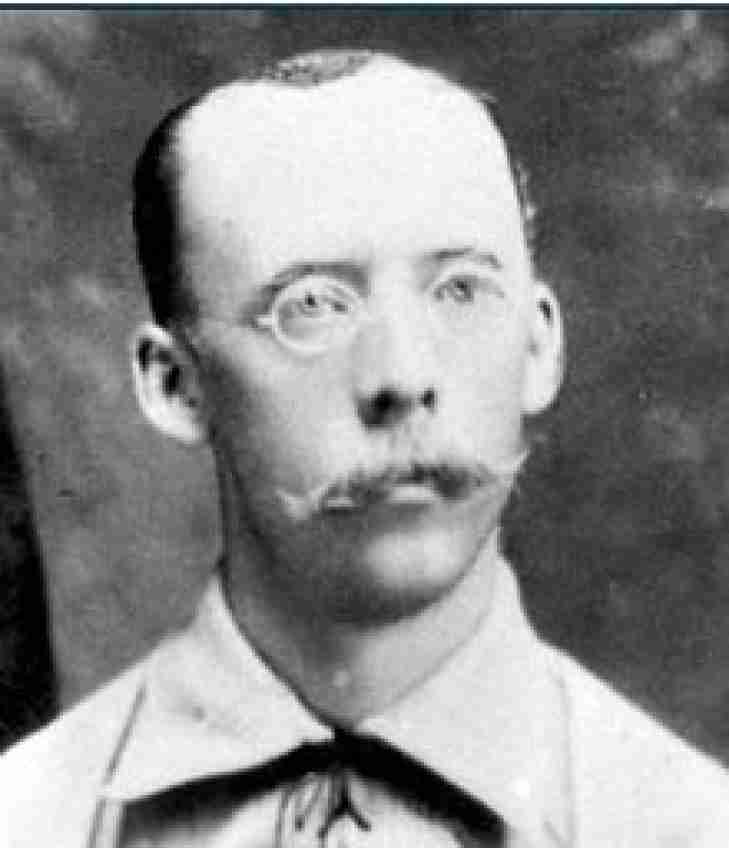
As one of the first bespectacled players of note, White would promptly lead the AA in Wins in his first two seasons as a Red Stocking, which was also complemented by an ERA Title. His tally in Cincinnati (again, only the second version) saw him with an outstanding .663 Winning Percentage of .663 (136-69). He also completed 204 of his 208 Starts with a WHIP of 1.096. Not bad for someone who looked like he was an old school accountant!
Cincinnati inducted White into its Hall of Fame in 2004.
28. Lonny Frey
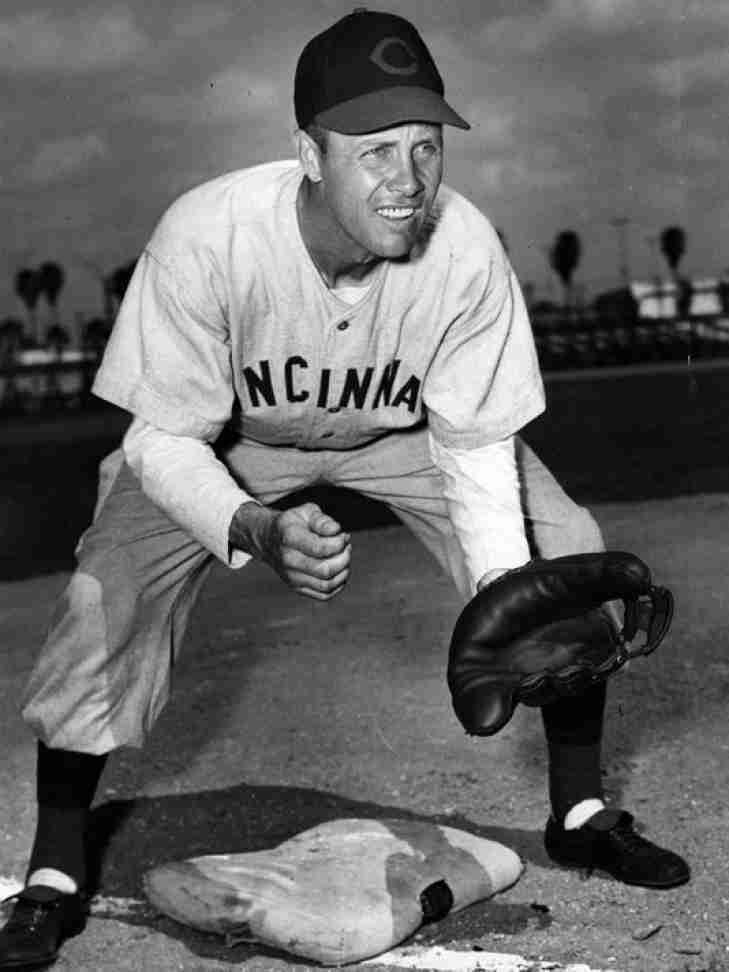
Lonny Frey began his MLB career with the Cincinnati Reds in 1938 and instantly matured into one of the premier defensive anchors of the Senior Circuit. He possessed a specialized ability to read the ball off the bat, a gift that fueled the Reds' rise to consecutive National League pennants in 1939 and 1940. During this window, he was a model of defensive efficiency, embarking on a remarkable five-year run where he finished in the top five in defensive bWAR, culminating in a first-place finish in 1940. He wasn't just a steady glove; he was a tactical technician who provided the pitching staff with an elite margin for error during the most high-stakes seasons in the club's history.
The most impressive aspect of his game was that he never allowed his defensive focus to overshadow his contributions at the plate. Frey was a master of the table-setting role, a trait he showcased most prominently in 1940 when he led the National League in stolen bases. He was a high-frequency producer who accumulated nearly 1,000 hits in a Reds uniform, proving he was a sophisticated offensive threat who could disrupt a game from the base paths. His craftsmanship earned him three All-Star selections during his stay, and he remained the heart of the infield until he answered the call to serve his country during World War II.
While his offensive production dipped during the club's two World Series appearances, most notably in 1940 when a painful foot injury limited him to just two at-bats, his defensive poise remained a vital asset. He was a fixture of the organization for nine seasons, using his world-class range to solidify a championship culture that defined the pre-war era. He proved that a player could become a franchise icon through a rare combination of grit, speed, and defensive mastery.
After his return from military service, Frey’s contract was sold to the Chicago Cubs. With the Reds, Frey recorded 962 hits, 533 runs scored, and 101 stolen bases while earning three All-Star nods. The ultimate recognition of his impact came in 1961, when the organization provided the final punctuation to his career. In a ceremony that celebrated his role as the defensive heartbeat of two pennant winners, Lonny Frey was inducted into the Cincinnati Reds Hall of Fame.
27. Red Lucas
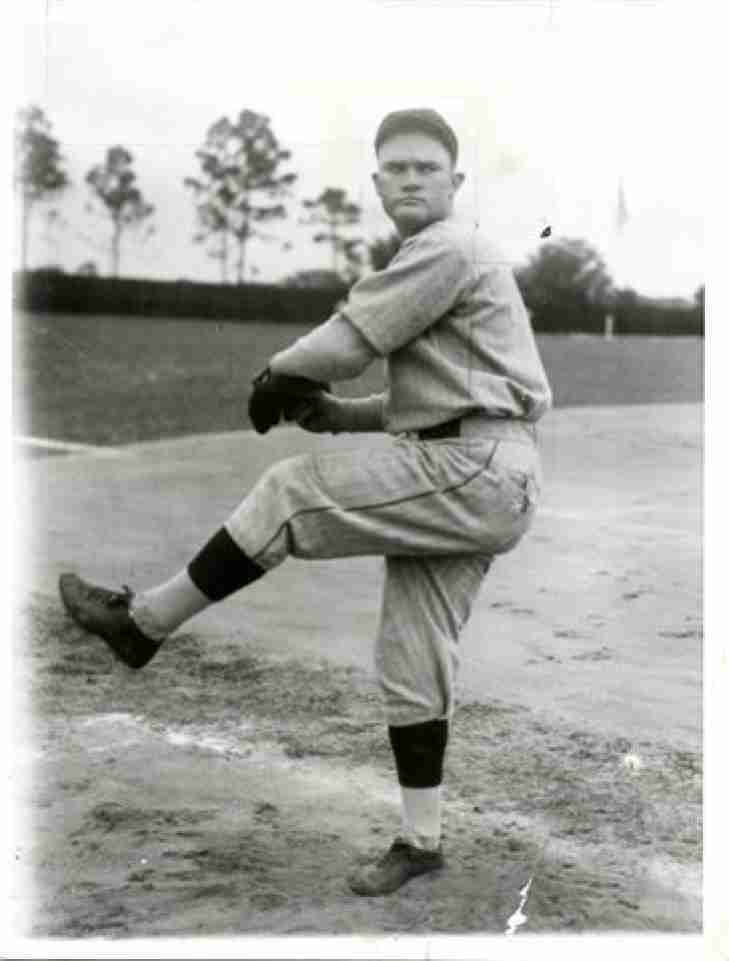
Arguably one of the greatest hitting Pitchers of his or possibly any era, Red Lucas was a solid presence on the mound winning 109 Games for Cincinnati. His best season was in 1929 where he would lead the NL in WHIP, H/9 and finished 6th overall in MVP voting. As for his hitting, he was a career .300 hitter with 293 Hits for the Reds.
The Reds chose Lucas for their Hall of Fame in 1965.
32. Johnny Vander Meer
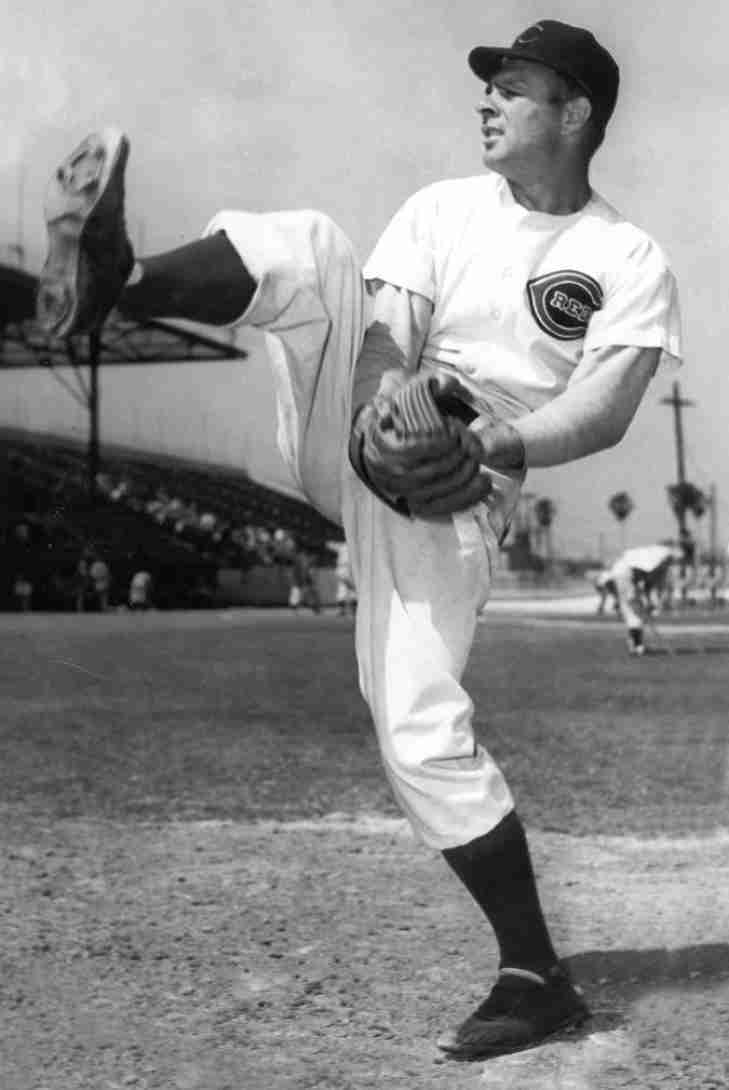
In 1938, Johnny Vander Meer accomplished a feat that may never be duplicated. He threw two consecutive no-hitters. Imagine that happening today? Neither can we.
31. Frank Dwyer
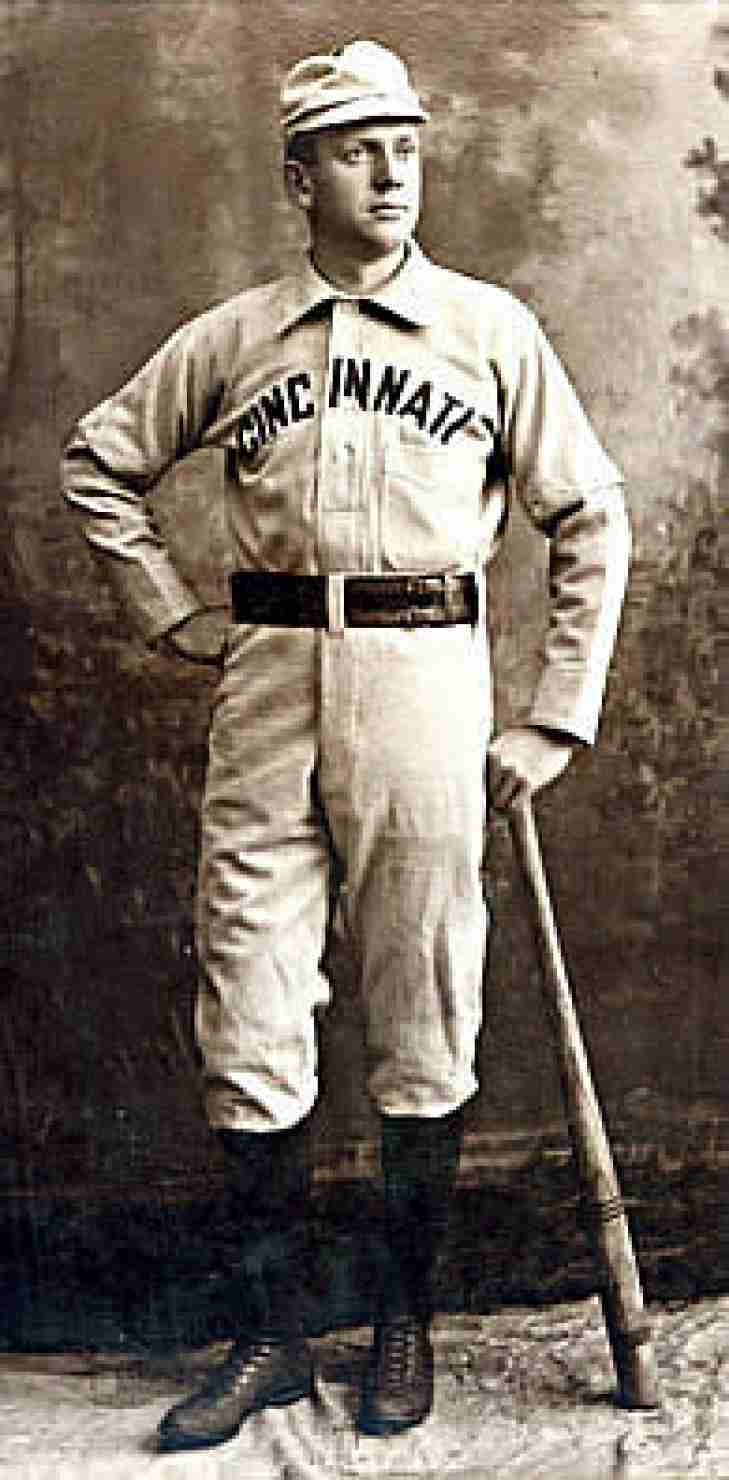
Frank Dwyer surfaced in the Cincinnati lineup in 1892 and matured instantly into the rotation's most dependable engine. He possessed a specialized ability to navigate the high-scoring environment of the late nineteenth century without relying on overwhelming velocity, utilizing a "pitch-to-contact" style that kept his defense engaged and his club in contention. He was a model of specialized volume, embarking on a stretch where he became a fixture of the Reds' staff for nearly a decade. He reached a remarkable zenith in the mid-90s, authoring back-to-back 20-win seasons and establishing himself as one of the most successful winners in the National League.
The most impressive aspect of his tenure was the quiet efficiency with which he accumulated victories. Dwyer was a master of the "long game," a technician who understood how to conserve his energy to lead the league in games started and innings pitched during his peak. He wasn't the type of hurler to dazzle a crowd with high strikeout totals, but he possessed a high-leverage mental toughness that allowed him to secure 133 wins in a Reds uniform. He served as the tactical heartbeat of the staff through a period of significant transition in the game, proving that his game was built on a sophisticated understanding of how to out-think and out-execute the hitters of his era.
His presence was defined by professional resilience and a durable arm that allowed him to shoulder a massive workload summer after summer. Dwyer remained a cornerstone of the Cincinnati staff until the turn of the century, navigating the physical demands of the "Old Ball Game" with a consistent, blue-collar approach. Whether he was grinding through a complete game on a hot Ohio afternoon or providing the veteran poise needed to stabilize a young roster, he competed with a focused intensity that made him a local favorite. He proved that a player could become a franchise pillar through a rare combination of grit and game-management skill.
In 1899, Dwyer left the organization as a statistical star of the nineteenth century. He departed with 133 victories, having transitioned from a wandering arm to one of the most prolific and respected pitchers in the history of the Cincinnati Reds.
With the Reds, Dwyer compiled a 133-100 record with 2,056.2 innings pitched and 172 complete games.
26. Eric Davis
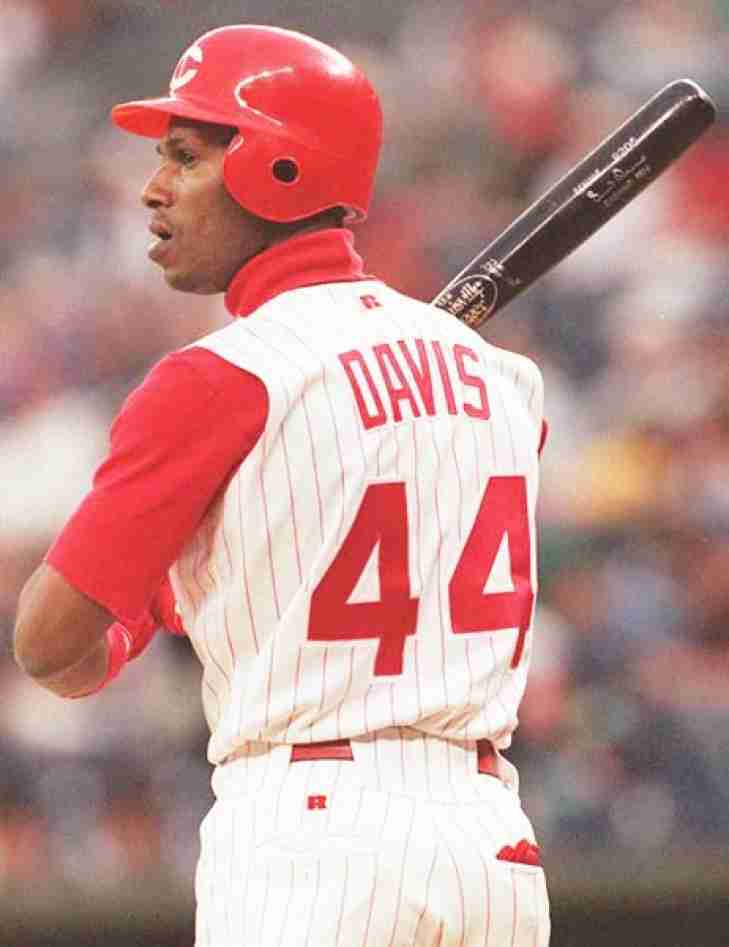
In 1984, Eric Davis arrived in the Cincinnati lineup and rapidly matured into a premier force in the National League. He emerged with a specialized, upright batting stance and hands that moved with terrifying quickness, embarking on a four-year stretch where he hammered at least 25 home runs annually. He was a model of explosive efficiency, most notably in 1987 when he authored a season for the ages, clubbing 37 home runs and swiping 50 bases. He wasn't just a power threat; he was a tactical nightmare for opposing batteries, proving that he could dismantle a team with his bat, his legs, or a towering leap at the wall.
The most impressive aspect of his tenure was the rare, high-stakes hardware he collected during his athletic prime. Davis was a master of the all-around game, securing two Silver Slugger Awards and three consecutive Gold Gloves between 1987 and 1989. While his defensive metrics fluctuated over the course of his stay, his ability to track down fly balls and take away home runs became a signature of the era. His craftsmanship was officially recognized with two All-Star selections, and he served as the primary engine for the 1990 "Wire-to-Wire" World Series champions, providing the veteran poise and power that anchored the middle of the order.
Davis remained a cornerstone of the franchise through the early 90s, navigating a series of injuries with a resilient spirit that made him a local immortal. Whether he was hitting a home run in his first World Series at-bat or diving to make a catch, he competed with a grace that few in the history of the game have ever matched.
After the 1991 season, Davis was traded to the Los Angeles Dodgers, though he would eventually return for a final emotional stint in 1996. He left the organization as a statistical titan, standing in the elite company of players who have recorded both 200 home runs and 250 stolen bases in a single uniform.
25. Tony Mullane

Mullane arrived in Cincinnati as a seasoned veteran of the professional game and immediately matured into the centerpiece of the rotation. He was a pioneer in every sense, most famously for his ability to throw with either hand, a switch-pitching prowess that allowed him to alternate arms based on a hitter’s weakness or to combat the immense fatigue of the era. He emerged as a statistical titan from the moment he joined the club, using this tactical outlier to navigate a grueling schedule that would break most arms.
The absolute pinnacle of his effectiveness was reached in the late 1880s, a period when he served as an iron man for the franchise. Mullane was a master of endurance, spanning three seasons in which he surpassed 400 innings pitched, a workload that stands as a monument to his physical resilience. He wasn't just piling up innings; he was an efficiency machine who secured five separate 20-win campaigns and a pair of extraordinary 30-win seasons for the Reds. He possessed a rare blend of speed and deception that made him a perennial threat on the leaderboard and served as the high-stakes anchor for the Cincinnati staff during its formative years.
His identity was synonymous with a refined, "gentlemanly" persona that made him a massive draw at the gate, though he played with a fierce, competitive resolve that often put him at odds with management. Mullane was the tactical heartbeat of the team for nearly a decade, using his unique arm flexibility to remain a high-leverage producer even as the rules of the game evolved around him. Whether he was baffling a hitter with a left-handed curve or overpowering them with a right-handed heater, he competed with a professional poise that made him a local immortal.
The chapter concluded in 1893, when the veteran workhorse finally parted ways with the organization. He left the city as a statistical pillar and one of the most prolific winners in the history of the sport, having secured 163 of his 284 career victories in a Cincinnati uniform.
While his lack of a plaque in Cooperstown remains one of the great debates of the 19th-century game, his impact on the franchise was finally etched in stone a century later. In 2010, the organization provided the long-overdue punctuation on his legacy by inducting Tony Mullane into the Cincinnati Reds Hall of Fame.
20. Frank McCormick
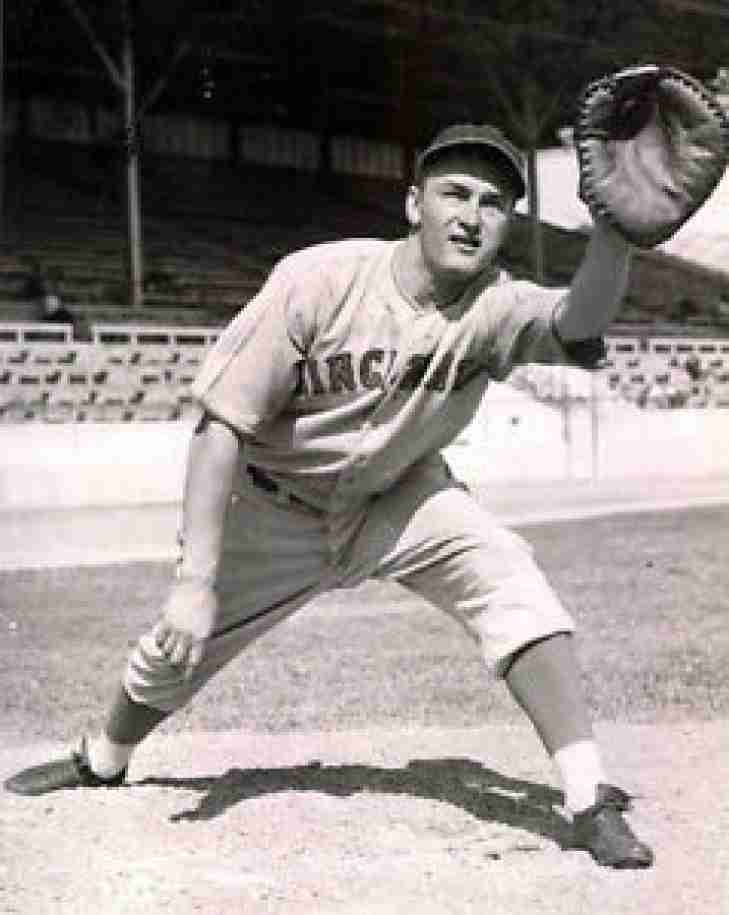
When Frank McCormick finally secured a regular spot in the lineup in 1938, he bypassed the usual maturation process and immediately became a statistical titan. He matured instantly into an elite run-producer, earning an All-Star selection in every single season from 1938 to 1944. He arrived with a disciplined approach and a smooth swing that made leading the league in hits look routine, a feat he accomplished for three consecutive years, starting with his breakout campaign. He was a model of consistency, providing the backbone for a team that was rapidly ascending to the top of the senior circuit.
The absolute pinnacle of his career arrived in 1940, a season of such profound impact that he was named the National League’s Most Valuable Player. That year, McCormick was the primary architect of a Reds offense that marched all the way to a World Series championship, exorcising the ghosts of years past. He wasn't just a high-average hitter; he was a tactical master of the strike zone and a defensive standout at first base, famously going long stretches without committing an error. His efficiency was staggering, maintaining a career .301 average during his stay in Cincinnati while providing the high-leverage hits that defined the club's championship pedigree.
Reliability was the hallmark of his identity. McCormick was a fixture in the middle of the order, accumulating 1,439 hits and 110 home runs while serving as the emotional and statistical anchor of the clubhouse. He proved that a player could be both a volume-dense workhorse and a refined technician at the plate, a balance that made him one of the most respected players of the wartime era. He concluded his run with the Reds in 1945 after being traded to Philadelphia, leaving behind a legacy of professionalism that set the standard for every Cincinnati infielder who followed.
In a fitting tribute to his historic brilliance, the organization named him as one of the four inaugural members of the Cincinnati Reds Hall of Fame in 1958.
14. Bid McPhee
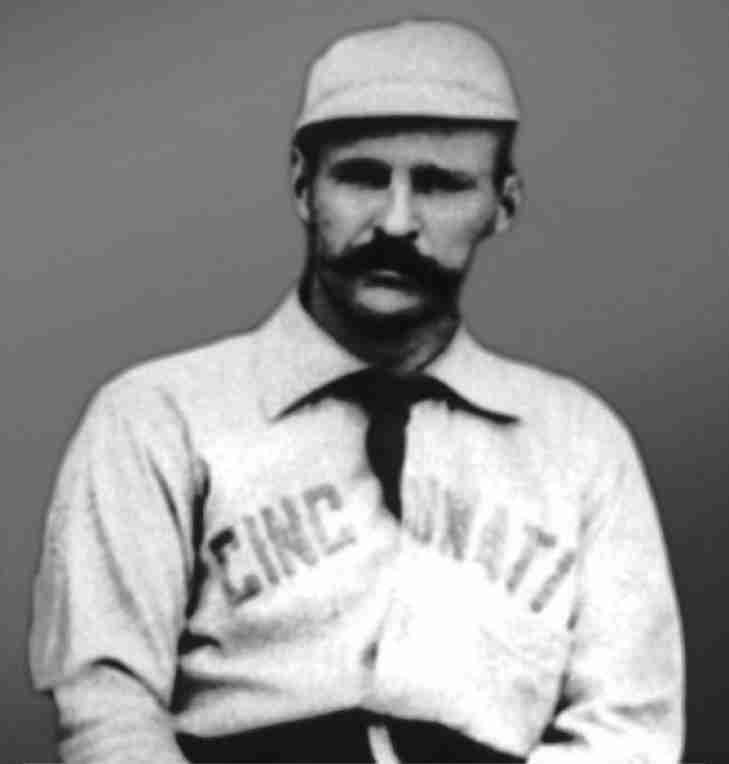
McPhee’s tenure in Cincinnati began in 1882, and over the next eighteen seasons, he became the ultimate lifer, never once donning another uniform. He was far more than a defensive specialist, accumulating 2,258 career hits and serving as a consistent leadoff threat with a keen eye and surprising power for the era. However, his true brilliance was found in the field. He famously resisted the introduction of the baseball glove until the very end of his career, claiming that the leather hindered his ability to feel the ball and make the lightning-fast transitions required at the keystone.
The statistical evidence of his defensive dominance is staggering, even by modern standards. McPhee led the league in double plays turned 11 times and remains the all-time career leader for second basemen in putouts. He was a master of positioning and anticipation, finishing in the top ten in defensive bWAR ten times throughout his career. He wasn't just reacting to the play; he was dictating it, pioneering the art of the double-play pivot and showing a level of durability that saw him average nearly 130 games a season at a time when the schedule was significantly shorter.
His identity was synonymous with Cincinnati baseball during its formative years. Whether he was bare-handedly snaring a liner or navigating the rough-and-tumble baserunning of the 19th century, McPhee was the steady pulse of the organization. He concluded his long journey in 1899, leaving behind a resume that redefined the expectations for his position. He proved that the second base bag could be a place of both high-volume production and elite artistry, a lesson that the game took to heart long after he hung up his cleats.
For decades, McPhee was a forgotten giant of the Deadball Era, but the passing of time only highlighted the magnitude of his achievements. Recognition finally arrived on a national scale in 2000, when he was posthumously inducted into the Baseball Hall of Fame. Locally, the Reds ensured his place in the pantheon of Queen City greats by inducting him into the franchise Hall of Fame in 2002.
24. Jim Maloney
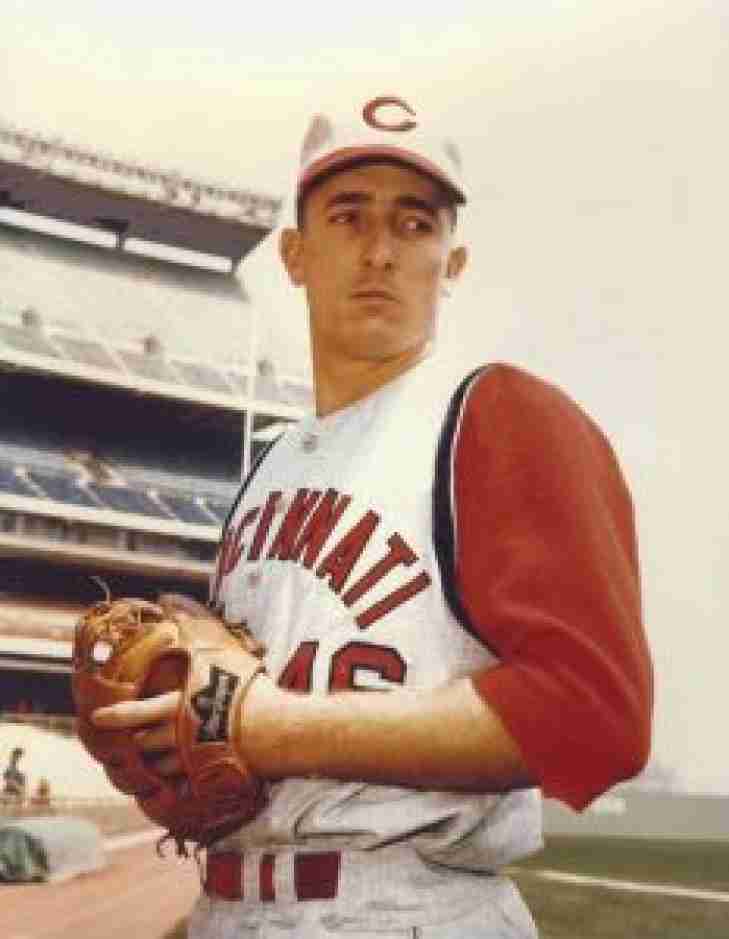
Maloney surfaced in the Queen City at the dawn of the 1960s and rapidly established himself as a premier power pitcher in the National League. He arrived with a blistering fastball that appeared to rise as it reached the plate, a gift he used to overwhelm hitters during a period when the league was transitioning toward a new level of athleticism. Between 1963 and 1966, he authored a sustained stretch of excellence, capturing back-to-back 20-win seasons and cementing his status as the tactical leader of the Cincinnati staff.
The absolute height of his dominance was on full display in 1965, a season that saw him reach the peak of his craft. That year, Maloney was a master of the high-stakes moment, famously throwing two no-hitters—including a legendary ten-inning masterpiece that, while technically unofficial by modern scoring rules, remains one of the most gritty performances ever seen on a mound. He earned his first All-Star selection that summer, but his value was far deeper than a single mid-season nod; he finished his stay in Cincinnati with 134 wins and a staggering 1,592 strikeouts.
In 1973, he became the lone inductee into the Cincinnati Reds Hall of Fame,
18. Heinie Groh
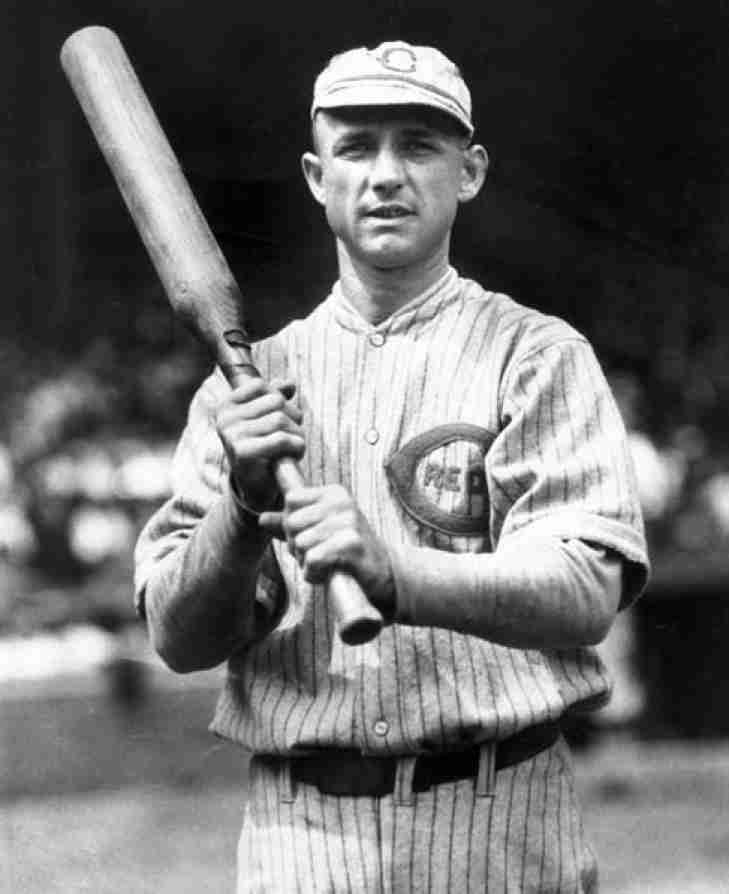
When Heinie Groh settled into the Reds' lineup in the mid-1910s, he brought a level of offensive ingenuity that quickly made him the premier leadoff threat in the National League. His signature bottle bat allowed him to control the zone with unparalleled precision, maturing into a master bunter and a high-contact hitter who simply refused to give away an at-bat. He was a nightmare for opposing pitchers, twice leading the league in on-base percentage and putting together four seasons with a batting average over .300. He arrived as a young talent and evolved into a foundational piece of the roster, providing the table-setting skills that powered the Cincinnati offense for nearly a decade.
The pinnacle of his career arrived in 1919, a season in which Groh reached the absolute peak of his powers. That year, he led the National League in OPS (.819) and served as the on-field general for a Reds team that captured the World Series title. While he was short in stature, he played with a giant-sized intensity on the diamond, particularly at third base. He was widely considered one of the most reliable and aggressive defenders of his day, possessing the rare ability to turn double plays from the hot corner with a speed and accuracy that left the league in awe.
Reliability and grit were the hallmarks of his identity in Cincinnati. Whether he was choking up on his unique bat to spoil a pitcher’s best stuff or diving into the dirt to take away a base hit, Groh was the engine that made the team go. He concluded his journey with the Reds with 1,323 hits and a stellar .298 career average, a volume of production that established him as the gold standard for lead-off hitters in the franchise’s early history. He proved that you didn't need to be the biggest man on the field to be the most impactful.
The chapter of his time in Cincinnati reached its conclusion in 1921 when he was traded back to the New York Giants, where he would eventually capture another World Series ring in 1923. He left the Queen City as a champion and a cult hero, a man whose innovative approach to the game left an indelible mark on the record books.
In recognition of his gritty leadership and statistical excellence, the organization inducted Groh into the Cincinnati Reds Hall of Fame in 1963.
12. Edd Roush
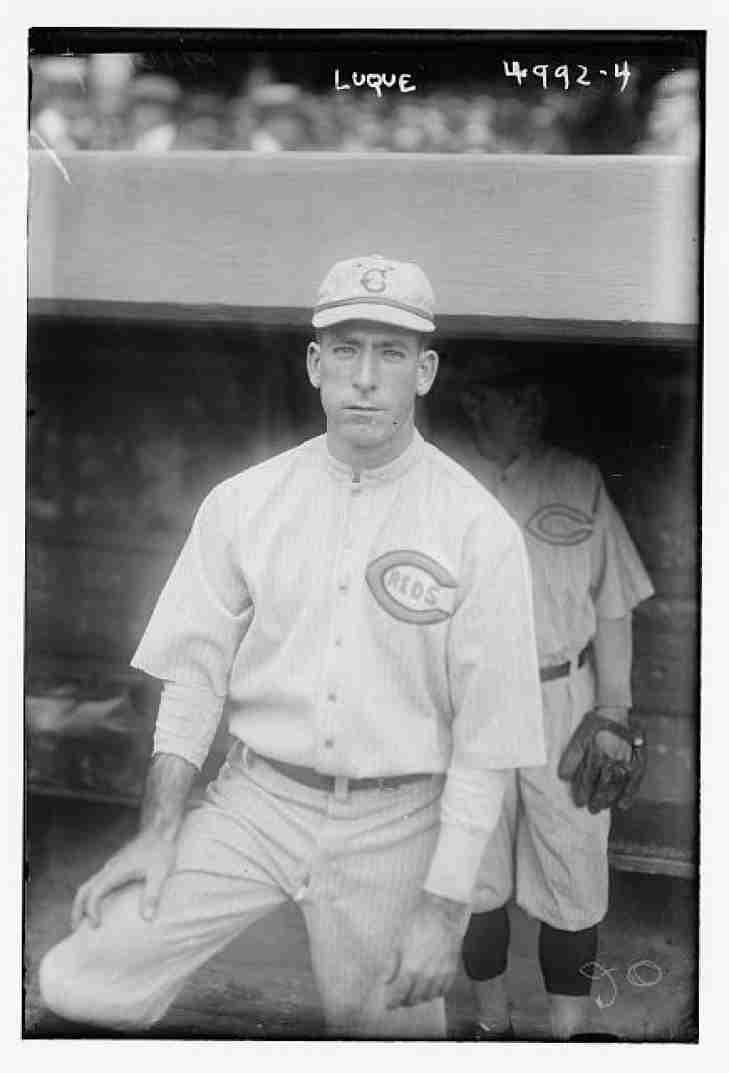
This is the story of a man who treated the batter’s box like a workstation, wielding a piece of lumber that looked more like a bridge timber than a baseball bat. Edd Roush didn’t just hit for the Reds; he mastered the art of contact with a relentless, decade-long consistency that defied the shifting tides of the Deadball and Live-ball eras. While his World Series ring is often discussed through the lens of history’s most famous scandal, his time in Cincinnati was defined by a surgical precision that made him the most feared pure hitter in the National League.
A mid-season trade from the Giants in 1916 proved to be the spark that ignited one of the greatest individual runs in franchise history. Roush arrived in Cincinnati and matured instantly into the league's most reliable offensive engine, famously swinging a massive 48-ounce bat—one of the heaviest ever used in professional play. This choice reflected his approach: he wasn't looking to pull the ball for distance, but rather to punch it through the gaps with a strength and control that few could match. His production was staggering; from the moment he arrived, he never batted below .320 in any of his ten full seasons with the club.
The peak of his career was marked by two National League batting titles in 1917 and 1919. In that 1919 campaign, he served as the catalyst for a Reds team that marched all the way to a World Series championship. While the "Black Sox" headlines often dominate the memory of that Fall Classic, Roush’s .331 career average as a Red serves as proof that his success was no accident of history. He was a hitter who simply could not be struck out, using his heavy bat to spoil good pitches and force the defense to account for every square inch of the outfield.
Roush was the centerpiece of the Cincinnati outfield for years, a three-time league leader in triples and a constant threat on the basepaths. He arrived as a trade piece and left as a legend, concluding his stay with the club with 1,616 hits and a reputation as a player who dictated the terms of every at-bat. He proved that even as the game transitioned toward the power-hitting style of the 1920s, a master of the heavy bat and the line drive could remain an elite force.
The chapter eventually closed on his tenure in early 1927, following a contract dispute that led to a trade back to the New York Giants.
22. Mario Soto
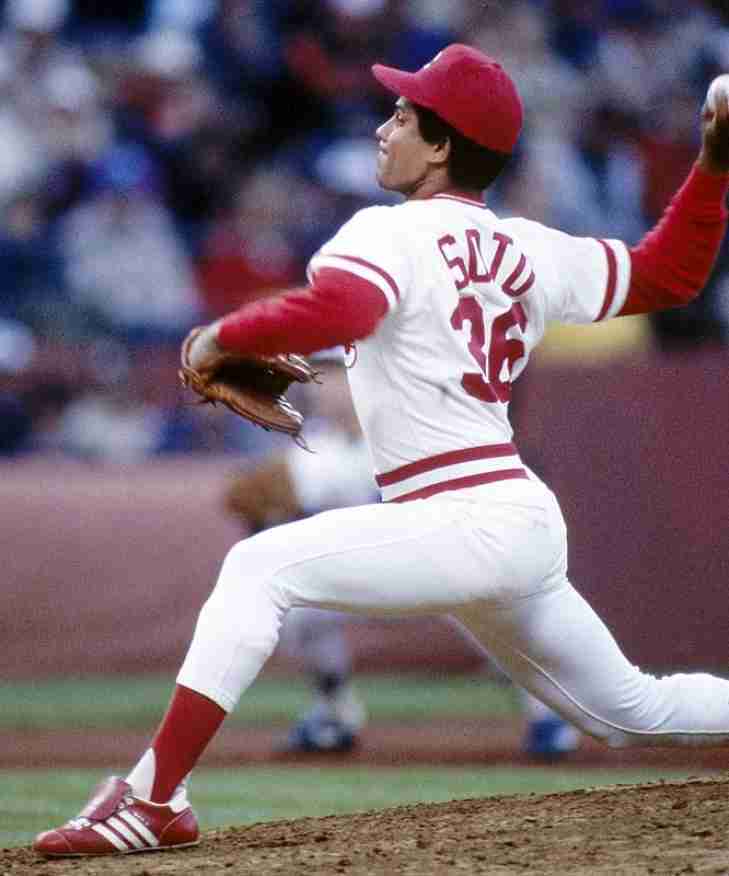
Mario Soto’s professional baseball journey in Cincinnati began in the late 1970s, but it was the dawn of the 1980s when he matured instantly into a cornerstone of the franchise. He arrived with a "power-finesse" duality, relying on a heavy fastball and a devastating circle changeup that fell off the table just as hitters committed to their swing. He quickly evolved into a statistical titan, proving that his raw stuff was matched only by a fiery, high-stakes competitiveness. Between 1980 and 1985, he served as the tactical heartbeat of a staff that desperately needed his ability to miss bats and navigate deep into ballgames.
The absolute pinnacle of his career came in 1983, a season in which he was the undisputed ace of the staff and the runner-up for the National League Cy Young Award. Soto was an efficiency machine that summer, leading the league in WHIP (1.058) and proving to be a master of run suppression. He wasn't just a volume producer; he was a high-leverage nightmare for opposing hitters, twice leading the National League in strikeouts per nine innings and once in strikeout-to-walk ratio. Despite playing for a club that often struggled to provide him with adequate run support, he rattled off three consecutive All-Star selections and finished in the top ten of the Cy Young voting four times.
His identity was synonymous with a relentless, "never-back-down" mentality that occasionally boiled over into a fiery temper, a trait that kept him in the headlines as much as his sinking changeup. Soto spent his entire twelve-year career in a Cincinnati uniform, remaining a fixture in the Queen City through its various iterations. He concluded his run with exactly 100 wins and 1,449 strikeouts, a total that likely would have been much higher had his arm not shouldered such a massive workload during his peak years. Whether he was freezing a hitter with a backdoor heater or inducing a helpless swing on a changeup, he played with a visible passion that made him a local immortal.
Soto’s career wound down in 1988 after injuries finally sapped the "disappearing" life from his pitches. In recognition of his decade of dominance, the organization inducted Soto into the Cincinnati Reds Hall of Fame in 2001.
16. Dave Concepcion
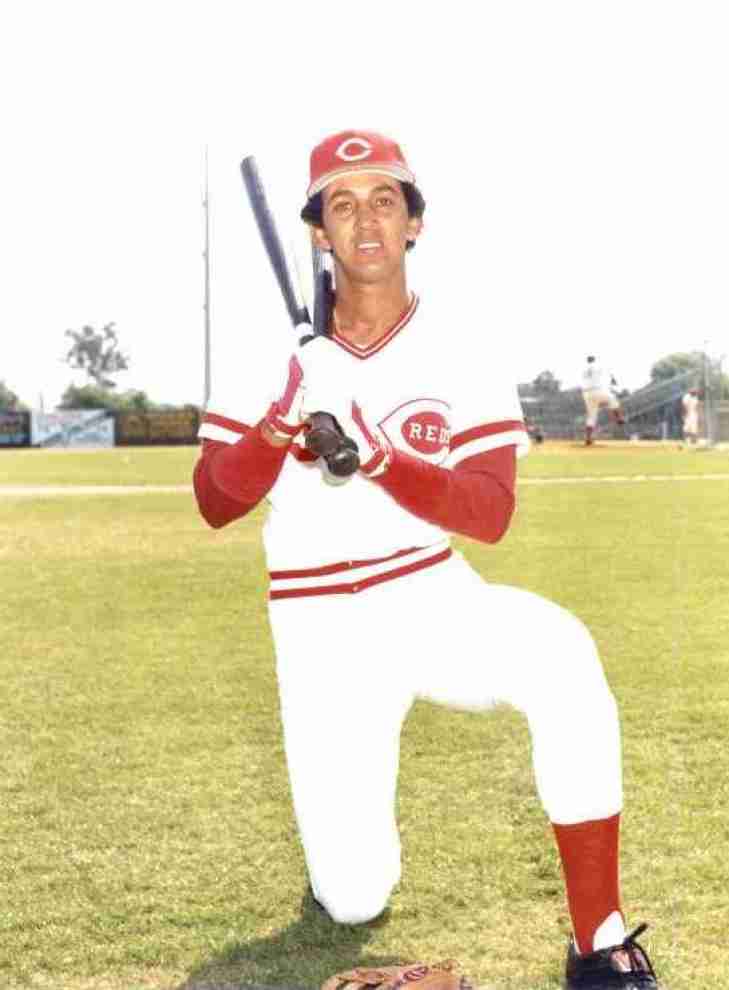
When Concepción arrived in 1970, he was a lean, athletic prospect tasked with manning the most demanding spot on the field for a team with championship aspirations. He matured instantly into a defensive wizard, famously pioneering the "one-hop" throw across the slick Cincinnati turf to beat runners to first base. This innovative approach helped him capture five Gold Glove Awards and earn nine All-Star selections, establishing him as the premier defensive shortstop of the 1970s. He wasn't just a cog in the machine; he was the steady hand that ensured the defense remained as potent as the lineup.
The peak of his career coincided with the franchise’s greatest era. As the Reds marched to back-to-back World Series titles in 1975 and 1976, Concepción provided the stability and veteran poise that allowed the stars around him to shine. He was far more than a defensive specialist, however, developing into a highly productive offensive threat who amassed 2,326 career hits and swiped 321 bases. He finished in the top ten in defensive bWAR seven times, showing a level of consistency that few at his position have ever matched over such a massive volume of games.
His identity was synonymous with the number 13 on his back and the captain’s "C" on his jersey. Concepción played all 2,488 of his Major League games in a Reds uniform, a rare feat that underscored his commitment to the city and the organization. Whether he was diving into the hole to take away a base hit or delivering a high-leverage knock in the postseason, he was the heartbeat of the clubhouse. He concluded his journey in 1988, leaving behind a legacy as the club’s greatest shortstop.
The chapter of his playing days may have closed, but the accolades continued to pour in. The Reds ensured his place in the pantheon of Queen City greats by inducting him into the franchise Hall of Fame in 2000, and in 2007, the organization bestowed the ultimate honor by retiring his iconic number 13.
29. Ernie Lombardi
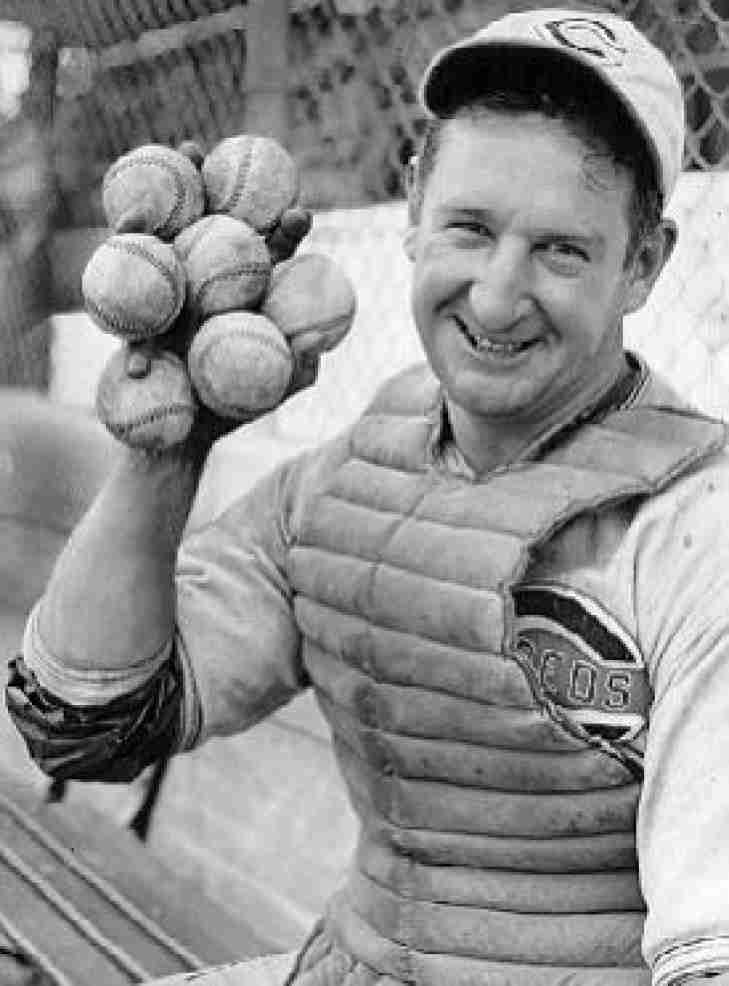
Arriving via Brooklyn in a trade, Ernie Lombardi established himself in the Cincinnati lineup in the early 30s and quickly morphed into the premier offensive catcher in the National League. He emerged with a specialized, interlocking grip and a swing that produced line drives of terrifying velocity, a necessity given that he had to hit the ball twice as hard as anyone else just to reach first base. Between 1935 and 1940, he authored a sustained stretch of excellence, recording seven different .300 campaigns for the Reds. He was a model of specialized efficiency, proving that a hitter could dominate the leaderboard without the benefit of speed, provided they possessed the most sophisticated hand-eye coordination of their generation.
The absolute high-water mark of his career arrived in 1938, a season of such profound dominance that he became a national icon. That summer, Lombardi stood as the undisputed king of the plate, capturing the National League Batting Title with a .342 average. His value was so undeniable that he was named the National League MVP, becoming a rare catcher to take home the hardware. He followed that masterpiece by serving as the tactical heartbeat of the 1939 and 1940 pennant-winning squads, providing the veteran poise and high-leverage bat that anchored the "Jungle Cats" through their 1940 World Series championship run.
Even though he lacked the "look" of a traditional athlete, he proved that a player could become the face of a franchise through a rare combination of raw power and elite contact skills. In 1942, Lombardi moved on to the Boston Braves, but he left as a World Series hero. He departed the city with a .311 average in a Reds uniform and a legacy as one of the most respected players to ever step onto the diamond.
The ultimate recognition of his impact arrived in waves, cementing his status as a permanent part of the game's architecture. In 1958, the organization selected him as one of the five legendary men comprising the inaugural Cincinnati Reds Hall of Fame class. The final punctuation on his storied career came in 1986, when Ernie Lombardi was posthumously inducted into the National Baseball Hall of Fame in Cooperstown.
23. Ewell Blackwell
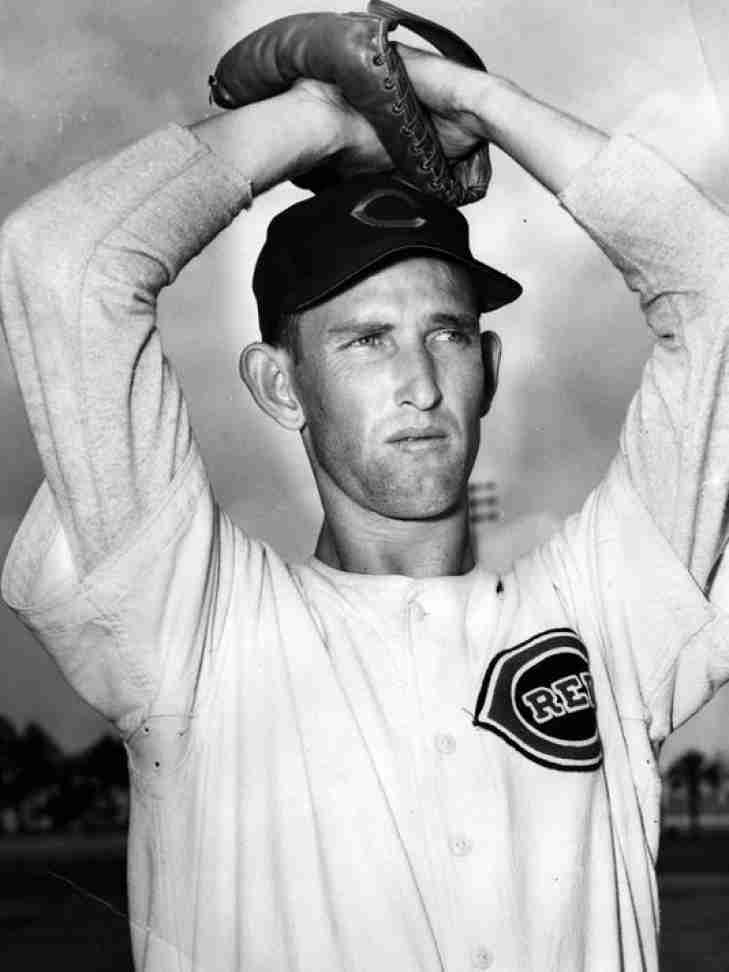
Ewell Blackwell emerged in Cincinnati following his return from military service and matured instantly into the most feared arm in the senior circuit. He arrived with an unorthodox, sidearm whip that made the ball seem to come from behind a hitter's shoulder, a tactical advantage he used to rule the strike zone with clinical precision. Between 1946 and 1951, he was a perennial force, earning six consecutive All-Star selections and proving that his raw, explosive stuff was matched only by a sophisticated understanding of run prevention. He was a master of efficiency, leading the National League in FIP three separate times during his tenure.
The absolute pinnacle of his career arrived in 1947, a season in which he stood as the undisputed king of the hill. Blackwell was a force of nature that summer, authored by a historic 16-game winning streak that included a no-hitter and a near-miss at a second consecutive no-no just days later. He finished the year as the runner-up for the National League MVP, leading the league in wins (22), strikeouts (193), and strikeout-to-walk ratio. He wasn't just piling up stats; he was a high-leverage nightmare who used his imposing height and side-winding delivery to dismantle the best lineups of the post-war era.
His identity was synonymous with a relentless, "uncomfortable" at-bat that resonated across the league. Blackwell was a foundational pillar of the Cincinnati rotation, accumulating 79 wins and 819 strikeouts despite a career that was eventually hampered by the physical toll of his high-stress delivery and various ailments. Whether he was freezing a hitter with a tailing heater or watching them bail out of the box against his sweeping curve, he played with a focused intensity that made him a local immortal. He proved that even a career defined by a short, sharp burst of brilliance could leave a permanent mark on the game’s history.
The chapter concluded in 1952, when he was traded to the New York Yankees. He left the organization as a statistical titan of the era, having established himself as the most dominant right-hander to wear a Reds uniform in the decade following the war. He departed as a six-time All-Star, leaving behind a legacy of strikeout mastery and a delivery that haunted the dreams of National League batters for years.
In recognition of his impact on the mound, the organization inducted him into the Cincinnati Reds Hall of Fame in 1960.
21. Ted Kluszewski
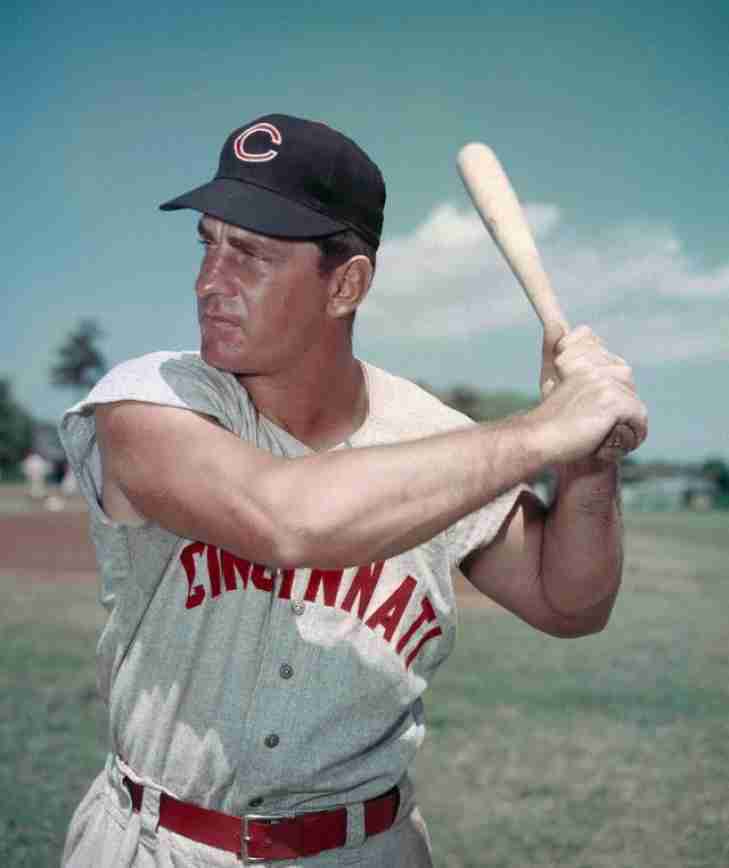
Ted Kluszewski’s journey in Cincinnati began with a legendary adjustment to his wardrobe. He arrived with a physique that was years ahead of its time, famously cutting the sleeves off his jersey because the fabric constricted his massive biceps when he swung the bat. This utilitarian fashion choice matured instantly into a signature look, but it was his production that truly resonated. By 1953, he had evolved from a steady contributor into a statistical titan, embarking on a four-year run of dominance that saw him eclipse 35 home runs and 100 RBIs in every single campaign.
The absolute pinnacle of his career came in 1954, a season in which he stood as the undisputed king of the National League batter's box. That year, "Big Klu" was an efficiency machine, capturing both the Home Run (49) and RBI (141) titles. Most remarkably, he achieved these towering totals while striking out only 35 times—a ratio of power to plate discipline that is almost incomprehensible in the modern game. He finished as the runner-up for the National League MVP, proving that his value was rooted in a sophisticated balance of raw strength and professional poise. He wasn't just a pure slugger; he was a tactical weapon who anchored the Cincinnati lineup during one of its most productive eras.
His identity was synonymous with a quiet, gentle-giant persona and a relentless, high-leverage bat. Kluszewski was a master of the strike zone, accumulating 251 home runs and a career .302 batting average during his stay in the city. Whether he was launching a moonshot into the Crosley Field laundry or providing a veteran presence in the dugout, he played with a visible strength that made him a local immortal. Even as back injuries eventually sapped his legendary power, he remained a foundational piece of the franchise’s history, eventually returning to the club as a highly influential coach for the "Big Red Machine" of the 1970s.
The chapter of his playing days eventually transitioned into a legacy of undisputed reverence. The organization ensured his immortality by retiring his number 18 in 1998, decades after he had been enshrined in the Cincinnati Reds Hall of Fame in 1962.
19. Jose Rijo
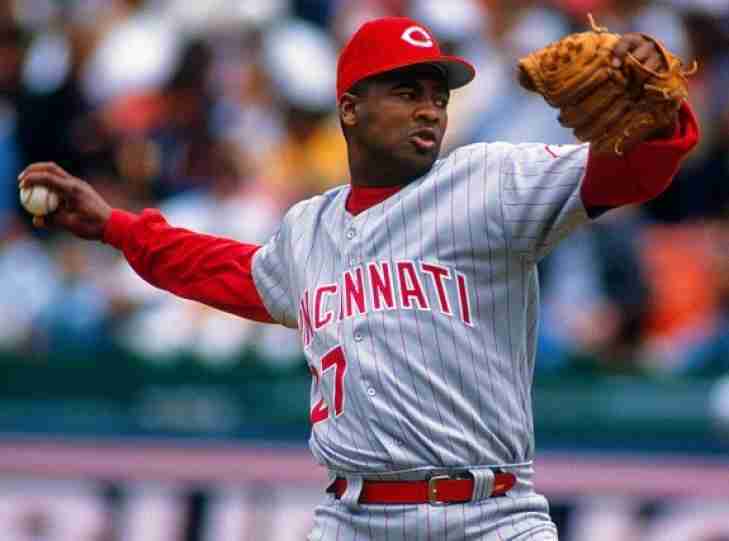
When Jose Rijo arrived in 1988, he was a pitcher looking to harness elite raw tools, but he quickly matured into a tactical ace who thrived under the brightest lights. Though surprisingly only recognized as an All-Star once, his efficiency was undeniable. He was a perennial fixture at the top of the leaderboards, finishing in the top five in ERA four times during his stay. He arrived as a hard-thrower and evolved into an efficiency machine, leading the National League in WHIP in 1991 and in strikeouts and overall bWAR for pitchers in 1993.
The absolute pinnacle of his career, and a defining moment for the franchise, arrived during the 1990 World Series. Facing a heavily favored Oakland Athletics dynasty, Rijo authored a masterpiece of run suppression. He went 2-0 with a microscopic 0.59 ERA in the Fall Classic, essentially silencing the Oakland bats and earning World Series MVP honors as the Reds completed a shocking four-game sweep. He wasn't just a part of the rotation; in that moment, he was the most dangerous man on a baseball diamond, providing the high-leverage excellence that delivered a championship to the South Ohio faithful.
His identity was synonymous with a relentless competitive spirit, though his body eventually struggled to keep pace with his arm. After a series of elbow issues seemingly ended his career in the mid-90s, Rijo made a historic and unprecedented return to the mound five years later, becoming the first player to ever return to the Majors after having already appeared on a Hall of Fame ballot. This two-year stint in middle relief served as a testament to his durability and love for the organization, allowing him to finish his journey where it mattered most.
The chapter finally reached its formal conclusion after the 2002 season, but his impact on the franchise remained indelible. He left the organization as a statistical titan of the modern era, a man whose peak performance was as brilliant as any in the team's long history. He proved that greatness isn't always about accumulating 300 wins; sometimes, it’s about being the absolute best in the world when the world is watching.
In 2005, the Reds ensured his immortality by inducting him into the Cincinnati Reds Hall of Fame.
17. Eppa Rixey
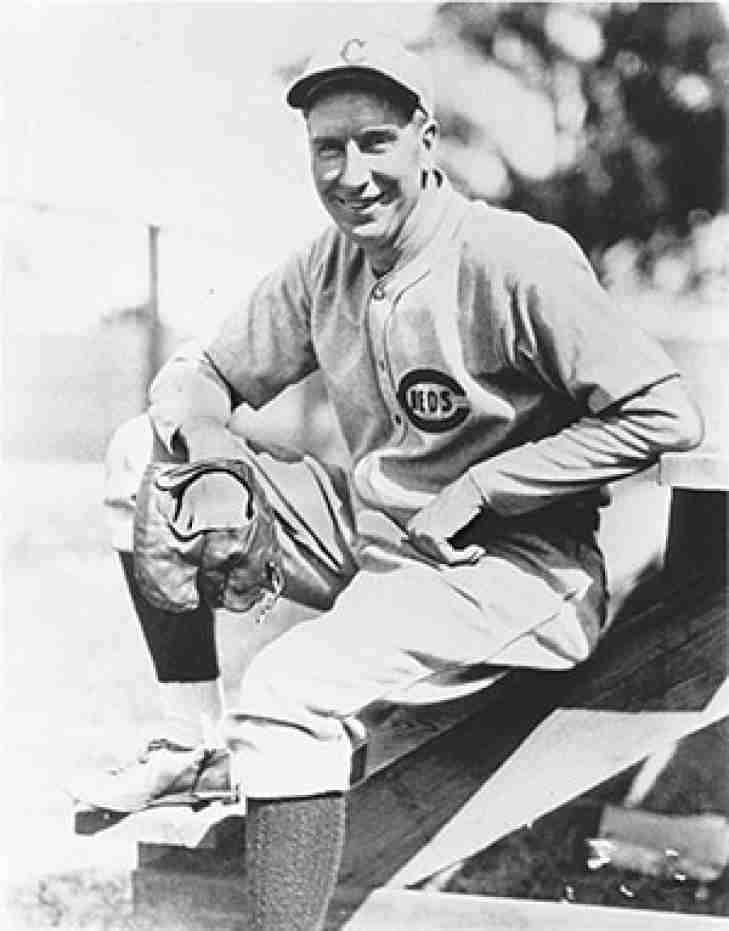
When the Reds acquired the man they called "Jeptha" in 1921, they were adding a veteran who was just beginning to touch his statistical ceiling. Rixey matured instantly into the staff's most reliable weapon, winning 179 games in a Cincinnati uniform and eventually setting the all-time mark for wins by a left-hander, a record that would stand until the arrival of Warren Spahn. He arrived as a respected arm and quickly became the high-leverage anchor of the rotation, rattling off three 20-win campaigns and leading the National League with 25 victories in 1922.
The true genius of his game was found in his ability to keep the ball in the park during an age when home runs were becoming the league's primary currency. In 1921, Rixey authored a masterpiece of efficiency, allowing just one home run over a staggering 301 innings of work. He followed that by leading the league in fewest home runs allowed per game twice more during his tenure. He wasn't just a volume-dense workhorse; he was an expert at run prevention who understood how to navigate the most dangerous parts of a lineup without giving in to the long ball.
His identity was that of a quiet, "amiable" professional who led by example. Rixey was a fixture in the Cincinnati rotation for 13 seasons, providing a level of stability that helped the organization remain competitive throughout the decade. Whether he was logging 300-plus innings or working out of a jam in a close game, he was the arm the Reds leaned on most. He concluded his long journey in 1933, leaving the game as the winningest southpaw in the history of the sport at the time of his retirement.
The chapter of his playing days eventually transitioned into a period of historic recognition. The Reds honored his massive contribution by naming him to the franchise Hall of Fame in 1959, and the baseball world at large followed suit in 1963 by inducting him into the National Baseball Hall of Fame in Cooperstown.
