


Committee Chairman
Our Notinhalloffame Football List has been revised for 2023
Is it that time again!
One of our core lists on Notinhalloffame.com, our list of those to consider for the Pro Footnall Hall of Fame has been revised.
The steps in our revisions are basic:
-Remove all of those who were inducted. This included Cliff Branch (#11), Richard Seymour (#35), Tony Boselli (#36), Sam Mills (#40), Leroy Butler (#69) and Bryant Young (#159).
-Input those we think worthy who are now eligible.
-Adjust rankings based on your votes and comments.
The entire list can be found here, but here is our new top ten:
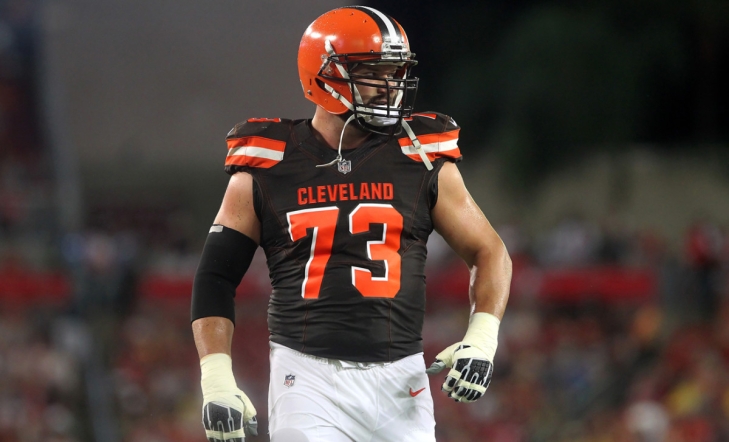
#1. Joe Thomas. The career Cleveland Brown enters his first year of eligibility, and we expect that Thomas will walk in easily. Although Thomas’ teams had way more losses than wins, he is a member of the 2010s All-Decade Team, a ten-time Pro Bowler and a six-time First Team All-Pro. He should be a lock.
#2. Chuck Howley. Ranked #3 last year, Howley starred at Linebacker for Dallas, where he helped them win Super Bowl VI, after winning the Super Bowl MVP in the Cowboys’ losing effort the year before. A six-time Pro Bowler and five-time First Team All-Pro, Howley’s path has to come via the Senior’s Committee.
#3. Randy Gradishar. The star of the Orange Crush Defense, Gradishar was the NFL Defensive Player of the Year in 1978, and went to seven Pro Bowls and had five First Team All-Pros. Gradishar was a Finalist three times, most recently in 2020, on the Centennial Slate ballot. He was ranked #2 last year.
#4. DeMarcus Ware. Ware was ranked #1 last year, and while we thought he was going to enter last year on his first year on the ballot, it was not meant to be, although he reached the Finals. The Linebacker played for Dallas and Denver, winning a Super Bowl in his final season. A member of the 2000s All-Decade Team, Ware twice led the lead in Sacks, three times in Tackles for Loss, and went to nine Pro Bowls. Ware is also a four-time First Team All-Pro.
#5. Darrelle Revis. The New York Jets may not have had much to crow about over the last twenty years, but Darrelle Revis and “Revis Island” was one of the finest displays of Cornerback work over the last decade. Revis was a four-time First Team All-Pro, seven-time Pro Bowl Selection, and he won a Super Bowl with New England. This is his first year of eligibility.
#6. L.C. Greenwood. Greenwood helped the Steelers win four Super Bowls in the 1970s and he was a Finalist for the Hall six times. A six-time Pro Bowl and two-time First Team All Pro, the Defensive End was also chosen for the 1970s All-Decade Team. He drops two spots this year.
#7. Torry Holt. Holt is destined to follow his Hall of Fame Rams teammate and fellow Wide Receiver, Isaac Bruce into Canton. A Super Bowl Champion with St. Louis, Holt was an All-Decade Selection, seven-time Pro Bowler and he has been a Finalist the last three years. Holt slid one spot on this year’s rank.
8. Ronde Barber. Moving up two spots, Barber played his entire career with Tampa Bay, where he won a Super Bowl. A member of the 25-25 Club, Barber went to five Pro Bowls and was a 2010’s All-Decade Selection. He has been a Finalist the last two years.
9. Roger Craig. A former Offensive Player of the Year and three-time Super Bowl Champion with San Francisco, Craig made history as the first player to rush for 1,000 Yards and receive over 1,000 Yards in a season. The four-time Pro Bowler was ranked at number five last year, and was a Finalist in 2020.
10. Zach Thomas. Thomas has been a Finalist the last three years and likely will be again in 2023. The Linebacker was an All-Decade Selection in the 2000s, a two-time leader in Combined Tackles, and was a five-time First Team All-Pro. Thomas was ranked #21 last year.
There were many other new entries on our top 300.
Offensive Lineman, and Super Bowl Champion with New Orleans, Jahri Evans, enters at #36. He was a four-time First Team All-Pro and six-time Pro Bowl Selection.
James Harrison went from undrafted to two-time Super Bowl Champion and Defensive Player of the Year with the Steelers. The five-time Pro Bowler debuts at #51.
Defensive End, Dwight Freeney, went to seven Pro Bowls, was a three-time First Team All-Pro and won the Super Bowl with Indianapolis. Freeney had 125.5 career Sacks and comes in at #61.
Shane Lechler, who is one of the best Punters ever makes his first appearance on the list at #110.
Rounding out the new entries are former Bears and Jets Running Back, Matt Forte (#215), former 49ers Linebacker, NaVorro Bowman (#231), and former Bengals and Cardinals Quarterback, Carson Palmer (#258).
Thank you all for your support, and we encourage you to cast your votes and offer your opinions.
Our All-Time Top 50 Atlanta Braves have been revised to reflect the 2022 Season
Yes, we know that this is taking a while!
As many of you know, we here at Notinhalloffame.com are slowly generating the 50 of each major North American sports team. That being said, we have existing Top 50 lists out and we always consistently look to update them when we can and based on necessity. As such, we are very happy to present our pre-2022 revision of our top 50 Atlanta Braces.
As for all of our top 50 players in baseball we look at the following:
1. Advanced Statistics.
2. Traditional statistics and how they finished in the National League.
3. Playoff accomplishments.
4. Their overall impact on the team and other intangibles not reflected in a stat sheet.
The Braves won the 2021 World Series with a star-studded team, but as this is a club with well over 100 years of tenure, none of the young stars made the top 50, though they were close.
As always, we present our top five, though there were no changes.
1. Hank Aaron
2. Warren Spahn
3. Kid Nichols
4. Greg Maddux
You can find the entire list here.
Freddie Freeman, who signed with the Dodgers in the off-season, and was ninth in
Ozzie Albies just missed out, and will likely reach the mid-40s next year. A monster season by Ronald Acuna will get the former Rookie of the Year to the top fifty.
We welcome your input and comments and as always, we thank you for your support.
Wayne Rooney and Patrick Vieira named to the EPL Hall of Fame
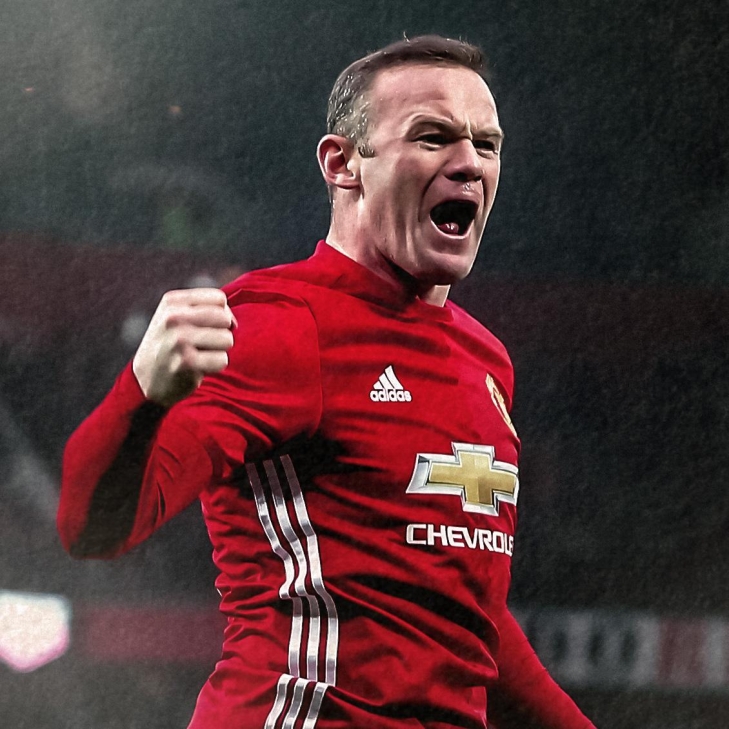
One of the newer Halls of Fame that is big in our circle comes from across the pond in England, the Premier League Hall of Fame, and today they announced two new members: Wayne Rooney and Patrick Vieira.
Rooney began his EPL career with Everton in 2002, before transferring to Manchester United two years later, where he became one of the squad’s best players of all-time and all-time leading scorer. He did it all for Man U, leading them to Premier League Championships five times (2007, 2008, 2009, 2011 & 2013), the FA Cup (2016), the UEFA Championships League (2008), FIFA Club World Cu (2008) and the Europa Championship (2017). Rooney scored 208 Goals for Manchester United and is second all-time in EPL history.
From France, Vieira joined Arsenal in 1996, where the Midfielder played nine seasons. He anchored the Gunners to three League titles, including the undefeated 2003-04 Season, and amassed 29 Goals in 279 Games.
Rooney and Vieira bring the total of Premier League Hall of Fame inductees to ten.
We here at Notinhalloffame.com would like to congratulate the two newest members of the Premier League Hall of Fame.
Major Update: Our Baseball List has been revised for the 2023 Vote.
Is it that time again!
One of our core lists on Notinhalloffame.com, our Baseball list of those to consider for the Baseball Hall of Fame has been revised.
The steps in our revisions are basic:
-Remove all of those who were inducted. This included David Ortiz (#8), Gil Hodges (#11), Minnie Miniso (#14), Jim Kaat (#20) and Tony Oliva (#27).
-Input those we think worthy who are now eligible.
-Adjust rankings based on your votes and comments.
Before we announce our top ten, note that we did one major change. We used to have three number ones, with Pete Rose and “Shoeless” Joe Jackson appearing as 1A and 1B since our inception, as both were deemed ineligible. We have altered this with no multiples at the top, and although Rose and Jackson are still not welcome into Cooperstown, we disagree, and will keep them ranked.
The entire list can be found here, but here is our new top ten:
#1. Barry Bonds. Bonds’ ten years of eligibility may have ended a few months ago, but the all-time leader in Home Runs leader won seven MVPs, despite there being a cloud of PED suspicion around him. His chances now lie with the Veteran’s Committee. Bonds was ranked at 1C last year.
#2. Roger Clemens. Clemens is like Bonds, in that he too ended his regular stay on the ballot, and was likely excluded due to the belief that he might have used PEDs. Clemens won the Cy Young seven times, and remains at #2.
#3. Alex Rodriguez. Unlike Bonds and Clemens, Rodriguez DID test positive for PEDs, which happened after the 2004 agreement between the players and MLB that outlawed the enhancers. A-Rod was on his first year of eligibility, drawing only 34.3% of the vote, despite being a three-time MVP. He holds the same rank as last year.
#4. Pete Rose. Rose is the all-time leader in Hits, but he has been from baseball for gambling on the sport. Ranked at #1A last year, Rose drops considerable on this list, but despite the issues of the players of above him, Rose actually has a significantly lower bWAR than Bonds, Clemens and Rodriguez.
#5. “Shoeless” Joe Jackson. Ranked #1B last year, Jackson is ineligible for the Hall due to his possible participation in the throwing of the 1919 World Series. That being said, there are many, including us, who feel that he belongs.
#6. Lou Whitaker. The former Tigers Second Baseman might not have lasted more than one year on the Hall of Fame ballot, but he was once on the Veteran’s Ballot, and is considered one of the more egregious snubs by sabremetricians. He was ranked #4 last year.
#7. Bill Dahlen. Dahlen was a previous Veteran’s Committee Nominee, and that is still the route in which he needs to gain entry to Cooperstown. The Shortstop was a two-time leader in Defensive bWAR and won a World Series Ring with the Giants in 1905. He was ranked #5 last year.
8. Curt Schilling. Schilling asked to be removed off of the ballot, and that didn’t happen, and many of the voters acquiesced to his later request to be removed from consideration. On his last year on the ballot, Schilling dropped from 71.1 to 58.6, and despite his resume, it is conceivable that he will never see a Veteran’s Committee ballot.
9. Manny Ramirez. Ramirez entered the ballot in 2017, and offensively he statistically had a better resume than Ivan Rodriguez and Vladimir Guerrero, both of which are now in Cooperstown. He is in the same vein as A-Rod, as he was popped for PEDs as a player. Ramirez will enter his seventh year on the ballot, but has yet to crack 30%.
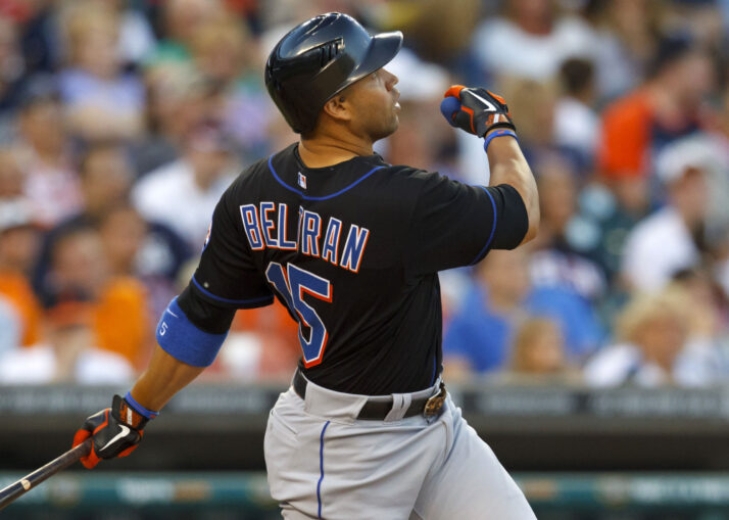
10. Carlos Beltran. Beltran is the only new entry in his first year of eligibility, and the nine-time All-Star has the stats for the Hall, but his recent scandal involving the Astros World Series win, could cost him some votes.
There were other new entries, including closer, Francisco Rodriguez, who debuts at #172. To close off the list, a new #300 had to come in, which was Derrek Lee.
Thank you all for your support, and we encourage you to cast your votes and offer your opinions.
