


Committee Chairman
Why It's Important for College Athletes to Build a Personal Brand
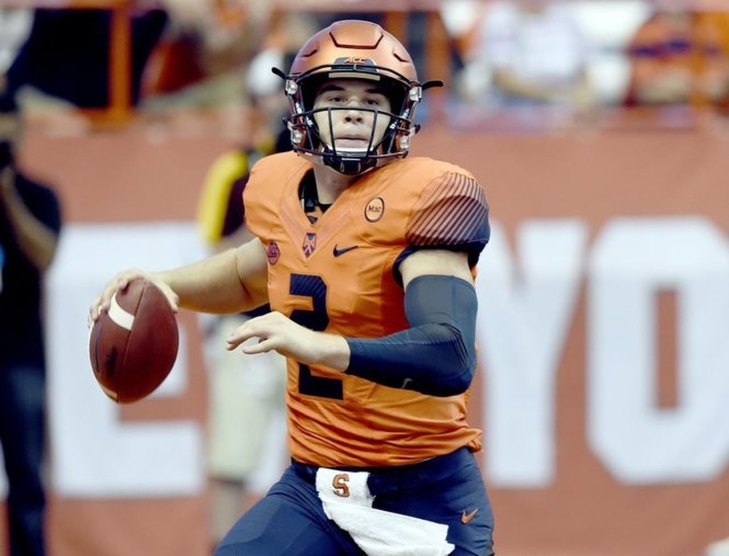
Many successful athletes were discovered while in college, therefore this should motivate you as a college athlete to create a brand for yourself. Like any other professional, you need to think about creating a long and successful career as a college athlete. Building your personal brand can be a good starting point. Your personal brand will determine how the professional sports world will perceive you. It will also determine the level of respect that your fans and sponsors will accord you. Building your personal brand as a college athlete will offer you many benefits.
● It Will Make Many People Recognize You
Would you not feel nice if many people recognized you without you not having to introduce and reintroduce yourself? Think about Serena Williams, Lebron James, and Tom Brady. These athletes are some of the most famous athletes in the U.S. Many people are usually willing to sponsor them because they stand out from the crowd. Like them, you can become famous and have many sponsors looking for you. Personal branding can help you achieve this. With a strong personal brand, many people will recognize you. That, in turn, will help you maximize your financial opportunities.
● It Will Help You Stand Out From the Crowd
According to research, there are more than 460,000 college athletes in the U.S. Therefore, as a college athlete, you need to think about how you will stand out from the crowd. A strong personal brand can help you achieve this.
You might be better at sports than your friend. However, if your friend has taken time to build their personal brand, they will be perceived to be better than you. Therefore, you need to take time to build your personal brand as a college athlete. Building your personal brand will give you a chance to showcase your athletic skills and your experience as an athlete. All this will set you apart from other athletes.
● Building Your Personal Brand Will Enhance Your Online Visibility
The number of American athletes has been increasing daily. Therefore, as a college athlete, you need to consider growth in the competitive athletic environment. Improving your online visibility can help you achieve this. Many potential sponsors and coaches will notice you when you are more visible online.
Building your personal brand can help you improve your online visibility. To make yourself more visible online, you should consider creating content related to college athletics. You should also get active on social media and ensure that you optimize your content.
● It Will Help You Attract Prospective Sponsors
Sponsors offer commerce-related benefits to athletes. As a college athlete, you need these benefits. You will not have to worry about finding money to pay for training and sporting events when you get a sponsor.
For someone or a company to offer you sponsorship, you will have to prove to them that sponsoring you is worth their resources and time. A strong personal brand can help you convince such people. Taking time to build your personal brand will prove to prospective sponsors that you are passionate about athletics. That, in turn, will make them want to offer the financial resources you need to improve your athletic career.
● It Will Help You Achieve Your Athletic Goals
Like any other athlete, you probably have athletic goals that you want to achieve within a certain period. Probably, one of these goals is getting recruited in some of the famous college athletic teams or getting a certain number of sponsors. To achieve these goals, you need to put in the necessary work.
Building your personal brand can help you achieve these goals. For instance, it can open up networking opportunities that can help you get sponsors. A strong personal brand can also help you attract many coaches, helping you get recruited into famous college athletic teams.
Your personal brand is simply the unique combination of experiences and skills that define you. Developing it is quite essential, especially if you are a college athlete. It can help you maximize your financial opportunities and achieve your athletic goals. A strong personal brand can also help you attract many prospective sponsors and improve your online visibility.
Our All-Time Top 50 Chicago Cubs have been revised to reflect the 2021 Season
Yes, we know that this is taking a while!
As many of you know, we here at Notinhalloffame.com are slowly generating the 50 of each major North American sports team. That being said, we have existing Top 50 lists out and we always consistently look to update them when we can and based on necessity. As such, we are very happy to present our pre-2022 revision of our top 50 Chicago Cubs.
As for all of our top 50 players in baseball we look at the following:
1. Advanced Statistics.
2. Traditional statistics and how they finished in the National League.
3. Playoff accomplishments.
4. Their overall impact on the team and other intangibles not reflected in a stat sheet.
The Cubs 2021 Season put an end to their recent success, and the 2016 World Series seems so long ago. Chicago traded some of their best players during the summer, some of which are on this list.
As always, we present our top five, though there were no changes, and there are no new additions overall.
1. Cap Anson
2. Ernie Banks
4. Ron Santo
You can find the entire list here.
Anthony Rizzo, who was traded last July to the Yankees, moved up one spot to #31.
Kris Bryant, who was sent to San Francisco last year in July, moved up three to #38.
Pitcher, Jake Arietta who resigned last year, but was released in August, had such a mediocre return, that he dropped two to #49.
It is worth noting that Pitcher, Kyle Hendricks, came close to making our top 50.
We welcome your input and comments and as always, we thank you for your support.
RIP: Taylor Hawkins
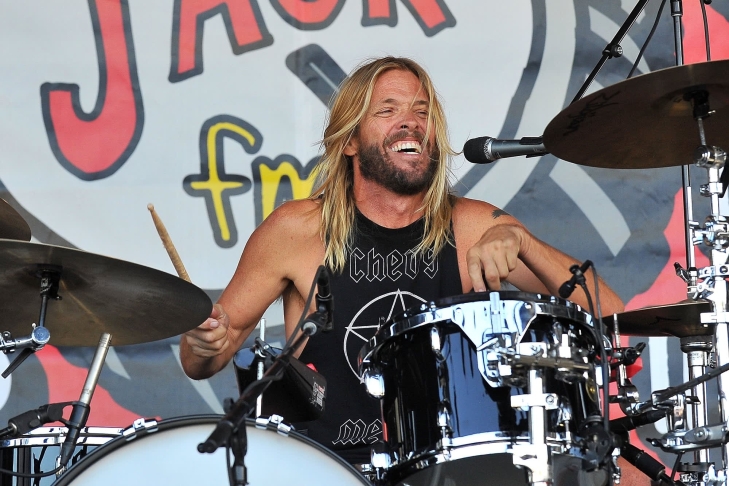
Taylor Hawkins, drummer for the Foo Fighters, passed away yesterday at the age of 50.
Breaking through as the touring drummer for Alanis Morissette during her peak period, Hawkins replaced William Goldsmith as the Foo Fighters drummer during the recording of their album, The Colour and the Shape.
In addition to his skill, Hawkins was known for his likable personality, and Dave Grohl, the frontman of the band, would later discuss how Hawkins was his closest friend.
He was inducted with the rest of the Foo Fighters into the Rock and Roll Hall of Fame in 2021.
We here at Notinhalloffame.com would like to extend our condolences to the family, fans and friends of Taylor Hawkins.
Three UFC World Champions Who Look set For Hall of Fame
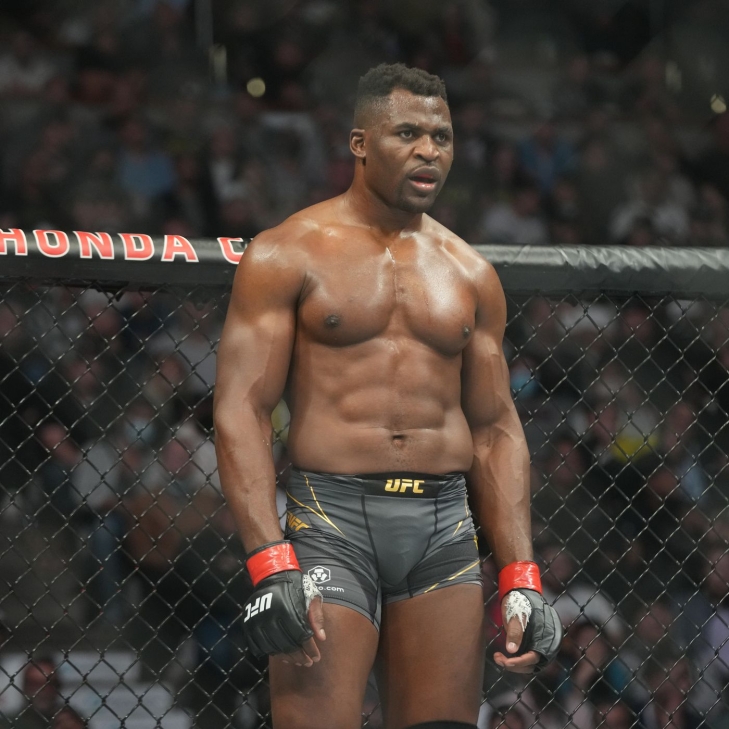
Holding on to a title in the UFC is no easy feat. Each division in the sport is stacked with fighters who eagerly await their turn to get a shot at the silverware.
Here is a look at three champions on the scene who look to have something special about them and appear on course to enter the Hall of Fame in their sport one day.
Israel Adesanya
Middleweight champion Israel Adesanya has a professional record of 22-1 with his sole defeat being that against Jan Blachowicz. Adesanya had stepped up to the light heavyweight division to take on the Polish fighter and this risk was met with a shock loss.
All in all, over the years, Adesanya has produced some memorable stoppages in his title defenses. For example, he KO’d Robert Whittaker in the second round of their contest in 2019, while more recently, he needed just two rounds to defeat Paulo Costa.
One of Adesanya’s most impressive wins, however, came against Kelvin Gastelum. The clash is inside the top 10 ten greatest UFC fights of all time as both men threw absolutely everything into it. Eventually, it was the Last Stylebender who was victorious.
At the age of 32, Adesanya will feel he has a lot more to achieve in the UFC. He will be bidding to capture a number of records before he retires, and they will help him cement his place as one of the best in history.
Kamaru Usman
No current world champion in the UFC has had more successful title defenses than Kamaru Usman. When he defeated Colby Covington last November at UFC 268, it was the fifth time he had defended his welterweight crown.
Impressively, Usman has absolutely dominated the welterweight division since becoming a champion in March 2019. The Nigerian is now the number one pound-for-pound fighter in the UFC, a much-coveted position that every fighter in the sport wants to hold.
Such has been his dominance; Usman is running out of opponents at his weight. He may have to consider moving up or down a division, to face other top 10 pound-for-pound operators.
Most recently, Usman was named the Fighter of the Year in 2021. It is going to be fascinating to see who he faces in 2022 inside the Octagon.
Francis Ngannou
With six consecutive victories to his name, Francis Ngannou is the number one fighter in the heavyweight division. He is known for winning the heavyweight title with a massive victory over Stope Miocic in March 2021.
Ngannou defended his belt earlier this year when he prevailed against Ciryl Gane following five rounds. It is believed that he could be set to dominate the heavyweight division for some time as not many fighters at the weight can handle his power.
The 35-year-old has reached the top of the sport late into his career. However, he remains in great shape, so he is likely to be around for a while yet. Tai Tuivasa, Curtis Blaydes, and Derrick Lewis could be opponents in 2022 for the heavyweight champion.
Hopefully, UFC fans get to see a lot more of the above three fighters before they retire. Once they do decide to leave the Octagon for the final time, it may not take long for them to be honored into the Hall of Fame.
