


Committee Chairman
Will Twins’ Gamble on Archer Pay Off?
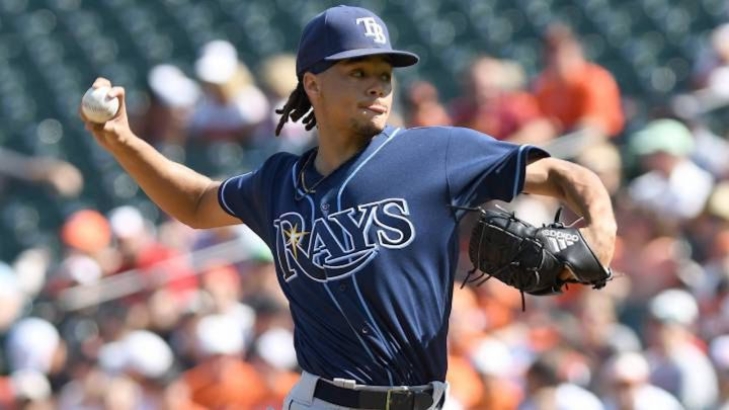
One of the more surprising pieces of MLB news from recent weeks sees veteran pitcher Chris Archer team up with the Minnesota Twins. The 33-year-old has another shot at the biggest division in baseball following a catalog of injuries.
Archer spent 2021 with the Tampa Bay Rays but appearances were restricted. He was eventually placed on the 60-day injured list with forearm tightness - not an ideal condition for a pitcher.
The former Rays and Pirates man now signs up on a one-year deal at Minnesota. The signing must be seen as a gamble but have the Twins actually made a shrewd move?
Chris Archer in Numbers
Chris Archer may not be a member of the Hall of Fame but he has had plenty to say about the accolade in the past.
As for his stats, they certainly stand up to scrutiny. Having made his MLB debut in 2012, Archer’s most successful period in the division came during his first stint with Tampa Bay which lasted from 2012 to 2018. During that time, he was good enough to make two All Star teams - in 2015 and 2017.
His pitching stats are impressive throughout but that career has been in decline since he left for the Pirates in 2018. A year later, he was a free agent and without a franchise for two years until the Rays gave him another chance last season.
Injury brought a premature end to that return so what are the Twins thinking? Is this a step too far for the player or can Chris Archer have a positive impact on his new franchise team?
Twins in Need
Minnesota Twins are certainly in need of a boost to their roster as they prepare for the 2022 MLB season. With the new campaign just days away, there is very little hope of a first World Series title in 31 years.
Betting markets are already in place and those sportsbook and casino operators linked into Asiabet are making the LA Dodgers the clear favorites to win that World Series, The Toronto Blue Jays are next while other teams in the frame include the New York Yankees, the New York Mets, the Houston Astros and the Chicago White Sox.
Way down the list are the Minnesota Twins who are firmly among the underdogs. As the MLB campaign gets underway, those odds will adjust and the Asiabet sports and casino monitoring site will publish any updates to the markets as they come in.
Visitors to that website will also be able to read up on the MLB while considering whether they want to get involved with the markets. There is access to the betting via those sportsbooks and casinos who are all happy to take on new customers.
In the main, players will be able to find some generous welcome offers in return for registration and there should be some ongoing deals moving forward. Other benefits of those websites include a range of other sporting markets plus casino platforms including roulette, blackjack and thousands of slots.
A range of funding methods are available while mobile apps allow customers to bet or play casino games on the move.
It’s a logical site for MLB bettors but have the odds setters got it right in terms of Chris Archer and the Minnesota Twins?
Can Archer get back to his best?
The deal is for one year only so it isn’t much of a gamble in that sense. However, the fees involved are surprising for a man who has endured more than his share of injuries.
Time will tell but this appears to be Chris Archer’s last chance to get back into the big time.
Our All-Time Top 50 Oakland Athletics have been revised to reflect the 2021 Season
Yes, we know that this is taking a while!
As many of you know, we here at Notinhalloffame.com are slowly generating the 50 of each major North American sports team. That being said, we have existing Top 50 lists out and we always consistently look to update them when we can and based on necessity. As such, we are very happy to present our pre-2022 revision of our top 50 Oakland Athletics.
As for all of our top 50 players in baseball we look at the following:
1. Advanced Statistics.
2. Traditional statistics and how they finished in the American League.
3. Playoff accomplishments.
4. Their overall impact on the team and other intangibles not reflected in a stat sheet.
Oakland failed to make the playoffs in 2021, and they did what they always do after the season, which was to trade off assets before they became too costly.
As always, we present our top five, though there were no changes, and only one new addition overall.
1. Lefty Grove
3. Eddie Plank
4. Jimmie Foxx
5. Al Simmons
You can find the entire list here.
The only new entry is Third Baseman, Matt Chapman, a defensive wizard who was traded to Toronto in the off-season, who enters at #50.
We welcome your input and comments and as always, we thank you for your support.
Malcolm Jenkins Retires
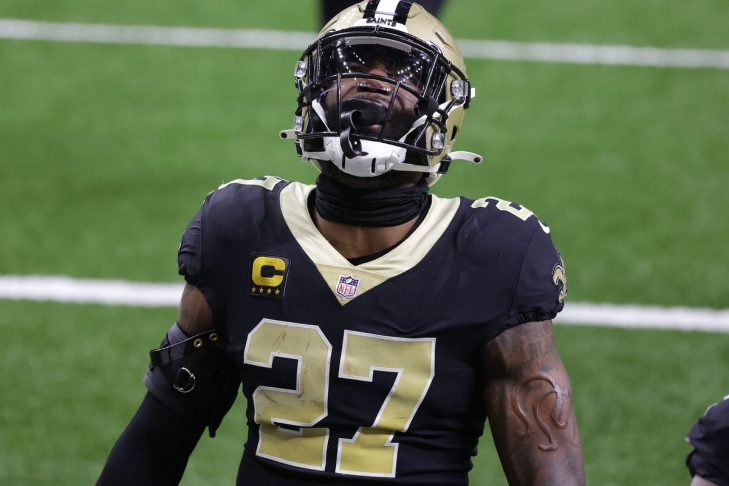
As we are knee deep in the NFL off-season, it is the time for retirements, and we have a significant one as New Orleans Saints Safety, Malcom Jenkins, is calling it a career.
The Jim Thorpe Award winner in 2008, Jenkins was drafted by the Saints 14th Overall, and the Ohio State Buckeye would become a starting Safety during his rookie season. Jenkins was a nice component in upgrading the team’s secondary, which helped catapult to them their first ever Super Bowl. Jenkins played four more years with the Saints, earning Second Team All-Pro honors in 2010, and keeping the team strong.
In 2014, Jenkins signed with Philadelphia, where he went to three Pro Bowls, while also anchoring the Eagles to their First Super Bowl win (LII). Jenkins returned to the Saints, playing two more seasons before he retired.
Off of the field, Jenkins was known for his activism, and his community contributions.
He retires with 21 Interceptions and 1,044 Tackles. Jenkins is eligible for the Pro Football Hall of Fame in 2027, and we will shortly put his bio up for you to vote and comment on in our Notinhalloffame Football Futures Section.
We here at Notinhalloffame.com would like to wish Malcolm Jenkins the best in his post-playing career.
The Steiner Brothers will be inducted into the WWE HOF.
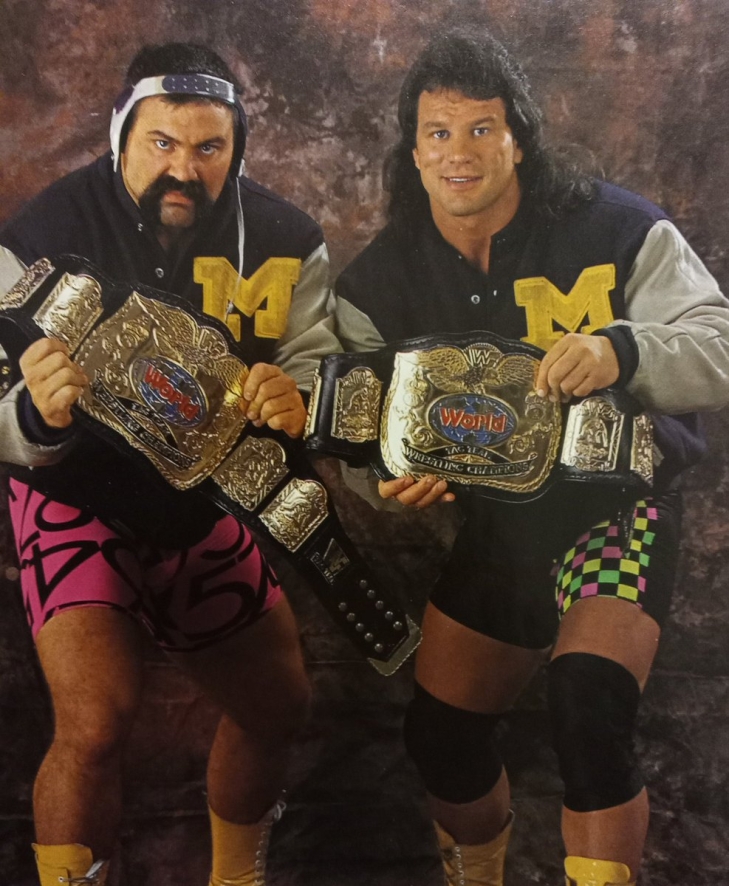
Every now and then, Hell freezes over, and when it does, it is usually based in the Stamford, Connecticut, the home of the WWE. Announced today, the Steiner Brothers have been named to the WWE Hall of Fame Class of 2022.
The Steiners are one of the most decorated and influential tag teams in wrestling history, and were arguably the most successful tag team of the 1990s. Debuting as a tag team in WCW in 1989, the brothers would win Tag Team Gold in that promotion seven times, and were also two-time WWF Tag Team Champions. Internationally, the Steiners won the IWGP World Tag Team Titles twice.
Individually, Rick won the WCW United States Title and was also a Television Champion. Scott also captured the United States Title and won the WCW World Heavyweight Championship.
Presently, Rick’s son competes as Bron Breakker in NXT, and is one of the fastest rising stars in the brand. Scott has been vocal in many interviews over the past decade against the WWE and Triple H, and in 2015, he was banned from the Hall of Fame following an incident with Hulk Hogan’s then-wife.
The Steiners are ranked #17 on our latest list of those to consider for the WWE Hall of Fame, and they, along with the other inductees will be removed from our list following Wrestlemania. We will revise our list shortly afterward.
We here at Notinhalloffame.com would like to congratulated Rick and Scott Steiner for this impending honor.
