

Our All-Time Top 50 St. Louis Cardinals have been revised to reflect the 2021 Season
Yes, we know that this is taking a while!
As many of you know, we here at Notinhalloffame.com are slowly generating the 50 of each major North American sports team. That being said, we have existing Top 50 lists out and we always consistently look to update them when we can and based on necessity. As such, we are very happy to present our pre-2022 revision of our top 50 St. Louis Cardinals.
As for all of our top 50 players in baseball we look at the following:
1. Advanced Statistics.
2. Traditional statistics and how they finished in the National League.
3. Playoff accomplishments.
4. Their overall impact on the team and other intangibles not reflected in a stat sheet.
The Cardinals earned a Wild Card berth in the playoffs, but lost in that round. With a team as old and successful as St. Louis, little movement occurred in our top 50, none in the top five, and there were no new entries.
As always, we present our top five.
1. Stan Musial
4. Bob Gibson
5. Ozzie Smith
You can find the entire list here.
Pitcher, Adam Wainwright moved up one spot to #11.
It is worth noting that Catcher, Yadier Molina, who announced that 2022 will be his final season, did not climb up any spot in 2021, and remains at #13.
We welcome your input and comments and as always, we thank you for your support.
The St. Louis Cardinals to retire Ted Simmons' number 23.
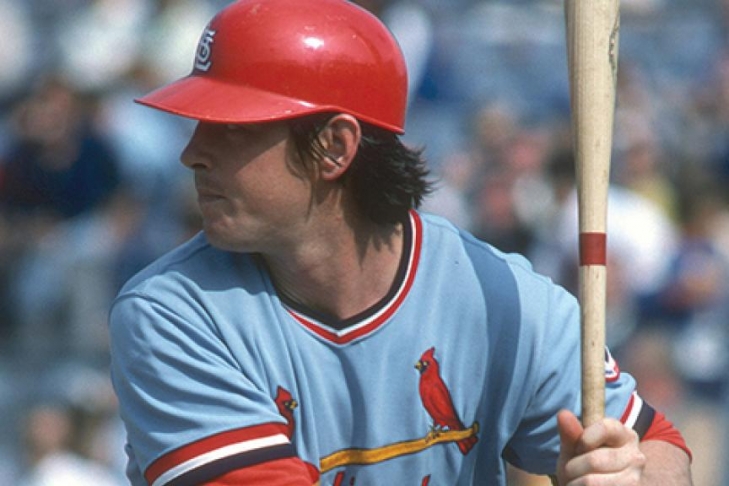
Regular visitors of Notinhalloffame.com know that we are slowly working on the top 50 of every major team in the NHL, NBA, NFL and MLB. Once that is done, we intend to look at how each team honor their past players, coaches and executives. As such, it is news to us that the St. Louis Cardinals have announced that they will be retiring the number 23 of Ted Simmons, and unveiling a statue in his honor.
The Cardinals have specific guidelines as to whose numbers they will retire, specifically those who have been inducted into the Baseball Hall of Fame who spent time in St. Louis for a significant part of their career.
Simmons was elected via the Veteran’s Committee Class of 2020.
Playing for St. Louis for 13 of his 21 years, Simmons went to six All-Star Games, collected 1,704 Hits, belted 172 Home Runs and batted .298.
Simmons joins Ozzie Smith (#1), Red Schoendienst (#2), Stan Musial (#6), Enos Slaughter (#9), Tony LaRussa (#10), Ken Boyer (#14), Dizzy Dean *#17), Lou Brock (#20), Whitey Herzog (#24), Jackie Robinson (#42), Bruce Sutter (#42), Bob Gibson (#45) and August Busch (#85).
We would like to congratulate the Ted Simmons for earning this prestigious honor.
284. Lindy McDaniel
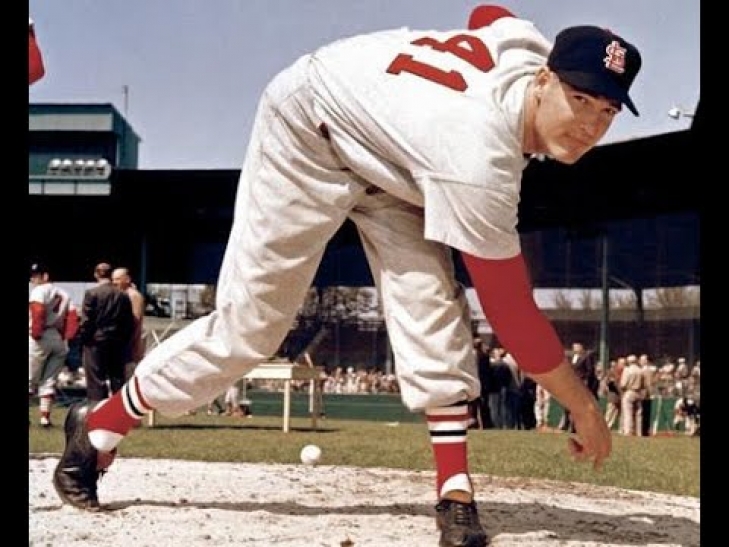
Lindy McDaniel was one of the game’s first great relievers, though his work has been largely forgotten.
283. Darrell Porter
Should Darrell Porter be on this list? We think so, but a look at his overall statistics might make you feel otherwise.
262. Chris Carpenter
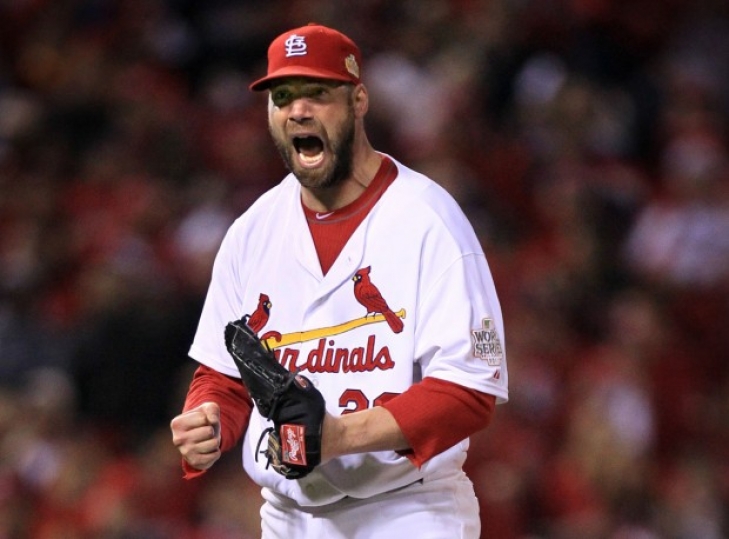
It seemed like Chris Carpenter spent far more time on Injured Reserve then he did on a Major League roster. That wasn't the case but damned if it wasn't an unfortunate pie chart that was freakishly close to even.
266. Willie McGee
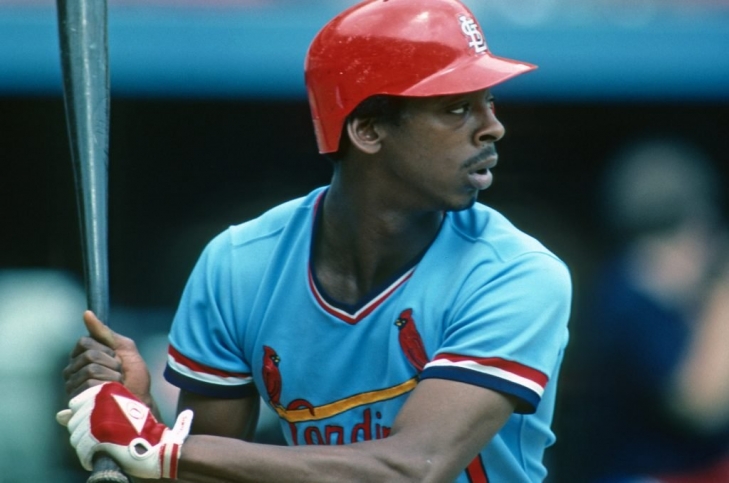
Willie McGee is one of the most important players in the St. Louis Cardinals in terms of the decade of the 1980s, but he was a lot more than a few good seasons as a Redbird.
247. Bill White
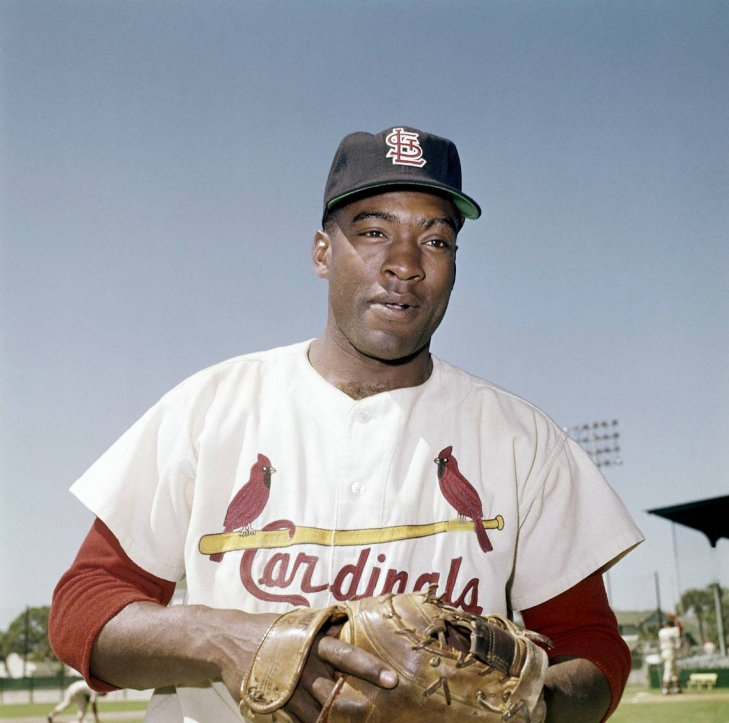
Bill White began his career with the New York Giants in 1956m, but it was not until he made it to St. Louis in 1959 where his career began to take off.
236. Ed Konetchy
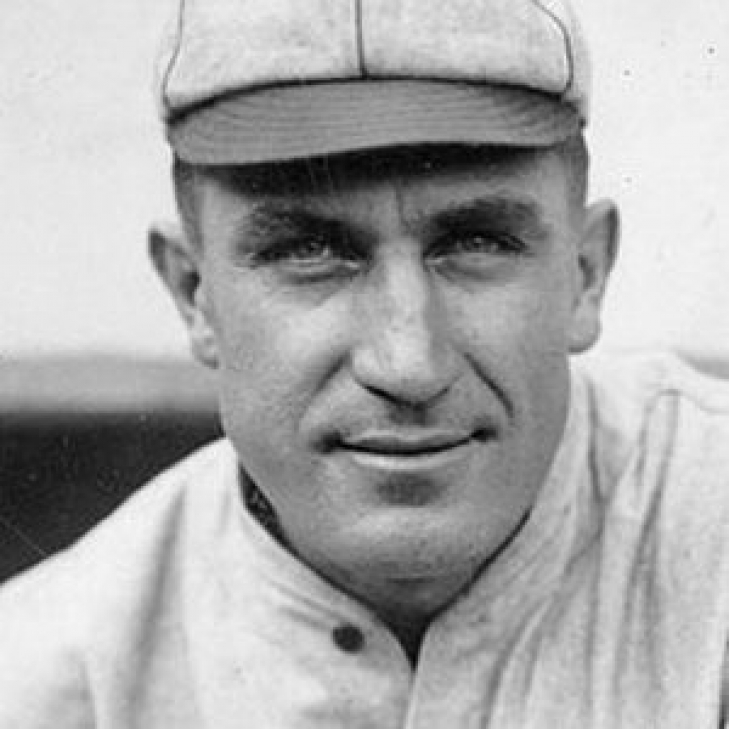
Ed Konetchy’s Major League career began in St. Louis in 1907, and the First Baseman would show remarkable consistency in the National League.
Konetchy played for the Cardinals from 1907 to 1913, had two .300 seasons, and led the NL in Doubles in 1911 (38). He was traded to the Pittsburgh Pirates in 1914, but that stay was only one year, as he was one of the many players to bolt for the short-lived Federal League, playing one season for the Pittsburgh Rebels.
Konetchy came back to the NL, playing for Brooklyn, again providing plenty of Hits and above-average defense at First.
Konetchy was traded to the Philadelphia Phillies during the 1921 Season, and he retired afterward with 2,150 career Hits and a respectable .281 Batting Average.
248. Mort Cooper
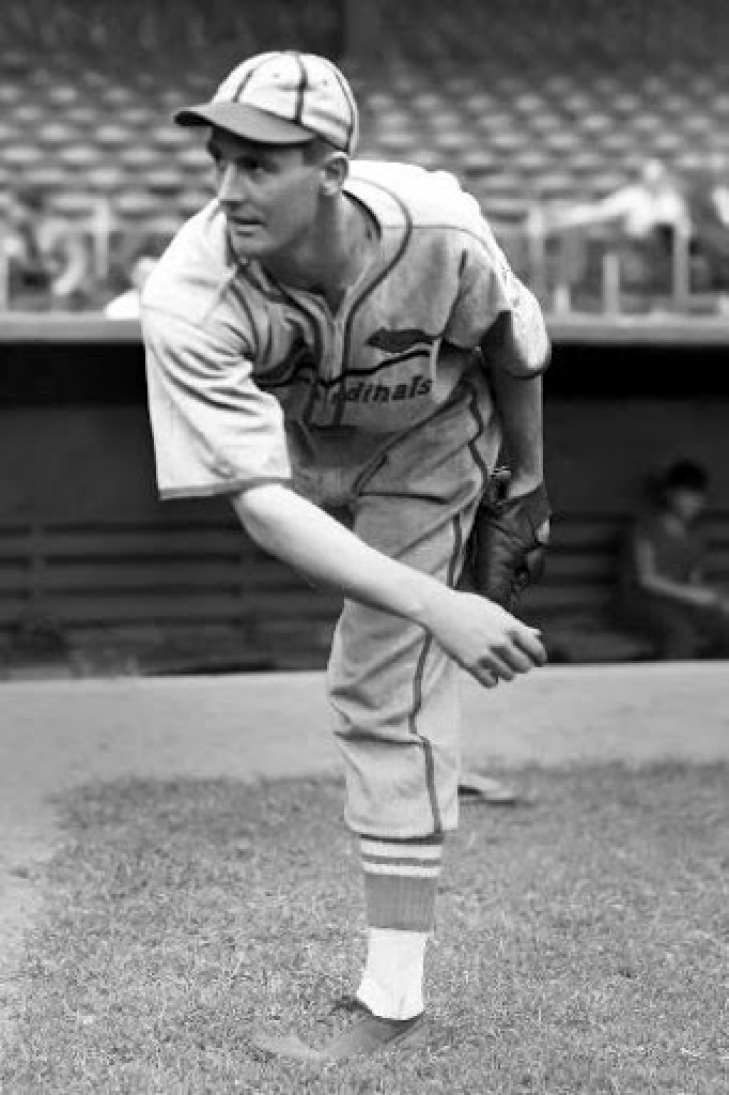
Mort Cooper must have felt like he had arm trouble his entire career, and if that was the case, it was because it was true.
235. Harry Breechen
From rural Oklahoma, Harry Brecheen took a while to make his mark in the Majors.
At age 25, Brecheen had a cup of coffee with the St. Louis Cardinals in 1940m, but he wasn't able to make his mark with that opportunity. The southpaw would, however, emerge in 1943, and while the Majors were depleted due to World War II, he made the most of this circumstance.
Brecheen came of age in 1944, winning 16 Games against 5 Losses, and helping the Redbirds win the National League Pennant. The Oklahoman won a Game in that year’s World Series, which would see St. Louis defeat the crosstown Browns for the Title. Brecheen had an even better regular season in 1944, with a 2.52 ERA (3rd in the NL) and a sparkling winning percentage of .789 (15-4).
Brecheen won 15 Games again in 1946 (albeit against 15 losses), though he sported an even better ERA of 2.24. That year, the Cardinals returned to the World Series, and Brecheen was astounding, winning all three starts and allowing only one run in 20 Innings. St. Louis won the World Series (beating Boston), and if there had been a World Series MVP in '46, it would have been offered to Brecheen on a silver platter.
1946 was the last World Series win for Brecheen, but his best regular seasons were still ahead of him. In 1947 and 1948, he was an All-Star, with his best season coming in the latter, where he led the NL in ERA (2.24). Strikeouts (149), ERA+ (182), WHIP (1.037), and SO/BB (3.04). Brecheen was fifth in MVP voting that season, his highest vote tally.
Declining after 1949, he played with the Cardinals until 1952, playing one last year in the Majors with the St. Louis Browns. Overall, Brecheen had a record of 133-92.
191. Lon Warneke
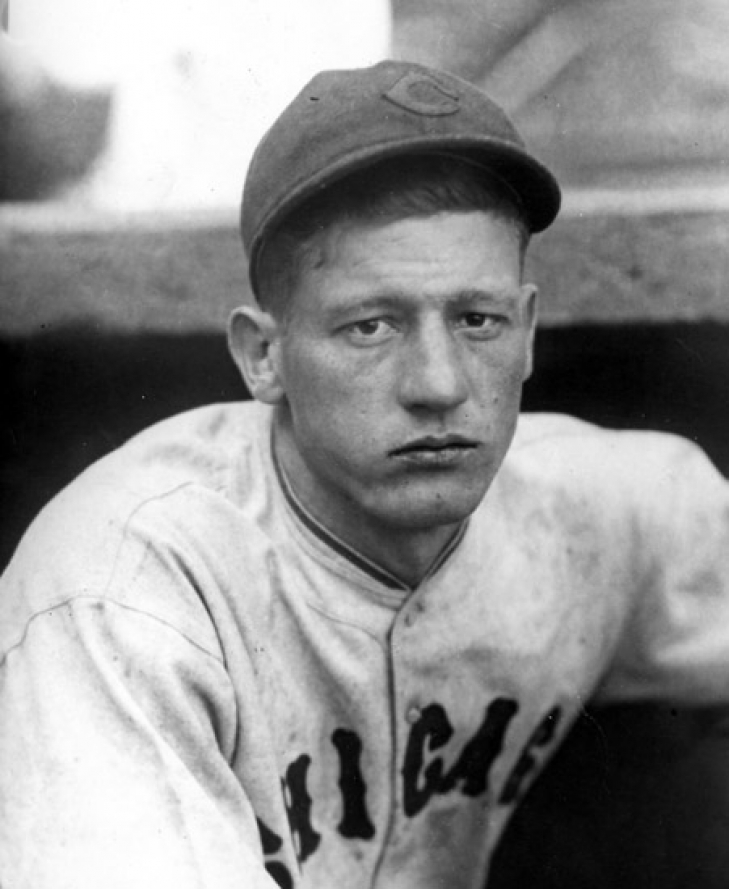
Lon Warneke played his entire career in the National League, splitting his run with rivals Chicago and St. Louis.
Warneke had one game in 1930 and 20 in 1931 for the Cubs, and while some scouts viewed him as a future star, they were likely surprised by what he accomplished in 1932. That year, “The Arkansas Hummingbird” led the NL in Wins (22), ERA (2.37), and he was second in MVP voting. He helped the Cubs win the Pennant, though they would lose the World Series to the New York Yankees.
Warneke proved he was not a one-year wonder: he went to three All-Star Games with Chicago and had three more top-20 MVP finishes, along with two more 20-win seasons. The Cubs angered their fans when they traded him to their sworn enemy, St. Louis, after the 1936 season.
Warneke played for the Redbirds for five and a half years, earning another two All-Star nods, and he always posted a winning record. That half-year was 1942, when he was dealt back to the Cubs, playing for them (save for a year in the military) until 1945. He left the game with a record of 192-121
108. Curt Flood
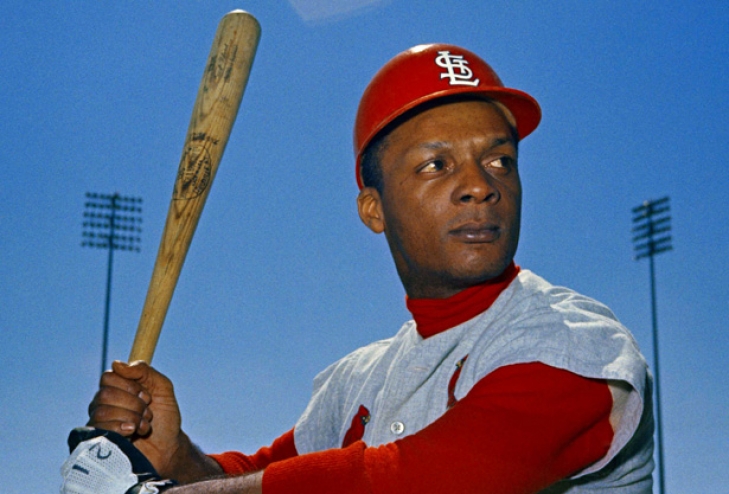
In terms of actual importance in Baseball, Curt Flood is in the top ten, if not the top five, in the game.
When Flood challenged the reserve clause in Baseball, objecting to a trade to the Philadelphia Phillies. It led to a lawsuit, and Flood sat out for an extended period, ultimately ending his career. It also led to Free Agency, and every time a baseball player signs a big contract, they should get down on their knees and thank the baseball gods for Curt Flood, who never financially benefited from what he stood for.
As a player, Flood was a star with an excellent St. Louis Cardinals team in the 1960s that won the 1964 and 1967 World Series championships. Flood was an outstanding defensive Outfielder who won seven Gold Gloves. Offensively, Flood batted over .300 six times and led the National League in Hits in 1964. The three-time All-Star was also first in Singles three times.
The trade mentioned above to Philadelphia happened in 1970 when he was 32. He played only a few more games with the Washington Senators in 1971, but his career was over. Flood left with 1,861 Hits, and one of the most important legacies in Baseball.
Keith Hernandez named to the St. Louis Cardinals Hall of Fame
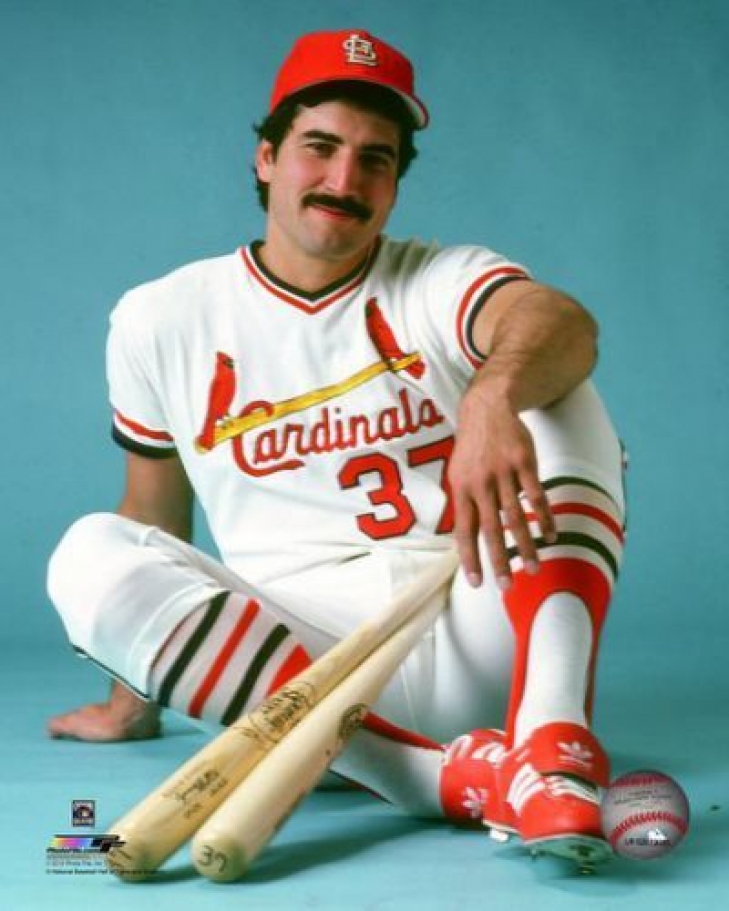
The St. Louis Cardinals Hall of Fame announced that former MVP, Keith Hernandez won the fan vote and will be the next member of their institution.
Hernandez beat out Steve Carlton, Lee Smith, Matt Morris and Edgar Renteria to earn this honor.
With St. Louis, Hernandez was a two-time All-Star, one-time Silver Slugger and six-time Gold Glove winner, and he co-won the 1979 MVP with Willie Stargell of Pittsburgh. The First Baseman won the Batting Title (.344) that year, and was also the National League leader in Runs (116) and Doubles (48). Hernandez was also a key part of St. Louis’ World Series win in 1982, though that was his last full year with the Cardinals, as he was traded during the 1983 season to the New York Mets.
As a Cardinal, Hernandez collected 1,217 Hits with a Slash Line of .299/.385/.448.
Hernandez will be officially inducted on June 28, fittingly when the Cards host the Mets.
We here at Notinhalloffame.com would like to congratulate Keith Hernandez for earning this honor.
Our All-Time Top 50 St. Louis Cardinals have been revised
Yes, we know that this is taking a while!
As many of you know, we here at Notinhalloffame.com are slowly generating the 50 of each major North American sports team. That being said, we have existing Top 50 lists out and we always consistently look to update them when we can and based on necessity. As such, we are very happy to present the pre-2021 update of our top 50 St. Louis Cardinals of all-time.
As for all of our top 50 players in baseball we look at the following:
1. Advanced Statistics.
2. Traditional statistics and how they finished in the National League.
3. Playoff accomplishments.
4. Their overall impact on the team and other intangibles not reflected in a stat sheet.
There are two new additions, but neither are active players. As always, we announce our top five immediately, but out full list can be found here.
1. Stan Musial
4. Bob Gibson
5. Ozzie Smith
There was some minor tinkering on the list due to the changing values from Baseball Reference.
Only one active Cardinal,Yadier Molina, moved up a spot to #13.
With the changes of Baseball Reference’s advanced stats, two Pitchers, Steve Carlton, and Slim Sallee replace Tim McCarver and Jesse Burkett respectively at #49 and #50.
We welcome your input and commentsand as always, we thank you for your support.
49. Slim Sallee
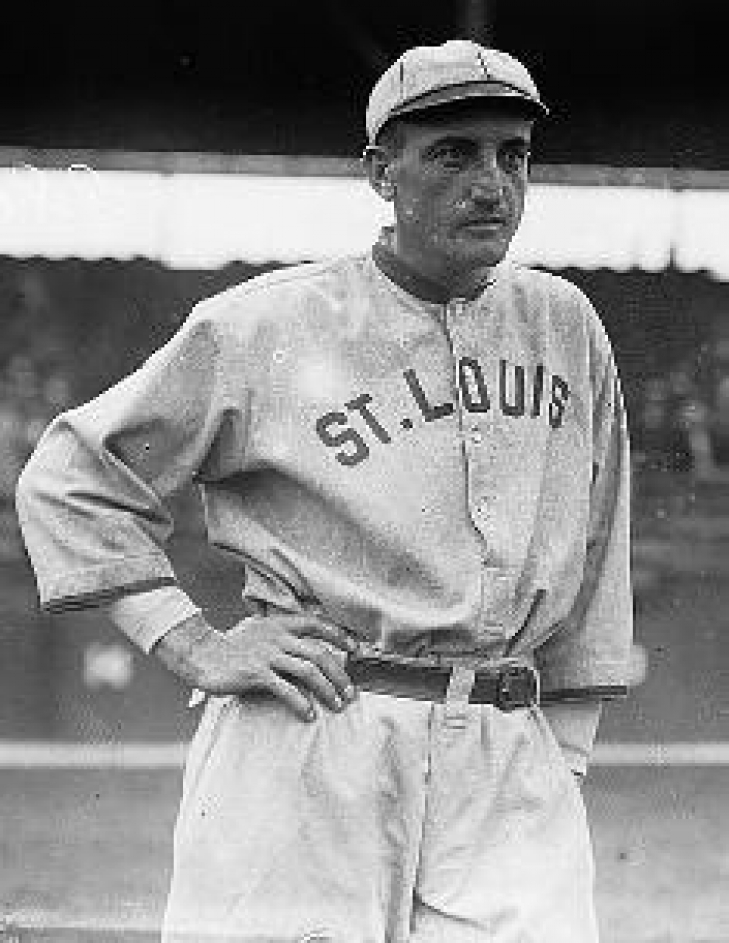
Slim Sallee began his Major League career with the St. Louis Cardinals in 1908, and the Pitcher played for the Redbrids until he was traded to the New York Giants during the 1916 season.
The southpaw had three 15-win years with St. Louis, tallying 106 against 107 Losses. Sallee started and finished his share of games, twice leading the National League in Saves twice as a Cardinal. His versatility was unheralded in his day, but is certainly recognized here.
The St. Louis Cardinals announce five candidates for their Hall of Fame
The St. Louis Cardinals have announced the five former players who fans can vote for to enter their franchise Hall of Fame.
Those players are:
Steve Carlton, Pitcher: 1965-71, 77-62, 3.10 ERA, 1.28 WHIP. Carlton’s career began in St. Louis, where he debuted in 1965, and became a full-time member of the starting rotation in 1967. He would be named to the All-Star Team in 1968, 1969 and 1971, the last of which saw “Lefty” win 20 Games. Carlton entered the Baseball Hall of Fame in 1994.
Keith Hernandez, First Base: 1974-83, .299/.385/.448, 1,217 H, 81 HR, 595 RBI. Hernandez was the co-winner of the 1979 MVP in a year that he won the Batting Title (.344), and led the NL in Doubles (48) and Runs Scored (116). A two-time All-Star as a Cardinal, Hernandez would also earn six Gold Gloves and one Silver Slugger in St. Louis.
Matt Morris, Pitcher: 1977-2005, 101-62, 3.61 ERA, 1.27 WHIP. Morris went to two All-Star Games in St. Louis, and he was 14 shy of 1,000 Strikeouts with the team. Morris led the NL in Wins in 2001, and was third in Cy Young voting that year.
Edgar Renteria, Shortstop: 1999-2004, .290/.347/.420, 973 H, 71 HR, 451 RBI. Renteria went to three All-Star Games in St. Louis, and in 2002 and 2003 won both the Silver Slugger and Gold Glove.
Lee Smith, Pitcher: 1990-93, 160 Saves, 2.90 ERA, 1.15 WHIP. Smith was not with the Cardinals for long, but he led the league in Saves twice. A three-time All-Star in St. Louis, Smith was the runner-up for the Cy Young in 1991. Smith was chosen for the Baseball Hall of Fame in 2019.
The leading vote-getter will be the lone inductee for the Class of 2021. That person will be honored on April 17, along with 2020 inductees, Tom Herr, John Tudor and Bill White.
You can vote for this year’s class here.
The Cardinals Hall of Fame was created in 2014, and had s quickly become one of our favorite franchise halls.
The Buck Stops Here -- Hall of Fame News -- Season 1 Episode 21
The St. Louis Cardinals induct Bill White, Tom Herr and John Tudor to their HOF
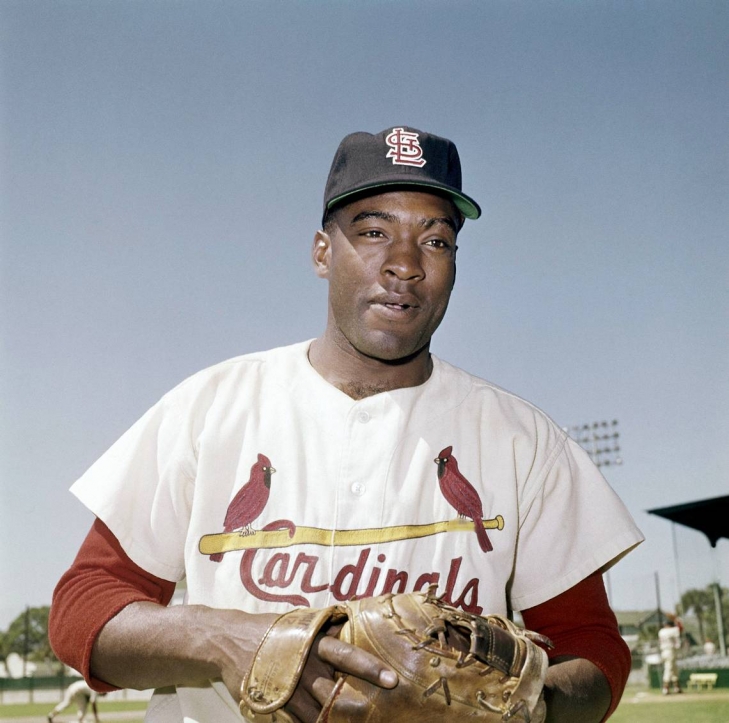
Regular visitors of Notinhalloffame.com know that we are slowly working on the top 50 of every major team in the NHL, NBA, NFL and MLB. Once that is done, we intend to look at how each team honor their past players, coaches and executives. Eventually, we plan to do that for the major colleges in the NCAA. As such, it is news to us that the St. Louis Cardinals has announced that Tom Herr, John Tudor and Bill White were chosen for their franchise Hall of Fame.
Herr and Tudor were elected via the fan vote. They beat out Keith Hernandez, Edgar Renteria, Steve Carlton, Lee Smith and Matt Morris to earn this honor. White entered by the Red Ribbon Panel, which was created for players from an earlier era.
Tom Herr, Second Base (1979-88). Herr was a member of the Cardinals 1982 World Series Championship Team, and he collected 1,021 for the franchise. His best season was in 1985, where he was an All-Star, was fifth in MVP voting and batted .303 with 110 Runs Batted In. While he was never a Gold Glove winner, he was a good fielder and had a Defensive bWAR of 4.0 for St. Louis.
John Tudor, Pitcher (1985-88 & 1990). After the 1984 season, John Tudor was traded from the Pittsburgh Pirates to St. Louis, and the southpaw proceeded to have the best season of his career. Tudor finished second in Cy Young voting after going 21-8 with a 1.93 ERA and a National League leading 0.938 WHIP. Tudor was a huge reason that the Cardinals won the Pennant, and Tudor won his first two starts, losing the third against Kansas City. Tudor had a 62-26 record for the Redbirds.
Bill White, First Base (1959-65 & 1969). An All-Star in five of his years in St. Louis, White was a member of 1964 World Series Championship Teams. Playing at First Base, White was considered one of the best defensive players at that position, and he won six of his seven Gold Gloves as a Cardinal. White had two top-ten MVP finishes and as a Cardinal had 1,241 Hits, 140 Home Runs and a .298 Batting Average.
The Cardinals Hall of Fame came into existence in 2014, and has quickly become one of the best franchise-run Halls of Fame.
We here at Notinhalloffame.com would like to the impending members of the St. Louis Cardinals Hall of Fame.
The Buck Stops Here -- Hall of Fame News -- Season 1 Episode 9
The St. Louis Cardinals HOF announce their 2020 Finalists
One of our favorite franchise Hall of Fames is that of the St. Louis Cardinals, which was only established in 2014, but has quickly earned a place as a must-see for baseball fans. For the Class of 2020, the fan vote is now available, where the top two vote getters of seven former Cardinals will become part of the organization’s Hall of Fame.
Steve Carlton 1965-71. Carlton would play the first seven seasons of his career with St. Louis, and he was a three-time All-Star while playing there. Carlton helped St. Louis win the 1967 World Series, and he was a 20 Game winner in his final year as a Cardinal. With St. Louis, he had a record of 77-62 with 951 Strikeouts and a 3.10 ERA. Carlton would be elected into the Baseball Hall of Fame in 1994.
Keith Hernandez 1974-83. Playing at First Base, Hernandez was one of the better defensive players at that position of all-time. A Cardinal for the first decade of his career, Hernandez went to two All-Star Games and won six Gold Gloves as a Cardinal. A key member of the 1982 World Series Championship team, Hernandez was the co-winner of the 1979 MVP. With the Cards, the First Baseman had 1,217 Hits with a Batting Average of .299.
Tom Herr 1979-88. Herr was an All-Star in 1985, and he was part of the 1982 World Series Championship Team. He would have 1,021 Hits for the team with a .274 Batting Average.
Matt Morris 1997-05. A St. Louis Cardinal for eight years, Morris was second in Rookie of the Year voting in 1997. He was sidelined in 1999 due to Tommy John Surgery, but he rebounded well, leading the National League in Wins (22), going to the All-Star Game, and finished third in Cy Young voting. Morris was an All-Star again in 2002, and he would have a record of 101-62 overall with 986 Strikeouts in St. Louis.
Edgar Renteria 1999-04. Renteria was a Cardinal for six years, and he was an All-Star for three of them. The Columbian Shortstop had at least 10 Home Runs in each of his seasons, and had 71 overall for the Redbirds. Renteria also stole 148 bases, and won two Silver Sluggers and two Gold Gloves. He had 93 Hits with a .290 Batting Average in St. Louis.
Lee Smith 1990-93. Three times an All-Star with the Cardinals, Smith led the National League in Saves in both 1991 and 1992, and was in the top four in Cy Young voting in both seasons. He would have 160 Saves for the team. Smith would enter the Baseball Hall of Fame in 2018.
John Tudor 1985-88 & 1990. In Tudor’s first year in St. Louis he went 21-8 and led the league in Shutouts (10) and finished second in Cy Young voting. He would have a sparkling record of 62-26 for the Cardinals with a 2.52 ERA and a WHIP of 1.080.
The vote will be open until April 17, with the results televised on FOX Sports Midwest on May 8.
We know we will be voting, and we would like to congratulate the seven Finalists.