

 Not in Hall of Fame News
Yes, we know that this is taking a while! As many of…
 Not in Hall of Fame News
Yes, we know that this is taking a while! As many of…
 Not in Hall of Fame News
2002 SEMI-FINAL RESULTS: Thank you for your participation in the Pro Football…
 Not in Hall of Fame News
Yes, we know that this is taking a while! As many of…
 Not in Hall of Fame News
We are diligently working away at Notinhalloffame on revising our Football lists…
 Not in Hall of Fame News
We are diligently working away at Notinhalloffame on revising our Football lists…
 From the Desk of the Chairman
Unlike in the case of pre-match betting, where you have to pick…
 From the Desk of the Chairman
Kupu178 builds trust with people by using top-end end-to-end encryption. It checks…
 From the Desk of the Chairman
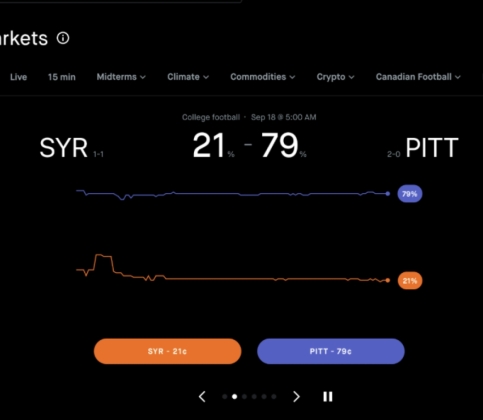
Sports fans thrive on calculating strategy, reading momentum, and maximizing every tactical…
 From the Desk of the Chairman
The 2026 NFL season is two weeks old and the division races…
 From the Desk of the Chairman
Sports communities are often built around things that have nothing to do…
 From the Desk of the Chairman
Every hall of fame eventually faces the same problem. The selection process…






100 Active Potential Football Hall of Famers
-
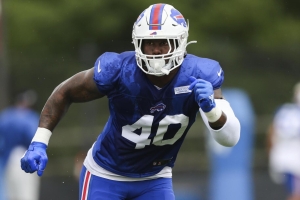 #8 Overall, Von Miller, Dallas Cowboys, #3 Defensive Lineman/Linebackers: Pass Rushers2025 Pre-Season Rank #6, 2024 Pre-Season Rank #7, 2023 Pre-Season Rank #4, 2022 Pre-Season Rank #7, 2021 Pre-Season Rank #8, 2020 Pre-Season Rank…
 -
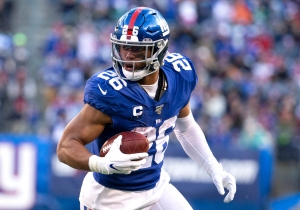 #45 Overall, Saquon Barkley, Philadelphia Eagles, #3 Running Back2025 Pre-Season Rank ##51, 2024 Pre-Season Rank #117, 2023 Pre-Season Rank #122, 2022 Pre-Season Rank #132 2021 Pre-Season Rank #101, 2020 Pre-Season Rank…
 -
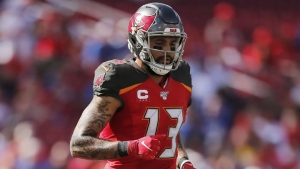 #18 Overall, Mike Evans, San Francisco 49ers, #1 Wide Receiver2025 Pre-Season Rank #13, 2024 Pre-Season Rank #18, 2023 Pre-Season Rank #35, 2022 Pre-Season Rank #58, 2021 Pre-Season Rank #73. Peak 2020-24 How…
 -
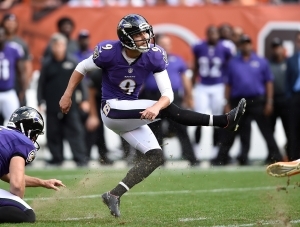 #36 Overall, Justin Tucker: Free Agent, Place Kicker, #1 Kickers & Special Teams2025 Pre-Season Rank #29, 2024 Pre-Season Rank #26, 2023 Pre-Season Rank #22, 2022 Pre-Season Rank #28, 2021 Pre-Season Rank #42, 2020 Pre-Season Rank…
Visit the Fictitious Halls of Fame!


You May Also Like...
EDITOR’S CHOICE

 DDT's Pop Flies
When the veterans committee (VC), officially convening as the Contemporary Baseball Era…


 Live Music Head
Project/Objectan interview with André Cholmondeleyby Live Music HeadOriginally published at timessquare.com on…

LATEST RANKINGS





MOST POPULAR RANKINGS
















Committee Chairman
3. Mike Webster
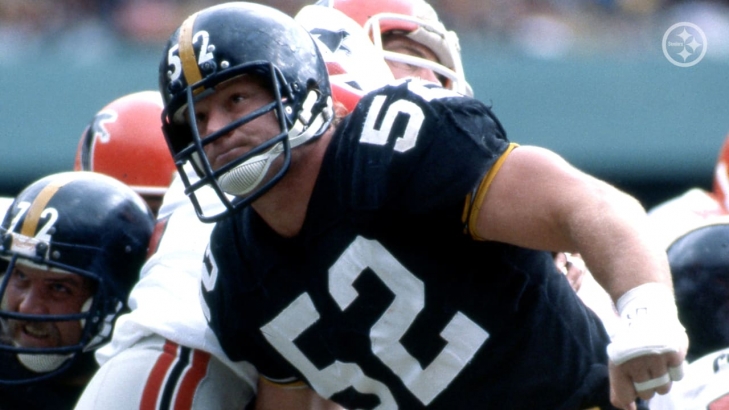
After being drafted in the Fifth Round in 1974, Mike Webster worked on Special Teams, Center and Guard in his first two seasons, contributing to the Steelers in little ways while helping them win their first two Super Bowls. What followed was one of the greatest runs ever by an NFL Center.
2. Jack Lambert
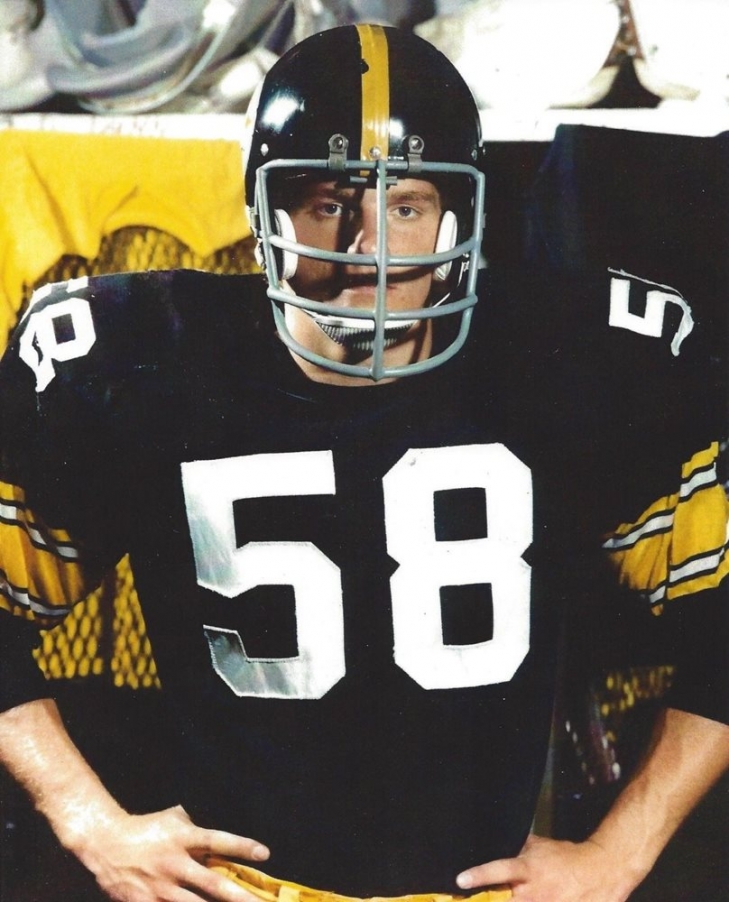
The Steelers had already put together a powerful defensive corps before they used their Second Round Pick in 1974 to take Jack Lambert, the MAC Defensive Player of the Year two years before.
1. Joe Greene
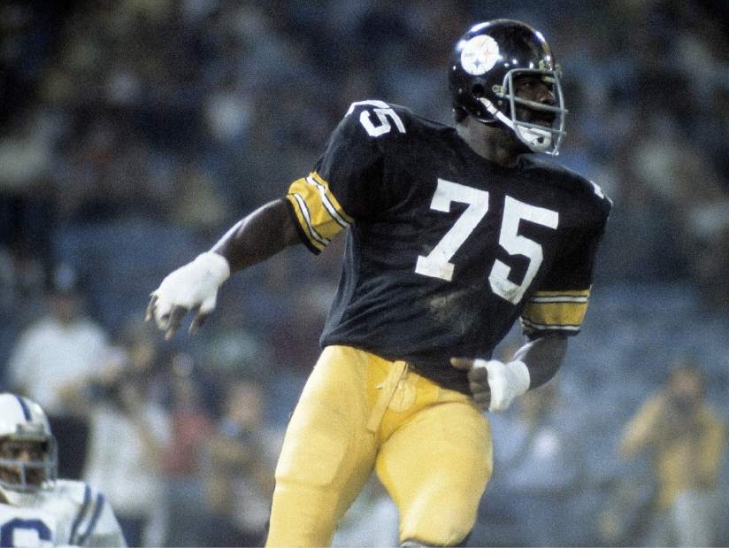
When many publications or blogs come up with "Mean" Joe Greene as the greatest Pittsburgh Steeler of all-time, they seem to make the selection seem so any. We came up with Greene as our top player in franchise history, but it was a struggle with many legends who could have easily been placed at number one. One thing above all else, though, is when you think of what embodies a Steeler, it is hard to come up with a better man than Greene.
50. Rufus Mayes
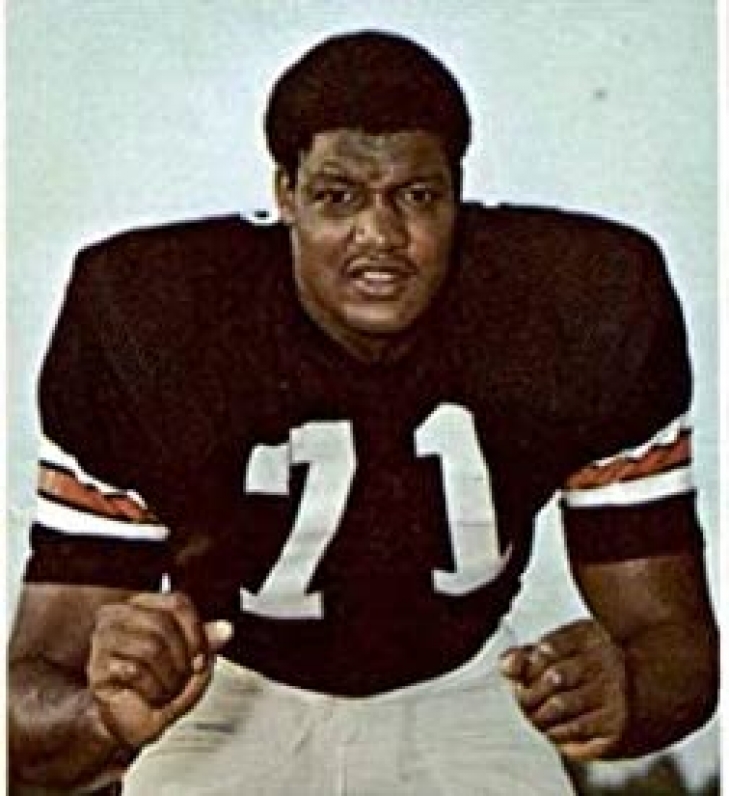
Acquired via trade following his 1969 rookie season, Ohio State standout Rufus Mayes arrived in Cincinnati after being taken 14th overall by the Chicago Bears in the first round. The Bengals sent defensive linemen Bill Staley and Harry Gunner to Chicago in exchange for Mayes—a swap that tilted heavily in Cincinnati's favor as Mayes went on to spend nearly a decade protecting the perimeter in Queen City.
At 6 feet 5 inches and 250 pounds, Mayes possessed excellent quickness and technique, stepping straight into the starting left tackle spot. He served as the primary anchor for Paul Brown's offensive front, protecting the blind side for quarterbacks Virgil Carter and Ken Anderson while opening holes for power backs like Essex Johnson and Pete Johnson.
Mayes reached the peak of his career during a stellar three-year stretch from 1974 through 1976. During those campaigns, he consistently posted double-digit Approximate Value ratings and anchored an offensive line that helped power Cincinnati to an 11-3 record and a playoff berth in 1975. Though voters routinely overlooked him for Pro Bowl honors, his high-level pass protection and stability on the edge placed him among the most effective left tackles in the AFC during the mid-1970s.
He remained a trusted starter through 1978 before finishing his professional journey with a brief final season in Philadelphia in 1979. Mayes started 98 of his 110 games in Cincinnati.
