

 Not in Hall of Fame News
Yes, we know that this is taking a while! As many of…
 Not in Hall of Fame News
Yes, we know that this is taking a while! As many of…
 Not in Hall of Fame News
2002 SEMI-FINAL RESULTS: Thank you for your participation in the Pro Football…
 Not in Hall of Fame News
Yes, we know that this is taking a while! As many of…
 Not in Hall of Fame News
We are diligently working away at Notinhalloffame on revising our Football lists…
 Not in Hall of Fame News
We are diligently working away at Notinhalloffame on revising our Football lists…
 From the Desk of the Chairman
Unlike in the case of pre-match betting, where you have to pick…
 From the Desk of the Chairman
Kupu178 builds trust with people by using top-end end-to-end encryption. It checks…
 From the Desk of the Chairman
Sports fans thrive on calculating strategy, reading momentum, and maximizing every tactical…
 From the Desk of the Chairman
The 2026 NFL season is two weeks old and the division races…
 From the Desk of the Chairman
Sports communities are often built around things that have nothing to do…
 From the Desk of the Chairman
Every hall of fame eventually faces the same problem. The selection process…


100 Active Potential Football Hall of Famers
-
 #7 Overall, Myles Garrett, Los Angeles Rams, Defensive End, #2 Defensive Lineman/Linebackers: Pass Rushers2025 Pre-Season Rank #9, 2024 Pre-Season Rank #17, 2023 Pre-Season Rank #34, 2022 Pre-Season Rank #53, 2021 Pre-Season Rank #99, 2020 Pre-Season Rank…
 -
 #36 Overall, Danielle Hunter, Houston Texans, #11 Defensive End: Defensive Linemen/Linebackers: Pass Rushers2025 Pre-Season Rank #44, 2024 Pre-Season Rank #57, 2023 Pre-Season Rank #87, 2022 Pre-Season Rank #102 2021 Pre-Season Rank #102, 2020 Pre-Season Rank…
 -
 #4 Overall, Patrick Mahomes: Kansas City Chiefs, #2 Quarterback2025 Pre-Season Rank #4, 2024 Pre-Season Rank #2, 2023 Pre-Season Rank #10, 2022 Pre-Season Rank #21, 2021 Pre-Season Rank #31, 2020 Pre-Season Rank…in Quarterbacks
 -
 #31 Overall, Roquan Smith, Baltimore Ravens Linebacker, #3 Defensive Lineman/Linebacker: Interior Lineman2025 Pre-Season Rank #39, 2024 Pre-Season Rank #62, 2023 Pre-Season Rank #92, 2022 Pre-Season Rank #133, 2021 Pre-Season Rank #146. Peak Period: 2020-24…
Visit the Fictitious Halls of Fame!

You May Also Like...
EDITOR’S CHOICE
 DDT's Pop Flies
When the veterans committee (VC), officially convening as the Contemporary Baseball Era…


 Live Music Head
Project/Objectan interview with André Cholmondeleyby Live Music HeadOriginally published at timessquare.com on…

LATEST RANKINGS

MOST POPULAR RANKINGS





Committee Chairman
23. Donnie Shell
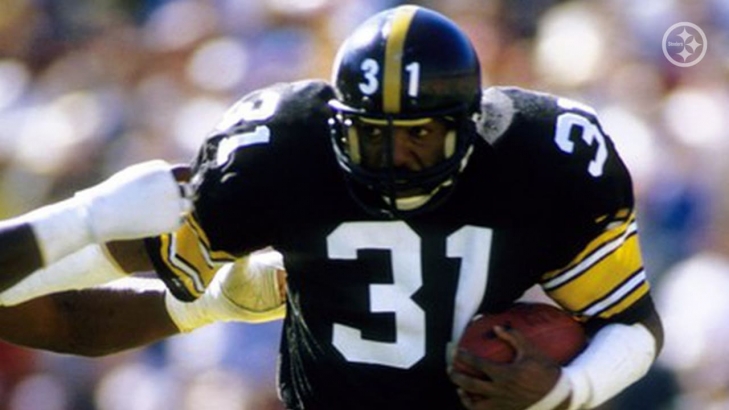
Donnie Shell was a superstar at South Carolina State, so much so that he was named to the College Football Hall of Fame. This did not translate into a drafted selection for the Safety, but the Steelers signed him that year, thus adding to the four players that year who they did draft who entered Canton.
22. Jerome Bettis
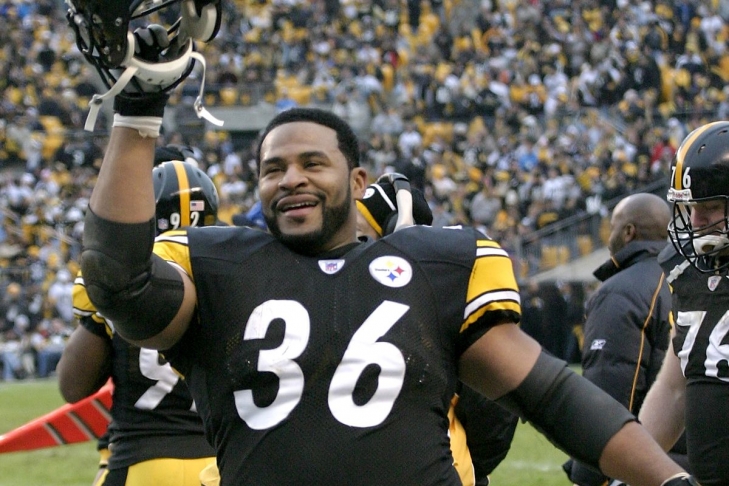
Jerome Bettis began his NFL career with the Los Angeles/St. Louis Rams, where he donned the horns on his helmet for the first three seasons of his career. Bettis was a First Team All-Pro as a rookie with 1,429 Rushing Yards, but in his third season, he dropped to 637 Yards and was deemed expendable by the Rams. "The Bus" was traded to the Steelers, and the Rams regretted that decision ever since.
21. Jack Butler
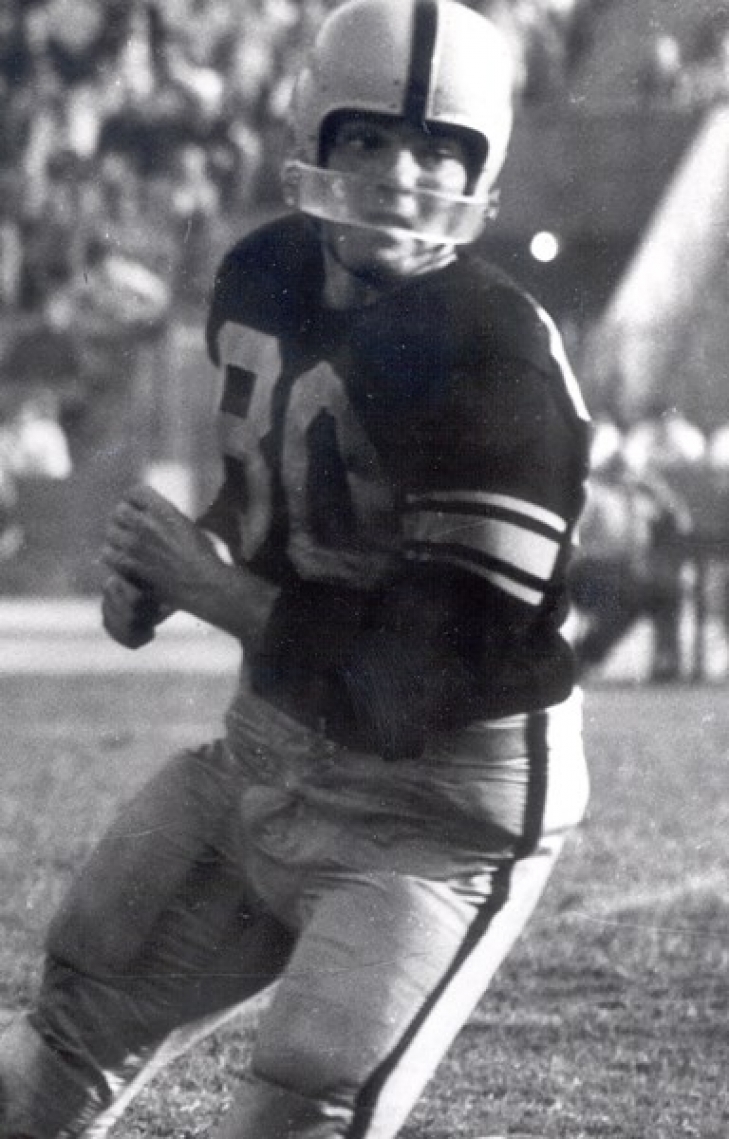
Playing at St. Bonaventure, Jack Butler did not receive any attention from the NFL scouts, which reflected as he was not a Pick in the Draft. Butler was able to find employment with the Pittsburgh Steelers in 1951, and it worked out well for both parties.
19. L.C. Greenwood
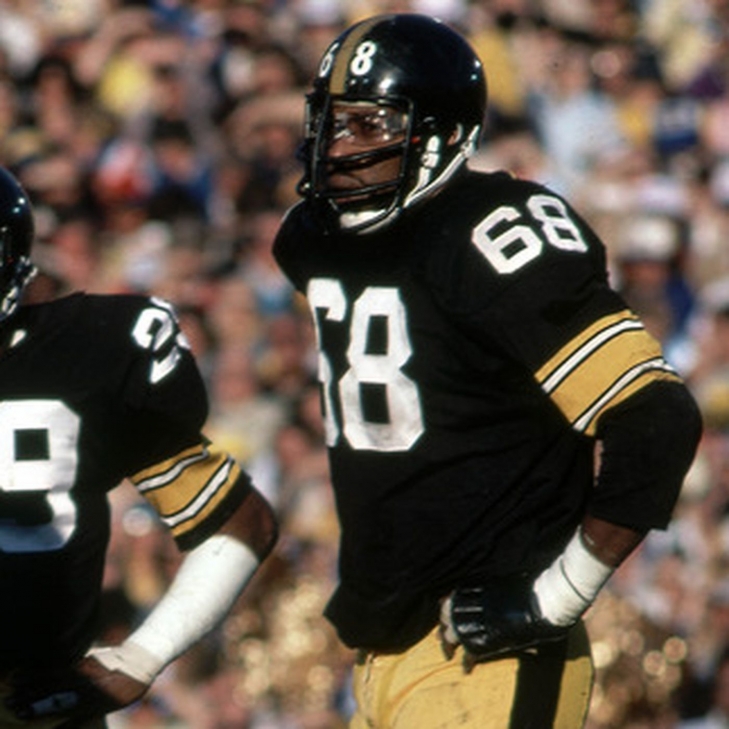
With ten members of the 1970’s Pittsburgh Steelers already in the Football Hall of Fame, you would think that the team that won four Super Bowls in that decade would be sufficiently represented in Canton. Some have said that they have the right amount, but the wrong representatives. Those people point to L.C. Greenwood as the omission.
