

 Not in Hall of Fame News
Yes, we know that this is taking a while! As many of…
 Not in Hall of Fame News
Yes, we know that this is taking a while! As many of…
 Not in Hall of Fame News
2002 SEMI-FINAL RESULTS: Thank you for your participation in the Pro Football…
 Not in Hall of Fame News
Yes, we know that this is taking a while! As many of…
 Not in Hall of Fame News
We are diligently working away at Notinhalloffame on revising our Football lists…
 Not in Hall of Fame News
We are diligently working away at Notinhalloffame on revising our Football lists…
 From the Desk of the Chairman
October baseball often turns individual pitching performances into lasting postseason memories. Strikeout…
 From the Desk of the Chairman
For decades, the sports debate ran on gut feeling. Barstool arguments, call-in…
 From the Desk of the Chairman
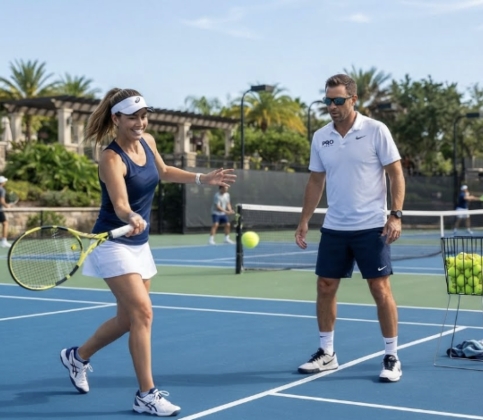
Introduction to Private Adult Tennis Camps in Prague Adult club players increasingly…
 From the Desk of the Chairman
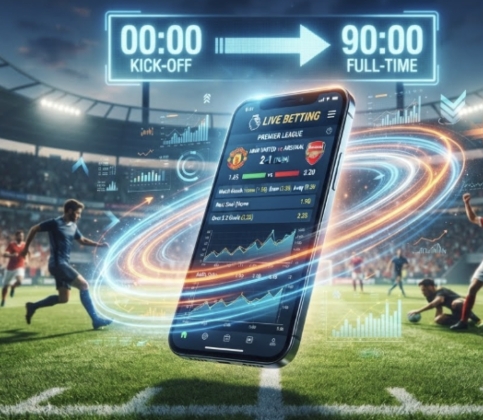
Unlike in the case of pre-match betting, where you have to pick…
 From the Desk of the Chairman
Kupu178 builds trust with people by using top-end end-to-end encryption. It checks…
 From the Desk of the Chairman
Sports fans thrive on calculating strategy, reading momentum, and maximizing every tactical…
100 Active Potential Football Hall of Famers
-
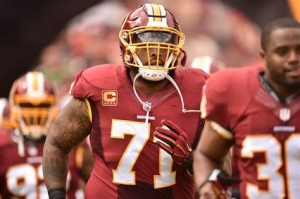 #6 Overall, Trent Williams, San Francisco 49ers, Offensive Tackle, #1 Offensive Lineman2025 Pre-Season Rank #5, 2024 Pre-Season Rank #6, 2023 Pre-Season Rank #6, 2022 Pre-Season Rank #20, 2021 Pre-Season Rank #33, 2020 Pre-Season Rank…
 -
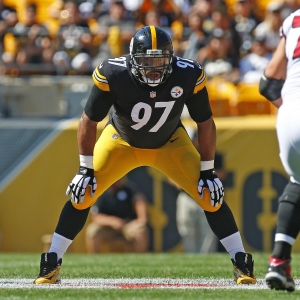 #20 Overall, Cameron Heyward, Pittsburgh Steelers, Defensive End, #9 Defensive Lineman/Linebackers: Pass Rushers2025 Pre-Season Rank #19, 2024 Pre-Season Rank #28, 2023 Pre-Season Rank #33, 2022 Pre-Season Rank #38, 2021 Pre-Season Rank #75, 2020 Pre-Season Rank…
 -
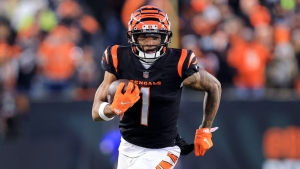 #42 Overall, Ja'Marr Chase, Cincinnati Bengals, #6 Wide Receiver2025 Pre-Season Rank #55, 2024 Pre-Season Rank #111, 2023 Pre-Season Rank #134, 2022 Pre-Season Rank #145. Peak Period: 2021-25* Ja’Marr Chase has been…
 -
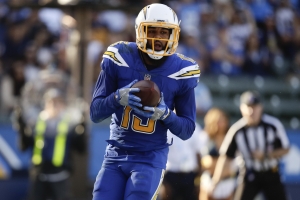 #49 Overall, Keenan Allen, Indianapolis Colts, #8 Wide Receiver2025 Pre-Season Rank #46, 2024 Pre-Season Rank #41, 2023 Pre-Season Rank #45, 2022 Pre-Season Rank #48, 2021 Pre-Season Rank #66, 2020 Pre-Season Rank…
Visit the Fictitious Halls of Fame!

You May Also Like...
EDITOR’S CHOICE
 DDT's Pop Flies
When the veterans committee (VC), officially convening as the Contemporary Baseball Era…

 Live Music Head
Project/Objectan interview with André Cholmondeleyby Live Music HeadOriginally published at timessquare.com on…

LATEST RANKINGS


MOST POPULAR RANKINGS


Committee Chairman
1. Syl Apps
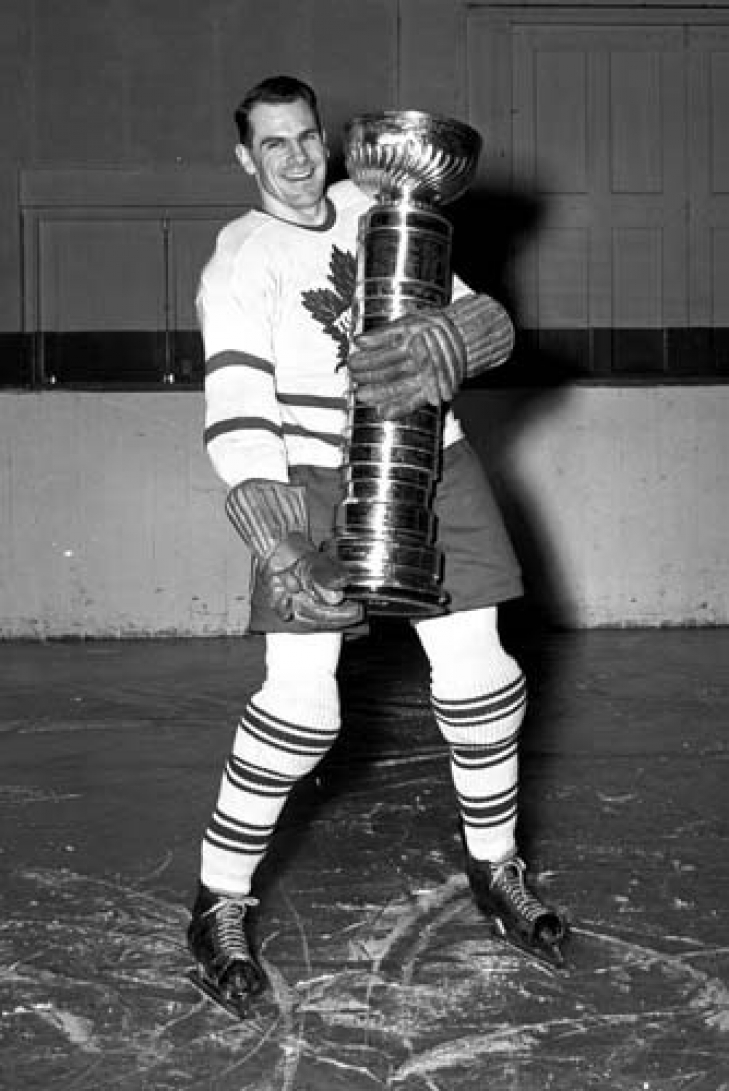
If you look at the top ten that we came up with, we could make a case for any one of them as the best Toronto Maple Leaf of all time. Not only that, when you have a team with a long history and a fervent fanbase in Toronto, you will likely find a list that has one of those men at the top. After what felt like weeks of analysis, we settled on Syl Apps as the greatest Maple Leaf ever.
Apps was an outstanding athlete who won the Gold Medal at the 1934 British Empire Games and would later be sixth at the 1936 Olympics. The Toronto Maple Leafs courted the multi-sport athlete to play, and he made immediate history as the first-ever Calder Trophy winner as the NHL's best rookie.
As a rookie, Apps led the NHL in Assists and did so again in his second NHL season. While the Center never won the Hart, from 1938-39 to 1942-43, he was either second or third in the balloting for the most coveted individual trophy in hockey. Apps also led Toronto to a Stanley Cup win in 1942.
Apps missed two seasons when he joined the Canadian Military for World War II. When he returned, he was still an elite player and led the Leafs to Stanley Cups in 1947 and 1948. The ’48 Cup win would be his final game in the NHL, ending a ten-year run all with Toronto.
Amazingly, he only had 56 Penalty Minutes over his career, and as such, Apps won the Lady Byng in 1942, was the runner-up for it twice, and the second runner-up another two times. While we concede that others could easily slide in at the top here, can anyone state emphatically that Apps shouldn't be number one? Not emphatically. Not a chance.
And, yes, we think we would have written those last three sentences if we had chosen one of the other options we considered for number one. This is how tight it was.
Apps entered the Hockey Hall of Fame in 1961, and his name was one of the first honored in the Air Canada Center in 1993. In 2016, his number 10 (which George Armstrong also had) was officially retired by the Leafs.
Our All-Time Top 50 Atlanta Hawks have been revised to reflect the last three seasons.
Yes, we know that this is taking a while!
As many of you know, we here at Notinhalloffame.com are slowly generating the 50 of each major North American sports team. That being said, we have existing Top 50 lists out and we always consistently look to update them when we can and based on necessity. As such, we are very happy to present our pre-2021-22 revision of our top 50 Atlanta Hawks
As for all of our top 50 players in basketball we look at the following:
1. Advanced Statistics.
2. Traditional statistics and how they finished in the NBA.
3. Playoff accomplishments.
4. Their overall impact on the team and other intangibles not reflected in a stat sheet.
Please note, that this is our first revision in three years, and as such, there are two significant debuts, that would not be so drastic had we did these the last two years.
As always, we present our top five immediately, though nothing has changed in this upper-tier.
1. Bob Pettit
3. Cliff Hagan
4. John Drew
You can find the entire list here.
The two new entries are stars of the past few years, and led Atlanta to the Eastern Conference Finals.
Power Forward and four-year veteran, John Collins enters at #28, and star three-year Guard, Trae Young, debuts at #29.
We welcome your input and comments and as always, we thank you for your support.
8. Trae Young
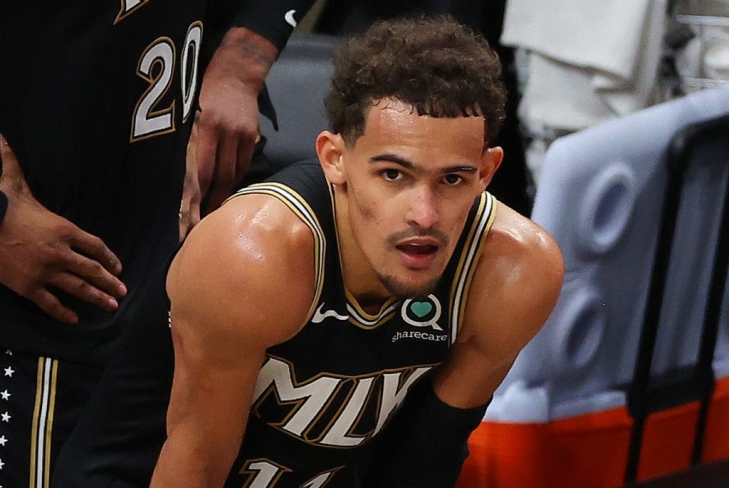
At the 2018 Draft, the most significant moment was when the Dallas Mavericks traded Trae Young to Atlanta for Luka Doncic, players both teams had just drafted and were both hopeful had landed the man who would take them to the promised land. With the two linked together in perpetuity, Young will always be compared to Doncic, which may not be fair, but Young showed his share of scoring skills
Young was an immediate star, earning First Team All-Rookie honors with a 19.1 PPG and 8.1 APG. There was no sophomore slump for the Point Guard, who went to his first All-Star Game and increased his production to 29.6 Points and 9.4 Assists per Game, with his PER rocketing to 23.9. 2020/21 saw Young’s numbers slightly decrease, but he had more help and brought the Hawks to an Eastern Conference Final. 2021/22 was a disappointing year for the Hawks, as they regressed overall, but Young was outstanding, returning to the All-Star Game on his way to a 28.4 PPG season and a career-high PER of 25.4.
In 2022-23, Young was not able to make the All-Star Game, but still led the Hawks to the playoffs and averaged 26.2 PPG, the fourth year in a row he had averaged over 25 Points per Game. Last season, Young did make the All-Star (albeit as a replacement) and again averaged over 25 Points per Game (25.7). Last season, Young persevered and earned his first statistical title, leading the NBA with 11.6 Assists per Game.
Young's future with the Hawks might be on shaky ground, but the potent scorer can still carry Atlanta and steal wins.
25. John Collins
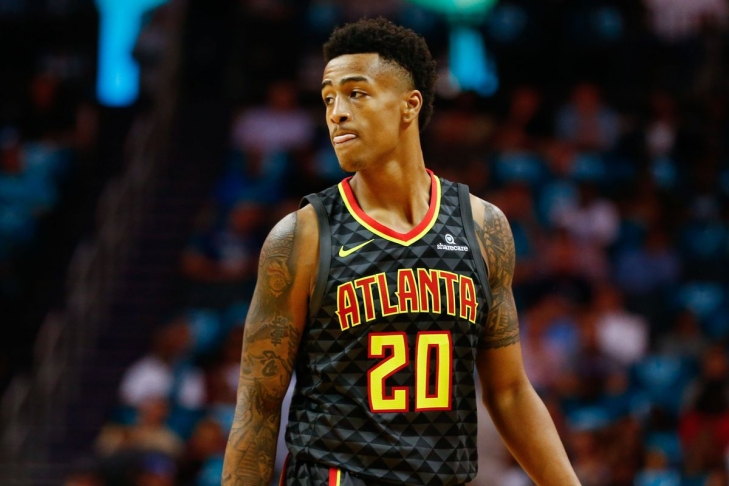
John Collins showed tremendous progress at Wake Forest, so much so that he earned a First Round Pick (19th Overall) in 2017 by Atlanta.
The Power Forward was a Second Team All-Rookie Selection, starting 26 of his 74 Games, and averaging 10.5 Points per Game. He shot that number up to 19.5 points as a sophomore and was now in the starting five. Collins continued his upward trajectory, posting a PER over 20 over three years in a row (2018-19 to 2020-21)
Collins was less featured in his last two seasons, and his PPG in 2022-23 (13.1) was his lowest since his rookie year. The Hawks traded Collins to Utah in 2023, thus ending his run with Atlanta.
