

 Not in Hall of Fame News
Yes, we know that this is taking a while! As many of…
 Not in Hall of Fame News
Yes, we know that this is taking a while! As many of…
 Not in Hall of Fame News
2002 SEMI-FINAL RESULTS: Thank you for your participation in the Pro Football…
 Not in Hall of Fame News
Yes, we know that this is taking a while! As many of…
 Not in Hall of Fame News
We are diligently working away at Notinhalloffame on revising our Football lists…
 Not in Hall of Fame News
We are diligently working away at Notinhalloffame on revising our Football lists…
 From the Desk of the Chairman
October baseball often turns individual pitching performances into lasting postseason memories. Strikeout…
 From the Desk of the Chairman
For decades, the sports debate ran on gut feeling. Barstool arguments, call-in…
 From the Desk of the Chairman
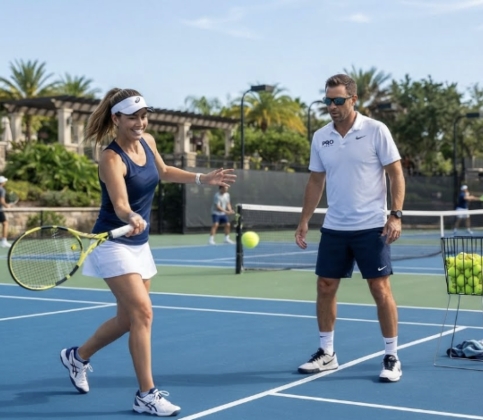
Introduction to Private Adult Tennis Camps in Prague Adult club players increasingly…
 From the Desk of the Chairman
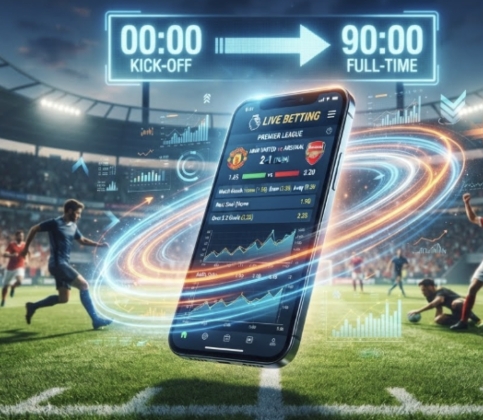
Unlike in the case of pre-match betting, where you have to pick…
 From the Desk of the Chairman
Kupu178 builds trust with people by using top-end end-to-end encryption. It checks…
 From the Desk of the Chairman
Sports fans thrive on calculating strategy, reading momentum, and maximizing every tactical…

100 Active Potential Football Hall of Famers
-
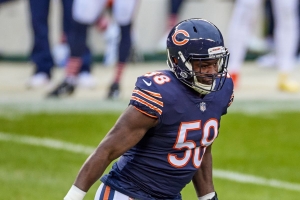 #31 Overall, Roquan Smith, Baltimore Ravens Linebacker, #3 Defensive Lineman/Linebacker: Interior Lineman2025 Pre-Season Rank #39, 2024 Pre-Season Rank #62, 2023 Pre-Season Rank #92, 2022 Pre-Season Rank #133, 2021 Pre-Season Rank #146. Peak Period: 2020-24…
 -
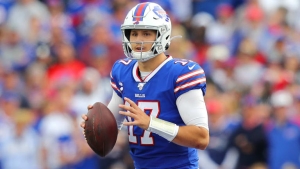 #16 Overall, Josh Allen, Buffalo Bills, #5 Quarterback2025 Pre-Season Rank #17, 2024 Pre-Season Rank #39, 2023 Pre-Season Rank #69, 2022 Pre-Season Rank #98, 2021 Pre-Season Rank #117. Peak Period: 2020-24.…in Quarterbacks
 -
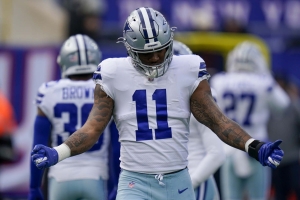 #29 Overall, Micah Parsons, Green Bay Packers, Linebacker, #10 Defensive Lineman/Linebacker: Pass Rusher2025 Pre-Season Rank #54, 2024 Pre-Season Rank #79, 2023: Pre-Season Rank #102. Peak Period: 2021-25 Here is what we wrote about Micah Parsons…
 -
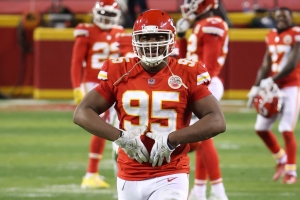 #19 Overall, Chris Jones, Kansas City Chiefs, Defensive Tackle, #8 Defensive Lineman/Linebacker: Pass Rusher2025 Pre-Season Rank #15, 2024 Pre-Season Rank #15, 2023 Pre-Season Rank #58, 2022 Pre-Season Rank #100. Peak Period 2020-24. When you think of…
Visit the Fictitious Halls of Fame!


You May Also Like...
EDITOR’S CHOICE
 DDT's Pop Flies
When the veterans committee (VC), officially convening as the Contemporary Baseball Era…


 Live Music Head
Project/Objectan interview with André Cholmondeleyby Live Music HeadOriginally published at timessquare.com on…

LATEST RANKINGS

MOST POPULAR RANKINGS

Committee Chairman
48. Antonio Alfonseca
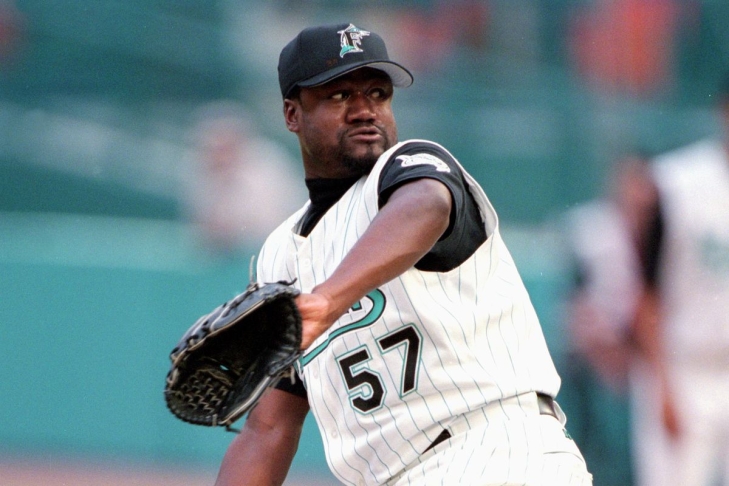
The Marlins plucked Antonio Alfonseca, a right-handed prospect plucked from the Montreal Expos organization in the minor league phase of the draft. While he was physically unique, possessing six fingers on each hand due to polydactyly, he operated on the mound with a heavy, specialized sinker that made him one of the most polarizing closers of his era.
In 1997, Alfonseca achieved team success as a rookie with 6.1 scoreless postseason innings, helping the Marlins win their first World Series. He demonstrated mastery of his sinker in subsequent years, reaching a career-high in 2000, with 45 saves that summer, earning the Rolaids Relief Man Award. Despite a rise in ERA (4.24) and WHIP (1.51), he was a high-leverage clutch pitcher, often escaping trouble to secure wins.
The following year, Alfonseca recorded 28 saves in 2001 despite back pain. In early 2002, the organization traded him to the Chicago Cubs in a six-player trade including Matt Clement and Dontrelle Willis. He would, however, return in 2005 for one final brief stint.
Alfonseca had 102 Saves for the Marlins and finished 193 Games.
37. Livan Hernandez
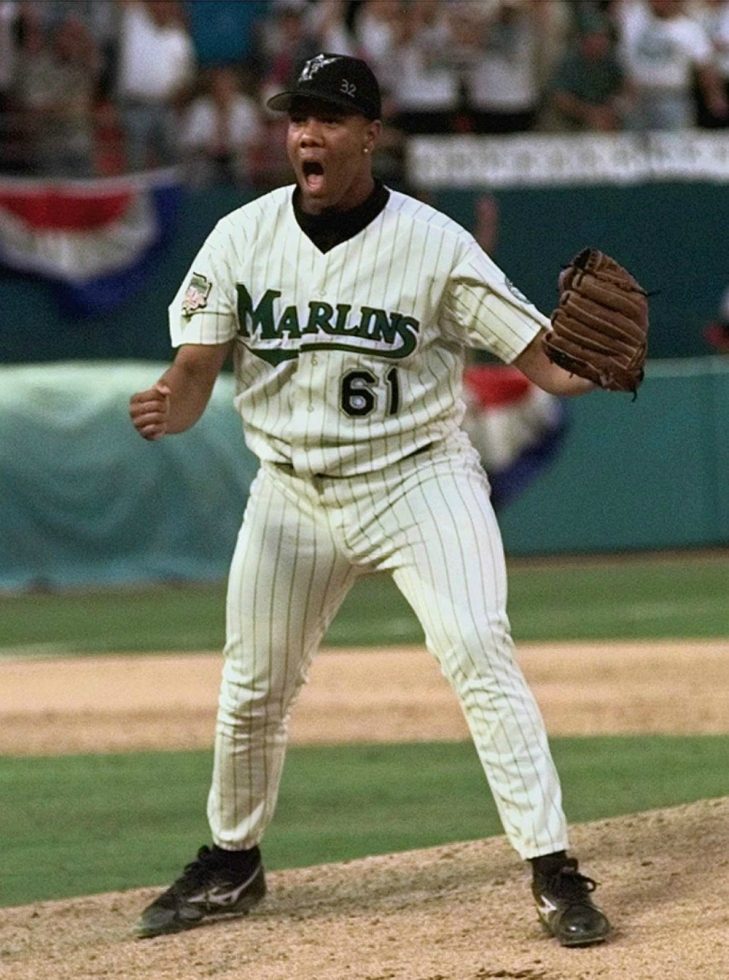
One of the most fascinating people to rank on a list of all-time Marlins is Liván Hernández, the star of the 1997 Playoffs.
Liván Hernández arrived in South Florida in 1996 as a figure of immense political and athletic intrigue, having defected from Cuba just a year earlier. While he possessed a high-velocity arm and a signature "slow" curveball, his residency in Miami was ultimately defined by a singular, lightning-strike October that transformed him from a rookie prospect into a postseason immortal.
After a solid 1997 regular season with a 9-3 record and a 3.18 ERA, Hernández reached a career highlight in the playoffs. He delivered one of the franchise's most memorable performances in Game 5 of the NLCS, striking out a record 15 Atlanta Braves in a complete-game performance. This achievement earned him the NLCS MVP award, but he continued to excel. Hernández demonstrated complete command during the Fall Classic, winning two additional games against Cleveland to secure the World Series MVP, becoming only the fourth player to earn both honors in the same season.
Following a grueling 1998 campaign in which he logged a career-high 234.1 innings, Hernández’s efficiency began to waver, and the organization finalized a trade sending him to the San Francisco Giants in July of 1999. Hernandez would have greater individual success with the Expos/Nationals, representing them in the All-Star Game twice. As a Marlin, Hernandez had a record of 24-24, with a 4.39 ERA and 333 Strikeouts. Notably, he was also an excellent defensive player and an above-average hitting Pitcher, accumulating 35 Hits with a .222 Batting Average for the team.
45. Mark Kotsay
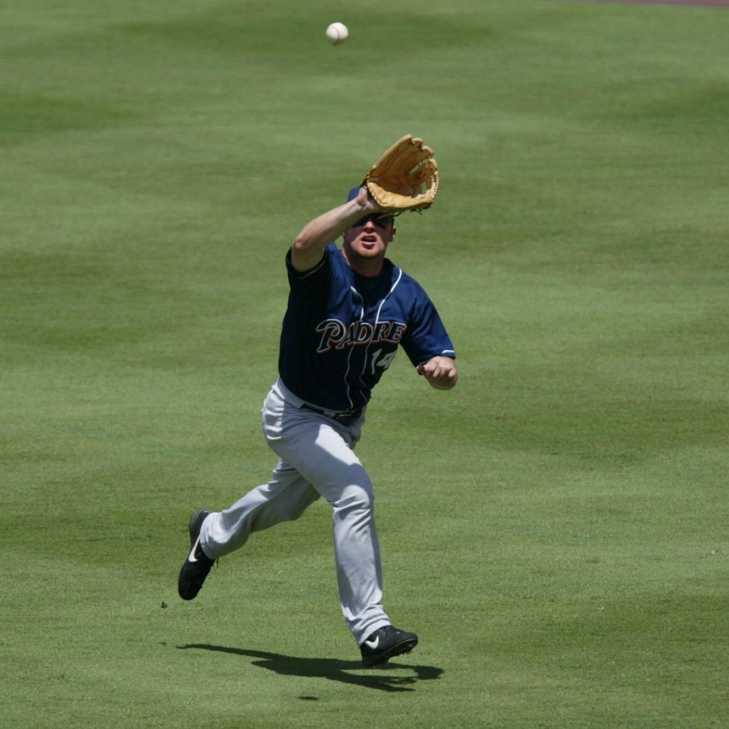
Mark Kotsay came to South Florida in 1997 as the top amateur, after winning the Golden Spikes Award and College World Series at Cal State Fullerton. Drafted ninth in 1996, he quickly reached the majors in under a year.
In 1998, Kotsay excelled defensively, leading all Major League outfielders with 20 assists. He had a strong, cannon-like arm that discouraged baserunners. Despite team struggles after the veteran purge, Kotsay's rookie season was impressive, batting .279 with 11 home runs and a 3.9 bWAR, the highest on the team. He demonstrated complete control of center field, showing that his amateur skills translated well to the professional level.
Kotsay plateaued in offensive efficiency over the next two summers. In 2000, he achieved a career-high .298 average, 12 home runs, and 19 stolen bases. Just days before Opening Day in 2001. In a move that shocked the fanbase, the organization finalized a trade that sent Kotsay to the San Diego Padres in exchange for Matt Clement and Eric Owens.
Kotsay compiled 439 hits, 31 home runs, and a .282 batting average as a Marlin.
44. Mike Redmond
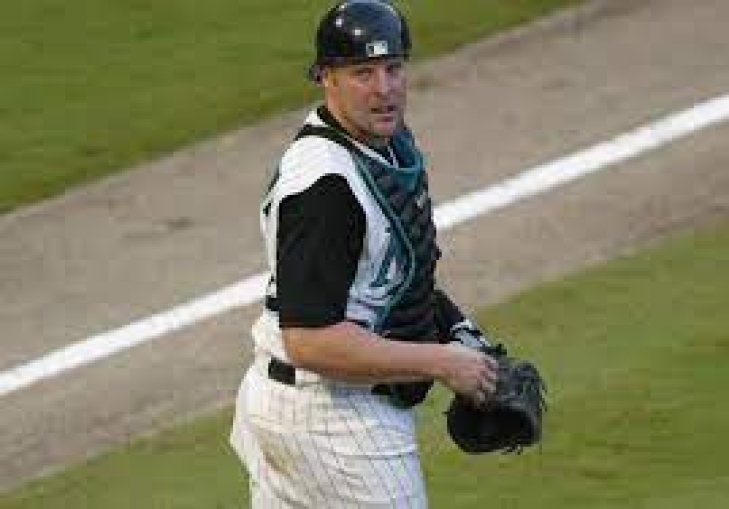
Mike Redmond arrived in South Florida in 1992 as one of the first building blocks of the expansion Marlins, signing as an undrafted free agent out of Gonzaga. While he didn't carry the "first-round" pedigree of his teammates, he operated with a gritty, professional durability that kept him in the organization for over a decade.
After six years of grinding in the system, Redmond hit an immediate impact peak in May 1998, going 3-for-3 with a home run in his first major league game. He demonstrated complete strike zone control during his rookie year, batting.331 and showing his bat was a key asset even in part-time play. Quickly earning a reputation as a reliable mainstay who could stay "locked in" despite limited playing time, he won the Charlie Hough "Good Guy" Award in 1999 for his conduct on and off the field.
In '02, he set a career high with 89 games and a.305 batting average, serving as a specialized foil to starters. His Marlins legacy was cemented in 2003 when he backed up Iván Rodríguez on the way to the World Series. Though his hits mostly were singles, 380 in total, his skill in managing pitchers and delivering clutch hits made him a clubhouse giant.
Redmond signed with Minnesota after the 2004 season.
