

 Not in Hall of Fame News
Yes, we know that this is taking a while! As many of…
 Not in Hall of Fame News
Yes, we know that this is taking a while! As many of…
 Not in Hall of Fame News
2002 SEMI-FINAL RESULTS: Thank you for your participation in the Pro Football…
 Not in Hall of Fame News
Yes, we know that this is taking a while! As many of…
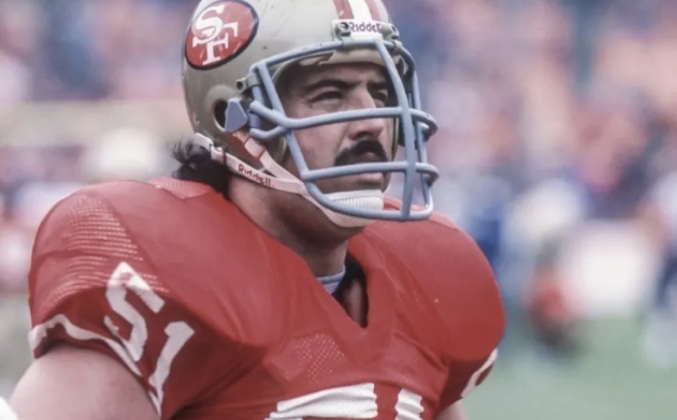 Not in Hall of Fame News
We are diligently working away at Notinhalloffame on revising our Football lists…
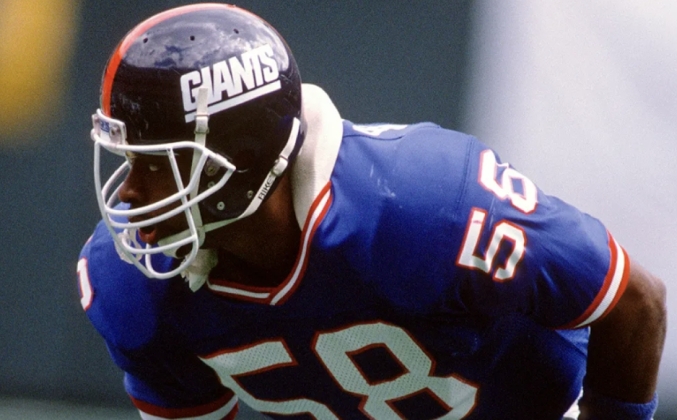 Not in Hall of Fame News
We are diligently working away at Notinhalloffame on revising our Football lists…
 From the Desk of the Chairman
October baseball often turns individual pitching performances into lasting postseason memories. Strikeout…
 From the Desk of the Chairman
For decades, the sports debate ran on gut feeling. Barstool arguments, call-in…
 From the Desk of the Chairman
Introduction to Private Adult Tennis Camps in Prague Adult club players increasingly…
 From the Desk of the Chairman
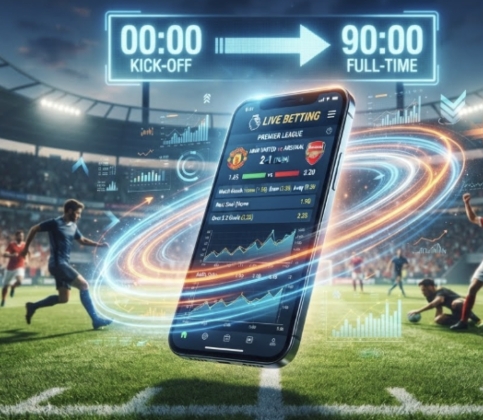
Unlike in the case of pre-match betting, where you have to pick…
 From the Desk of the Chairman
Kupu178 builds trust with people by using top-end end-to-end encryption. It checks…
 From the Desk of the Chairman
Sports fans thrive on calculating strategy, reading momentum, and maximizing every tactical…




100 Active Potential Football Hall of Famers
-
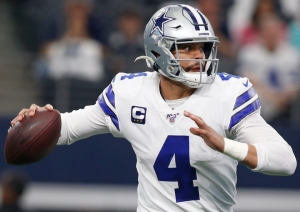 #37 Overall, Dak Prescott, Dallas Cowboys, #7 Quarterback2025 Pre-Season Rank #40, 2024 Pre-Season Rank #32, 2023 Pre-Season Rank #44, 2022 Pre-Season Rank #55, 2021 Pre-Season Rank #63, 2020 Pre-Season Rank…in Quarterbacks
 -
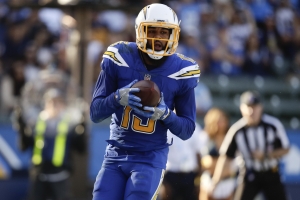 #49 Overall, Keenan Allen, Indianapolis Colts, #8 Wide Receiver2025 Pre-Season Rank #46, 2024 Pre-Season Rank #41, 2023 Pre-Season Rank #45, 2022 Pre-Season Rank #48, 2021 Pre-Season Rank #66, 2020 Pre-Season Rank…
 -
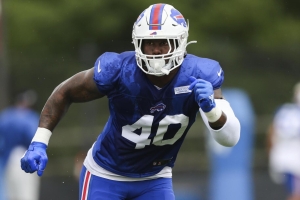 #8 Overall, Von Miller, Dallas Cowboys, #3 Defensive Lineman/Linebackers: Pass Rushers2025 Pre-Season Rank #6, 2024 Pre-Season Rank #7, 2023 Pre-Season Rank #4, 2022 Pre-Season Rank #7, 2021 Pre-Season Rank #8, 2020 Pre-Season Rank…
 -
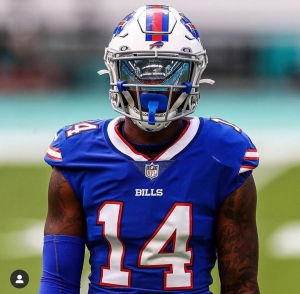 #43 Overall, Stefon Diggs, Washington Commanders, #7 Wide Receiver2025 Pre-Season Rank #40, 2024 Pre-Season Rank #38, 2023 Pre-Season Rank #48, 2022 Pre-Season Rank #57, 2021 Pre-Season Rank #118. Peak Period 2019-23…
Visit the Fictitious Halls of Fame!


You May Also Like...
EDITOR’S CHOICE
 DDT's Pop Flies
When the veterans committee (VC), officially convening as the Contemporary Baseball Era…



 Live Music Head
Project/Objectan interview with André Cholmondeleyby Live Music HeadOriginally published at timessquare.com on…

LATEST RANKINGS



MOST POPULAR RANKINGS






Committee Chairman
How The Bengals Went From The Ugly Duckling In The NFL To Super Bowl
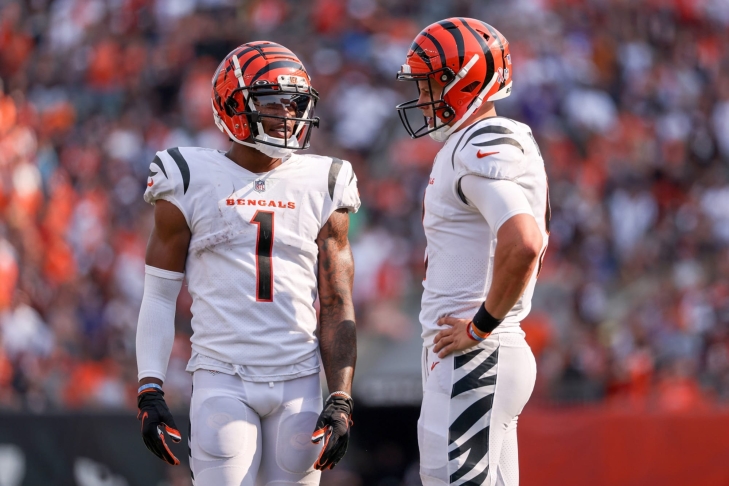
The Cincinnati Bengals will complete the most remarkable turnaround in NFL history when they compete in Super Bowl LVI on February 13.
At the SoFi Stadium in Inglewood, California, the Bengals take on the Los Angeles Rams inside their opponents’ home venue aiming to win their first Super Bowl at the third attempt.
To get a sense of how unlikely their play-off run has been, the Bengals were quite low in Bovada NFL odds to reach the Super Bowl in pre-season. Those odds were issued following a 2020 season in which Cincinnati won just four games, and after a 2019 when they delivered an NFL-worst two wins.
So, how did one of the worst franchises in the NFL transform itself in record time to now being one win away from lifting the Vince Lombardi Trophy?
Joe Burrow
There is no need to overcomplicate the biggest reason for Cincinnati’s turnaround. The 2019 season may have entered the Bengals into the NFL Hall of Shame, but it did guarantee the franchise the first draft pick in 2020.
The Miami Dolphins wanted Joe Burrow so badly that they were willing to give up multiple first round picks in exchange, but the Bengals never wavered and every Cincinnati fan will be delighted they didn’t.
Burrow has had an enormously transformative impact on the Bengals. The 25-year-old has been immense in leading the Bengals offense this season, both throughout the regular season and more so in the playoffs.
His brilliance has been even more impressive given the deficiencies of the offensive line which is meant to protect him: Burrow is the 55th QB in NFL history to be sacked more than 50 times in one season – but is the first to lead his team to the Super Bowl.
Off the field, Burrow has been just as influential. His swagger and confidence have permeated throughout the Bengals franchise and the wider football community in Cincinnati to the point where the collective mentality has completely shifted.
Once again, a lot will rest on Burrow’s shoulders to deliver the Super Bowl. Not that he will be fazed one bit.
Ja’Marr Chase
It’s incredible to think back now to how much criticism the Bengals received for drafting Ja’Marr Chase with the No 5 pick, when all logic pointed to the franchise needing an offensive lineman. As it turned out, reuniting Chase with his LSU teammate Burrow has proved a masterstroke.
The 21-year-old wide receiver has scored 13 touchdowns and caught 81 passes for 1,455 yards in his debut season, and the synergy he has with Burrow has been key in elevating Cincinnati’s offense to the level that has guided the team to the Super Bowl.
Chase’s 266-yard performance against the Kansas City Chiefs – which comprised three touchdowns and 11 catches – was one of the all-time great rookie performances by a receiver, and he has more postseason receiving yards than any rookie in NFL history.
Cincinnati’s offensive line may still be the team’s weak spot but no one is doubting the decision to recruit Chase now.
Defense
While much has been made of the offensive line’s shortcomings, the same accusations cannot be directed at the defensive line.
The signing of Trey Hendrickson as a free agent has proved a shrewd move by the Bengals and the 27-year-old defensive end has delivered with 14 sacks this season – the fifth most in the NFL.
The arrivals of B.J Hill and Larry Ogunjobi – the former from the Giants, the latter after being released by the Browns – further enhanced Cincinnati’s defensive ranks and both players have made big plays during the playoffs.
Also added to the Bengals’ defensive roster this year were Mike Hilton, Chidobe Awuzie, Tre Flowers, Vernon Hargreaves III, and Eli Apple. On the surface, it may seem like an odd mix of talent, but defensive coordinator Lou Anarumo has done an excellent job in turning the Cincinnati defense into a cohesive unit.
Clutch Kicking
The kicker is often the most overlooked player on the roster but is regularly thrust into the spotlight at clutch moments to decide the final moments of a game. That has certainly been the case for Cincinnati this season, so thankfully the Bengals can call upon Evan McPherson.
The 22-year-old fifth round draft pick from Florida converted 84.8 percent of his field goal attempts in the regular season, but he has been flawless in the playoffs with 12 from 12, including three successful attempts from more than 50 yards.
While Burrow, Chase, and the defense have been instrumental in guiding the Bengals to the Super Bowl, the team wouldn’t be there were it not for McPherson’s accuracy and calmness under pressure in the walk-off wins over the Kansas City Chiefs and the Tennessee Titans.
Will the Bengals go all the way in next Sunday’s game and make history overcoming all the odds? It’s unsure, but nonetheless it does not delete an incredible season they had.
Super Bowl 2022: Date, Location, Venue, Betting Odds, and Other Things to Know
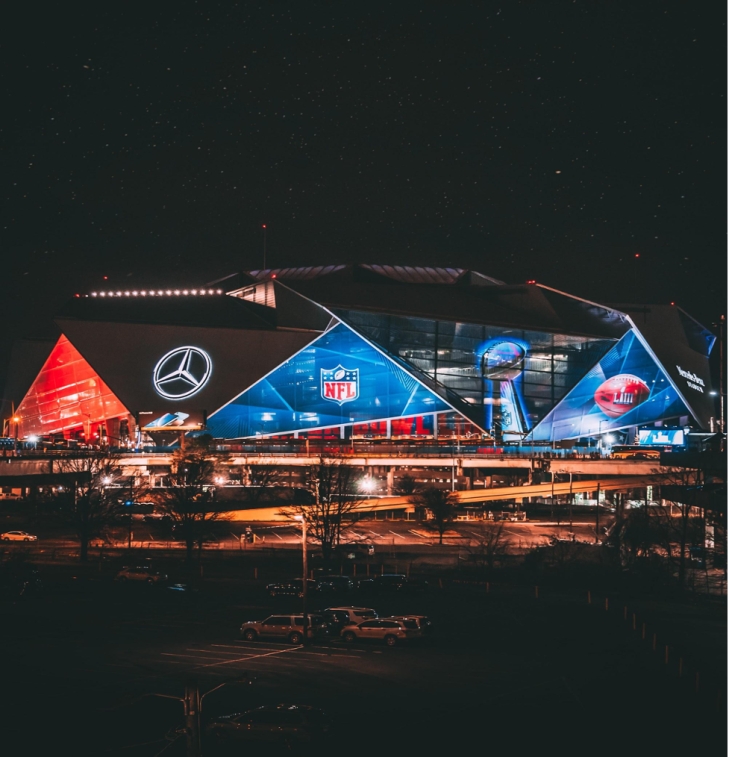
The much anticipated Super Bowl LVI is just around the corner. As we countdown to the biggest event of the football season, fans, observers, and punters are all on the lookout for vital information regarding the event.
If you like to place bets on the Super Bowl, then 2022 Super Bowl Predictions will be of much help. Also, information from relevant sites and tipsters will aid you in making informed bets.
This article will provide those updates and details that should keep everyone abreast ahead of the big matchday.
What Is The Date, Location, And Venue For This Year's Super Bowl?
This year, the Super Bowl LVI will take place at the SoFi stadium in Inglewood, Los Angeles. The Super Bowl LVI will be held on February 13, kick-off at 6:30 PM ET.
The game will have the Los Angeles Rams going up against the Cincinnati Bengals. It's a great encounter for the LA Rams as they will be hosting a Super Bowl match in their home stadium just like the Tampa Bay Buccaneers did last year.
Also, like the Buccaneers were crowned last year in their home stadium, the Rams will get an opportunity to repeat the same feat. That's if they defeat the Bengals, which is no easy task.
How Did Both Teams Make It To The Super Bowl?
The Los Angeles side earned the No. 4 seed in the NFC playoffs after concluding a 12-5 regular season and NFC West title. After that, the Rams defeated the Arizona Cardinals 34-11, then the Buccaneers 30-27. Then, they made a stunning comeback from behind a 17-7 scoreline to beat the San Francisco 49ers at a final scoreline of 20-17 to make it to this year's Super Bowl.
The Cincinnati Bengals also earned the No. 4 seed in the AFC playoffs. They achieved this after recording a 10-7 win in the regular season and winning the AFC North title. They defeated the Las Vegas Raiders in the opening round 26-19, their first post-season win in 31 years.
Then they defeated the Tennessee Titans 19-16. After that, they also made an amazing comeback from behind a 21-3 lead to beat the Kansas City Chiefs at a final scoreline of 27-24 to qualify for the Super Bowl LVI.
What Stars Will Perform In The Super Bowl LVI Halftime Show?
As this year's Super Bowl will take place in Inglewood, Los Angeles, it's only fitting that it features three superstars who grew up nearby in the game's halftime show. These three superstars are no other persons than the Long Beach native, Snoop Dogg and Compton natives, Dr Dre, and Kendrick Lamar.
These three superstars will be gracing the Pepsi Super Bowl halftime show with two other superstars; Eminem and Mary J. Blige. It'll be the first time these five stars will be performing together, and it'll happen on the improvised stage at the SoFi stadium. This show looks promising and could be one of the most interesting Super Bowl halftime shows in record history.
How To Watch The Super Bowl LVI
For one, you can head to the SoFi stadium to watch this year's Super Bowl. However, if you can't go to the stadium, you can watch the match on NBC, as the channel will be televising this year's Super Bowl. NBC will televise this match in the middle of another event – the Winter Olympics. The Super Bowl LVI is also available for live streaming on Peacock, NBCSports.com, and NBC sports app.
A Look Into The Betting Odds Of This Year's Super Bowl
Initially, the Los Angeles Rams were 3.5-point favorites to win over the Cincinnati Bengals with an over/under of 50 points, according to FanDuel Sportsbook. However, after about 12 hours of betting on the Super Bowl market spread, the market consensus has the LA Rams at a 4.5-point favorite and the over/under totals tickling down from the initial 50 points to as low as 48.5 points.
As for the outright winner odds, a popular market for casual Super Bowl bettors, the LA Rams had opening odds between -190 and -200 on the Moneyline. However, this went as low as about -185 after several hours. On the other hand, the Bengals Moneyline will be another popular bet option recreational bettors love to explore for a larger payout since they are betting on the underdog. The Bengals to win outright has been as big as +165.
Conclusion
From all indications, the Super Bowl LVI promises to be a fun-fest. Fans of both the LA Rams and the Bengals have been talking tough, as it should be. We wish all players and fans the best of luck in the season-ending event, and may the better team win!
Meta Description
The Super Bowl is one of the most important events in the sports calendar. Here are the things to know as we countdown to the Super Bowl LVI.
Jeff Francis named to the Canadian Baseball Hall of Fame

The Canadian Baseball Hall of Fame announced that they will be inducting former Pitcher, Jeff Francis to their ranks this year.
From Vancouver, Francis played in the Majors for 11 seasons, most notably with the Colorado Rockies, where he was an upper rotation starter for three seasons (2005-07). Francis also played for Kansas City, Cincinnati, Oakland, New York (AL), and Toronto, and had a lifetime record of 72-82 and 869 Strikeouts.
As there were no official ceremony in 2020 due to COVID-19, Francis will be inducted alongside the Class of 2020, which consists of Jacques Doucet (broadcaster), Justin Morneau, John Olerud and Duane Ward.
We here at Notinhalloffame.com would like congratulate Jeff Francis for earning this honor.
Three Reasons Why Unibet’s Sportsbook is one of the best in the U.S.

If you are lucky enough to reside in a US state that has legalized sports betting online, then you will no doubt be considering which sportsbook is the best to sign up with. Many states have now opened up their sports betting markets, and this is usually followed by the issuing of licenses to a handful of operators to work within the regulated market.
You may be spoiled for choice, but you should think long and hard before joining a sportsbook, and there are a number of factors to consider before doing so.
These can include the level and size of the welcome bonus that is offered (pretty much all sportsbooks entice you with this sort of promotion), the scale of the payment methods offered, the accessibility and effectiveness of their interface (desktop and on mobile app devices) as well as crucially the level of trustworthiness the operator enjoys.
One brand that is very much worth your consideration, especially when it comes to the quality of their New Jersey sportsbook promos, is Unibet. This provider is becoming a big player in the US sports betting market, having already made a name for themselves worldwide.
Here are three reasons why Unibet should be at the front of the queue when it comes to the sportsbook you might consider joining in 2022.
Excellent Welcome Bonus and Ongoing Promotions
Of course, every decent sportsbook offers welcome bonuses, but Unibet’s is far more rewarding and straightforward than most. First off, the new player offer amounts to a $250 risk-free bet, and secondly, getting hold of this is very simple indeed. Simply place your first cash bet, and if it loses, then you’ll get a refund of up to $250 within 72 hours.
On top of this, Unibet offers a ton of additional promotions that keep loyal users very happy, and this is a sign of a sportsbook that is as keen to retain its users as it is on getting new ones.
Wide Sports Betting Market
Whatever you want to bet on, Unibet has you covered. If you fancy a wager on this year’s Super Bowl, then there are hundreds of bets to place (from classic Moneylines to unique prop bets). If you like to bet on a number of different sports and leagues, then Unibet is the place for you also.
They have a wide sports betting market that covers major events and minor sports equally well, and this means that for those who are more experienced in sports betting, you’ll have a raft of options to choose from.
Comprehensive and Competitive Odds Offered
When you select a sportsbook, the last thing you want to see is a bet you’ve placed with your provider having worse odds than a competitor; this would effectively make your payouts lower than they could have been.
Unibet is a leader in the field when it comes to the competitive nature of the odds offered. In other words, if you back the Brooklyn Nets to win the NBA title, their odds are unlikely to be bettered with a competitor, leaving you safe in the knowledge that your payout is above average.
