

 Not in Hall of Fame News
Yes, we know that this is taking a while! As many of…
 Not in Hall of Fame News
Yes, we know that this is taking a while! As many of…
 Not in Hall of Fame News
2002 SEMI-FINAL RESULTS: Thank you for your participation in the Pro Football…
 Not in Hall of Fame News
Yes, we know that this is taking a while! As many of…
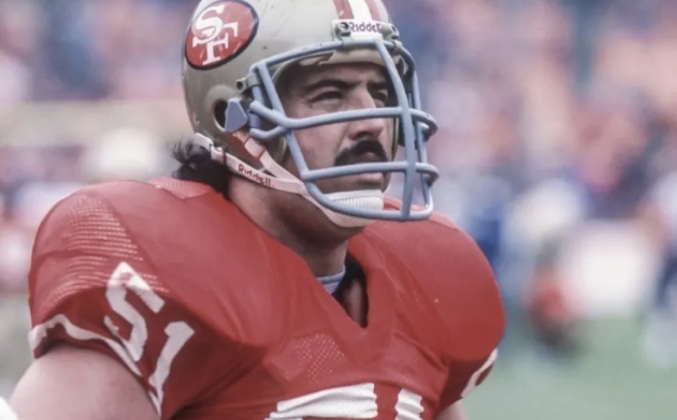 Not in Hall of Fame News
We are diligently working away at Notinhalloffame on revising our Football lists…
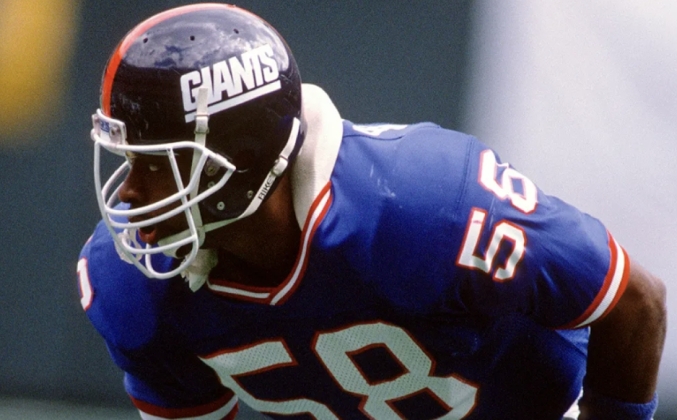 Not in Hall of Fame News
We are diligently working away at Notinhalloffame on revising our Football lists…
 From the Desk of the Chairman
October baseball often turns individual pitching performances into lasting postseason memories. Strikeout…
 From the Desk of the Chairman
For decades, the sports debate ran on gut feeling. Barstool arguments, call-in…
 From the Desk of the Chairman
Introduction to Private Adult Tennis Camps in Prague Adult club players increasingly…
 From the Desk of the Chairman
Unlike in the case of pre-match betting, where you have to pick…
 From the Desk of the Chairman
Kupu178 builds trust with people by using top-end end-to-end encryption. It checks…
 From the Desk of the Chairman
Sports fans thrive on calculating strategy, reading momentum, and maximizing every tactical…



100 Active Potential Football Hall of Famers
-
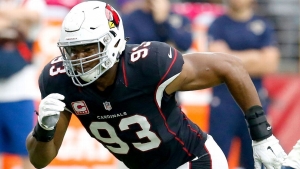 #14 Overall, Calais Campbell, Baltimore Ravens, Defensive End, #6 Defensive Lineman/Linebacker: Pass Rusher2025 Pre-Seasn Rank #14, 2024 Pre-Season Rank #19, 2023 Pre-Season Rank #19, 2022 Pre-Season Rank #26 2021 Pre-Season Rank #28, 2020 Pre-Season Rank…
 -
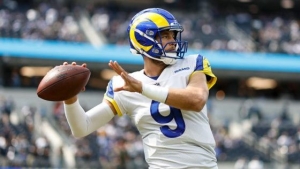 #9 Overall, Matthew Stafford, Los Angeles Rams, #3 Quarterback2025 Pre-Season Rank #26, 2024 Pre-Season Rank #31, 2023 Pre-Season Rank #37, 2022 Pre-Season Rank #37, 2021 Pre-Season Rank #59, 2020 Pre-Season Rank…in Quarterbacks
 -
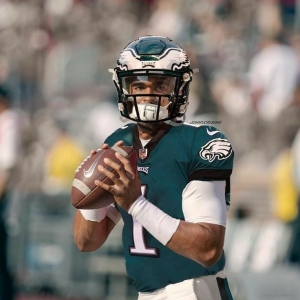 #32 Overall, Jalen Hurts, Philadelphia Eagles, #6 Quarterback2025 Pre-Season Rank #33, 2024 Pre-Season Rank #53, 2023 Pre-Season Rank #121. Peak Period: 2021-25 And in 2024, he became a champion. Jalen…in Quarterbacks
 -
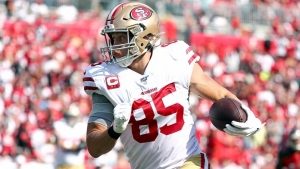 #26 Overall, George Kittle, San Francisco 49ers, #2 Tight End2025 Pre-Season Rank #34, 2024 Pre-Season Rank #42, 2023 Pre-Season Rank #59, 2022 Pre-Season Rank #74, 2021 Pre-Season Rank #86, 2020 Pre-Season Rank…in Tight Ends
Visit the Fictitious Halls of Fame!


You May Also Like...
EDITOR’S CHOICE
 DDT's Pop Flies
When the veterans committee (VC), officially convening as the Contemporary Baseball Era…



 Live Music Head
Project/Objectan interview with André Cholmondeleyby Live Music HeadOriginally published at timessquare.com on…

LATEST RANKINGS



MOST POPULAR RANKINGS













Committee Chairman
How to Watch Sports in an RV

Are you feeling a bit torn about the upcoming RV season? On the one hand, it’s a great opportunity to get away, enjoy some peace and check out a variety of fabulous RV parks across the country, but on the other hand, what if you love watching sports and are quite accustomed to your television setup at home? There’s no doubt you have a big screen TV and impressive sound system, which is perfect for all the big games. So, how can you watch sports in an RV and get the best of both worlds while on the road?
We’ve got a few tips you can use that will ensure your sports watching doesn’t have to take a backseat when you head out in the RV.
Make Sure You’ve Got More than One TV on the Interior
The first tip is to think about who you’ll be traveling with since they may not want sports playing 24/7. This is especially true if you’re vacationing with kids, as they will probably want to watch their shows and movies. So, you’re going to want to think ahead and be sure you’ve got more than one television in the RV, preferably separated by walls and a door so you can block out the sound. Be sure to choose a flatscreen tv that is sleek and compact. It should also be the largest screen size that will fit in the designated spot.
Satellite Television Connects You to Many Channels
You also need to think about how you'll access the various channels that carry sports games. For many RV'ers, the best solution is a satellite TV. Some models are meant for RVs so they are quick and easy to set up. You can look into options like Dish Network which features pay as you go options. This is especially handy if you’re in a spot that doesn’t have reliable cell service, so streaming services aren’t ideal.
Install an Exterior TV
Many of the newer RV models put a lot of focus on exterior features. You can check out CrankyApe.com RVs for an idea of what to expect in new and used models. The whole idea is that you create an outdoor living space so that there's no need to go inside the RV on a beautiful day. These features are built into compartments that you can open up once outside. They can include things like an outside fridge, countertop, cupboards, a grill, sink and a retractable awning.
Another great feature is an outside TV. What this means is that you can transform the great outdoors into your sports view room, allowing you to revel in the beauty of nature while ensuring you don’t miss the big games. If you don’t already have an RV with this feature, you can look at having it installed.
With these simple tips, you’ll realize there is no reason to worry about how you’ll watch a sports game while in your RV, which means nothing is holding you back from hitting the open road.
Our All-Time Top 50 Arizona Diamondbacks have been updated to reflect the 2021 Season
Yes, we know that this is taking a while!
As many of you know, we here at Notinhalloffame.com are slowly generating the 50 of each major North American sports team. That being said, we have existing Top 50 lists out and we always consistently look to update them when we can and based on necessity. As such, we are very happy to present our pre-2022 revision of our top 50 Arizona Diamondbacks.
As for all of our top 50 players in baseball we look at the following:
1. Advanced Statistics.
2. Traditional statistics and how they finished in the National League.
3. Playoff accomplishments.
4. Their overall impact on the team and other intangibles not reflected in a stat sheet.
The Diamondbacks did not make the 2021 Playoffs, but there are two new entries in the top 50, and minimal movement among other players, though nothing impacting the top five.
As always, we present our top five.
3. Brandon Webb
You can find the entire list here.
Outfielder, David Peralta, moved up two spots to #14.
Two-time Gold Glove Shortstop, Nick Ahmed, edged up one rank to #18.
Infielder, Eduardo Escobar had the biggest elevation, moving from #43 to #37.
Two Starting Pitchers enter the top 50 with Zac Gallen (#45) and Merrill Kelly (#49) respectively.
Andy Benes and Erubiel Durazo fell off the list.
We welcome your input and comments and as always, we thank you for your support.
14. Merrill Kelly
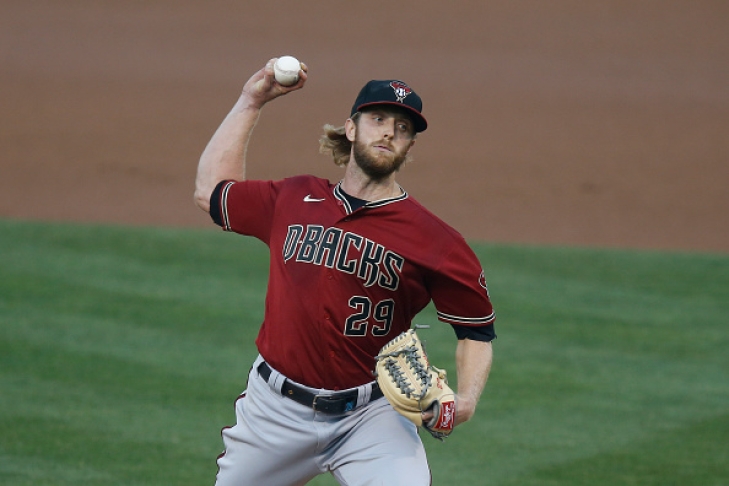
Merrill Kelly was drafted by the Tampa Bay Rays in 2010, but after four years in the minors, he never made the big leagues and was released after the 2014 Season. Kelly persevered and went to Korea, where he played for SK Wyverns for four seasons, winning a league title in 2018. After that, he gave the Majors another try, and he signed with the Diamondbacks, making the team out of Spring Training.
Kelly became a competent starter, throwing 183.1 Innings with a 4.42 ERA. He only had five Starts in 2020, though had an ERA of 2.59. Although his stats went back to his rookie year in 2022, he rebounded strongly in 2023, with a 13-8 record, a 3.37 ERA, and 177 Strikeouts. Going into 2023, he is one half a nice pairing with Zac Gallen, giving Arizona two arms to build on. They did not do that in 2023, but the bats came alive, leading Arizona to the World Series. For his efforts, Kelly went 12-9 with a 3.29 ERA and 187 Strikeouts. Kelly also had a good postseason, going 3-1 with a 2.25 ERA, sub-1.000 WHIP, and 28 Ks.
After a year that was spent mostly on the shelf, the gritty hurler grinded out in 2025 (9-6, 3.22 ERA) before he was traded to Texas for their playoff run. That stay in Texas was brief, as the free agent signed back with Arizona for the 2026 Season.
What are the Most Popular Sports in the United States?

The United States is a country that houses some of the biggest sports fan bases in the entire world. Americans are huge fans of sports, with over half of all Americans proclaiming to be passionate supporters of at least one sports team. The United States, in the over 200 years of its existence, has produced some of the most popular sports in the world, but what are the most popular sports in the country?
American football
American football is one of the biggest sports in the country, and the National Football League is, by far, the biggest sports organization, being worth over 15 billion U.S. dollars. While Association football dominates the world of sports globally, in the United States, the undisputed king is American football. The sport is followed by over 40% of Americans, and college football is the most popular college sport, even exceeding the popularity of certain professional sports in the country.
American football is also the biggest betting sport in the United States, with betting shops and online betting sites reporting that their American user base is far more active during football season than any other sport’s season. If you are interested, have a look at the best sportsbooks, before you start out gambling.
Baseball
Often referred to as “America’s favorite pastime”, baseball is recognized as an American tradition, and one of the first sports created in the United States. It is not nearly as popular as American football and basketball, however, it is still one of the most popular American sports, and the MLB is the second most valuable sports organization in the United States, with an estimated worth of over ten billion dollars. The popularity of baseball, as well as the fact that it is the first sport created in the United States, has earned it the moniker “Godfather of American Sports”.
Basketball
Behind American football, Basketball is the most popular sport in the United States, and the National Basketball Association (NBA) is the world’s biggest professional basketball league. The NBA is also the third biggest sports organization in the United States, with a value exceeding eight billion dollars.
The sport is played on the professional and college level all around the country, and is becoming more and more popular with every year. Some of the biggest NBA teams in the States include the Chicago Bulls, the Los Angeles Lakers, etc.
Hockey
While not nearly as popular as it is among their northern neighbors, hockey (ice hockey specifically) is still massively popular in the United States, with the National Hockey League being the fourth biggest sports organization in the United States of America. The NHL is comprised of 32 teams, twenty-five of which are American and the remaining seven Canadian.
The United States is one of the “big six” on the international hockey stage, among Canada, Finland, Russia, the Czech Republic, and Sweden. These so-called “Big Six” are the six countries that dominate the international hockey scene.
