

 Not in Hall of Fame News
Yes, we know that this is taking a while! As many of…
 Not in Hall of Fame News
Yes, we know that this is taking a while! As many of…
 Not in Hall of Fame News
2002 SEMI-FINAL RESULTS: Thank you for your participation in the Pro Football…
 Not in Hall of Fame News
Yes, we know that this is taking a while! As many of…
 Not in Hall of Fame News
We are diligently working away at Notinhalloffame on revising our Football lists…
 Not in Hall of Fame News
We are diligently working away at Notinhalloffame on revising our Football lists…
 From the Desk of the Chairman
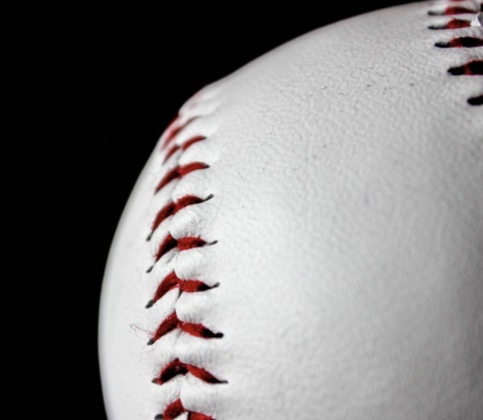
October baseball often turns individual pitching performances into lasting postseason memories. Strikeout…
 From the Desk of the Chairman
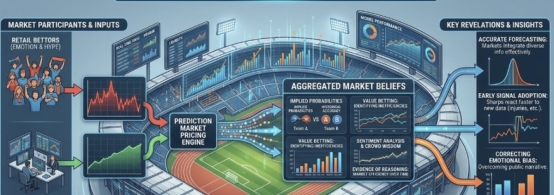
For decades, the sports debate ran on gut feeling. Barstool arguments, call-in…
 From the Desk of the Chairman
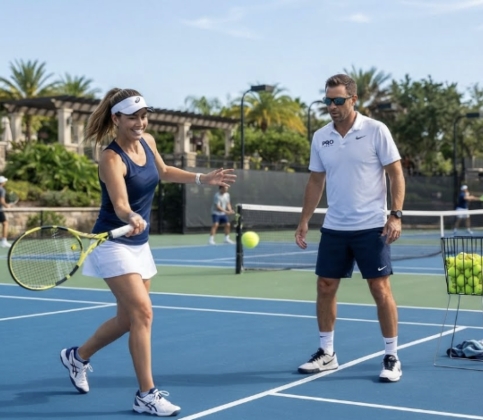
Introduction to Private Adult Tennis Camps in Prague Adult club players increasingly…
 From the Desk of the Chairman
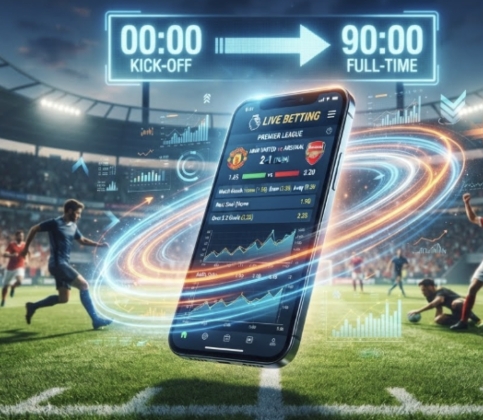
Unlike in the case of pre-match betting, where you have to pick…
 From the Desk of the Chairman
Kupu178 builds trust with people by using top-end end-to-end encryption. It checks…
 From the Desk of the Chairman
Sports fans thrive on calculating strategy, reading momentum, and maximizing every tactical…
100 Active Potential Football Hall of Famers
-
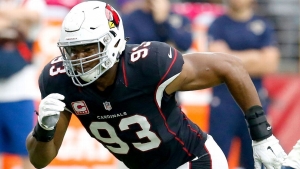 #14 Overall, Calais Campbell, Baltimore Ravens, Defensive End, #6 Defensive Lineman/Linebacker: Pass Rusher2025 Pre-Seasn Rank #14, 2024 Pre-Season Rank #19, 2023 Pre-Season Rank #19, 2022 Pre-Season Rank #26 2021 Pre-Season Rank #28, 2020 Pre-Season Rank…
 -
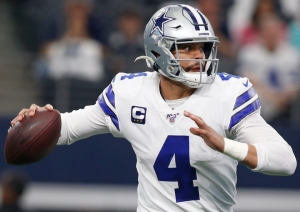 #37 Overall, Dak Prescott, Dallas Cowboys, #7 Quarterback2025 Pre-Season Rank #40, 2024 Pre-Season Rank #32, 2023 Pre-Season Rank #44, 2022 Pre-Season Rank #55, 2021 Pre-Season Rank #63, 2020 Pre-Season Rank…in Quarterbacks
 -
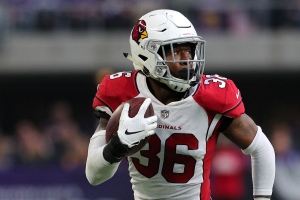 #24 Overall, Budda Baker, Arizona Cardinals, Free Safety, #1 Safety2025 Pre-Season Rank #28, 2024 Pre-Season Rank #43, 2023 Pre-Season Rank #78, 2022 Pre-Season Rank #86, 2021 Pre-Season Rank #113, 2020 Pre-Season Rank…in Safeties
 -
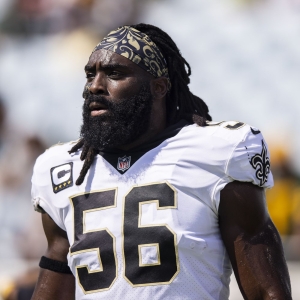 #48 Overall, DeMario Davis, New York Jets, Linebacker, #4 Defensive Lineman/Linebacker: Interior Lineman2025 Pre-Season Rank #47, 2024 Pre-Season Rank #47, 2023 Pre-Season Rank #61, 2022, Pre-Season Rank #137. Peak Period: 2019-23 Davis, a veteran player,…
Visit the Fictitious Halls of Fame!
You May Also Like...
EDITOR’S CHOICE
 DDT's Pop Flies
When the veterans committee (VC), officially convening as the Contemporary Baseball Era…
 Live Music Head
Project/Objectan interview with André Cholmondeleyby Live Music HeadOriginally published at timessquare.com on…

LATEST RANKINGS
MOST POPULAR RANKINGS

Committee Chairman
The Rock Hall responds to Dolly Parton's request to be removed from the ballot
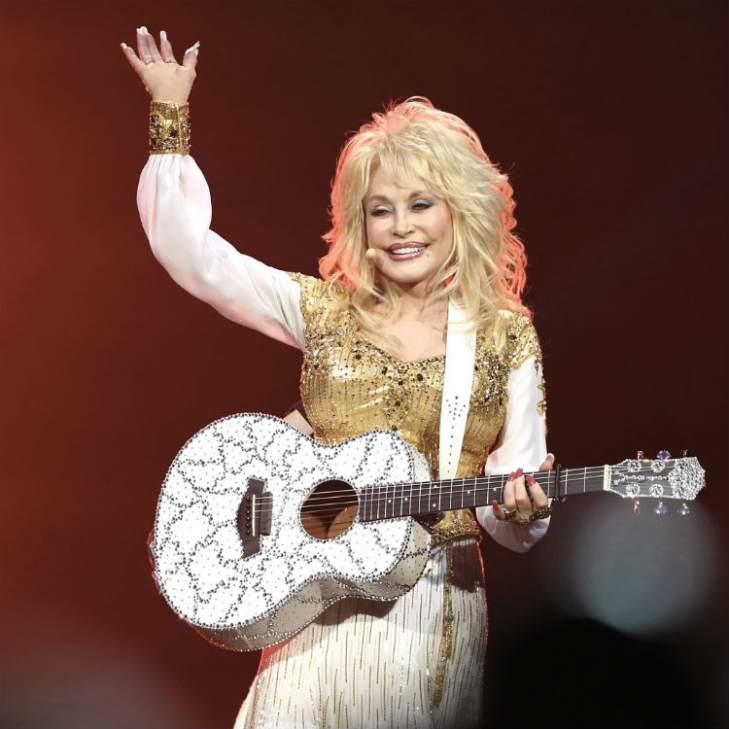
That didn’t take long.
Following Dolly Parton’s Instagram post where she respectfully asked to be removed from the ballot, the Rock and Roll Hall of Fame responded:
“All of us in the music community have seen Dolly Parton’s thoughtful note expressing her feeling that she has not earned the right to be inducted into the Rock & Roll Hall of Fame. In addition to her incredible talent as an artist, her humility is another reason Dolly is a beloved icon by millions of fans around the world.
From its inception, Rock & Roll has had deep roots in Rhythm & Blues and Country music. It is not defined by any one genre, rather a sound that moves youth culture. Dolly Parton’s music impacted a generation of young fans and influenced countless artists that followed. Her nomination to be considered for induction into the Rock & Roll Hall of Fame followed the same process as all other artists who have been considered.
Dolly’s nomination, along with the other 16 for the class of 2022 was sent out earlier this month to our 1,200 general ballot voters, the majority of whom are artists themselves, for consideration for induction at our ceremony.
We are in awe of Dolly’s brilliant talent and pioneering spirit and are proud to have nominated her for induction into the Rock & Roll Hall of Fame.”
We applaud the Rock Hall’s quick response, and we wonder if their verbiage indicates that she might have been selected, or likely to be, as many of the votes have already come in.
Either way, we will be watching the drama unfold.
The 2021 Fictitious Athlete Hall of Fame is finally announced!
Oh, what a special day.
When you run a website called Notinhalloffame.com, you are naturally obsessed with existing Halls of Fame. The natural progression is creating your own.
Actually, we have three!
The first one we built was the Fictitious Athlete Hall of Fame, in 2013, with Rocky Balboa enshrined as the inaugural inductee. Since that time, we have had an open vote where you, the people, decided who should be inducted.
In the years after, you have inducted into the Athlete wing, Roy Hobbs (The Natural), Crash Avis (Bull Durham), Ricky “Wild Thing” Vaughn (Major League), Happy Gilmore (Happy Gilmore), Reggie Dunlop (Slap Shot), The Hanson Brothers (Slap Shot), Charlie Conway (The Mighty Ducks) Benny “The Jet” Rodriguez (The Sandlot), Apollo Creed (Rocky), Willie “Mays” Hayes (Major League), Forrest Gump (Forrest Gump), Bobby Boucher (The Waterboy), Paul “Wrecking” Crewe (The Longest Yard), Dottie Hinson (A League of Their Own), Daniel LaRusso (The Karate Kid), Clubber Lang (Rocky), Ivan Drago (Rocky), “Fast” Eddie Felson (The Hustler & The Color of Money, Al Bundy (Married...with Children), Homer Simpson (The Simpsons) and Johnny Lawrence (The Karate Kid and Cobra Kai).
After a delayed vote, (let’s say due to COVID-19), the Class of 2021 is now official based on your votes, staggered over three stages.
This year, the Fictitious Athlete Hall of Fame Athlete Wing welcomes:
Jake Taylor: Major League & Major League 2. Taylor (Tom Berenger) joins his fellow teammates from Cleveland, Ricky Vaughn and Willie “Mays” Hays into the Hall. The veteran Catcher would later parlay his wits into an interim managerial role with the team.
Jimmy Chitwood: Hoosiers. Chitwood (Maris Valainis) finally enters the Hall after making the Final round four previous times. His skill took small town Hickory to the Indiana State Basketball Championship in 1954, an upset of epic proportions.
Sam Malone: Cheers. A finalist every year since we have been doing this, “Mayday” (Ted Danson) brings his five years as a Red Sox Relief Pitcher into the Fictitious Athlete Hall of Fame.
You can view their complete bios here.
The Contributor Wing has previously inducted Harry Doyle (Major League), Carl Spackler (Caddyshack), Mr. Miyagi (The Karate Kid), Chubbs Peterson (Happy Gilmore), Gordon Bombay (The Mighty Ducks), Mickey Goldmill (Rocky), Morris Buttermaker (The Bad News Bears), Coach Ernie Pantusso (Cheers), Adrian Balboa (Rocky), Jimmy Dugan (A League of Their Own), and the Gopher (Caddyshack).
This year, the Fictitious Athlete Hall of Fame Contributor Wing welcomes:
Norman Dale: Hoosiers. In the same year that Jimmy Chitwood finally enters, another perennial Finalist from Hoosiers enters with Norman Dale (Gene Hackman). Dale led Hickory to a win at State, and atoned for many of his past misdeeds.
Paulie Pennino: Rocky, Rocky II, Rocky III, Rocky IV and Rocky V. Paulie joins the Rocky series brethren as the downtrodden sister of Adrian, and eventual cornerman of the Heavyweight Boxing Champion of the World.
You can view their complete bios here.
The Veteran Wing has previously inducted Andy “Champ” Purcell (The Champ), Dennis Ryan (Take Me Out to the Ball Game), Guffy McGovern (Angels in the Outfield), Huxley College (Horse Feathers), Sport Goofy (Disney) and Joe Hardy/Joe Boyd (Damn Yankees).
This year, the Fictitious Athlete Hall of Fame Veteran Wing welcomes:
Harold Lamb: The Freshman. Lamb played college football for Tate University, and the undersized talent got the girl at the end.
Voting has now begun for the Class of 2022, which we hope you will take part in.
As always, we thank you for your support, and we are excited to keep this project alive!
Andrew Whitworth Retires
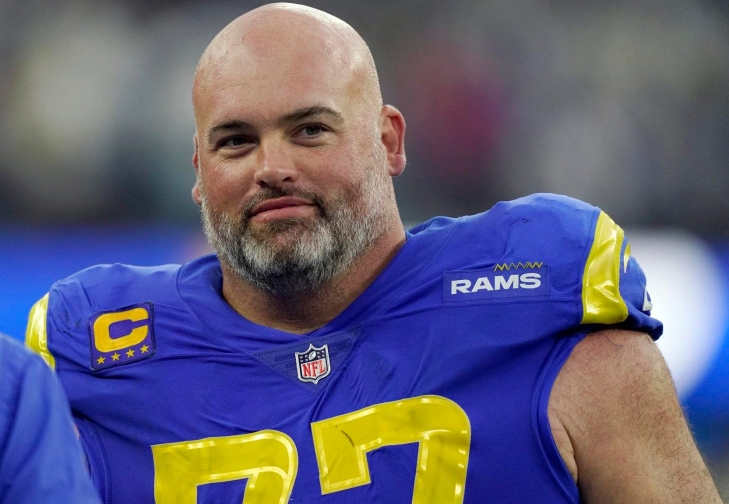
On his Instagram, Los Angeles Rams’ Offensive Tackle, Andrew Whitworth, announced his retirement from football.
The 40-year-old went out on top, anchoring the Rams to their first Super Bowl win in Los Angeles, in a year where he also won the coveted Walter Payton Man of the Year.
Whitworth played his college ball at LSU, and was taken by the Cincinnati Bengals in the Second Round of the 2006 Draft. Although he became a starter as a rookie, Whitworth didn’t break out until his 30s, earning his first Pro Bowl at 31 in 2012. Earning a First Team All-Pro in 2015, and a second Pro Bowl, Whitworth secured a third in 2016, his last with the Bengals.
Whitworth signed with the Rams in 2017, and in his first year in L.A., he was again a First Team All-Pro, and captured his fourth and final trip to the Pro Bowl. With his retirement, Whitworth leaves the game with 239 Games Played, and his 142 in Approximate Value is currently 88th all-time.
With his play in the last half of his career, Whitworth carved out a case for the Pro Football Hall of Fame, which he is eligible for 2027.
We here at Notinhallofame.com would like to wish Andrew Whitworth the best in his post-playing career.
RIP: Scott Hall
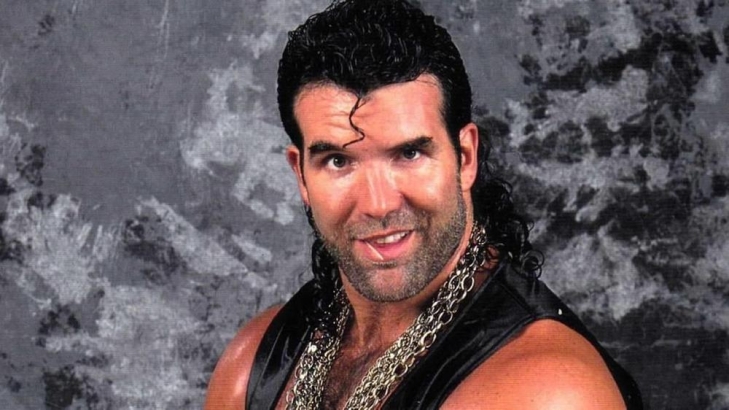
Professional Wrestling lost a legend today.
Scott Hall, passed away at the age of 63. This followed hip surgery, that resulted in a blood clot that generated three heart attacks. Hall was placed on life support, and was taken off by his family. He died hours later.
Hall began his wrestling career in 1984, and won his first major title a few years later, the AWA World Tag Team Title with Curt Hennig. After competing in WCW, Hall joined the WWF in 1992, debuting as Razor Ramon. Hall was instantly put in the upper card, feuding, and pinning Randy “Macho Man” Savage on multiple house shows. Turning face following an upset loss to the 1-2-3 Kid, Hall would dominate the Intercontinental Title, winning it four times, with his ladder match win at Wrestlemania X over Shawn Michaels peaking his run.
Hall kickstarted one of the greatest wrestling angles ever, when he interrupted a broadcast of Nitro in 1996. Followed by Kevin Nash, they would form the New World Order, the most powerful faction in WCW history. Hall would win the WCW World Tag Team Titles seven times and the United States Title twice, but behind the scenes, his alcohol and drug addictions were wreaking havoc in his personal life. His personal problems would eventually lead to his release in 2000.
The NWO was resurrected by the WWE in 2002, with Hall wrestling “Stone Cold” Steve Austin at Wrestlemania, but his issues resurfaced with the “Plane Ride from Hell”, and he was let go.
After years of issues, through the help of Diamond Dallas Page, Hall became clean and sober, and made multiple appearances for the WWE in reunion segments. Hall was inducted into the WWE Hall of Fame twice, one as a single and with the New World Order.
We here at Notinhallofame.com would like to extend our condolences to the fans, friends and family of Scott Hall.
