

 Not in Hall of Fame News
Yes, we know that this is taking a while! As many of…
 Not in Hall of Fame News
Yes, we know that this is taking a while! As many of…
 Not in Hall of Fame News
2002 SEMI-FINAL RESULTS: Thank you for your participation in the Pro Football…
 Not in Hall of Fame News
Yes, we know that this is taking a while! As many of…
 Not in Hall of Fame News
We are diligently working away at Notinhalloffame on revising our Football lists…
 Not in Hall of Fame News
We are diligently working away at Notinhalloffame on revising our Football lists…
 From the Desk of the Chairman
October baseball often turns individual pitching performances into lasting postseason memories. Strikeout…
 From the Desk of the Chairman
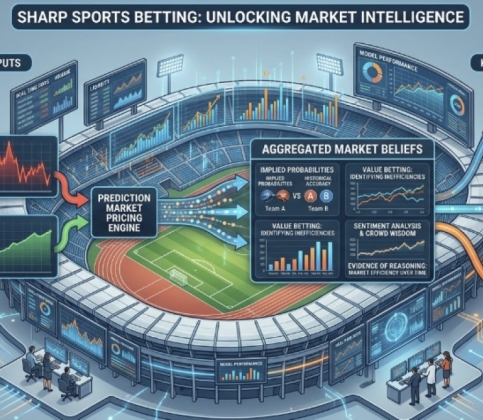
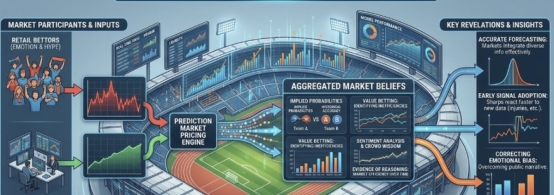
For decades, the sports debate ran on gut feeling. Barstool arguments, call-in…
 From the Desk of the Chairman
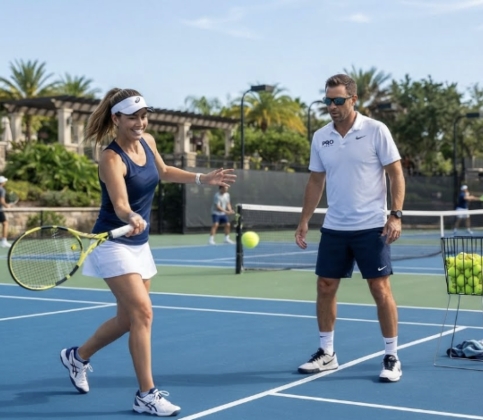
Introduction to Private Adult Tennis Camps in Prague Adult club players increasingly…
 From the Desk of the Chairman
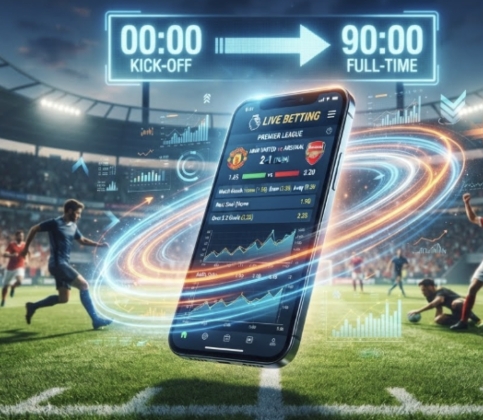
Unlike in the case of pre-match betting, where you have to pick…
 From the Desk of the Chairman
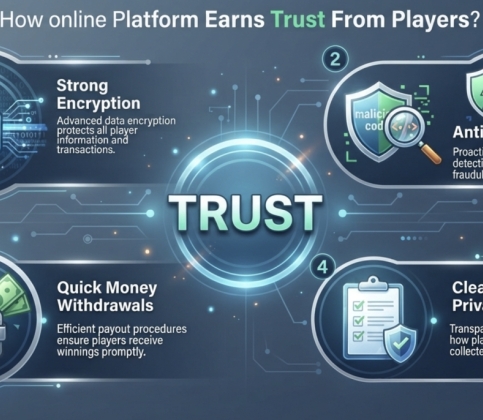
Kupu178 builds trust with people by using top-end end-to-end encryption. It checks…
 From the Desk of the Chairman
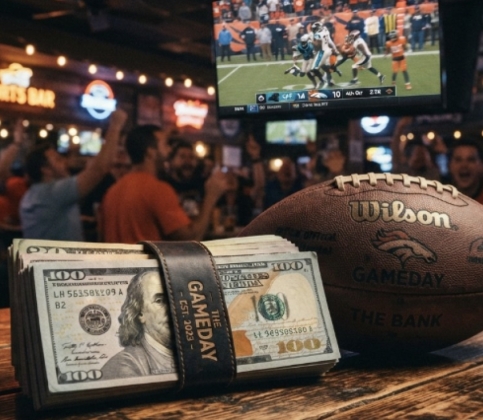
Sports fans thrive on calculating strategy, reading momentum, and maximizing every tactical…

100 Active Potential Football Hall of Famers
-
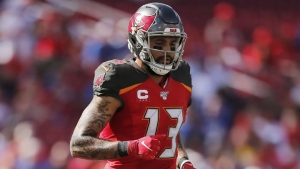 #18 Overall, Mike Evans, San Francisco 49ers, #1 Wide Receiver2025 Pre-Season Rank #13, 2024 Pre-Season Rank #18, 2023 Pre-Season Rank #35, 2022 Pre-Season Rank #58, 2021 Pre-Season Rank #73. Peak 2020-24 How…
 -
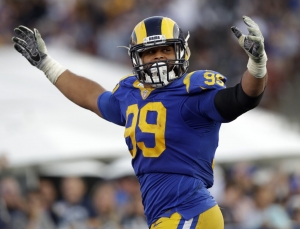 #1 Overall, Aaron Donald: Los Angeles Rams, Defensive End, #1 Defensive Lineman/Linebackers/Pass Rushers2020 Pre-Season Rank #15, 2021 Pre-Season Rank #5, 2022 Pre-Season Rank #3, 2023 Pre-Season Rank #2. PEAK 2017-21 Well, look who’s back! When…
 -
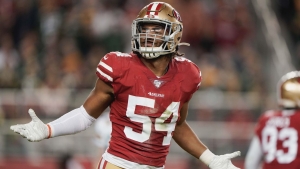 #30 Overall, Fred Warner, San Francisco 49ers Linebacker, #2 Defensive Lineman/Linebacker: Interior Lineman2025 Pre-Season Ranking #22, 2024 Pre-Season Rank #49, 2023 Pre-Season Rank #79, 2022 Pre-Season Rank #118, 2021 Pre-Season Rank #142. Peak Period: 2020-24…
 -
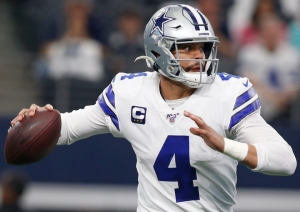 #37 Overall, Dak Prescott, Dallas Cowboys, #7 Quarterback2025 Pre-Season Rank #40, 2024 Pre-Season Rank #32, 2023 Pre-Season Rank #44, 2022 Pre-Season Rank #55, 2021 Pre-Season Rank #63, 2020 Pre-Season Rank…in Quarterbacks
Visit the Fictitious Halls of Fame!
You May Also Like...
EDITOR’S CHOICE
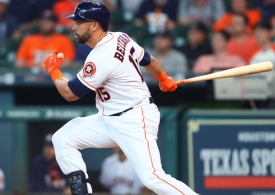
 DDT's Pop Flies
When the veterans committee (VC), officially convening as the Contemporary Baseball Era…
 Live Music Head
Project/Objectan interview with André Cholmondeleyby Live Music HeadOriginally published at timessquare.com on…

LATEST RANKINGS

MOST POPULAR RANKINGS





Committee Chairman
Our All-Time Top 50 Oakland Athletics have been revised to reflect the 2021 Season
Yes, we know that this is taking a while!
As many of you know, we here at Notinhalloffame.com are slowly generating the 50 of each major North American sports team. That being said, we have existing Top 50 lists out and we always consistently look to update them when we can and based on necessity. As such, we are very happy to present our pre-2022 revision of our top 50 Oakland Athletics.
As for all of our top 50 players in baseball we look at the following:
1. Advanced Statistics.
2. Traditional statistics and how they finished in the American League.
3. Playoff accomplishments.
4. Their overall impact on the team and other intangibles not reflected in a stat sheet.
Oakland failed to make the playoffs in 2021, and they did what they always do after the season, which was to trade off assets before they became too costly.
As always, we present our top five, though there were no changes, and only one new addition overall.
1. Lefty Grove
3. Eddie Plank
4. Jimmie Foxx
5. Al Simmons
You can find the entire list here.
The only new entry is Third Baseman, Matt Chapman, a defensive wizard who was traded to Toronto in the off-season, who enters at #50.
We welcome your input and comments and as always, we thank you for your support.
Malcolm Jenkins Retires
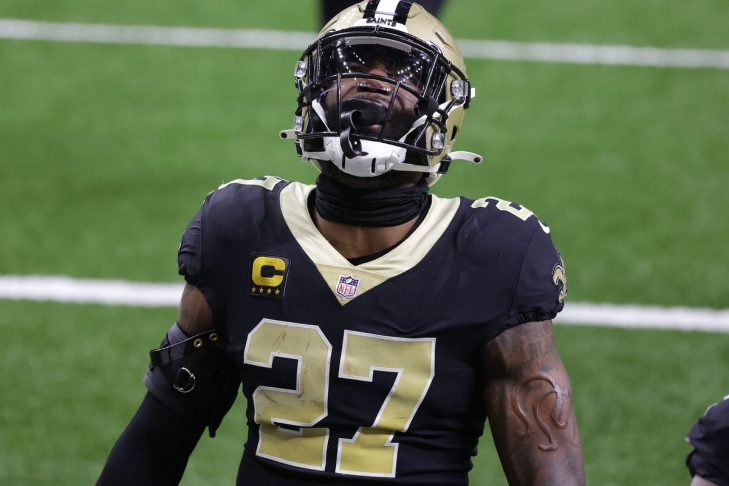
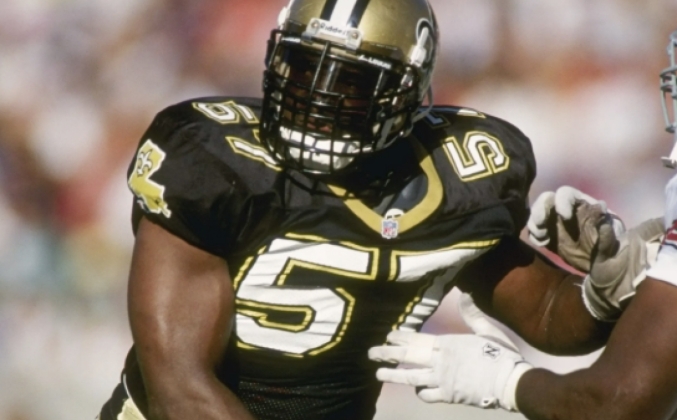
As we are knee deep in the NFL off-season, it is the time for retirements, and we have a significant one as New Orleans Saints Safety, Malcom Jenkins, is calling it a career.
The Jim Thorpe Award winner in 2008, Jenkins was drafted by the Saints 14th Overall, and the Ohio State Buckeye would become a starting Safety during his rookie season. Jenkins was a nice component in upgrading the team’s secondary, which helped catapult to them their first ever Super Bowl. Jenkins played four more years with the Saints, earning Second Team All-Pro honors in 2010, and keeping the team strong.
In 2014, Jenkins signed with Philadelphia, where he went to three Pro Bowls, while also anchoring the Eagles to their First Super Bowl win (LII). Jenkins returned to the Saints, playing two more seasons before he retired.
Off of the field, Jenkins was known for his activism, and his community contributions.
He retires with 21 Interceptions and 1,044 Tackles. Jenkins is eligible for the Pro Football Hall of Fame in 2027, and we will shortly put his bio up for you to vote and comment on in our Notinhalloffame Football Futures Section.
We here at Notinhalloffame.com would like to wish Malcolm Jenkins the best in his post-playing career.
The Steiner Brothers will be inducted into the WWE HOF.
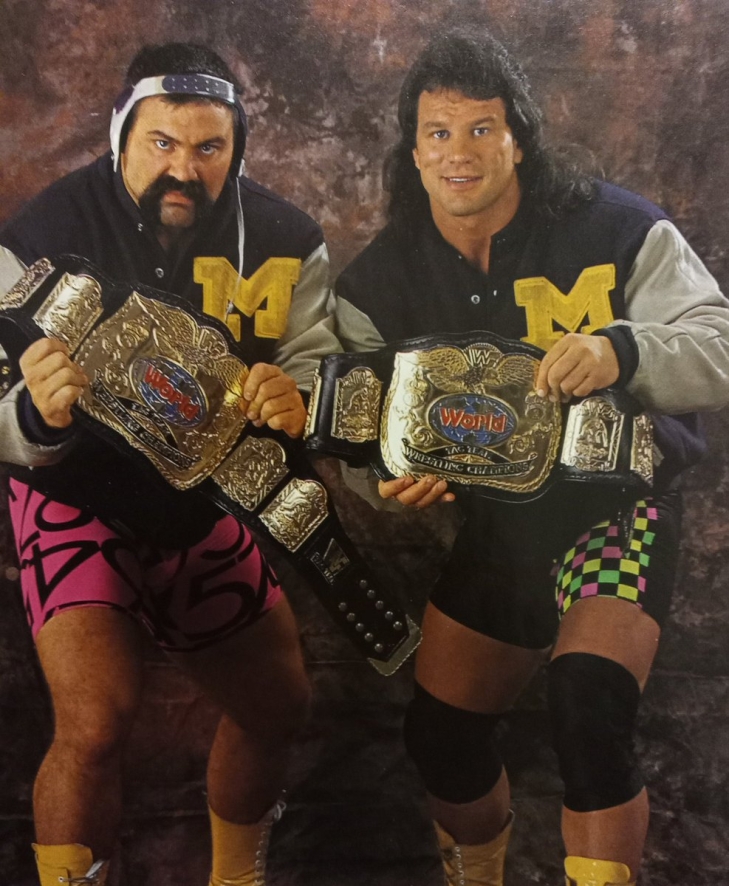
Every now and then, Hell freezes over, and when it does, it is usually based in the Stamford, Connecticut, the home of the WWE. Announced today, the Steiner Brothers have been named to the WWE Hall of Fame Class of 2022.
The Steiners are one of the most decorated and influential tag teams in wrestling history, and were arguably the most successful tag team of the 1990s. Debuting as a tag team in WCW in 1989, the brothers would win Tag Team Gold in that promotion seven times, and were also two-time WWF Tag Team Champions. Internationally, the Steiners won the IWGP World Tag Team Titles twice.
Individually, Rick won the WCW United States Title and was also a Television Champion. Scott also captured the United States Title and won the WCW World Heavyweight Championship.
Presently, Rick’s son competes as Bron Breakker in NXT, and is one of the fastest rising stars in the brand. Scott has been vocal in many interviews over the past decade against the WWE and Triple H, and in 2015, he was banned from the Hall of Fame following an incident with Hulk Hogan’s then-wife.
The Steiners are ranked #17 on our latest list of those to consider for the WWE Hall of Fame, and they, along with the other inductees will be removed from our list following Wrestlemania. We will revise our list shortly afterward.
We here at Notinhalloffame.com would like to congratulated Rick and Scott Steiner for this impending honor.
Why It's Important for College Athletes to Build a Personal Brand
Many successful athletes were discovered while in college, therefore this should motivate you as a college athlete to create a brand for yourself. Like any other professional, you need to think about creating a long and successful career as a college athlete. Building your personal brand can be a good starting point. Your personal brand will determine how the professional sports world will perceive you. It will also determine the level of respect that your fans and sponsors will accord you. Building your personal brand as a college athlete will offer you many benefits.
● It Will Make Many People Recognize You
Would you not feel nice if many people recognized you without you not having to introduce and reintroduce yourself? Think about Serena Williams, Lebron James, and Tom Brady. These athletes are some of the most famous athletes in the U.S. Many people are usually willing to sponsor them because they stand out from the crowd. Like them, you can become famous and have many sponsors looking for you. Personal branding can help you achieve this. With a strong personal brand, many people will recognize you. That, in turn, will help you maximize your financial opportunities.
● It Will Help You Stand Out From the Crowd
According to research, there are more than 460,000 college athletes in the U.S. Therefore, as a college athlete, you need to think about how you will stand out from the crowd. A strong personal brand can help you achieve this.
You might be better at sports than your friend. However, if your friend has taken time to build their personal brand, they will be perceived to be better than you. Therefore, you need to take time to build your personal brand as a college athlete. Building your personal brand will give you a chance to showcase your athletic skills and your experience as an athlete. All this will set you apart from other athletes.
● Building Your Personal Brand Will Enhance Your Online Visibility
The number of American athletes has been increasing daily. Therefore, as a college athlete, you need to consider growth in the competitive athletic environment. Improving your online visibility can help you achieve this. Many potential sponsors and coaches will notice you when you are more visible online.
Building your personal brand can help you improve your online visibility. To make yourself more visible online, you should consider creating content related to college athletics. You should also get active on social media and ensure that you optimize your content.
● It Will Help You Attract Prospective Sponsors
Sponsors offer commerce-related benefits to athletes. As a college athlete, you need these benefits. You will not have to worry about finding money to pay for training and sporting events when you get a sponsor.
For someone or a company to offer you sponsorship, you will have to prove to them that sponsoring you is worth their resources and time. A strong personal brand can help you convince such people. Taking time to build your personal brand will prove to prospective sponsors that you are passionate about athletics. That, in turn, will make them want to offer the financial resources you need to improve your athletic career.
● It Will Help You Achieve Your Athletic Goals
Like any other athlete, you probably have athletic goals that you want to achieve within a certain period. Probably, one of these goals is getting recruited in some of the famous college athletic teams or getting a certain number of sponsors. To achieve these goals, you need to put in the necessary work.
Building your personal brand can help you achieve these goals. For instance, it can open up networking opportunities that can help you get sponsors. A strong personal brand can also help you attract many coaches, helping you get recruited into famous college athletic teams.
Your personal brand is simply the unique combination of experiences and skills that define you. Developing it is quite essential, especially if you are a college athlete. It can help you maximize your financial opportunities and achieve your athletic goals. A strong personal brand can also help you attract many prospective sponsors and improve your online visibility.
