

 Not in Hall of Fame News
Yes, we know that this is taking a while! As many of…
 Not in Hall of Fame News
Yes, we know that this is taking a while! As many of…
 Not in Hall of Fame News
2002 SEMI-FINAL RESULTS: Thank you for your participation in the Pro Football…
 Not in Hall of Fame News
Yes, we know that this is taking a while! As many of…
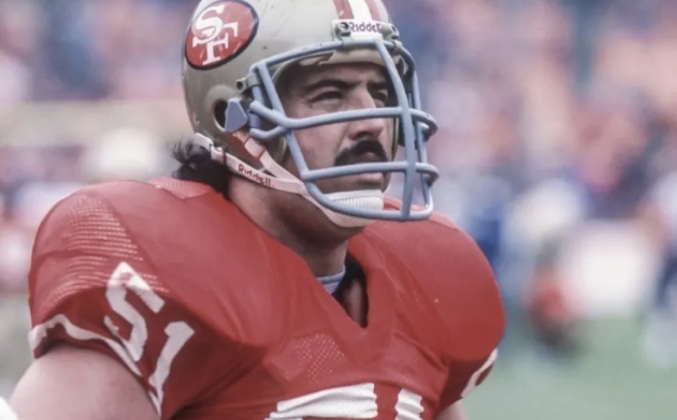 Not in Hall of Fame News
We are diligently working away at Notinhalloffame on revising our Football lists…
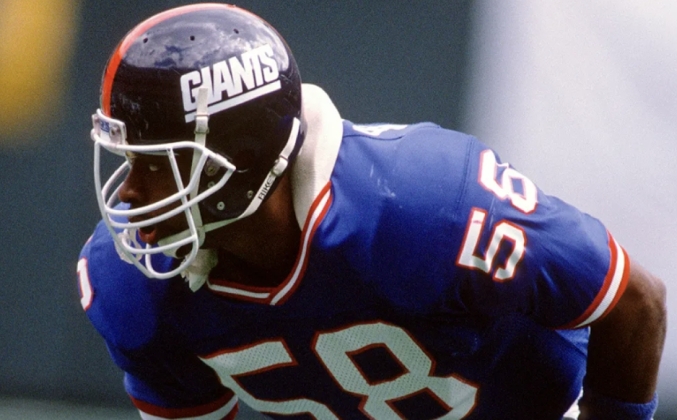 Not in Hall of Fame News
We are diligently working away at Notinhalloffame on revising our Football lists…
 From the Desk of the Chairman
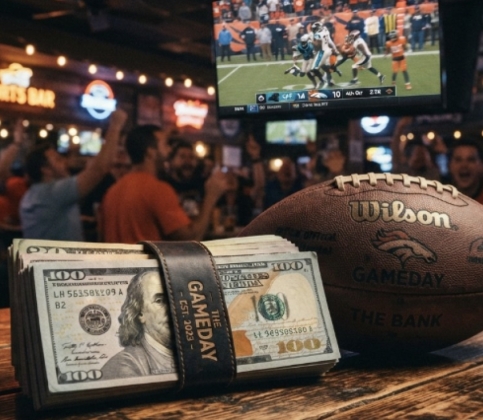
Sports fans thrive on calculating strategy, reading momentum, and maximizing every tactical…
 From the Desk of the Chairman
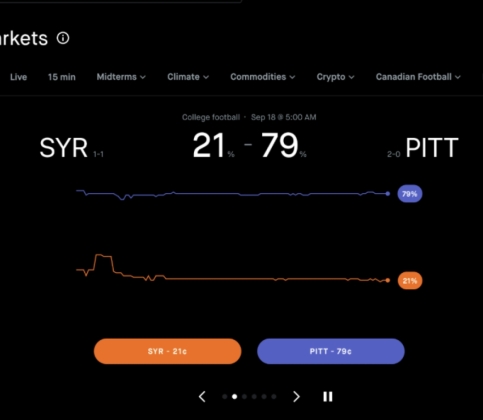
The 2026 NFL season is two weeks old and the division races…
 From the Desk of the Chairman
Sports communities are often built around things that have nothing to do…
 From the Desk of the Chairman
Every hall of fame eventually faces the same problem. The selection process…
 From the Desk of the Chairman
Pete Rose died in 2024. On May 13, 2025, Commissioner Rob Manfred…
 From the Desk of the Chairman
For NFL fans, game day offers much more than three hours of…
100 Active Potential Football Hall of Famers
-
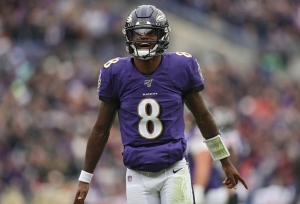 #12 Overall, Lamar Jackson, Baltimore Ravens, #4 Quarterback2025 Pre-Season Rank #10, 2024 Pre-Season Rank #14, 2023 Pre-Season Rank #30, 2022 Pre-Season Rank #38, 2021 Pre-Season Rank #46, 2020 Pre-Season Rank…in Quarterbacks
 -
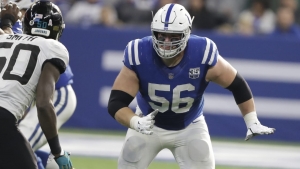 #22 Overall, Quenton Nelson, Indianapolis Colts, Left Guard, #2 Offensive Lineman2025 Pre-Season Rank #2025, 2024 Pre-Season Rank #29, 2023 Pre-Season Rank #42, 2022 Pre-Season Rank #51, 2021 Pre-Season Rank #78, 2020 Pre-Season Rank…
 -
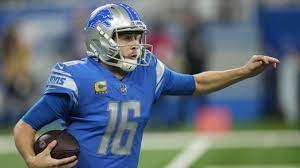 #45 Overall, Jared Goff, Detroit Lions, #8 Quarterback2025 Pre-Season Rank #46, pSeason 2024 Pre-Season Rank #89, 2023 Pre-Season Rank #100, 2022 Pre-Season Rank #112. 2021 Pre-Season Rank #106, 2020 Pre-Season…in Quarterbacks
 -
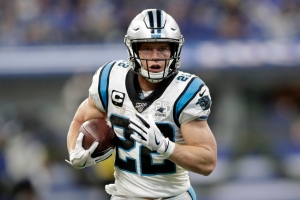 #17 Overall, Christian McCaffrey, San Francisco 49ers, #2 Running Back2025 Pre-Season Rank #21, 2024 Pre-Season Rank #16, 2023 Pre-Season Rank #55 Pre-Season Rank #66, 2021 Pre-Season Rank #76, 2020 Pre-Season Rank #81.…
Visit the Fictitious Halls of Fame!
You May Also Like...
EDITOR’S CHOICE
 DDT's Pop Flies
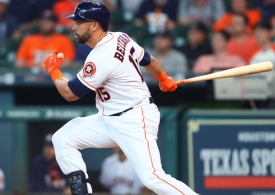
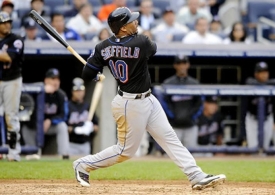
When the veterans committee (VC), officially convening as the Contemporary Baseball Era…

 Live Music Head
Project/Objectan interview with André Cholmondeleyby Live Music HeadOriginally published at timessquare.com on…
LATEST RANKINGS

MOST POPULAR RANKINGS



Committee Chairman
The Best Debut Albums of 2022
There were a lot of good releases in the past year - pop, new wave, rock, hip-hop, electronica, experimental music and more. Microgaming online casinos, like the diverse music genres released in 2022, offer a variety of games to suit different preferences.
Let's discuss in more detail the albums that have graced and changed the musical landscape of 2022.
"Fossora" – Björk
"Fossora" is Björk's first self-produced album. Deep and challenging, it explores themes of land and family; it was even recorded in the singer's native Iceland, with her children acting as backing singers and co-writers. "Fossora" demands effort from the listener - it's complex, intricate and, despite everything, sincere material on the verge of poetry. Make an effort - it's worth it.
"L'Emprise" - Mylene Farmer
Mylène Farmer works without Laurent Boutonne again - and that's just what she needs. Woodkid, Moby and Darius Keeler of Archive understand her just as well. With Woodkid, she succeeds with triumphantly tragic songs, with Moby with uplifting ones and with Keeler with self-deprecating ones. But the protagonist of "L'Emprise" is Farmer herself: her realm of melancholy where she unreservedly rules.
"Impera" – Ghost
Many people nowadays consider heavy rock an outdated, "outdated" genre - and in vain. Ghost's "Impera" is proof of that: there are powerful riffs, catchy melodies, and some theatricality, as well as a serious stadium application. It's no coincidence that the album was noticed by rock and metal publications and the "pop" PopMatters and NME. The Grammy committee couldn't miss it either - "Call Me Little Sunshine" was nominated for Best Metal Performance.
"Just Like That" - Bonnie Raitt.
A great album for those who like traditional 1970s and 1980s style pop-rock. Bonnie Raitt is the star of that era, so no one could have done it better. Raitt wrote almost half of the songs from Just Like That and produced the record herself. Her voice remains wonderfully resonant and catchy: it's impossible to believe that "Just Like That" is sung by someone who celebrated her 73rd birthday in November.
"Entering Heaven Alive" - Jack White
Of Jack White's two albums released in 2022, «Entering Heaven Alive» deserves more interest. Everyone is used to the musician's guitar solos, but on this record, he reveals himself as a talented performer of folk and country ballads. White has recorded similar tracks before, but after "Entering Heaven Alive", he makes you want to hear another such album.
"A Light for Attracting Attention" - The Smile
Instead of a new Radiohead record, fans got the debut release of The Smile, a new project from the two band members. "A Light for Attracting Attention" was almost the best album in the tandem of Thom Yorke and Jonny Greenwood. It is similar to Radiohead in general mood, though it differs from their work - first of all, combining clever musical structures and minimalism in a different sound.
"Wet Leg" - Wet Leg
Women's indie rock duo from the UK, Wet Leg, have gotten everyone's attention. They are critically acclaimed and invited to festivals - they are even due to perform at the iconic Glastonbury in 2023. "Wet Leg" is an expressive and moderately upbeat release. That's what a modern pandemic rock album should be. Surprisingly solid, robust and full of nuance, "Wet Leg" is an outstanding debut.
"Profound Mysteries" - Royksopp
"Profound Mysteries" is not an album but an entire trilogy universe from the legendary Norwegian electro duo Royksopp. All parts of "Profound Mysteries" are a bit uneven, but some songs are great, while others are just plain good. Excellent arrangements and a first-rate selection of vocalists make "Profound Mysteries" one of the best projects of 2022.
The Trend of Swinger Culture in 5 Songs from Honor Board Artists

It is time to get your groove on! Whether new to the swing lifestyle or a seasoned veteran, it pays to have a good soundtrack. After all, there is nothing like a great song to set the right mood. That is why we have rounded up five classic hits from some legendary artists perfect for any swinger dating party. So, put on your dancing shoes and get ready to boogie, and if you are feeling adventurous, do not forget to up the tempo with a few remixes of these classic hits!
"Open Relationship" by Lil Baby and Gunna
When curating your swinger dating playlist, "Open Relationship" by Lil Baby and Gunna is an absolute must. Once you secure a date on dating sites for swingers, romanticize the moment with this banger ad rest assured of a memorable night. First, it sets the mood and sends the message of a relationship that is not strictly monogamous without judgment or persecution.
In this banger, the duo speaks about being fun and non-clingy. Also, it emphasizes that open-mindedness and respect build strong foundations between two or more partners. Hence, makes it clear why they are integral for successful swinger dating.
"Beautiful Liar" by Beyoncé & Shakira
There is no better way to add Latin flavor to your swinger dating playlist than with "Beautiful Liar" by Beyoncé and Shakira. This upbeat tune is sure to get you in the mood for some romantic fun, and its lyrics about a temptation that is too hard to resist will give you some nostalgic moments.
The song talks about a woman unsure of what to do with someone who is not just a lover but also her "best friend." In the swinger dating scene, it is common for the partners to be friends first, then lovers. The song topped the charts in more than 50 countries, so you know you can trust its quality. With catchy beats and sultry singing, "Beautiful Liar" will get your blood pumping with anticipation of what is ahead.
"Adventure of a Lifetime" by Coldplay
Head back to 2015 with Coldplay's "Adventure of a Lifetime." This Grammy Award-winning single is the perfect laid-back tune to set the tone for your swinger adventure. The song talks about taking a break from life routines and going on an adventure with someone special. These words perfectly describe what you would do on your swinger date. Cold Play’s inviting vocals create an ideal and relaxed atmosphere to explore your relationship in new ways.
Conversely, why not add your spin to make the song even more special for your night? You could use the original version if you want a more laid-back vibe, or find a cover that fits whatever mood you want to create! The point is to have the message in the song in the most accommodating way possible for dating swingers, so have fun.
"Cheap Thrills" by Sia Ft. Sean Paul
If you are looking for a modern-day swinger song, look no further than "Cheap Thrills" by Sia Ft. Sean Paul. This jam has a great beat to dance to, and its lyrics also make it the perfect addition to your swinger dating playlist. Sia's lyrics combine with Sean Paul's voice, creating the perfect feel-good love song about two lovers who cannot get enough of each other. The chorus says it all, "I ain't got cash, I ain't got cash, but I got you, baby." This song is about living life fully and embracing unconventional love and relationships. Something that swinger couples can relate. So, put on those dancing shoes and get ready to hit the club with this certified dancefloor banger!
"No Scrubs" by TLC
One of the tracks that have and will always be on your swinger playlist is "No Scrubs" by TLC. This is an iconic hit from the legendary R&B girl group TLC. The song talks about not giving a chance to a guy with nothing to bring to the table. He is a scrub—a broke person with nothing going for him.
But this can also apply to relationships in general. If someone is not bringing that same energy, love, or understanding, they are just as much "scrubs" regarding relationships.
Conclusion
Creating a spicy playlist is one of the best ways to add a touch of life and oomph to your date from a swinger dating site. This list is just the tip of the iceberg. There are an incredible number of artists who have made timeless love songs about relationships. Every great song has the power to deliver something special and emotional, and no playlist is complete without the legendary tunes of these superstars. So what are you waiting for? Give your swinger dating the attention it deserves, and pump up your playlists with these timeless classics!
Andy Kaufman to be inducted into the WWE HOF

Wrestlemania is coming fast and furious, and we now know our third entrant to the WWE Hall of Fame Class of 2023, which is Andy Kaufman.
Kaufman was a popular actor and comedian, who was the breakout star of the sitcom, Taxi. Always enamoured with pro wrestling, Kaufman incorporated intergender wrestling into his act, and worked that into a money-making angle in Memphis with Jerry “The King” Lawler, that would bleed across Saturday Night Live and Late Night With David Letterman.
We assume that it will be Lawler who will be doing the induction.
This is long overdue, and when the WWE first added a celebrity wing, this is the man who should have spearheaded it.
It will be a posthumous induction, as Kaufman passed aay from cancer in 1983.
Anderson Silva named to the UFC Hall of Fame
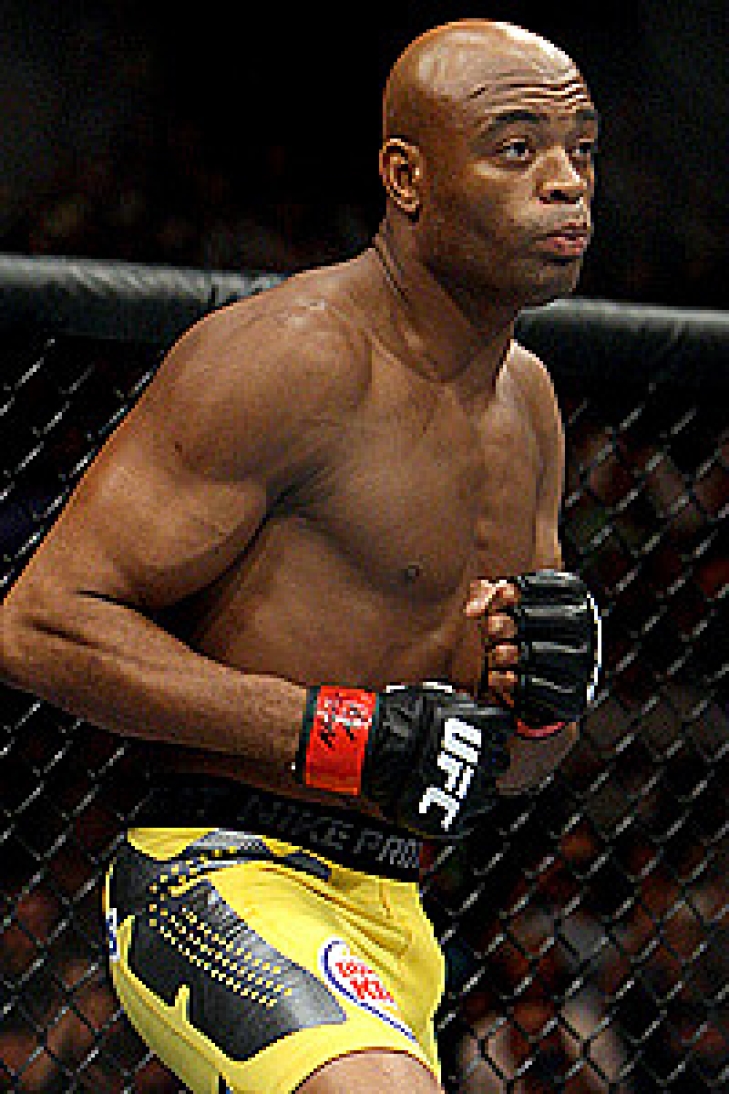
Tonight, during the UFC 286 show, it was announced that Anderson Silva will be inducted into the UFC Hall of Fame as part of the Pioneer Division.
“The Spider” held the UFC Middleweight Title from 2006 to 2013, and compiled a 16-match winning streak, which remains the longest in promotion history. Silva had an overall MMA record of 34-11-0-1, won the Fight of the Night five times, Knockout of the Night seven times, and Submission of the Night twice. He holds wins over Rich Franklin (twice), Dan Henderson, Forest Griffin, Chael Sonnen (twice), Vitor Belfour and Stephen Bonnar, and is the greatest Middleweight in company history.
We here at Noinhalloffame.com would like to congratulate Anderson Silva for this impending honor.
