
 Not in Hall of Fame News
Yes, we know that this is taking a while! As many of…
 Not in Hall of Fame News
1993 Pro Football Hall of Fame Revisited Project Class. Here we are! …
 Not in Hall of Fame News
Afrika Bambaataa, the legendary DJ, producer, and widely recognized "Godfather" of hip-hop…
 Not in Hall of Fame News
Would you like to know what we love the most about the…
 Not in Hall of Fame News
1993 SEMI-FINAL RESULTS: Thank you for your participation in the Pro Football…
 Not in Hall of Fame News
Regular visitors of Notinhalloffame.com know that we are slowly working on the…
 The Buck Stops Here
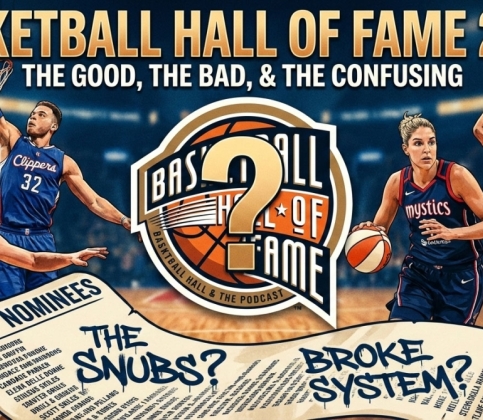
Kirk Buchner and Chris Mouradian dive into the massive list of over…
 The Buck Stops Here
Welcome to Season 6, Episode 16 of The Hall of Fame Show…
 The Buck Stops Here
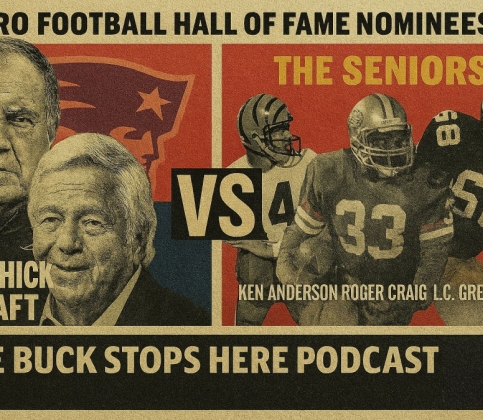
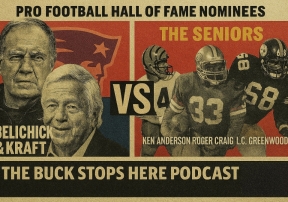
Bill Belichick & Robert Kraft vs. The Seniors: Analyzing the ProFootball Hall of Fame Class Nominees
The Pro Football Hall of Fame voting process is more complicated than…
 From the Desk of the Chairman
Recreational cannabis laws have changed how adults can buy cannabis in many…
 From the Desk of the Chairman
Synthetic turf has become an increasingly familiar surface in the sports world.…
 From the Desk of the Chairman
Athletic performance is shaped by discipline, training, and resilience, but motivation often…


 The Buck Stops Here
Bill Belichick & Robert Kraft vs. The Seniors: Analyzing the ProFootball Hall of Fame Class Nominees
The Pro Football Hall of Fame voting process is more…
100 Active Potential Football Hall of Famers
-
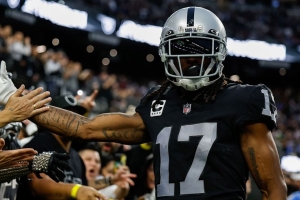 #23 Overall, Davante Adams, Los Angeles Rams, #3 Wide Receiver2024 Pre-Season Rank #27, 2023 Pre-Season Rank #24, 2022 Pre-Season Rank #43, 2021 Pre-Season Rank #67, 2020 Pre-Season Rank #95. Peak Period: 2018-22…
 -
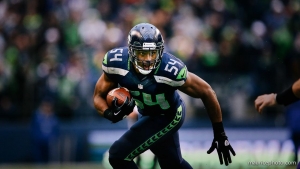 #2 Overall, Bobby Wagner: Washington Commanders Linebacker, #1 Defensive Lineman/Linebacker: Interior Lineman2024 Pre-Season Rank #3, 2023 Pre-Season Rank #3, 2022 Pre-Season Rank #6, 2021 Pre-Season Rank #10, 2020 Pre-Season Rank #18. Peak: 2016-20 Our…
 -
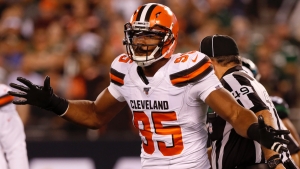 #9 Overall, Myles Garrett, Cleveland Browns, Defensive End, #4 Defensive Lineman/Linebackers: Pass Rushers2024 Pe-Season Rank #17, 2023 Pre-Season Rank #34, 2022 Pre-Season Rank #53, 2021 Pre-Season Rank #99, 2020 Pre-Season Rank #144. Peak Period: 2020-24…
 -
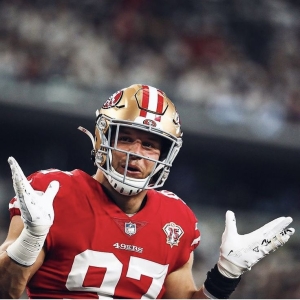 #42 Overall, Nick Bosa, San Francisco 49ers, #9 Defensive End: Defensive Linemen/Linebackers: Pass Rushers2024 Pre-Season Rank #52, 2023: Pre-Season Rank #83. Peak Period: 2019-23 The explosive Nick Bosa is one of a handful of players who…
Visit the Fictitious Halls of Fame!


You May Also Like...
EDITOR’S CHOICE
 DDT's Pop Flies
When the veterans committee (VC), officially convening as the Contemporary Baseball Era…



 Live Music Head
Project/Objectan interview with André Cholmondeleyby Live Music HeadOriginally published at timessquare.com on…

LATEST RANKINGS



MOST POPULAR RANKINGS



Site Admin
29. Schoolboy Rowe
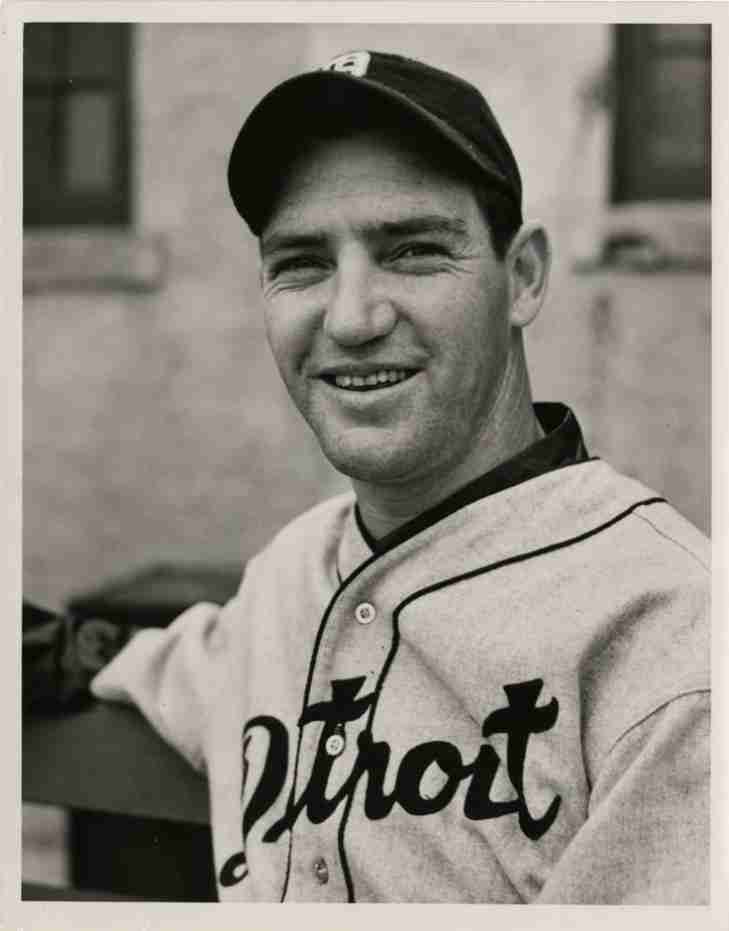
Lynwood "Schoolboy" Rowe arrived in Detroit as a towering right-hander with a high-velocity fastball and a persona that captivated the Motor City. Standing 6'4" and possessing a specialized blend of southern charm and competitive fire, he became a national sensation during the heart of the Great Depression.
Rowe’s emergence in Detroit reached a definitive breakout during the historic 1934 campaign. After showing promise as a rookie, he secured his place as a frontline starter by winning 16 consecutive games, an American League record at the time. This performance signaled a transition from a young prospect to a premier outlier who specialized in dominating the strike zone. He showed the organization that he was a foundational piece of the staff, finishing fourth in the MVP voting and leading the Tigers to their first pennant in a quarter-century. He possessed a focused intensity that allowed him to thrive under pressure, famously asking his fiancée over the radio, "How’m I doin', Edna?"—a line that became a catchphrase for a generation of fans.
The core of his time in Detroit was defined by elite efficiency and a reputation for big-game production. In 1935, he reached a career peak for all-around value, winning 19 games and leading the American League in strikeouts-to-walks ratio for the second consecutive season. He provided the dependable, day-to-day production that helped the Tigers secure their first-ever World Series title that fall. He was a statistical force during this stretch, earning two All-Star selections and routinely surpassing 200 innings pitched. Despite a heavy physical toll on his arm that led to a mid-career plateau, he remained a model of resilience, eventually recording 105 wins and over 600 strikeouts in a Detroit uniform.
During the 1942 season. The Tigers eventually sold their veteran ace to the Brooklyn Dodgers.
Nel Blu Dipinto Di Blu
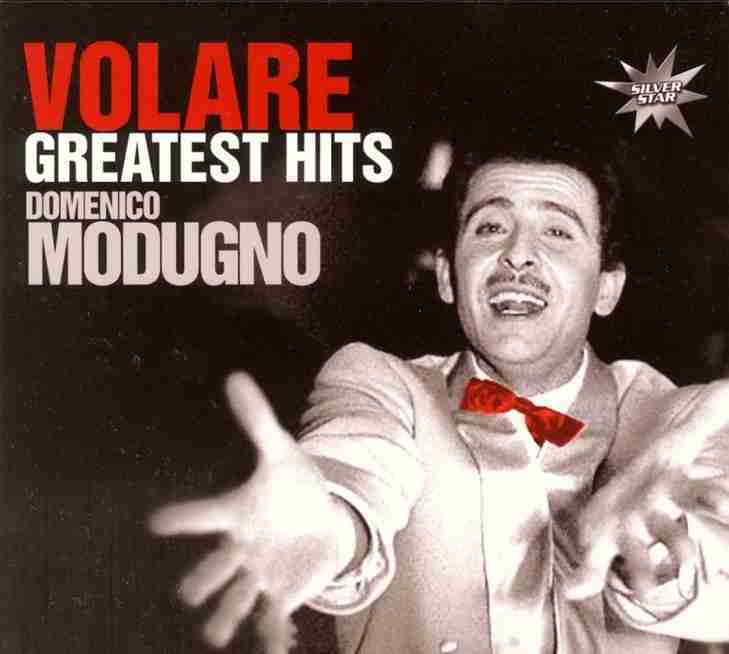
Domenico Modugno
Nel Blu Dipinto Di Blu
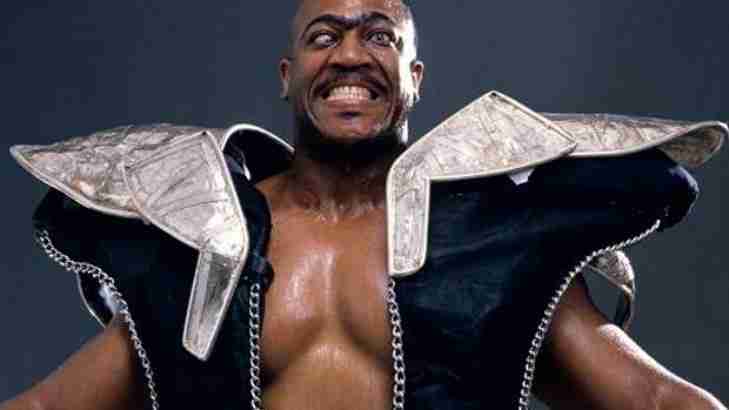
14. Tom "Tiny" Lister
11. Stephen Amell