


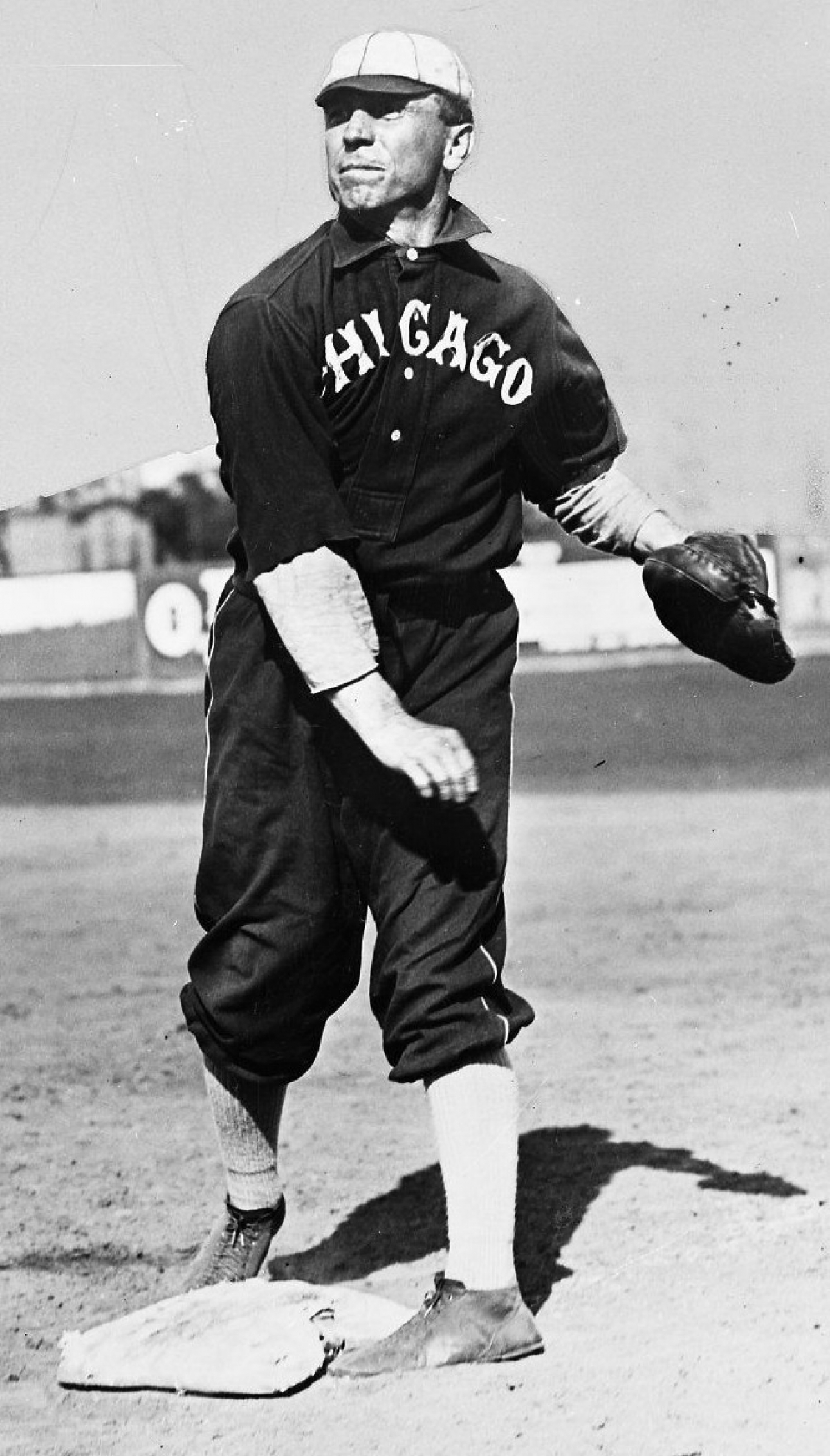
The landscape of professional baseball shifted in 1902 when Davis jumped from the Giants to the White Sox, seeking the superior paydays of the new American League. He matured instantly into the centerpiece of the Chicago lineup, batting .299 and driving in 93 runs during his debut season. However, his tenure was interrupted by a bizarre 1903 campaign, marked by legal battles and league-jumping disputes, which forced him to sit out most of the year. He returned to the South Side once the peace agreement between the leagues was brokered, providing the "Franchise Identity" of a battle-tested leader who was ready to anchor a burgeoning dynasty.
Defensive excellence became the hallmark of his second act in Chicago. While his offensive output naturally declined from his younger days in New York, Davis reinvented himself as a vacuum at shortstop, providing a level of glovework in the field that few could replicate. He led the American League in defensive bWAR in both 1904 and 1905, following those campaigns with top-three finishes in the two years that followed. This run prevention was the primary engine for the 1906 squad, as Davis’s glove and veteran poise guided the "Hitless Wonders" to a massive upset over the Cubs in the World Series.
Reliability in the field was paired with a steady, if diminished, presence at the plate. From 1904 to 1906, he remained a modest hitting threat by generating at least 134 hits per year, serving as a high-leverage stabilizer for a team that prioritized pitching and defense above all else. He concluded his Chicago residency with 785 hits and a staggering 15.2 defensive bWAR, a volume of defensive production that underscored his status as the best all-around shortstop of the decade. He wasn't just a part of the rotation; he was the glue that held the infield together during the most successful era in the franchise's early history.
The final seasons of his career saw him provide a veteran bridge for the next generation of White Sox talent before he retired following the 1909 campaign. He left the city as a world champion and a pioneer of the shortstop position, a man who proved that a great ballplayer can adapt his game to meet his team's needs.
Recognition for his historic career arrived in 1998, when the Veterans Committee elected Davis to the Baseball Hall of Fame. It was a long-overdue tribute to a man who arrived as a superstar and left as the defensive architect of a champion.

Comments powered by CComment