


Site Admin
31. Frank Dwyer
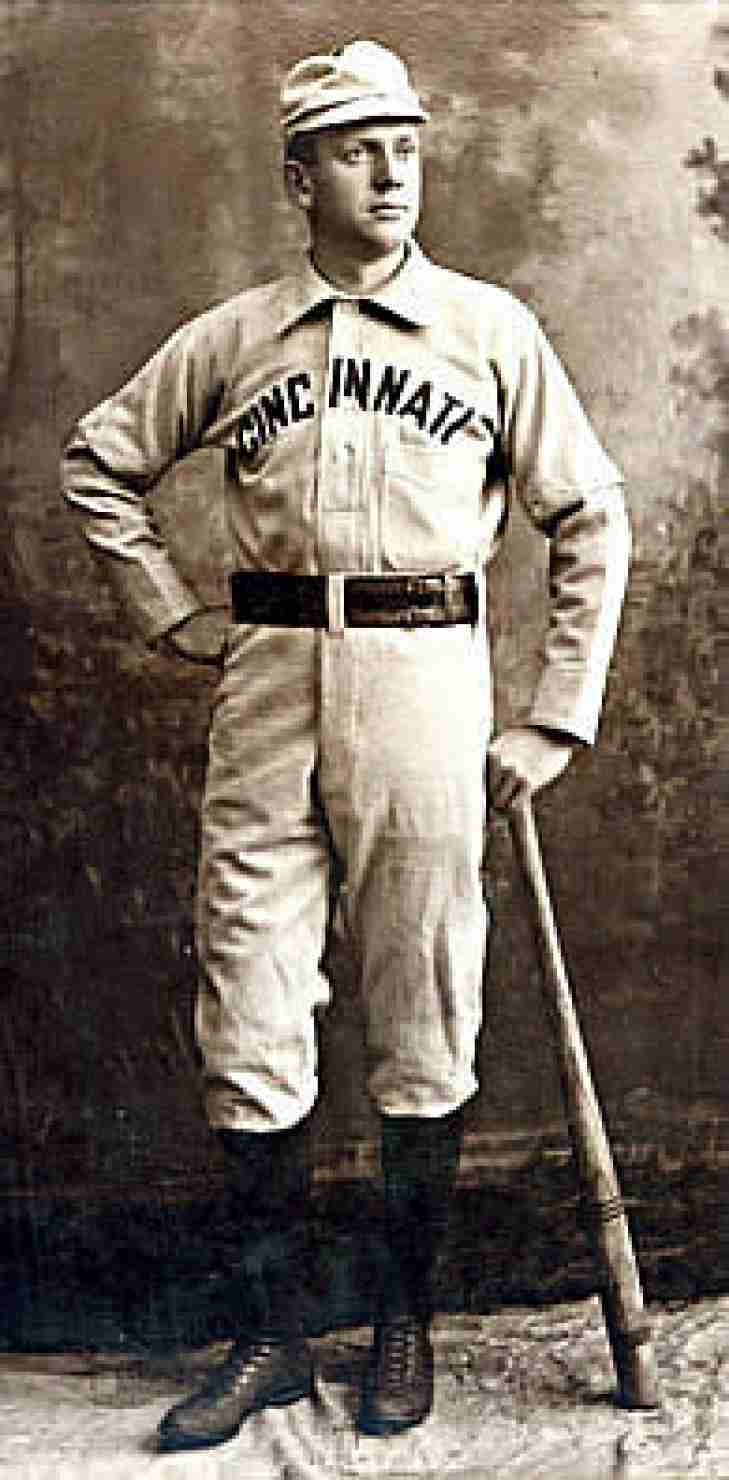
Frank Dwyer surfaced in the Cincinnati lineup in 1892 and matured instantly into the rotation's most dependable engine. He possessed a specialized ability to navigate the high-scoring environment of the late nineteenth century without relying on overwhelming velocity, utilizing a "pitch-to-contact" style that kept his defense engaged and his club in contention. He was a model of specialized volume, embarking on a stretch where he became a fixture of the Reds' staff for nearly a decade. He reached a remarkable zenith in the mid-90s, authoring back-to-back 20-win seasons and establishing himself as one of the most successful winners in the National League.
The most impressive aspect of his tenure was the quiet efficiency with which he accumulated victories. Dwyer was a master of the "long game," a technician who understood how to conserve his energy to lead the league in games started and innings pitched during his peak. He wasn't the type of hurler to dazzle a crowd with high strikeout totals, but he possessed a high-leverage mental toughness that allowed him to secure 133 wins in a Reds uniform. He served as the tactical heartbeat of the staff through a period of significant transition in the game, proving that his game was built on a sophisticated understanding of how to out-think and out-execute the hitters of his era.
His presence was defined by professional resilience and a durable arm that allowed him to shoulder a massive workload summer after summer. Dwyer remained a cornerstone of the Cincinnati staff until the turn of the century, navigating the physical demands of the "Old Ball Game" with a consistent, blue-collar approach. Whether he was grinding through a complete game on a hot Ohio afternoon or providing the veteran poise needed to stabilize a young roster, he competed with a focused intensity that made him a local favorite. He proved that a player could become a franchise pillar through a rare combination of grit and game-management skill.
In 1899, Dwyer left the organization as a statistical star of the nineteenth century. He departed with 133 victories, having transitioned from a wandering arm to one of the most prolific and respected pitchers in the history of the Cincinnati Reds.
With the Reds, Dwyer compiled a 133-100 record with 2,056.2 innings pitched and 172 complete games.
27. Red Lucas
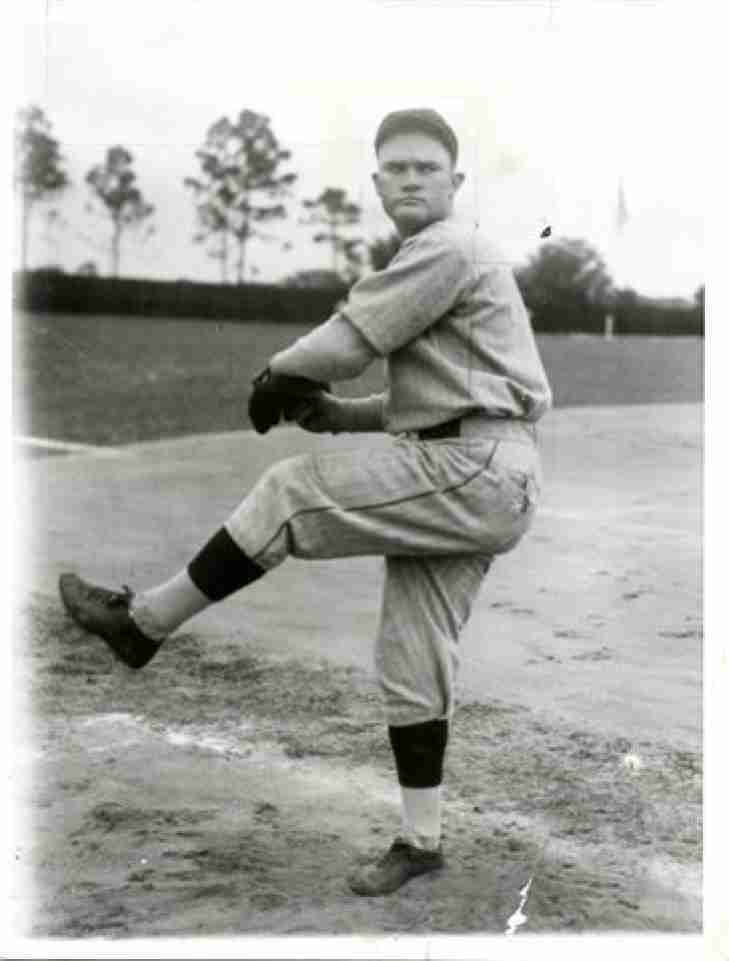
Arguably one of the greatest hitting Pitchers of his or possibly any era, Red Lucas was a solid presence on the mound winning 109 Games for Cincinnati. His best season was in 1929 where he would lead the NL in WHIP, H/9 and finished 6th overall in MVP voting. As for his hitting, he was a career .300 hitter with 293 Hits for the Reds.
The Reds chose Lucas for their Hall of Fame in 1965.
26. Eric Davis
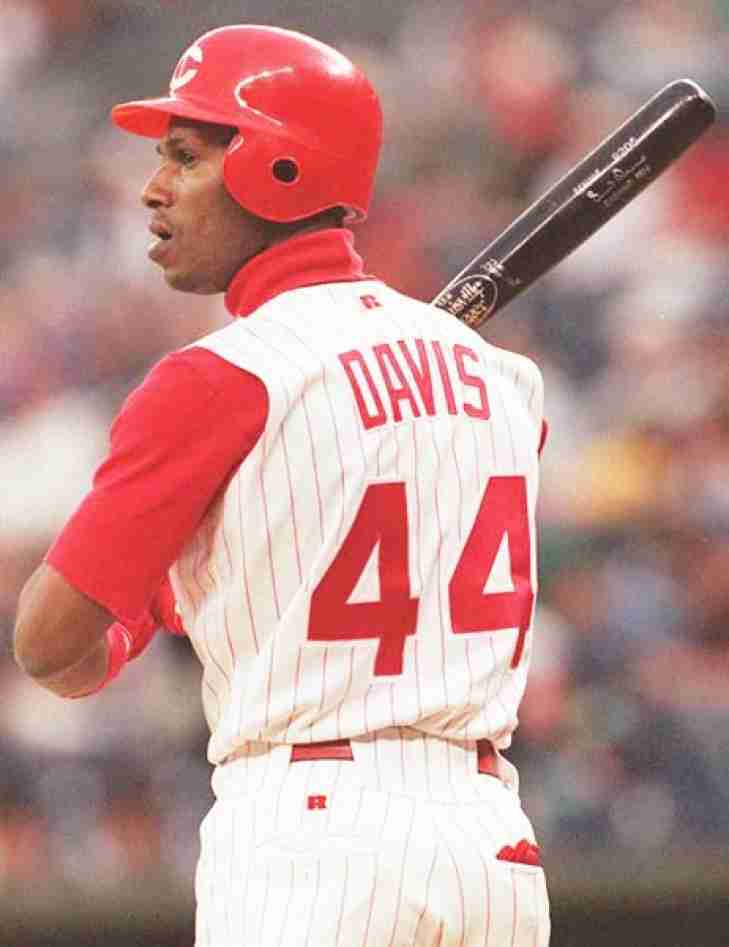
In 1984, Eric Davis arrived in the Cincinnati lineup and rapidly matured into a premier force in the National League. He emerged with a specialized, upright batting stance and hands that moved with terrifying quickness, embarking on a four-year stretch where he hammered at least 25 home runs annually. He was a model of explosive efficiency, most notably in 1987 when he authored a season for the ages, clubbing 37 home runs and swiping 50 bases. He wasn't just a power threat; he was a tactical nightmare for opposing batteries, proving that he could dismantle a team with his bat, his legs, or a towering leap at the wall.
The most impressive aspect of his tenure was the rare, high-stakes hardware he collected during his athletic prime. Davis was a master of the all-around game, securing two Silver Slugger Awards and three consecutive Gold Gloves between 1987 and 1989. While his defensive metrics fluctuated over the course of his stay, his ability to track down fly balls and take away home runs became a signature of the era. His craftsmanship was officially recognized with two All-Star selections, and he served as the primary engine for the 1990 "Wire-to-Wire" World Series champions, providing the veteran poise and power that anchored the middle of the order.
Davis remained a cornerstone of the franchise through the early 90s, navigating a series of injuries with a resilient spirit that made him a local immortal. Whether he was hitting a home run in his first World Series at-bat or diving to make a catch, he competed with a grace that few in the history of the game have ever matched.
After the 1991 season, Davis was traded to the Los Angeles Dodgers, though he would eventually return for a final emotional stint in 1996. He left the organization as a statistical titan, standing in the elite company of players who have recorded both 200 home runs and 250 stolen bases in a single uniform.
32. Johnny Vander Meer
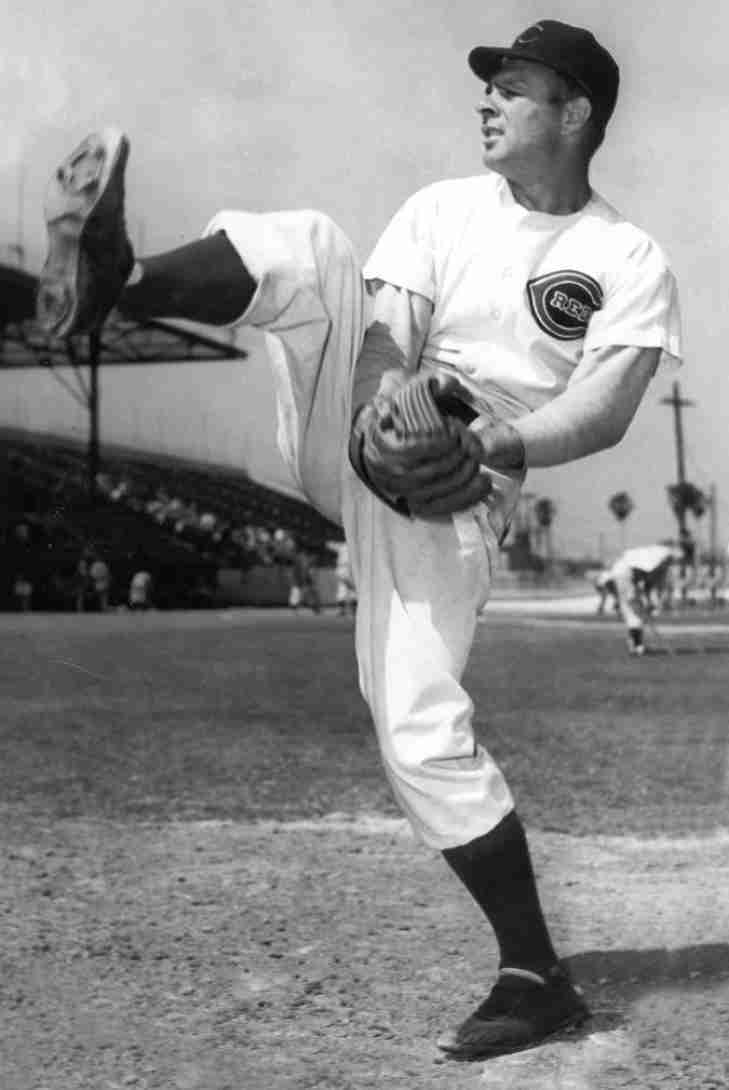
In 1938, Johnny Vander Meer accomplished a feat that may never be duplicated. He threw two consecutive no-hitters. Imagine that happening today? Neither can we.