


Site Admin
44. Ken Raffensberger
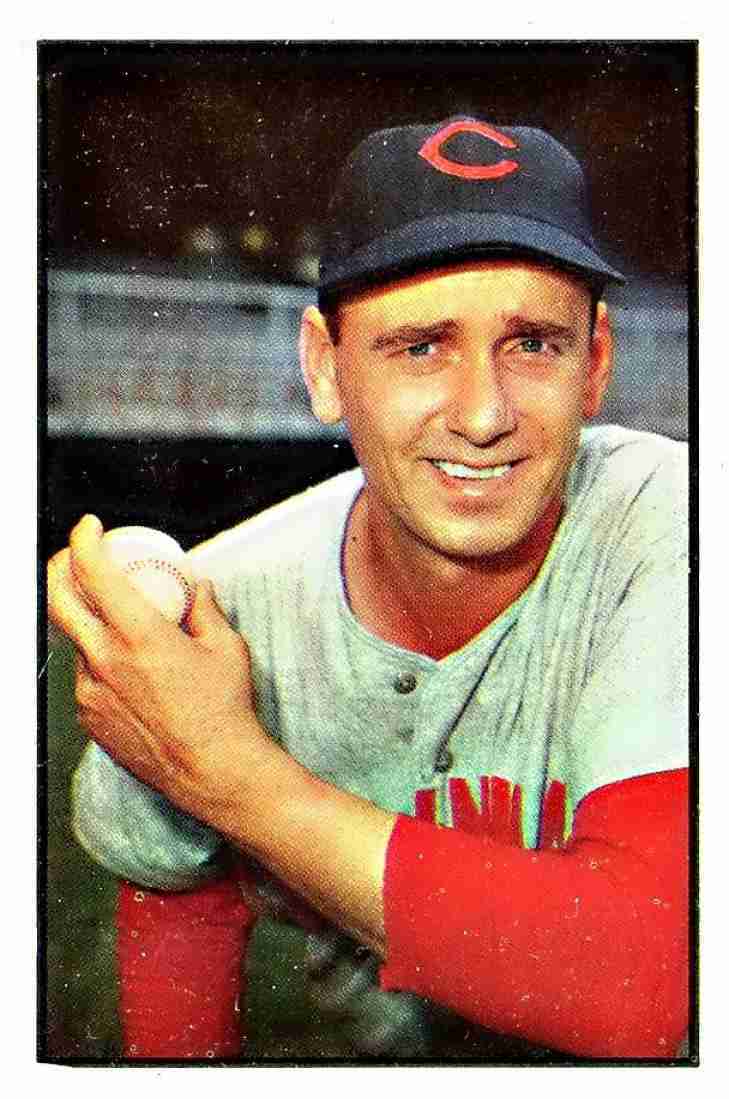
Raffensberger functioned as the reliable foundation of the Cincinnati rotation throughout the late 1940s and early 50s. He was a model of level-headed consistency, utilizing a rare forkball and multiple arm angles to dismantle hitters through deception rather than raw power. Despite the lack of run support that often skewed his win-loss record, his individual efficiency was undeniable; he led the National League in WHIP in 1951 and consistently finished among the league leaders in fewest hits allowed per nine innings. He was a high-frequency workhorse who provided the tactical stability required to anchor a staff during some of the franchise's leaner competitive years.
The most extraordinary aspect of his craftsmanship was a technical command that bordered on the obsessive. Raffensberger was a master of refusing to walk batters, leading the Senior Circuit in fewest walks per nine innings in back-to-back seasons in 1950 and 1951. He would finish in the top five of that category five different times as a Red, serving as a high-leverage anchor who forced opponents to earn every base they took. This specialized precision allowed him to navigate over 1,600 innings for the club, maintaining a respectable 3.64 ERA while facing some of the era’s most explosive lineups.
He left the Majors in 1954 with 89 wins as a Red and a reputation as the most refined southpaw to call Crosley Field home during the decade, having set a standard for accuracy that few left-handers have matched since.
39. Bob Purkey
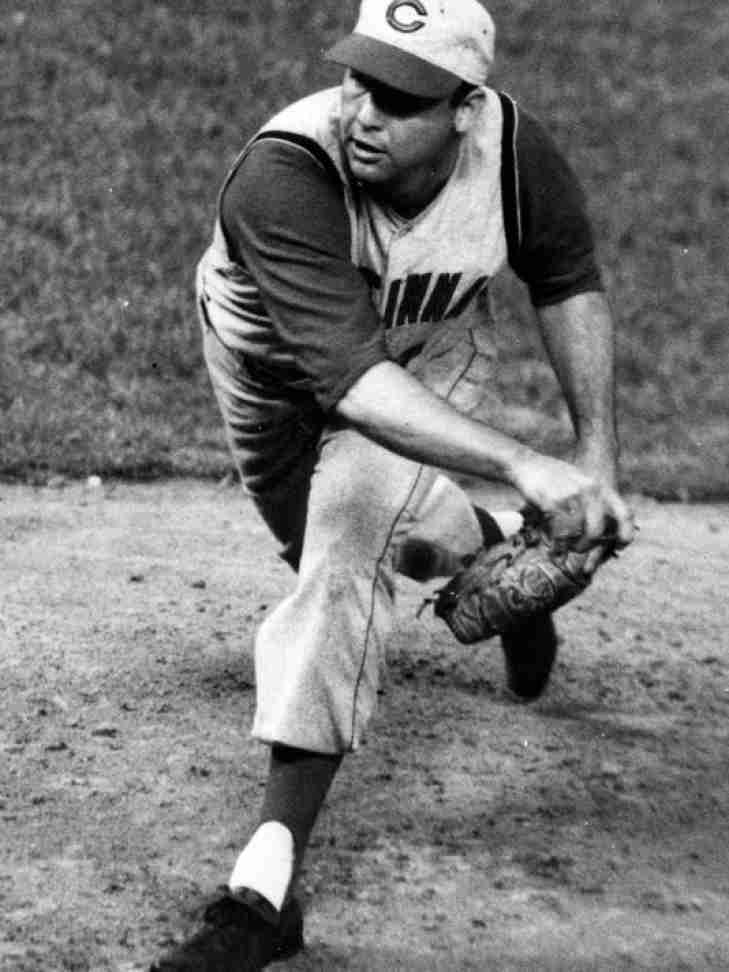
Traded from Pittsburgh in the winter of 1957, Bob Purkey matured instantly into the staff's most dependable engine, utilizing a specialized approach where he blended a traditional sinker and slider with a "hard" knuckleball. This craftsmanship reached a spectacular summit in 1962, a summer when he authored one of the most dominant individual seasons in franchise history. He finished with a staggering 23-5 record, leading the National League in win percentage and placing third in the Cy Young race.
The most extraordinary aspect of his tenure was the technical precision he maintained while throwing a pitch known for its volatility. Purkey was a master of the strike zone, twice leading the league in fewest walks per nine innings during his stay. He wasn't just a gimmick pitcher; he was a model of specialized efficiency who led all National League hurlers in bWAR and Win Probability Added (WPA) during that magical 1962 campaign. He served as the high-leverage anchor of the 1961 "Ragamuffin" Reds, providing the veteran poise and the innings required to secure the club's first pennant in over two decades.
His presence was defined by professional resilience and physical durability, which saw him record four 15-win seasons in a Reds uniform. Purkey remained the heartbeat of the rotation through the peak of the early 60s, earning three All-Star selections and proving that a knuckleballer could be a high-frequency winner in a park built for hitters. Whether he was baffling hitters with the dancing movement of his signature pitch or grinding through one of his nine shutouts for the club, he competed with a focused intensity that made him a local favorite. He showed that a player could become a franchise pillar by mastering the rare, high-stakes art of controlled unpredictability.
Purkey was traded to the Cardinals, but he left the organization as a statistical titan of the era. He departed Cincinnati with 103 and 706 strikeouts while maintaining a historic 3.49 ERA across 213 starts.
46. Tom Seaver
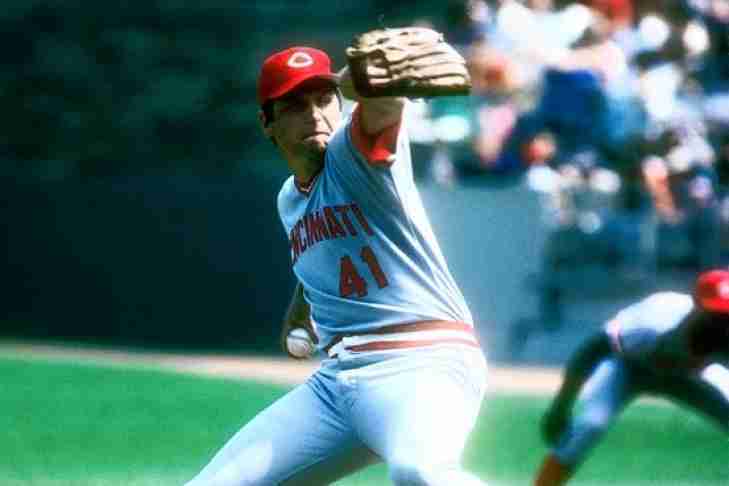
While the mention of Tom Seaver almost instinctively conjures images of Shea Stadium, the second act of his legendary career was spent providing a masterclass in pitching for the Cincinnati Reds. Arriving in the wake of the infamous "Midnight Massacre" trade of 1977, the man known as "Tom Terrific" brought a level of veteran poise and technical sophistication that instantly solidified the post-dynasty rotation.
Seaver’s transition to the National League West was seamless, as he immediately validated the high price Cincinnati paid for his services. In the split season of 1977, he pitched with such surgical precision that he secured a third-place finish in the Cy Young race despite the mid-summer relocation. He possessed a specialized ability to evolve as a pitcher, moving away from the raw power of his youth toward a more tactical, cerebral approach that neutralized hitters with movement and location. This craftsmanship earned him two All-Star selections in his first two years with the club, serving as a high-leverage anchor for a staff that was still transitioning away from the Big Red Machine era.
The most impressive aspect of his stay was his late-career dominance during the strike-shortened 1981 campaign. Seaver reached a statistical high-water mark that summer, leading the National League with 14 wins and a microscopic 2.04 ERA. He was a model of specialized efficiency, leading the league in WHIP and proving that even as he approached his late thirties, he remained a frontline force capable of out-dueling the game’s rising stars. He provided the Reds with a professional resilience that was infectious, appearing in his final All-Star game and demonstrating that elite preparation could defy the traditional aging curve of a power pitcher.
The story in Cincinnati drew to a close after the 1982 season when he was fittingly traded back to New York. With the Reds, Seaver compiled a 75-46 record and 731 strikeouts while leading the league in wins during the 1981 season. The organization recognized the sheer quality of his contribution by inducting him into the Cincinnati Reds Hall of Fame in 2006.
40. Pete Donohue
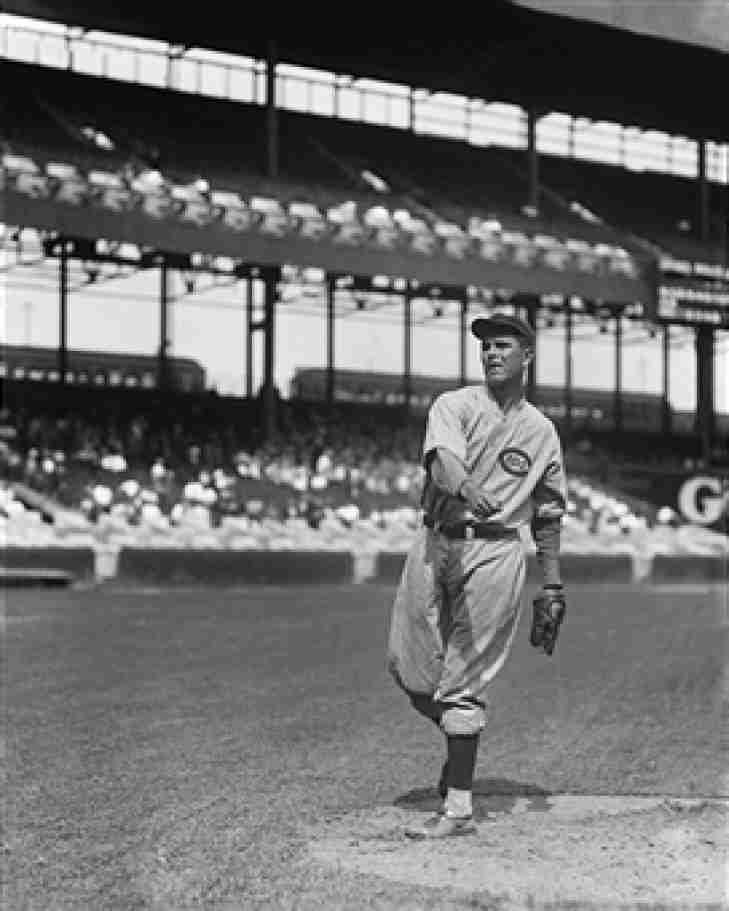
Pete Donohue’s path to the majors was swift, and by 1921, he had matured into the rotation's most dependable asset. He possessed a specialized ability to induce contact on his own terms, peaking between 1923 and 1926. During this four-year stretch, he was a high-frequency winner, eclipsing the 20-victory mark on three separate occasions. This was not merely the product of a potent lineup behind him; he was a model of specialized efficiency, twice finishing third in the league in ERA and consistently ranking among the elite in FIP, proving that he was the tactical master of his own destiny on the mound.
The most impressive aspect of his longevity was a technical command that bordered on the obsessive. Donohue was a master of the "free pass"—or rather, the refusal to grant them—leading the National League in fewest walks per nine innings during his title-winning 1926 campaign. He would finish in the top ten of that category seven different times as a Red, serving as the high-leverage anchor of a staff that prioritized economy and strikes. He wasn't just a volume producer; he was a high-stakes technician who managed the decade’s physical toll by ensuring that every pitch served a specific, strategic purpose.
His presence was defined by professional resilience and durability, which saw him log over 2,100 innings for the franchise. Donohoe was with the Reds until 1930, but he left the organization as a statistical titan of his generation. He departed with 127 wins and 147 complete games while twice leading the league in fewest walks per nine innings.
The organization provided the ultimate punctuation on his legacy in 1964, decades after his final pitch, by inducting him into the Cincinnati Reds Hall of Fame.