


Site Admin
34. Gary Nolan
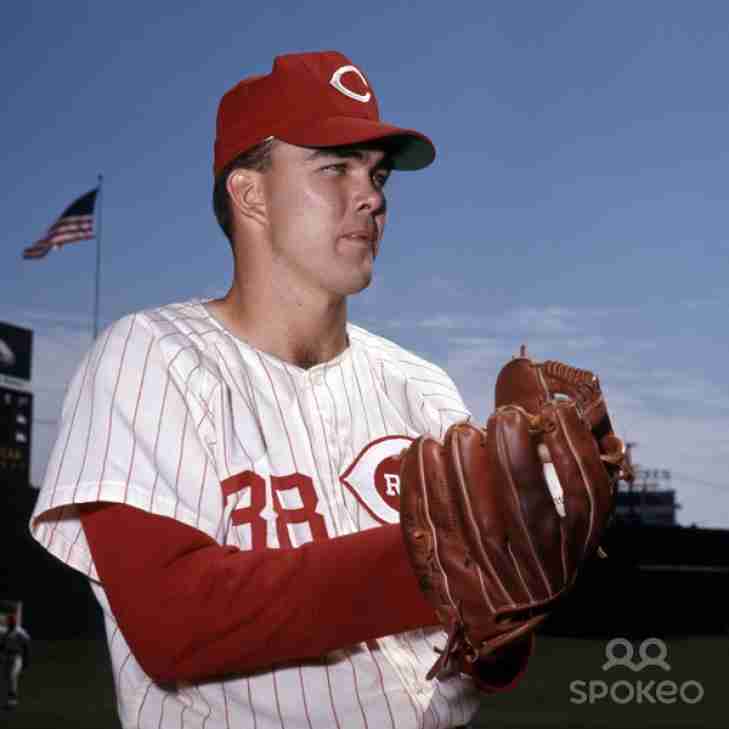
Nolan burst onto the scene in 1967 as an eighteen-year-old phenom with a power game that overwhelmed hitters, but it was his second act that secured his place in franchise lore. After battling physical setbacks that threatened to derail his career, he matured into a sophisticated technician who prioritized location over velocity. In the early 70s; he authored four different 15-win campaigns and became a perennial fixture in the Cy Young conversation, finishing as high as fifth in the 1972 voting. He was a model of specialized command, proving that a hurler could anchor a championship staff by refusing to beat himself with walks.
The most impressive aspect of his tenure was the technical mastery he displayed during the Reds' consecutive title runs in 1975 and 1976. Nolan was a master of the "long out," a pitcher whose economy of motion allowed him to lead the National League in fewest walks per nine innings in both of those championship summers. He served as the tactical bridge between the staff's frontline starters and the bullpen, providing the veteran poise and high-leverage strikes required to navigate the grueling postseason. He wasn't just a volume producer; he was a high-frequency winner who concluded his Cincinnati stay with a remarkable 110-67 record, a testament to his ability to consistently put his club in a position to succeed.
His presence was defined by a professional resilience that earned him the deep respect of Sparky Anderson and the legendary hitters playing behind him. Nolan remained the rotation's most steady hand through the pinnacle of the era, navigating the pressure of the "Big Red Machine" years with a calm, businesslike demeanor. Whether he was carving through a lineup with his trademark sinker or maintaining his composure in a crowded World Series dugout, he competed with a focused intensity that solidified his status as a local immortal. He proved that a player could become a franchise pillar by reinventing himself to meet the needs of a winning culture.
With the Reds, Nolan compiled 110 victories and a 3.02 ERA while leading the league in strikeout-to-walk ratio during their back-to-back title runs. In 1983, the organization provided the ultimate punctuation to his career by making him the lone inductee into the Cincinnati Reds Hall of Fame.
38. Johnny Cueto
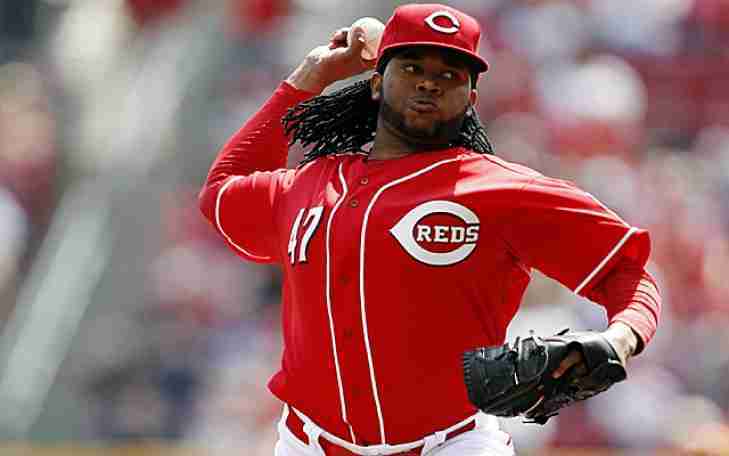
Johnny Cueto was the first major fruit of the Reds’ revitalized Latin American scouting program, signed out of the Dominican Republic in 2004. He debuted in 2008 and matured instantly, authoring a historic debut against Arizona in which he retired the first 15 batters he faced and fanned 10. He possessed a specialized, athletic repertoire that allowed him to navigate the hitters' haven of Great American Ball Park with professional poise. He reached a profound level of dominance in 2012, recording 19 wins and a 2.78 ERA to finish fourth in the Cy Young voting while leading the club to a division title.
The true magnitude of his peak was in 2014. Cueto was a master of the "total" pitching performance, leading the National League in innings pitched (243.2), strikeouts (242), and hits allowed per nine innings (6.2). He authored a spectacular 20-win season—the first by a Red in over a quarter-century, and finished as the runner-up for the Cy Young Award. He was a model of specialized durability, proving that his game was built on a rare combination of raw stuff and high-leverage mental toughness, even when standing in the shadow of Clayton Kershaw's historic MVP summer.
His presence was defined by a unique, charismatic flair and a physical pitching style that featured multiple leg kicks and varied delivery times to disrupt a batter’s rhythm. Cueto remained the tactical anchor of the Reds' rotation through three postseason appearances, utilizing a workmanlike approach to secure 92 wins for the franchise. Whether he was carving through a lineup with a 95-mph heater or dropping a deceptive changeup on a 3-2 count, he competed with a focused intensity that made him a local favorite. He proved that a player could become a franchise pillar by mastering the psychological game of pitching as much as the physical one.
In 2015, Cueto was traded to Kansas City to help secure a world title. With the Reds, Cueto compiled a 92-63 record with 1,115 strikeouts and a historic 3.23 ERA across 213 starts.
35. John Reilly
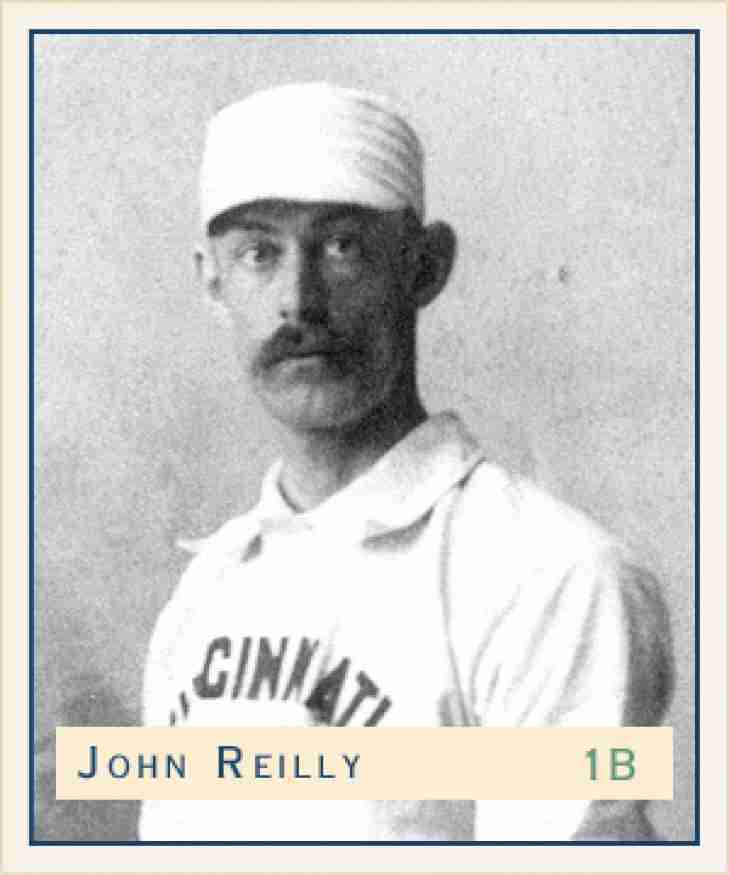
Reilly was inducted into the Reds Hall of Fame in 2012.
33. Brandon Phillips
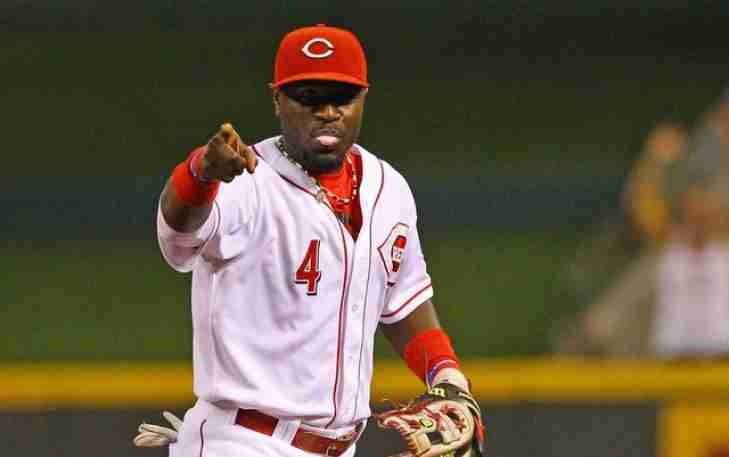
Brandon Phillips’ path to Cincinnati was forged by a lopsided 2006 trade that saw the Reds acquire him for a player to be named later. It was a low-risk gamble that paid immediate dividends, as he matured instantly into the premier multi-tool threat of the infield. He emerged with a specialized blend of speed and power, reaching an incredible peak in 2007 when he authored a historic 30-30 campaign. He was a model of explosive efficiency, proving that his game was built on a rare balance of athleticism, following up that breakout with two additional 20-20 seasons and establishing himself as the most dynamic leadoff and middle-of-the-order spark in the division.
The most impressive aspect of his tenure was the technical brilliance he displayed on the dirt. Phillips was a master of the highlight-reel out, a defensive technician who patrolled second base with a specialized range and a lightning-fast release. His craftsmanship was officially recognized with four Gold Glove Awards, as he consistently led the league in fielding percentage and range factor. He wasn't just a defensive specialist, though; he was a high-frequency producer at the plate, earning one Silver Slugger and three All-Star selections during a stay that saw him accumulate nearly 1,800 hits in a Reds uniform.
His presence was defined by a charismatic, unapologetic joy and a durability that made him the tactical heartbeat of the clubhouse for over a decade. Phillips was a fixture of the "Big Red Machine" resurgence of the early 2010s, providing the veteran poise and high-leverage defense that anchored three postseason teams. Whether he was making a behind-the-back toss to start a double play or lacing a walk-off single into the gap, he competed with a focused intensity and a connection to the fans that made him a local immortal. He proved that a player could become a franchise pillar by combining world-class skill with an infectious love for the game.
After the 2016 season, he was traded to the Atlanta Braves. With the Reds, Phillips compiled 1,774 hits, 191 home runs, and 194 stolen bases while securing four Gold Glove Awards.