


Site Admin
Save the Last Dance for Me
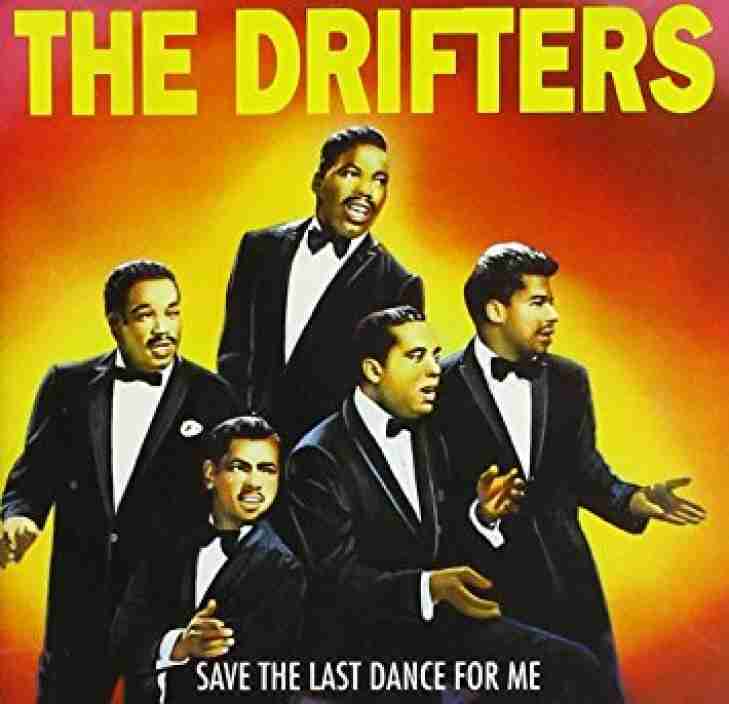
October 31 – November 13, 1960
The Drifters
Save The Last Dance For Me
49. Reggie Sanders
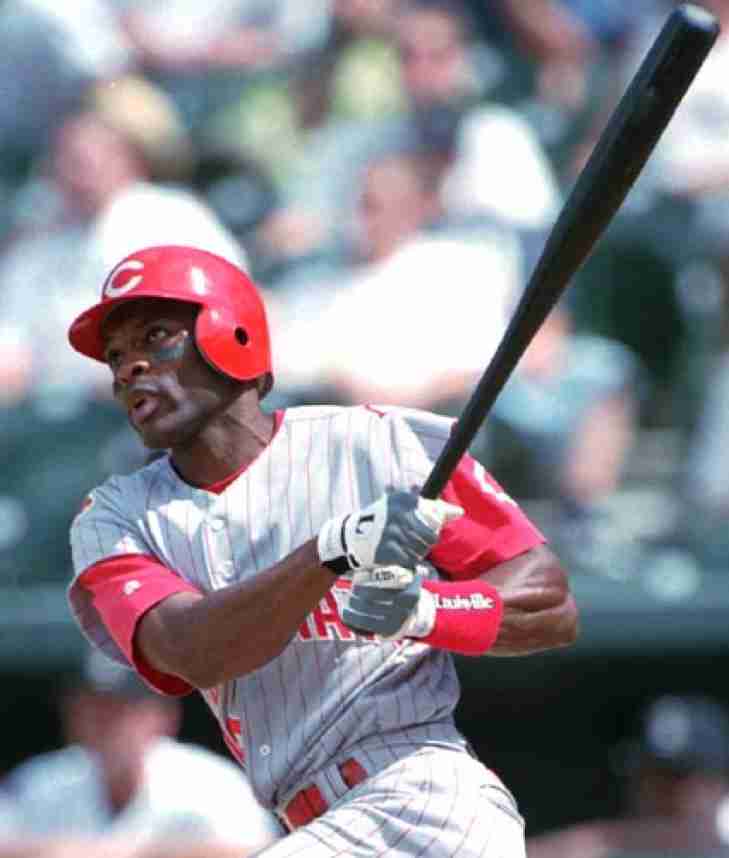
Before he became one of the game’s most traveled and successful outfielders, Reggie Sanders was the homegrown cornerstone of the Cincinnati Reds’ return to relevance in the 1990s. Arriving with a rare combination of pure athleticism and technical discipline, the South Carolina native provided Cincinnati with a specialized "five-tool" threat that kept opposing pitchers and catchers in a state of constant defensive anxiety. While he would eventually go on to play for nearly a third of the league, his initial eight-season stay in Cincinnati remains the definitive chapter of his career.
Sanders’ tenure in Cincinnati was defined by a high-velocity entrance that saw him finish as the Rookie of the Year runner-up in 1992. He established a model of specialized versatility from the jump, blending elite gap power with an aggressive, high-frequency approach on the basepaths. During the 1995 campaign, a summer when he orchestrated a masterclass in modern hitting. As the primary engine of a Reds squad that captured the NL Central title, Sanders earned his first All-Star selection and finished sixth in the MVP voting, posting career highs across the entire slash line (.306/.397/.579) while slugging 28 home runs and swiping 36 bases.
The hallmark of his craftsmanship was a professional resilience that allowed him to anchor the middle of the order during a decade of high-stakes transition for the club. Sanders was a model of the "20-20" archetype, twice reaching that elite plateau in a Reds uniform and serving as a high-leverage threat in every facet of the game. He possessed a specialized ability to manufacture runs through sheer athleticism, utilizing his speed to stretch singles into doubles and his strength to punish any mistake over the heart of the plate. He provided the tactical stability required to keep the Reds competitive, appearing in nearly 800 games and maintaining a slugging percentage well over .500 during his peak years.
After the 1998 season, he was traded to Arizona, but he compiled 125 home runs and 158 stolen bases.
47. Bug Holliday
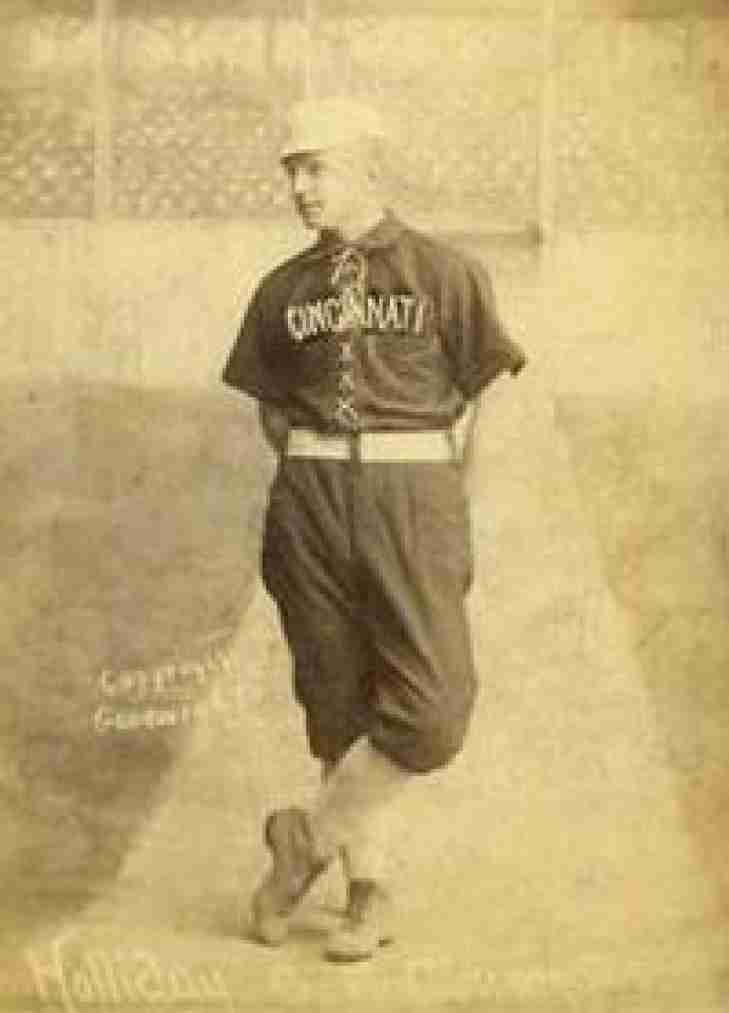
In the early, dust-caked era of Cincinnati baseball, few players combined speed and power as effectively as James "Bug" Holliday. A small-statured center fielder with a specialized ability to drive the ball deep, he emerged as a premier offensive force just as the franchise made its pivotal leap from the American Association to the National League. While a serious medical emergency would eventually diminish his physical tools, Holliday’s first six seasons in the Queen City established him as one of the most dangerous and efficient run-producers in the nineteenth-century canon.
Holliday’s arrival in 1889 was a high-velocity entrance that immediately validated the club’s investment. In his debut campaign, he tied for the American Association home run title with 19 blasts, a massive total for the era, while driving in 104 runs and swiping 46 bases. He was a model of specialized versatility, blending elite contact with a refined eye, allowing him to finish in the top ten in nearly every major offensive category. His craftsmanship remained intact during the team’s transition to the National League in 1890, where he famously recorded the first home run in the franchise's NL history on Opening Day.
The most consistent stretch of his career occurred during the early 1890s, when he established himself as a model of steady-state dominance. Holliday was a tactical engine in the outfield, twice capturing the home run crown, once in each league, and authoring four seasons with a batting average above .300. His production reached a statistical peak in 1894, a summer where he hit a career-high .372 and led the staff with 126 runs scored and 123 RBIs. He possessed a specialized athleticism that allowed him to thrive in multiple roles, serving as a high-frequency source of extra-base hits and a high-leverage presence in the heart of the order.
His tenure took a sharp turn in 1895 due to a devastating appendectomy that nearly claimed his life. The surgery sapped his professional resilience, leaving him without the strength that had made him a home run king. While he remained with the Reds for four more seasons, his role shifted to that of a steady hand off the bench, providing veteran poise in a reserve capacity.
With the Reds, Holliday compiled 1,141 hits, 65 home runs, and 252 stolen bases across 10 seasons.
45. Ival Goodman
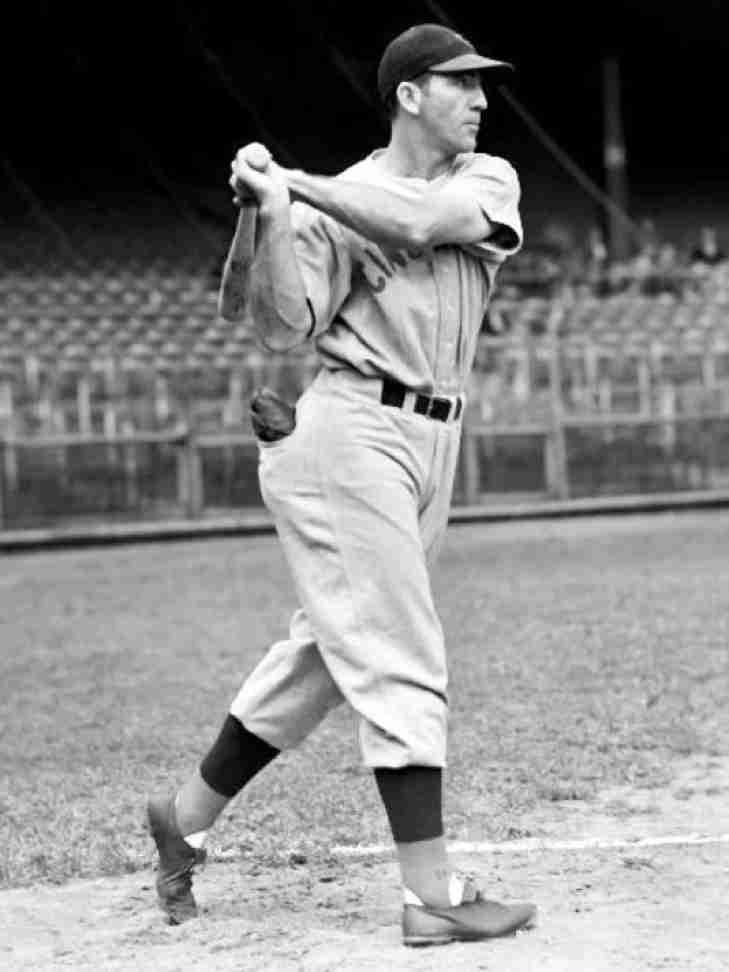
Goodman’s impact was felt the moment he stepped into the starting lineup in 1935, sparking the offense with a league-high 18 triples as a rookie. This high-velocity arrival was no fluke, as he repeated the feat the following summer, establishing himself as one of the premier gap-hitters in the National League. By 1938, he had broadened his game into a more specialized power profile, launching 30 home runs and earning his first of two consecutive All-Star selections. He was a model of offensive versatility, providing the tactical stability needed to anchor the middle of a lineup quietly building toward a pennant.
The most efficient stretch of his tenure occurred during the 1939 campaign, where he reached his personal watermark for contact and plate discipline. That year, Goodman hit a career-high .323 with a .401 on-base percentage, serving as a high-leverage producer for a squad that captured the National League pennant. While his statistical output declined slightly during the historic 1940 season, his professional resilience remained a foundational element of the club's success. He was a primary engine of the team that finally secured the World Series trophy.
Departing for Chicago in 1943, Goodman compiled 995 hits and 588 RBIs while helping lead the club to two pennants and a World Series title. The organization provided the ultimate punctuation to his career by inducting him into the Cincinnati Reds Hall of Fame in 1959 as part of their second and only induction class.