

26. Tip O'Neill
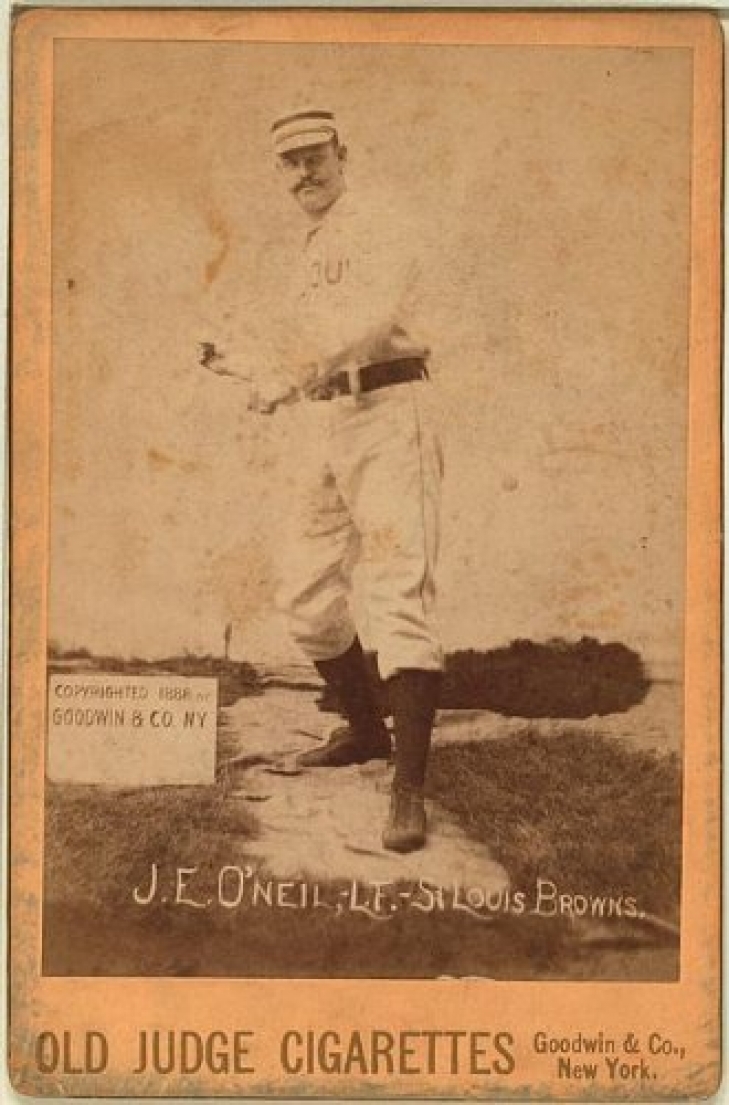
Arguably the first really good player to come from Canada, Tip O’Neill was a star for the St. Louis Browns (renamed the Cardinals) in the mid 1880’s and was a large factor in the team winning four American Association Pennants and the 1886 World Series.
27. Willie McGee
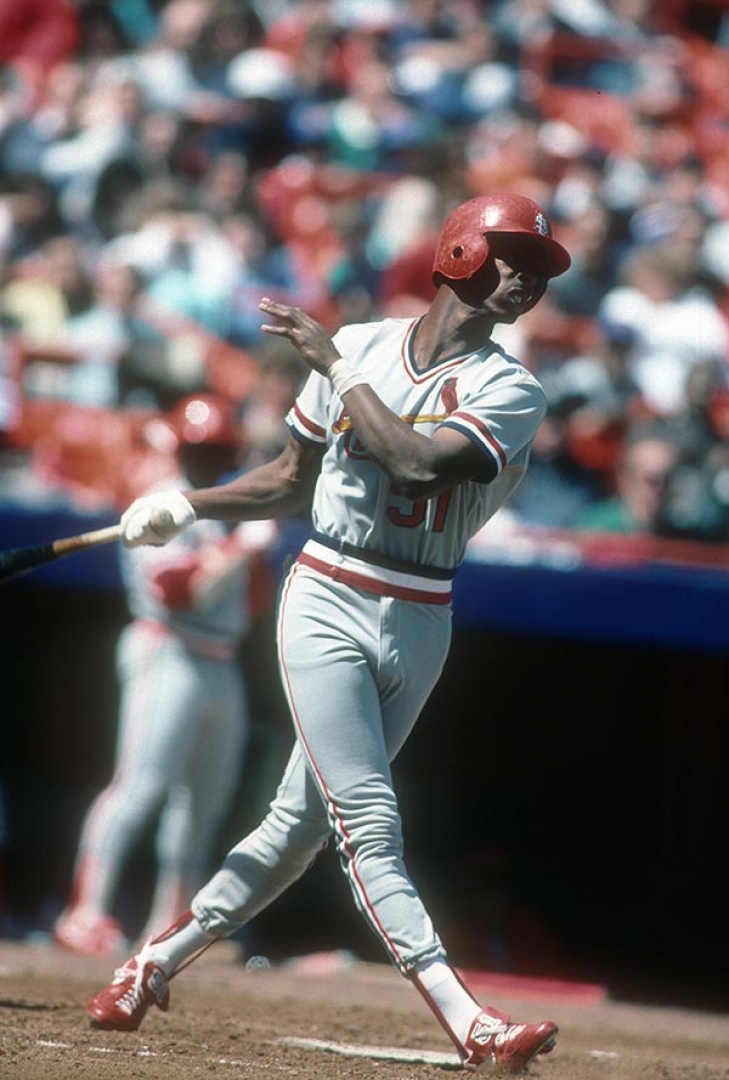
The foundation of the 1980s "Whiteyball" era in St. Louis was built on a fierce commitment to speed, turf coverage, and putting the ball in play. No one embodied this identity more than Willie McGee. Originally a first-round pick by the New York Yankees in the 1977 January draft, the slim, soft-spoken center fielder faced obstacles in reaching the Bronx due to a crowded roster of veteran stars. Sensing an opening, St. Louis general manager Whitey Herzog executed a discreet, seemingly minor trade in October 1981, sending left-handed pitcher Bob Sykes to New York in exchange for an unproven minor leaguer. This deal turned out to be one of the most lopsided in baseball history; although a damaged Sykes never pitched in the majors again, McGee arrived in St. Louis and immediately transformed the franchise.
McGee's rise from an overlooked prospect to a postseason hero happened remarkably fast. Stepping into the starting center field position in 1982, his long, smooth strides effortlessly covered the expansive Busch Memorial Stadium. He gained national fame during Game 3 of the 1982 World Series against the Milwaukee Brewers, delivering a legendary performance by hitting two home runs and making a spectacular leaping catch at the wall to deny Gorman Thomas a crucial late-inning fly. His heroic plays helped lead the Redbirds to a world championship, establishing him as a beloved figure in eastern Missouri.
Instead of leveling off, McGee achieved a huge professional breakthrough in the 1985 season. As the key, high-speed force at the top of Herzog's lineup, he challenged National League pitchers with a league-leading .353 batting average. He also led the Senior Circuit with 216 hits and 18 triples. His dominance was clear. With a career-high 56 stolen bases and 114 runs scored, McGee used a powerful Silver Slugger season to lead the Cardinals to the Fall Classic, ultimately earning the 1985 National League Most Valuable Player Award.
McGee’s legacy presents a fascinating analytical dichotomy. While his classic counting numbers and triple-digit run production are legendary, his aggressive, free-swinging style produced a weak .329 on-base percentage that caps his overall efficiency. Furthermore, while his speed earned him a trio of Rawlings Gold Gloves, modern defensive tracking suggests his overall routes and range efficiency were closer to a steady, average baseline rather than a historic positional outlier.
Despite his analytical limits, his pure, bat-to-ball utility was an elite regular-season constant. He proved his hitting value in 1990, earning his second Senior Circuit batting title with a sharp .335 average after being traded to the Oakland Athletics in late August for pitching depth. Later chapters in San Francisco and Boston followed, and a poetic late-career reunion brought him back to St. Louis from 1996-1999, where he was a beloved reserve and clubhouse mentor.
As a Cardinal, he had 1,683 hits, 83 triples, 301 steals, and a.294 average in 1,664 games. In 2014, he was honored as part of the Cardinals' first Hall of Fame class.
30. Max Lanier
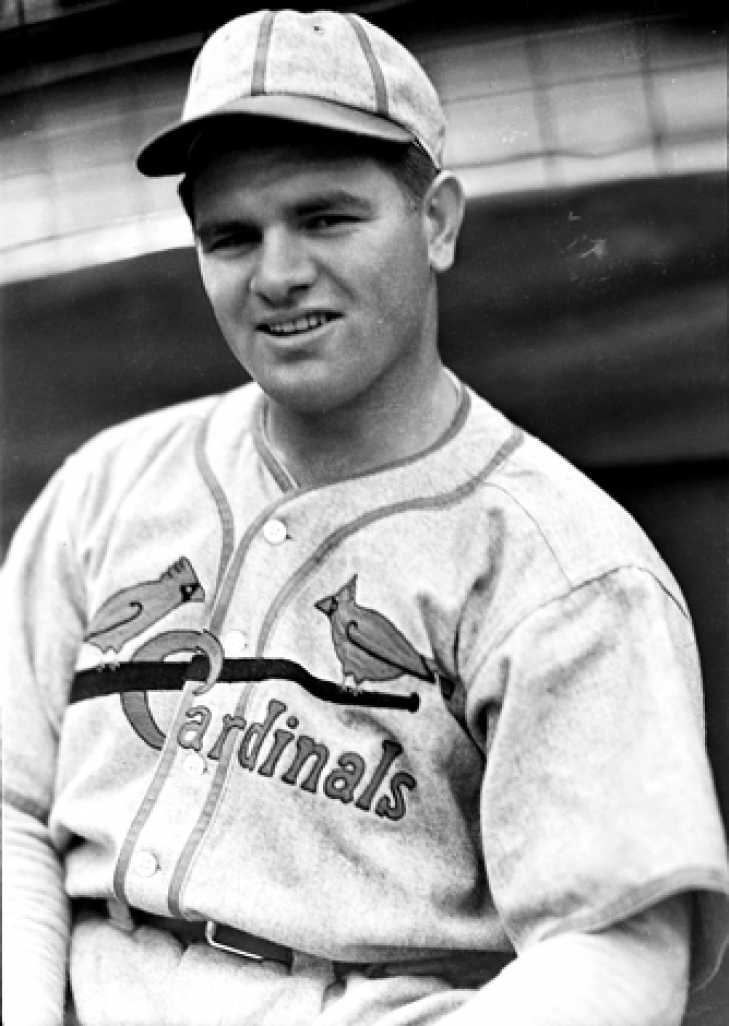
The story of Max Lanier is one of the more interesting ones on this list, which certainly says something considering the colorful characters that have populated the St. Louis Cardinals!
34. Silver King
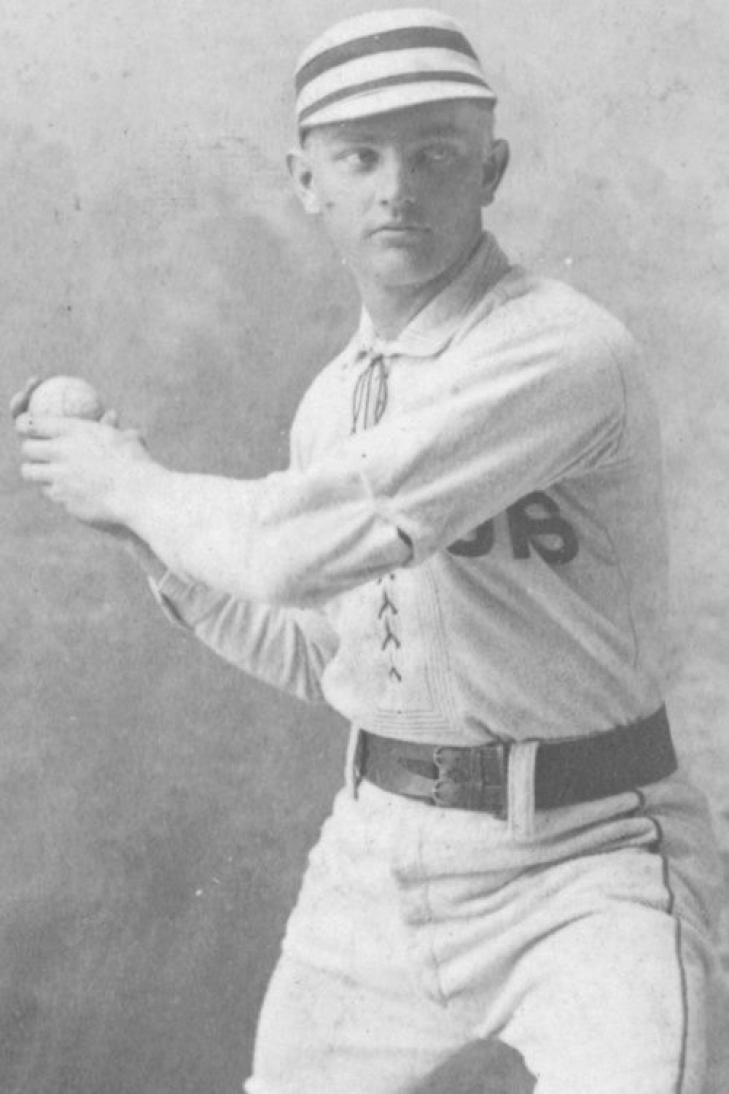
The 19th-century American Association was a highly experimental and turbulent era of professional baseball, and few players took full advantage of its unique opportunities like Charles Frederick Koenig. Known by the theatrical nickname "Silver King," this strong right-hander had an unconventional pitching style that baffled hitters of his time. He threw the ball with a sweeping sidearm motion, skipping the windup, creating a fast, deceptive delivery that helped him dominate the league. Although he only played three summers with the St. Louis Browns, his intense pitching style and peak performance are remembered as some of the most remarkable in early baseball history.
King’s 1987 campaign in St. Louis laid a strong foundation, as he endured 44 starts to amass an impressive 34–10 record, leading Chris von der Ahe's team to a league pennant. Yet, no standard baseball metrics could have prepared the sport for the extraordinary personal performance he was about to deliver the next summer.
The 1888 campaign is one of the most dominant single-season performances ever, showcasing extraordinary endurance. King appeared on the mound 66 times, with 64 complete games, significantly impacting league competitiveness. He led the American Association in nearly every key pitching category, posting a 45–20 record and a low 1.63 ERA over 584.2 innings. His advanced metrics were equally impressive: a 2.38 FIP, a 0.874 WHIP, and a 3.39 strikeout-to-walk ratio, exemplifying incredible efficiency.
He maintained that elite performance peak during the 1889 season, posting a high-volume effort of 33–18 with a 3.14 ERA over 453 innings. Realizing his strongest bargaining position, King moved to the new Players' League in 1890, achieving another impressive 30-win season with the Chicago Pirates before continuing his major-league career with teams in Pittsburgh, New York, and Cincinnati.
King completed his brief but breathtaking three-year St. Louis residency, compiling an astonishing 112–48 record and finishing 153 of his 157 starts with a sharp 2.26 ERA over 1,418.1 innings.
35. Theodore Breitenstein
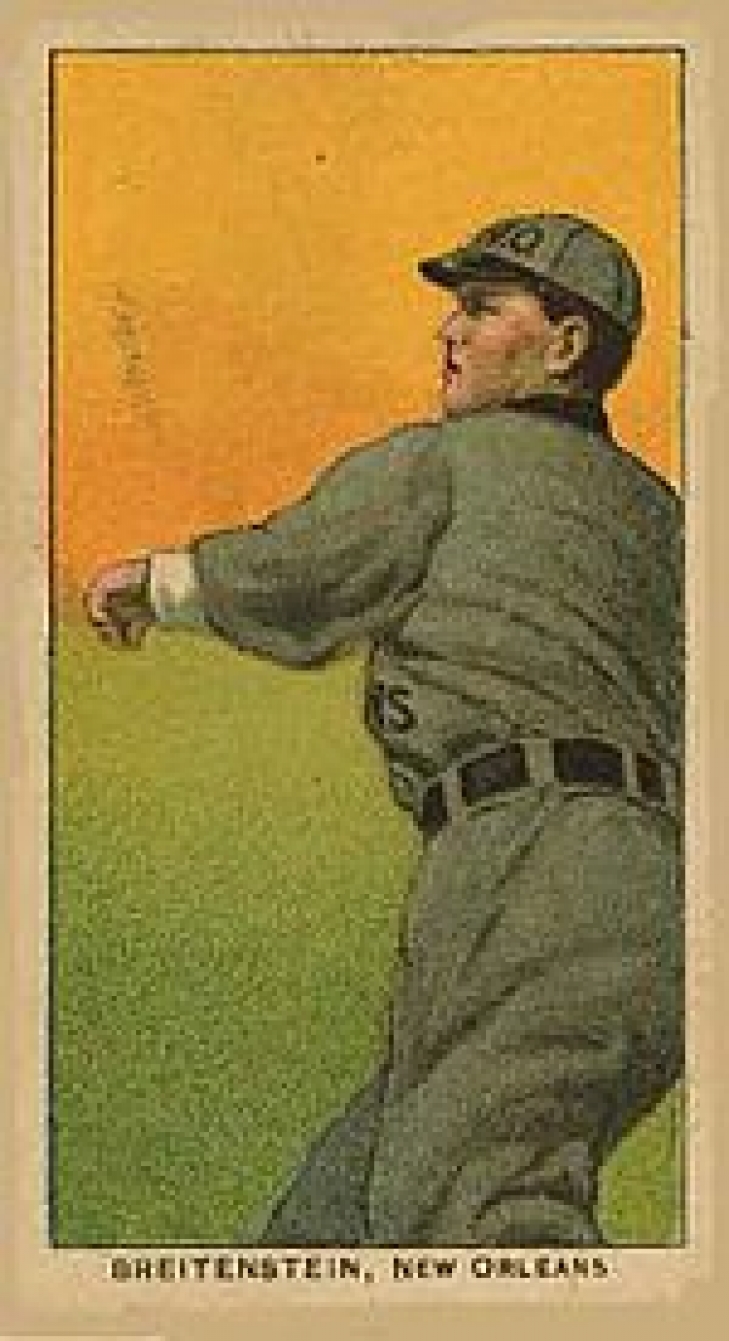
Judging a pitcher from the pre-modern era solely by wins and losses can be misleading, a mistake modern analysts now avoid. Theodore Breitenstein exemplifies this shift in perspective. A native of St. Louis who initially made stoves before debuting for his hometown Browns in 1891, Breitenstein delivered a remarkable performance by throwing a 27-men-up, 27-men-down no-hitter in his very first major-league start. Throughout the 1890s, he pitched for a poorly performing, low-scoring franchise. While his record of 94–125 might seem problematic to the casual observer, it obscures the reality that he was an exceptionally efficient pitcher, often dominating opponents and carrying the entire pitching staff.
Breitenstein’s exceptional talent was clear during the legendary 1893 season. Although he pitched for a tenth-place team that resulted in a seemingly poor 19–24 record, this left-handed ace entirely controlled opposing National League lineups, earning the ERA championship with an impressive 3.18 over 382.2 innings.
When the National League moved the pitcher's rubber back by ten feet before the 1894 season, it sparked intense offensive shifts that changed the game significantly. Breitenstein, however, adapted seamlessly to this change, showcasing his dominance during that era by going 27–23 and leading all of baseball with 447.1 innings pitched and 46 complete games.
He replicated that mind-boggling durability during the 1895 campaign, logging another 46 complete games and a whopping 429.2 frames. While Breitenstein infamously led the National League with 30 losses in 1895, modern advanced quality analysis reveals that the total was entirely a product of historically abysmal defensive support and zero offensive run production. He still finished a stellar fifth overall among all Senior Circuit pitchers in Pitching bWAR that summer, operating with a level of nerve and equilibrium that made him highly coveted by every front office in the country.
After recognizing that Breitenstein accounted for nearly half of the team's total value, the Cincinnati Reds made a significant financial move following the 1896 season by purchasing his contract from struggling St. Louis owner Chris von der Ahe. The southpaw proved his worth in Ohio by recording back-to-back 20-win seasons and pitching a second career no-hitter before returning to St. Louis in 1901 for a brief, late-career stint.
He ended his Cardinals career with 94 wins, a sharp 4.10 ERA, and 626 strikeouts, while throwing an astonishing 197 complete games over 1,920.1 innings.
28. Ray Lankford
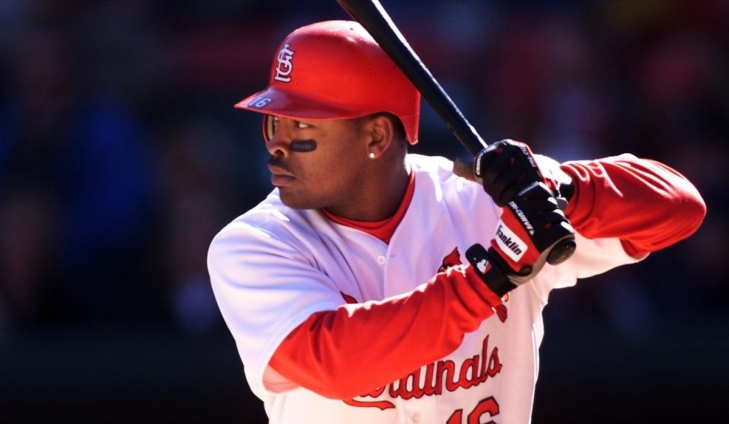
Following a revered world-championship icon is one of the most challenging tasks in professional sports. Yet, Ray Lankford filled the enormous gap left by Willie McGee and established his own unique, dynamic legacy. Drafted in the third round of the 1987 MLB draft by the St. Louis Cardinals, this physically strong outfielder introduced a different build to center field at Busch Memorial Stadium. Unlike his predecessor, who focused on a low-power, high-contact style, Lankford utilized a powerful, left-handed swing combined with exceptional athleticism. His arrival marked the end of the "Whiteyball" era and the beginning of a decade distinguished by a remarkable mix of raw power and exceptional speed.
Lankford established himself as a versatile, top-tier player the moment he secured the everyday center field spot. During his 1991 rookie season, he showcased his elite athleticism by leading the National League with 15 triples and stealing 44 bases. Rather than being limited to a speed-focused player, he quickly demonstrated impressive raw power from the left side of the plate. He then achieved an outstanding stretch of six seasons with at least 20 home runs and 20 stolen bases, becoming a formidable force in the National League throughout the 1990s as a consistent and dangerous middle-of-the-order hitter.
Lankford’s peak as a player was during a remarkable period in the late 1990s. In 1997, he earned a well-deserved spot on the National League All-Star team, a summer where he struck 31 home runs—his career best—and achieved a notable .585 slugging percentage. He reaffirmed this peak with an outstanding 1998 season, hitting 26 home runs, drawing 93 walks, and posting a impressive .915 OPS.
Lankford’s historical profile is marked by contrasting metrics. Traditional analysts focused on his high strikeout count—he exceeded 100 strikeouts 11 times in St. Louis, often lowering his batting average and limiting his raw rank. In contrast, modern advanced metrics regard him as an elite player. His exceptional ability to draw walks resulted in a high .364 on-base percentage, leading to three top-ten finishes in National League Offensive bWAR.
After a June 2001 trade to the Padres, Lankford returned to the Gateway to the West in 2004 for one final chapter. As a veteran off the bench, he offered depth and leadership for a Cardinals team that won the National League pennant before he retired.
Lankford's 13-year St. Louis career included 1,479 hits, 228 homers, 829 RBIs, and 250 stolen bases in 1,580 games. He is the only Cardinals player to hit over 200 home runs and steal over 200 bases. He was Inducted into the team's Hall of Fame in 2018.
32. Howie Pollet
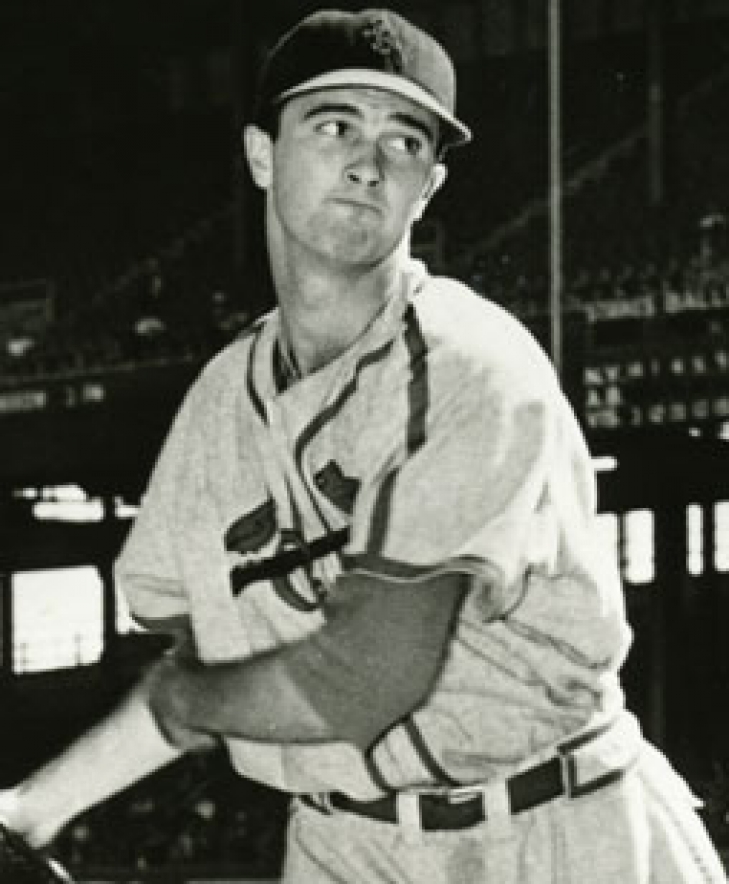
The iconic 1940s baseball timeline is often interrupted by the significant impact of World War II, forcing historians to reconstruct legendary stories from scattered sources. Howie Pollet exemplifies a top-tier frontline pitcher whose career was deeply affected by military service, yet he still achieved some of the era's most efficient peak seasons. Recruited from New Orleans as a valuable talent from Branch Rickey’s renowned St. Louis Cardinals farm system, this slender, analytical southpaw had a lethal sweeping curveball and exceptional control, positioning him as the likely successor to the organization's left-handed pitching tradition.
Pollet was nearing top-tier status in 1943, earning a National League All-Star nod after leading the rotation in July. On the morning of the Midsummer Classic, he enlisted in the U.S. Army Air Forces and reported for duty immediately. Despite his season ending early due to military service, he achieved a remarkable 1.75 ERA over 118 innings, earning the 1943 National League ERA title and showcasing an elite level of performance that made fans wonder what more he could have accomplished with a full summer.
When Pollet removed his military uniform to return to the Gateway to the West in 1946, he didn't just regain his position—he became the team's dominant, ice-cold ace. He led the regular season like a storm, topping the National League in wins (21), ERA (2.10), innings pitched (266), and complete games (22). His extensive workload during the regular season earned him a notable fourth-place finish in the National League MVP voting. More significantly, his consistent performance held the rotation steady throughout a dramatic seven-game World Series victory over the Boston Red Sox, solidifying his legendary status in postseason history despite facing severe shoulder friction late in the season.
The significant toll of that 1946 workload naturally took its toll on his arm, leading to a challenging two-year period during which his efficiency fell below his usual high standards. Nevertheless, Pollet skillfully orchestrated a remarkable final rebound during the 1949 season. Earning his third and final career All-Star selection, he achieved his second 20-win season with a record of 20–9. He also ranked a commendable third in the league in ERA and led all National League pitchers in advanced value by finishing first in Pitching bWAR (6.5).
As arm ailments gradually limited his speed and durability, the front office wisely traded veteran left-hander Pollet to the Pittsburgh Pirates midway through 1951. He ended his nine-year St. Louis career with a 97–65 record, a 3.05 ERA, and 544 strikeouts in 225 appearances.
22. Bob Caruthers
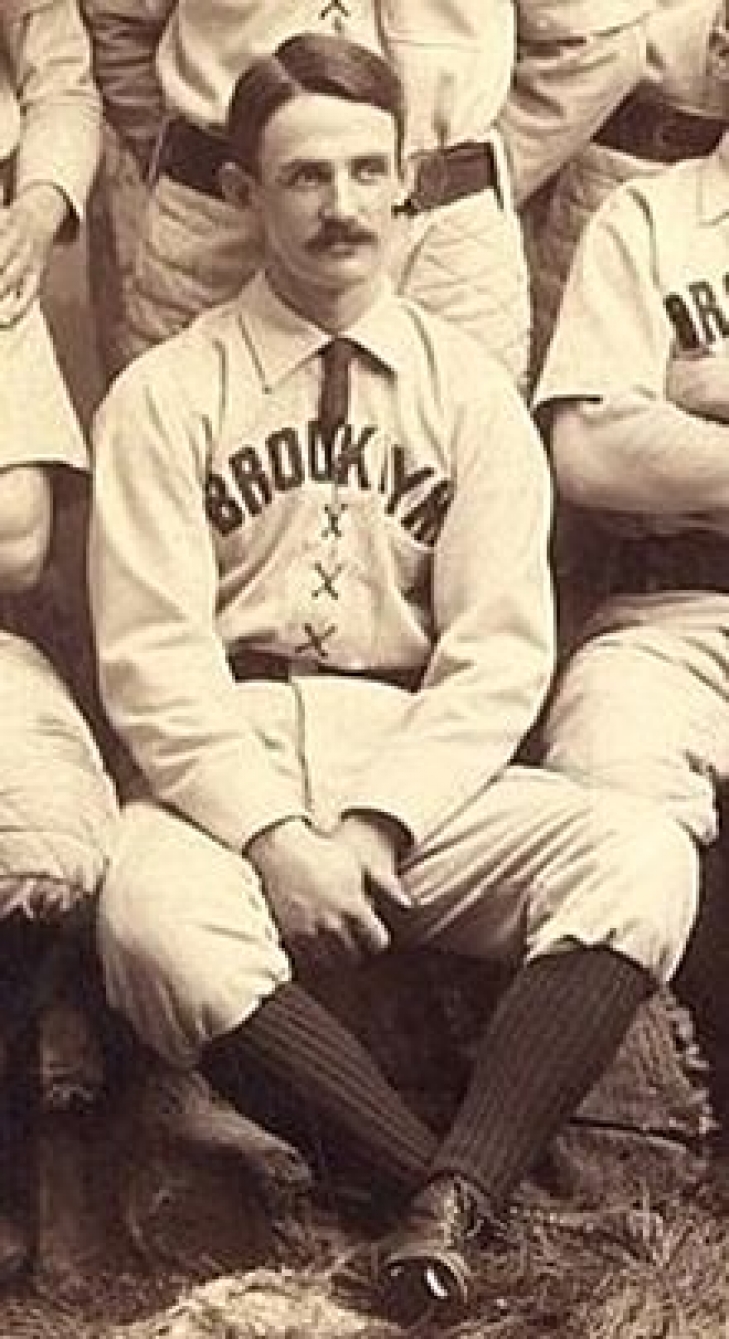
When evaluating the early architecture of professional baseball in St. Louis, it is easy for modern analysts to overlook the 1880s American Association era. However, digging into the historical record reveals that Bob Caruthers was not just a valuable contributor; he was arguably the game's premier two-way superstar long before Shohei Ohtani or Babe Ruth made it a cultural phenomenon. Nicknamed "Parisian Bob" due to his refined tastes and offseason travels, Caruthers provided the St. Louis Browns (who would later evolve into the Cardinals) with an unprecedented competitive advantage, serving as both their undisputed pitching ace and one of the most feared everyday bats in the lineup.
On the mound, Caruthers operated at an absolute tier-one elite echelon, compiling a mind-boggling 108–48 record across his four seasons with the franchise. His absolute individual masterpiece arrived during the spectacular 1885 campaign. He completely paralyzed opposing offenses by leading the American Association in both wins (40) and ERA (2.07), throwing 489 complete-game innings of pure, unadulterated dominance. He beautifully validated that historic performance over the next two summers, racking up an additional 30 wins in 1886 and 29 more in 1887, carrying an immense workload without a single complaint.
Yet, what makes Caruthers an absolute statistical marvel is that on the days he wasn't pitching, manager Charlie Comiskey plugged him right into the starting outfield to leverage his elite bat. Over his St. Louis residency, he posted a spectacular .300/.401/.431 slash line, showcasing a level of spatial awareness and plate discipline that was years ahead of his time.
His two-way mastery reached a thunderous peak during the historic 1886 season, a summer where he led the entire league in both on-base percentage (.448) and OPS (.970) while simultaneously winning 30 games on the mound.
Caruthers' brilliance culminated in a historic, pre-modern World Series showdown against the Chicago White Stockings of the rival National League in 1886. Pitching under immense pressure, he went 2–1 with a microscopic 0.923 WHIP, engineering the defining victory that secured St. Louis its very first world championship banner.
Caruthers concluded his unforgettable run in St. Louis with a stellar 2.75 career ERA on the mound and 402 hits at the plate before moving on to wrap up his successful playing days with the Brooklyn Bridegrooms.
24. Chris Carpenter
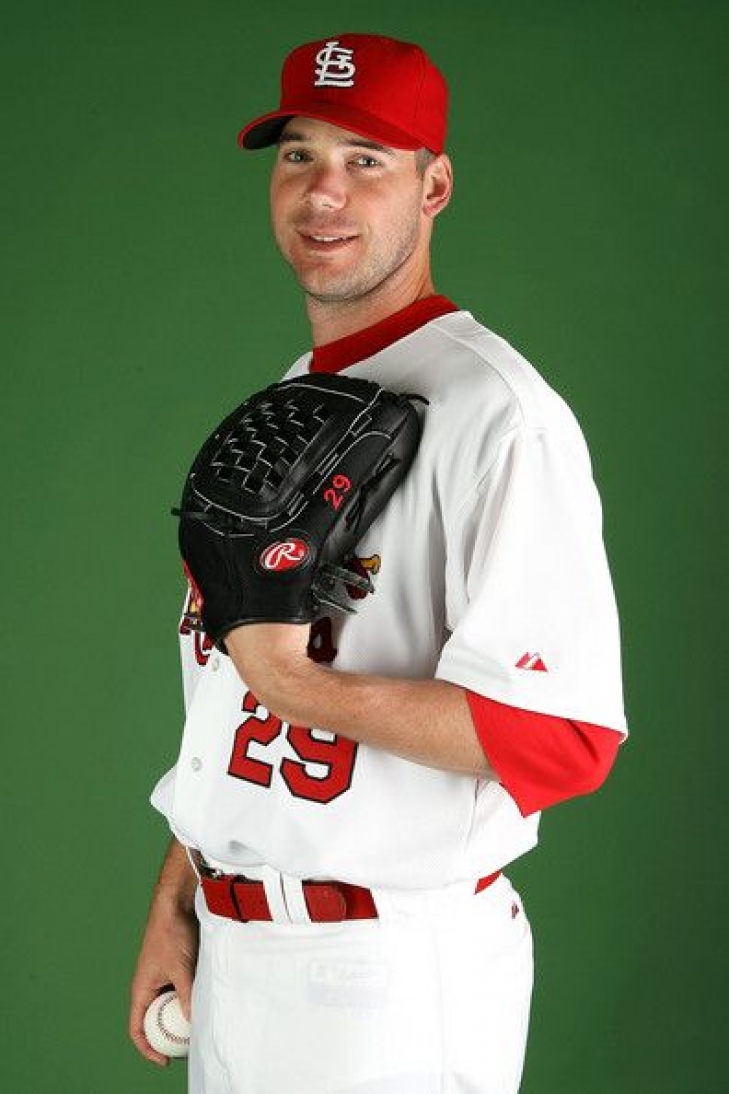
When the Toronto Blue Jays released Chris Carpenter after his 2002 season was cut short by a shoulder injury, they saw him as a typical example of potential unfulfilled due to injuries. They offered him a minor league contract, but he chose to decline and signed with the St. Louis Cardinals instead. He spent all of 2003 in intensive rehab under pitching coach Dave Duncan's supervision. In 2004, the tall right-hander finally took the mound at Busch Stadium. His return was more than just a career comeback; it marked the rise of a fiercely competitive pitcher, one of the most formidable big-game leaders in modern baseball history.
Carpenter announced his arrival with a solid 15–5 record in 2004, but his standout performance came during the legendary 2005 season. With an improved, sharp sinker and a powerful 12–6 curveball, he dominated National League lineups. He achieved a remarkable 21–5 record, with a 2.83 ERA over an extensive 241.2 innings. His frequent complete games, totaling seven, effectively shut down opposing offenses. These feats earned him the 2005 National League Cy Young Award and his first All-Star selection, establishing him as the top starter in the league.
He showcased his elite peak during the historic 2006 season, with 32 high-intensity starts and leading the National League with a mere 1.069 WHIP. His calm, consistent execution under pressure drove manager Tony La Russa's rotation. In October, Carpenter became a postseason menace, culminating in a brilliant three-hit, no-run performance over eight innings in Game 3 of the World Series, helping secure the championship against the Detroit Tigers.
As he established himself as a local icon, the physical strain from his intense playing style finally took a toll. Carpenter faced a tough series of medical procedures, including Tommy John surgery and shoulder reconstruction, which ended his 2007 season and limited him to only four appearances in 2008. For many in baseball, a second comeback appeared unlikely based on the numbers.
Yet, Carpenter engineered an iconic, roaring return during the unforgettable 2009 campaign. In what stands as one of the most resilient displays of grit the sport has ever seen, he captured the National League ERA title with a microscopic 2.24 mark, going 17–4 to easily secure NL Comeback Player of the Year honors and finish as the runner-up for the Cy Young Award. He followed that triumph by leading the league with 35 starts and a massive 235 innings in 2010.
That renowned durability reached its peak during the iconic 2011 championship run. This postseason is best remembered for Carpenter's pivotal high-pressure moment. In a memorable Game 5 winner-takes-all against his close friend Roy Halladay and the formidable Philadelphia Phillies, Carpenter delivered a historic, complete-game 1–0 shutout, securing St. Louis’s spot in the NLCS. He carried that exact momentum through the Fall Classic, starting and winning the epic Game 7 finale against the Texas Rangers to hoist his second World Series trophy. The immense physical strain of that workload ultimately took its final toll, as a severe thoracic outlet syndrome diagnosis limited him to a brief cameo in 2012 and forced his official retirement.
Carpenter finished his nine-year St. Louis stint with a 95–44 record, a 3.06 ERA, and 1,085 strikeouts in 197 games. He was inducted into the Cardinals Hall of Fame in 2016.
16. Curt Flood
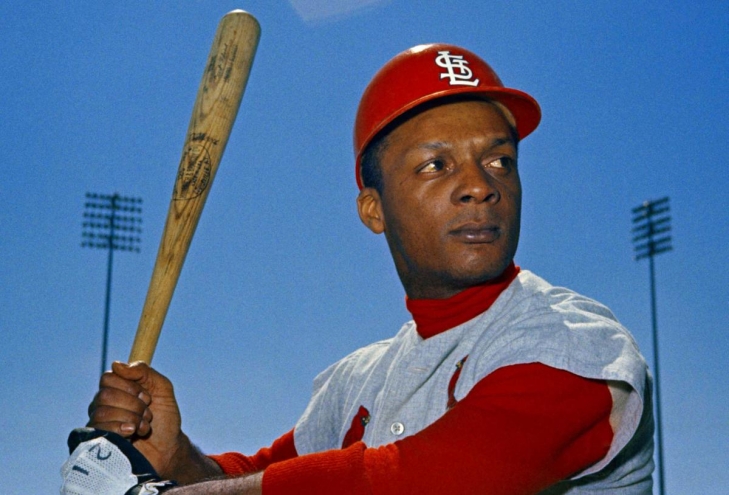
Curt Flood, acquired from the Cincinnati Reds in late 1957, was a remarkable player. At 5’9'' and 165 pounds, he transformed outfield defense on the Senior Circuit by blending impressive lateral speed with perfect timing. During his 12 seasons in eastern Missouri, he did more than catch flies; he defined an era of elite outfield coverage, setting a high standard of durability that earned him seven consecutive National League Gold Glove Awards from 1963 to 1969.
Flood’s masterclass defense on the grass was his signature move, but his offensive game quietly transformed from a low-order afterthought into a top-tier threat. He made contact and worked pitchers into a disciplined routine. His breakout season came during a remarkable 1964 regular season, earning awards. That summer, he showcased an exceptional hitting display, leading the National League with 211 hits and maintaining a strong .311 batting average.
His exceptional skill in setting the table propelled the Cardinals to a remarkable National League pennant and ultimately led to a seven-game victory over the New York Yankees in the Fall Classic, securing his sole career All-Star selection. He consistently upheld that elite contact profile throughout the decade, achieving six separate seasons with a batting average exceeding .300—highlighted by a remarkable .335 average to win another world title in 1967, and an outstanding 1968 season where he finished fourth in the National League MVP voting.
Despite his impressive statistical achievements, his departure from St. Louis marked one of the most dramatic and culture-shifting moments in global sports history. After the 1969 season, the team management suddenly decided to trade their beloved co-captain along with other players to the Philadelphia Phillies. Flood, however, refused to accept the trade. He was deeply upset with a system that treated players as commodities, so he chose to sit out the entire 1970 season. During that time, he also filed a groundbreaking federal antitrust lawsuit against Major League Baseball to challenge the unfair
Although he courageously fought the system all the way to the United States Supreme Court in 1972, the court eventually ruled against him. This decision essentially kept him out of the major leagues for most of his career, except for a brief 13-game appearance with the expansion Washington Senators near the end of his playing days. Flood gave up his prime athletic years and a career filled with honors in pursuit of a strong systemic principle.
Throughout his time in St. Louis, he achieved impressive milestones, with exactly 1,853 hits, 264 doubles, and 834 runs in 1,601 games, supported by a solid 42.3 franchise position bWAR. Though a legal challenge ended his career, his sacrifices sparked a historic ripple effect, opening the door to today's modern free agency and the financial benefits athletes now enjoy. In 2015, the organization proudly set the record straight, and the Red Ribbon Committee honored his significant contributions by inducting Curt Flood into the St. Louis Cardinals Hall of Fame in a heartfelt ceremony.
23. Jim Edmonds
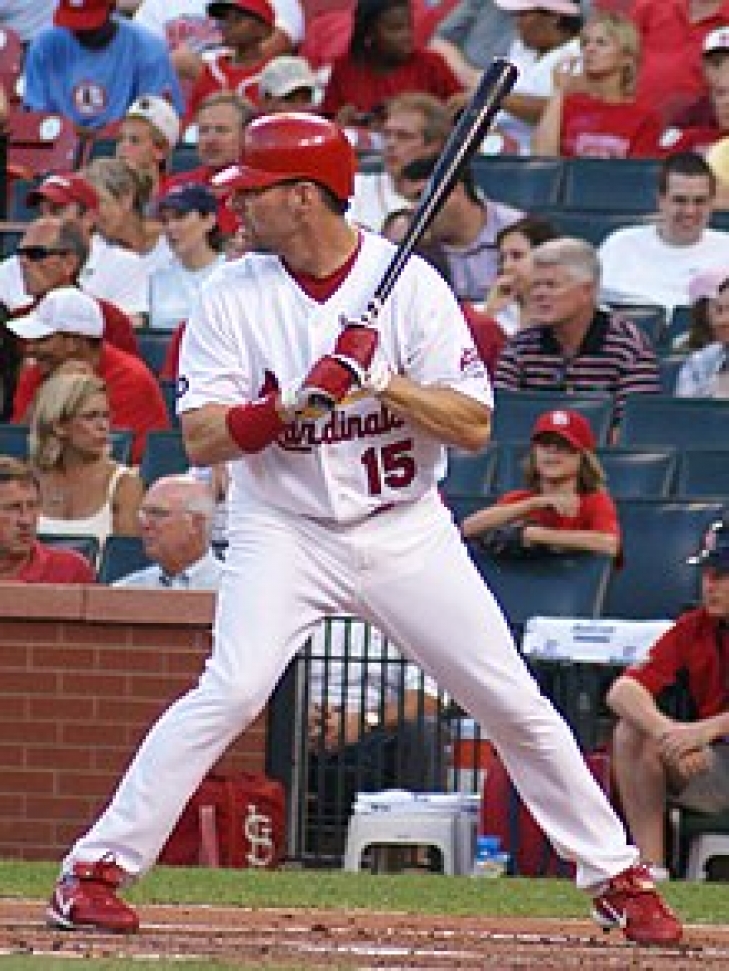
When the St. Louis Cardinals acquired Jim Edmonds from the Anaheim Angels in March 2000, they anticipated receiving a highly dynamic, gold-standard defensive center fielder. What they ultimately obtained was an exceptional, middle-of-the-order force of nature who demonstrated the peak of his professional career, ultimately securing a title. From the instant he took the field at Busch Stadium, "Jimmy Baseball" engaged the local fan base with his remarkable outfield prowess and complemented it with a formidable, left-handed batting stroke, establishing himself as one of the most formidable and analytically esteemed players of the modern era.
Edmonds’ eight-season tenure in St. Louis exemplified excellence in high-efficiency run production. Although he was widely acclaimed for his spectacular, gravity-defying diving catches that earned him six consecutive Gold Glove Awards while with the Redbirds, his offensive contributions were equally impressive. He utilized a dynamic and smoothly fluid swing to hit 241 home runs as a Cardinal, surpassing the 30-homer mark in four separate seasons. Not merely a power hitter, Edmonds also demonstrated an exceptional eye at the plate, drawing walks at an elite rate to sustain a remarkable .393 on-base percentage during his time with the team.
His individual brilliance reached an absolute pinnacle during the renowned 2004 season, a summer when he was a key figure in the formidable "MV3" lineup alongside Albert Pujols and Scott Rolen. Edmonds excelled against National League pitching, posting a .301 batting average, while achieving a career-high of 42 home runs and driving in 111 runs. He was honored with a Silver Slugger Award and placed fifth in the National League Most Valuable Player voting. Edmonds' legacy is permanently enshrined through his crucial postseason performances, most notably his dramatic walk-off home run in the 12th inning of Game 6 in the 2004 National League Championship Series, which prevented elimination and compelled a decisive Game 7.
That high-leverage execution culminated beautifully during the historic 2006 season. Although persistent shoulder and abdominal injuries began to diminish his daily contributions, Edmonds offered invaluable veteran composure and exceptional defense throughout October. He anchored the lineup, assisting Manager Tony La Russa's team in securing the World Series championship over the Detroit Tigers. Edmonds participated in one final summer season in St. Louis in 2007 before concluding his distinguished Major League career with brief tenures with the Padres, Cubs, Brewers, and Reds.
With the Cardinals, Edmonds compiled 905 hits, 190 doubles, and a spectacular .285/.393/.555 slash line. He was inducted into the Cardinals Hall of Fame in 2014 as part of their first Hall of Class when the fans selected him.
21. Marty Marion
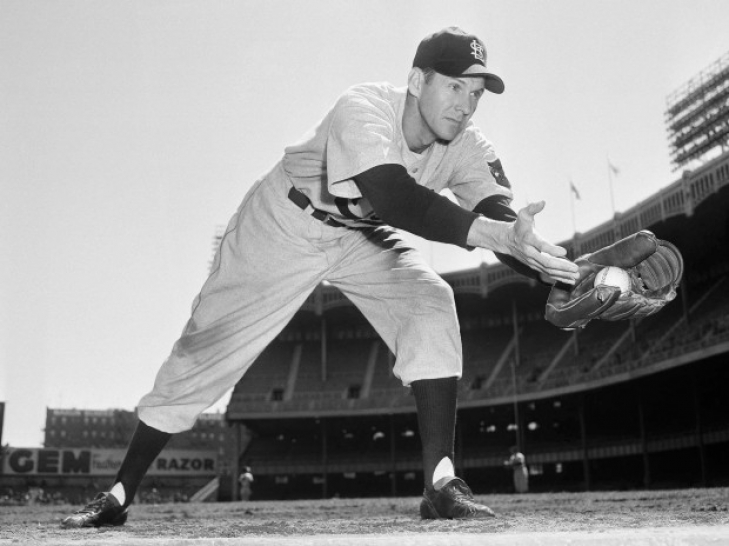
To grasp the extent of the St. Louis Cardinals' dominance in the 1940s, one needs to focus on the heart of their defense—shortstop Marty Marion. Standing at 6-foot-2 and Lanky, Marion redefined defensive play. Unlike most middle infielders of his time, who were stocky, his unusually long arms, broad wingspan, and extensive lateral coverage made him seem more like an inescapable defensive force on the field. It wasn't long before both opposing managers and teammates gave him a fitting nickname: "The Octopus."
While his peers boasted powerful bats, Marion primarily built the St. Louis dynasty through his exceptional glove work. He led the National League in Defensive bWAR three times and was a top contender with five runner-up finishes. Even decades after his final pitch, he ranks consistently in the top twenty all-time for defensive value in major league history. Although his career batting average of .263 and 36 home runs during his time with St. Louis seem modest today, they were quite impressive for a top shortstop of that era. His skill at hitting gaps for doubles and performing situational sacrifices made him a reliable presence in the lineup's lower end.
Marion’s career was profoundly shaped by WWII. A childhood leg fracture left him with a lasting disability, disqualifying him from military service. While many baseball stars headed off to fight, Marion remained a key pre-war figure in the majors. His exceptional fielding peaked in 1944, where he used his remarkable range to dominate offensively and led the team to 105 wins. His outstanding performance earned him the 1944 National League MVP, despite his limited batting. Marion wasn't just a regular-season marvel. He served as the defensive backbone of three World Series championship rosters (1942, 1944, and 1946), making him one of the winningest and most impactful core players in franchise history.
Marion’s impact in St. Louis went beyond his playing years, as he briefly managed the team during the 1951 transition season before ending his career with the St. Louis Browns. Over his impressive 11-year tenure with the Cardinals, he amassed 1,402 hits, 257 doubles, and was selected to the All-Star team eight times.
Marion was inducted into the Cardinals Hall of Fame in the first year of its existence in 2014.
19. Keith Hernandez
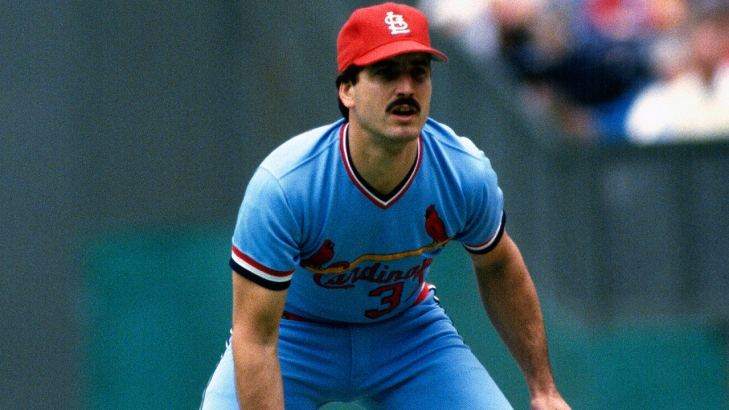
To many modern baseball fans and TV viewers, Keith Hernandez is primarily linked to the New York Mets, especially his key role in the 1986 "Bad Guys" team and his memorable pop-culture appearances. However, a closer look at the stats shows that his peak physical condition and most remarkable individual accomplishments happened when he played for the St. Louis Cardinals. Drafted unexpectedly in the 42nd round of the 1971 amateur draft, Hernandez exceeded all expectations, blending a graceful, disciplined left-handed swing with a revolutionary defensive approach that redefined the role of first base.
His offensive peak was reached during the memorable 1979 season, a summer when he created the highlight of his career. Hernandez completely dominated National League pitchers, winning the batting title with a league-best .344 average. He also led the league in runs scored (116) and doubles (48). Along with his excellent contact skills, he hit 11 home runs and had 105 RBIs, showing a sophisticated, power-focused approach that earned him the 1979 National League Most Valuable Player Award, shared with Pittsburgh’s Willie Stargell. He confirmed this success with strong performances over the next two summers, maintaining a batting average over .300 and leading the league with a remarkable .408 on-base percentage in 1980.
Hernandez’s true talent was on the infield, despite his outstanding offensive statistics. Before his arrival, first base was primarily regarded as a defensive position for slow power hitters. Hernandez redefined this role through aggressive athleticism: positioning himself away from the bag, charging bunts with the agility of a third baseman, reaching groundballs deep in the hole, and throwing across the diamond with remarkable speed. His exceptional lateral movement established him as a leading figure in Total Zone Runs, earning him five consecutive Gold Glove Awards in St. Louis from 1978 to 1982, thereby setting a new standard for defensive excellence. Hernandez’s consistent presence in the heart of the lineup served as a crucial anchor for the 1982 "Whiteyball" team, culminating in a decisive, game-tying two-run single in Game 7 of the World Series that secured the franchise's ninth world championship.
Despite his enormous fame and key role in the 1982 championship season, Hernandez increasingly clashed with legendary manager and GM Whitey Herzog. Herzog, known for his strict discipline, grew very frustrated with Hernandez’s divisive clubhouse behavior and suspected drug use. He ultimately decided that Hernandez was harming the team's long-term culture. In one of the decade’s most shocking trades, Herzog unexpectedly sent Hernandez to the struggling New York Mets in June 1983, receiving pitchers Neil Allen and Rick Ownbey in return—a sudden, unceremonious move at the height of Hernandez's career.
Hernandez closed out his memorable St. Louis tenure having compiled 1,217 hits, 265 doubles, and an exceptional .299/.385/.445 slash line across 1,165 games in a Redbirds uniform. In 2021, Hernandez was finally inducted into the Cardinals Hall of Fame.
20. Red Schoendienst
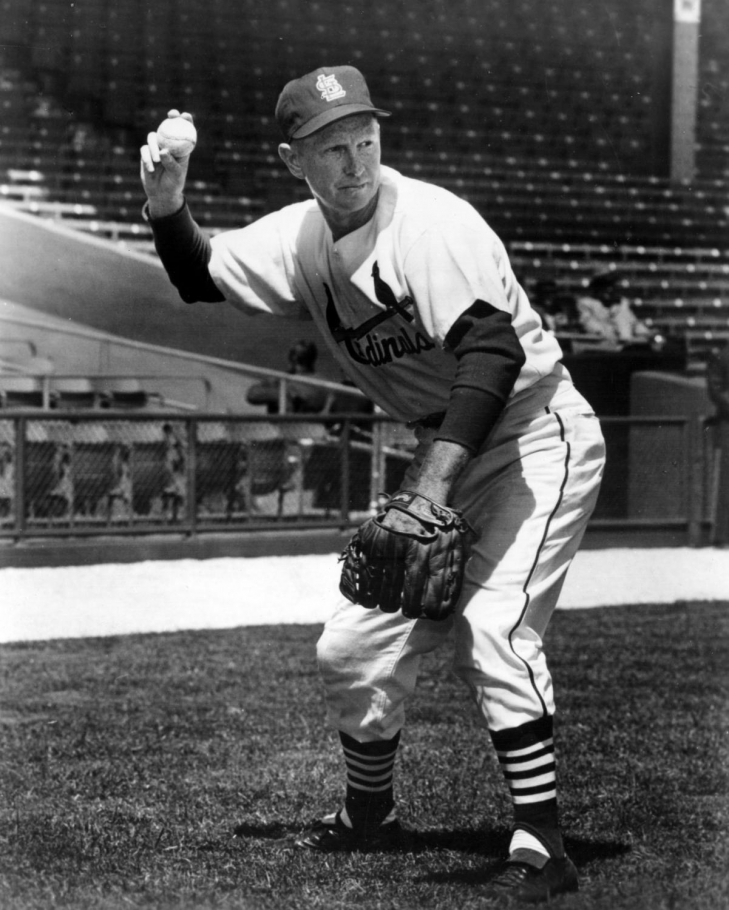
Few players in the long, storied history of the St. Louis Cardinals have ever matched the enduring, cross-generational longevity of Albert Fred "Red" Schoendienst. Originating from the rural farmlands of Illinois, the passionate, red-haired switch-hitter overcame a significant teenage eye injury to make his debut in the Major Leagues in 1945. He directly took the field at Sportsman's Park to fill a roster vacancy caused by wartime enlistments, leading the National League with 26 stolen bases during his rookie season. This marked the beginning of a legendary, multi-decade affiliation with the city of St. Louis, where his consistent performance and quiet dignity set the highest standard of excellence in the post-war period.
Schoendienst’s initial 12 seasons in the Gateway to the West were marked by consistently strong daily offensive output. Though he rarely was an elite power hitter, his skillful, contact-focused swing from both sides of the plate made him a difficult strikeout threat for pitchers. He exceeded 170 hits in a season six times as a Cardinal, playing a steady role at the top of a star-studded lineup that included his close friend and roommate, Stan Musial. His offensive peak came in 1953, when he hit a career-high .342 and nearly won the National League batting title, showcasing his high-efficiency hitting.
While his batting maintained a consistent offensive presence, Schoendienst’s true talent lay in his infield defense. With exceptional lateral mobility, soft hands, and a legendary glove technique he famously broke in with raw bacon fat, he made second base defense a nightly showcase. He ranked in the top ten in the National League in Defensive bWAR eight times as a Cardinal, often leading all second basemen in Range Factor per Game and Fielding Percentage. His defensive skill was a crucial safety net for the Redbirds' pitchers, earning nine straight All-Star selections in St. Louis and cementing his reputation as one of the most respected middle infielders of his era.
After a notable June 1956 trade that sent him to the New York Giants, Schoendienst proved his elite status by later leading the Milwaukee Braves to a World Series victory. He hit .309 and finished third in the 1957 National League MVP voting, acting as the key force that helped Milwaukee triumph over the mighty Yankees. Despite his success away from home, his heart remained deeply connected to Missouri.
Schoendienst returned to St. Louis in 1961 to finish his playing career and later became the franchise's longest-serving manager. He notably led the 1967 "El Birdos" team to a memorable World Series victory over Boston, securing his legacy as the franchise's cherished patriarch until his death in 2018 at age 95. Throughout his 67-year career in Major League Baseball—as a player, coach, manager, and special assistant—45 seasons were spent exclusively with the St. Louis Cardinals.
He finished his career in St. Louis with 1,980 hits, 350 doubles, and a .289 average in 1,795 games. Inducted into the Hall of Fame in 1989, his No. 2 jersey was retired in 1996, and he was part of the inaugural St. Louis Cardinals Hall of Fame class in 2014.
25. Frankie Frisch
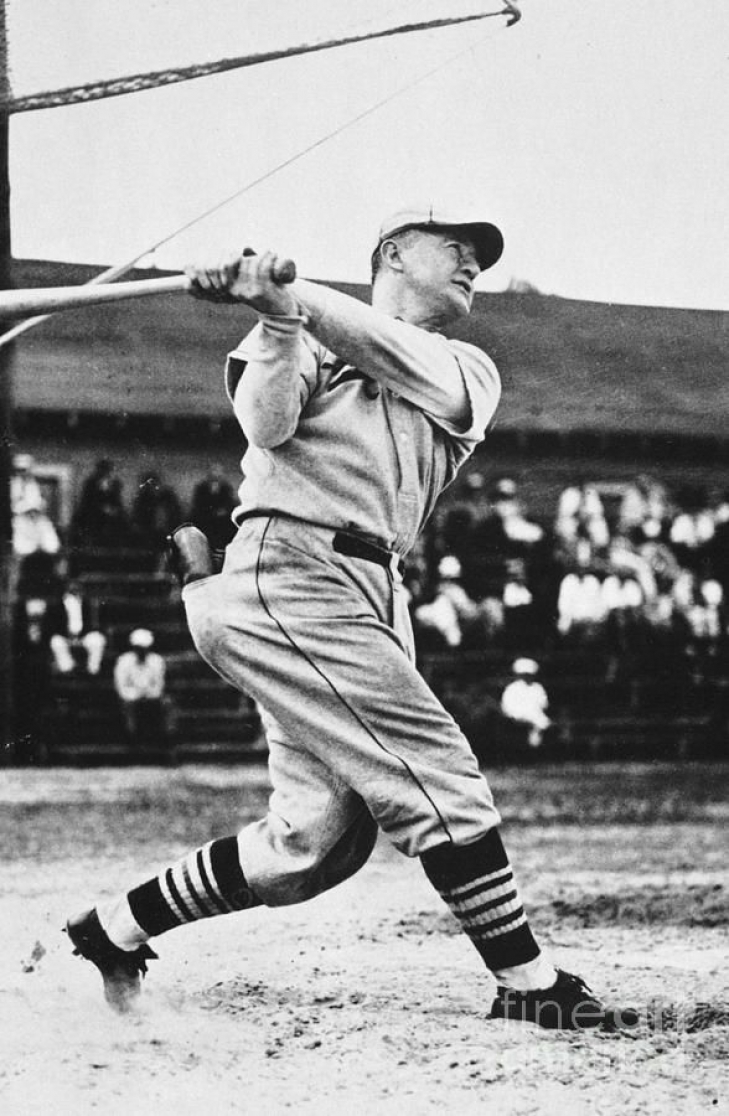
The fiery, dirt-kicking catalyst truly found its shining expression in a lively switch-hitter from the Bronx. Frankie Frisch arrived in St. Louis not just as a star but as a major turning point in the franchise’s history. A versatile athlete at Fordham University whose incredible speed earned him the nickname "The Fordham Flash," Frisch made the jump straight into the majors with the New York Giants in 1919. He quickly became the heart of John McGraw’s successful teams in the early 1920s, helping secure four straight pennants. Yet, a well-known clash of willpower between the talented infielder and his tough-minded manager eventually tore their relationship apart. Before the 1927 season, the front office made a bold move, trading Frisch to the Cardinals in exchange for another legendary player, Rogers Hornsby, who would go on to be a Hall of Famer.
Frisch arrived in St. Louis with plenty of energy left, quickly embedding his aggressive playstyle into the team's core. His debut 1927 season with the Redbirds was a remarkable display of individual talent: he led the Senior Circuit with 48 stolen bases, ranked sixth in batting average at .337, and amassed 208 hits. Defensively, he excelled at second base, leading all National League fielders in Defensive bWAR and setting a major-league record with 641 assists. His dynamic presence transformed a team that had only one pennant before his arrival into a consistent National League contender.
Frisch was more than just a player for the Cardinals; he shaped their entire identity. He served as the emotional core and spiritual symbol of the famous "Gashouse Gang" of the early 1930s—a lively, down-to-earth group of fighters whose tough, fearless attitude matched Frisch's own competitive nature.
His peak in individual hardware came in 1931 when he was named the National League Most Valuable Player, hitting .311 and leading in steals. Although modern stats critics argue that MVP was somewhat inflated, considering his efficiency metrics aligned more with a consistent contributor rather than a league-wide star, his leadership was clear. He guided the team to World Series wins in 1931 and 1934, earning his fourth championship ring.
His responsibilities expanded significantly in July 1933, when he accepted the dual role of player/manager. He beautifully balanced both burdens during the magical 1934 run, hitting .305 over 134 regular-season games while simultaneously managing the club to a dramatic, seven-game Fall Classic victory over the Detroit Tigers. As the physical toll of a grueling 19-year career caught up to him, his regular-season availability naturally diminished, leading to his retirement as an active player in 1937, though he maintained his seat at the top of the dugout steps until late 1938.
With the Cardinals, Frisch collected 1,557 hits, 195 stolen bases, and a .312 batting average. He was inducted into the Baseball Hall of Fame in 1947, and in 2014, Frisch was inducted as part of the Cardinals’ inaugural Hall of Fame Class.
18. Mort Cooper
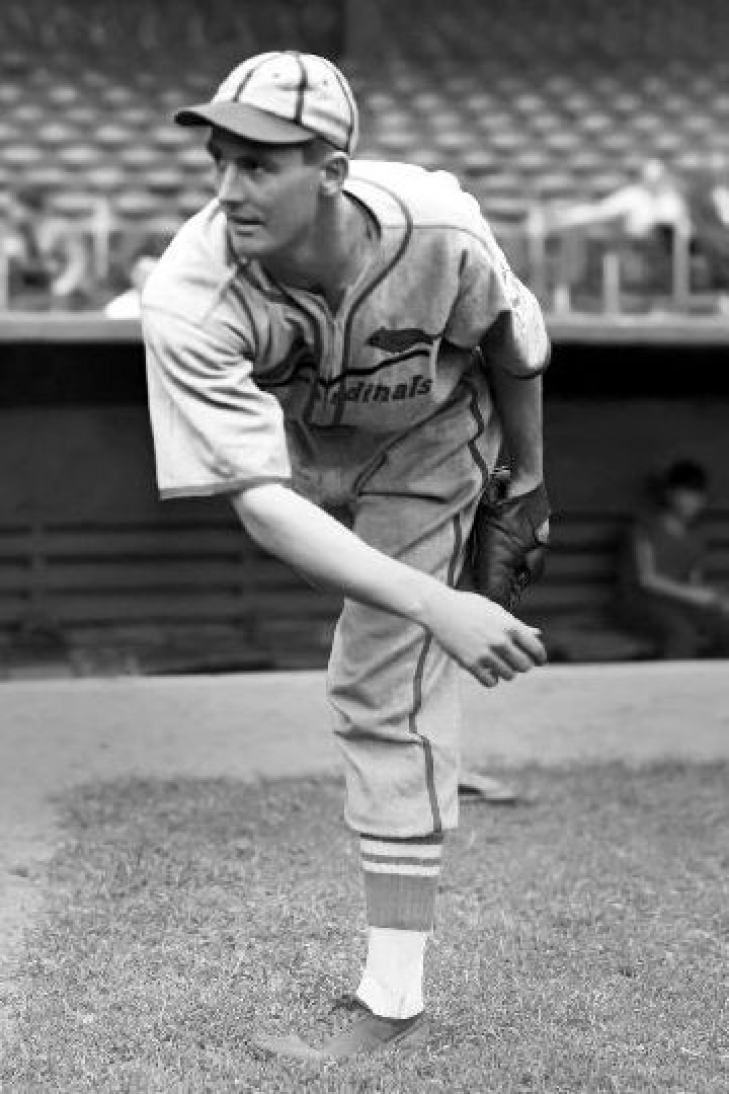
Assessing the baseball legends of the 1940s involves careful consideration, as World War II significantly changed the competitive landscape of major league baseball. Critics often question how much of the era's statistical success is due to real talent versus the impact of wartime depleted rosters, with icons like Ted Williams, Joe DiMaggio, and Hank Greenberg serving in the military. For right-hander Mort Cooper, that caveat is an important part of the discussion. Still, even when recognizing the wartime conditions, Cooper's impressive period of dominance clearly stands out as the key, championship-level foundation of one of the most notable dynasties in St. Louis Cardinals history.
Cooper was signed as an amateur free agent in 1933, and his path to the majors was a gradual ascent through the extensive St. Louis farm system. He finally debuted in the major leagues in 1938 at age 25, spending his initial seasons as a solid, mid-tier starter. Using a strong fastball and a sharp slider, he regularly posted dependable stats, without yet showing the elite potential that was soon to emerge.
The 1942 season marked a significant shift. As many players from both leagues left to serve in the military, Cooper stepped up dramatically, achieving an impressive 22–7 record. He led the senior league with a tiny 1.78 ERA, pitched 10 shutouts, and maintained an exceptional 0.987 WHIP. Alongside his brother, catcher Walker Cooper, he formed a renowned homegrown battery that captivated baseball fans. His outstanding performance on the mound earned him the 1942 National League Most Valuable Player Award, playing a key role in helping the Redbirds achieve a 106-win regular season and securing a World Series victory over the formidable New York Yankees.
Far from a fleeting success, Cooper convincingly confirmed his MVP campaign by achieving consecutive 20-win seasons over the next two summers. In 1943, he posted a 21–8 record with a 2.30 ERA in 1943 and followed with an impressive 22–7 record in 1944, solidifying his role in manager Billy Southworth's rotation. His consistent excellence in 1944 helped lead the team to an all-St. Louis Fall Classic against the local Browns, where he delivered an outstanding performance in Game 5—a complete-game, 12-strikeout shutout—earning his second World Series title in three years.
Cooper’s true skill was ultimately confirmed after a tough contract dispute led to a May 1945 trade to the Boston Braves. Although critics doubted his effectiveness would decline once World War II ended and top hitters returned for the 1946 season, Cooper demonstrated he remained among the best. Despite worsening elbow problems, he pitched well enough in Boston to earn his fourth and last selection to the National League All-Star team, showing his talent extended well beyond the wartime circumstances.
Cooper left Sportsman's Park with a 105–50 record, a 2.77 ERA, and 25 shutouts over eight seasons and was inducted into the Cardinals Hall of Fame in 2019.
12. Yadier Molina
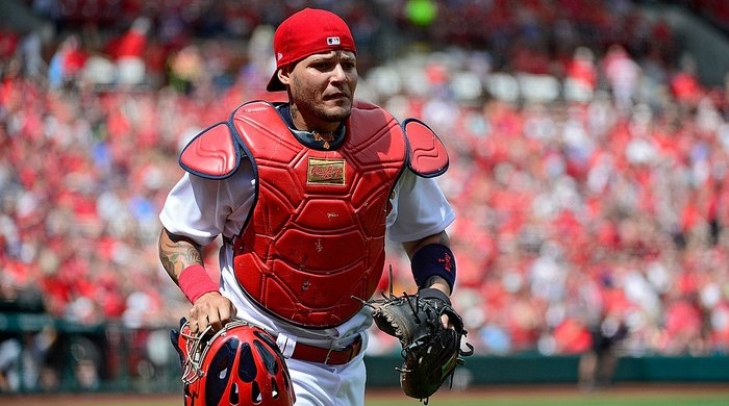
There is so much to love about Yadier Molina.
A ferocious player when needed, Yadier Molina has been a clubhouse leader since he arrived to the St. Louis Cardinals, the only team he has played for in the Majors. Early in his career, the Puerto Rican was universally regarded as being a really good defensive Catcher and a light hitter but in 2008 he improved his Batting Average to .308 and was locked in as the team’s starting Catcher.
9. Lou Brock
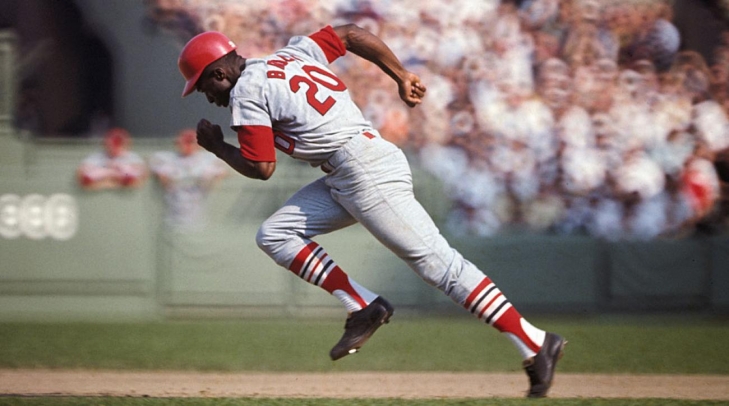
When a franchise executes a trade that is profoundly imbalanced, altering the entire course of its modern history, the transaction swiftly becomes a quintessential example of executive ill-gotten gains. In June 1964, the St. Louis Cardinals obtained an underperforming and structurally mismanaged outfielder from their longstanding adversaries, the Chicago Cubs, in a notorious multi-player deal centered on pitcher Ernie Broglio. Lou Brock did not merely experience a change of scenery in Missouri; he became an unstoppable force of high-velocity offense. By infusing the roster with a formidable combination of exceptional speed and aggressive contact hitting, the exceptionally swift left fielder embarked on a legendary 16-season tenure that revolutionized the batting order for an entire generation.
His mid-season arrival in 1964 served as an immediate catalyst, resulting in a significant increase in his performance virtually overnight. Brock transformed getting on base into a nightly demonstration, batting an impressive .348 over 103 games during the latter part of the season, thereby contributing to the Redbirds' historic National League pennant victory and ultimately securing the world championship title against the New York Yankees.
Once fully integrated into the local culture, he methodically redefined the art of base running. He achieved his first career stolen base title during an impressive 1966 season, an accomplishment that sparked a remarkable sequence of dominance, whereby he led the National League in stolen bases in eight of nine summers from 1966 through 1974. The pinnacle of his individual base-stealing mastery was exemplified during the exceptional 1974 regular season. At the age of 35, Brock demonstrated an exemplary display of timing and tactical foresight, breaking the modern single-season record by stealing an extraordinary 118 bases and securing a distinguished runner-up position for the National League Most Valuable Player award.
Nevertheless, characterizing Brock exclusively as a baserunning specialist significantly understates the extensive nature of his offensive contributions. He was a distinguished high-volume hitter during his tenure under the Arch, achieving four seasons with 200 hits, in addition to seven seasons in which he exceeded 180 hits.
His big-game DNA was entirely unrivaled when the ultimate prize was on the line. Across three separate World Series appearances (1964, 1967, and 1968), Brock systematically dismantled opposing pitching to forge a mind-bending .391/.424/.655 postseason slash line with 14 doubles, seven triples, four home runs, and a modern Fall Classic-record 14 stolen bases across 21 games.
Where Brock experiences substantial decline under contemporary analytical scrutiny is in his markedly volatile and unidimensional profile. He was widely recognized as a notably aggressive hitter who consistently ranked high on league strikeout leaderboards, recording at least 100 strikeouts in nine separate summers with St. Louis.
Defensively, his metrics were even more problematic; he possessed a highly erratic glove and a limited throwing arm, posting eight separate seasons with a negative defensive bWAR of -1.0 or worse while retiring with the third-most errors recorded by any left fielder in the history of the sport. These massive defensive leaks heavily drag down his advanced efficiency metrics, explaining why his localized value anchors lower in a comprehensive algorithmic review than his traditional status might indicate.
Nevertheless, his historic longevity ultimately earned him inner-circle baseball immortality. During his final 1979 swan song in a Cardinals uniform, the veteran icon joined the sport's most exclusive fraternity, collecting his 3,000th career hit to draw a definitive, storybook curtain on his playing days.
In St. Louis, Brock accumulated 2,713 hits, 434 doubles, 121 triples, and 888 stolen bases, which formed the bulk of his 938 career swiped bags—a historical record that stood until Rickey Henderson eventually redefined the category. He would be inducted into the Baseball Hall of Fame in 1985 on the first ballot, and was also part of the first class inducted into the Cardinals Hall of Fame in 2014. His number 20 was also retired by the team after he retired in 1979.
14. Ted Simmons
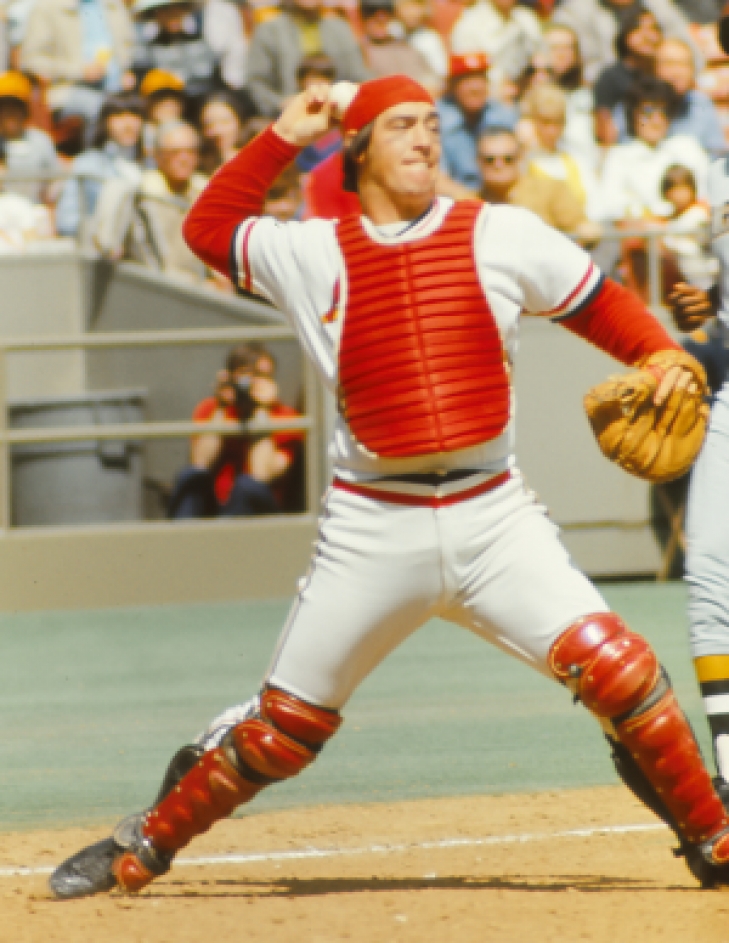
When modern baseball analysts look back at the 1970s, they often realize that traditional metrics overlooked a revolutionary offensive force behind the plate. For decades, Ted Simmons was viewed as an excellent player who shared an era with Johnny Bench and Carlton Fisk. But as sabermetrics changed how we value run production, the baseball world saw that the switch-hitter was one of the most productive offensive catchers ever.
Selected by the front office in the first round of the 1967 draft, "Simba" quickly emerged as a hitting prodigy. He did not merely survive the grueling physical demands of catching; he anchored the middle of the St. Louis batting order for over a decade, turning the batter's box into a personal showcase and rewriting the rules of what a backstop could provide at the plate.
Following a period of scouting work from 1968 to 1970, his initial tenure as the primary starting catcher in 1971 immediately redefined the standard benchmark for National League catchers, as he achieved an impressive batting average of .304. Simmons consistently transformed powerful line drives from both sides of the plate into a rigorous daily routine. He demonstrated an extensive display of contact proficiency and plate discipline, surpassing the .300 batting threshold on six occasions while wearing a Cardinals uniform. Each of these seasons secured a position within the top ten in the National League, notably highlighted by an exceptional 1975 regular season in which he posted a batting average of .332, culminating as the runner-up for the senior circuit batting title.
His value-dense offensive profile represented an exceptional anomaly for his era; Simmons secured a position within the top ten rankings in both on-base percentage and slugging percentage on four occasions, while reliably leveraging his outstanding gap-to-gap power to achieve top-ten rankings in doubles seven times. He combined that exemplary contact ability with authentic middle-of-the-order power, producing five individual seasons with at least 20 home runs for the Redbirds.
Because he was a natural hitter first, traditional pundits frequently contrasted his glove work with that of contemporary elite defenders. Yet, his legendary pitchers—including Bob Gibson—vehemently defended his game-calling and immense physical durability, as Simmons routinely logged heavy workloads, catching over 130 games a year.
His relationship with management grew tense at the end of 1980 when Simmons, in a dispute with Whitey Herzog over contract control, was suddenly traded to the Milwaukee Brewers in a major deal. Over his 13 seasons strictly representing the Cardinals, he accumulated exactly 1,704 hits, 332 doubles, 172 home runs, and 929 runs batted in, entirely validated by a spectacular .298 localized batting average and a robust .366 on-base percentage.
While the baseball writers initially dropped him from the Cooperstown ballot after just one year in 1994, the historical record was beautifully righted decades later. Simmons was triumphantly elected to the St. Louis Cardinals Hall of Fame in 2015, followed by his long-awaited, emotional induction into the National Baseball Hall of Fame via the Modern Baseball Era Committee in 2020. Serving as the final, beautiful punctuation on his immortal legacy, the Cardinals permanently retired his iconic number 23 target behind the plate.
15. Harry Brecheen
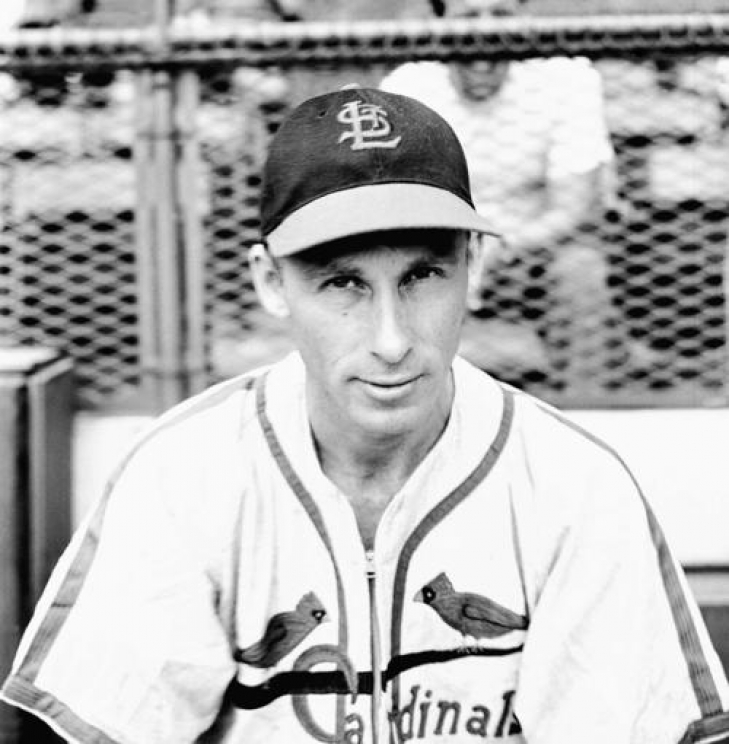
Harry David Brecheen spent his early twenties climbing through the minor leagues with careful deliberate steps, but he joined the major league roster permanently in 1943 and immediately made a significant impact on the pitching staff. He was just 5'10" and 160 pounds, earning the long-lasting nickname "The Cat" for his quick, feline-like reflexes when fielding bunts off the mound. With a perfect combination of a screwball and curveball, the southpaw built a ten-year career of excellence, excelling as a consistent regular-season performer and becoming an immortal legend in the postseason.
His early role as a key part of the rotation came during an exciting period for the team in the mid-to-late 1940s. Brecheen made a consistent effort to keep National League lineups in check by encouraging weak contact and focusing on control. He was impressively dependable, winning 14 or more games across six consecutive summers, offering valuable stability along with Mort Cooper and Red Schoendienst, and helping lead the team to two world championships.
The individual's peak performance during the regular season was exemplified by a remarkable 1948 achievement that received commendation. During that summer, “The Cat” demonstrated an outstanding ability in preventing runs, leading the Senior Circuit with an impressive 20–7 record and a league-leading 2.24 ERA. He impeded hitters throughout the season, leading the National League in strikeouts (149), shutouts (7), FIP (2.49), WHIP (1.037), and achieving an exceptional 3.04 strikeout-to-walk ratio, resulting in a fifth-place finish in the National League MVP voting.
While his strong regular-season performance established his important role in the front line, it’s his incredible achievements in October that truly secured his legendary status in baseball history. Brceheen saved his best performances for the brightest stages. He proved to be an essential player during the 1944 Fall Classic against the nearby St. Louis Browns, delivering an outstanding game in Game 4 where he gave up only one run, helping secure a key victory. Two years later, he delivered an amazing and historic performance against the powerful Boston Red Sox in the famous 1946 World Series. He took control of the game and became the first left-handed pitcher in baseball history to win three games in a single Fall Classic. During 20 intense innings in the postseason that October, he outperformed Boston's top hitters with an incredible 0.45 ERA and a 0.950 WHIP—winning Game 2, pitching a complete-game masterpiece in Game 6, and famously stepping out of the bullpen on zero days' rest to throw two scoreless innings during Game 7, helping to secure the championship with Enos Slaughter’s famous "Mad Dash’.
Brecheen departed from the Sportsman's Park rubber, leaving an impressive statistical record that garners considerable respect among analytical purists. During his eleven active seasons solely representing the Cardinals, he achieved exactly 128 wins against 79 losses, complemented by an outstanding 2.91 ERA, 122 complete games, and 25 career shutouts—still the franchise record for left-handed pitchers. The organization beautifully added the final, definitive punctuation to his legacy in 2018; the Red Ribbon Committee officially righted the historical record by triumphantly enshrining Harry Brecheen into the St. Louis Cardinals Hall of Fame.
