


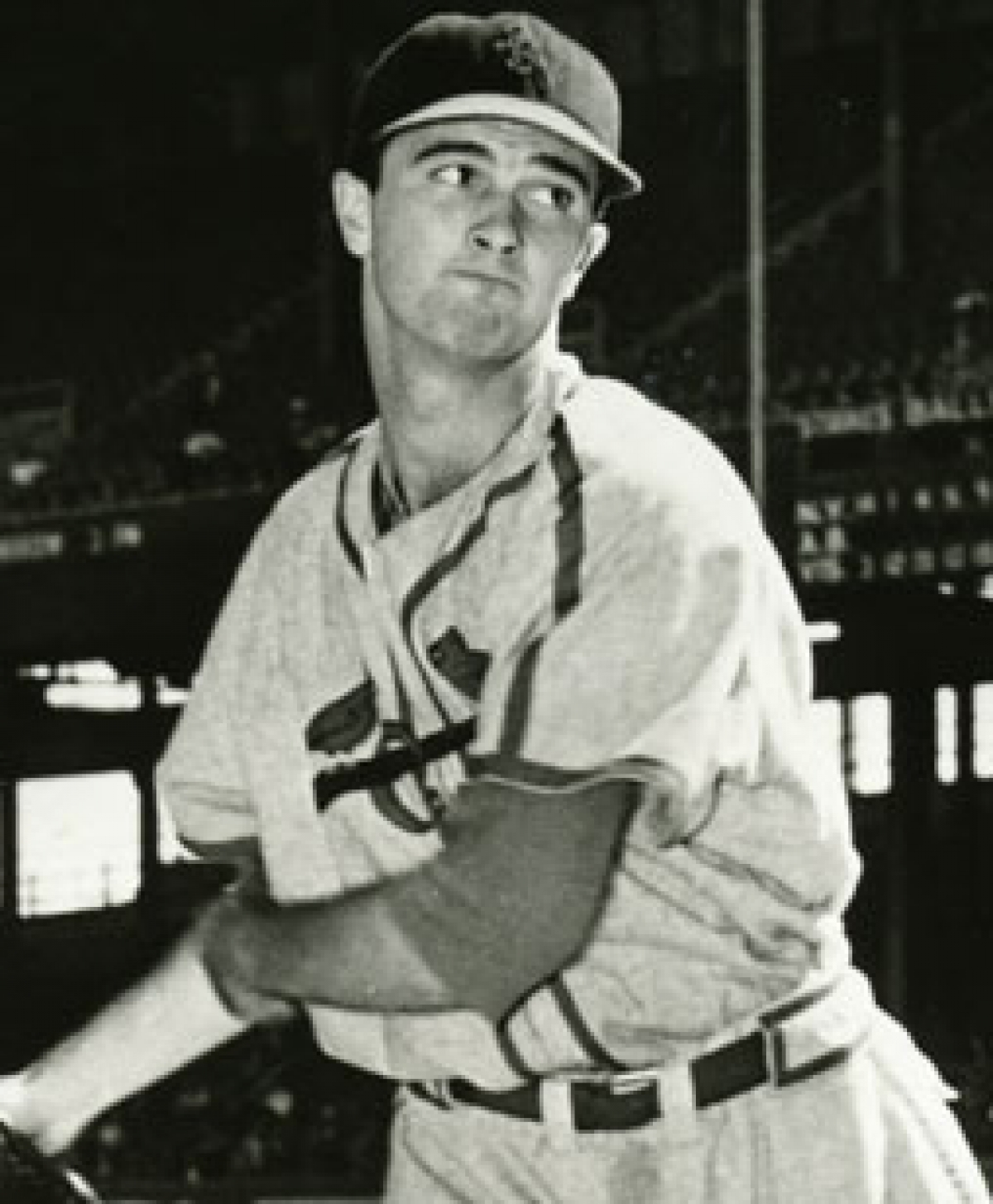



The iconic 1940s baseball timeline is often interrupted by the significant impact of World War II, forcing historians to reconstruct legendary stories from scattered sources. Howie Pollet exemplifies a top-tier frontline pitcher whose career was deeply affected by military service, yet he still achieved some of the era's most efficient peak seasons. Recruited from New Orleans as a valuable talent from Branch Rickey’s renowned St. Louis Cardinals farm system, this slender, analytical southpaw had a lethal sweeping curveball and exceptional control, positioning him as the likely successor to the organization's left-handed pitching tradition.
Pollet was nearing top-tier status in 1943, earning a National League All-Star nod after leading the rotation in July. On the morning of the Midsummer Classic, he enlisted in the U.S. Army Air Forces and reported for duty immediately. Despite his season ending early due to military service, he achieved a remarkable 1.75 ERA over 118 innings, earning the 1943 National League ERA title and showcasing an elite level of performance that made fans wonder what more he could have accomplished with a full summer.
When Pollet removed his military uniform to return to the Gateway to the West in 1946, he didn't just regain his position—he became the team's dominant, ice-cold ace. He led the regular season like a storm, topping the National League in wins (21), ERA (2.10), innings pitched (266), and complete games (22). His extensive workload during the regular season earned him a notable fourth-place finish in the National League MVP voting. More significantly, his consistent performance held the rotation steady throughout a dramatic seven-game World Series victory over the Boston Red Sox, solidifying his legendary status in postseason history despite facing severe shoulder friction late in the season.
The significant toll of that 1946 workload naturally took its toll on his arm, leading to a challenging two-year period during which his efficiency fell below his usual high standards. Nevertheless, Pollet skillfully orchestrated a remarkable final rebound during the 1949 season. Earning his third and final career All-Star selection, he achieved his second 20-win season with a record of 20–9. He also ranked a commendable third in the league in ERA and led all National League pitchers in advanced value by finishing first in Pitching bWAR (6.5).
As arm ailments gradually limited his speed and durability, the front office wisely traded veteran left-hander Pollet to the Pittsburgh Pirates midway through 1951. He ended his nine-year St. Louis career with a 97–65 record, a 3.05 ERA, and 544 strikeouts in 225 appearances.

Comments powered by CComment