


Committee Chairman
35. Kenley Jansen
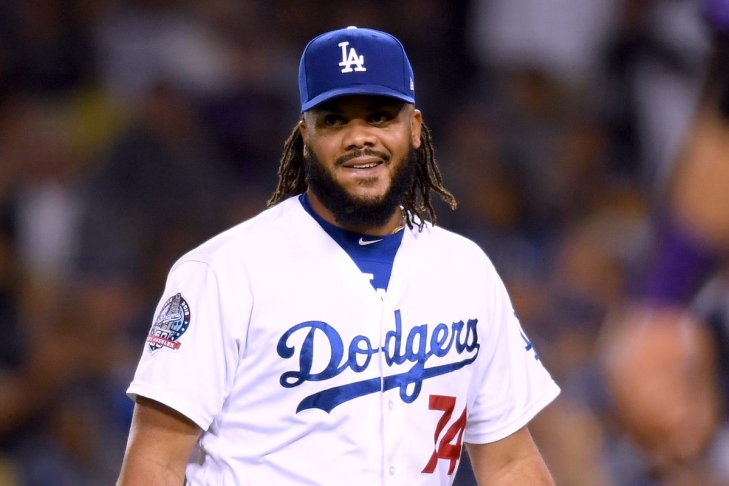
Kenley Jansen’s career in Los Angeles as a defensive specialist from Curaçao, but his journey took a historic turn when the organization converted him from a catcher into a relief pitcher in 2009. Armed with a natural, cut-fastball that defied physics, he moved through the system with lightning speed. Across 12 seasons in Chavez Ravine, he evolved into the most prolific "door-shutter" in the history of the franchise
Since his debut in 2010, Jansen elevated his consistency and became the full-time closer by 2012. He relied on a specialized cutter, similar to Mariano Rivera's signature pitch, to effectively strike out batters and achieve remarkable strikeout numbers. By 2015, he reached an exceptional level of efficiency, maintaining a WHIP below 0.800 for four consecutive years. During this period, he achieved an extraordinary 10.00 SO/BB ratio on two occasions.
Between 2016 and 2017, he authored a remarkable campaign in '17, finishing fifth in the Cy Young voting. He led the National League with 41 saves and posted a tiny 1.32 ERA. As a dominant force in late innings, he received back-to-back Trevor Hoffman NL Reliever of the Year Awards and was named the Sporting News Reliever of the Year both seasons. During this period, he became a regular participant in the Midsummer Classic, earning three straight All-Star selections and establishing himself as the top high-leverage reliever in the Senior Circuit.
After years of postseason heartbreak, Jansen served as a primary engine for the squad that finally captured the World Series title. He finalized his residency in Blue following the 2021 season, departing for Atlanta as the franchise’s all-time saves leader with 350.
Jansen compiled 350 saves, a 2.37 ERA, and 1,022 strikeouts as a Dodger.
38. Whit Wyatt
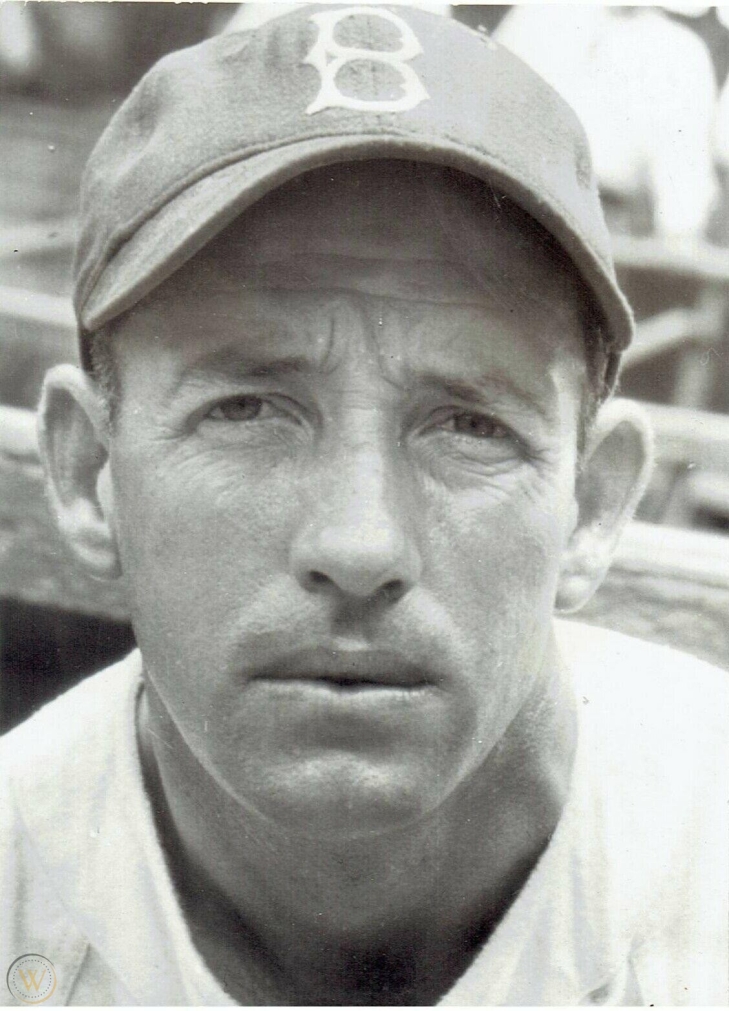
Whit Wyatt didn't merely find renewed success in Brooklyn; he essentially crafted a new career. By the time he joined the Dodgers in 1939, he was 30 years old and was largely viewed as a discarded player from the American League, having spent the previous year in the minor leagues. However, while three other teams saw him as finished, Brooklyn recognized him as an untapped ace.
After a decade of obscurity, he reached Ebbets Field and instantly elevated his play, earning four straight All-Star selections from 1939 to 1942. He displayed a sudden, localized dominance that peaked during the landmark 1941 season. That year, Wyatt was not just a contributor but a standout. He led the league with 22 wins and five shutouts, while his advanced metrics, leading the NL in FIP (2.44), WHIP (1.058), and SO/BB (2.15), established him as the clear staff leader. He finished third in MVP voting, a placement that would likely have secured a Cy Young award if the trophy had been available.
Wyatt's brilliance propelled the Dodgers to the 1941 pennant, ending a 21-year drought. He provided high-leverage efficiency, notably outdueling the Yankees in Game 2 of the World Series for Brooklyn's only win. He remained a key part of the rotation during the early war years, with 18 wins in 1942 and 14 in 1943, earning MVP votes both seasons. His mound command defied age, showing improvement as the stakes increased.
In 1944, as the heavy workload and his mid-thirties began to take their toll, the organization finalized a deal to sell his contract to the Phillies, but it lasted only 10 games before Wyatt called it a career.
Wyatt had an ERA of 2.86 with an 80-46 Record with Brooklyn. That might be 80 more Wins than many baseball writers thought he would do.
34. Jeff Pfeffer
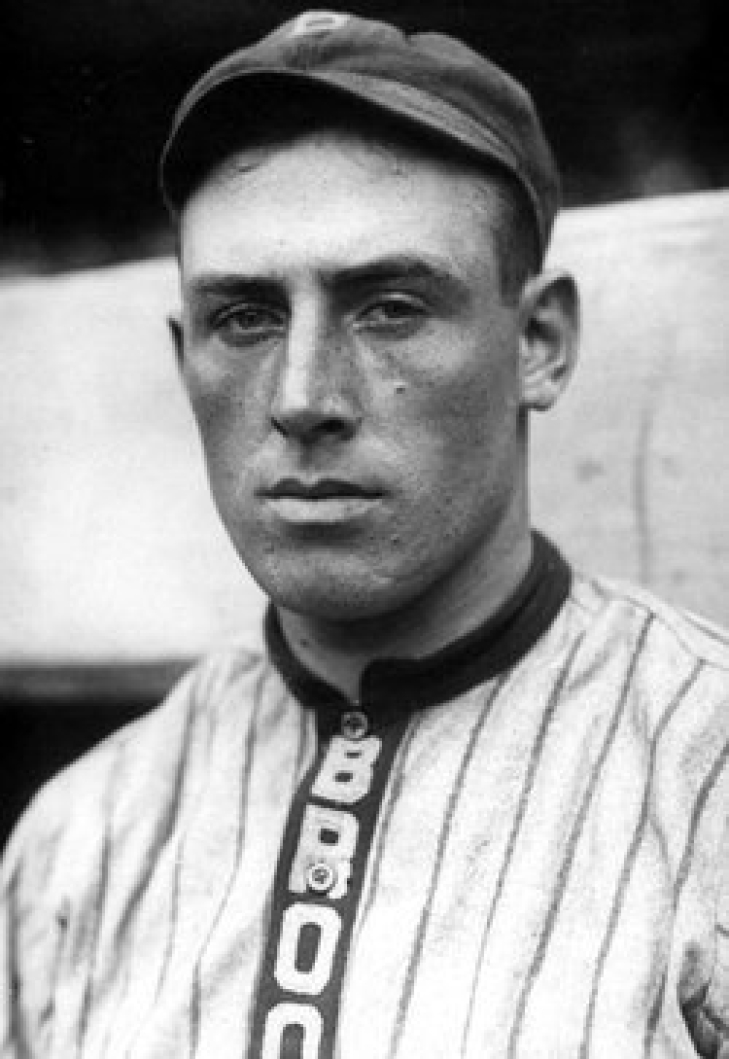
After a cup of coffee with the St. Louis Browns in 1911, Jeff Pfeffer made it to Brooklyn in 1913, where the righthander became one of the most durable arms of the Deadball Era.
Pfeffer reached an absolute summit of efficiency in 1914. He authored a brilliant 23-12 record with a 1.97 ERA over 315 innings, a performance that surely would have made him the Rookie of the Year had the award existed then. He also had a career-high 135 strikeouts
Pfeffer reached his peak during the memorable 1916 season. He delivered an incredible performance, winning 25 games with a fantastic 1.92 ERA as the Robins proudly took the National League crown. He was a key player on the team, finishing among the top five in wins and innings pitched, and he proved to be a versatile asset during the postseason. In the 1916 World Series against the Boston Red Sox, he made a crucial save in Game 3 and pitched a tough seven innings in the Game 5 finale. Although the Robins fell short in the series, Pfeffer’s stellar statistics from 1914 to 1916—67 wins and a remarkably low ERA, stand out as one of the most impressive three-year stretches in franchise history.
Pfeffer’s baseball journey took an unexpected pause in 1918 when he enlisted in the U.S. Navy during World War I. When he returned in 1919, he scored a fresh wave of success, recording two consecutive 16-win seasons and playing a key role in helping Brooklyn clinch another pennant in 1920. However, after facing some challenges at the start of the 1921 season, the team decided to trade him to the St. Louis Cardinals.
With the Robins, Pfeffer had a 2.31 ERA with a record of 113- 80.
33. Van Mungo
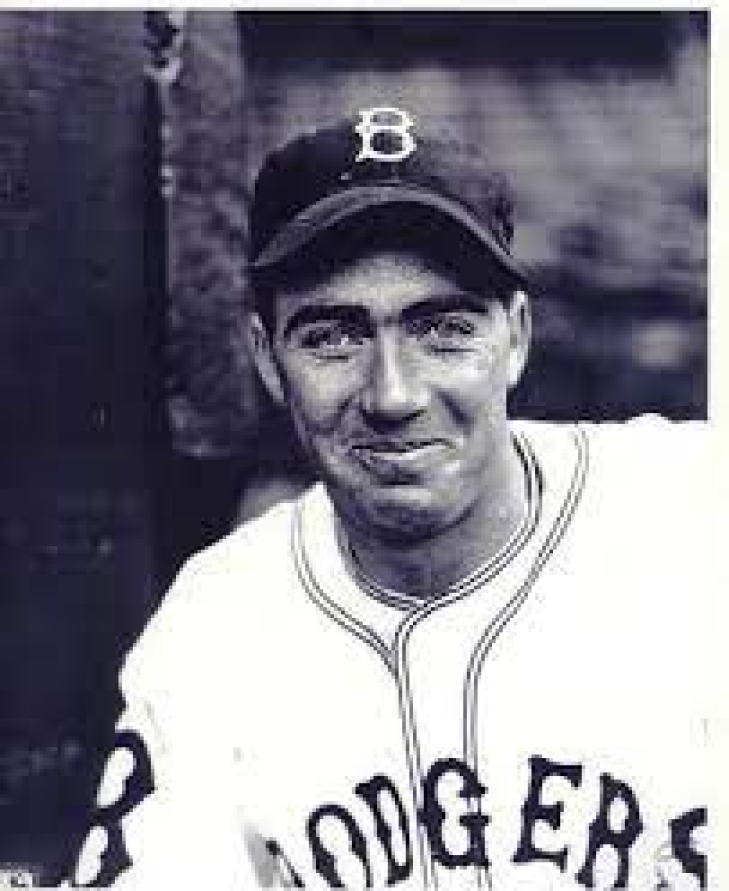
Van Lingle Mungo arrived in Brooklyn in 1931, replacing the legendary Dazzy Vance after his own shoes split. A right-hander with a fastball and an often erratic temperament, he was the only bright spot on a series of struggling "Daffy Dodgers" teams.
In 1933, Mungo achieved a new level of performance, posting a 16-15 record with an impressive 2.72 ERA for a team that was 23 games below .500. During this peak, he demonstrated complete control of his pitching arsenal, setting a career-high 238 strikeouts in 1936 to lead the league. Nonetheless, his career also included notable wildness; he led the NL in walks three times, driven by his aggressive style of pitching that aimed to overpower every batter he faced.
Mungo enjoyed a fantastic run from 1934 to 1937, earning four straight All-Star selections. During this period, he proved to be incredibly durable, leading the league in starts and innings pitched in 1934 and posting two seasons with 18 wins. However, his time was also known for his fiery personality; he often made headlines for his holdouts, late-night escapades, and a temper that once led him to destroy a clubhouse after a teammate mishandled a routine fly ball.
Mungo suffered a severe arm injury in 1937, which finalized his era as a power pitcher, though he managed to stick around the Majors as a junkball hurler. In 1941, he was traded to a minor league team.
As a Dodger, Mungo had a 102-99 record with a 3.41 ERA.
