


Committee Chairman
4 Vacation Destinations for Sports Fans
Barriers exist between most countries; culture, language, politics, and other blockages create walls that are challenging to climb. But one universal element every nation has in common is sports – and sports break those barriers. Whether participating or watching, sport is a language in itself that appeals to the social, competitive side of humans – and it’s an excellent way to understand, get to know, and enjoy the company of anyone from any country around the world.
Sports becomes an incredible experience when combined with a love of traveling; many people explore other lands and cultures through their passion for their game. With that in mind, these destinations with penchants for sports are perfect itinerary items for sporting fanatics.
United Kingdom
England is famed worldwide for its soccer scene. Across the land, local, national, and even international matches take place like regular clockwork. Plus, the crowds are phenomenal; it’s not uncommon for stadiums to sell out, with fans showing up for games in numbers over 40,000.
Furthermore, cricket is another contender that English folks across the pond go nuts for, as is tennis, especially in the season when London becomes the center of the world’s attention each June – when the iconic Wimbledon championship starts. Among other unmissable sporting events in the UK are Epsom Downs and Ascot horse races (along with the Grand National, too), which turn into highly sophisticated formalwear events and sporting shows. However, when it comes to getting rough and dirty, the rugby league is unmissable – especially when Wales is playing; the team’s camaraderie is second to none.
North America
North America is famed globally for many things – but a robust roster of sports is probably one of the biggest. Some destinations are renowned for one or two particular sports (like the UK and its buzzing soccer culture). All across the United States and Canada, though, all sports are rife – right from kids in elementary school taking part in extra-curricular clubs to college sports teams – and, of course, the major leagues at the professional level.
People go wild in the US and Canada for football, basketball, ice hockey, baseball, and even crazier and more dangerous sports like NASCAR. In fact, many Americans and Canadians make their sport of choice their entire reason for a vacation. Take ice hockey, for example; fans often book tailored NHL travel packages designed to get them in on the hockey action, attend matches, and enjoy a trip away. Many travel operators also offer the same services for fans of other sports and leagues, from the NBA to the NFL.
Japan
Think “baseball”, and the USA immediately springs to mind. Granted, the game was birthed in New York – but the Japanese seem to be the biggest baseball fans in the world. In big cities like Tokyo, tourists can enjoy a unique blend of western and Japanese sporting culture, with sumo wrestling and martial arts representing one flavor and the country’s passion for baseball another.
Rio de Janeiro and Sao Paulo, Brazil
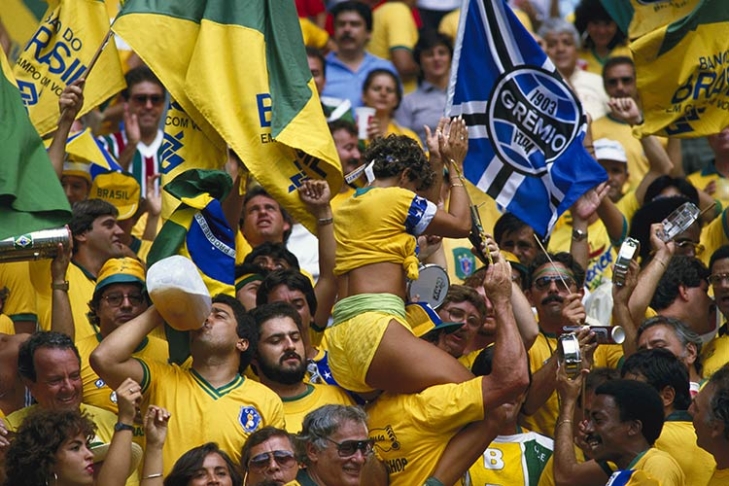
Brazil is the ultimate place for soccer lovers who can’t get enough gorgeous beaches and sports culture simultaneously. Specifically, Sao Paulo and Rio de Janeiro are two top spots for soccer fans; the latter’s home team draws in crowds of over 70,000 at the Macaranã stadium – an atmosphere discerning soccer enthusiasts do not want to miss.
If that’s a little too exciting, sampling the fun street soccer with the locals in Sao Paulo affords an authentic insight into Brazil’s soccer culture at the grassroots level.
The Songwriters HOF name the 2023 Class
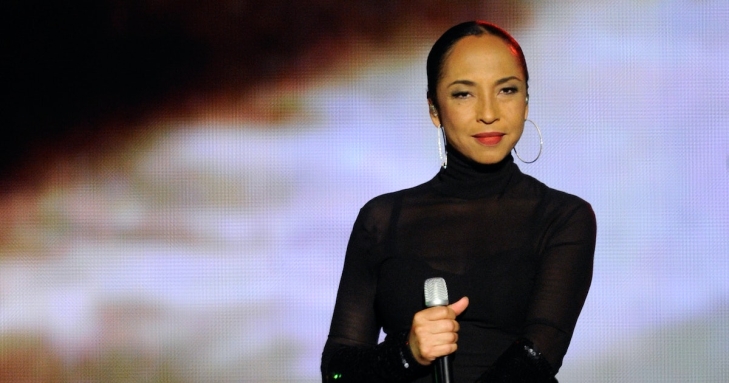
The Hall of Fame season continues in full gear as the Songwriters Hall of Fame has announced their seven member Class of 2023.
Here are the inductees:
Glen Ballard: Ballard is best known for his collaboration with Alanis Morissette, and he co-wrote all the hits from her monster 1994 album, “Jagged Little Pill”. He also wrote Michael Jackson’s hit, “Man in the Mirror”, “The Space Between” (Dave Matthews) and “Hold On” (Wilson Phillips).
Gloria Estefan: Estefan penned many of her hits, including “Don’t Wanna Lose You”, “Rhythm Is Gonna Get You” and “Let’s Get Loud”.
Jeff Lynne: Lynne was the mastermind behind E.L.O., the band that generated hit songs like
Teddy Riley: Riley wrote many New Jack Swing standards, such as “My Prerogative” (Bobby Brown) and “Make It Last Forever” (Keith Sweat),
Liz Rose: Rose is best known for collaborating with Taylor Swift early in her career.
Sade: Sade wrote her biggest hits, including “Smooth Operator”, “No Ordinary Love” and “The Sweetest Taboo”.
Snoop Dogg: Snoop is one of the most successful and well-known hip-hop artists of all-time, with his hits, “Drop It Like It’s Hot”, “Nuthin’ But A Thang”, “Gin & Juice” and “Next Episode”.
Additional special awards honorees will be announced at a later date.
Those who were nominated but were not chosen were:
Bryan Adams
Lynn Ahrens/Stephen Flaherty
Blondie (Clem Burke, Debbie Harry & Chris Stein)
Dean Dillon
The Doobie Brothers (Tom Johnston, Michael McDonald & Patrick Simmons)
Vince Gill
Franne Golde
Bobby Hart/Tommy Boyce
Heart (Ann Wilson & Nancy Wilson)
Sandy Linzer/Denny Randell
Roger Nichols
Dan Penn/Spooner Oldham
Dean Pitchford
Patti Smith
Tom Snow
Steve Winwood
We here at Notinhalloffame.com would like to congratulate the impending members of the Songwriters Hall of Fame.
The William M. Jennings Trophy
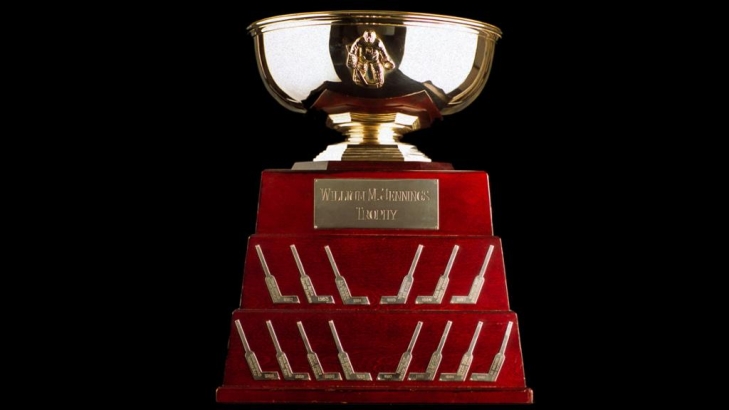
The William M. Jennings Trophy is fascinating in that you could argue that the parameters existed decades before the first award was ever given.
From 1946 to 1981, the Vezina was awarded to the Goalie(s) on the team that let in the fewest goals. The Vezina then switched to the best Goalie period, with the William M. Jennings Trophy (named after the long-time builder and owner of the New York Rangers) taking that over. Like the previous rules for the Vezina, multiple Goalies on a team could win the Jennings, providing they appeared in 25 Games that year.
The results are as follows:
There are currently 29 former William M. Jennings winners who are Hockey Hall of Fame eligible, with seven entering, yielding a percentage of 24.1.
This period covers 46 years (though with multiple winners in different years) of Hall-eligible winners, of which 20 of them saw a William M. Jennings winner enter the Hall. This yields a percentage of 43.5.
The following are the past players who have won the NHL William M. Jennings Award and are eligible for the Hockey Hall of Fame and have been enshrined.
1983 (Co-Winner): Billy Smith, New York Islanders. 18 Wins, 14 Losses, 7 Ties, 2.87 GAA, .906 Save Percentage, 9.1 Point Shares.
The Islanders won four consecutive Stanley Cups (1980-83), with this being the final one of the dynasty. Smith was there for all of them, winning the Vezina the year before and the Conn Smythe this year. He played in the NHL until 1989, retiring with a 305-233-105 record.
Inducted into the Hall of Fame in 1993.
1987 Co-Winner: Patrick Roy, Montreal Canadiens. 22 Wins, 16 Losses, 6 Ties, 2.94 GAA, .891 Save Percentage, 7.7 Goalie Point Shares.
Patrick Roy was already an established legend before he turned 21, as the year before, he won the Conn Smythe when he took the Canadiens to an unexpected Stanley Cup win. Roy won his first of three Jennings Trophies and was tenth for the Vezina.
Inducted into the Hall of Fame in 2006.
1988 Co-Winner (2): Patrick Roy, Montreal Canadiens. 23 Wins, 12 Losses, 9 Ties, 2.90 GAA, .900 Save Percentage, 8.7 Goalie Point Shares.
Along with his co-winner, Brian Heyward, Roy became the first player to win the Jennings in consecutive years. He was named a Second Team All-Star and was eighth for the Vezina.
Inducted into the Hall of Fame in 2006.
1989 Co-Winner (3): Patrick Roy, Montreal Canadiens. 33 Wins, 5 Losses, 6 Ties, 2.47 GAA, .908 Save Percentage, 9.3 Goalie Point Shares.
Roy made history as the first player to win the Jennings in three straight years, and he was also the first to win the Jennings and the Vezina in the same season. The Goalie also led the NHL in Save Percentage (.908) and GAA (2.74).
Inducted into the Hall of Fame in 2006.
1991: Ed Belfour, Chicago Blackhawks. 43 Wins, 19 Losses, 7 Ties, 2.47 GAA, .910 Save Percentage, 14.0 Goalie Point Shares.
Ed Belfour seemed to come out of nowhere in his rookie year, and he won the Calder, the Vezina, and the Jennings, the first player to do so. Belfour led the NHL in Wins (43), Save Percentage (.910), and GAA (2.47).
Inducted into the Hall of Fame in 2011.
1992 (4): Patrick Roy, Montreal Canadiens. 36 Wins, 22 Losses, 8, Ties, 2.36 GAA, .914 Save Percentage, 13.5 Goalie Point Shares.
Roy became the first player to win four Jennings and his third Vezina, and in regards to the Hart, he was the runner-up. He was also the NHL leader in Save Percentage for the fourth time (.914) and GAA for the second time (2.36). Roy would lead Montreal to another Stanley Cup win in 1993. Notably, this would be the first time the award was given to just one Goalie.
Inducted into the Hall of Fame in 2006.
1993 (2): Ed Belfour, Chicago Blackhawks. 41 Wins, 18 Losses, 11 Ties, 2.59 GAA, .906 Save Percentage, 13.0 Goalie Point Shares.
Belfour won his second Jennings Trophy in the same year as he won his second Vezina. “The Eagle” led the league in Shutouts (7) and was a First Team All-Star for the second time.
Inducted into the Hall of Fame in 2011.
1994 Co-Winner: Grant Fuhr, Buffalo Sabres. 13 Wins, 12 Losses, 3 Ties, 3.69 GAA, .883 Save Percentage, 3.9 Goalie Point Shares.
A member of five Stanley Cup Championships with the Edmonton Oilers, Grant Fuhr won the Vezina in 1988, but it was with Buffalo that he would win his first and only Jennings Award. He later played for Los Angeles, St. Louis, and Calgary and had 403 career Wins.
Inducted into the Hall of Fame in 2003.
1994 Co-Winner: Dominik Hasek, Buffalo Sabres. 30 Wins, 20 Losses, 6 Ties, 1.95 GAA, .930 Save Percentage, 13.1 Goalie Point Shares.
This was Hasek’s breakout year as he won not only the Jennings but also the Vezina and was the runner-up for the Hart. Hasek led the NHL in Save Percentage (.930), GAA (1.95), and Shutouts (7).
Inducted into the Hall of Fame in 2014.
1995 (3): Ed Belfour, Chicago Blackhawks. 22 Wins, 15 Losses, 3 Ties, 2.28 GAA, .906 Save Percentage, 6.0 Goalie Point Shares.
Belfour led the NHL in Shutouts for the fourth straight season and was named a Second Team All-Star. He finished second for the Vezina that year.
Inducted into the Hall of Fame in 2011.
1997 Co-Winner: Martin Brodeur, New Jersey Devils. 37 Wins, 14 Losses, 13 Ties, 1.88 GAA, .927 Save Percentage, 12.4 Goalie Point Shares.
Martin Brodeur is considered one of the greatest Goalies of all time, and in terms of the William M. Jennings, he is one of the most decorated netminders ever with five wins. Before his first win, Brodeur had already won the Calder and his first Stanley Cup. This year, Brodeur was also a Second Team All-Star, second for the Vezina, fourth for the Hart, and led the NHL in GAA (1.88).
Inducted into the Hall of Fame in 2018.
1998 (2): Martin Brodeur, New Jersey Devils. 43 Wins, 17 Losses, 8 Ties, 1.89 GAA, .917 Sabe Percentage, 11.1 Goalie Point Shares.
Brodeur won his second straight Jennings Trophy, with similar accolades in his first win. He was again second for the Vezina, fourth for the Hart, and a Second Team All-Star. This year began a four-year streak of leading the NHL in Wins.
Inducted into the Hall of Fame in 2018.
1999 Co-Winner (4): Ed Belfour, Dallas Stars. 35 Wins, 15 Losses, 9 Ties, 1.99 GAA, .915 Save Percentage, 9.1 Goalie Point Shares.
Now a Dallas Star, Belfour was seventh in Vezina voting, but he had his most rewarding NHL year as he helped Dallas win the Stanley Cup. This was the only Jennings win where Belfour shared it with another Goalie. Belfour went on to play for Toronto and Florida, retiring in 2007 with a career record of 484-320-125.
Inducted into the Hall of Fame in 2011.
2001: Dominik Hasek, Buffalo Sabres. 37 Wins, 24 Losses, 4 Ties, 2.11 GAA, .921 Save Percentage, 13.9 Goalie Point Shares.
Between Hasek’s first and second Jennings win, Hasek won four Vezinas, two Harts, and two Lester B. Pearson Awards. Hasek won his sixth Vezina this year, which would also be his final one as a Sabre.
Inducted into the Hall of Fame in 2014.
2002 (5): Patrick Roy, Colorado Avalanche. 32 Wins, 23 Losses, 8 Ties, 1.94 GAA, .925 Save Percentage, 13.2 Goalie Point Shares.
Patrick Roy forced a trade out of Montreal in 1996, and the team where he landed, Colorado, won a Stanley Cup with him in the net that year. Roy won his fourth Cup in 2001, and this season, he won his fifth (and final) Jennings while earning a First Team All-Star selection and was also second for the Vezina and third for the Hart. Roy played one more year before he retired as one of the most decorated players in hockey.
Inducted into the Hall of Fame in 2006.
2003 (3): Martin Brodeur, New Jersey Devils. 41 Wins, 23 Losses, 9 Ties, 2.02 GAA, .914 Save Percentage, 11.4 Goalie Point Shares.
This year, he won the Jennings and captured a third Stanley Cup ring and his first Vezina. In between Brodeur's second and third Jennings win, he won a Stanley Cup (2000) and never finished less than fifth for the Vezina. Brodeur was also third in Hart balloting and began his second four-year streak leading the NHL in Wins. It is worth noting that this was the only year in which the Jennings was shared between two teams, as Roman Cechmanek and Robert Esche of the Philadelphia Flyers also won.
Inducted into the Hall of Fame in 2018.
2004 (4): Martin Brodeur, New Jersey Devils. 38 Wins, 26 Losses, 11 Ties, 2.03 GAA, .917 Save Percentage, 12.5 Goalie Point Shares.
Brodeur repeated as a dual winner of the Jennings and Vezina, and, like the season before, he finished in third place for the Hart. He would win two more Vezina Trophies, in 2007 and 2008, and was second in 2006.
Inducted into the Hall of Fame in 2018.
2008 (3): Dominik Hasek, Detroit Red Wings. 27 Wins, 10 Losses, 3 Ties/Overtime Losses, 2.14 GAA, .902 Save Percentage, 4.5 Goalie Point Shares.
Hasek forced a trade out of Buffalo and promptly won his coveted Stanley Cup that year. He won another this year in what was his final NHL season. "The Dominator" won 389 Games with a career GAA of 2.20.
Inducted into the Hall of Fame in 2014.
2010 (5): Martin Brodeur, New Jersey Devils. 38 Wins, 26 Losses, 11 Ties/Overtime Losses, 2.03 GAA, .916 Save Percentage, 12.5 Goalie Point Shares.
Brodeur tied Patrick Roy for the most all-time with his fifth Jennings win. Brodeur was third in Vezina voting the last time he received a vote for that award. He played until 2013, accumulating an all-time record of 691 Wins.
Inducted into the Hall of Fame in 2018.
2011: Roberto Luongo, Vancouver Canucks. 38 Wins, 15 Losses, 7 Ties/Overtime Losses, 2.11 GAA, .928 Save Percentage, 13.6 Goalie Point Shares.
A Second Team All-Star twice before in his career, Luongo led the NHL in Wins for the only time in his career. He also was third in Vezina voting. Luongo would take the Canucks to the Stanley Cup Finals, but they went down to the Boston Bruins. Later, Luongo returned to Florida, playing until 2019 and retiring with 489 Wins.
Inducted into the Hall of Fame in 2022.
The following are the players who have won the NHL William M. Jennings Trophy who are eligible for the Hockey Hall of Fame and have not been selected:
1982 Co-Winner: Rick Wamsley, Montreal Canadiens. 23 Wins, 7 Losses, 7 Ties, 2.75 GAA, .893 Save Percentage, 9.2 Goalie Point Shares.
It is fitting that the first-ever winner of a major award played for Montreal, and in the case of Rick Wamsley, this would be the only individual award he won. He later won a Stanley Cup with Calgary in 1989 and retired with a 204-131-46 Record.
Eligible since 1996. Unranked on Notinhalloffame.com
1982 Co-Winner: Denis Herron, Montreal Canadiens. 12 Wins, 6 Losses, 8 Ties, 2.64 GAA, .911 Save Percentage, 6.6 Goalie Point Shares.
Denis Herron won the Vezina the year before under the Vezina's last year of following the format of the William M. Jennings. Herron's .911 Save Percentage led the NHL, which was the second time he did so. He was traded to the Pittsburgh Penguins in the off-season and finished his career there, retiring with 146 Wins against 203 Losses.
Eligible since 1989. Unranked on Notinhalloffame.com.
1983 Co-Winner: Roland Melanson, New York Islanders. 24 Wins, 12 Losses, 5 Ties, 2.66 GAA, .909 Save Percentage, 10.2 Goalie Point Shares.
Melanson was the backup for eventual Hall of Famer Billy Smith, but Melanson saw his share of playing time in three Stanley Cup wins, this year being the last one. Melanson led the NHL in Save Percentage this season (.909) and did again the year after (.902). He later played for Minnesota, Los Angeles, New Jersey, and Montreal and left the game with 125 Wins.
Eligible since 1995. Unranked on Notinhalloffame.com.
1984 Co-Winner. Al Jensen, Washington Capitals. 25 Wins, 13 Losses, 3 Ties, 2.92 GAA, .881 Save Percentage, 5.8 Goalie Point Shares.
Jensen led the NHL in Shutouts (4) and was third in Vezina Trophy voting this year. He would arguably have one more good year and only played in 179 NHL games.
Eligible since 1990. Unranked on Notinhalloffame.com.
1984 Co-Winner. Pat Riggin, Washington Capitals. 21 Wins, 14 Losses, 2 Ties, 2.67 GAA, .889 Save Percentage, 6.0 Goalie Point Shares.
Riggin led the NHL in Goals Against Average (2.67) this year, and his four Shutouts tied his teammate, Al Jensen, for the league lead. The Goalie was a Second Team All-Star this year and was third (again tied with Jensen) for the Vezina. The year after, Riggin was fourth for the Vezina, but this ended his run as an elite Goalie. He had a record of 153-120-52.
Eligible since 1991. Unranked on Notinhalloffame.com.
1985 Co-Winner: Tom Barrasso, Buffalo Sabres. 25 Wins, 18 Losses, 10 Ties, 2.67 GAA, .887 Save Percentage, 8.1 Goalie Point Shares.
Barrasso won the Vezina and Calder the year before, and this season he was second for the Vezina but won the Jennings and was a Second Team All-Star. He would have an up-and-down career, winning two Stanley Cups with Pittsburgh and winning 369 Games in between the pipes.
Eligible since 2006. Ranked #14 on Notinhalloffame.com.
1985 Co-Winner: Bob Sauve, Buffalo Sabres. 13 Wins, 10 Losses, 3 Ties, 3.23 GAA, .855 Save Percentage, 2.3 Goalie Point Shares.
Sauve was previously a co-winner for the Vezina in 1980, and this was his second and last individual award in the NHL. It was also his final year as a Sabre, as he joined Chicago the year after. He retired in 1989 after two years in New Jersey.
Eligible since 1992. Unranked on Notinhalloffame.com.
1986 Co-Winner: Bob Froese, Philadelphia Flyers. 31 Wins, 10 Losses, 3 Ties, 2.55 GAA, .909 Save Percentage, 9.9 Goalie Point Shares.
This was by far Froese's best year in the National Hockey League, where he led the NHL in Wins (31), Save Percentage (.909), GAA (2.55), and Shutouts), and he was a Second Team All-Star who was second for the Vezina. Froese never approached that year again, finishing with the New York Rangers for four years with a career record of 128-72-20
Eligible since 1993. Unranked on Notinhalloffame.com.
1986 Co-Winner: Darren Jensen, Philadelphia Flyers. 15 Wins, 9 Losses, 1 Tie, 3.69 GAA, .883 Save Percentage, 9.9 Goalie Point Shares.
As a star at the University of North Dakota, this was Jensen's second and final NHL season, as he was sent to the minors afterward. Realistically, he barely qualified for this award and won it as a second banana Goalie in a high-scoring era. His 3.69 is tied for the worst of any winner.
Eligible since 1989. Unranked on Notinhalloffame.com.
1987 Co-Winner: Brian Heyward, Montreal Canadiens. 19 Wins, 13 Losses, 4 Ties, 2.82 GAA, .893 Save Percentage, 6.2 Goalie Point Shares.
After four seasons in Winnipeg, Heyward was now a competent backup for Patrick Roy in Montreal. In Heyward’s 37 Games this year, he was first in the NHL in GAA (2.82) and was sixth in Vezina voting.
Eligible since 1996. Unranked on Notinhalloffame.com.
1988 (2): Brian Heyward, Montreal Canadiens. 22 Wins, 10 Losses, 4 Ties, 2.86 GAA, .896 Save Percentage, 6.9 Goalie Point Shares.
Along with Patrick Roy, Heyward became the first back-to-back winner of the Jennings Trophy. He might have been a backup, but he wasn't done making history.
Eligible since 1996. Unranked on Notinhalloffame.com.
1989 (3): Brian Heyward, Montreal Canadiens. 20 Wins, 13 Losses, 3 Ties, 2.82 GAA, .887 Save Percentage, 5.3 Goalie Point Shares.
Patrick Roy and Brian Heyward were the first players to win the William M. Jennings Trophy three years in a row, and this is arguably the only player to win three significant awards in a row who has zero chance for their respective Hall of Fame.
Eligible since 1996. Unranked on Notinhalloffame.com.
1990 Co-Winner: Reggie Lemelin, Boston Bruins. 22 Wins, 15 Losses, 2 Ties, 2.80 GAA, .892 Save Percentage, 6.2 Goalie Point Shares.
Prior to this season, Lemelin had four top-ten finishes for the Vezina, and this year would be his last one as he was fourth. He played until 1993, accumulating 236 Wins over a 15-year career.
Eligible since 1996. Unranked on Notinhalloffame.com.
1990 Co-Winner: Andy Moog, Boston Bruins 24 Wins, 10 Losses, 7 Ties, 2.89 GAA, .893 Save Percentage, 7.3 Goalie Point Shares.
Andy Moog won three Stanley Cups with the Edmonton Oilers before arriving in Boston, and this season, he was third in Vezina voting, which was the highest of his career. He had seven other top-ten finishes for the Vezina.
Eligible since 2001. Ranked #19 on Notinhalloffame.com.
1996 Co-Winner: Chris Osgood, Detroit Red Wings. 39 Goals, 6 Losses, 5 Ties, 2.17 GAA, .911 Save Percentage, 6.6 Goalie Point Shares
Osgood had his breakout season when he was a Second Team All-Star and runner-up for the Vezina behind Dominik Hasek. The Goalie also led the NHL in Wins this year with 39. Osgood won the Stanley Cup in the next two years with Detroit.
Eligible since 2014. Ranked #20 on Notinhalloffame.com
1996 Co-Winner: Mike Vernon, Detroit Red Wings. 21 Wins, 7 Losses, 2 Ties, 2.26 GAA, .903 Save Percentage, 4.2 Goalie Point Shares.
Mike Vernon was a Second Team All-Star and Stanley Cup winner with the Calgary Flames in 1989. Vernon joined Detroit in 1994 and won the Jennings with Chris Osgood, with whom he took the Red Wings to a Stanley Cup win in 1997. Vernon won the Conn Smythe that year, his last in Detroit. He finished his career with San Jose, Florida, and closed his career as a Flame.
Eligible since 2005. Ranked #11 on Notinhalloffame.com
1997 Co-Winner: Mike Dunham, New Jersey Devils. 8 Wins, 7 Losses, 1 Tie, 2.55 GAA, .906 Save Percentage, 2.6 Goalie Point Shares.
This was Dunham's rookie year, and he played in 26 Games, just enough to qualify for the Jennings Award, the only individual accolade he ever won. After two years with New Jersey, Dunham was traded to Nashville, and he later played for Atlanta and both New York teams.
Eligible since 2010. Unranked on Notinhalloffame.com.
1999 Co-Winner: Roman Turek, Dallas Stars. 16 Wins, 3 Losses, 3 Ties, 2.29 GAA, .915 Save Percentage, 3.7 Goalie Point Shares.
Turek played just enough to qualify for the Jennings, and as Ed Belfour's backup, he won not only the Jennings but the Stanley Cup. This was his last year in Dallas, as he was traded to St. Louis the following year.
Eligible since 2010. Unranked on Notinhalloffame.com.
2000 Co-Winner (2): Roman Turek, St. Louis Blues. 42 Wins, 15 Losses, 9 Ties, 1.95 GAA, .912 Save Percentage, 10.2 Goalie Point Shares.
Turek went back-to-back in Jennings wins but was the first to do it with different teams. This time, Turek was a first-string Goalie, and he had the best year of his life, finishing second in Vezina voting, sixth for the Hart, and was a Second Team All-Star. He played one more season with the Blues before moving on to Calgary for three years.
Eligible since 2010. Unranked on Notinhalloffame.com.
2003 Co-Winner: Roman Cechmanek, Philadelphia Flyers. 33 Wins, 15 Losses, 10 Ties, 1.83 GAA, .907 Save Percentage, 10.9 Goalie Point Shares.
Roman Cechmanek had a brief NHL career, consisting of only four seasons, and he was a former Second Team All-Star. Cechmanek was third in Vezina voting this year, which would be his penultimate NHL campaign.
Eligible since 2012. Unranked on Notinhalloffame.com.
2003 Co-Winner: Robert Esche, Philadelphia Flyers. 12 Wins, 9 Losses, 3 Ties, 2.20 GAA, .925 Save Percentage, 3.8 Goalie Point Shares.
Esche played eight years in the NHL, usually as a backup, and this was his lone season where he would win an award. He had a lifetime record of 78-64-22.
Eligible since 2015. Unranked on Notinhalloffame.com.
2006: Miikka Kiprusoff, Calgary Flames. 42 Wins, 20 Losses, 11 Ties/Overtime Losses, 2.07 GAA, .923 Save Percentage, 16.2 Goalie Point Shares.
This was the best season of Kiprusoff's career, where he not only won the Jennings but was the Vezina Trophy winner and was third for the Hart. He also led the NHL in Goals Against Average (2.07) and Shutouts (10) and played until 2013, finishing with a 305-192-68 record.
Eligible since 2016. Ranked #172 on Notinhalloffame.com.
2007 Co-Winner: Niklas Backstrom, Minnesota Wild. 23 Wins, 8 Losses, 6 Ties/Overtime Losses, 1.97 GAA, .929 Save Percentage, 9.0 Goalie Point Shares.
Backstrom won his only award this year in the Jennings in his rookie year. He played for the Wild until 2015 and had a final year in the NHL with Calgary before returning to play in his native Finland.
Eligible since 2022. Unranked on Notinhalloffame.com.
2007 Co-Winner: Manny Fernandez, Minnesota Wild. 22 Wins, 16 Losses, 1 Tie/Playoff Loss, 2.55 GAA, .911 Save Percentage, 7.8 Goalie Point Shares.
Fernandez was a late bloomer, as his best pro seasons in hockey came in the latter half of his career. This was Fernandez's first individual award.
Eligible since 2012. Unranked on Notinhalloffame.com.
2008 Co-Winner (2): Chris Osgood, Detroit Red Wings. 27 Wins, 9 Losses, 4 Ties, 2.09 GAA, .914 Save Percentage, 6.6 Goalie Point Shares.
Sharing the netminding duties with Dominik Hasek, Osgood won his lone GAA title this year. Osgood won his third Stanley Cup this year, and he played until 2011, retiring with 401 Wins, 317 of which were as a Red Wing. His 12 years between Jennings wins are the longest span.
Eligible since 2014. Ranked #20 on Notinhalloffame.com.
2009 Co-Winner (2): Manny Fernandez, Boston Bruins. 16 Wins, 8 Losses, 3 Ties/Overtime Losses, 2.59 GAA, .910 Save Percentage, 4.9 Goalie Point Shares.
Fernandez became the second player to win the Jennings with two different teams, and he did so in what turned out to be his last NHL season. He had a career record of 143-123-35.
Eligible since 2012. Unranked on Notinhalloffame.com.
2009 Co-Winner: Tim Thomas, Boston Bruins. 36 Wins, 11 Losses, 7 Ties/Overtime Losses, 2.10 GAA, .933 Save Percentage, 14.7 Goalie Point Shares.
If his teammate, Manny Fernandez, was a late bloomer, then what do you call Tim Thomas, who first became a bona fide presence in the NHL in his early 30s? Thomas also won the Vezina and was the league leader in Save Percentage (.933) and Goals Against Average (2.10). Two years later, Thomas led the NHL again in Save Percentage and GAA while also winning the Vezina. More importantly, he would backstop the Bruins to a Stanley Cup win.
Eligible since 2017. Ranked #77 on Notinhalloffame.com.
2013 Co-Winner: Ray Emery, Chicago Blackhawks. 17 Wins, 1 Loss, 0 Ties/Overtime Losses, 1.94, .922 Save Percentage, 3.4 Goalie Point Shares.
Emery lost only one game all year and was seventh in Vezina voting, though he did not see much action in the playoffs that year. Nevertheless, Emery won the Stanley Cup this year, giving him a ring. Emery had played for Ottawa, Philadelphia, and Anaheim before this year, and he was in the NHL for two more years afterward, back as a Flyer.
Eligible since 2018. Unranked on Notinhalloffame.com.
The following are the players who have won the William M. Jennings Trophy in the NHL who have retired but have not met the mandatory years out of the game to qualify for the Hockey Hall of Fame:
2011 Co-Winner: Cory Schneider, Vancouver Canucks. 16 Wins, 4 Losses, 2 Ties/Overtime Losses, 2.23 GAA, .923 Save Percentage, 5.6 Goalie Points Shares.
The Jennings win was the only major trophy of Schneider’s career, but he still had a nice career of 115-133-50 over 13 seasons. Schneider shared this with Roberto Luongo.
Eligible in 2025.
2013 Co-Winner: Corey Crawford, Chicago Blackhawks. 19 Wins, 5 Losses, 5 Ties/Overtime Losses, 1.94 GAA, .926 Save Percentage, 6.0 Goalie Point Shares.
Crawford was eighth for the Vezina this year, and in the post-season, he was the main Goalie in their Stanley Cup win.
Eligible in 2023.
2015 Co-Winner (2): Corey Crawford, Chicago Blackhawks. 32 Wins, 20 Losses, 5 Ties, 2.27 GAA, .924 Save Percentage, 11.9 Goalie Point Shares.
In Crawford's second Jennings win, he was again the primary Goalie for the Blackhawks in a Stanley Cup win. Crawford was also sixth for the Vezina this year. Crawford tied with Carey Price of Montreal for this award.
Eligible in 2023.
2020 Co-Winner: Tuukka Rask, Boston Bruins. 26 Wins, 8 Losses, 6 Ties/Overtime Losses, 2.12 GAA, .929 Save Percentage, 9.1 Goalie Point Shares.
Rask won the 2014 Vezina, and the career Bruin won his only Jennings Trophy this year and was the Vezina runner-up. He also led the NHL in GAA (2.12). Rask only played two more years and retired with a 308-165-66 record.
Eligible in 2025.
The following are the players who have won the William M. Jennings Trophy and are still active.
2012 Co-Winner: Jaroslav Halak, St. Louis Blues. 26 Wins, 12 Losses, 7 Ties, 1.97 GAA, .926 Save Percentage, 9.1 Goalie Points Shares.
Halak was in his fifth NHL season and was sixth in Vezina voting.
37 Years Old, Playing for the New York Rangers.
2012 Co-Winner: Brian Elliott, St. Louis Blues. 23 Wins, 10 Losses, 4 Ties, 1.56 GAA, .940 Save Percentage, 9.0 Goalie Point Shares.
Brian Elliott's 1.56 GAA is by far the lowest among William M. Jennings Award winners, which was league-leading, as was his .940 Save Percentage. Elliott was fifth in Vezina voting that year.
37 Years Old, Playing for the Tampa Bay Lightning.
2014: Jonathan Quick, Los Angeles Kings. 27 Wins, 17 Losses, 4 Ties/Overtime Losses, 2.07 GAA, .915 Save Percentage, 7.4 Goalie Point Shares.
Two years before, Quick was a Second Team All-Star, leading the Kings to a Stanley Cup win while winning the Conn Smythe. Quick again won the Cup this year while finishing fifth in Vezina voting.
37 Years Old, Playing for the Los Angeles Kings.
2015 Co-Winner: Carey Price, Montreal Canadiens. 44 Wins, 16 Losses, 6 Ties/Overtime Losses, 1.96 GAA, .933 Save Percentage, 16.2 Goalie Point Shares.
Carey Price had the best season of his career, where he not only won the Jennings but also captured the Vezina, Hart, and Ted Lindsay Awards. If Price gets into the Hockey Hall of Fame, this was the year he did it.
35 Years Old, Playing for the Montreal Canadiens.
2016 Co-Winner: John Gibson, Anaheim Ducks. 21 Wins, 13 Losses, 4 Ties/Overtime Losses, 1.96 GAA, .920 Save Percentage, 6.5 Goalie Point Shares.
Gibson was also an All-Rookie and seventh for the Calder this year but has not been in serious contention for any award since.
29 Years Old, Playing for the Anaheim Ducks.
2016 Co-Winner: Frederik Andersen, Anaheim Ducks. 22 Wins, 9 Losses, 7 Ties/Overtime Losses, 2.17 GAA, .919 Save Percentage, 7.0 Goalie Point Shares.
Andersen became the first Danish winner of the Jennings, a feat he accomplished in only his third season. He was traded to the Maple Leafs the following year.
33 Years Old, Playing for the Carolina Hurricanes.
2017: Braden Holtby, Washington Capitals. 42 Wins, 13 Losses, 6 Ties/Overtime Losses, 2.07 GAA, .925 Save Percentage, 12.3 Goalie Point Shares.
Holtby won the Vezina the year before, and this season's Jennings was a nice touch. For an encore, in 2018, Holtby was the Goalie in Washington's first Stanley Cup Championship.
33 Years Old, Free Agent.
2018 (2): Jonathan Quick, Los Angeles Kings. 33 Wins, 28 Losses, 3 Ties/Overtime Losses, 2.40 GAA, .921 Save Percentage, 12.2 Goalie Point Shares.
Quick won his second Jennings, but it was not in a Stanley Cup-winning year like his first. He was ninth in Vezina voting this season.
37 Years Old, Playing for the Los Angeles Kings.
2019 Co-Winner: Robin Lehner, New York Islanders. 25 Wins, 13 Losses, 5 Ties/Overtime Losses, 2.13 GAA, .930 Save Percentage, 10.2 Goalie Point Shares.
Lehner was in his ninth NHL season, but only one in New York, though it was excellent. Finishing third in Vezina voting, Lehner also won the Bill Masterton Trophy for overcoming his battle with many addictions and the transparency thereof.
31 Years Old, Playing for the Vegas Golden Knights.
2019 Co-Winner: Thomas Griess, New York Islanders. 23 Wins, 14 Losses, 2 Ties/Overtime Losses, 2.28 GAA, .927 Save Percentage, 8.7 Goalie Point Shares.
Griess won his first and only major award this year in his most efficient season. Neither Griess, nor his co-winner, Robin Lehner, will get into the Hockey Hall of Fame, but they have a significant trophy on their mantle.
36 Years Old, Playing for the St. Louis Blues.
2020 Co-Winner (2): Jaroslav Halak, Boston Bruins. 18 Wins, 6 Losses, 6 Ties, 2.39 GAA, .919 Save Percentage, 6.1 Goalie Point Shares.
Halak won his second Jennings with his second team, this time backing up Tuukka Rask.
37 Years Old, Playing for the New York Rangers.
2021 Co-Winner: Marc-Andre Fleury, Vegas Golden Knights. 26 Wins, 10 Losses, 0 Ties, 2.39 GAA, .919 Save Percentage, 8.0 Goalie Point Shares.
A three-time Stanley Cup Champion with the Penguins, Fleury was taken by Vegas in the Expansion Draft, where he immediately made them a contender. Sharing the Jennings with Robin Lehner, Fleury also won this season’s Vezina Trophy.
38 Years Old, Playing for the Minnesota Wild.
2021 Co-Winner (2): Robin Lehner, Vegas Golden Knights. 13 Wins, 4 Losses, 2 Ties/Overtime Losses, 2.29 GAA, .913 Save Percentage, 10.2 Goalie Point Shares.
Lehner won his second Jennings with Vegas, where he served as Marc-Andre Fleury's backup.
31 Years Old, Playing for the Vegas Golden Knights.
2022 Co-Winner: Antti Raanta, Carolina Hurricanes. 15 Wins, 5 Losses, 4 Ties/Overtime Losses, 2.45 GAA, .912 Save Percentage, 4.3 Goalie Point Shares.
This was Raanta’s fourth NHL team and ninth NHL season, and he has been a solid second-string Goalie everywhere he went. The Jennings win was his first major individual award, though he won a Stanley Cup seven years earlier with Chicago.
33 Years Old, Playing for the Carolina Hurricanes.
2022 Co-Winner (2): Frederik Andersen, Carolina Hurricanes. 35 Wins, 14 Losses, 3 Ties/Overtime Losses, 2.17 GAA, .922 Save Percentage, 10.2 Goalie Point Shares.
Andersen won his first Jennings with the Ducks in 2016 and then was traded to Toronto. After five years with the Maple Leafs, he signed with Carolina and won his second Jennings in his debut year as a Cane. He was also fourth in Vezina voting.
33 Years Old, Playing for the Carolina Hurricanes.
The William M. Jennings Award might be the only major hockey award that was made for legends and journeymen, and this won't change in the future.
Is the AFC filled to the brim with Hall of Fame quarterbacks?
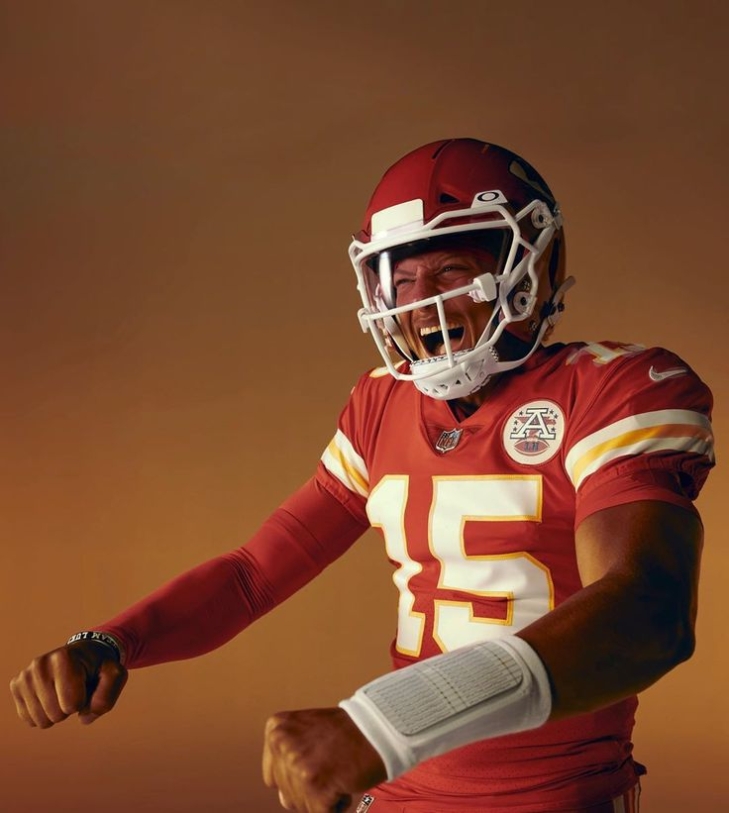
The Hall of Fame promises to be a crowded place for quarterbacks in the AFC in 20 years if the current crop of players continue to astound and develop. The 2022 season has highlighted the rise of brilliant young quarterbacks, so much so that Patrick Mahomes, at the age of 27, is the elder statesman of the group. The Kansas City Chiefs player has already put forward an impressive resume for his Hall of Fame credentials. He's already won one Super Bowl and reached another in the first five years of his career.
The Chiefs are once again backed as one of the leading contenders in the odds to win the Super Bowl. A second Vince Lombardi Trophy would all but ensure that Mahomes will be donning a yellow jacket at the end of his career. However, there will be intense competition along the way due to the quality of quarterbacks and teams in the AFC Conference alone. That will make Canton, Ohio a crowded place should they all opt to retire at the same time. It will also make for an enthralling 20 years of AFC action, bringing back memories of the conference when it was at its best, a time when Tom Brady, Peyton Manning, Philip Rivers, Ben Roethlisberger and others battled it out to reach the Super Bowl.
The new era looks even more exciting.
Patrick Mahomes
Mahomes has almost punched his ticket to Canton and, if he opted to retire tomorrow, there would be few doubters that would deny him a place in the Hall of Fame. He has been electric on the field since replacing Alex Smith in his sophomore season. Mahomes appears to be all set to win his second MVP after a brilliant 2022 season in which he propelled the Chiefs to the number one seed, notably without Tyreek Hill.
That was a major challenge for Mahomes, but he passed with flying colors, connecting with his new wideouts. With Travis Kelce closer to the end of his career than the start, he will have to continue to develop players around him. Mahomes will now aim to reach his third Super Bowl to banish memories of his side’s defeat to the Tampa Bay Buccaneers in the 2020 campaign.
Josh Allen
Allen and Mahomes played out a thrilling Divisional Round matchup last season. Mahomes’ brilliance in the final 13 seconds tied the game before the Buffalo Bills were beaten in overtime to deny them a second-straight AFC Championship appearance. Allen has been incredible once again this season, displaying maturity and leadership as well as having every throw in the book. He alone will give the Bills a fighting chance in the AFC every year.
Even after Tom Brady's exit, it was not easy to dethrone the New England Patriots at the top of the AFC East. But Allen and Buffalo are now kings of the East and will now look to transfer that dominance to the AFC. He and his team just need to raise their levels in the big games, because only then can Allen be considered one of the greats.
Joe Burrow
Burrow well and truly announced his arrival lasts season with a brilliant run to knock off the Chiefs away at the AFC Championship Game. The Bengals were not quite ready to win the Super Bowl, narrowly losing out to the Los Angeles Rams. However, Burrow and his team are a confident bunch and, with Joe Cool as quarterback, will be contenders every year.
Burrow has earned comparisons to Brady when it comes to his demeanor on the field. He always seems to make clutch throws with pinpoint accuracy when it matters the most. Burrow doesn’t have the wow plays of Mahomes and Allen, but he's downright clinical when required. If the Bengals can keep him upright and injury-free, Cincinnati will be a perennial Super Bowl contender.
Burrow has the personality and drive to win multiple crowns. Although he'd be doing very well to ever match Brady, he is certainly capable of winning one or two.
Trevor Lawrence
In the early stages of the 2022 seasons there were fears that Lawrence was trending towards being a bust. He endured a miserable rookie campaign, which was entirely the fault of former head coach Urban Meyer, who failed to last the term with the Jacksonville Jaguars. Doug Pederson’s arrival promised stability and the chance for Lawrence to develop. It didn’t appear to go that way after a poor performance in a loss to the Denver Broncos.
But from then on Lawrence flicked the switch and was sensational down the stretch, guiding his team to seven victories in nine games. The Jags won the AFC South for the first time since 2017 and it could well be the start of an era of dominance. Lawrence’s performances were made all the more impressive considering the lack of talent around him. If the Jags get him some top-tier receivers, he will flourish in Florida.
Justin Herbert
Herbert is the other quarterback in the AFC West that has all the tools, but has not quite put it all together yet. He won Rookie of the Year ahead of Burrow and Tua Tagovailoa in 2020, but he has not been able to take the next step yet, despite making the post-season for the first time in 2022. The Los Angeles Chargers have always had a string of bad luck and bad decision-making that has held them back. They cannot afford to let that happen to Herbert as it did his predecessor Rivers.
Herbert has all the talent in the world and skills to match Mahomes, Allen and Burrow. He just needs to settle in with a composed coach that will allow him to thrive in the big moments. Herbert could be the answer to the Chargers’ longstanding playoff woes.
Tua and Lamar
Lamar Jackson could have been on the same trajectory as the other quarterbacks, but injuries and a lack of post-season form has stalled his progress. Renowned for his running ability, he has developed as a passer, making him a dual-threat quarterback. Until he can resolve his injury woes once and for all, he and the Baltimore Ravens are going nowhere.
It’s the same story for Tua and the Miami Dolphins. After two poor seasons, head coach Mike McDaniel appeared to unlock Tua's potential. Tua connected with Tyreek Hill and Jaylen Waddle to devastating effect to propel Miami towards the number one seed in the AFC. However, he sustained two concussions over the course of the season, the second one ruling him out of the final three games of the campaign. That is a huge concern for the Dolphins moving forward, and could end a bright career.
