

Current Hockey Hall of Fame Inductees (383)
Outside of the province of Ontario, how many people are aware of the city of Kingston? Let’s take that a step further. How many outside of Canada know about this place? We will wager that it isn’t a lot, and those that answer that they heard of it, probably are thinking of the version in Jamaica instead. Now had this city on the Northeastern corner of Lake Ontario remained the home of the Hockey Hall of Fame would it have developed a bit of an international flair or enhanced reputation? Maybe it would have been more of a staple of “Canadiana”, as Kingston is the home of the First Canadian Prime Minister, and the unofficial band of Canada, The Tragically Hip. Stands to reason that it would have been a great fit for the unofficial sport of Canada (it is actually lacrosse) and the official passion of the country.With the launch of the Baseball Hall of Fame, the sport of hockey looked to follow suit. Its biggest league, The National Hockey League had a core of seven teams (which was pared down to six in 1942, when the New York Americans suspended operations) was a healthy organization, and though it was only relevant in cold weather climates, it was a sport that already had a long history, and the coveted Stanley Cup; which was then (and still is) the most impressive trophy in the entire sporting world.
The biggest proponent of an institution recognizing hockey excellence was a Canadian named James T. Sutherland. Born in 1870 (in Kingston naturally), Sutherland played as much hockey as he could and was a member of the Athletic Club of Kingston which was part of what was believed to be the first organized league the sport had. He would later form the Kingston Frontenacs, who would participate in the Ontario Hockey Association and would eventually become the Leagues president. Captain Sutherland (a rank he would achieve serving for Canada in World War I) would create the Memorial Cup; a trophy honoring those who fought in the Great War and to be given to the top Junior team in Canada. Incidentally, this is still the same trophy given to the team that wins the post season tournament in the Juniors in Canada.
Once the National Hockey League and the Canadian Amateur Hockey Association agreed to mutually put together a Hall, Sutherland (who had also served as the President of the CAHA) fought for Kingston to be its home. It was not just because he was a native of the city, but because he legitimately believed that Kingston was the rightful birth of modern hockey (which is near impossible to prove). Regardless of where hockey began, Kingston was to be pegged as its home.
Although construction had yet to begin on the facility, the first class was selected in 1945 which inducted nine players. It also had a “Builders” category which honored those who helped develop the game. As we look at those who are inducted to this institution, we will do so chronologically. Let’s take a ride on Hockey’s highway shall we?
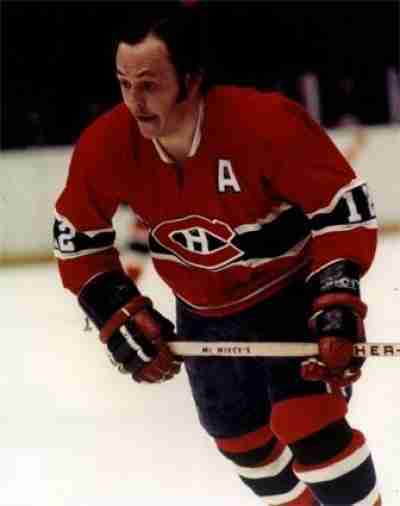
Dubbed the “Roadrunner” for his small frame and blazing speed, Yvan Cournoyer played his entire career with the Montreal Canadians and won a whopping eight Stanley Cups. Cournoyer was not just a participant in those excellent Habs teams but was one of its stars.
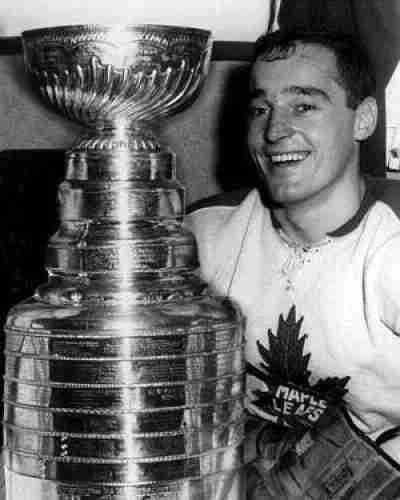
“The Big M”, Frank Mahovlich had a very productive career, though the way he was constantly booed by the Toronto Maple Leafs (while he played for them), you would never have known it.
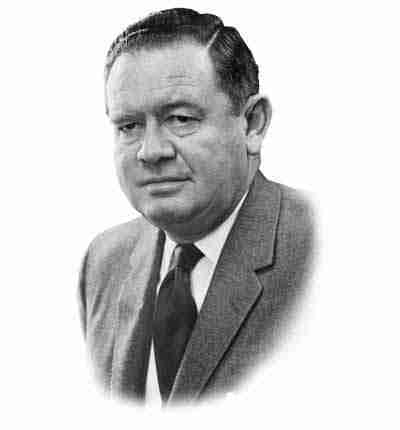
Inducted into the Hockey Hall of Fame for his work in American and International Hockey, William Tutt helped to build the Broadmoor World Arena in Colorado Springs which would be the host of the first ever NCAA Hockey Championships. Tutt also helped organize the United States National Team and helped to organize the Soviet National Team’s visit to the States in 1959. He also brought the…
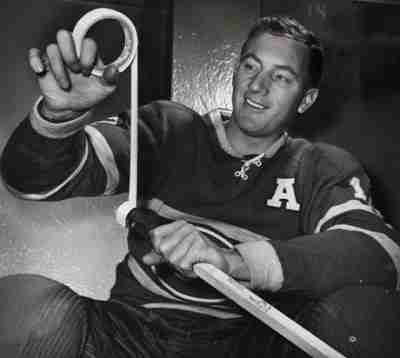
Dickie Moore was a big part of that loaded Montreal Canadians dynasty of the late 1950’s. On the same line with the Richard brothers (Maurice & Henri), Moore was not just along for the ride as he was a two time Art Ross Trophy winner for leading the National Hockey League in scoring. Moore was not just a goal scorer and a playmaker as he was…
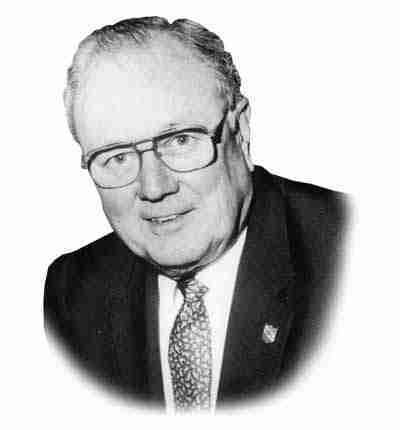
Bud Poile had a successful run as a player in the National Hockey League, but his entry into the Hockey Hall of Fame is based on his ability as a Coach and General Manager. He won three championships as the Head Coach for the Edmonton Flyers in the Western Hockey League, and when the NHL expansion happened in 1967, he received the opportunity to become…
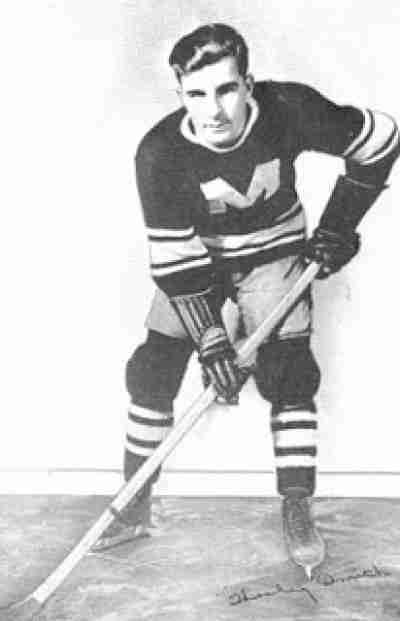
The last surviving member of the famed “S’ line for the Montreal Maroons, Hooley Smith was the captain for the Maroons last Stanley Cup in 1935. Smith was considered one of the more complete players in the NHL, as his goal scoring acumen as matched by his ability to deliver devastating checks. This overall skill made Smith a legitimate two way star and it elongated his…
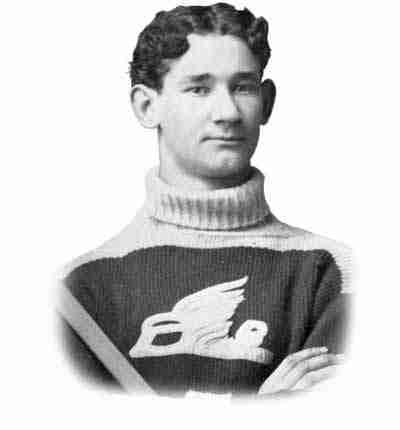
One of the first players to turn professional, Oliver Seibert was a local legend in the Berlin (Kitchener) area. He was alleged to be one of the first players to use a wrist shot, and he was a prolific goal scorer in the old Western Ontario Hockey Association. Seibert turned professional in 1904 when he joined the Canadian Soo. His son, Earl Seibert would also become…
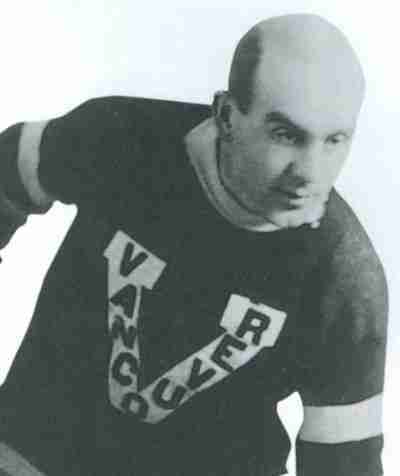
One of the early stars of organized hockey, Cyclone Taylor was a prolific scorer and a great two way player. He would lead his respective league in scoring on multiple occasions and would twice be part of Stanley Cup winning teams. As such, Taylor was rewarded with an early induction to the Hockey Hall of Fame in 1947.
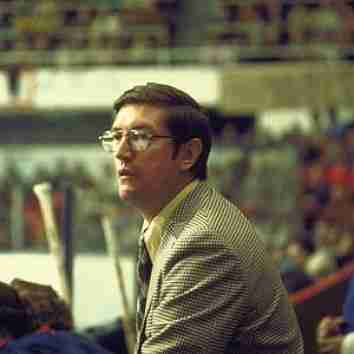
Al Arbour had a respectable career in the National Hockey League playing in over 600 games and winning three Stanley Cups. However, it was as a Head Coach that he entered the Hall of Fame. As soon as Arbour retired as a player with the St. Louis Blues, he was inserted as their Head Coach, but it was in Long Island where he found his…
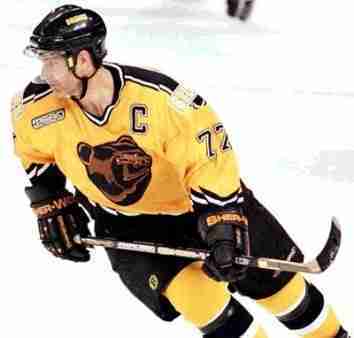
Arguably the top Defenceman in his era, Ray Bourque would finish his career as the highest scoring blueliner in NHL history. Bourque would be named to a staggering nineteen Post Season All Star Teams and would win the James Norris Trophy five times.
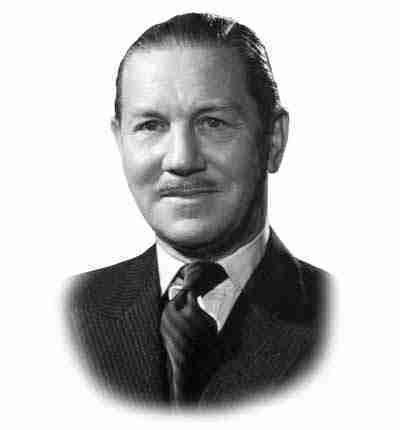
Hartland Molson (Yes, Canadians, he is from THAT Molson family) would become the President and Chairman of the Montreal Canadians and under his watch, the Habs became the most valuable commodity in the sport of Hockey. Molson also worked on behalf of the NHL Finance funds and was a big part in owner/player relations. Maybe, Gary Bettman could have used him the last twenty years.
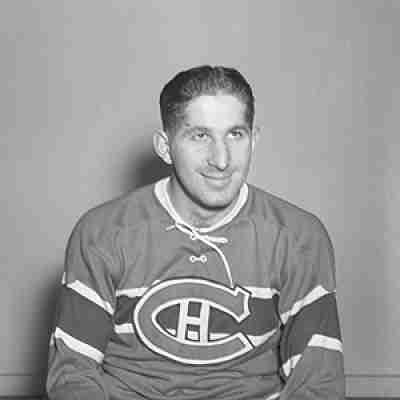
When Elmer Lach retired from professional hockey in 1954, he was the leading scorer in NHL history. This feat was especially impressive considered how injury prone Lach was. The career long Montreal Canadian may have been known for getting injured, but he was revered in the league for his tenacious will to recover quickly from those trips to the hospital. Lach centered the Habs famed “Punch…
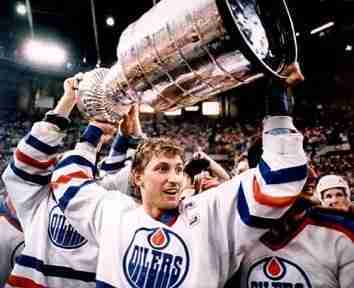
Wayne Gretzky is simply the greatest Hockey player period. Nothing more needs to be said.
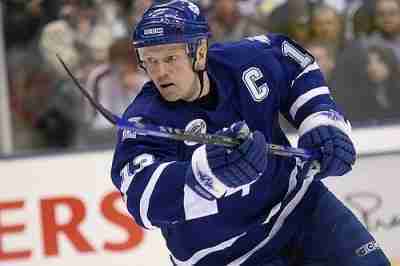
The first ever European born number one NHL Draft Pick did not disappoint in the professional ranks. The Swedish born superstar would become one of the greatest hockey players that his country ever produced, and he would become a hero in Sweden and a star in Toronto, the Mecca of the hockey world. Sadly, Mats Sundin was often the lone bright spot for another wise…
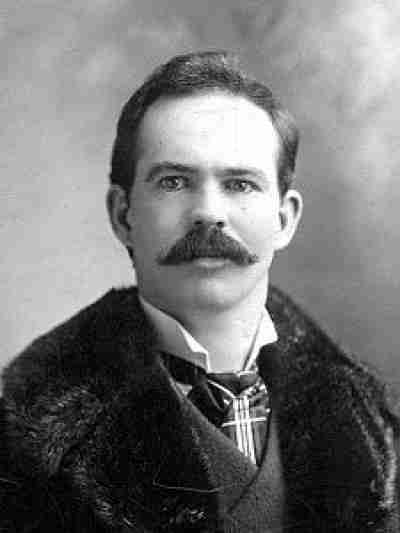
Considered one of the best all-around Canadian athletes in the turn of the century, Dan Bain excelled at everything he touched. Consider that he won the following: The Manitoba Roller Skating Championship at age 13The Manitoba Gymnastics Competition at age 17.Three Manitoba Cycling Championships.Canadian Trapshooting Champion in 1903
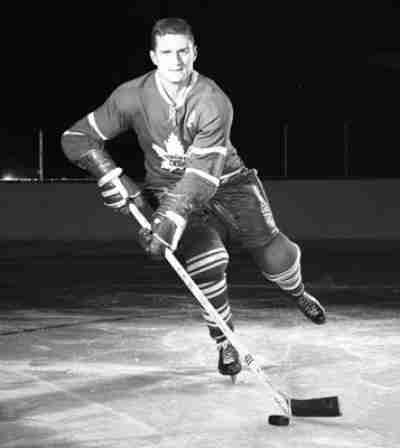
He wasn’t the fastest skater on the ice (a nickname of “Snowshoes” due to his plodding skating style attests to that) but Allan Stanley filled the role of a stay at home Defenceman very well, and was a three time Post Season All Star selection because of it.
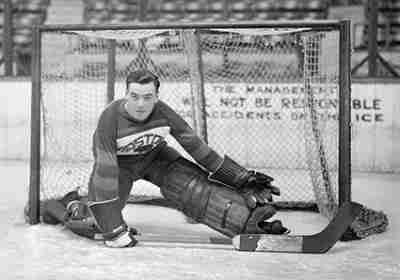
Another player who had a wait maybe a year longer than he should have, Cecil “Tiny” Thompson was a backstopping legend in the early days of the National Hockey League. Thompson was a workhorse who constantly won games for the Bruins and eventually helped them win the Stanley Cup in 1929. The workhorse was consistently the top netminder in multiple categories and in all likelihood should have…
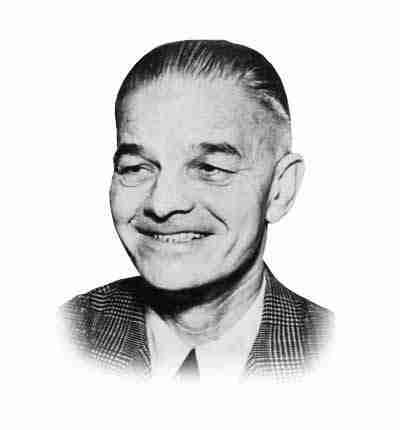
James Dunn’s lifelong work in the world of Manitoba Hockey is what got him his induction into the Hockey Hall of Fame. A minor league hockey player himself, Dunn returned from World War I unable to play, but still was still involved in the minors in an administrative capacity. Later, he began working with the Manitoba Amateur Hockey Association where he served as Secretary, Vice…
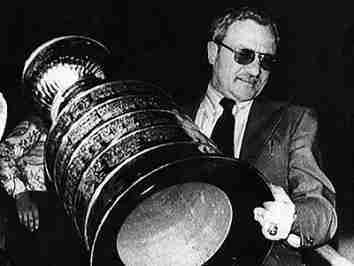
A defenceman who played ten seasons with the New York Rangers, Fred Shero would become a Hockey Hall of Famer for his work as the Philadelphia Flyers Head Coach. Shero would lead the Flyers to Stanley Cup wins in 1974 and 1975 and would win the Jack Adams Trophy as the NHL’s Coach of the Year in 1974.
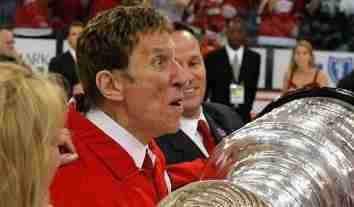
A Detroit based entrepreneur, Mike Ilitch made his mark on the world as the founder of Little Caesar’s Pizza. Despite, the amount of jobs he created, the city of Detroit are probably happier that he bought the Detroit Red Wings. When he bought the team, the Original Six squad was referred to as the “Dead Things” Or “Dead Wings” and they were the dregs of…