

Current Hockey Hall of Fame Inductees (383)
Outside of the province of Ontario, how many people are aware of the city of Kingston? Let’s take that a step further. How many outside of Canada know about this place? We will wager that it isn’t a lot, and those that answer that they heard of it, probably are thinking of the version in Jamaica instead. Now had this city on the Northeastern corner of Lake Ontario remained the home of the Hockey Hall of Fame would it have developed a bit of an international flair or enhanced reputation? Maybe it would have been more of a staple of “Canadiana”, as Kingston is the home of the First Canadian Prime Minister, and the unofficial band of Canada, The Tragically Hip. Stands to reason that it would have been a great fit for the unofficial sport of Canada (it is actually lacrosse) and the official passion of the country.With the launch of the Baseball Hall of Fame, the sport of hockey looked to follow suit. Its biggest league, The National Hockey League had a core of seven teams (which was pared down to six in 1942, when the New York Americans suspended operations) was a healthy organization, and though it was only relevant in cold weather climates, it was a sport that already had a long history, and the coveted Stanley Cup; which was then (and still is) the most impressive trophy in the entire sporting world.
The biggest proponent of an institution recognizing hockey excellence was a Canadian named James T. Sutherland. Born in 1870 (in Kingston naturally), Sutherland played as much hockey as he could and was a member of the Athletic Club of Kingston which was part of what was believed to be the first organized league the sport had. He would later form the Kingston Frontenacs, who would participate in the Ontario Hockey Association and would eventually become the Leagues president. Captain Sutherland (a rank he would achieve serving for Canada in World War I) would create the Memorial Cup; a trophy honoring those who fought in the Great War and to be given to the top Junior team in Canada. Incidentally, this is still the same trophy given to the team that wins the post season tournament in the Juniors in Canada.
Once the National Hockey League and the Canadian Amateur Hockey Association agreed to mutually put together a Hall, Sutherland (who had also served as the President of the CAHA) fought for Kingston to be its home. It was not just because he was a native of the city, but because he legitimately believed that Kingston was the rightful birth of modern hockey (which is near impossible to prove). Regardless of where hockey began, Kingston was to be pegged as its home.
Although construction had yet to begin on the facility, the first class was selected in 1945 which inducted nine players. It also had a “Builders” category which honored those who helped develop the game. As we look at those who are inducted to this institution, we will do so chronologically. Let’s take a ride on Hockey’s highway shall we?
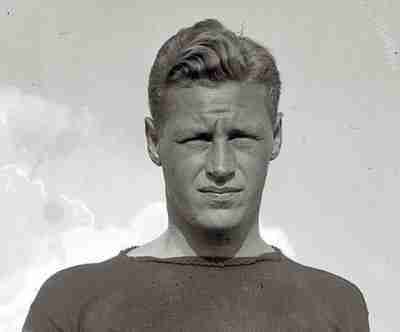
The only member of the Hockey and American College Football Hall of Fame, Hobey Baker also shatters the myth that the early stars of Ice Hockey were only Canadians. Baker could do it all. Starring for both Princeton’s Hockey and Football teams and was one of the most revered athletes of his time. The first legitimate star of American Hockey also was the first American inducted…
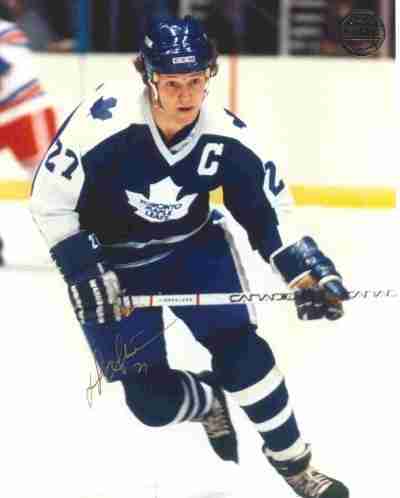
Best known for a still standing NHL record of ten points in a game in 1976, Darryl Sittler was a lot more than just that dream performance. He was an accomplished offensive player who twice topped the 100 point mark while playing for the Toronto Maple Leafs and was the leader of that team through the 1970’s. He was a consistent scorer, but naturally became…
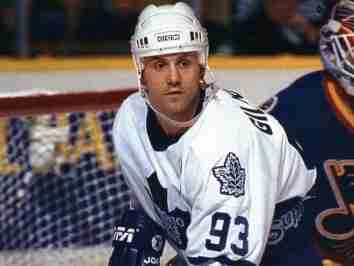
Although Doug Gilmour was undersized, the man dubbed “Killer” became one of the most popular players in the National Hockey League due to his tenacious and feisty play. However, Gilmour was not just ferocious, as he was an effective playmaker who three times hit the 100 points mark in a season and was twice the runner up for the most assists. Gilmour was also a…
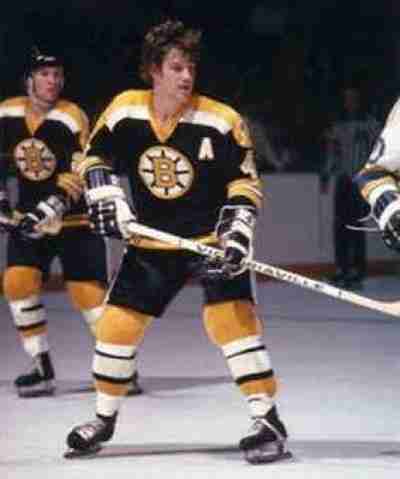
We could write a bible about Bobby Orr, but for the sake of brevity, we will try to highlight this legend’s vast accomplishments.
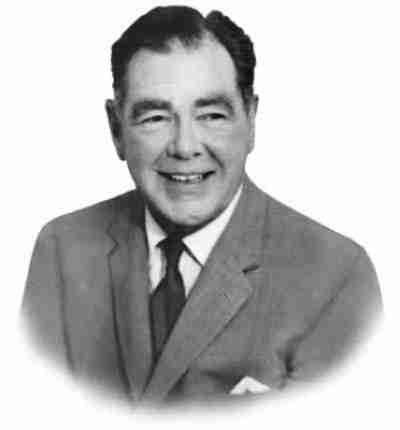
The son of Hockey Hall of Fame inductee, James E. Norris, James D. Norris assisted in the running of the Detroit Red Wings which his father owned. The younger Norris looked to strike out on his own, and along with Arthur Wirtz, purchased the struggling Chicago Black Hawks. Over time, he helped to make the team a viable franchise and in the early 60’s Chicago was…
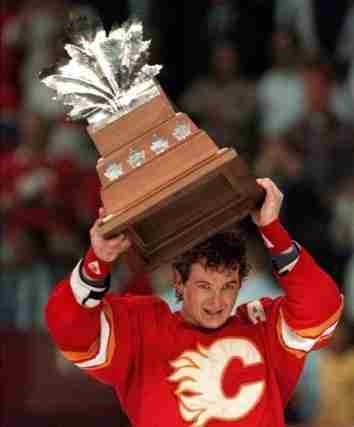
Al MacInnis would go down in NHL history as one of the top offensively skilled Defencemen of all time. He is one of the few of that position to hit the magical 100 point mark in a season and his career total of 1,274 was very impressive. He won the Norris Trophy in 1999 and was a seven time NHL All Star selection. MacInnis actually…
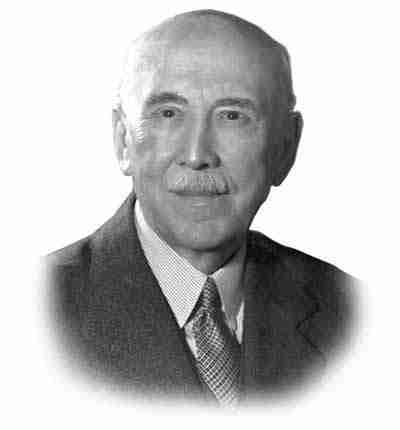
A very important figure behind the scene in the growth of hockey (especially in Montreal), William Northey helped to establish the ECAHA (Eastern Canada Amateur Hockey Association) and later the CAHA (Canadian Amateur Hockey Association). Northey helped to convince Sir Montagu Allan to donate a trophy (The Allan Cup) which was (and still is) given to top Amateur team in Canada. He would become the Cup’s…
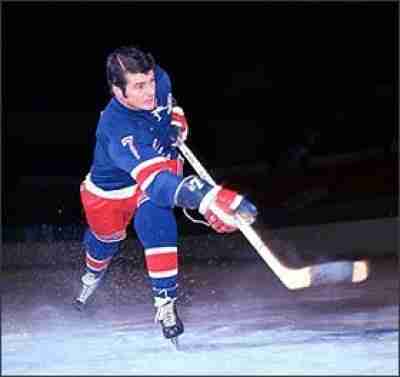
One of the best New York Rangers of all time, Rod Gilbert may never have drank from the Stanley Cup, but the career long Ranger was a consistent producer on Broadway and a regular at the annual All Star game. Gilbert’s best seasons came in the early 70’s, when New York was icing a good team (the teams in the mid 60’s were not particularly good)…
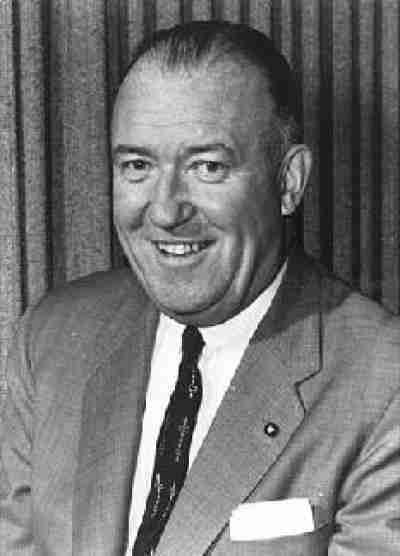
The original owner of the Boston Celtics also played a major role in the development of Hockey in the United States. Brown himself coached the amateur Boston Olympics to five titles and a World Championship and Olympic Bronze. He would later take over the financially struggling Boston Bruins as their president. He would also become the Vice President of the IIHF and the chairman of…
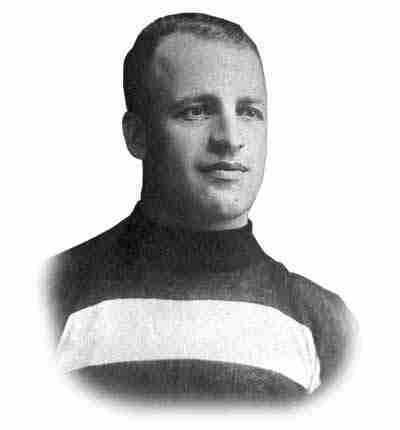
Had there been a Lady Byng Trophy in Eddie Gerard’s day, there is a solid chance he would have won a boatload of them. Gerard was not just a gentlemanly player, but a certifiable star on the blue line. Initially Gerard started his career as a forward, but once he converted to defense he was came into his own and propelled the Ottawa Senators to three Stanley…
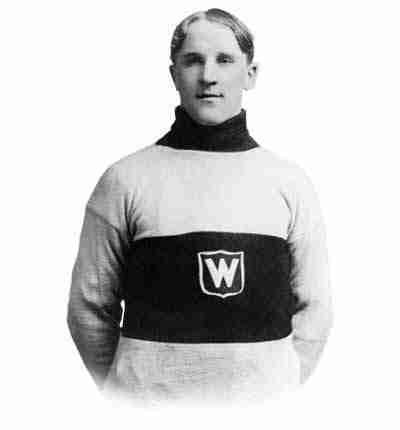
A gifted scorer for the Montreal Wanderers dynasty that won four Stanley Cups in the late 1900’s, Thomas “Moose” Johnson essentially had two distinct careers in organized hockey. Johnson moved west to the Pacific Coast Hockey Association and shifted from Left Wing to Defense yet remained a perennial All Star. His other claim to fame was the use of what is believed to be the longest…
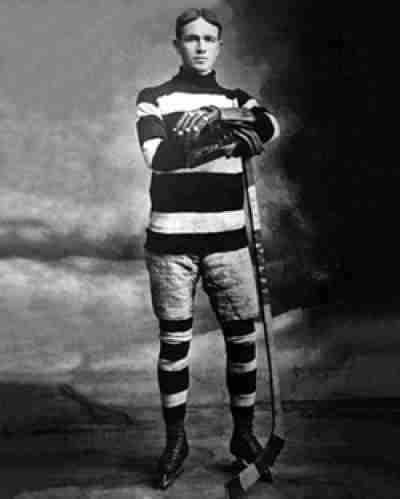
It has to be safe to say that Jack Darragh loved the city of Ottawa. He was born there, died there, and played his entire Hockey career with the Ottawa Senators. A very intelligent player with a wicked backhand shot, Darragh helped the Sens win four Stanley Cups. He was far from the best player on his team, but as a proven winner, he entered the…
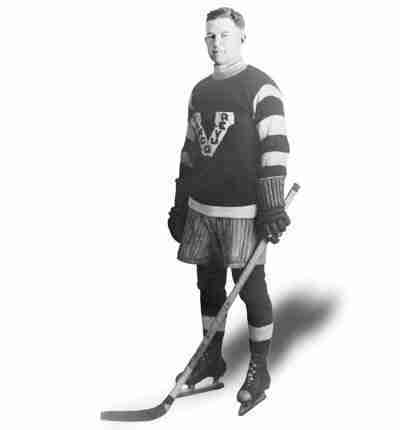
The only man who is on the Stanley Cup as a player, Coach and a General Manager, Jack Adams may have been inducted as a player in 1959, but if the Hall allowed for multiple inductions, Adams would have been enshrined as many times as he appears on the Cup.
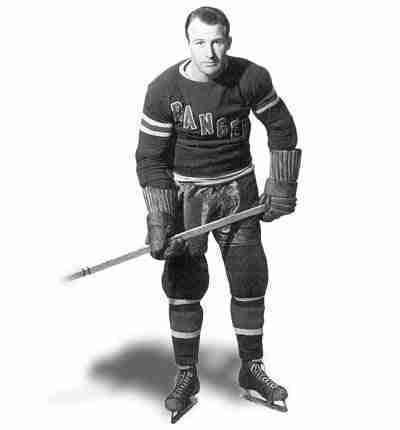
Incredibly durable and freakishly strong, Art Coulter was a physical presence on two Stanley Cup Championship teams. Coulter was adept at both ends of the ice, could mix it up when needed (he led the NHL in Penalty Minutes in one season) and on four occasions was a Second Team All Star. Coulter was the captain when the New York Rangers won the Stanley Cup in…
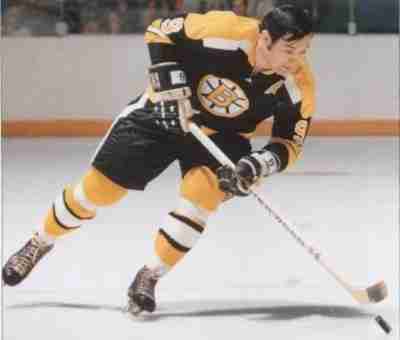
Playing the vast majority of his career with the Boston Bruins, John Bucyk exemplified class and skill throughout his lengthy NHL career. Bucyk may never have been considered the best Left Wing during his day (as evidenced by only two All Star Selections) but he was a very consistent producer and retired ranked number four in points when he retired.
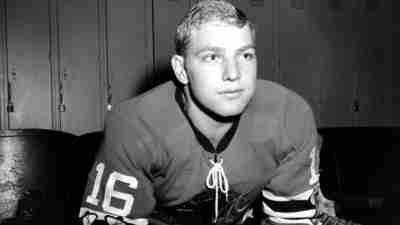
One of the best players of all time, Bobby Hull easily could have been one of the men who the Hockey Hall of Fame could have made a case for early induction. Hull was a dominant force in the NHL throughout the 1960’s, leading the Blackhawks to the Stanley Cup in 1961, and capturing two Hart Trophies along the way.
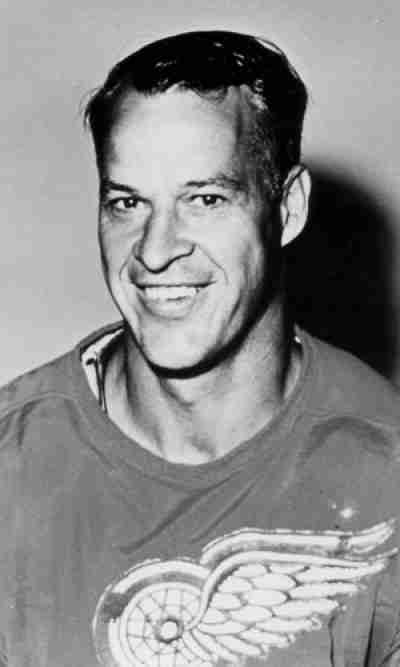
What can you say about Mr. Hockey? Incidentally, Howe would return to professional Hockey with the WHA’s New England Whalers and eventually the NHL in 1980 when WHA merged. Howe actually played in the NHL eight years after he was inducted into the Hockey Hall of Fame!
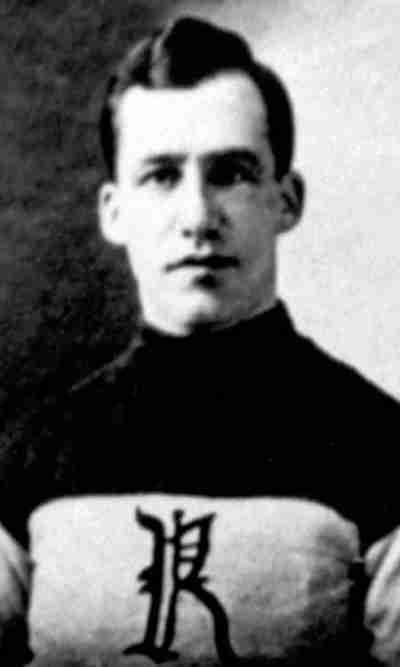
Another of the class of 1963 that likely should not be in the Hockey Hall of Fame, Frederick Whitcroft’s lone Stanley Cup Appearance was aiding the Kenora Thistles defend the Stanley Cup against the team from Brandon, Manitoba. Whitcroft did have a decent touch for scoring goals, but realistically, his career was not a long one and his induction to the Hall of Fame is…
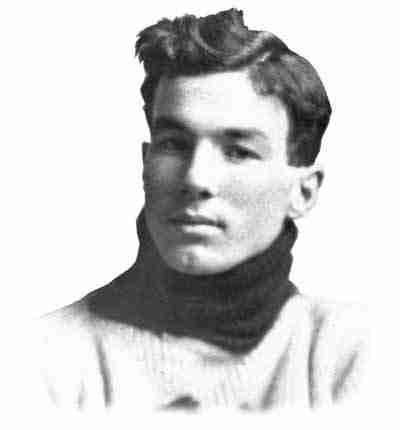
It is very possible that Art Ross may have done enough to enter the Hockey Hall of Fame just for his on ice endeavors, or even enough on his off ice ones. Seriously, he was that important to the game.
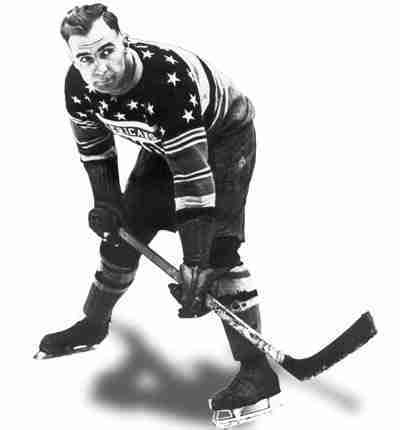
Named Canada’s best athlete in the first half of the 20th Century, “The Big Train” Lionel Conacher excelled at every athletic endeavor he tried. Conacher was a latecomer to Hockey, as he only picked up the game at the age of 16, and though he would become very good, he still considered it his “weakest sport”. Conacher did not turn pro until the age of…