
12. John Mackey
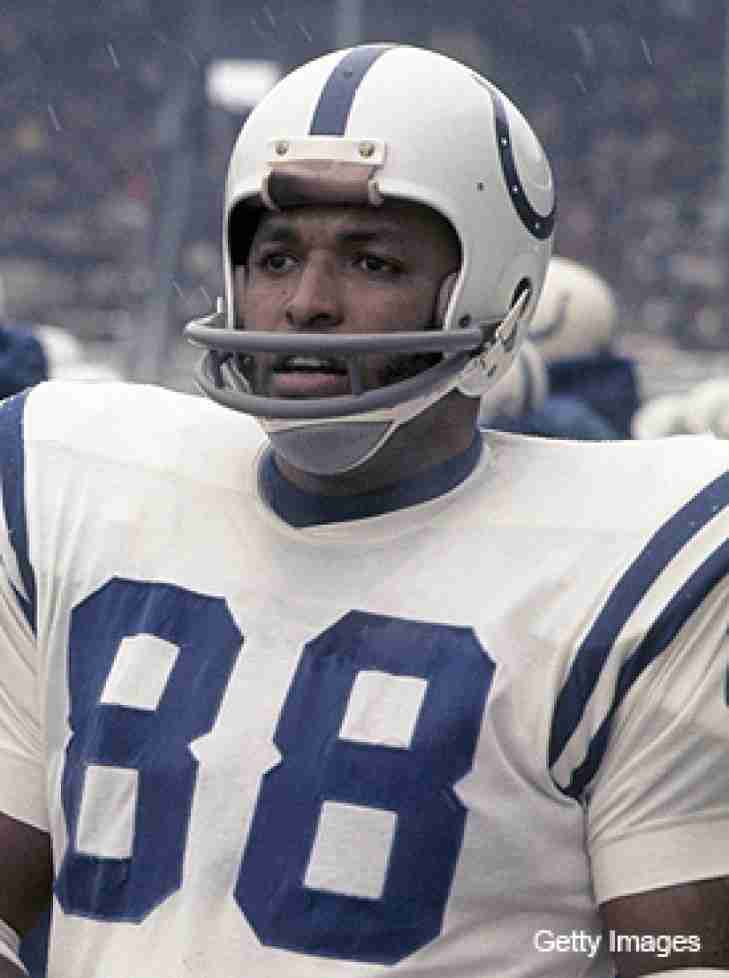
John Mackey is one of those guys.
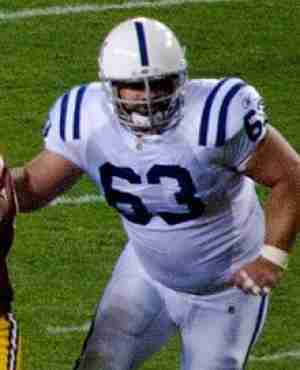
11. Jeff Saturday
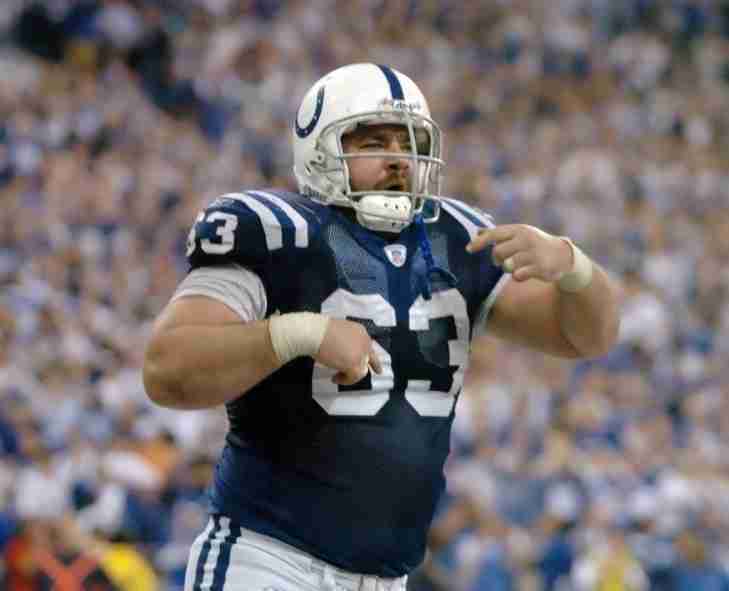
The Colts inducted Saturday into their Ring of Honor in 2015.
7. Reggie Wayne
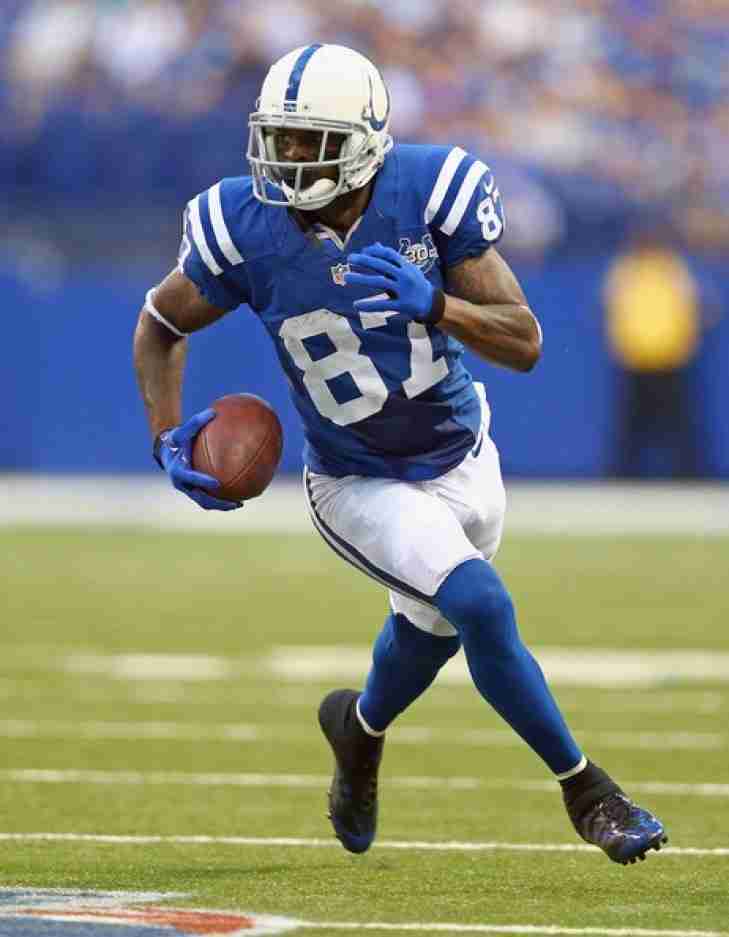
Drafted 30th overall out of Miami in 2001, Reggie Wayne stepped into Indianapolis and spent the next 14 years constructing one of the most reliable and prolific wide receiver careers in pro football history. While initially operating alongside Marvin Harrison in the Colts' high-octane passing attack, Wayne quickly proved he was an elite WR1 in his own right, pairing crisp route-running with exceptional toughness over the middle of the field.
Wayne’s signature style relied on immaculate hands, superb intellect, and a knack for making contested catches in traffic. Whether running precise comeback routes on the perimeter or working crossers behind linebackers, he served as a seamless security blanket for Peyton Manning and later Andrew Luck. His durability became franchise legend; Wayne played in 211 consecutive regular-season games for Indianapolis, routinely shrugging off nagging injuries to remain the offense's primary chain-mover.
His statistical peak spanned from 2004 through 2013, a period when he posted eight 1,000-yard receiving campaigns. His finest hour arrived during the 2007 season, when he stepped fully out of the shadow of Harrison's injuries to lead the entire NFL with 1,510 receiving yards on 104 catches, earning First-Team All-Pro honors. He matched that elite production in 2010 by hauling in a career-high 111 receptions, showcasing a rare longevity that allowed him to seamlessly transition into a leader for a new era of Colts football.
In big-game moments, Wayne was consistently lethal. He caught a crucial 53-yard touchdown pass in Super Bowl XLI to help secure Indianapolis’s championship victory over Chicago, and he ranks top-five in NFL postseason history in receptions (93) and receiving yards (1,254).
Retiring as one of only a handful of players in NFL history to cross the 1,000-reception and 14,000-yard thresholds with a single franchise, Wayne cemented his legacy as an irreplaceable pillar of Title Town Midwest.
Wayne tabulated 1,070 receptions, 14,345 receiving yards, and 82 receiving touchdowns, along with a Super Bowl XLI championship ring. A six-time Pro Bowler, 2007 First-Team All-Pro, and 2007 NFL receiving yards leader, Wayne was inducted into the Indianapolis Colts Ring of Honor in 2018.
9. Edgerrin James
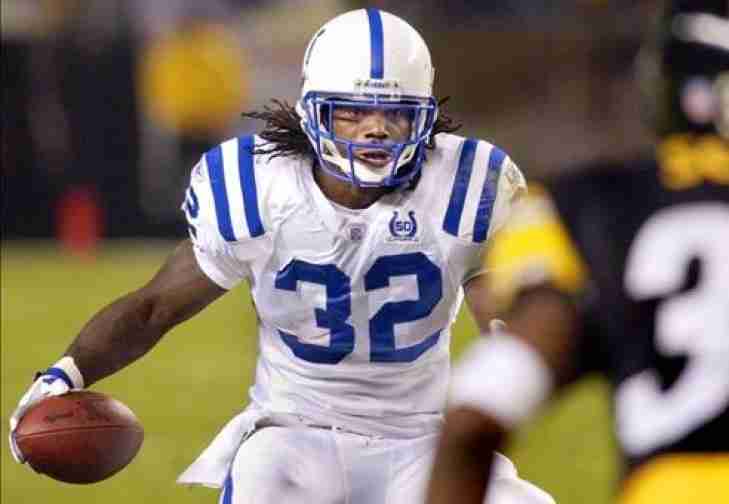
When the Indianapolis Colts shocked draft pundits by selecting Edgerrin James fourth overall out of Miami in 1999 instead of Heisman winner Ricky Williams, fans were skeptical. "Edge" silenced every critic before his rookie month was even over, stepping into the backfield with gold teeth, dreadlocks, and an electric running style that immediately transformed Peyton Manning's offense into an unstoppable, multi-dimensional machine.
James combined powerful leg drive, patient vision, and exceptional soft hands from the backfield. Instead of merely rushing between the tackles, he stood out as an excellent blitz blocker in pass protection, allowing Manning to stay clean and also acting as a dangerous check-down target. His ability to threaten both the ground and air forced opposing defensive coordinators into difficult pre-snap decisions, effectively balancing Indianapolis's deep passing game with a strong rushing attack.
His entry into the league stands among the most dominant back-to-back individual campaigns in NFL history. James captured Offensive Rookie of the Year honors in 1999 while winning the league rushing title with 1,553 yards and 13 touchdowns, adding 586 receiving yards for a staggering 2,139 scrimmage yards. He proved it was no fluke in 2000 by capturing his second straight rushing crown with 1,709 yards and 13 touchdowns, totaling an astounding 2,303 yards from scrimmage—the highest single-season mark in Colts history—to lead the NFL in yards from scrimmage for two straight years.
Even after a torn ACL derailed his 2001 campaign, James showcased incredible resilience. He completely reinvented his approach, relying on razor-sharp decisive cuts and elite field vision to post consecutive 1,500-yard rushing seasons in 2004 and 2005. Though he departed for Arizona just one season before the Colts won Super Bowl XLI, team owner Jim Irsay rightly sent James an official championship ring to honor his foundational role in building that championship era.
James departed Indianapolis as the franchise's all-time leading rusher, accumulating over 12,000 yards from scrimmage in Colts blue and leaving an indelible mark as one of the definitive offensive weapons of the 2000s.
James played 96 games with the Colts (1999–2005) and 148 in his NFL career, rushing for 9,226 yards, catching 356 passes for 2,823 yards, totaling 12,049 scrimmage yards, and scoring 75 touchdowns. He earned four Pro Bowl selections, a 1999 First-Team All-Pro, and two NFL rushing titles. A member of the NFL’s 2000s All-Decade Team, he was inducted into the Colts Ring of Honor in 2012 and the Pro Football Hall of Fame in 2020.
4. Jim Parker
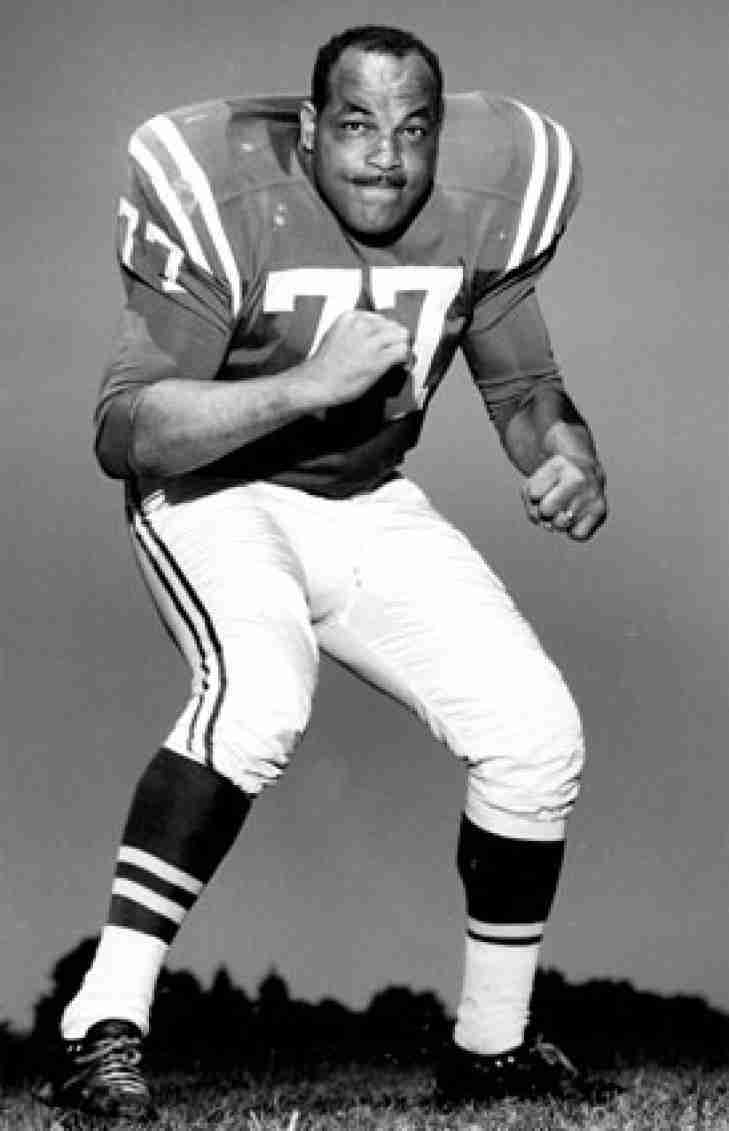
When the Baltimore Colts selected Jim Parker eighth overall from Ohio State in 1957, Woody Hayes lost his prized lineman, but Johnny Unitas gained a pivotal asset that would change pro football history. After winning the Outland Trophy and a national championship with the Buckeyes, Parker arrived in Maryland at 6-foot-3 and 273 pounds—a formidable powerhouse for his era who moved with the agility of a middleweight boxer.
Head coach Weeb Ewbank handed Parker a singular mandate: keep Johnny Unitas untouched. Parker executed that task with clinical perfection, transforming left tackle into an impenetrable fortress. Possessing exceptionally quick feet and wide, punishing hands, he routinely thwarted premier edge rushers, providing Unitas with the pristine pocket time necessary to revolutionize the NFL's passing offense.
After dominating at left tackle for five years, Parker seamlessly kicked inside to left guard in 1962, demonstrating extraordinary versatility without missing a beat. His pulling ability in the run game opened up massive lanes for Lenny Moore and Alan Ameche, giving the Colts a balanced, punishing attack to complement their vertical passing scheme.
His peak years yielded an unmatched run of individual brilliance. From 1958 through 1965, Parker was selected as a First-Team All-Pro for eight consecutive seasons—four times as a tackle and four times as a guard—while earning eight straight Pro Bowl nods. He served as the primary physical anchor for back-to-back world championship teams in 1958 and 1959, including an iconic performance in "The Greatest Game Ever Played."
After retiring following the 1967 campaign, Parker became the first player in NFL history elected to the Pro Football Hall of Fame based exclusively on his achievements as an offensive lineman, earning first-ballot enshrinement in 1973. A member of the NFL 1950s All-Decade Team, 75th Anniversary All-Time Team, and 100th Anniversary All-Time Team, Parker was inducted into the Colts Ring of Honor as a true titan of the game.
1. Peyton Manning
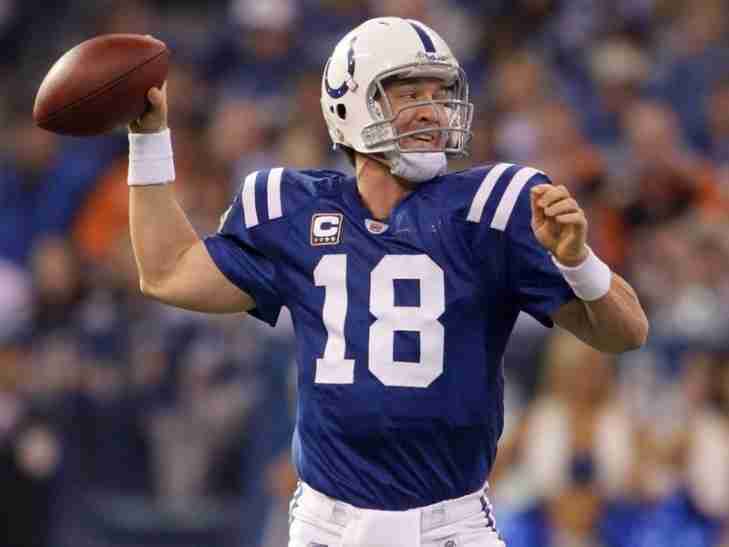
In the lead-up to the 1998 NFL Draft, the Indianapolis Colts held the first overall pick and sat at a monumental franchise crossroads. The debate between selecting Tennessee’s polished, lineage-backed Peyton Manning or Washington State’s physically gifted Ryan Leaf dominated pre-draft analysis nationwide. While Leaf possessed a booming arm and raw athletic upside, Manning won over general manager Bill Polian with an obsessive work ethic and tactical intelligence. Manning famously told the Colts that if they passed on him, he would spend the next fifteen years coming back to beat them—a confidence that convinced Indianapolis to hand him the keys to the franchise.
Again, seriously, pundits actually debated Manning versus Leaf.
Manning took his lumps during a trial-by-fire 1998 rookie campaign, throwing 28 interceptions for a 3–13 team. Yet even amid those growing pains, he set NFL rookie records with 3,739 passing yards and 26 touchdown passes, showing flashes of a cerebral genius that would quickly reshape the position. He responded in 1999 by orchestrating the biggest one-year turnaround in league history at the time, leading Indianapolis to a 13–3 record, an AFC East division title, and his first of eleven Pro Bowl selections in a Colts uniform.
Manning's true distinction lay in his offensive approach, transforming the pre-snap line into a dramatic display. Using a hurry-up, no-huddle offense, he often acted as his own play-caller, analyzing defenses in real-time while issuing dummy calls, quick audibles, and his signature "Omaha!" shouts. His mechanics were precise: a swift, consistent release, excellent footwork, and a remarkable ability to anticipate throws before receivers broke. Manning didn’t just run plays; he often anticipated and out-foxed defensive coordinators well before the snap.
His leadership style was rigorous, passionate, and inspiring, establishing a high benchmark for responsibility within the organization. Manning demanded that his skill players mirror his meticulous preparation, practicing route drills until timing was perfectly precise. Together with Hall of Fame running back Edgerrin James and top-wide receivers Marvin Harrison and Reggie Wayne, Manning built an offensive system that controlled the pace, exploited matchups, and overwhelmed defenses that revealed their plans prematurely.
In 2003, Manning achieved a major milestone by earning his first AP NFL MVP award, passing for 4,267 yards and 29 touchdowns, sharing the honor with Steve McNair. The following year, he had an outstanding season, showcasing one of the most efficient passing performances in football history. Manning surpassed Dan Marino's single-season record with 49 touchdown passes and only 10 interceptions, finishing with an impressive 121.1 passer rating. He also led the Colts to a 12–4 record and won his second consecutive MVP award.
Despite his consistent regular-season success, public focus often centered on whether Manning could clinch the championship. He dispelled these doubts during an exceptional 2006 postseason, beginning with a memorable 18-point comeback against Bill Belichick and the New England Patriots in the AFC Championship. Manning then guided Indianapolis through the rain in Super Bowl XLI, completing 25 passes for 247 yards and a touchdown against the Chicago Bears, earning MVP honors and delivering Indianapolis its first Lombardi Trophy.
Manning’s dominance continued unabated through the back half of the decade, as he added two more NFL MVP awards in 2008 and 2009. In 2009, he rallied the Colts to a franchise-record 14 consecutive wins to start the season, earning his fourth MVP and engineering seven fourth-quarter comebacks. He pushed Indianapolis back to the grand stage in Super Bowl XLIV, cementing his status as the undisputed premier field general of his generation and a perennial title contender.
The fairytale partnership came to a sudden, heartbreaking end when a severe neck injury required multiple surgeries, sidelining Manning for the entire 2011 season. With the team slumping to a 2–14 record without their star and holding the top pick in the 2012 draft, the front office made the agonizing business decision to release their icon. It was an emotional farewell to a quarterback who had not only built the modern Colts franchise but had also effectively built Lucas Oil Stadium—affectionately dubbed "The House That Peyton Built."
Across 13 seasons with the Colts (1998–2010), Manning started 208 consecutive games, with 54,828 yards, 399 TD passes, and 141 wins—franchise records. A four-time MVP, five-time First-Team All-Pro, and 11-time Pro Bowler, he was named to the NFL 2000s All-Decade and NFL 100th Anniversary Teams. The Colts retired his No. 18 jersey, honored him in their Ring of Honor, and built a bronze statue outside Lucas Oil Stadium in 2017. Manning was inducted into the Pro Football Hall of Fame in 2021, cementing his legacy in Indianapolis sports history.
2. Johnny Unitas
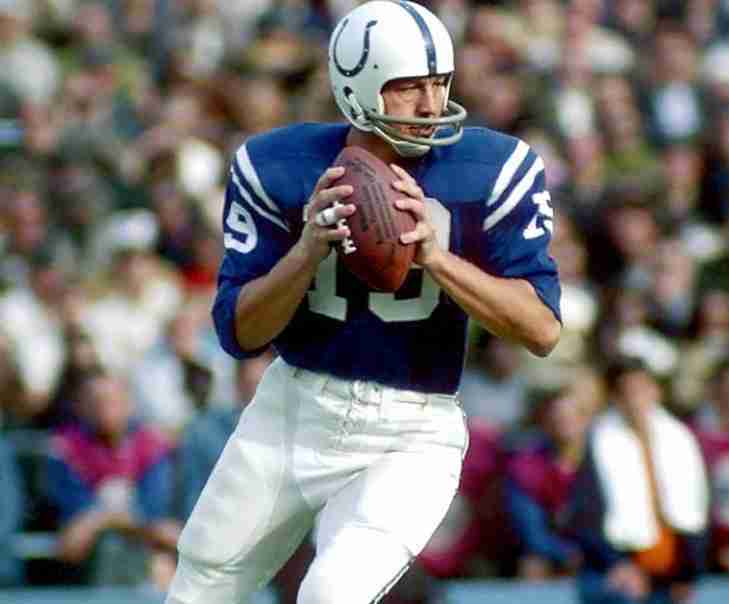
Drafted in the ninth round of the 1955 NFL Draft by the Pittsburgh Steelers—who notoriously cut him before he ever played a down—Johnny Unitas was forced to play semi-pro ball for $6 a game on a dirt field in Pittsburgh while working construction to support his family. Baltimore Colts head coach Weeb Ewbank offered him a second chance in 1956, signing him as a backup. When starter George Shaw broke his leg early that season, Unitas stepped off the bench, threw an interception on his first attempt, and then laid the blueprint for every modern quarterback that followed.
What made "Johnny U" standout among his peers was his exceptional mastery of the passing game, earning him the nickname "The Golden Arm.” Wearing his signature black high-top cleats, Unitas showed unwavering confidence in the pocket, often holding the ball until the last moment to throw accurate passes while absorbing hits from unblocked defenders. He introduced the two-minute drill, made the hurry-up offense popular, and called his own plays from the huddle with a bold, calculated approach that kept defenses guessing and off-balance.
By 1957, Unitas had fully assumed control in Baltimore, leading the franchise to its first winning season while ranking first in the NFL for passing yards (2,550) and touchdown passes (24). The next season was truly remarkable. Unitas guided the Colts to the 1958 NFL Championship Game against the New York Giants, famously called "The Greatest Game Ever Played.” During the league's inaugural sudden-death overtime, Unitas remained calm under pressure as he methodically moved Baltimore down the field, culminating in Alan Ameche’s game-winning touchdown run—a nationally televised moment that propelled professional football into America's top sport.
In 1959, Unitas reached a career high by winning his first AP NFL MVP award, leading the league with 2,899 passing yards and 32 touchdown passes. He finished the season by spearheading a fourth-quarter comeback to beat the Giants in a rematch of the title game, securing back-to-back championships for Baltimore. During this period, Green Bay legend Vince Lombardi famously said about Unitas: "Without him, they're just ordinary. With him, they're great.”
His consistent performance during the regular season set numerous historical records, most famously a streak of 47 straight games with at least one touchdown pass from 1956 to 1960. This record remained unbroken for 52 years, highlighting his dependability week after week during an era when passing rules provided quarterbacks little protection from severe hits.
In 1964, Unitas secured his second NFL MVP award after leading the Colts to a 12–2 season, passing for 2,824 yards and achieving a league-leading 9.3 yards per attempt. He won a third MVP in 1967, completing a league-high 58.5% of his passes for 3,428 yards. Despite injuries toward the end of his career, his veteran leadership helped guide the Colts to victory in Super Bowl V, where they defeated the Dallas Cowboys, and he earned his final world championship ring.
Throughout 17 seasons in Baltimore (1956–1972), Unitas played 206 games, with 39,768 passing yards and 287 touchdowns. A three-time NFL MVP, five-time First-Team All-Pro, and 10-time Pro Bowler, he retired as the NFL's all-time leader in passing yards, completions, and touchdowns. Named to the NFL’s 50th, 75th, and 100th Anniversary All-Time Teams, his No. 19 jersey was retired by the Colts. Enshrined in the Hall of Fame in 1979, Unitas is regarded as the father of modern quarterback play.
5. Marvin Harrison
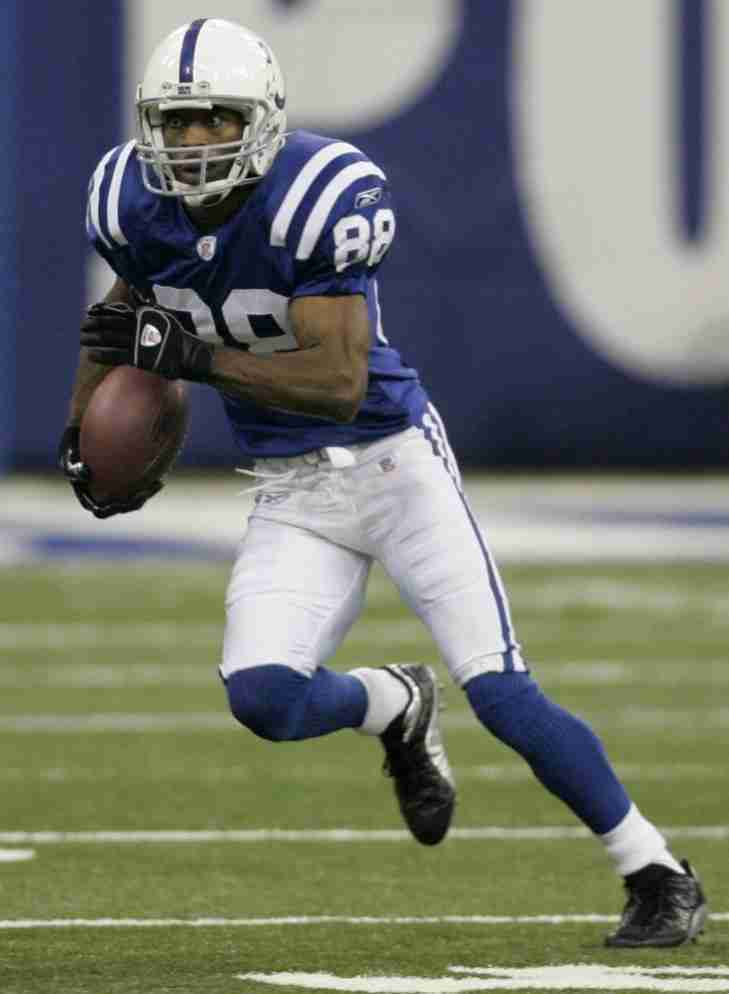
Quiet, unassuming, and ruthlessly clinical on the field, Marvin Harrison redefined route-running precision from the moment the Indianapolis Colts selected him 19th overall out of Syracuse in 1996. While he showed immediate promise over his first two seasons, his career reached supersonic speeds in 1998 with the arrival of rookie quarterback Peyton Manning. Together, they forged the most prolific and telepathic passing partnership in pro football history, completely torching NFL secondary schemes for a decade.
Harrison’s playing style relied on spatial mastery rather than physical frame. Operating at a lean 6-foot-0, he possessed an uncatchable release off the line of scrimmage, using sudden, violent footwork and quick hands to render press coverage completely useless. Opposing cornerbacks couldn't jam him, and his ability to sink his hips and make full-speed breaks on 90-degree angles left defenders flailing in open space.
Beyond his routes, Harrison was arguably the greatest boundary artist the sport has ever seen. He specialized in tiptoeing the sidelines, adjusting late to deep balls over his shoulder, and plucking passes out of the air with sticky, effortless hands before defenders could even react. His refusal to engage in trash talk or elaborate celebrations only heightened his terrifying aura; he simply handed the ball to the referee and lined up to destroy the defense again on the very next snap.
His absolute statistical peak from 1999 through 2002 stands as one of the most blistering four-year stretches by any receiver in gridiron history. During this span, Harrison averaged 120 receptions, 1,580 yards, and nearly 13 touchdowns per season. The masterpiece arrived in 2002, when he shattered Herman Moore's single-season record by hauling in an astonishing 143 receptions for 1,722 yards and 11 touchdowns—a mark that stood untouched for 17 years.
When the Colts finally broke through to win Super Bowl XLI over Chicago, Harrison served as the veteran offensive anchor. By the time he hung up his cleats, his telepathic chemistry with Manning had yielded NFL records for the most completions (953), passing yards (12,766), and passing touchdowns (112) by a QB-WR duo.
Harrison played in 190 regular-season games with 188 starts. He compiled 1,102 receptions, 14,580 receiving yards, and 128 receiving touchdowns, along with a Super Bowl XLI championship ring. An eight-time Pro Bowler, three-time First-Team All-Pro, two-time NFL receiving yardage leader, and member of the NFL’s 2000s All-Decade Team, Harrison was inducted into the Colts Ring of Honor in 2011 and enshrined into the Pro Football Hall of Fame in 2016.
6. Raymond Berry
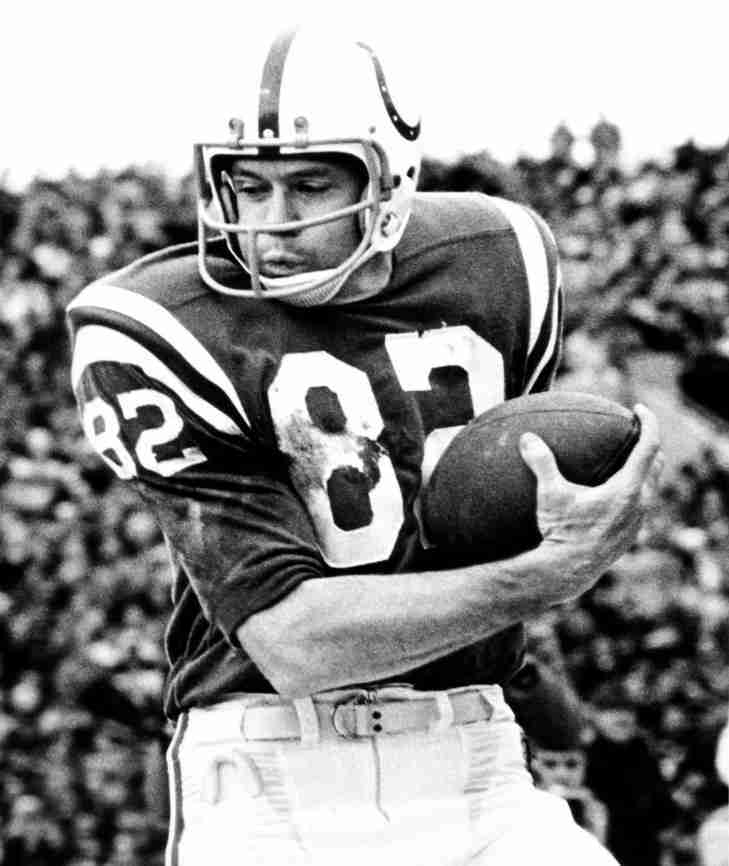
Overcoming a shortened leg, wearing a back brace, and dealing with poor eyesight that required thick-lensed glasses on the field, Raymond Berry turned physical adversity into legendary mastery. Drafted out of SMU in the 20th round in 1954, Berry spent hours after practice running routes until dark, pioneering precise route running and turning wide receiver play into a science.
Berry's relentless pursuit of perfection made him an ideal opponent for Johnny Unitas, forming the iconic passing duo of the 1950s. Though he lacked top-tier speed, Berry designed more than 50 different route variations, employing deceptive head fakes, quick cuts, and precise footwork to break away from defenders. With soft, dependable hands and a well-known grip-strengthening routine, he rarely let the ball slip and significantly reduced fumble occurrences.
His peak years, from 1957 through 1960, saw him dominate the league with mechanical precision. Berry led the NFL in receiving yards three times (1957, 1959, 1960) and in receptions three times (1958–1960), capturing the receiving "Triple Crown" in 1959 by leading the league in catches (66), yards (959), and receiving touchdowns (14). He earned three consecutive First-Team All-Pro honors (1958–1960) and was selected to six Pro Bowl rosters.
When championship stakes were highest, Berry was untouchable. In "The Greatest Game Ever Played"—the 1958 NFL Championship Game against the New York Giants—Berry caught 12 passes for 178 yards and a touchdown, including three critical receptions on the game-tying drive late in regulation to set up Baltimore's overtime victory. He followed that up with another title in 1959, cementing the Colts as a dominant force of the era.
Retiring as the NFL's all-time leader in receptions and receiving yards at the time, Berry's relentless work ethic established the modern template for route-running technique.
Berry compiled 631 receptions, 9,275 receiving yards, and 68 receiving touchdowns, along with two NFL Championship titles (1958, 1959). He was named to the NFL 1950s All-Decade Team, 75th Anniversary Team, and 100th Anniversary Team. Berry was enshrined in the Pro Football Hall of Fame in 1973 and inducted into the Colts Ring of Honor.
3. Gino Marchetti
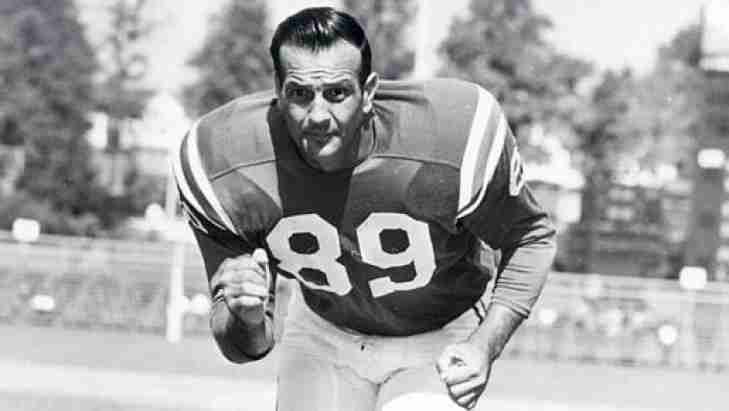
A World War II veteran who fought in the Battle of the Bulge before starring at the University of San Francisco, Gino Marchetti arrived in Baltimore in 1953 via the Dallas Texans dispersal draft. Standing 6-foot-4 and 245 pounds at defensive end, Marchetti redefined edge play in pro football, deploying an explosive speed rush, elite leverage, and cat-like agility that made him virtually unblockable for a decade.
Technically, Marchetti operated ahead of his time. He was one of the first defensive ends to weaponize a true "arm-over" swim move, slapping away an offensive tackle’s hands the instant the ball was snapped to burst into the backfield untouched. When blockers tried to set up wide to counter his outer-edge speed, Marchetti would convert his momentum into raw, bull-rushing power, collapsing the pocket directly into the quarterback’s face. Opposing coaches routinely assigned two or three blockers to slow him down, but his motor never idled, opening up easy pass-rushing lanes for teammates like Art Donovan and Eugene Lipscomb.
Beyond his pass-rushing acrobatics, Marchetti set a gold standard for interior edge setting against the run. He possessed extraordinary peripheral vision and spatial awareness, diagnosing play-action fakes in a heartbeat and shedding blocks to shut down sweep plays before they could develop. Hall of Fame offensive tackle Forrest Gregg once called Marchetti the single hardest player he ever had to block, marveling at how a player could combine such ferocious physical contact with absolute tactical discipline.
His peak years from 1956 through 1964 represent one of the most dominant individual stretches in NFL history, yielding nine First-Team All-Pro selections across his career. In 1957, Marchetti spearheaded a defense that turned Baltimore into an elite contender, and by 1958, he was the undisputed heart of the squad. In 1960, informal film charts credit him with leading the league in sacks, and unofficial Colts team tracking once recorded him logging an astounding 43 sacks in a single 12-game season—a testament to how completely he destroyed opposing game plans.
His defining moment unfolded during "The Greatest Game Ever Played"—the 1958 NFL Championship Game against the New York Giants. With Baltimore clinging to a late lead, Marchetti made a game-saving tackle on third down to stop Frank Gifford short of a first down, breaking his own leg in a violent pileup. Refusing to leave the field for treatment, Marchetti watched from a stretcher behind the end zone as his teammates rallied to win in overtime, securing the franchise's first world title before returning the following season to captain a repeat championship in 1959.
From 1954 through 1964, Marchetti earned 11 consecutive Pro Bowl selections, cementing his place as the cornerstone of Weeb Ewbank’s defense. Though sacks were not an official NFL statistic during his playing days, modern film study credits him with 138.0 unofficial career sacks (though only 56.0 via the work of Pro Football Reference), making him one of the premier pass rushers in gridiron history.
Marchetti was also a member of the NFL’s 1950s, 75th, and 100th Anniversary Teams; he was inducted into the Hall of Fame in 1972, and the Colts retired his No. 89.
The Indianapolis Colts to retire Peyton Manning's Number
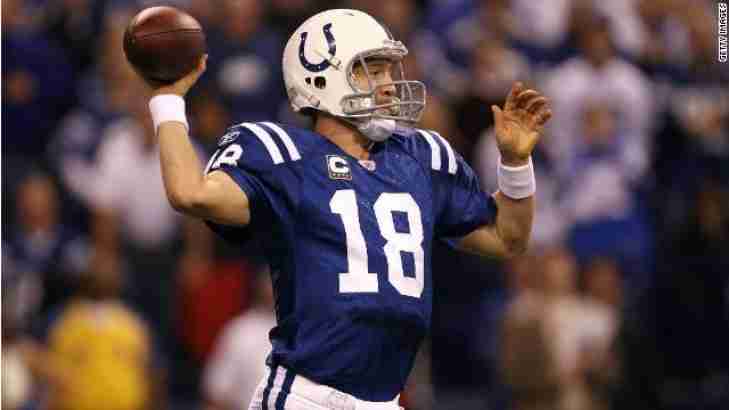
This being said, it is news to us that the Indianapolis Colts will be retiring the number 18 of former Quarterback, Peyton Manning and will also be erecting a statue in his honor outside of Lucas Oil Field.
The number one draft pick in 1998, Manning was the team’s starting Quarterback for fourteen years and was the NFL MVP four times. Manning took the Colts to the Super Bowl twice, winning one of them, and threw 399 Touchdown Passes with 54,828 Yards as a Colt and is a surefire first ballot Hall of Famer.
This will be the eight number retired by the Colts.
We would like to congratulate the Indianapolis Colts and Peyton Manning at this time and we are sure it will be a beautiful moment for the fans of Indianapolis.
A look at Tony Dungy's PFHOF induction
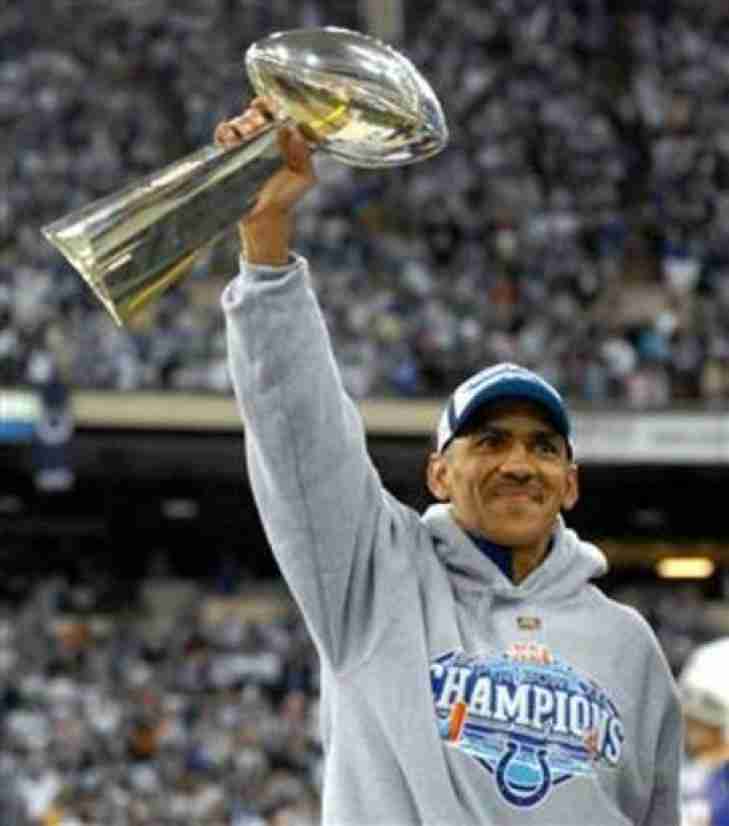
Now that the Baseball Hall of Fame Class of 2016 has announced their class has done the same. We were hopeful to do this prior to the announcement of the actual inductees, but life, as it often does simply got in the way!
Saying that, we felt it was worth our time to take a look at the 2016 Nominees and debate whether they should have gotten in (or not) and look to the future of the Pro Football Hall of Fame.
A look at Marvin Harrison's PFHOF Induction
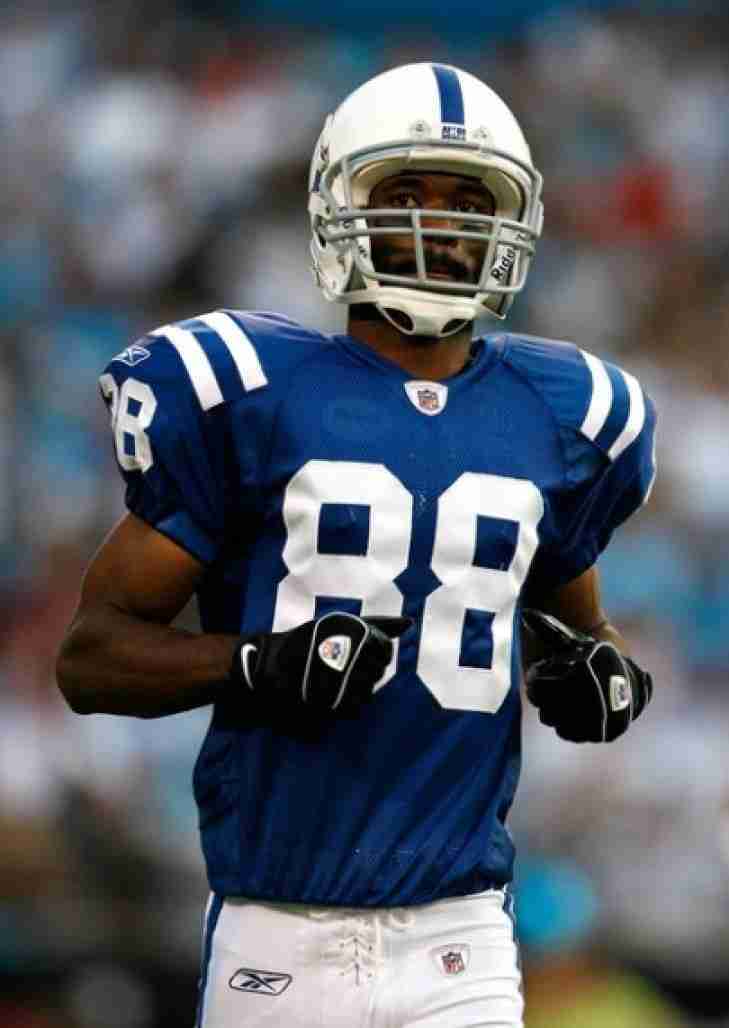
Now that the Baseball Hall of Fame Class of 2016 has announced their class has done the same. We were hopeful to do this prior to the announcement of the actual inductees, but life, as it often does simply got in the way!
160. Chris Hinton
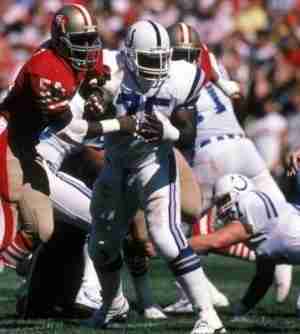
73. Jeff Saturday