
38. Marcus Trufant
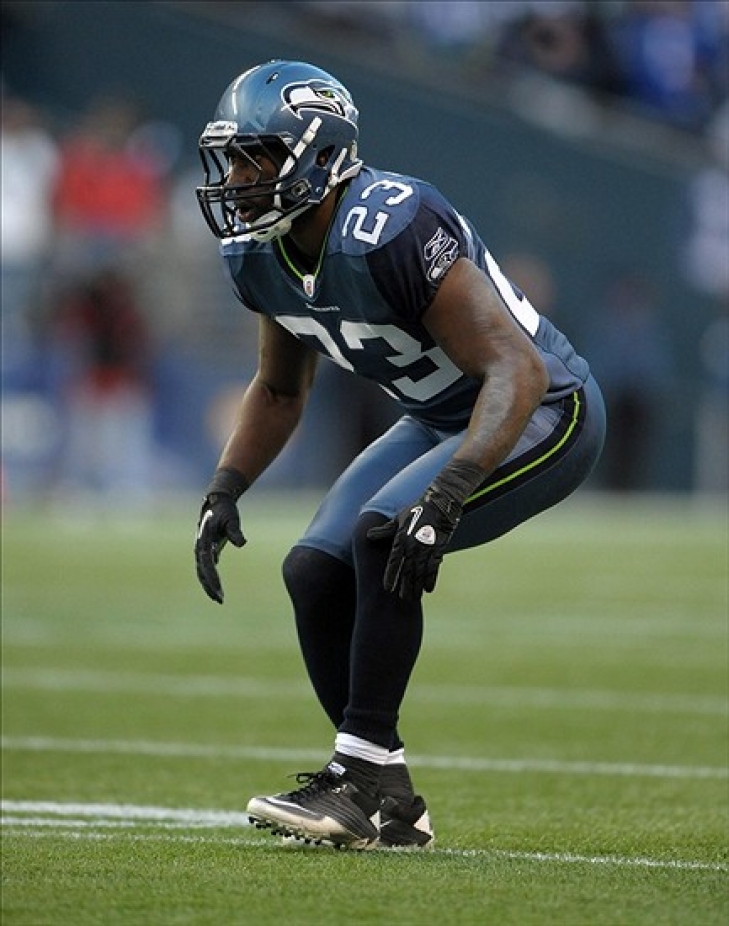
Marcus Trufant was Seattle’s First Round Pick (11th Overall) in 2003, and the former Washington State Cougar was an immediate starter by the Seahawks.
50. Norm Johnson
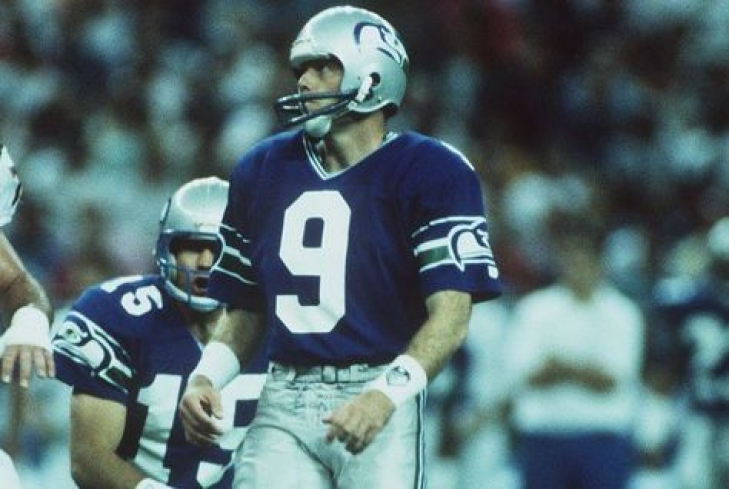
Like many Kickers, Norm Johnson was not drafted, but the Seahawks signed the UCLA player in training camp, and he made the team as their primary Place Kicker.
49. Russell Okung
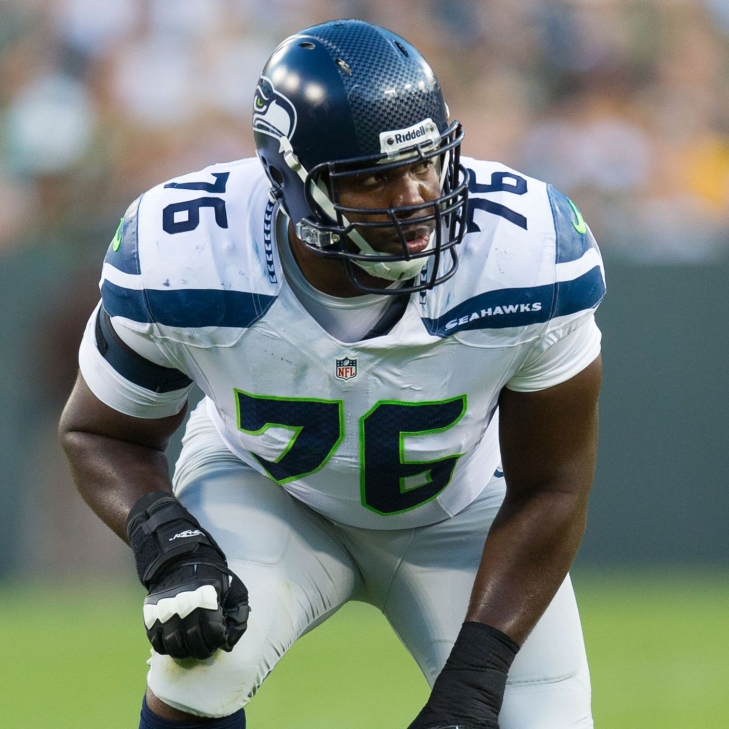
Russell Okung came from Oklahoma State as a First Round Pick (Sixth Overall) in 2010, and he was immediately slotted in as the Seattle Seahawks’ starting Left Tackle. Okung played for Seattle for five years, and as long as he was wearing a helmet, he was starting. He provided stability to Russell Wilson's left side, and he was a significant factor in the Seahawks back-to-back AFC Championships, and their Super Bowl XLVIII win.
48. Brandon Mebane
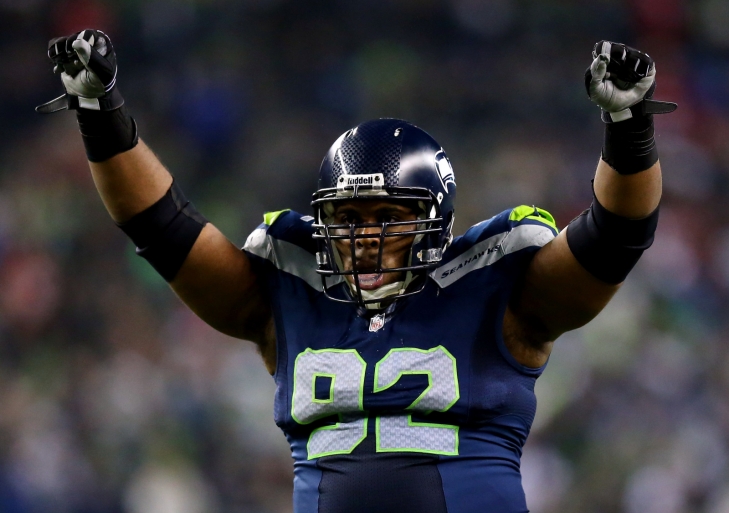
Brandon Mebane did not have a career that stood out, but not every football player needs to be a superstar. He was solid and dependable, and every football player needs glue guys like Mebane.
44. Julian Peterson
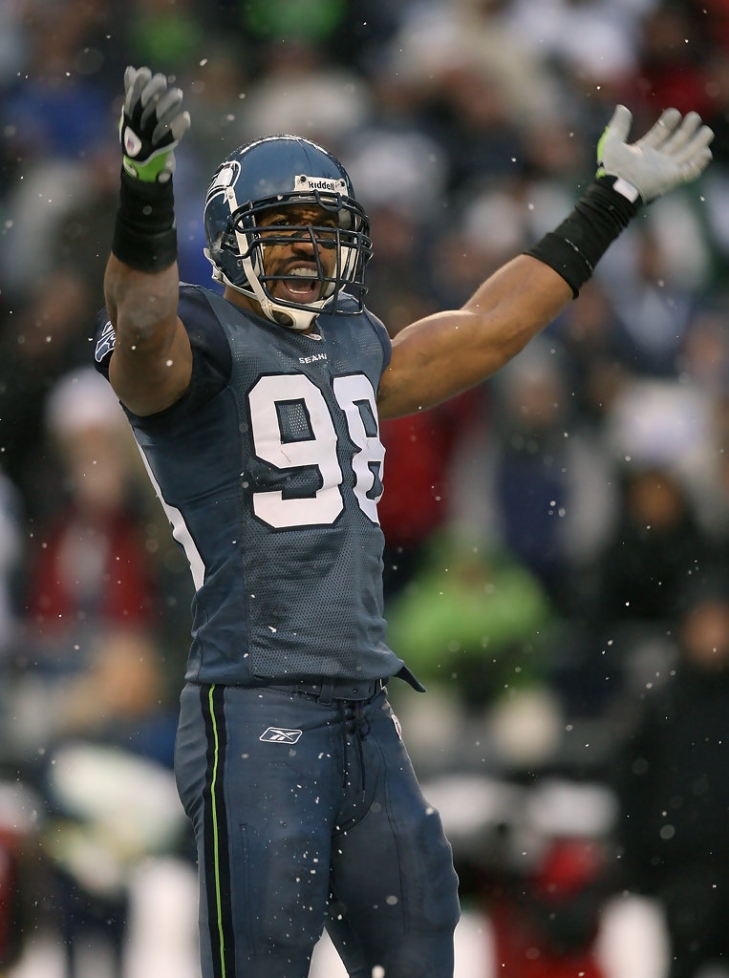
Julian Peterson was with the San Francisco 49ers for five years, going to two Pro Bowls (2002 & 2003) before he signed with the Seattle Seahawks in 2006.
37. John Harris
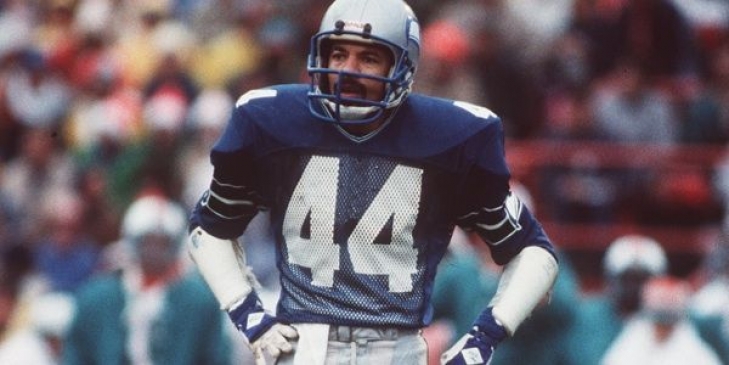
Coming out of Arizona State as a Seventh Round Pick, John Harris made the Seattle Seahawks roster as a rookie.
21. Lofa Tatupu
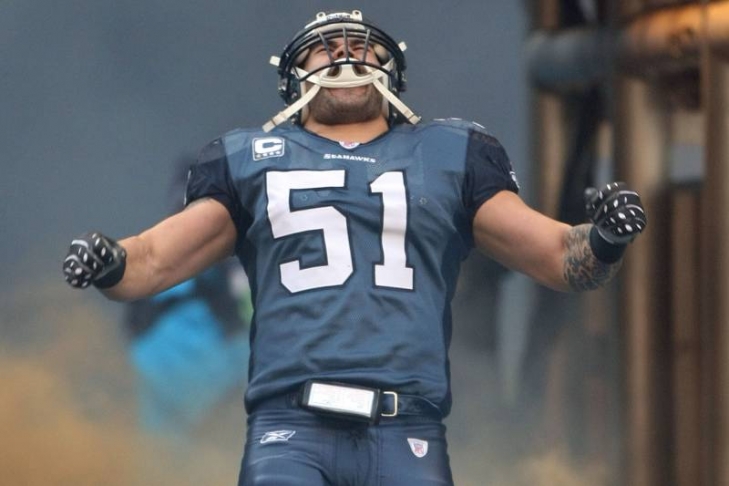
The son of former NFL Fullback, Mosi Tatupu, Lofa Tatupu would exceed his father’s career, first by being an All-American Linebacker and two-time National Champion at USC, and then for his work on the professional ranks with the Seattle Seahawks.
19. Steve Hutchinson
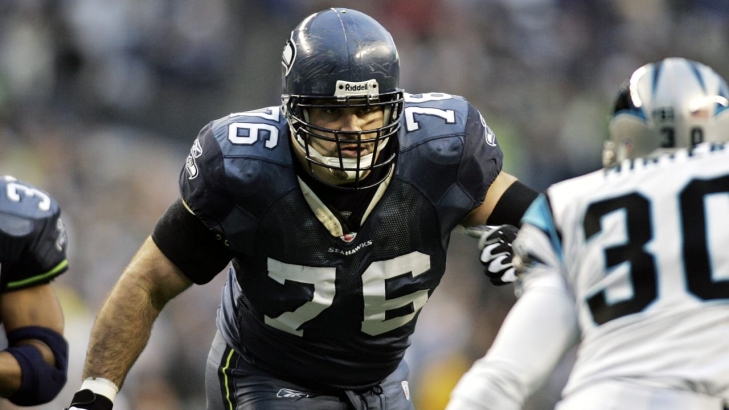
At the University of Michigan, Steve Hutchinson helped the Wolverines win a title in 1997 and was an All-American in 2000. The Seattle Seahawks were fortunate that the Offensive Lineman fell to them with the 17th overall pick of the 2001 Draft.
15. Kam Chancellor
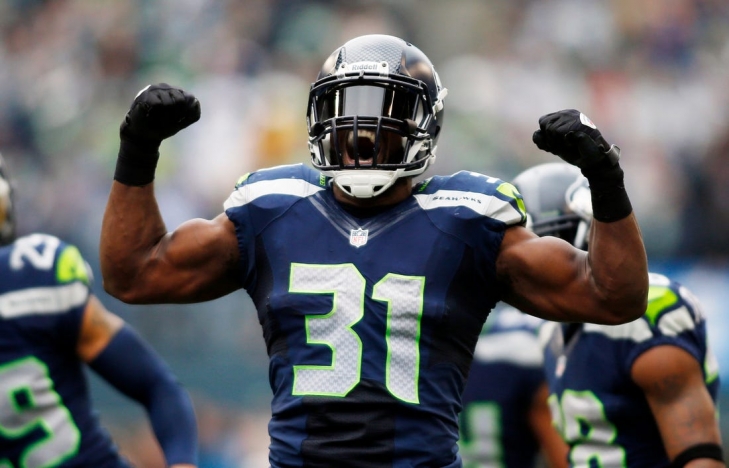
Helping the Virginia Tech Hokies win two ACC Titles, Kam Chancellor’s next stop was Seattle, where he arrived as a 2010 fifth round pick.
14. Curt Warner
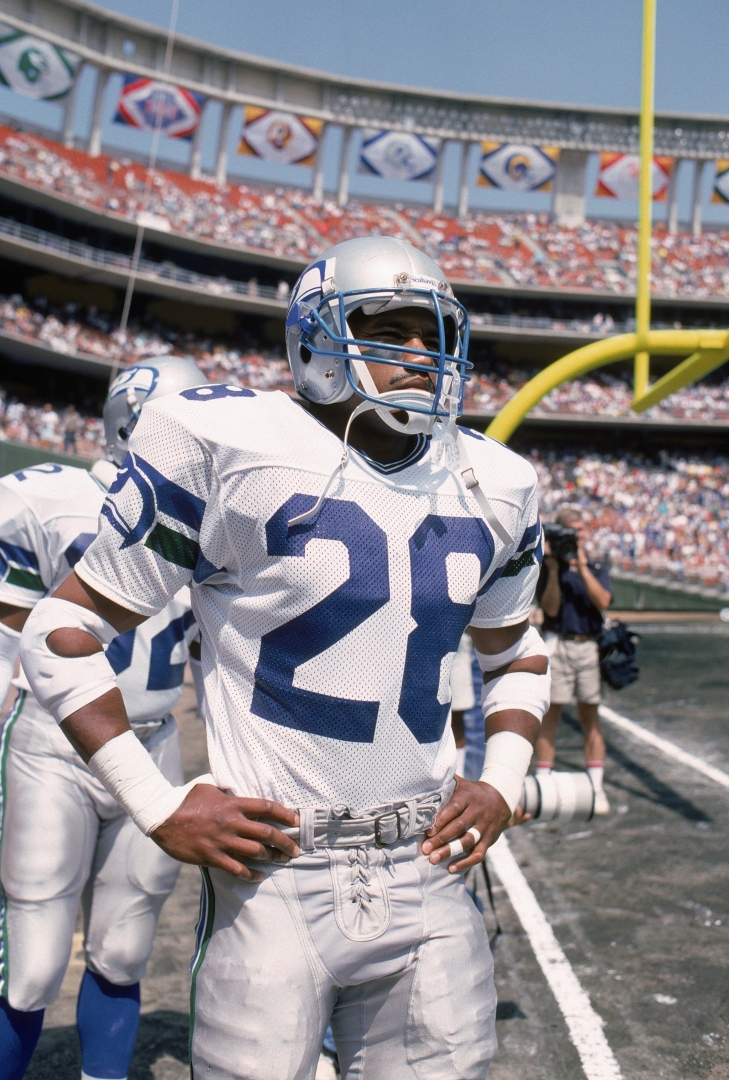
Before there was Marshawn Lynch, and before there was Kurt Warner, there was Curt Warner, who was arguably the Seattle Seahawks’ first star Running Back.
13. Matt Hasselbeck
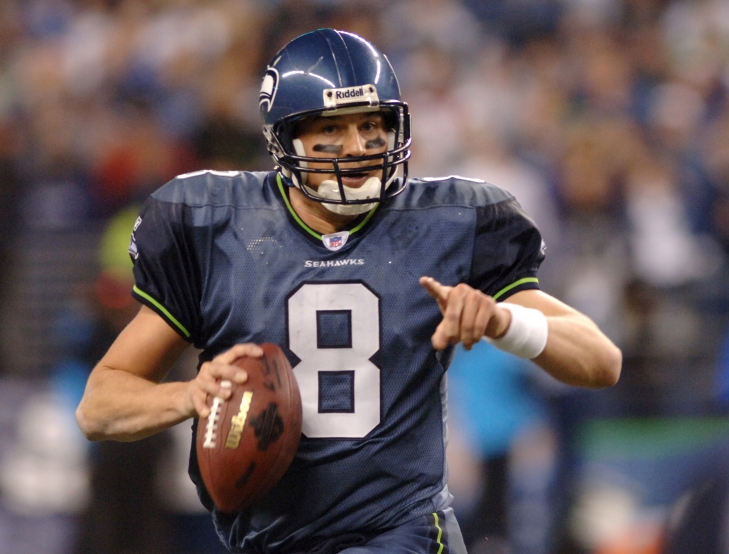
When Mike Holmgren left the Green Bay Packers to coach Seattle, he knew that Matt Hasselbeck, the backup to Brett Favre, was NFL ready. He was right and engineered a trade for the pivot, who took over as the starting QB in 2001.
12. Marshawn Lynch
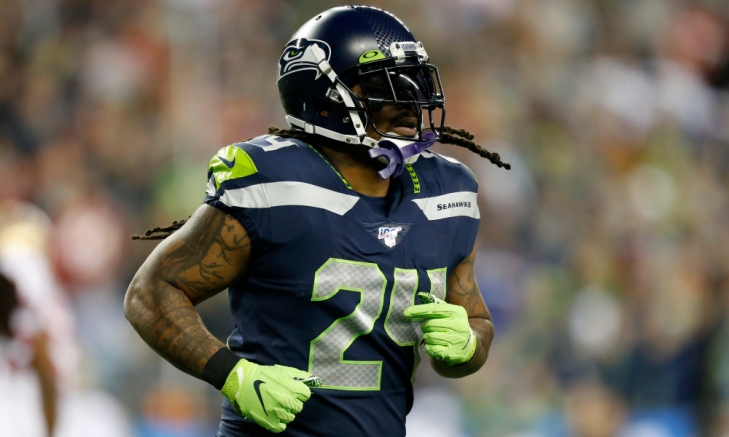
Many in the city of Buffalo are still upset that they traded Marshawn Lynch for a pair of draft picks in 2010, and in that year’s playoff, “Beast Mode” became a nationally known figure.
36. Rufus Porter
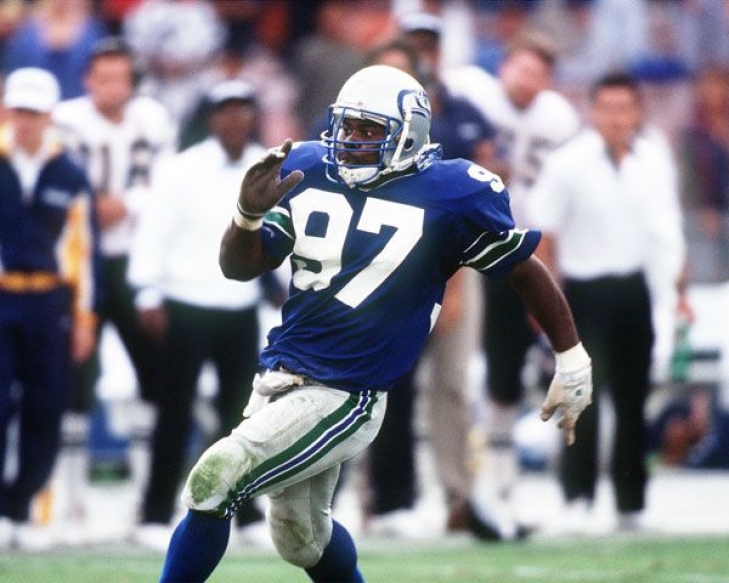
Rufus Porter went undrafted in 1988, but the Linebacker from Southern landed a job with the Seattle Seahawks, where he was a Pro Bowl Selection as a Special Teams player as a rookie. This was a good start, but Porter found a more significant role with the team in later years.
35. Chris Gray
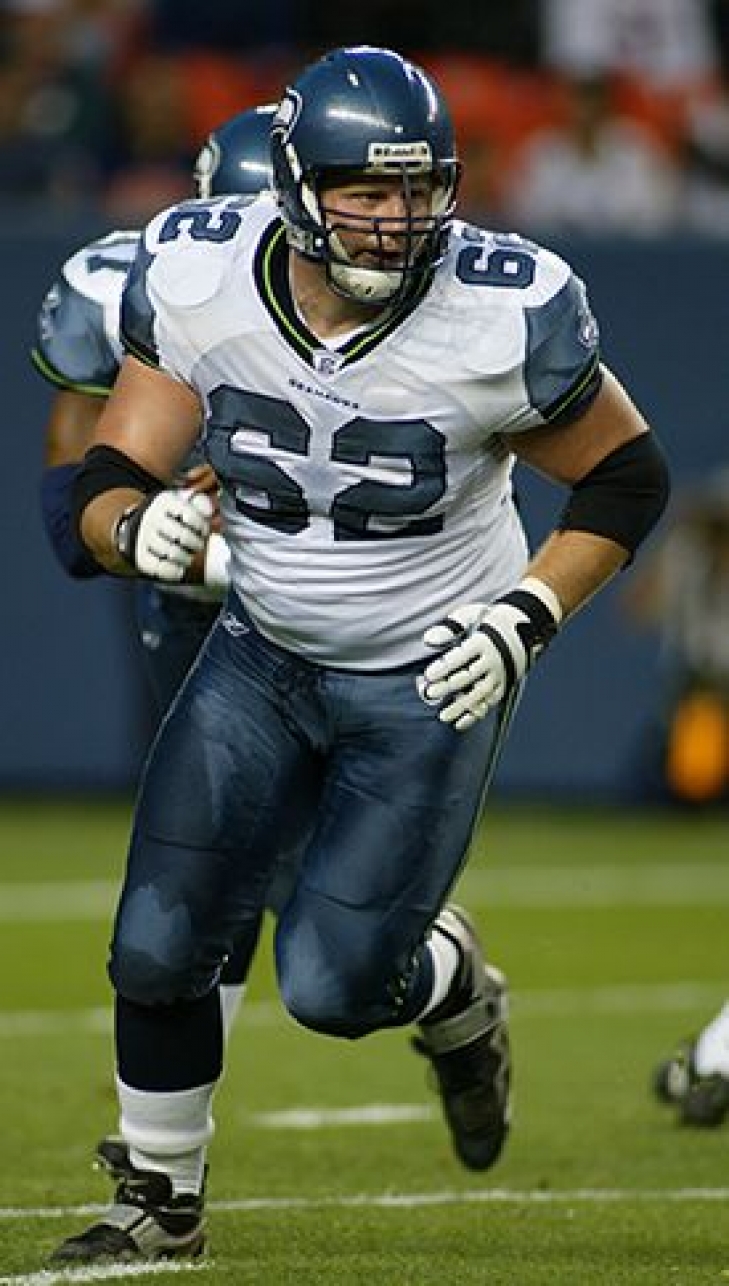
In terms of longevity, Chris Gray is one of the most tenured members in the history of the Seattle Seahawks.
34. Max Unger
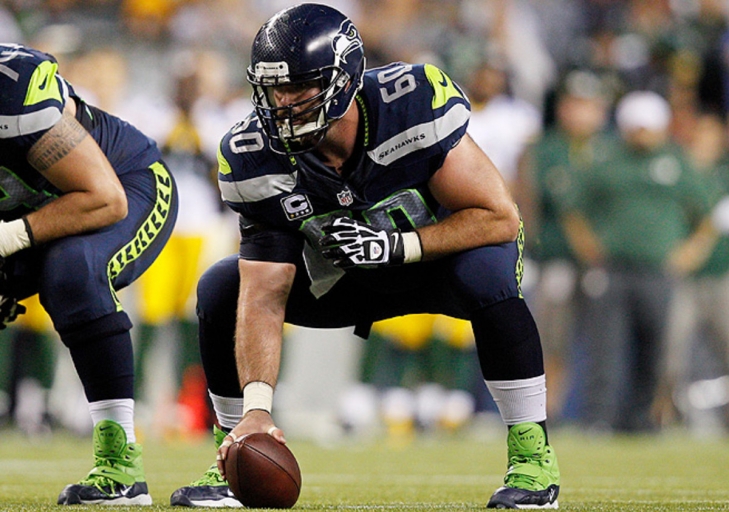
Max Unger arrived in Seattle, coming north as Second Round Pick from Oregon in 2009.
33. Doug Baldwin
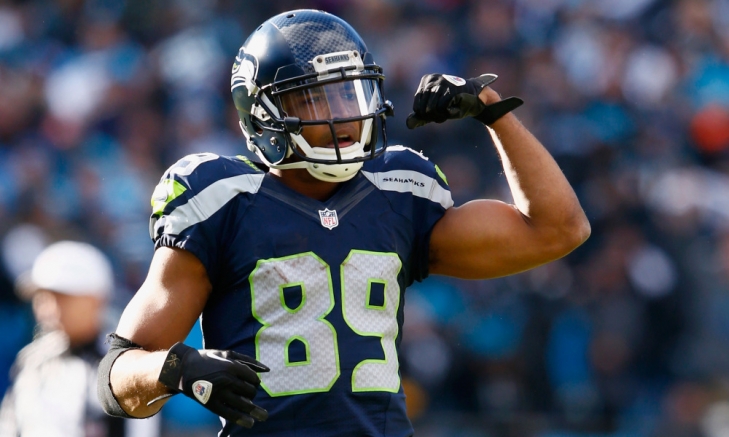
Doug Baldwin had an excellent career with Stanford, but it did not result in a draft pick in 2011. The Seattle Seahawks signed him, and Baldwin made the team, which would be the only franchise he would play for in the National Football League.
31. Jim Zorn
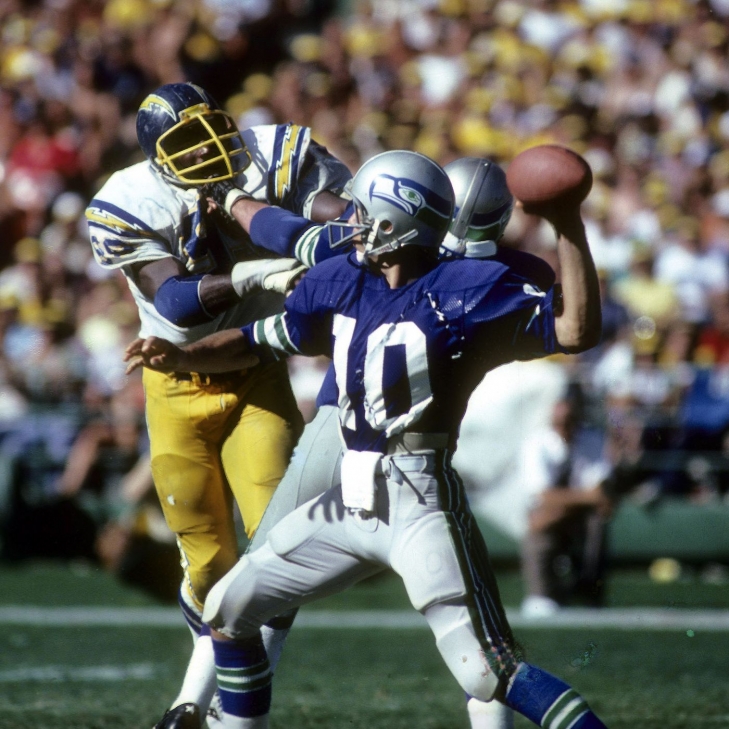
Jim Zorn went undrafted in 1975 out of Cerritos College, but the Dallas Cowboys gave him a shot but cut him before the season started. The Los Angeles Rams tried him out, but that did not work out either. 1976 would be a different story, as he was signed by the Seattle Seahawks, who were an expansion team, and not only would he make the roster, he became their starting Quarterback.
30. Jeff Bryant
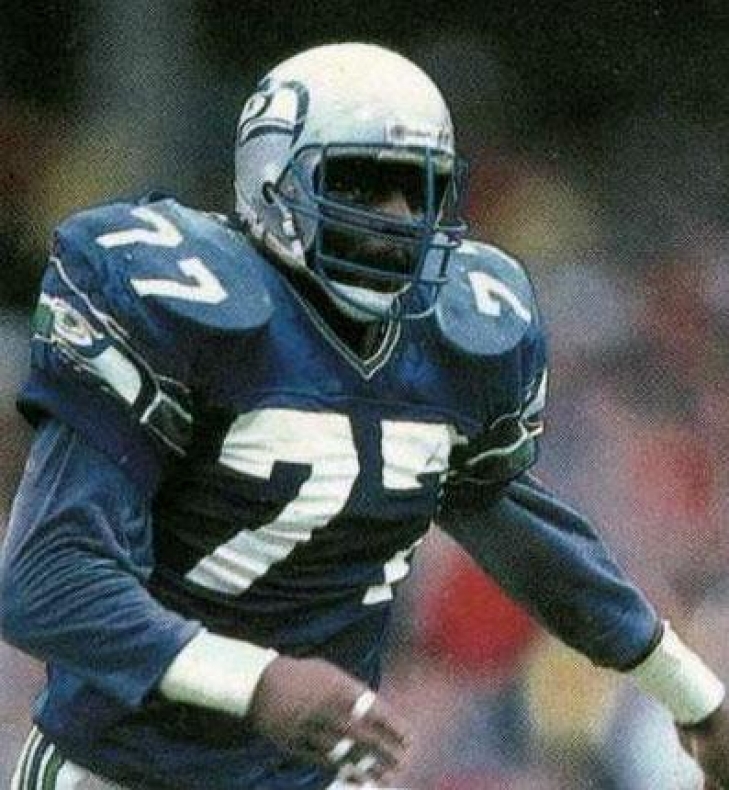
Playing his entire career with the Seattle Seahawks, Jeff Bryant came with high expectations as the sixth overall pick from Clemson in 1982.
29. K.J. Wright
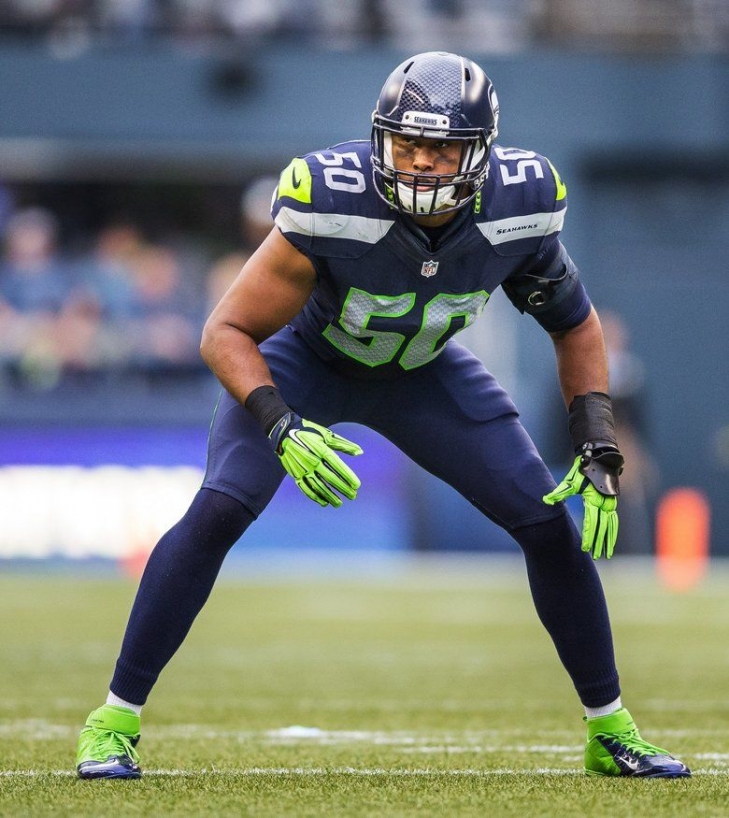
K.J. Wright was a Fourth Round pick from Mississippi State in 2011 and the team that drfated him, the Seattle Seahawks, landed huge value with their selection.
28. Michael Sinclair
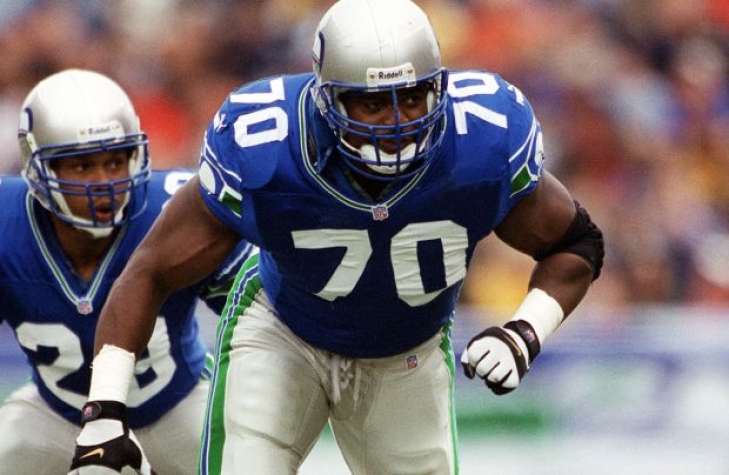
Michael Sinclair had a plodding start in the National Football League, as the sixth rounder from Eastern New Mexico did not see any action as a rookie in 1991. From 1992 to 1994, he would play on pass-rush situations, but by 1995, he was playing in all defensive situations.
