


Site Admin
47. Lary Sorensen
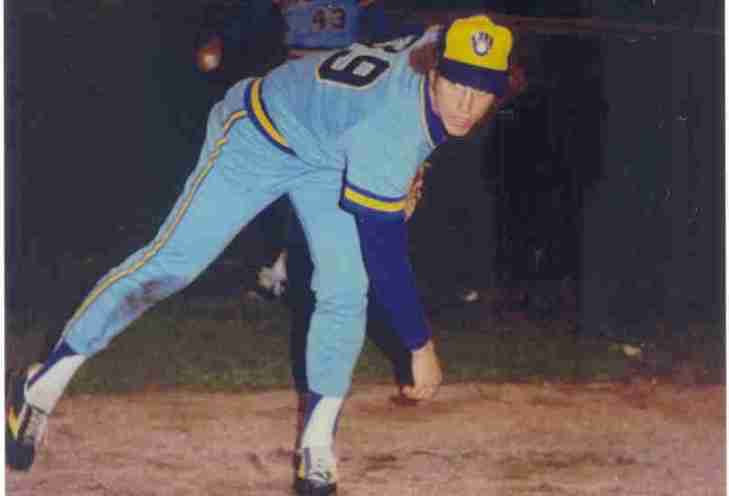
Lary Sorensen debuted in Milwaukee in 1977 as an eighth-round draft pick from the University of Michigan, rapidly ascending through the system to become a foundational arm in the Brewers' rotation.
After a strong rookie debut, Sorensen truly shone during the 1978 season. It was a remarkable year for him, finishing with an 18-12 record and a career-low 3.21 ERA. He ranked second in the American League for walks per nine innings with just 1.6, and came in fifth in complete games with 17. This season also brought him well-deserved recognition, as he was chosen for the All-Star team. During the game, he impressively retired nine straight National League hitters, including legends like Pete Rose and Joe Morgan, during his three innings of pitching.
Between 1979 and 1980, he was a mainstay in the rotation, with back-to-back seasons of at least 12 wins. He showed command of the strike zone, finishing in the top ten in BB/9 both years and leading with 24 complete games. His 'rubber arm’ enabled him to average over 230 innings per season during his peak.
In December of 1980, the Brewers finalized a massive seven-player blockbuster trade with the St. Louis Cardinals. Sorensen was the primary starting pitcher sent to St. Louis in exchange for a package that brought Hall of Famers Rollie Fingers and Ted Simmons, along with Pete Vuckovich, to Milwaukee. Sorensen was honored by the Wall of Fame and as a Brewer, and had a 52-46 record, a 3.74 ERA, and 50 complete games for the squad.
46. Jim Colborn
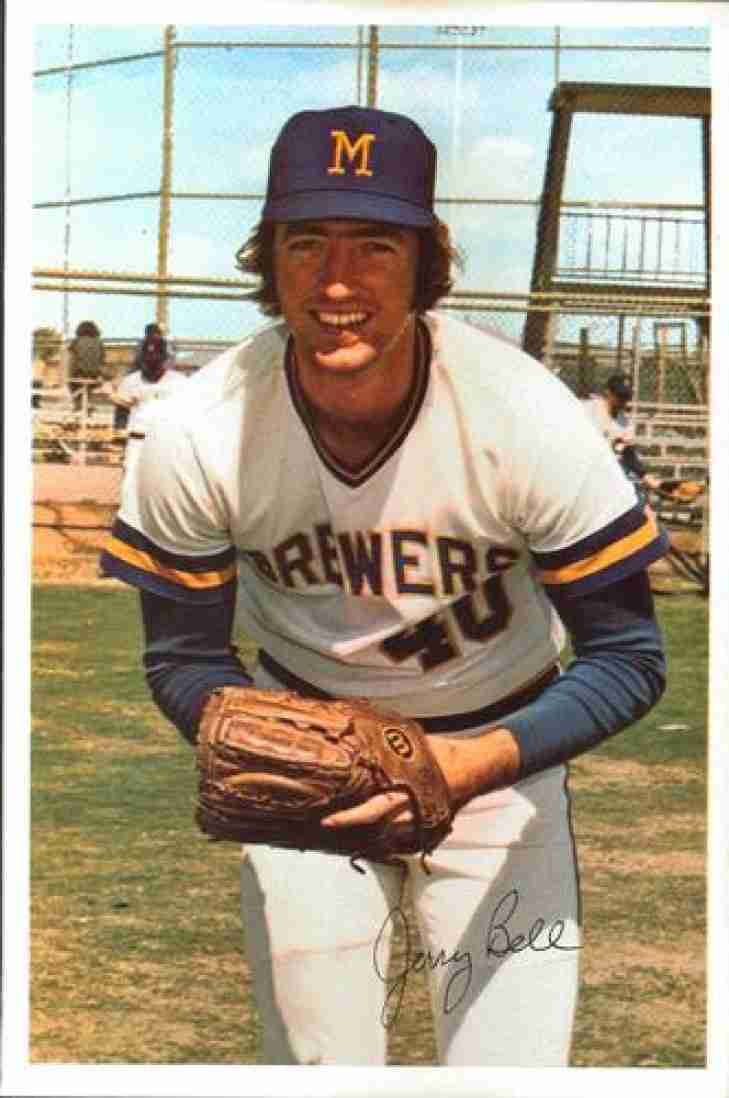
Jim Colborn arrived in Milwaukee in late 1971 via a trade that sent Brock Davis to the Brewers for Jose Cardenal. Initially a versatile pitcher in Chicago, he became the Brewers’ first true pitching star during the expansion era.
After a strong transition year in 1972, Colborn truly shone in 1973. That season, he created a memorable campaign that became a key part of the franchise's history, becoming the first Brewers pitcher to win 20 games. He finished with a 20-12 record, a 3.18 ERA, and completed 22 games, second most in the league. His achievements earned him an All-Star spot and placed him sixth in the Cy Young Award voting, highlighting his growing recognition and success.
Between 1974 and 1976, he was a key player, consistently pitching many innings. Although he didn’t reach his 1973 20-win peak, he had a notable 1974 season with 10 wins and led the staff with 229 innings. After the 1976 season, Colborn was traded to Kansas City. He would later be honored in the Brewes Wall of Honor, and stat-wise, he had a 54-60 record, a 3.65 ERA, and 410 strikeouts.
39. Cal Eldred
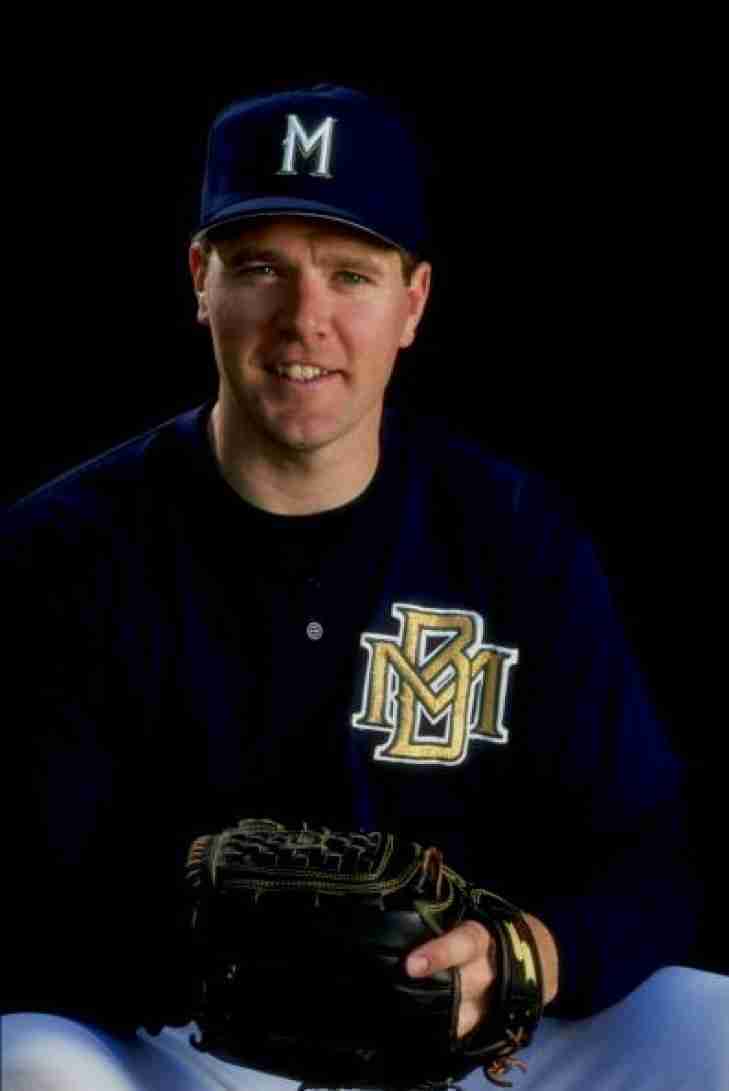
A 1988 first-round pick from the University of Iowa, Cal Eldred debuted for Milwaukee in 1991, and the big, durable right-hander quickly became the centerpiece of the Brewers' rotation in the early 1990s.
After a strong debut in late 1992 with an 11-2 record, Eldred demonstrated exceptional durability in 1993. He led the American League with 36 Games Started, 258 innings pitched, and 1,091 batters faced. That summer, he showed command of his repertoire, ending with 16 wins and a 4.01 ERA.
After 11 wins in the strike-shortened 1994 season, he reached frustration in 1995 when a major elbow injury led to Tommy John surgery. Yet, he made a remarkable comeback, achieving a new peak in 1997 with 13 wins and over 200 innings. After slumping, he was traded to the Chicago White Sox after the 1999 season.
Overall, with Milwaukee, Eldred posted a record of 64-65 with 686 Strikeouts.
40. John Briggs
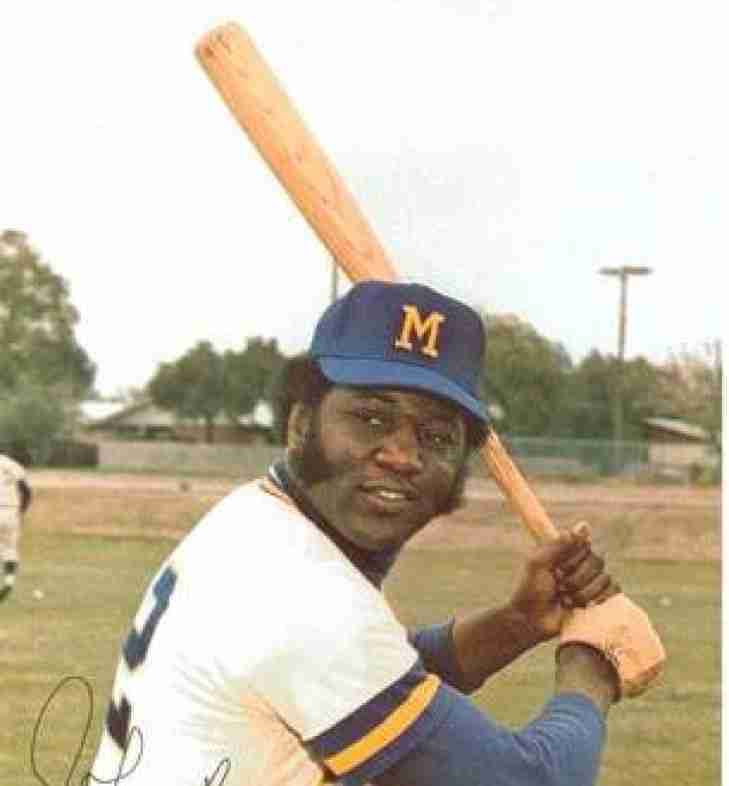
John Briggs arrived in Milwaukee in 1971 as a left-handed outfielder who had spent the first seven years of his career as a part-time player in Philadelphia. His trade to the Brew Crew finally gave him the full-time opportunity he had been looking for, and he responded immediately with a burst of high-level production. Over four and a half seasons in Milwaukee, he became a key figure on offense during the franchise's early years in the American League, offering a unique mix of power and on-base skills that helped establish him as one of the team's first star players.
After just 10 games for the Phillies in 1971, Briggs was traded to the Brewers, where he reached new heights. He dominated the American League that summer, hitting 21 home runs with a .378 on-base percentage. He became a key player for a young roster, providing a left-handed presence in the middle of the order. In 1972, he maintained this momentum, again hitting 21 home runs and recording over 100 hits for the first time.
Briggs made history on August 4, 1973, by going 6-for-6 against the Cleveland Indians, becoming the first Brewer to achieve a six-hit game. That year, he demonstrated complete dominance on the field, hitting 18 home runs and setting a career-high with seven triples. His exceptional performance earned him MVP votes in the American League.
After hitting 17 home runs and 73 RBI in 1974, the organization traded Briggs to the Twins in June 1975 for Bobby Darwin. As a Brewer, Briggs batted .260 with 492 hits and 80 home runs. He was later inducted into the Brewers Wall of Fame.
