


Site Admin
49. Jose Valentin
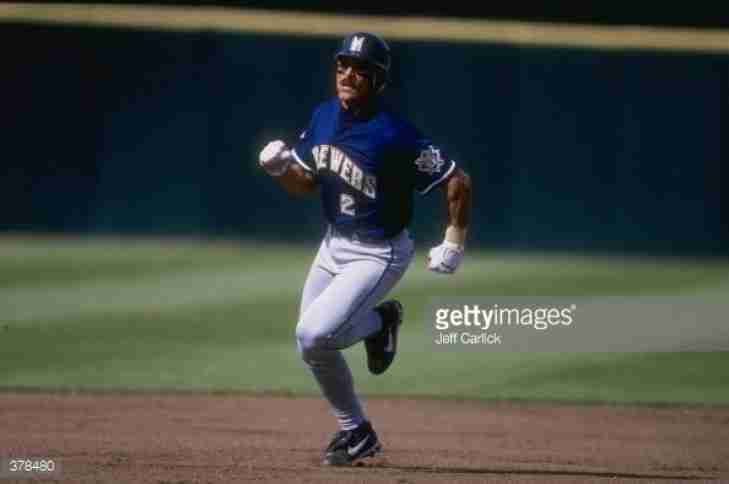
Jose Valentin arrived in Milwaukee in 1992 as a centerpiece of one of the most significant trades in franchise history, joining the Brewers from the Padres alongside Ricky Bones and Matt Mieske in the blockbuster deal for Gary Sheffield.
After an apprenticeship in the early 90s, Valentin reached a historic high in 1994, finishing ninth in AL Rookie of the Year voting after hitting 11 homers in a strike-shortened season. In 1996, he had a remarkable season, hitting 24 homers and driving in 95 runs.
During the late 90s, even as the Brewers moved to the National League, he stayed a key middle infielder, hitting 17 and 16 home runs in 1997 and 1998, and excelling at shortstop. He demonstrated total command of the strike zone, with career highs of 66 walks in 1996 and 63 in 1998.
After the 1998 season, Valentin was dealt to the Chicago White Sox. Valentin compiled 577 hits, 90 home runs, and 343 RBI as a Brewer.
32. Charlie Moore
Charlie Moore debuted in Milwaukee in 1973 as a fifth-round draft pick and spent almost his entire 15-year career there. Though not a traditional superstar, he served as a versatile, tactical Swiss Army knife for the Brewers.
By 1975, Moore reached a peak as a young catcher, batting .290 in a platoon role. He showcased total command of the strike zone that summer, proving to be the fastest and most athletic backstop in the American League. Initially providing a steady hand behind the plate for Darrell Porter, his athleticism eventually led to a move to the outfield. In 1982, he became the team's primary right fielder, using his strong arm to record 13 assists and lead AL right fielders in double plays.
While he was a mainstay during the 1992 season, he had a postseason masterpiece as "Harvey’s Wallbangers" captured the pennant. He reached a historic ALCS against the Angels, batting.462 and making a key defensive play by throwing out Reggie Jackson at third. He continued his performance in the World Series, batting .346 against the Cardinals.
Following the 1986 season, Moore retired from the Brewers after reaching a historic plateau for a role player, compiling 1,029 hits and appearing in 1,283 games for the franchise.
48. Darrell Porter
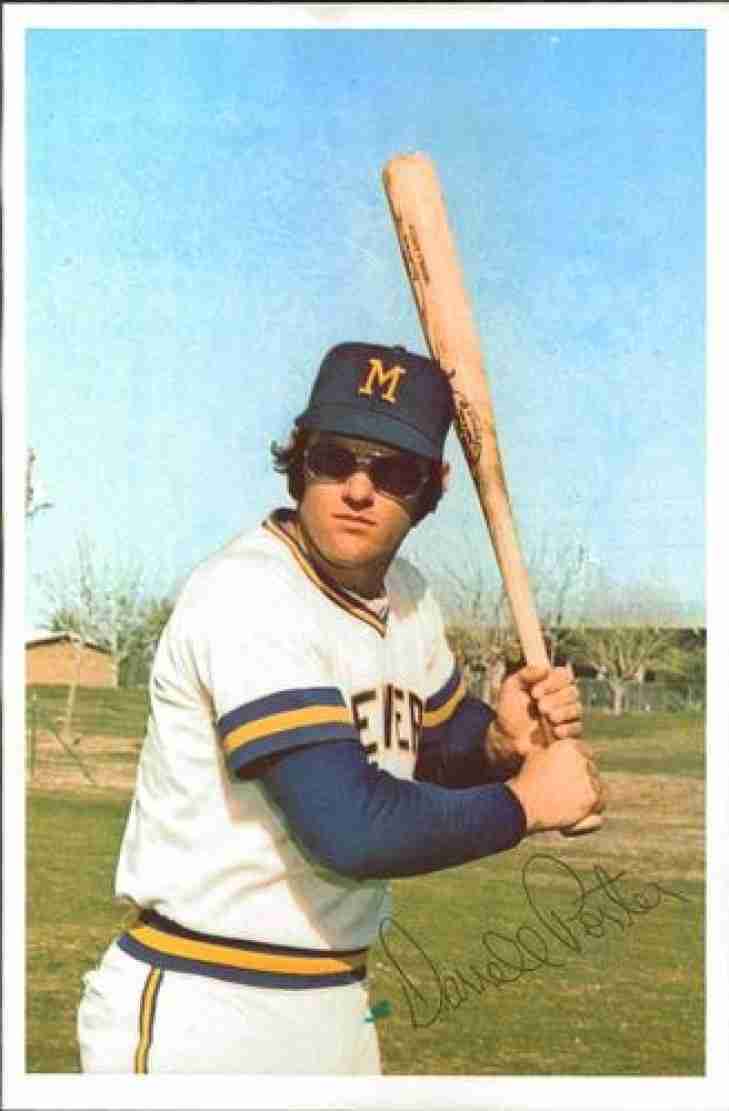
Darrell Porter is far more known for his work with the St. Louis Cardinals and the Kansas City Royals, but he would get his start in Milwaukee, where he was a former fourth overall pick.
After minor league apprenticeship, Porter peaked in 1973 with 16 homers, 67 RBI, and a .363 OBP, finishing third in Rookie of the Year. He gained wider recognition in 1974 with 104 hits and his first All-Star selection. In 1975, he hit a career-high 18 homers and drew 89 walks, second in the American League.
Following the 1976 season, the Brewers reshaped their core with a five-player trade on December 6, sending Porter and Jim Colborn to the Royals. He reached new heights in Kansas City and St. Louis, famously returning to Milwaukee in the 1982 World Series as Series MVP to haunt his former club, but his foundation was built at County Stadium.
Porter compiled 391 hits, 54 home runs, and a .346 on-base percentage as a Brewer.
44. Dave May
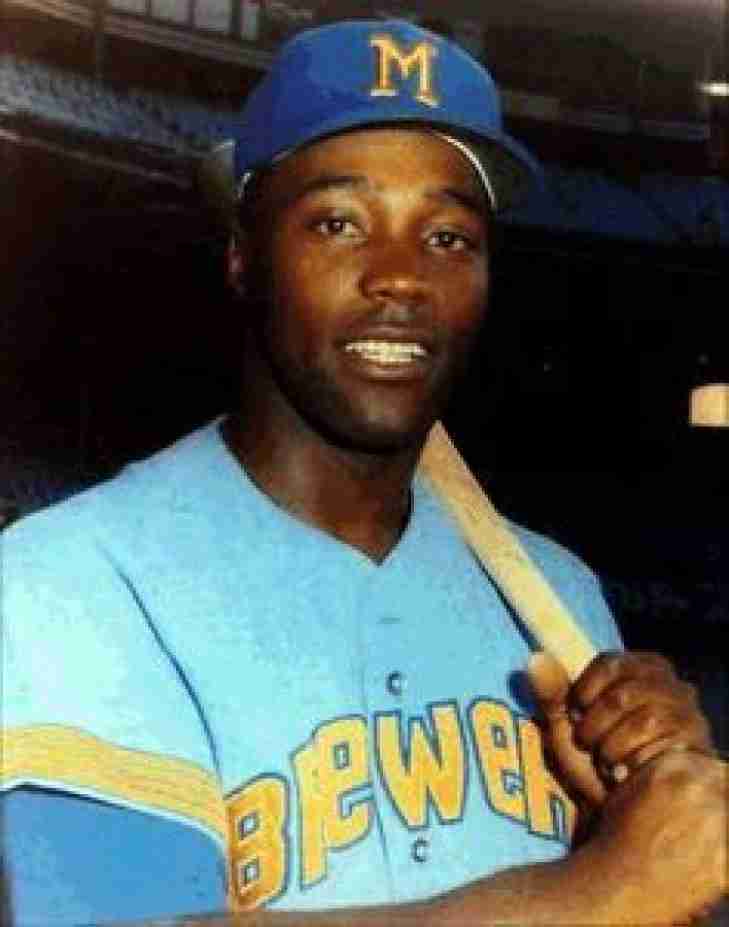
A left-handed outfielder who had been a bench piece for the powerhouse Orioles, Dave May was traded to Milwaukee in May of 1971, and the move proved beneficial to both parties.
May’s time as a Brewer was truly remarkable, marking a peak in his career during the expansion era. After establishing himself as a solid player between 1971 and 1972, 1973 became a standout year for him. That summer, he delivered an outstanding season, batting .303 and hitting a career-high 25 home runs. He led the American League in Total Bases (295) and Win Probability Added (WPA), and totaled 189 hits. His impressive performance earned him an All-Star selection, and he finished eighth in the MVP voting, reaching a true highlight of individual achievement.
Although he was a key part of the young franchise's foundation, his first Milwaukee chapter came to a close when he was traded to the Atlanta Braves. This trade marked a historic moment in baseball, as May was the main player exchanged for the legendary Hank Aaron, bringing "The Hammer" back home to Milwaukee to finish his career.
May returned to Milwaukee via trade from the Rangers to provide veteran leadership during the club's first pennant push. Used in a specialized, high-leverage bench role, he reached 652 hits with the Brewers before a late-August trade to Pittsburgh ended his time in the American League. A member of the Brewers Wall of Honor, May had 652 hits, 83 home runs, and a .267 batting average.
