

241. Tommy Henrich
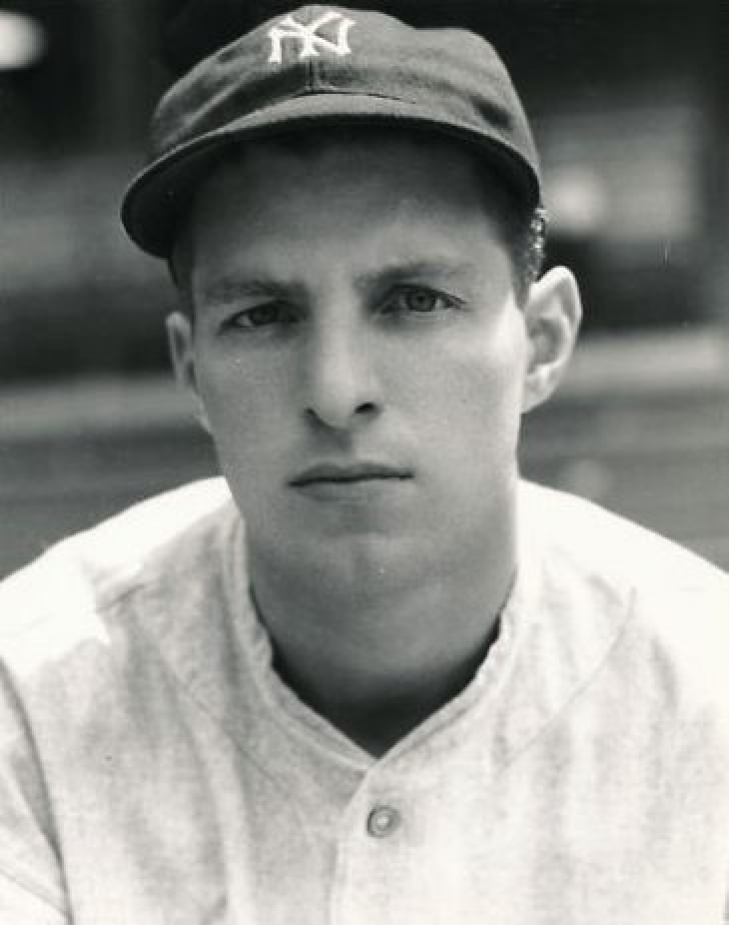
Tommy Henrich is a part of the folklore of the New York Yankees, but with the legends that the Bronx Bombers have had, sometimes “Old Reliable” gets lost in the shuffle.
Henrich played his entire career in New York, first debuting in 1937, and helping them in the 1938 World Series win. His breakout year was in 1941 when he had 31 Home Runs and won another World Series Championship. Henrich was one of the many who lost time in baseball due to his participation in World War II, and he lost three years, but he came back to have the best run of his career.
Henrich would lead the American League in Triples in 1947 and 1948 and was also the league leader in Runs with 138 in 1948. He would help the Yanks win the 1947 and 1949 World Series, and he was a huge part of those wins, batting .323 in the '47 Series and hitting the first walk-off Home Run in Game 1 of the ’49 Series.
Retiring after 1950, Henrich was a five-time All-Star and had 183 career Home Runs.
181. Charlie Keller
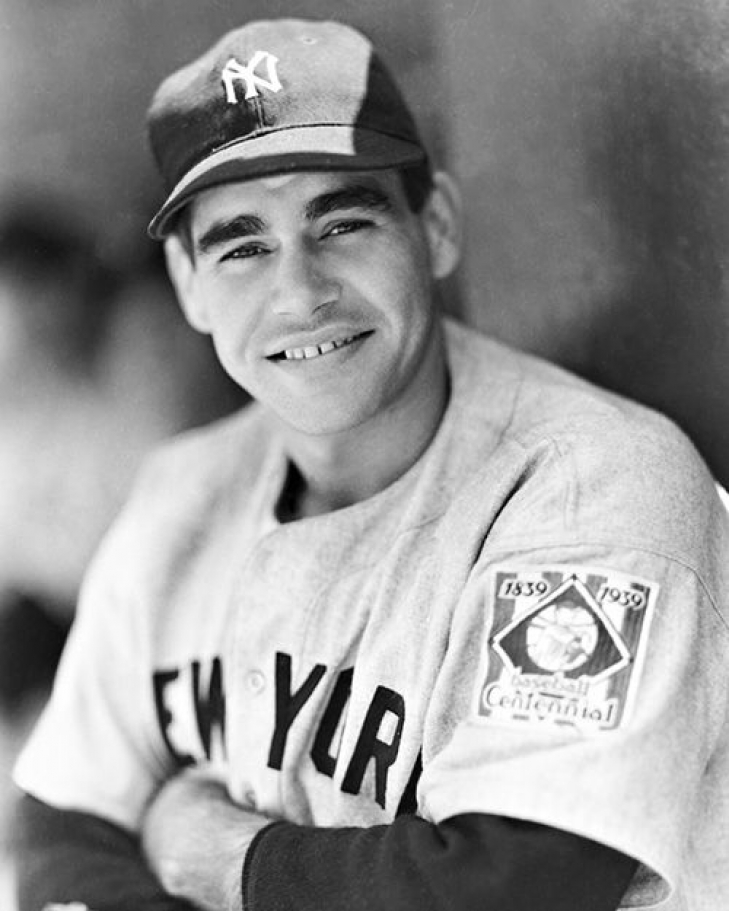
One of the most underappreciated members of New York Yankees folklore, Charlie "King Kong" Keller was known for his incredible strength and corresponding Home Runs, but he should probably be better known for his plate discipline. Keller would twice lead the American League in Walks and had an On Base Percentage over .400 seven times, six of which were enough to put him in the top ten that year. He would also lead the AL in OPS in 1943.
Keller would also help the Yankees win three World Series Rings. Keller would blast 189 Home Runs in his career and is still in the top fifty all-time in On Base Percentage, OPS, and OPS+.
150. Jorge Posada
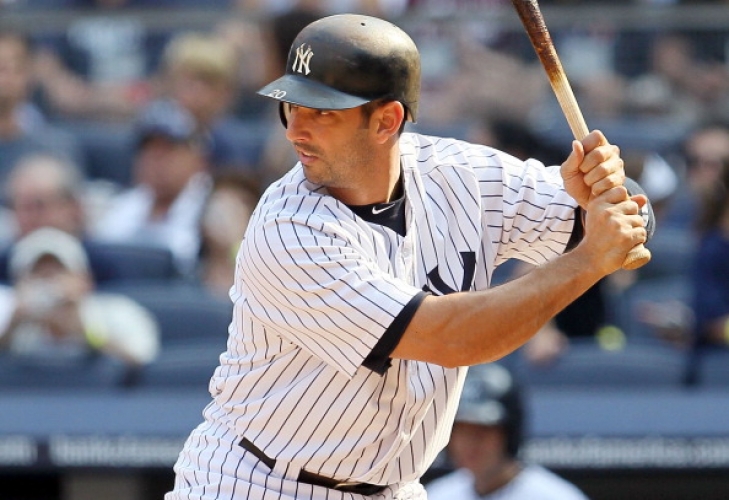
In the last half of the 1990s, the New York Yankees built a dynasty that would win four World Series Championships in five years. Jorge Posada missed the first one (1996) as he was not part of the postseason roster, but the Puerto Rican Catcher would see his playing time rise and earn rings with New York in 1998 and 1999.
The year 2000 would be a different story, as he was no longer splitting duties at Catcher with Joe Girardi. The Yanks again won the World Series, but this time, Posada was an All-Star and Silver Slugger. Posada would be dubbed one-quarter of the Yankees' "core four" along with Andy Pettitte, Derek Jeter, and Mariano Rivera. Posada went to four more All-Stars and four more Silver Sluggers, and he was one of the most highly regarded players on the team.
Posada was an expert at handling his pitchers, and he brought power from the Catcher's position. He hit the 20 Home Run plateau eight times and would have 275 overall with 1,065 RBIs. In 2007, he became the first Catcher to record an offensive season in which he batted .330 and had at least 40 Doubles, 20 Home Runs, and 90 RBIs. Posada would win another World Series with New York in 2009.
Posada retired in 2011, and he is considered to be one of the better offensive Catchers in baseball history.
105. Jack Quinn
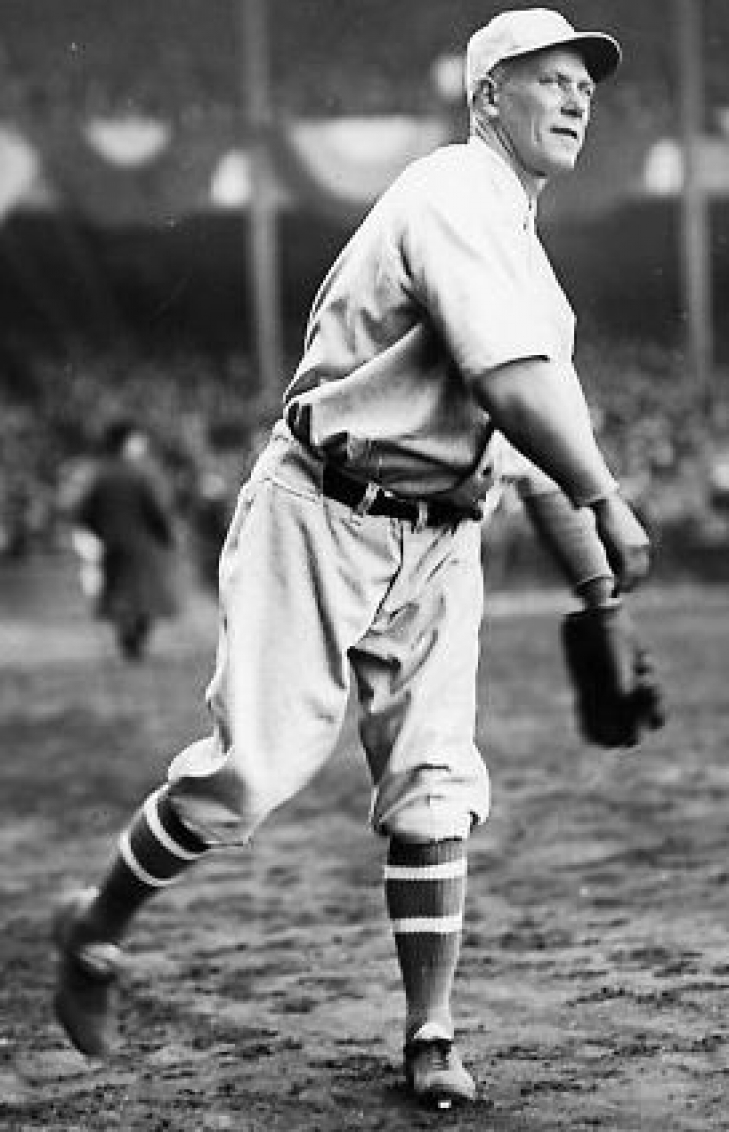
Jack Quinn was Jamie Moyer before Jamie Moyer.
Debuting in 1909 for the New York Highlanders (Yankees), Moyer would play for seven other teams before retiring in 1933 at the age of 50.
Yes, 50.
While Quinn could not be classified as an ace, he was a spitballer who used his guile and experience to maintain relevance for years. Quinn had only one 20 Win season (1914 with Baltimore in the Federal League), but he had five 15 Win seasons. Quinn only started 443 of his 756 Games, which was unique for that era. This made Quinn one of the earlier relief pitchers, and in 1931 and 1932, as a Brooklyn Robin, he led the National League in both Games Finished and Saves. This was after he helped the Philadelphia Athletics win the World Series in 1929 and 1930.
Quinn retired with a record of 247-218, and at the time of his retirement, he was the oldest player to start in a World Series, pitch on Opening Day, lead the league in Saves, record a Win, and hit a Home Run. He still holds the first three of those five records.
Our All-Time Top 50 New York Yankees have been revised
Yes, we know that this is taking a while!
As many of you know, we here at Notinhalloffame.com are slowly generating the 50 of each major North American sports team. That being said, we have existing Top 50 lists out and we always consistently look to update them when we can and based on necessity. As such, we are very happy to present our pre-2021 revision of our top 50 New York Yankees of all-time.
As for all of our top 50 players in baseball we look at the following:
1. Advanced Statistics.
2. Traditional statistics and how they finished in the American League.
3. Playoff accomplishments.
4. Their overall impact on the team and other intangibles not reflected in a stat sheet.
There are two new additions on our Top 50, but nothing affecting our top five. As always, we announce them here.
They are:
1. Babe Ruth
2. Lou Gehrig
4. Joe DiMaggio
5. Derek Jeter
The two new additions were reflective of the advanced metric changes from Baseball Reference. This has pushed up five-time World Series infielder, Red Rolfe to #46 and seven-time World Series Outfielder,Hank Bauer enters at #50. They replace Dave Righetti and Roger Peckinpaugh. Other minor tinkering took place that altered the overall list, but nothing major.
The only active player on the list is Brett Gardner, who moved up two spots to #36. Aaron Judge, is on his way up, but has not yet made our top fifty.
We welcome your input and commentsand as always, we thank you for your support.
48. Red Rolfe
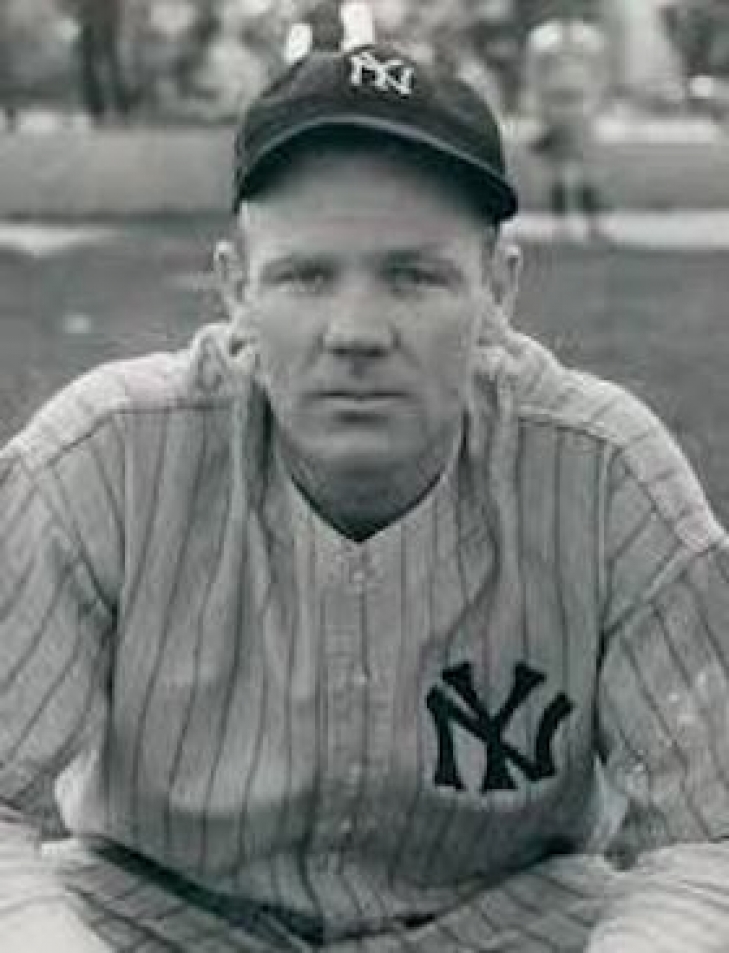
Red Rolfe claimed the starting third base job in 1934 and joined a lineup that became a baseball juggernaut. Playing alongside icons like Babe Ruth, Lou Gehrig, and Joe DiMaggio, it was easy for a soft-spoken Dartmouth graduate to get lost in their shadow. Yet, Rolfe’s decade as a "Lifer" at third base provided the steady baseline that held the 1930s dynasty together.
Rolfe officially debuted in a single game in 1931, but by 1934, he had cemented himself in the fabric of the team. He was a fundamentally sound, smooth-fielding defensive asset, bringing an intelligent, calm stability to a high-stress position. His offensive game was built on elite bat control and aggressive, high-velocity baserunning, which first flashed on a national scale in 1936 when he bludgeoned a league-leading 15 triples. That breakout summer ignited an incredible individual run, earning him four consecutive All-Star selections from 1937 through 1940.
The absolute pinnacle of his career arrived during the historic 1939 season. Operating as a premier table-setter, Rolfe put on an absolute offensive clinic, leading the American League in hits (213), doubles (46), and runs scored (139) while hitting a spectacular career-high .329. He was a machine at creating traffic for the heavy hitters behind him, cementing his reputation as one of the most efficient, disciplined top-of-the-order forces of his era.
His consistent, unglamorous execution served as a vital anchor for the franchise's golden decade, directly guiding the organization to five World Series championships. Rolfe walked away from the pinstripes and the game following the 1942 season, forced into an early retirement due to a chronic, debilitating illness. He concluded his flawless, single-uniform career with 1,394 hits, a lifetime .289 batting average, and a legacy of quiet excellence. While he lacked the flashy power metrics of his legendary peers, his steady, lifelong contribution remains a beautiful testament to the unsung engines behind the game's greatest dynasties.
RIP: Whitey Ford
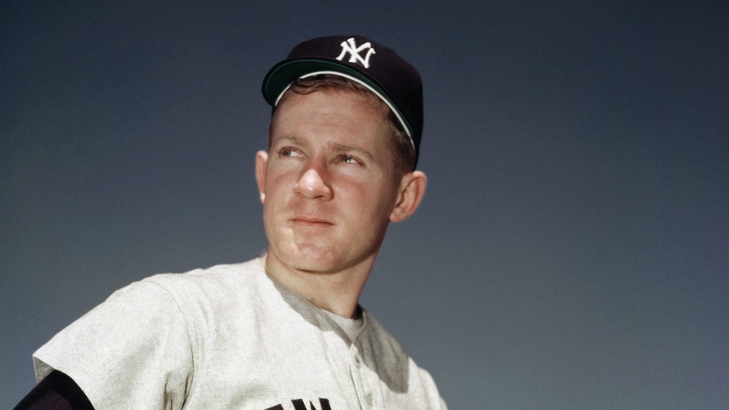
Roughly a week after the death of Hall of Fame Pitcher, Bob Gibson, another legendary Cooperstown hurler passed away.
Whitey Ford died last night at his home at the age of 91. No specific cause of death was given.
Ford broke into the Majors in 1950 with the New York Yankees, which would be the only team he ever played for on the Major League level. After finishing second in Rookie of the Year voting, Ford missed the next two years due to military service, but he returned to become the ace of the Yankees staff for years.
Over the course of his career, Ford helped lead New York to 11 American League Pennants where they won six World Series Titles. The southpaw was an eight-time All-Star, won the 1961 Cy Young, was a two-time leader in ERA, and an all-time record of 236-106 with 1,956 Strikeouts.
Ford was inducted into the Baseball Hall of Fame in 1974.
We here at Notinhalloffame.com would like to extend our condolences to the friends, family and fans of Whitey Ford.
Our All-Time Top 50 New York Yankees have been revised
Yes, we know that this is taking a while!
As many of you know, we here at Notinhalloffame.com are slowly generating the 50 of each major North American sports team. That being said, we have existing Top 50 lists out and we always consistently look to update them when we can and based on necessity. As such, we are very happy to present the first revision of our top 50 New York Yankees of all-time.
As for all of our top 50 players in baseball we look at the following:
1. Advanced Statistics.
2. Traditional statistics and how they finished in the American League.
This is the first revision since we put up this list in 2017.
The complete list can be found here, but as always we announce our top five in this article. They are:
1. Babe Ruth
2. Lou Gehrig
4. Joe DiMaggio
5. Derek Jeter
With a team as storied and as old as the Yankees, very little has changed overall, and the top five remain the same. Actually, there beyond minor tinkering, there is only one significant addition. That is Gil McDougald, who we incorrectly omitted. The 1951 Rookie of the Year, and five-time World Series Champion is ranked at #29.
We are certainly keeping our eyes on Aaron Judge, who could enter this list shortly.
We welcome your input and commentsand as always, we thank you for your support.
31. Gil McDougald
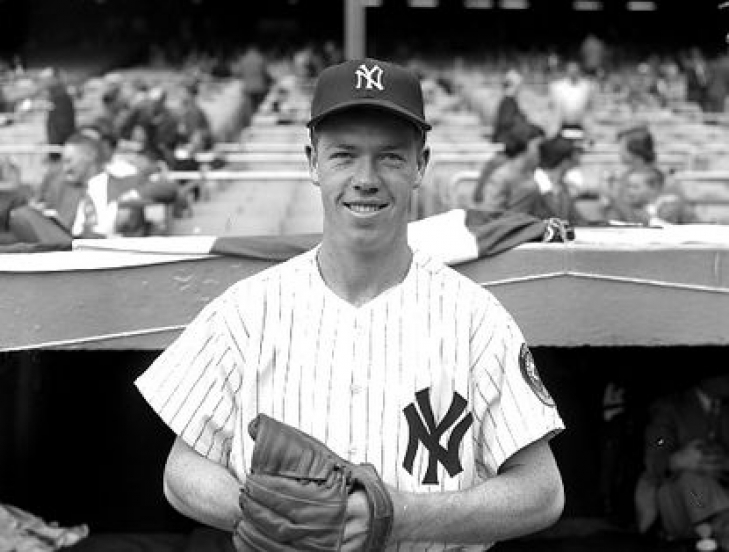
In 1951, Gil McDougald walked straight into a transitional changing of the guard, playing alongside an aging Joe DiMaggio and a raw rookie named Mickey Mantle. Standing out with an incredibly unorthodox batting stance, holding the bat remarkably low with an open, slouching posture, the 23-year-old San Francisco native immediately proved that classic form mattered far less than pure, high-leverage execution.
McDougald was a key tactical asset for manager Casey Stengel, leveraging his defensive flexibility to serve as the backbone of the infield during the team's mid-20th-century success. He didn't just fill in gaps; he played at an elite level across three top-tier positions, second base, third base, and shortstop, adjusting seamlessly to meet the team's strategic needs. Advanced statistics strongly support his mastery of these roles, ranking him among the American League's top ten in defensive bWAR in eight of his ten major league seasons. Notably, he finished in the top four five times and reached a defensive peak in 1957, when he led the league in defensive value.
While his defensive flexibility maintained a pristine roster, McDougald offered a dependable and productive presence at the plate. He secured the 1951 American League Rookie of the Year honor by posting an impressive .306 batting average, capped by a historic Grand Slam in Game 5 of the World Series against the Giants. He then recorded eight straight seasons with double-digit home runs, demonstrating a deceptive power suited to Yankee Stadium's spacious gaps. His offensive prowess truly shone in the 1957 season, where, in addition to his elite defense, he led the American League with 9 triples and finished with a solid .289 average, earning a top-ten spot in MVP voting.
More than anything, McDougald was a quintessential winner who treated the postseason like a routine extension of the summer calendar. A five-time All-Star, he anchored the diamond for eight American League pennant-winners, capturing five World Series championship rings (1951, 1952, 1953, 1956, and 1958). His calm demeanor and selfless, team-first approach made him an immensely popular figure throughout the New York clubhouse and among the stadium faithful.
Rather than hanging on past his prime to chase individual milestones as his physical baseline naturally slowed, he chose to walk away from the game on his own terms, following the 1960 schedule and retiring at the relatively young age of 32 to focus on his family and business ventures. He left behind a lifelong, single-uniform legacy defined by 1,291 hits, 112 home runs, and a lifetime .276 batting average.
4. Alex Rodriguez
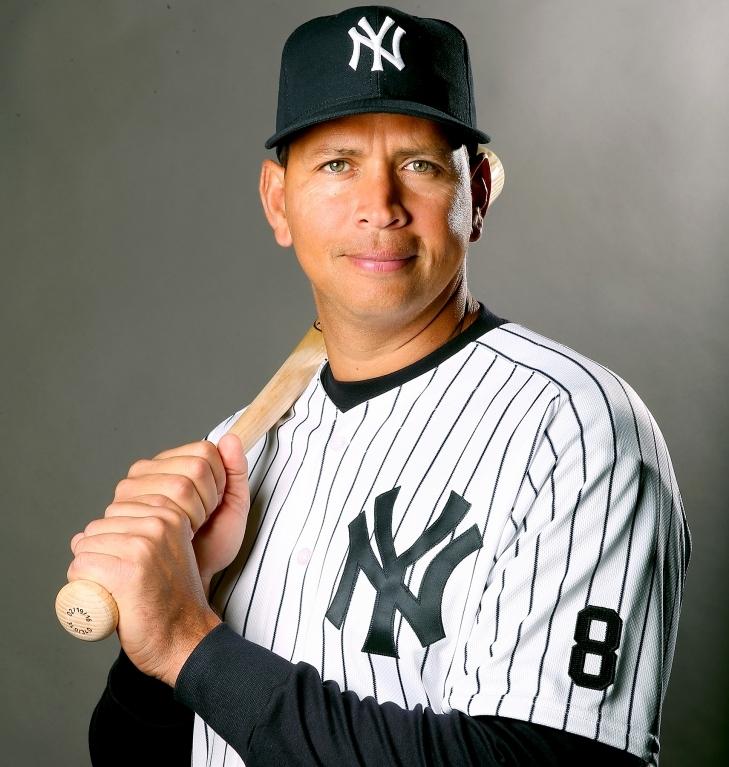
Let's get all the derogatory stuff out of the way…and we know there is a lot.
While we talked about PED use a lot with Mark McGwire, Roger Clemens, Barry Bonds, et all., they were baseball superstars who took enhancements (allegedly) when the players' union and Major League Baseball had not yet agreed that they were banned substances. That is important to note, as Alex Rodriguez was caught while penalties were in place, leaving no doubt that he cheated and was suspended for the entire 2014 season.
There is more, of course.
The Yankees famously tried everything to get out of the lavish contract they signed him to. A-Rod folded in many postseasons and clutch situations. He was also not known to be the most cohesive figure in the clubhouse.
That is a lot of negative, and yet…
Alex Rodriguez is still one of the best players that ever played the game.
Touted as a superstar, Alex Rodriguez was the first overall choice of the 1993 Draft. In the year he turned 20, he won the American League Batting Title with a 36-homer season and an OPS of 1.045. A-Rod was the cornerstone of a young, dynamic Seattle Mariners team that was a strong World Series contender in the late '90s. He was considered the best offensive infielder in baseball and one of the game's most complete players.
When he achieved free agency, Rodriguez signed what was at the time by far the richest contract in baseball history with the Texas Rangers. While he couldn't make Texas a contender, Rodrigues did not disappoint, winning three straight Home Run titles and his first MVP (2003). Texas, however, could no longer afford him, and after a deal to Boston was voided, A-Rod moved to New York, where the most controversial yet productive period began.
While many remember the bad times with New York, it should never be forgotten that this was where he won two more MVP Awards, two more Home Run Titles, and three more Slugging Titles. He went yard 351 times as a New York Yankee alone! As mentioned, his postseason performance (.259/.365/.457 over 330 Plate Appearances) is well below his regular season numbers. His 2009 postseason was excellent, and it was a part of why the Yankees won the 2009 World Series. If he does get into the Hall of Fame, shouldn't it be as a New York Yankee?
Love him or hate him, we are talking about a player who is a statistical juggernaut. He has a career bWAR over 117, is a member of the 3,000 Hit Club and smashed 696 Home Runs. His career Slash Line of .295/.380/.550 is also excellent considering the longevity of his career. These digits are impossible to ignore, no matter what lens you use.
For the record, if we here at Notinhalloffame.com had a Baseball Hall of Fame vote, we would vote for him (we think). Maybe we would not.
The issue that we deal with regarding Rodriguez is that his PED use took place AFTER the MLBPA agreed to the parameters of what would happen if you used them. Not only that, but he was suspended twice. A-Rod might be welcomed back into the fold as a broadcaster, but the voters are rejecting him, and we understand why.
Our Top 50 All-Time New York Yankees are now up
We here at Notinhalloffame.com have completed our next all-time top 50, this time that of the New York Yankees.
As for all of our top 50 players in baseball we look at the following:
- Sabremetric tallies while with that team, mostly WAR.
- Traditional metrics and how they finished in their respective league overall.
- Playoff accomplishment.
- Their overall impact on the team and other intangibles not reflected in a stat sheet.
Saying all of that, as.
The complete list can be found here, but as always we announce our top five in our news. They are:
One hell of a top five wouldn’t you say?
So which team is up next?
We are sticking with Baseball and it will be five time World Series Champion, the Cincinnati Reds
As always, we here at Notinhalloffame.com thank you for your support.
46. Reggie Jackson
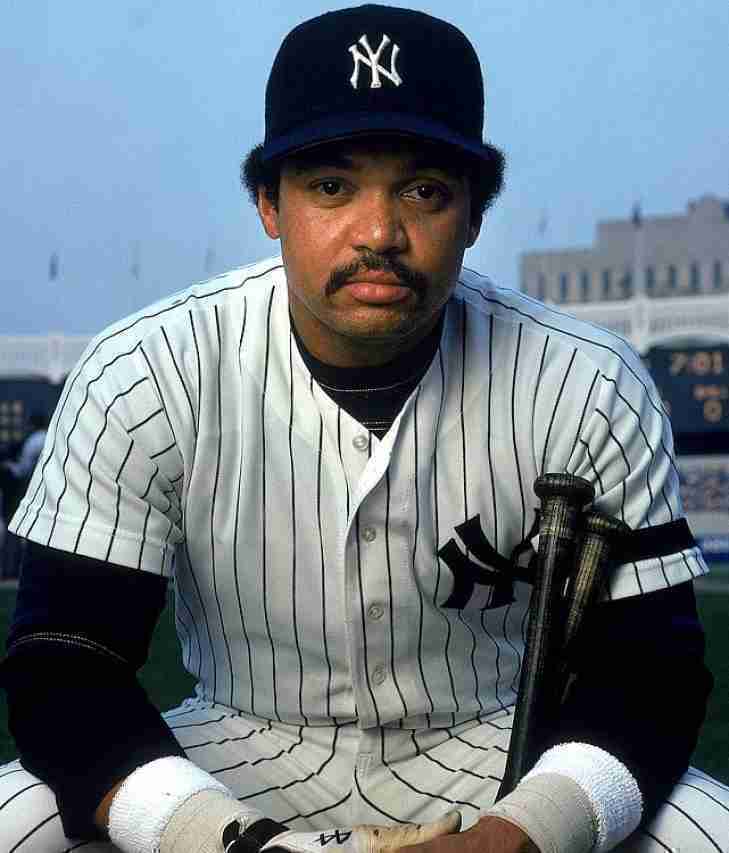
Oh boy…
This was by far the hardest one to rank on any MLB top 50 list.
When the high-stakes winter of 1976 arrived, the Bronx front office desperately craved a transformative center stage attraction to anchor a new era of baseball supremacy. They found their lightning rod in Reggie Jackson. Arriving with a larger-than-life persona and a thunderous, left-handed swing built for the short right-field porch, he single-handedly injected a fierce, high-drama electricity into the clubhouse.
No wonder he was nicknamed Mr. October.
The story started in November 1976 when Jackson signed a landmark five-year, $3.5 million free-agent deal, selecting George Steinbrenner's Yankees over more lucrative offers from other teams. He entered the Bronx with a clear mission to lead a new chapter of baseball dominance, instantly bringing a dynamic and intense energy to the clubhouse by famously stating he was "the straw that stirred the drink.”
His 1977 debut season was marked by sensational headlines, including a well-known, nationally televised dugout clash with manager Billy Martin at Fenway Park. As the season progressed, Jackson became a legendary figure. His standout moment in Game 6 of the 1977 World Series against the Los Angeles Dodgers is a hallmark in baseball history. He hit three straight home runs on three pitches from three different pitchers, helping the Yankees win the championship. Throughout the series, he hit five home runs and earned the World Series MVP award with an impressive .450 batting average and a 1.250 OPS, earning the nickname "Mr. October” and securing his place in sports lore.
A rigorous sabermetric review confirms why he holds a complex position on the franchise leaderboard. In just five seasons, his high-activity presence was relatively short, with only 653 regular-season games. He was more than a strikeout threat; he was a high-variance slugger, with 573 strikeouts and 661 hits in New York. Advanced metrics criticize his defense, highlighting limited lateral mobility and poor spatial awareness in right field, which often negatively affected his seasonal bWAR figures. He never ranked in the top ten in positional bWAR while with the Yankees, illustrating a profile of a flawed, specialized run-producer rather than a consistent five-tool player.
Nevertheless, Cooperstown called Jackson in his first year of eligibility in 1993, as they should have.
50. Bob Meusel
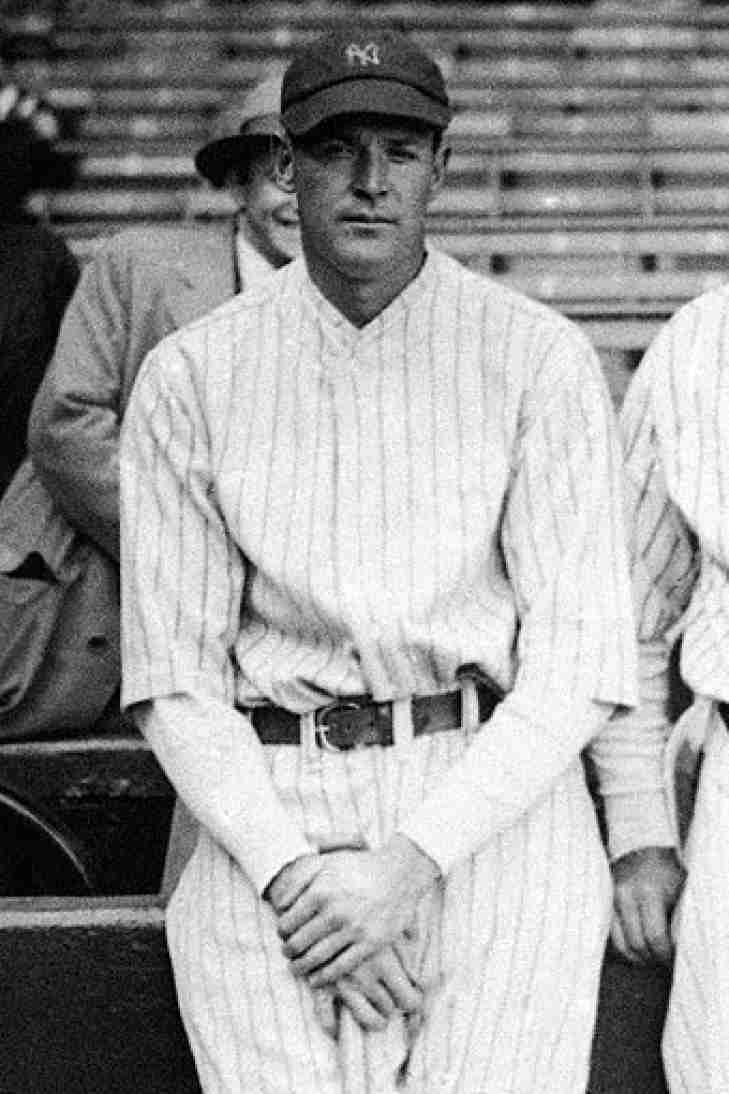
When Bob Meusel entered the batter's box in the 1920s, he offered an optimal and formidable safeguard for the most intimidating lineup in the history Of baseball. Positioned immediately behind Babe Ruth and Lou Gehrig in the renowned "Murderers' Row" batting order, Meusel did not need to dominate the media spotlight to cause significant harm. His presence contributed to a balanced and exceptionally comprehensive offensive strategy for the Yankees, effectively punishing opposing pitchers who attempted to avoid confronting the team's larger-than-life figures.
His pinstriped career was characterized by an exceptionally smooth, line-drive swing that achieved elite consistency. Meusel adapted instantly to the Bronx hitting environment, consecutively recording six seasons with a batting average exceeding .310.
Although he was largely overshadowed by Ruth’s historic fly-ball revolution, Meusel possessed considerable, effortless strength capable of suddenly dominating a game. The zenith of this run-producing power was reached during the 1925 season. With Babe Ruth sidelined by illness for a significant portion of the year, Meusel assumed the spotlight, delivering an exceptional performance to secure the American League home run title with 33 home runs and leading the junior circuit with an impressive 134 RBIs.
Beyond his impressive power statistics, Meusel brought a lively, athletic flair to the field that was uncommon among corner outfielders of his time. He was an adept baserunner, using sharp instincts to steal 15 or more bases on four occasions, including a bold steal of home during the 1921 World Series. Defensively, he intimidated opposing third-base coaches with one of the most formidable, rifle-like throwing arms in the game, consistently throwing out runners attempting to stretch hits from both right and left field.
His persistent performance was a vital driver for the franchise's first major dynasty, directly contributing to the Yankees’ three World Series titles, including the historic, wire-to-wire 1927 season. Meusel's stint in New York ended after the 1929 season, when the front office decided to focus on younger players and sold his contract to the Cincinnati Reds.
Meusel concluded his brilliant, ten-year run in pinstripes with 1,565 hits, 156 home runs, and a commanding .500 slugging percentage.
44. Allie Reynolds
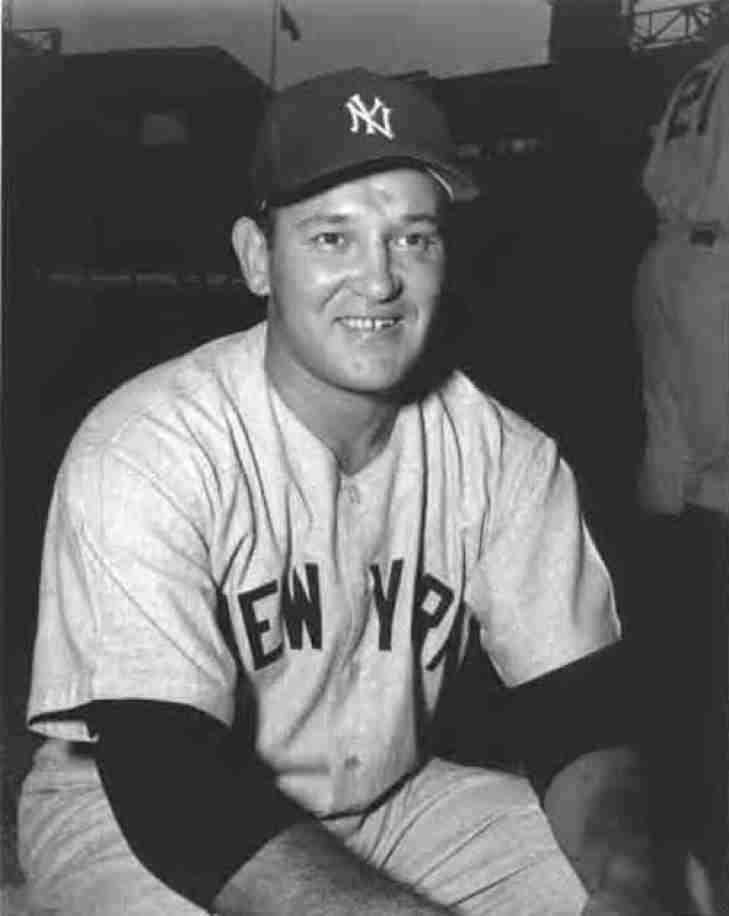
When modern analytics grids dissect Allie Reynolds's career, the spreadsheets can look a bit cold. Sabermetricians often point straight to his 1.386 career WHIP and assert that his heavy win totals were simply a byproduct of playing for an absolute powerhouse dynasty that gifted him relentless run support. But evaluating "Superchief" solely through a modern mathematical lens completely misses the actual shape of his legacy. Reynolds wasn't built to maximize efficiency rows on a computer screen; he was engineered to win the specific baseball game right in front of him.
His most notable trait was an exceptional, multi-positional versatility that defied the conventions of his time. Well before the modern game divided pitchers into specialized roles, manager Casey Stengel relied on Reynolds as his most versatile tactical asset. He could confidently deliver a complete-game victory on Thursday afternoon and then come out of the bullpen on Saturday night to record a crucial save. This adaptable, two-way capability gave his overall stats a distinct edge, saving 41 games over his career while serving as a key part of the starting rotation.
When he established his true peak in the early 1950s, he demonstrated that his top-tier baseline was as exceptional as anyone else's in the sport. In 1951, he threw two renowned no-hitters, the second against Boston, which he capped by getting Ted Williams to fly out to end the game. He then followed that with a remarkable 1952 campaign, showcasing outstanding run prevention by leading the American League with a tiny 2.07 ERA and 160 strikeouts. His dominance during the regular season earned him consecutive top-3 finishes in the AL MVP voting, placing third in 1951 and finishing as a runner-up in 1952.
What truly set Reynolds apart from his peers was his unwavering calm during the intense pressures of October. He didn't just endure the World Series spotlight; he excelled at it. In his six Fall Classic appearances with the Yankees, he achieved an impressive 7–2 record with a 2.79 ERA, demonstrating complete composure under pressure. Additionally, he enhanced his value by becoming a significant threat at the plate in October, hitting a strong .308 and providing the Yankees with a crucial high-leverage advantage.
A severe back injury sustained in a team charter bus accident eventually exacted a heavy structural toll on his body, forcing his retirement after the 1954 season at age 37. He walked away from the Bronx with a spectacular 131–60 record, yielding an astonishingly efficient .686 winning percentage that ranks among the highest in franchise history alongside 967 strikeouts and a solid 3.30 ERA.
49. Jack Chesbro
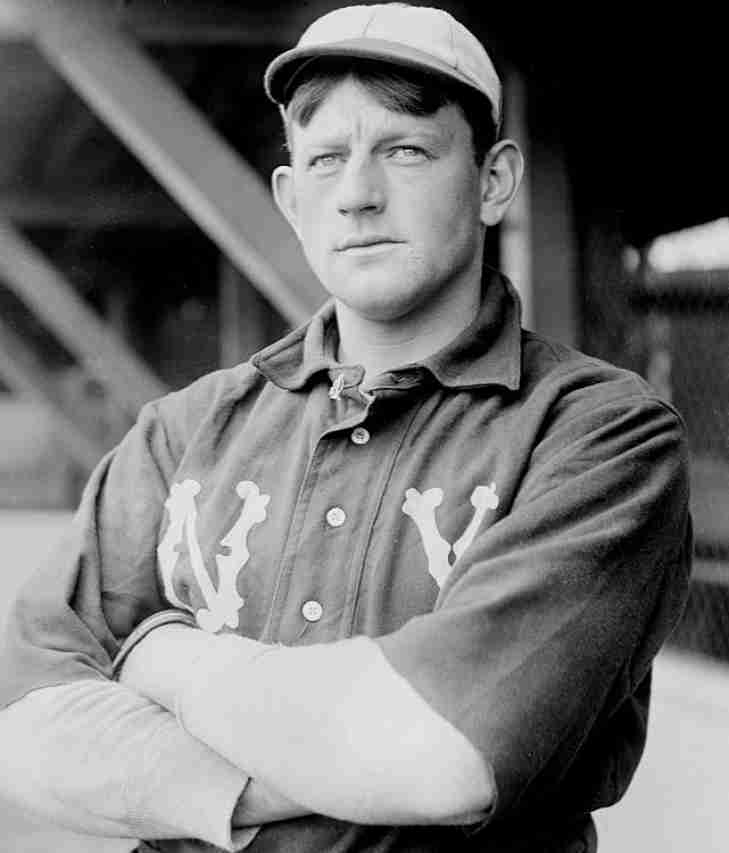
"Happy Jack" Chesbro is a fascinating anomaly in Cooperstown. Critics say his plaque mainly hinges on a single, remarkable regular-season outlier. That season, leading the New York Highlanders, predecessors of the modern Yankees, cemented his legacy in the franchise's history.
His arrival in New York stemmed from the chaotic and aggressive founding of the American League. In late 1902, the new junior league was eager to establish a strong presence in Manhattan to compete head-to-head with the established National League. To quickly build a competitive team, AL founders recruited players from the NL by offering much higher salaries and attractive signing bonuses.
Chesbro was the standout talent in this cross-league recruiting effort. After a successful 28-win season with the National League champion Pittsburgh Pirates, he chose to switch leagues and join the newly established New York team for 1903, motivated by a sizable $1,000 signing bonus. His move made headlines across baseball, especially after a Pirates teammate, under the influence of pain medication, revealed the secret plan, leading the Pittsburgh front office to release Chesbro before the season ended. According to the 1903 major league peace agreement, he officially became property of the New York team—later pitching and winning the franchise's first home game.
His New York stay's most memorable highlight came during the legendary 1904 season. Relying on a deadly, unpredictable spitball that baffled American League batters entirely, Chesbro amassed a volume of work that seems incredible today. He made 51 starts, threw 48 complete games, and pitched an incredible 454.2 innings. By season's end, he recorded a 41-12 record with a stellar 1.82 ERA and a remarkable 10.2 bWAR. The 41 wins set a modern Major League record that remains completely unbreakable in today’s game.
However, the irony of his historic 1904 milestone is that it ended with one of the most tragic and stressful mistakes in early baseball history. On the final weekend of the season, with New York competing against the Boston Americans for the pennant, Chesbro threw a wild pitch in the top of the ninth inning that let the winning run score, ultimately costing the Highlanders the championship.
Although he never came close to replicating that workload, summarizing his New York tenure as a one-year wonder overlooks a highly productive run at Hilltop Park. Across seven seasons with the franchise, Chesbro was a dependable, top-of-the-rotation workhorse, compiling a strong 128-93 record, a sharp 2.58 ERA, and an efficient 1.120 WHIP.
During the 1909 season, his time in New York gradually came to an end as the intense physical strain from his high-volume pitching took a toll on his arm, prompting his move to the Boston Red Sox. Many years after his final pitch, the Veterans Committee confirmed his legendary status by inducting Chesbro into the National Baseball Hall of Fame in 1946, securing his legacy as the pitcher behind one of the sport's greatest single-season performances among the sport's all-time greats.
47. Paul O'Neill
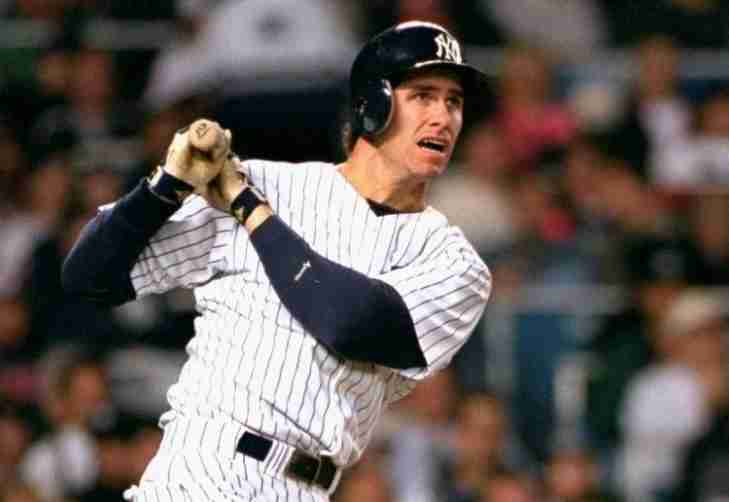
By the time Paul O’Neill reached the Bronx, he was no longer an untested player. He had already been an All-Star and had a World Series title with the 1990 Cincinnati Reds. However, the trade that sent him to New York in November 1992, in exchange for Roberto Kelly, marked a new chapter in his career. He was no longer just a team member; he became the driving force of a dynasty.
O’Neill quickly became one of the most cherished figures in modern franchise history. While he was never the most glamorous or the most talented athlete on a team filled with homegrown stars, he was widely respected for his wholehearted commitment and passion on the field. His natural intensity and rejection of failure led owner George Steinbrenner to bestow upon him the highest honor: "The Warrior."
His pinstriped journey was characterized by remarkably consistent, straightforward execution. O’Neill quickly adapted to the Bronx hitting environment, consecutively posting six seasons with a batting average above .300.
The pinnacle of this regular-season mastery occurred during the strike-shortened 1994 season. He delivered an outstanding performance at the plate, intimidating American League pitchers to win the AL batting title with a remarkable .359 average. He also added 21 home runs and 83 RBIs in only 103 games. His exceptional summer led to a notable fifth-place finish in the 1994 AL MVP voting.
As the decade progressed, his unwavering dedication made him the ideal veteran anchor for the late-1990s dynasty. O’Neill received four All-Star selections while with the pinstripes and was instrumental in leading the organization to four World Series titles (1996, 1998, 1999, and 2000). He contributed crucial, high-pressure hits and set a fierce competitive tone that shaped the clubhouse environment.
He walked away from the game after the 2001 Fall Classic, leaving a lasting legacy of excellence in right field. Across his nine seasons in New York, O’Neill compiled a robust .303 batting average, clashing his way to 1,426 hits, 304 doubles, and 185 home runs. New York honored him with a plaque in Monument Park in 2014 and retired his number 21 in 2022.
36. Brett Gardner
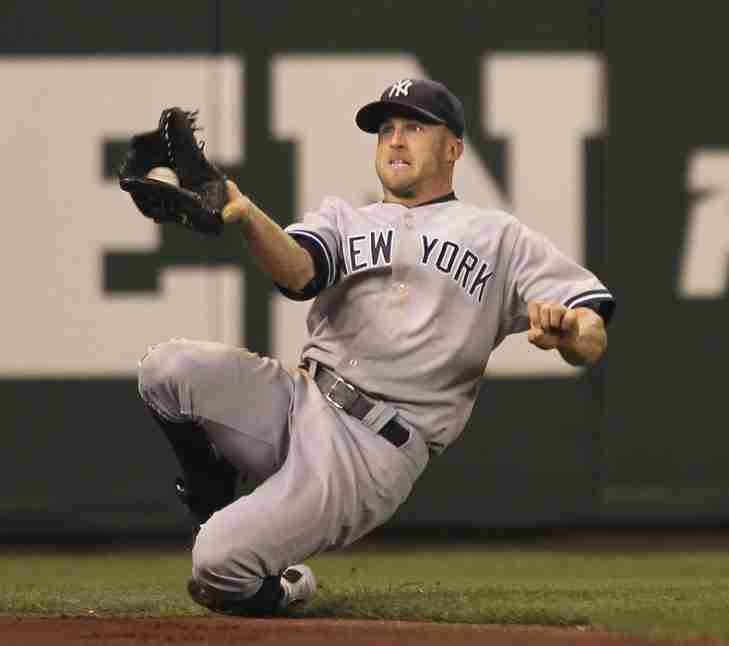
When a player remains with a single franchise for 14 seasons in today's free-agency era, it's no coincidence. It indicates that the front office recognizes something that casual observers often overlook. Brett Michael Gardner may not have had the legendary reputation of Derek Jeter or the overwhelming power of Aaron Judge that captures broadcasts, but he was the perfect example of an analytical favorite—a crucial "glue guy" whose high value stemmed from exceptional spatial awareness, patience, and relentless grit.
Gardner exemplified modern, highly efficient base running. He transformed the batter's box into a contest of endurance, often forcing pitchers into long, tiring counts with a disciplined visual approach. As a top leadoff hitter, he exceeded 60 walks seven times, led the American League with 10 triples in 2013, and scored 132 runs in a stellar 2011 season. Once on base, his speed posed constant danger, with 274 stolen bases placing him among the franchise's top ten all-time alongside baseball legends.
While his keen eye kept the game progressing, Gardner's superior defensive skills elevated his value from a reliable player to a nearly essential one. He covered Yankee Stadium's expansive outfield with a lightning-fast first step and an fearless attitude toward the wall, turning tough line drives into easy outs. Having played years in a key left field role to support Jacoby Ellsbury and Curtis Granderson, his advanced metrics strongly affirmed his elite defense. He earned the 2016 Gold Glove and Wilson Defensive Player of the Year awards, and finished with a notable career defensive bWAR that amazed many outside New York but was perfectly understood by the front office.
In the clubhouse, his strong, lead-by-example approach made him the clear emotional leader of the team during a challenging time of change. He was a rookie during the historic 2009 World Series win, and by the end of his career, he was the last remaining connection to that championship team. As the veteran, his intense competitive spirit—highlighted by his well-known habit of rhythmically banging his bat against the dugout roof to motivate teammates- solidified his position as a fan favorite.
Later in his career, Gardner enhanced his offensive skills by incorporating powerful pulls, hitting a career-high 28 home runs at age 35 in 2019 to help maintain the lineup's momentum despite injuries.
He left the diamond after 2021, ending a lifelong journey with 1,470 hits, 139 home runs, and 578 RBIs in 1,688 games.
40. CC Sabathia
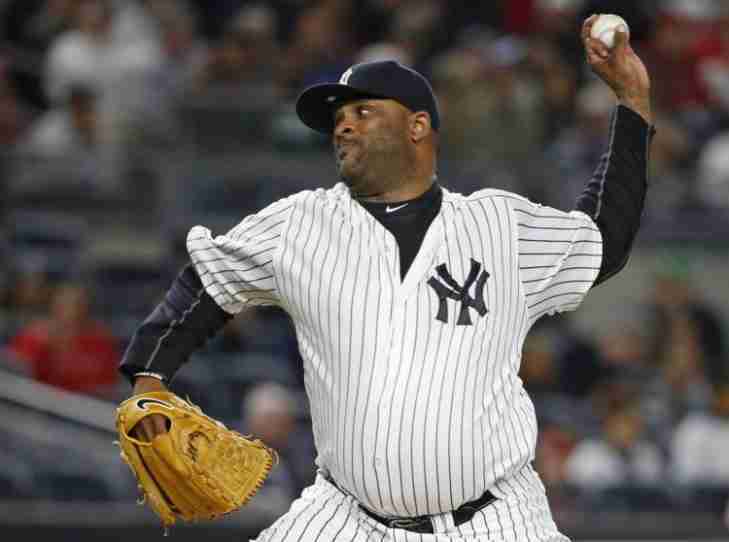
C.C. Sabathia Jr. finalized a massive seven-year, $161 million contract in December 2008, which wasn’t just a premium free-agent signing. He was assuming the ultimate, high-stress mandate: anchor a modern pitching rotation under the most demanding spotlight in sports. Standing an imposing 6-foot-6 and weighing well over 270 pounds, the Vallejo, California native brought a towering physical presence and a fierce, competitive fire to the Bronx that immediately shifted the organizational culture, which, considering the legacy of the Yankees, was no small task.
Sabathia did not merely accept the role of ace; he upheld it with a durability reminiscent of the legendary workhorses of the past, exemplified by a resilience comparable to carrying a lunch pail. Equipped with a blazing fastball in the mid-90s and a devastating slider, the left-handed pitcher excelled in dominating the American League from the outset. He recorded consecutive seasons as the leader in victories within the junior circuit, securing 19 wins in 2009 and a career-high 21 triumphs in 2010. He exceeded 200 innings pitched in each of his initial five seasons with New York, providing Manager Joe Girardi with a reliable, high-leverage starter capable of effectively halting losing streaks. Although he did not replicate his 2007 Cleveland Cy Young Award achievement while with the Yankees, his exceptional regular-season performance earned him widespread national recognition, including three All-Star selections and three top-five finishes in the Cy Young Award voting while serving as a Yankee.
That raw dominance reached its absolute competitive pinnacle during the historic 2009 postseason run. Sabathia single-handedly piloted the Yankees through October, taking home the ALCS MVP award before anchoring the staff in the Fall Classic to capture the franchise's 27th world championship.
What truly made him a legendary figure in Yankee history was his incredible second act in his pinstriped journey. Despite his knee pain and natural aging that diminished his fastball, Sabathia completely reinvented himself. With sharp game awareness and smart strategy, he shifted from a power pitcher to a clever, tactical leader. By mastering a cutter and changeup, he continued to outsmart young lineups, while also charming his teammates as a passionate, respected captain during a vibrant youth movement.
Despite experiencing significant physical wear, he persisted, pitching with a taped-up knee to lead the team to several postseason appearances late in the decade. On April 30, 2019, he achieved a historic milestone with the Yankees, striking out Arizona’s John Ryan Murphy and becoming only the third left-handed pitcher in baseball history to reach 3,000 strikeouts.
Sabathia retired after the 2019 season, ending an 11-year Bronx career with a 134–88 record, 1,700 strikeouts, and a 3.81 ERA in 306 starts. His championship peak and late-career longevity left a lasting impact on fans. He was elected into the Baseball Hall of Fame in 2025 on his first attempt.
33. Joe Gordon
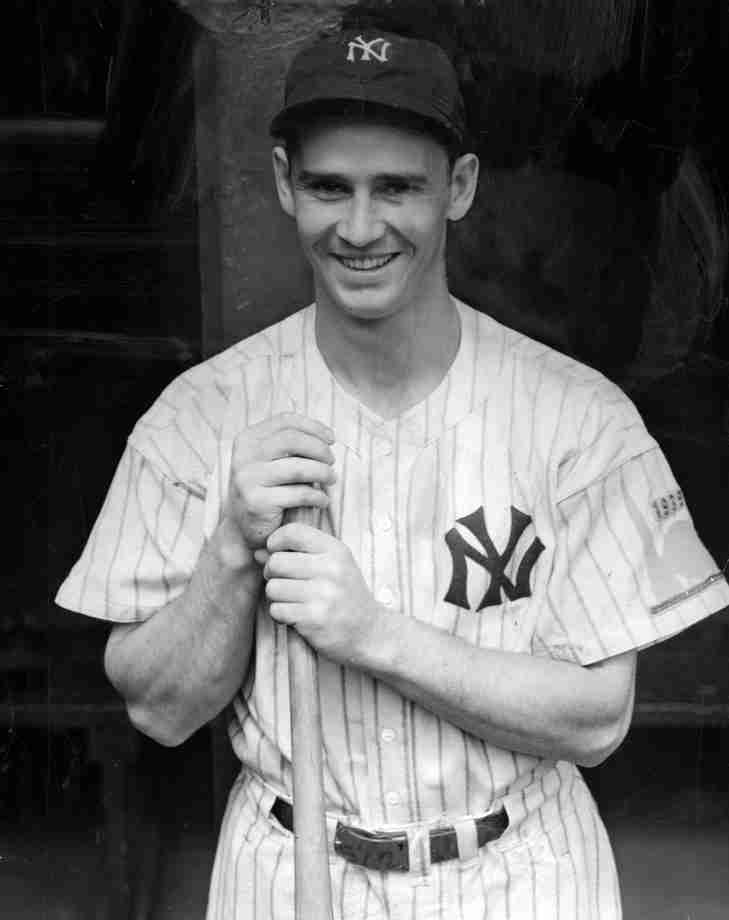
In 1938, Joe Gordon replaced Tony Lazzeri. At 23, he handled the pressure and transformed second base defense into acrobatics, covering the right side with aerial, diving range that redefined physical limits at the position.
Gordon was a complete defensive force, greatly influencing the game's pace. He had a lightning-fast transfer and an exceptional sense of spatial awareness, often grabbing balls from the dirt and twisting mid-air to start double plays. Advanced statistics support his reputation, as he ranked in the top five in defensive bWAR in the American League seven times with the team, including four outstanding seasons surpassing 2.0 defensive bWAR. He led all second basemen in the junior circuit with assists four times and double plays three times, setting a high standard for middle-infield excellence.
While his acrobatic glove work kept the infield steady, Gordon added a powerful, groundbreaking bat to the bottom of the order. By hitting 25 home runs as a rookie, he broke the mold for middle infielders and set a new major league record for second basemen. Over his career, he exceeded 20 home runs seven times, serving as the clutch power hitter who maintained the offense behind Joe DiMaggio.
The unique blend of elite run prevention and powerful middle-infield play reached its peak in the historic 1942 season. Gordon delivered a remarkable offensive performance, hitting a career-high .322 with 29 doubles, 18 home runs, and 103 RBIs. His outstanding all-around contribution earned him the 1942 American League Most Valuable Player award, narrowly beating Triple Crown winner Ted Williams due to his significant, multi-faceted value to the pennant-winning Yankees.
He was a relentless winner who regarded October as his personal stage. Gordon led New York to five American League titles and four World Series wins (1938, 1939, 1941, and 1943), batting an impressive .400 during his first Fall Classic sweep of Chicago. Like many icons of that time, his prime years were interrupted by World War II, as he gave up two key seasons in 1944 and 1945 to serve in the Army Air Corps.
Upon returning, he played one final season in the Bronx in 1946 before the front office executed a historic, challenge-ending blockbuster trade, sending Gordon to Cleveland in exchange for starting pitcher Allie Reynolds. The move proved brilliant for both sides; Gordon immediately anchored the Indians' infield and clubbed a career-high 32 home runs to pilot Cleveland to its historic 1948 World Series title.
Gordon played exactly 1,000 games for the Yankees, accruing 1,000 hits, 153 home runs, and 617 RBIs. He was inducted into the Baseball Hall of Fame through the Veterans Committee in 2009.
43. Snuffy Stirnweiss
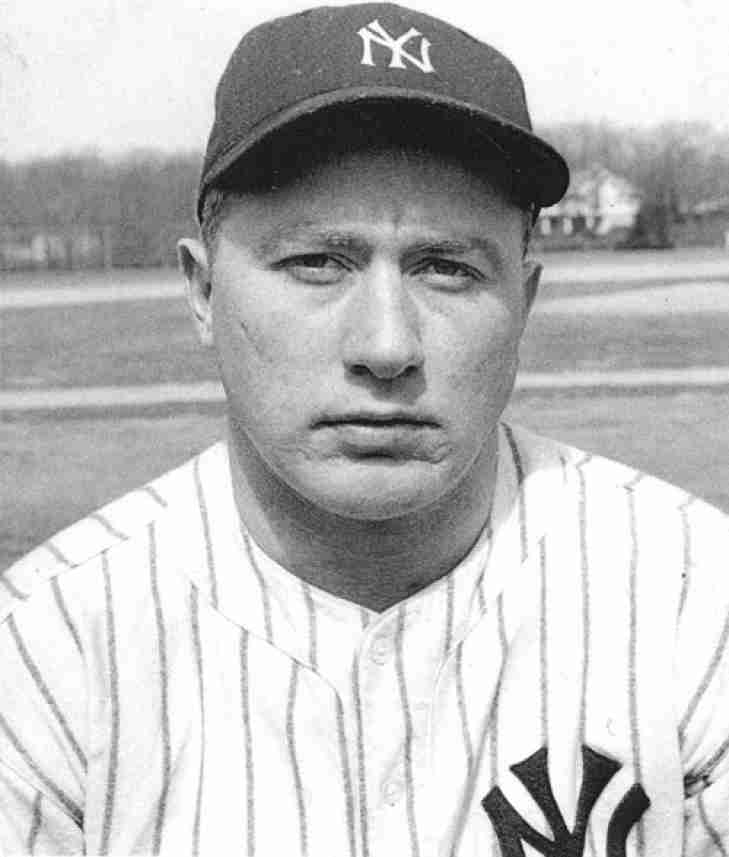
Hmmm.
This is another tricky one.
Regarding pure talent, Snuffy Stirnweiss isn’t typically considered among the best, with his peak seasons occurring during World War II when MLB rosters were short-handed. He secured his infield position while Joe Gordon was serving in the military and lost it upon Gordon's return. The undeniable truth in professional sports is that a player can only compete against the opponents present. During the wartime roster shortages, Stirnweiss didn't just occupy a position; he maximized his athletic abilities to produce a two-year performance that modern analytics recognize as truly elite.
When Joe Gordon left for military service, Stirnweiss took over the everyday second base role and evolved into a highly efficient, dynamic leader at the top of the lineup. A former college football star at North Carolina and a drafted NFL player, he utilized his incredible speed to revolutionize the Yankees’ run production strategy. In 1944, he racked up an impressive 205 hits, 125 runs, 16 triples, and 55 stolen bases, all while maintaining a strong .319 batting average. Advanced statistics highlight his exceptional performance, with a remarkable 8.6 bWAR that led the entire American League.
He demonstrated it was not a fluke by delivering an even more impressive masterclass in 1945. Stirnweiss dominated the American League leaderboard, leading in hits (195), runs (107), triples (22), and stolen bases (33). More notably, he won the junior circuit batting title with a .309 average and topped the league in slugging percentage (.476) and OPS (.862), a remarkable display of all-around skill for a 5-foot-8 leadoff hitter. His 8.8 bWAR again led the league, bringing his total to 17.4 bWAR over these two historic years. Although traditional MVP voters placed him fourth and third, respectively, modern sabermetrics argue he was the most valuable player on the planet during that period.
When the pre-war superstars returned from service in 1946, Stirnweiss’s individual numbers naturally regressed toward his true baseline. He surrendered the everyday second base job back to Joe Gordon, shifting into a multi-positional utility hand. Yet, dismissing him as a mere wartime fluke ignores his continued structural value to the dynasty. He reclaimed a starting infield spot and served as a highly productive, steadying presence for the 1947 world championship roster, scoring 102 runs and drawing 89 walks to keep the line moving ahead of Joe DiMaggio. He was a bankable constant for three World Series title teams in New York (1943, 1947, and 1949), playing a quiet, essential supporting role long after his days as a frontline superstar had faded.
Following a mid-season trade in 1950, he wrapped up his decade-long major league stay with brief stops in St. Louis and Cleveland, walking away from the diamond with 989 hits, 134 stolen bases, and a fantastic .362 career on-base percentage. Tragically, his life was cut short when he passed away in a New York area train derailment in 1958 at the young age of 39.
