

 Not in Hall of Fame News
Yes, we know that this is taking a while! As many of…
 Not in Hall of Fame News
Yes, we know that this is taking a while! As many of…
 Not in Hall of Fame News
2002 SEMI-FINAL RESULTS: Thank you for your participation in the Pro Football…
 Not in Hall of Fame News
Yes, we know that this is taking a while! As many of…
 Not in Hall of Fame News
We are diligently working away at Notinhalloffame on revising our Football lists…
 Not in Hall of Fame News
We are diligently working away at Notinhalloffame on revising our Football lists…
 From the Desk of the Chairman
For decades, the sports debate ran on gut feeling. Barstool arguments, call-in…
 From the Desk of the Chairman
Introduction to Private Adult Tennis Camps in Prague Adult club players increasingly…
 From the Desk of the Chairman
Unlike in the case of pre-match betting, where you have to pick…
 From the Desk of the Chairman
Kupu178 builds trust with people by using top-end end-to-end encryption. It checks…
 From the Desk of the Chairman
Sports fans thrive on calculating strategy, reading momentum, and maximizing every tactical…
 From the Desk of the Chairman
The 2026 NFL season is two weeks old and the division races…
100 Active Potential Football Hall of Famers
-
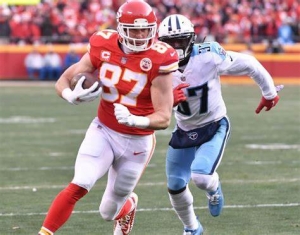 #5 Overall, Travis Kelce: Kansas City Chiefs, #1 Tight End2025 Pre-Season Rank #4, 2024 Pre-Season Rank #5, 2023 Pre-Season Rank #7, 2022 Pre-Season Rank #12, 2021 Pre-Season Rank: #20, 2020 Pre-Season Rank…in Tight Ends
 -
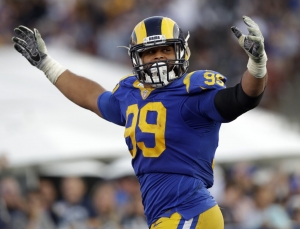 #1 Overall, Aaron Donald: Los Angeles Rams, Defensive End, #1 Defensive Lineman/Linebackers/Pass Rushers2020 Pre-Season Rank #15, 2021 Pre-Season Rank #5, 2022 Pre-Season Rank #3, 2023 Pre-Season Rank #2. PEAK 2017-21 Well, look who’s back! When…
 -
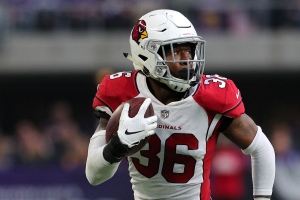 #24 Overall, Budda Baker, Arizona Cardinals, Free Safety, #1 Safety2025 Pre-Season Rank #28, 2024 Pre-Season Rank #43, 2023 Pre-Season Rank #78, 2022 Pre-Season Rank #86, 2021 Pre-Season Rank #113, 2020 Pre-Season Rank…in Safeties
 -
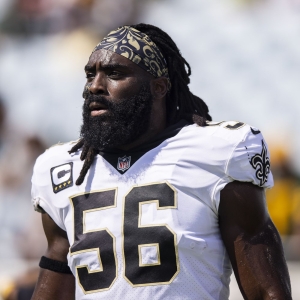 #48 Overall, DeMario Davis, New York Jets, Linebacker, #4 Defensive Lineman/Linebacker: Interior Lineman2025 Pre-Season Rank #47, 2024 Pre-Season Rank #47, 2023 Pre-Season Rank #61, 2022, Pre-Season Rank #137. Peak Period: 2019-23 Davis, a veteran player,…
Visit the Fictitious Halls of Fame!

You May Also Like...
EDITOR’S CHOICE
 DDT's Pop Flies
When the veterans committee (VC), officially convening as the Contemporary Baseball Era…


 Live Music Head
Project/Objectan interview with André Cholmondeleyby Live Music HeadOriginally published at timessquare.com on…

LATEST RANKINGS

MOST POPULAR RANKINGS



Committee Chairman
46. Mickey Redmond
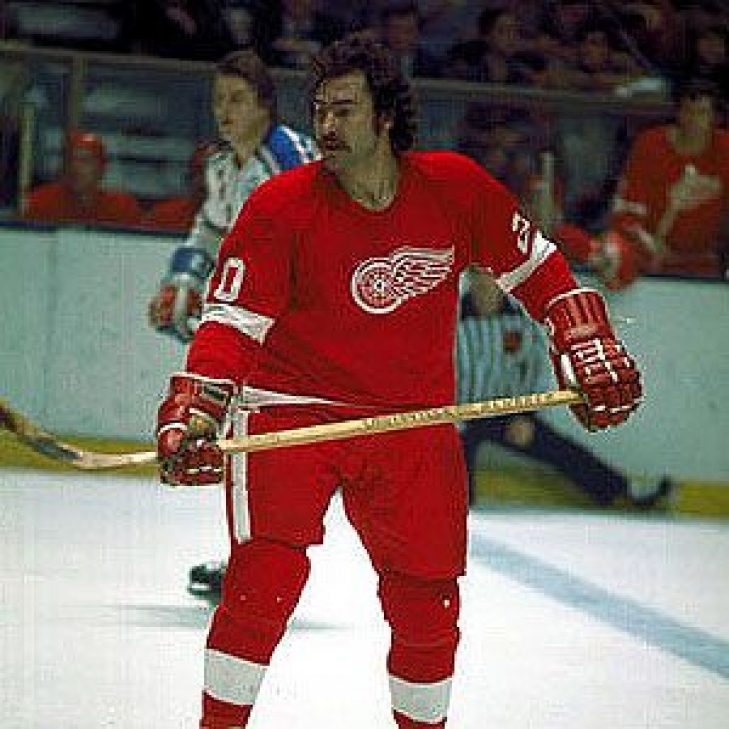
Mickey Redmond was a member of two Stanley Cup-winning teams in Montreal, but he was dealt to Detroit for Frank Mahovlich in January of 1971. This marked the end of Redmond's era of playoff participation, but as a Red Wing, he achieved his greatest individual success.
45. Marty Barry
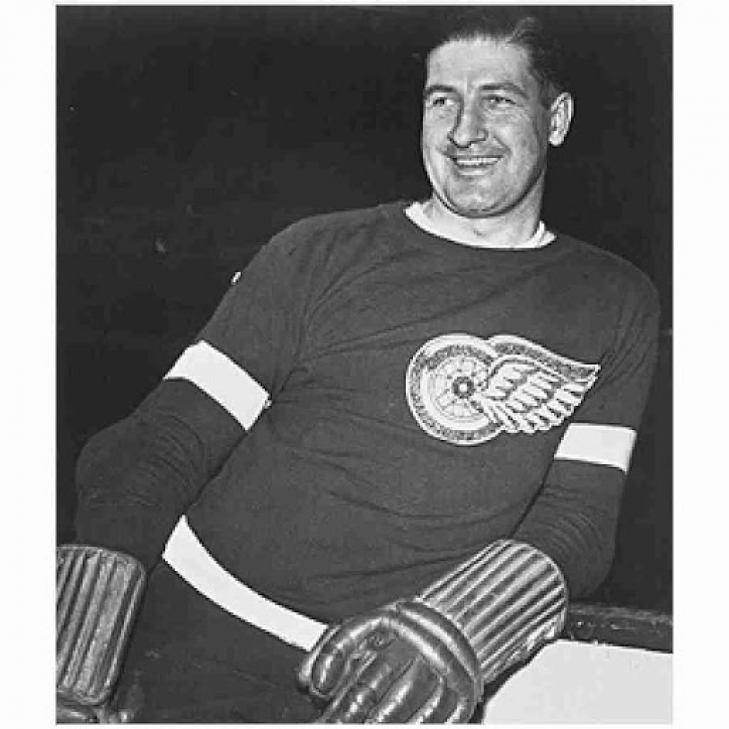
After six quality years in Boston, Marty Barry was traded to Detroit in 1935, where he played for four years, arguably the period during which he achieved his greatest success.
44. Bill Quackenbush
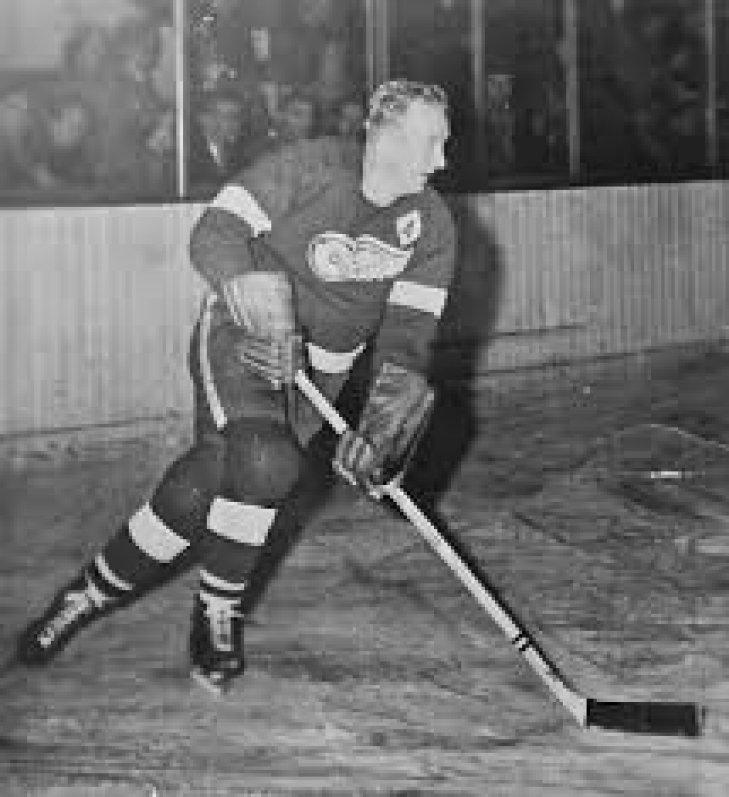
Bill Quackenbush was an excellent two-way Defenseman for his time, and he played the first half of his career as a Detroit Red Wing.
43. Leo Reise
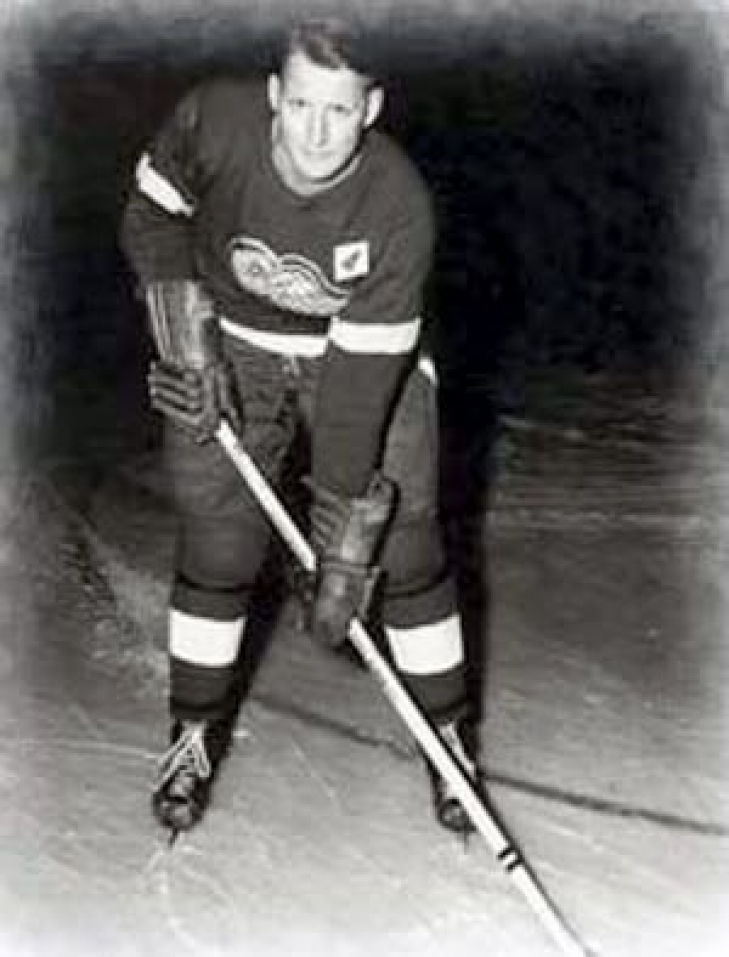
The son of former Hamilton Tiger and New York American Leo Reise, Leo Reise Jr. had a more successful career than his father, which speaks volumes.
