

 Not in Hall of Fame News
Yes, we know that this is taking a while! As many of…
 Not in Hall of Fame News
Yes, we know that this is taking a while! As many of…
 Not in Hall of Fame News
2002 SEMI-FINAL RESULTS: Thank you for your participation in the Pro Football…
 Not in Hall of Fame News
Yes, we know that this is taking a while! As many of…
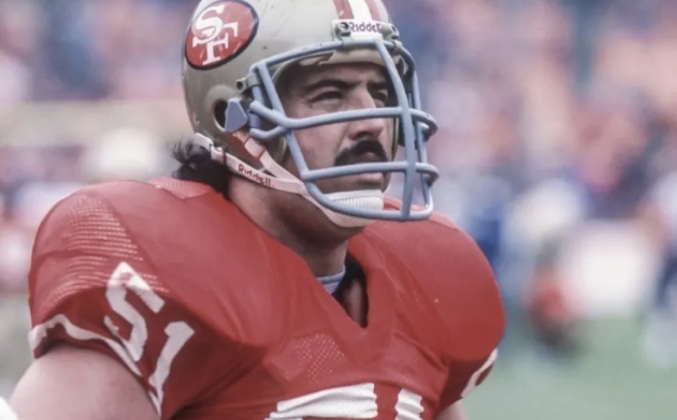 Not in Hall of Fame News
We are diligently working away at Notinhalloffame on revising our Football lists…
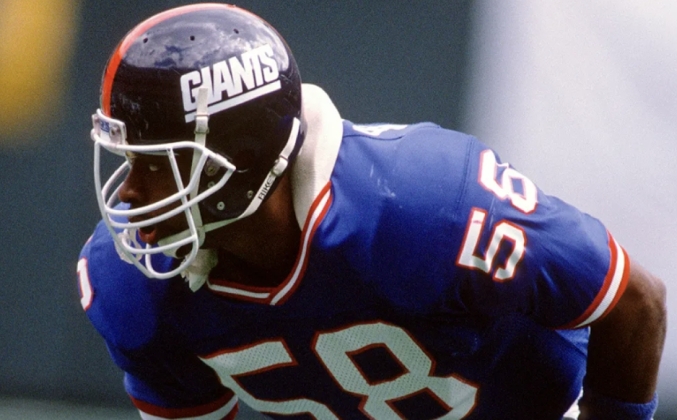 Not in Hall of Fame News
We are diligently working away at Notinhalloffame on revising our Football lists…
 From the Desk of the Chairman
October baseball often turns individual pitching performances into lasting postseason memories. Strikeout…
 From the Desk of the Chairman
For decades, the sports debate ran on gut feeling. Barstool arguments, call-in…
 From the Desk of the Chairman
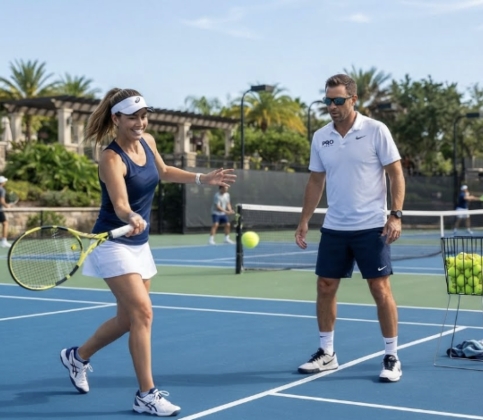
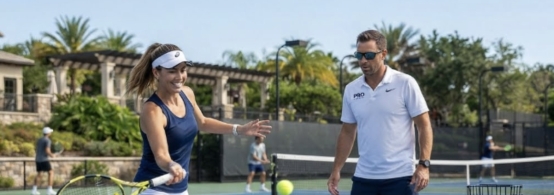
Introduction to Private Adult Tennis Camps in Prague Adult club players increasingly…
 From the Desk of the Chairman
Unlike in the case of pre-match betting, where you have to pick…
 From the Desk of the Chairman
Kupu178 builds trust with people by using top-end end-to-end encryption. It checks…
 From the Desk of the Chairman
Sports fans thrive on calculating strategy, reading momentum, and maximizing every tactical…
100 Active Potential Football Hall of Famers
-
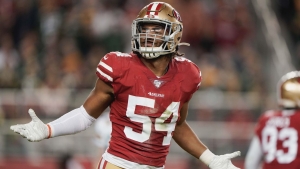 #30 Overall, Fred Warner, San Francisco 49ers Linebacker, #2 Defensive Lineman/Linebacker: Interior Lineman2025 Pre-Season Ranking #22, 2024 Pre-Season Rank #49, 2023 Pre-Season Rank #79, 2022 Pre-Season Rank #118, 2021 Pre-Season Rank #142. Peak Period: 2020-24…
 -
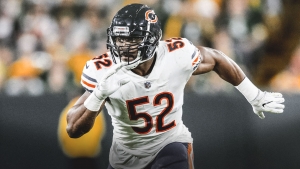 #13 Overall, Khalil Mack: Los Angeles Chargers, #5 Defensive Lineman/Linebacker: Pass Rusher2025 Pre-Season Rank #8, 2024 Pre-Season Rank #12, 2023 Pre-Season Rank #14, 2022 Pre-Season Rank #19, 2021 Pre-Season Rank #26, 2020 Pre-Season Rank…
 -
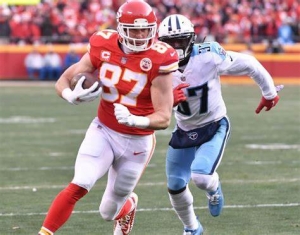 #5 Overall, Travis Kelce: Kansas City Chiefs, #1 Tight End2025 Pre-Season Rank #4, 2024 Pre-Season Rank #5, 2023 Pre-Season Rank #7, 2022 Pre-Season Rank #12, 2021 Pre-Season Rank: #20, 2020 Pre-Season Rank…in Tight Ends
 -
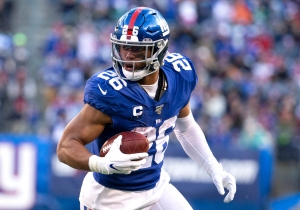 #45 Overall, Saquon Barkley, Philadelphia Eagles, #3 Running Back2025 Pre-Season Rank ##51, 2024 Pre-Season Rank #117, 2023 Pre-Season Rank #122, 2022 Pre-Season Rank #132 2021 Pre-Season Rank #101, 2020 Pre-Season Rank…
Visit the Fictitious Halls of Fame!

You May Also Like...
EDITOR’S CHOICE
 DDT's Pop Flies
When the veterans committee (VC), officially convening as the Contemporary Baseball Era…
 Live Music Head
Project/Objectan interview with André Cholmondeleyby Live Music HeadOriginally published at timessquare.com on…
LATEST RANKINGS

MOST POPULAR RANKINGS

Committee Chairman
238. Jim Perry
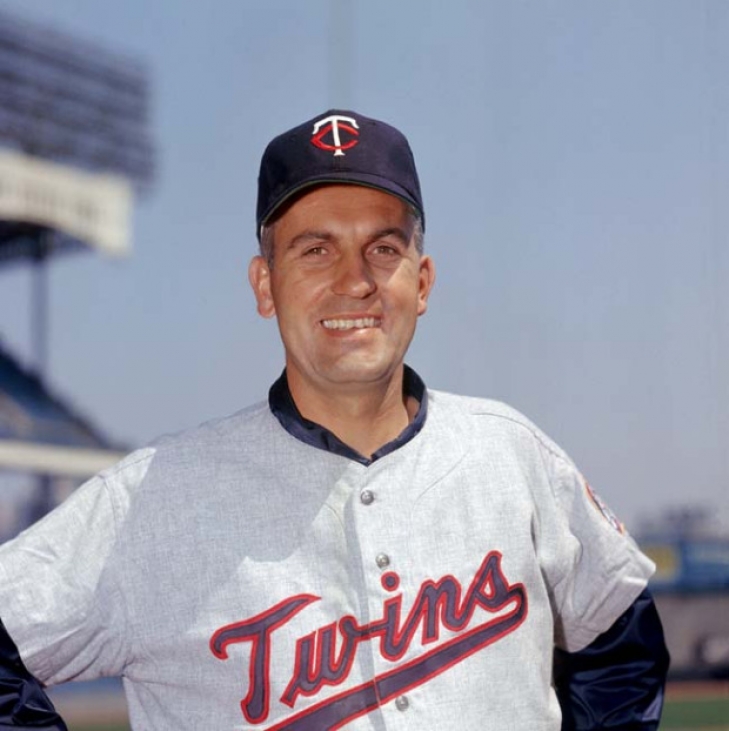
The older brother of Hall of Famer Gaylord Perry, Jim Perry, was an outstanding hurler worthy of consideration in his own right.
Perry first appeared in the Majors in 1959 with the Cleveland Indians, where, after a 12-10 and 2.65 ERA year, he was the runner-up for the American League Rookie of the Year. Perry led the AL in Wins in 1960 (18) and was an All-Star the season after, but he slumped afterward and was traded to the Minnesota Twins during the 1963 Season.
The elder Perry did better in Minnesota, helping the Twins win the Pennant in 1965, and at the decade's end, he had his first 20 Win Season, going 20-6 and finishing third in Cy Young voting. Perry was first in Wins the following season, going 24-12 and winning the Cy Young. As an All-Star in both 1970 and 1971, Perry moved to Detroit in 1973 and had one good year back with the Indians in 1974, when he went 17-12.
Perry finished his career in 1975, retiring with a 215-174 record and 1,575 Strikeouts.
279. Hardy Richardson
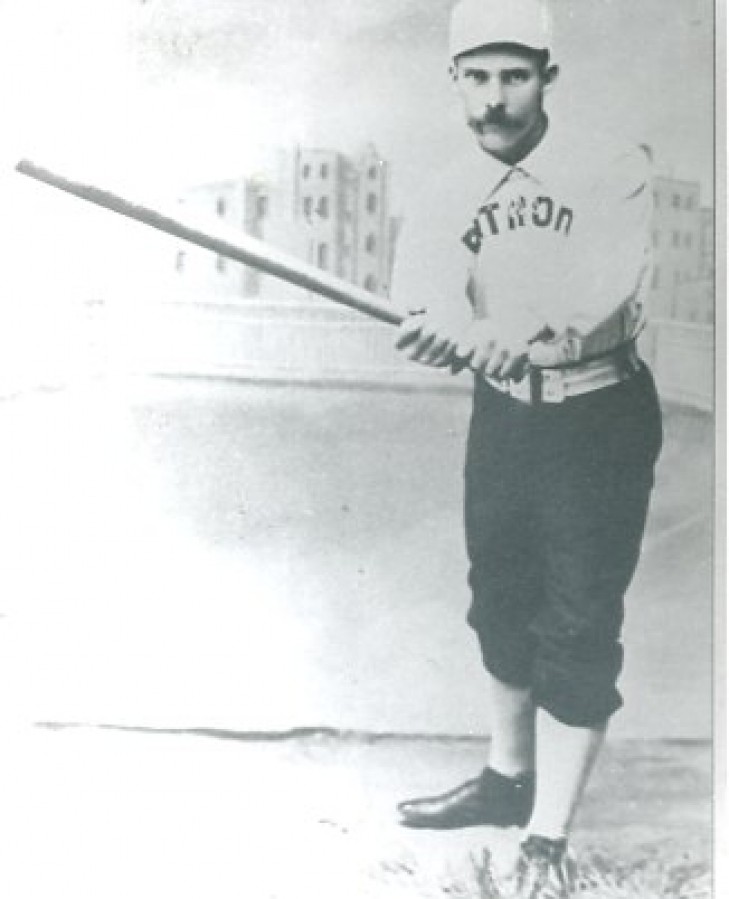
Hardy Richardson was a 14-year veteran whose career slipped through the cracks of baseball history. This is partly because it was so long ago, as his professional tenure was from 1879 to 1892. Another part is because the best part of his career happened with two teams that haven't existed in well over a century, the Buffalo Bisons and the Detroit Wolverines.
292. Brad Radke
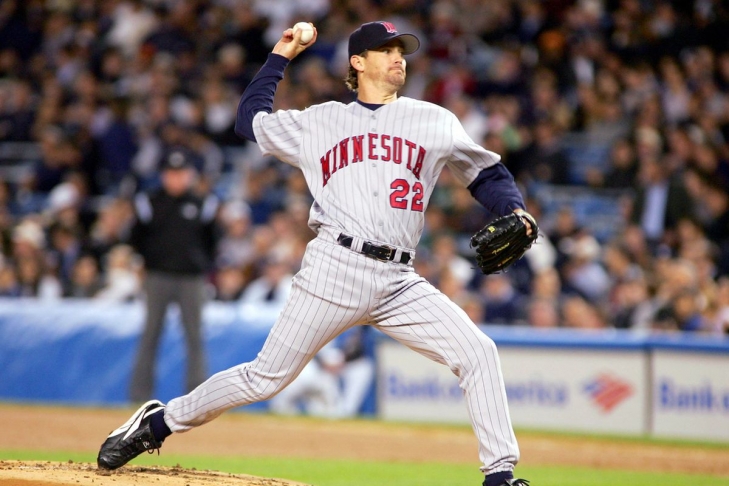
Playing his entire pro career with the Minnesota Twins, Brad Radke had a good career, and while he gained his share of Wins, it was his consistency that he is most remembered for.
217. Del Pratt
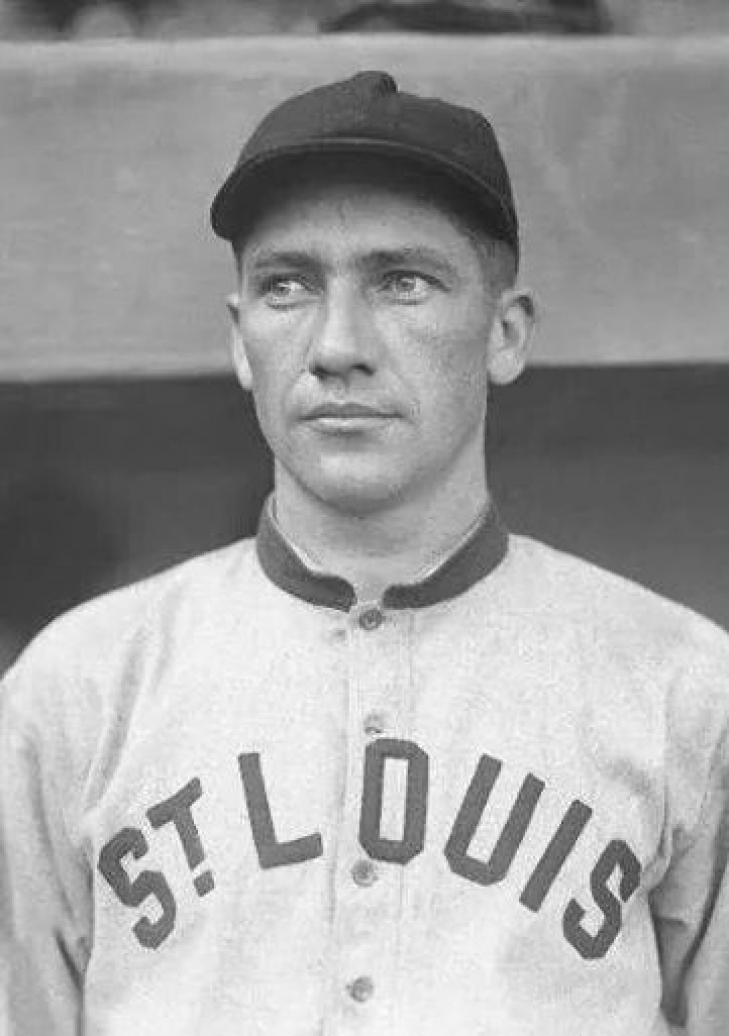
Del Pratt had a great rookie campaign in 1912, where the then St. Louis Brown had 172 Hits and a .302 Batting Average. The Second Baseman continued to do well, recording at least 159 Hits with 26 Stolen Bases and finishing first in Runs Batted In (103) in 1916. That was a good initial run, but all was not well in the city of St. Louis.
The Second Baseman had a poor 1917, and the Browns’ owner, Phil Ball, suggested that Pratt and other Browns players were deliberately playing badly with the hope of being traded. Ball suggested pay cuts for those players. Incensed that he was accused of dogging it, he and his teammate, Doc Lavan, sued Ball for slander. While the suit was eventually settled, Pratt was traded to the Yankees, which was good for both sides, as neither wanted to be around the other.
Pratt rebounded with New York, and he batted .314 in 1920. He was traded to the Boston Red Sox in 1921, where he batted .300 over his two seasons. He played two final years with the Detroit Tigers, again batting over .300 in those campaigns.
Pratt left the game four Hits shy of 2,000 with a Batting Average of .292.
