

 Not in Hall of Fame News
Yes, we know that this is taking a while! As many of…
 Not in Hall of Fame News
Yes, we know that this is taking a while! As many of…
 Not in Hall of Fame News
2002 SEMI-FINAL RESULTS: Thank you for your participation in the Pro Football…
 Not in Hall of Fame News
Yes, we know that this is taking a while! As many of…
 Not in Hall of Fame News
We are diligently working away at Notinhalloffame on revising our Football lists…
 Not in Hall of Fame News
We are diligently working away at Notinhalloffame on revising our Football lists…
 From the Desk of the Chairman
October baseball often turns individual pitching performances into lasting postseason memories. Strikeout…
 From the Desk of the Chairman
For decades, the sports debate ran on gut feeling. Barstool arguments, call-in…
 From the Desk of the Chairman
Introduction to Private Adult Tennis Camps in Prague Adult club players increasingly…
 From the Desk of the Chairman
Unlike in the case of pre-match betting, where you have to pick…
 From the Desk of the Chairman
Kupu178 builds trust with people by using top-end end-to-end encryption. It checks…
 From the Desk of the Chairman
Sports fans thrive on calculating strategy, reading momentum, and maximizing every tactical…






100 Active Potential Football Hall of Famers
-
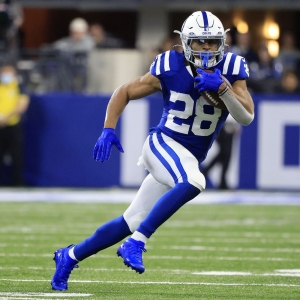 #47 Overall, Jonathan Taylor, Indianapolis Colts, #4 Running Back2025 Pre-Season Rank #70, 2024 Pre-Season Rank #98, 2023 Pre-Season Rank: #107, 2022 Pre-Season Rank #111. Peak Period: 2021-25 After a good rookie…
 -
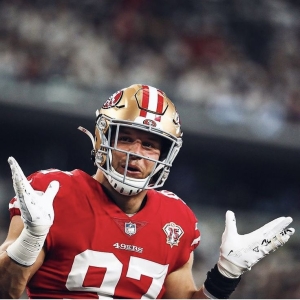 #39 Overall, Nick Bosa, San Francisco 49ers, #12 Defensive End: Defensive Linemen/Linebackers: Pass Rushers2025 Pre-Season Rank #42, 2024 Pre-Season Rank #52, 2023: Pre-Season Rank #83. Peak Period: 2019-23 The explosive Nick Bosa is one of a…
 -
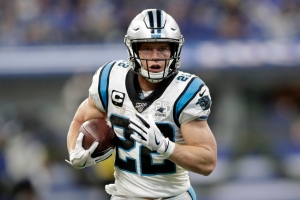 #17 Overall, Christian McCaffrey, San Francisco 49ers, #2 Running Back2025 Pre-Season Rank #21, 2024 Pre-Season Rank #16, 2023 Pre-Season Rank #55 Pre-Season Rank #66, 2021 Pre-Season Rank #76, 2020 Pre-Season Rank #81.…
 -
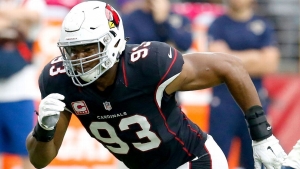 #14 Overall, Calais Campbell, Baltimore Ravens, Defensive End, #6 Defensive Lineman/Linebacker: Pass Rusher2025 Pre-Seasn Rank #14, 2024 Pre-Season Rank #19, 2023 Pre-Season Rank #19, 2022 Pre-Season Rank #26 2021 Pre-Season Rank #28, 2020 Pre-Season Rank…
Visit the Fictitious Halls of Fame!


You May Also Like...
EDITOR’S CHOICE

 DDT's Pop Flies
When the veterans committee (VC), officially convening as the Contemporary Baseball Era…

 Live Music Head
Project/Objectan interview with André Cholmondeleyby Live Music HeadOriginally published at timessquare.com on…

LATEST RANKINGS





MOST POPULAR RANKINGS
















Committee Chairman
240. Pedro Guerrero
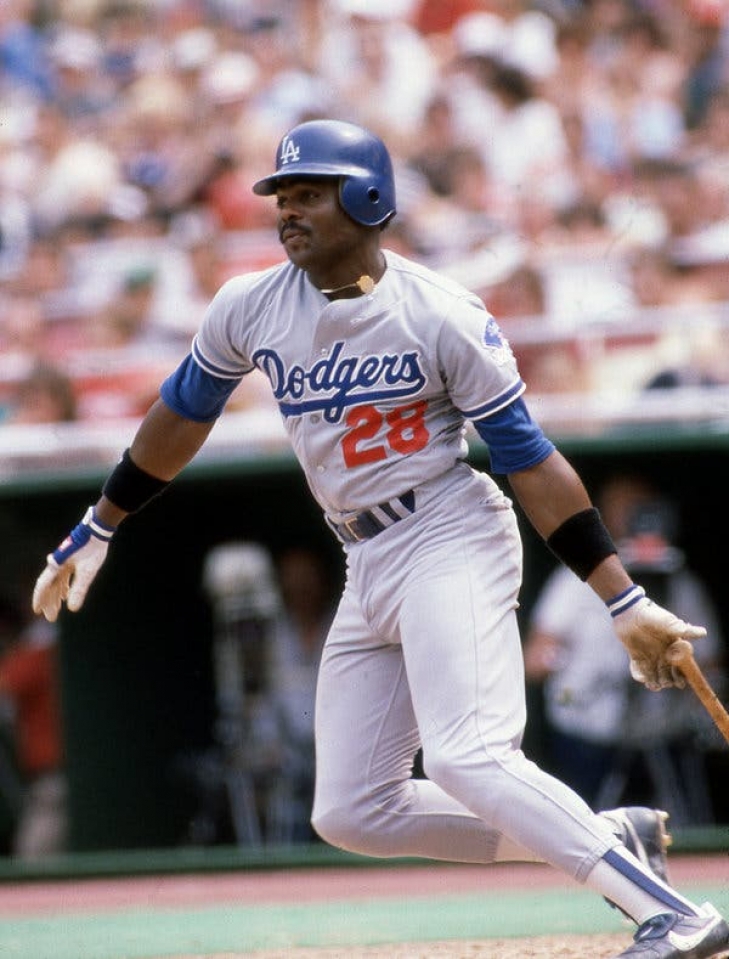
From the Dominican Republic, Pedro Guerrero brought his bat to the National League, playing mostly with the Los Angeles Dodgers.
226. Harvey Haddix
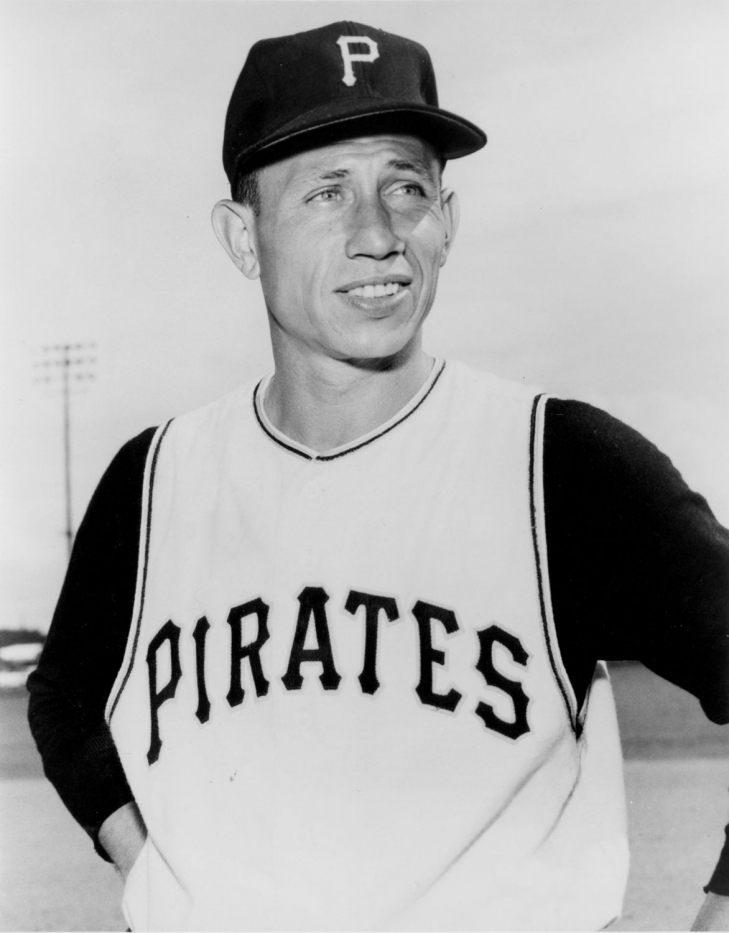
Baseball fans know what Harvey Haddix is mostly known for.
In 1959, in a game against the Milwaukee Braves, Haddix pitched 12 perfect innings before losing in the 13th after an error, an intentional walk, and a home run. Despite the loss, nobody had ever pitched 12 perfect innings before, and nobody has ever done it since. It is perhaps one of the most incredible performances ever by a hurler.
Haddix was a lot more than that game.
The lefthander broke into the Majors with the St. Louis Cardinals in 1952 for nine Games, and in the year after, he began a three-year run of All-Stars and was the runner-up for the Rookie of the Year. Haddix was traded to Philadelphia during the 1956 season, and while he had a losing record in 1957 (10-13), he led the National League in FIP (2.94) and SO/BB (3.49).
Haddix was then traded to Cincinnati, where he played only one year, but he again was the league leader in SO/BB (2.56), and he won his first of three straight Gold Gloves. Haddix was then traded to the Pirates in 1959, where he had that 12-inning gem. The southpaw was first that season in WHIP (1.061) and H/9 (7.6), and he would help the Pirates win the World Series in 1960.
He played five more years, with the last two being with the Baltimore Orioles. Haddix went 136-112 with 1,575 Strikeouts.
195. Sparky Lyle
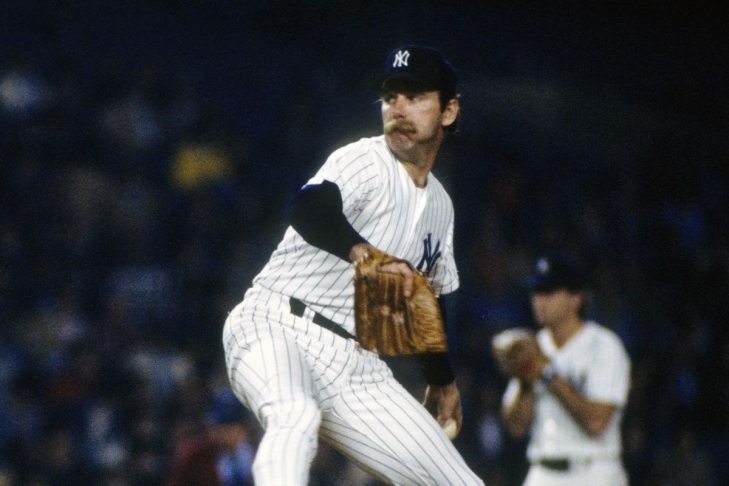
One of the most recognized Relief Pitchers of the 1970s is Sparky Lyle, who first debuted in the Majors with the Boston Red Sox in 1967. Lyle became Boston's closer in 1969, putting forth three straight 15 Save years, but he was deemed expendable, and the Red Sox traded him to the New York Yankees, who, as history would show, gave up nothing in return for him.
Lyle blossomed in New York, setting a then American League record 35 Saves and finishing third for the MVP, and raising the bar for closers. Lyle was an All-Star three times in the 70s, was a crucial part of New York's back-to-back World Series titles (1977 & 1978), and won the Cy Young in 1977.
Following the '78 World Series win, Lyle was traded to the Texas Rangers, but his skills were no longer there. He bounced around to Philadelphia and the Chicago White Sox before retiring in 1982. Lyle left the game with 238 Saves, and he finished 634 of the 899 Games he appeared in.
283. George Gore
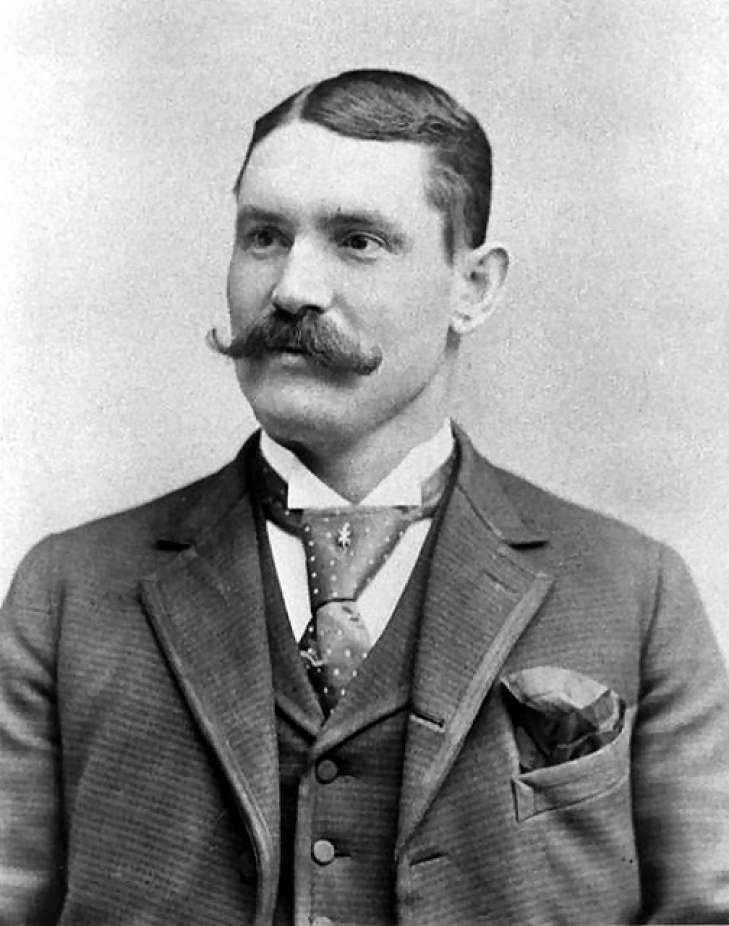
The first half of George Gore's career was by far the best half, where he was a member of the Chicago White Stockings, the team that became the iconic Chicago Cubs.
