

 Not in Hall of Fame News
Yes, we know that this is taking a while! As many of…
 Not in Hall of Fame News
Yes, we know that this is taking a while! As many of…
 Not in Hall of Fame News
2002 SEMI-FINAL RESULTS: Thank you for your participation in the Pro Football…
 Not in Hall of Fame News
Yes, we know that this is taking a while! As many of…
 Not in Hall of Fame News
We are diligently working away at Notinhalloffame on revising our Football lists…
 Not in Hall of Fame News
We are diligently working away at Notinhalloffame on revising our Football lists…
 From the Desk of the Chairman
October baseball often turns individual pitching performances into lasting postseason memories. Strikeout…
 From the Desk of the Chairman
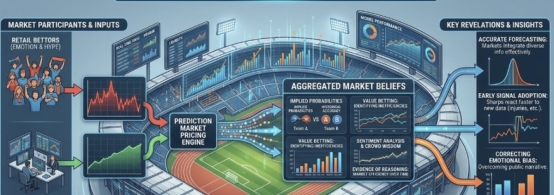
For decades, the sports debate ran on gut feeling. Barstool arguments, call-in…
 From the Desk of the Chairman
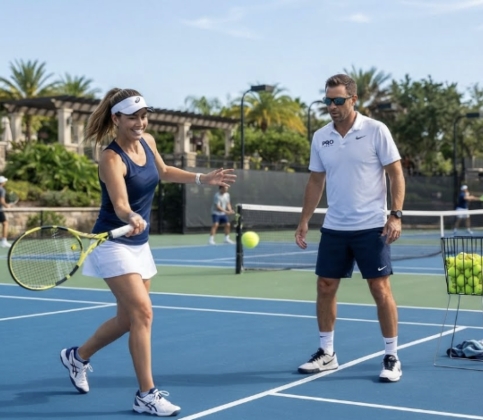
Introduction to Private Adult Tennis Camps in Prague Adult club players increasingly…
 From the Desk of the Chairman
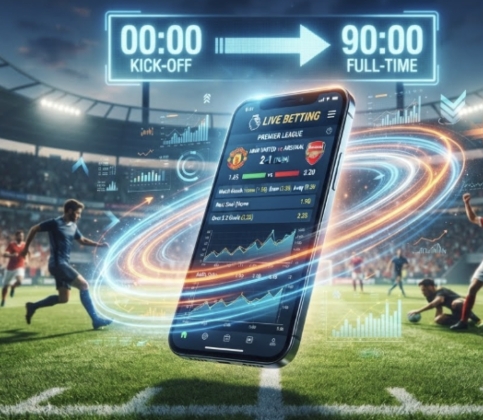
Unlike in the case of pre-match betting, where you have to pick…
 From the Desk of the Chairman
Kupu178 builds trust with people by using top-end end-to-end encryption. It checks…
 From the Desk of the Chairman
Sports fans thrive on calculating strategy, reading momentum, and maximizing every tactical…
100 Active Potential Football Hall of Famers
-
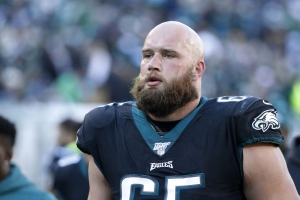 #34 Overall, Lane Johnson, Philadelphia Eagles, Right Tackle, #3 Offensive LinemanPre-Season Rank #27, 2024 Pre-Season Rank #40, 2023 Pre-Season Rank #57, 2022 Pre-Season Rank #107, 2021 Pre-Season Rank #143. Peak Period 2017-18/2022-24 When…
 -
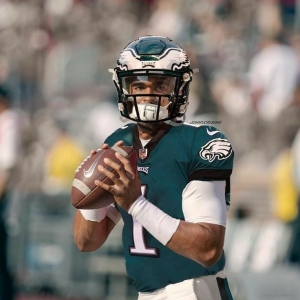 #32 Overall, Jalen Hurts, Philadelphia Eagles, #6 Quarterback2025 Pre-Season Rank #33, 2024 Pre-Season Rank #53, 2023 Pre-Season Rank #121. Peak Period: 2021-25 And in 2024, he became a champion. Jalen…in Quarterbacks
 -
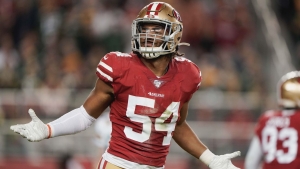 #30 Overall, Fred Warner, San Francisco 49ers Linebacker, #2 Defensive Lineman/Linebacker: Interior Lineman2025 Pre-Season Ranking #22, 2024 Pre-Season Rank #49, 2023 Pre-Season Rank #79, 2022 Pre-Season Rank #118, 2021 Pre-Season Rank #142. Peak Period: 2020-24…
 -
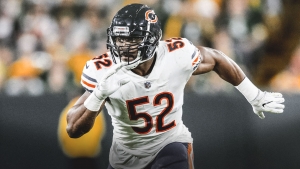 #13 Overall, Khalil Mack: Los Angeles Chargers, #5 Defensive Lineman/Linebacker: Pass Rusher2025 Pre-Season Rank #8, 2024 Pre-Season Rank #12, 2023 Pre-Season Rank #14, 2022 Pre-Season Rank #19, 2021 Pre-Season Rank #26, 2020 Pre-Season Rank…
Visit the Fictitious Halls of Fame!
You May Also Like...
EDITOR’S CHOICE
 DDT's Pop Flies
When the veterans committee (VC), officially convening as the Contemporary Baseball Era…
 Live Music Head
Project/Objectan interview with André Cholmondeleyby Live Music HeadOriginally published at timessquare.com on…
LATEST RANKINGS

MOST POPULAR RANKINGS

Committee Chairman
265. Deacon Phillippe
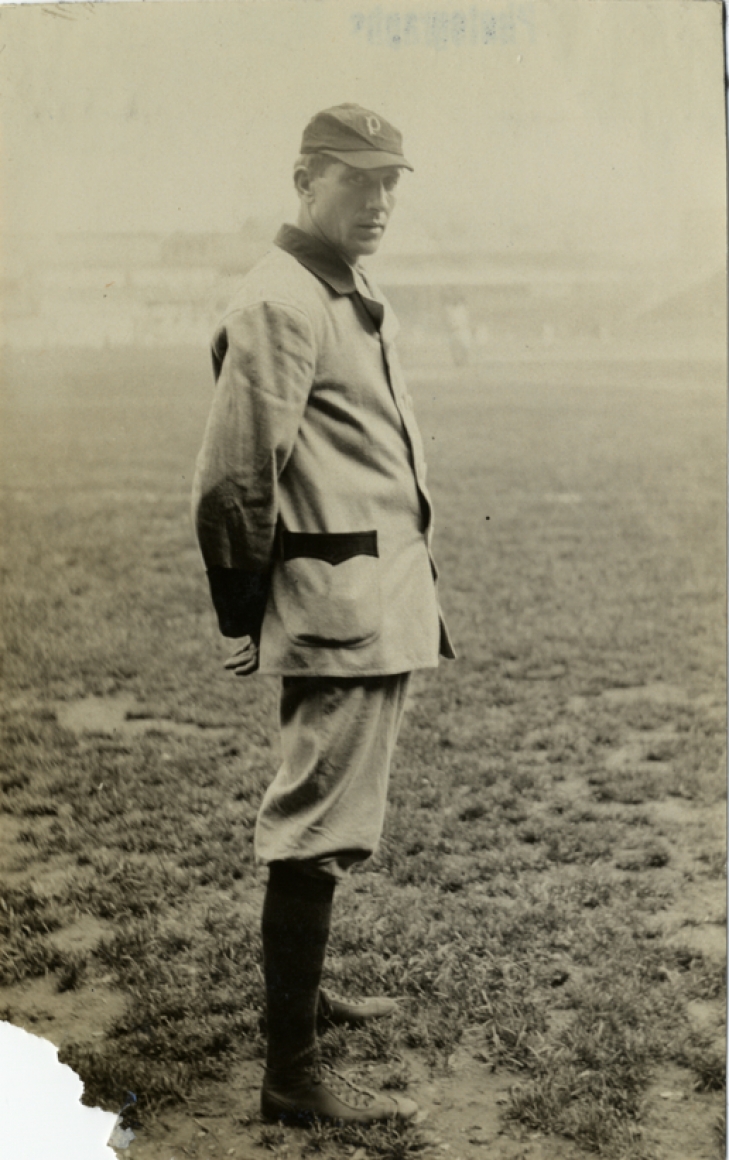
A Louisville Colonel for the first season of his career (1899), Deacon Phillippe was one of many players to be transferred to the Pittsburgh Pirates when the Colonels folded before the century's turn. In Western Pennsylvania, Phillipe played the rest of his professional career, which as it turned out to be a pretty good one.
236. Ed Konetchy
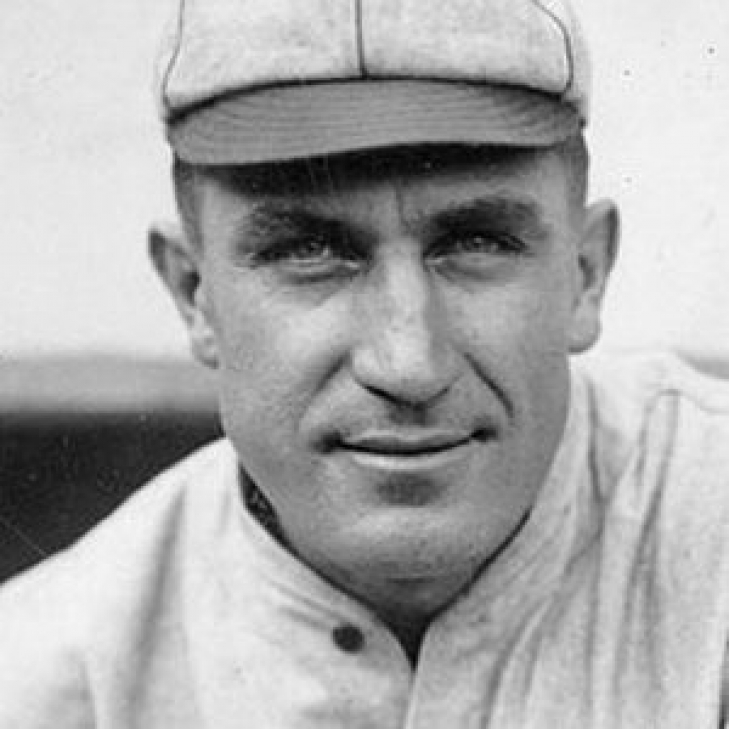
Ed Konetchy’s Major League career began in St. Louis in 1907, and the First Baseman would show remarkable consistency in the National League.
Konetchy played for the Cardinals from 1907 to 1913, had two .300 seasons, and led the NL in Doubles in 1911 (38). He was traded to the Pittsburgh Pirates in 1914, but that stay was only one year, as he was one of the many players to bolt for the short-lived Federal League, playing one season for the Pittsburgh Rebels.
Konetchy came back to the NL, playing for Brooklyn, again providing plenty of Hits and above-average defense at First.
Konetchy was traded to the Philadelphia Phillies during the 1921 Season, and he retired afterward with 2,150 career Hits and a respectable .281 Batting Average.
275. Devon White
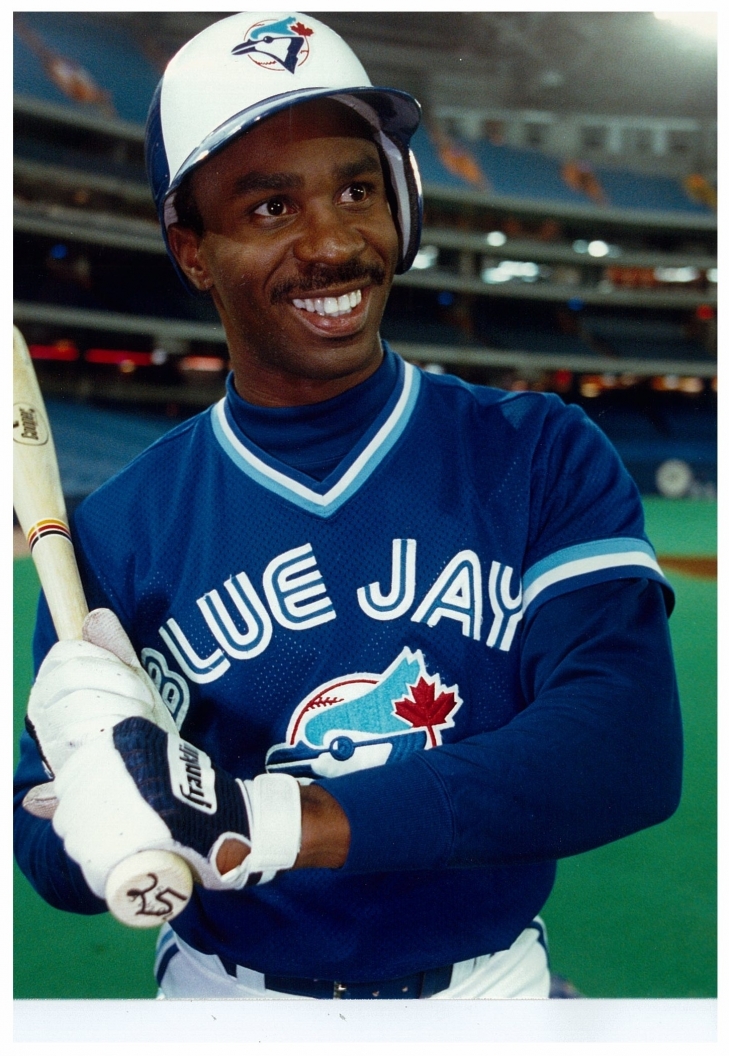
Born in Jamaica and raised in the United States, Devon White had a great career where the Outfielder used his speed and defensive skills to perform at a high-end level for over a decade.
294. Bill Hutchinson
Technically not eligible for the Baseball Hall of Fame as he didn’t play ten years in the Majors, Bill Hutchinson lands on this list based on the strength of three incredible years with the Chicago Colts.
