

 Not in Hall of Fame News
Yes, we know that this is taking a while! As many of…
 Not in Hall of Fame News
Yes, we know that this is taking a while! As many of…
 Not in Hall of Fame News
2002 SEMI-FINAL RESULTS: Thank you for your participation in the Pro Football…
 Not in Hall of Fame News
Yes, we know that this is taking a while! As many of…
 Not in Hall of Fame News
We are diligently working away at Notinhalloffame on revising our Football lists…
 Not in Hall of Fame News
We are diligently working away at Notinhalloffame on revising our Football lists…
 From the Desk of the Chairman
October baseball often turns individual pitching performances into lasting postseason memories. Strikeout…
 From the Desk of the Chairman
For decades, the sports debate ran on gut feeling. Barstool arguments, call-in…
 From the Desk of the Chairman
Introduction to Private Adult Tennis Camps in Prague Adult club players increasingly…
 From the Desk of the Chairman
Unlike in the case of pre-match betting, where you have to pick…
 From the Desk of the Chairman
Kupu178 builds trust with people by using top-end end-to-end encryption. It checks…
 From the Desk of the Chairman
Sports fans thrive on calculating strategy, reading momentum, and maximizing every tactical…


100 Active Potential Football Hall of Famers
-
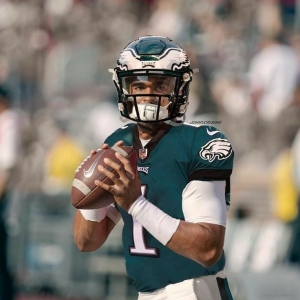 #32 Overall, Jalen Hurts, Philadelphia Eagles, #6 Quarterback2025 Pre-Season Rank #33, 2024 Pre-Season Rank #53, 2023 Pre-Season Rank #121. Peak Period: 2021-25 And in 2024, he became a champion. Jalen…in Quarterbacks
 -
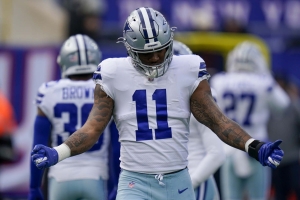 #29 Overall, Micah Parsons, Green Bay Packers, Linebacker, #10 Defensive Lineman/Linebacker: Pass Rusher2025 Pre-Season Rank #54, 2024 Pre-Season Rank #79, 2023: Pre-Season Rank #102. Peak Period: 2021-25 Here is what we wrote about Micah Parsons…
 -
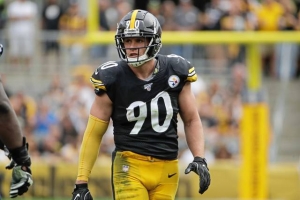 #10 Overall, T.J. Watt, Pittsburgh Steelers, #4 Defensive Lineman/Linebacker Pass Rusher2025 Pre-Season Rank #7, 2024 Pre-Season Rank #11: 2023 Pre-Season Rank #15, 2022 Pre-Season Rank #24, 2021 Pre-Season Rank #68, 2020 Pre-Season Rank…
 -
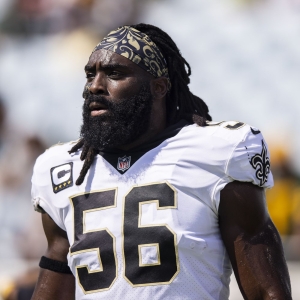 #48 Overall, DeMario Davis, New York Jets, Linebacker, #4 Defensive Lineman/Linebacker: Interior Lineman2025 Pre-Season Rank #47, 2024 Pre-Season Rank #47, 2023 Pre-Season Rank #61, 2022, Pre-Season Rank #137. Peak Period: 2019-23 Davis, a veteran player,…
Visit the Fictitious Halls of Fame!


You May Also Like...
EDITOR’S CHOICE
 DDT's Pop Flies
When the veterans committee (VC), officially convening as the Contemporary Baseball Era…


 Live Music Head
Project/Objectan interview with André Cholmondeleyby Live Music HeadOriginally published at timessquare.com on…

LATEST RANKINGS


MOST POPULAR RANKINGS


Committee Chairman
231. Guy Hecker
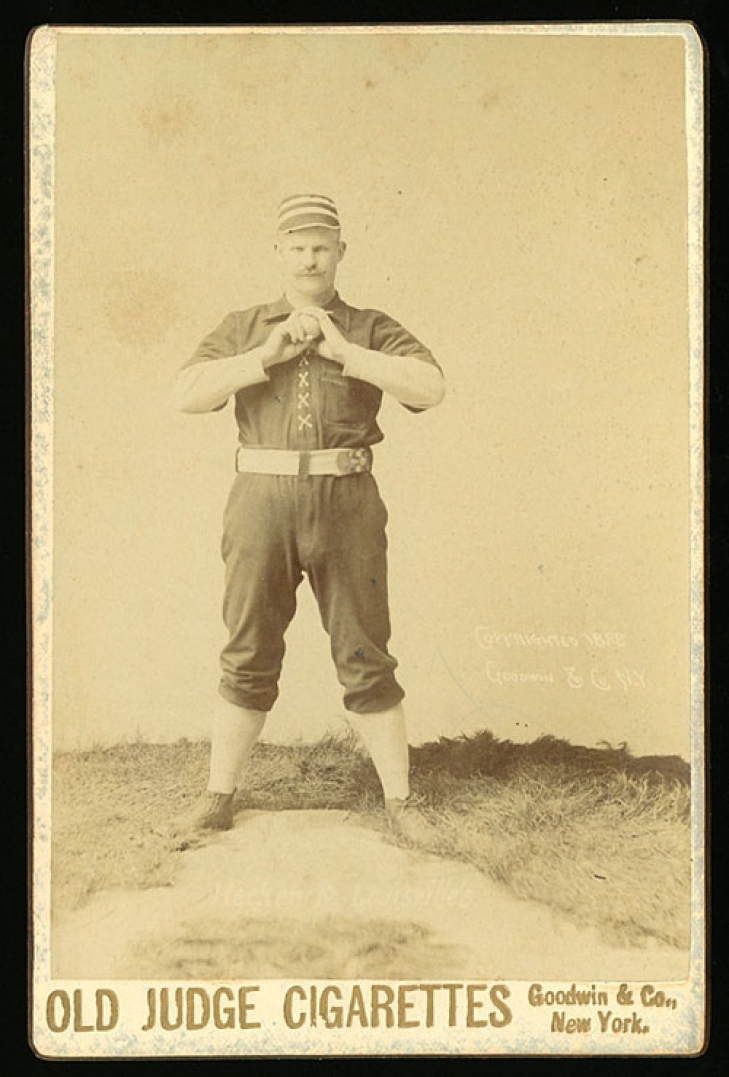
Guy Hecker was one of the best-hitting pitchers in baseball history, but because he played in the 1880s, he is one of the game's better-forgotten hurlers.
Hecker debuted for the Louisville Colonels of the American Association in 1882, and from 1883 to 1886, he won at least 25 Games, including a 52 Win season in 1884. That was the season where he also led the AA in ERA (1.80), Games Pitched (75), Innings Pitched (670.2), ERA+ (171), and WHIP (0.868). This was the best season of Hecker's life, and as you can imagine, with that kind of workload, his arm would suffer fatigue, and in his last four seasons in baseball, he was not nearly as effective.
With his bat, Hecker won the Batting Title in 1866 when he batted .341. He would have 812 Hits with a .282 career Batting Average, both of which are phenomenal for a player who was mostly used as a Pitcher.
Hecker did not play ten seasons; thus, he has never been on a Hall of Fame ballot, but he has 175 career Wins and a Batting Title. No other baseball player can say that.
213. Roger Peckinpaugh
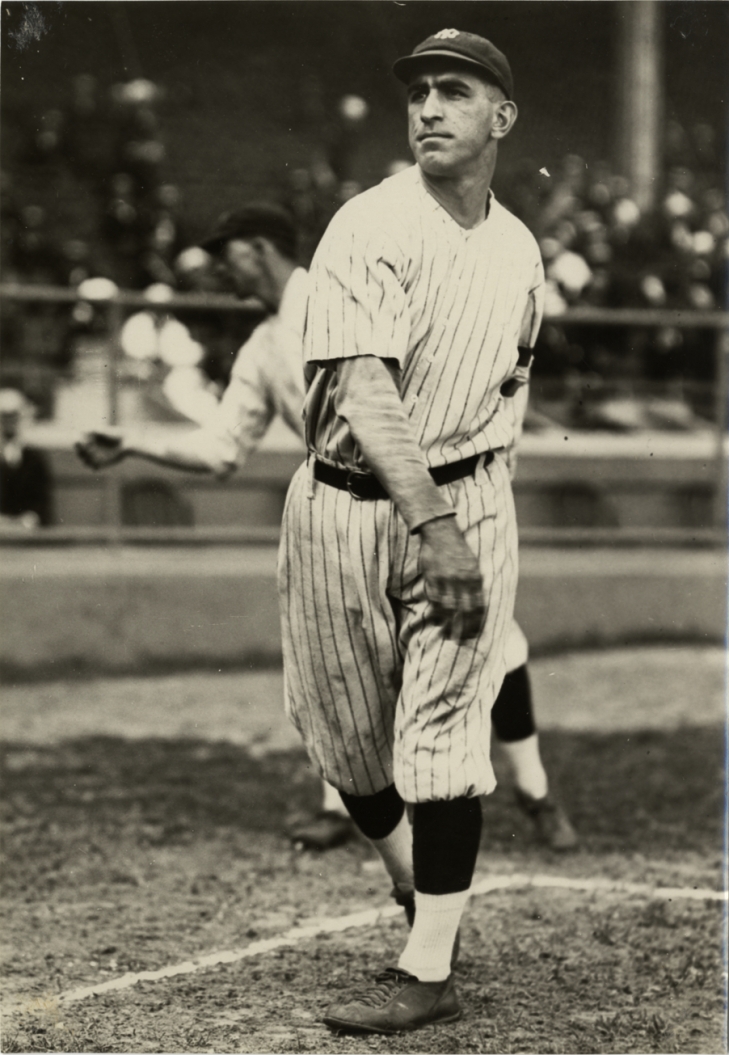
Roger Peckinpaugh was, without question, one of the greatest defensive players of his day, and you could go a step further and state that he was one of the best with the glove ever.
The Shortstop played for the Cleveland Naps when he debuted in the Majors, but he was not a starter for the team on Lake Erie. Peckinpaugh was traded to the New York Yankees in 1913, and by the next season, his glove put him on the baseball map. In eleven seasons, Peckinpaugh was in the top seven in Defensive bWAR, and he would lead the AL in that category twice (1918 & 1924). Peckinpaugh was a team leader for the Yankees, and he would assume that role when he was traded to the Washington Senators before the 1922 Season.
With the Sens, Peckinpaugh helped Washington win the 1924 World Series, and he won the MVP the year after, though statistically speaking, he probably should not have. That was the last good year that the Shortstop had, and he played two more seasons, with his final one being for the White Sox.
Peckinpaugh is currently 20th all-time in Defensive bWAR, and he has 1,876 career Hits.
295. Larry Gardner
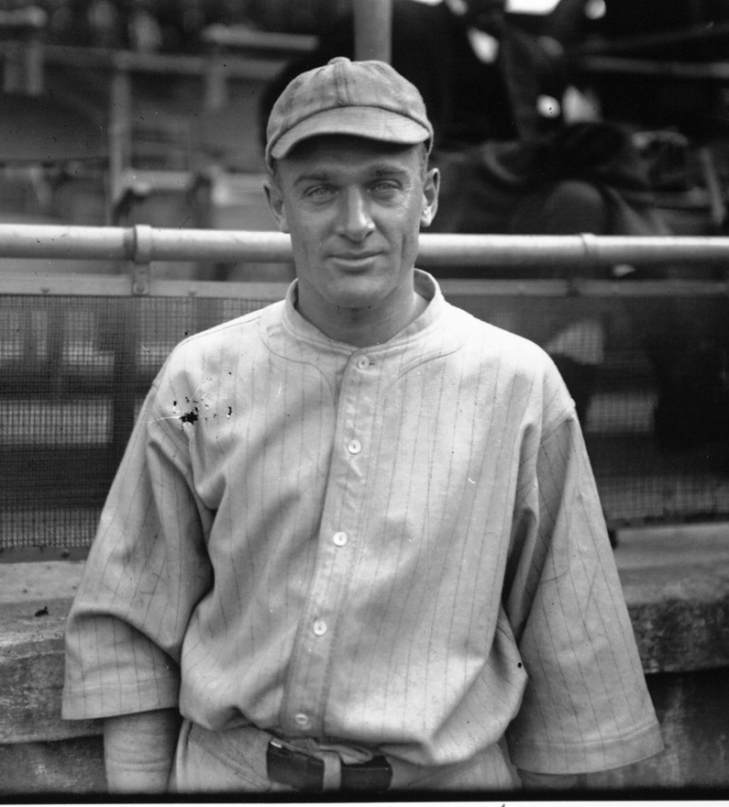
A native of Vermont, Larry Gardner broke into the Majors relatively close with the Boston Red Sox in 1908. Playing mostly at Third Base, Gardner was mainly known for his defensive abilities, finishing in Defensive bWAR seven times in the top ten. Gardner was Boston's Third Baseman for their three World Series Championship in the 1910s, and he would win a fourth World Series with the Cleveland Indians in 1920.
196. Al Rosen
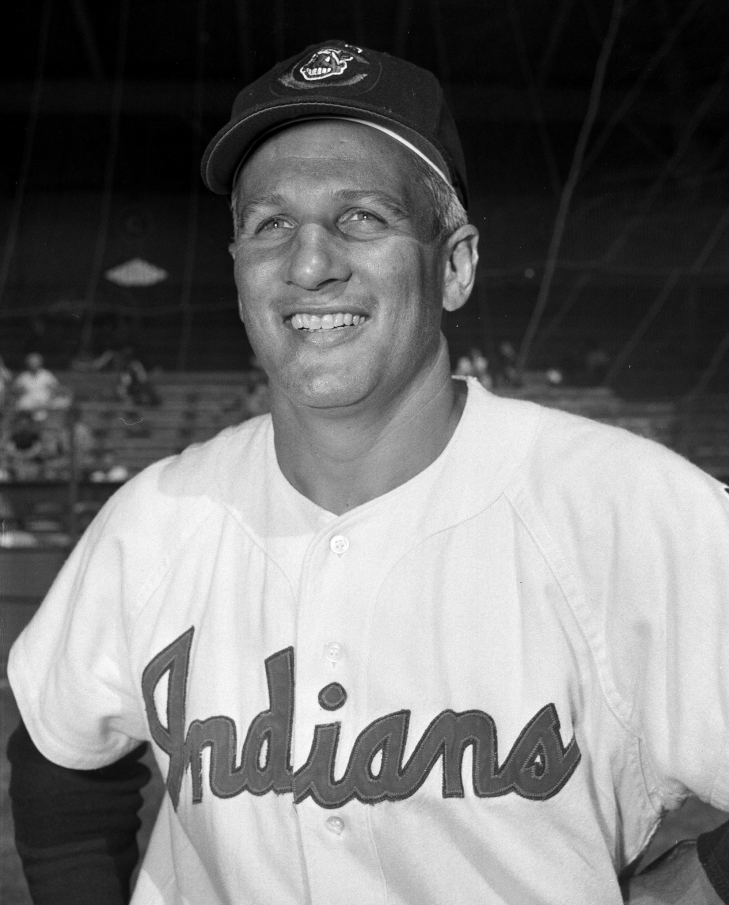
Al Rosen made his first appearance for the Cleveland Indians in 1947, and this would be the only Major League team he ever played for.
