

 Not in Hall of Fame News
Yes, we know that this is taking a while! As many of…
 Not in Hall of Fame News
Yes, we know that this is taking a while! As many of…
 Not in Hall of Fame News
2002 SEMI-FINAL RESULTS: Thank you for your participation in the Pro Football…
 Not in Hall of Fame News
Yes, we know that this is taking a while! As many of…
 Not in Hall of Fame News
We are diligently working away at Notinhalloffame on revising our Football lists…
 Not in Hall of Fame News
We are diligently working away at Notinhalloffame on revising our Football lists…
 From the Desk of the Chairman
October baseball often turns individual pitching performances into lasting postseason memories. Strikeout…
 From the Desk of the Chairman
For decades, the sports debate ran on gut feeling. Barstool arguments, call-in…
 From the Desk of the Chairman
Introduction to Private Adult Tennis Camps in Prague Adult club players increasingly…
 From the Desk of the Chairman
Unlike in the case of pre-match betting, where you have to pick…
 From the Desk of the Chairman
Kupu178 builds trust with people by using top-end end-to-end encryption. It checks…
 From the Desk of the Chairman
Sports fans thrive on calculating strategy, reading momentum, and maximizing every tactical…

100 Active Potential Football Hall of Famers
-
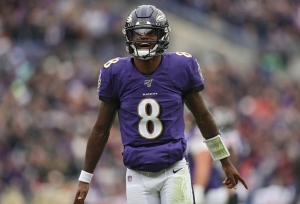 #12 Overall, Lamar Jackson, Baltimore Ravens, #4 Quarterback2025 Pre-Season Rank #10, 2024 Pre-Season Rank #14, 2023 Pre-Season Rank #30, 2022 Pre-Season Rank #38, 2021 Pre-Season Rank #46, 2020 Pre-Season Rank…in Quarterbacks
 -
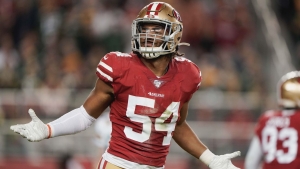 #30 Overall, Fred Warner, San Francisco 49ers Linebacker, #2 Defensive Lineman/Linebacker: Interior Lineman2025 Pre-Season Ranking #22, 2024 Pre-Season Rank #49, 2023 Pre-Season Rank #79, 2022 Pre-Season Rank #118, 2021 Pre-Season Rank #142. Peak Period: 2020-24…
 -
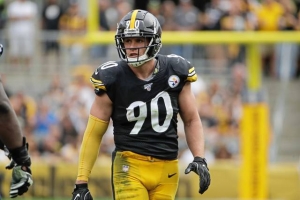 #10 Overall, T.J. Watt, Pittsburgh Steelers, #4 Defensive Lineman/Linebacker Pass Rusher2025 Pre-Season Rank #7, 2024 Pre-Season Rank #11: 2023 Pre-Season Rank #15, 2022 Pre-Season Rank #24, 2021 Pre-Season Rank #68, 2020 Pre-Season Rank…
 -
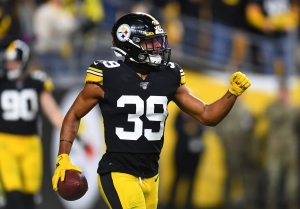 #44 Overall, Minkah Fitzpatrick, New York Jets, Free Safety, #3 Safety2025 Pre-Season Rank #43, 2024 Pre-Season Rank #56, 2023 Pre-Season Rank #63, 2022 Pre-Season Rank #99, 2021 Pre-Season Rank #108, 2020 Pre-Season Rank…in Safeties
Visit the Fictitious Halls of Fame!
You May Also Like...
EDITOR’S CHOICE
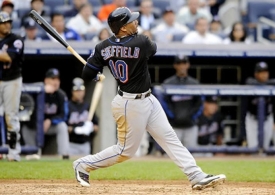 DDT's Pop Flies
When the veterans committee (VC), officially convening as the Contemporary Baseball Era…

 Live Music Head
Project/Objectan interview with André Cholmondeleyby Live Music HeadOriginally published at timessquare.com on…

LATEST RANKINGS


MOST POPULAR RANKINGS




Committee Chairman
274. Jose Rijo
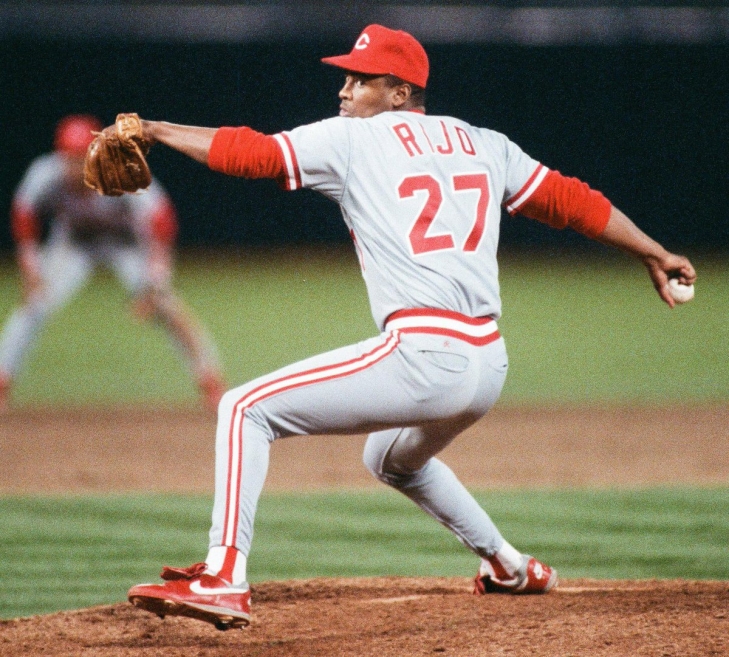
There was a lot of hype for years around Dominican Pitcher Jose Rijo, so much so that the New York Yankees (likely due to the owner, George Steinbrenner) rushed him into the majors at age 18. Rijo did not do well as a rookie, but what 18-year-old in the Majors does?
284. Darrell Porter
Should Darrell Porter be on this list? We think so, but a look at his overall statistics might make you feel otherwise.
222. Jimmy Ryan
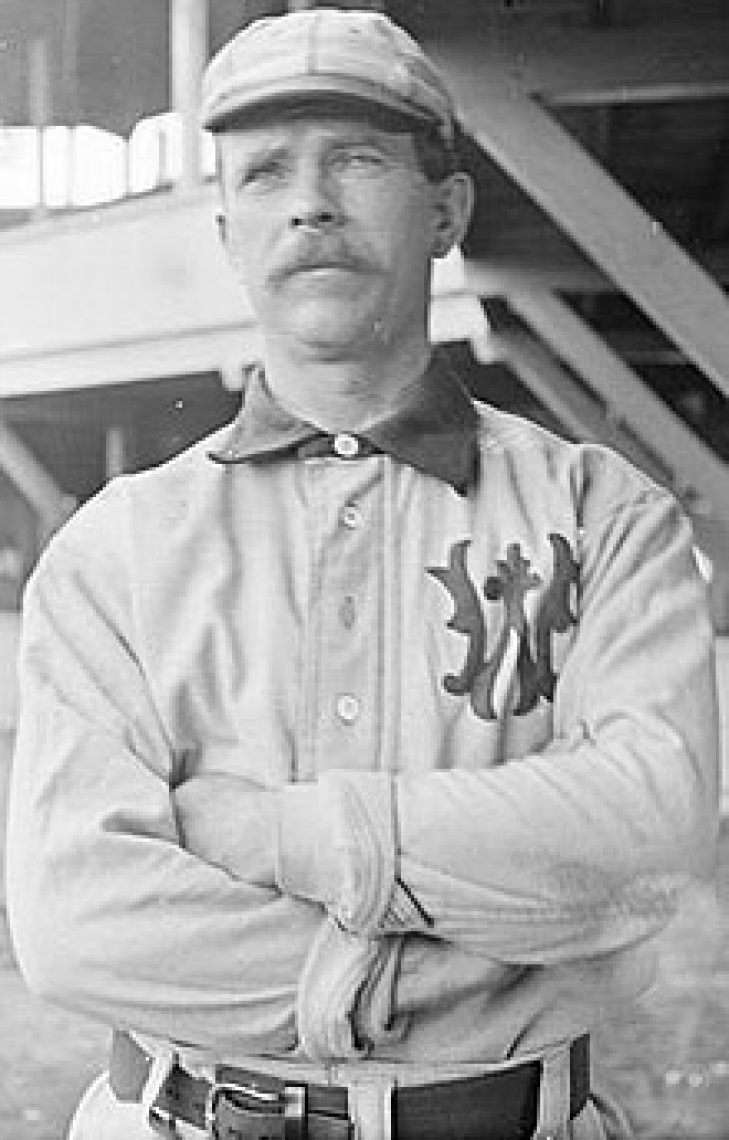
One of the early stars of Chicago baseball was Outfielder Jimmy Ryan, who played for the Cubs back when they were called the White Stockings and the Colts. Oh, and also when they were the Orphans. He was also with the Chicago Pirates of the Players’ League. Simply put, if you went to a professional baseball game in Chicago from 1885 to 1900, you saw Jimmy Ryan play.
Ryan was a consistent hitter throughout his career, and in this dead-ball era, he had quite a bit of power. The Outfielder led the National League in Home Runs in 1888 (16), and he was also the league-leader in Hits (182), Doubles (33), and Slugging Percentage (.515). Ryan batted .332 that year, and he would surpass the .300 mark nine other years. He was also very good on the basepaths, with Ryan swiping over 25 Bases nine times.
While we can't say that his overall stats scream a Hall of Famer, Ryan has 1,643 Runs, 2,513 Hits, and a lifetime Batting Average of .308. You would think he would at least have appeared on a ballot, but that never happened for Ryan. Maybe because he allegedly punched reporters (more than once), but writers never hold grudges over decades, do they?
249. Larry French
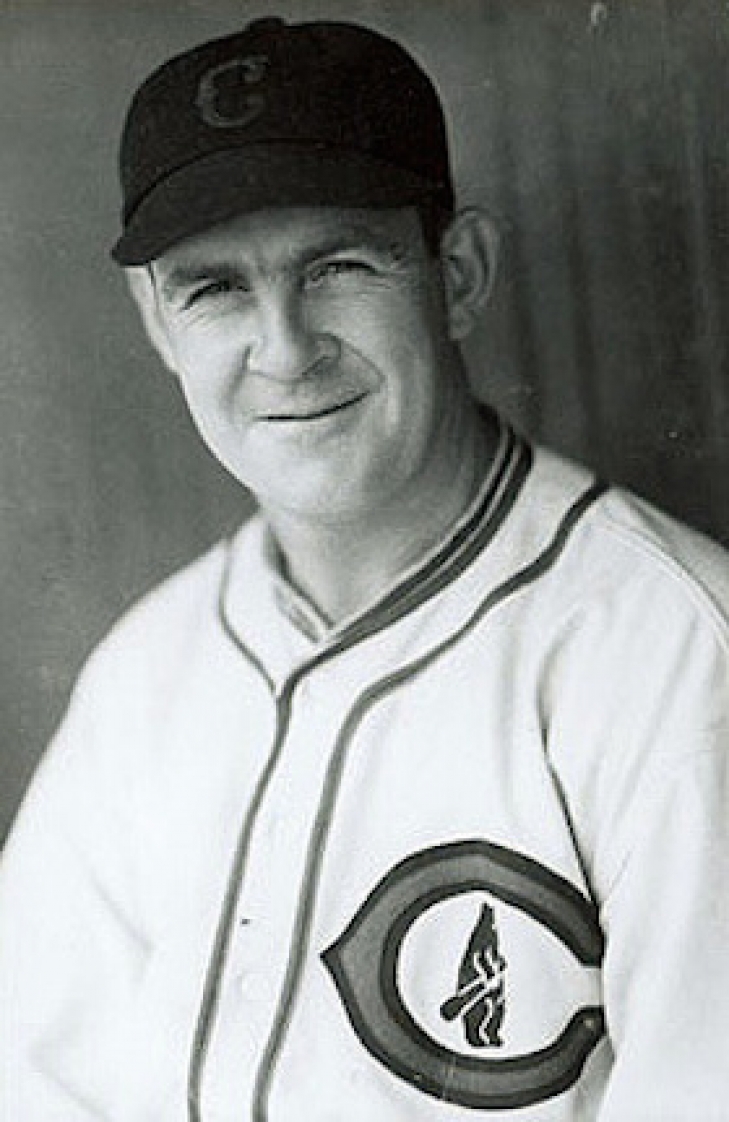
Debuting for the Pittsburgh Pirates in 1929, Larry French was a top knuckleball pitcher of the 1930s.
